

Chester, United Kingdom Travel Guide
Chester travel guide: explore Roman walls, medieval Rows, Chester Cathedral, riverside walks, museums, independent shops and historic Cheshire culture.
Roman Foundations
Chester stands on the River Dee in north-west England, close to the Welsh border and within easy reach of the wider landscapes of Cheshire and north Wales. Its long history is unusually legible in the streetscape: the Roman fortress of Deva Victrix established the city's strategic importance, while the medieval walls, cathedral precinct and timber-framed shopping galleries known as the Rows preserve the character of a later walled city. Walking around Chester is a journey through distinct layers of urban history rather than a visit to a single historic quarter.Walls, Rows and Cathedral
The complete circuit of Chester's Roman and medieval walls offers changing views over the city, the River Dee and the Welsh hills beyond. At street level, the Rows combine covered galleries, shops and black-and-white historic façades, particularly around Eastgate Street, Bridge Street and Watergate Street. Chester Cathedral occupies the centre of the old city, with medieval origins and a complex architectural history, while the Roman Amphitheatre and nearby museums reveal the scale of the former fortress.A City by the Dee
Along the river, Chester's historic core gives way to promenades, bridges, gardens and boat trips, with the Groves providing a relaxed setting beside the water. Contemporary culture is represented by Storyhouse, which brings theatre, cinema and the library together in a prominent city-centre venue. Independent shops, cafés, traditional pubs and seasonal events add present-day life to the ancient framework, while nearby excursions can reach Roman sites, Cheshire villages and the border landscapes of Wales.
Know before you go
Hi, I'm Eve. Here are a few practical things to know before exploring Chester.
- Walk the city walls in sections to appreciate Chester's gates, towers and views without rushing the historic centre.
- Look upwards along Eastgate Street, Bridge Street and Watergate Street to see the upper levels of the medieval Rows.
- Allow time for Chester Cathedral as well as the Roman Amphitheatre, since each explains a different period of the city's history.
- Use Chester railway station for rail travel and check local bus connections before planning excursions beyond the compact centre.
- Take a riverside walk at the Groves and consider a boat trip on the Dee when seasonal services are operating.
Explore Chester: Things to Do, Places to Eat, Hotels & More
Handpicked recommendations for top attractions, local dining, accommodations, and more

Best attractions in Chester
Top-rated picks
Best Attractions

Escapism Chester
Dive into Chester’s top escape room with immersive puzzles, captivating themes, and expert hosts for an unforgettable adventure.

Marmalade
Chester’s cozy café serving generous gluten-free breakfasts and specialty coffees in a friendly, welcoming atmosphere.

Chester Zoo
Explore the UK's largest zoo, home to 35,000 animals and immersive tropical habitats, championing conservation and unforgettable family adventures.

Chester Cathedral
Discover Chester Cathedral’s timeless blend of medieval grandeur, vibrant worship, and breathtaking views atop its historic tower.

Best landmarks in Chester
Top-rated picks
Best Landmarks

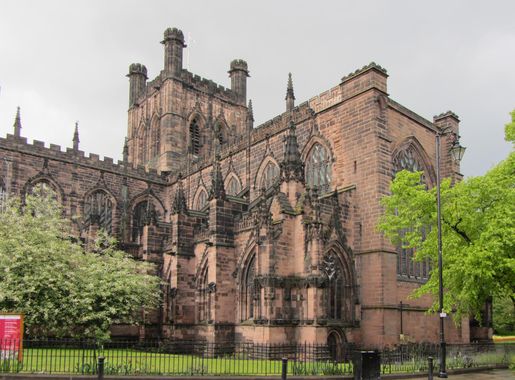
Chester Cathedral
A thousand-year-old cathedral blending medieval majesty with vibrant modern worship in historic Chester.
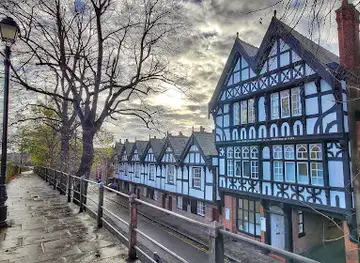
Chester City Walls
Walk the ancient Chester City Walls, Britain’s most complete Roman fortifications offering historic views and timeless charm around the city.
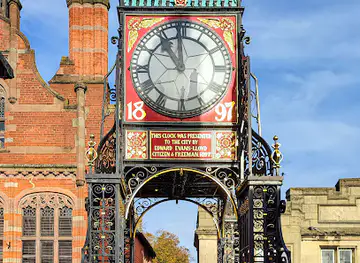
Eastgate Clock
England's second most photographed clock, crowning two millennia of history atop Chester's ancient Roman gateway.

Queens Park Bridge
A historic Victorian-era suspension footbridge spanning the River Dee with elegant lattice ironwork and timeless charm.

Best restaurants in Chester
Top-rated picks
Best Restaurants

Pierogi | Handmade Polish Dumplings
Authentic handmade Polish dumplings in Chester’s cozy Brook Street eatery, blending tradition with fresh, comforting flavors.

Shrub
Innovative vegan dining with Mediterranean and East Asian flair in Chester’s iconic Eastgate Row, featuring creative cocktails and a relaxed urban pastoral vibe.

Stile Napoletano
Experience authentic Neapolitan pizza crafted with passion and tradition in the heart of Chester’s historic district.

Covino
Discover Covino, Chester’s intimate wine bar pairing exceptional organic wines with inventive small plates in a cozy, historic setting.

Best bars in Chester
Top-rated picks
Best Bars

Metronome Jazz Bar
Chester’s intimate jazz bar with live piano, vinyl classics, and a warm, candlelit atmosphere for a perfect night out.

Prohibition
Step into Chester’s secretive speakeasy with expertly crafted cocktails, plush vintage style, and jazz-infused ambiance on historic Watergate Street.

Paysan
Chester’s cozy wine bar with 200+ wines downstairs and a vibrant beer cellar upstairs, perfect for relaxed evenings and casual gatherings.

Telford's Warehouse
Historic Georgian warehouse turned lively canalside bar and music venue with hearty British food and a rich cultural scene in Chester.

Best nightclubs in Chester
Top-rated picks
Best Nightclubs

The Guild Chester
Experience Chester's vibrant nightlife in a stunning historic venue blending classic charm with modern cocktail culture.

BONOBO Bar & Canteen
A vibrant two-floor bar and canteen in Chester blending American eats, cocktails, video games, and lively music for a unique nightlife experience.

Revolution Chester
Experience vibrant nightlife, creative cocktails, and lively music at Revolution Chester, the city’s premier lounge and party venue.

The Live Rooms
A vibrant live music and nightlife venue in Chester, blending intimate concerts with lively club nights and diverse entertainment.

Best shops in Chester
Top-rated picks
Best Shops

Rainforest
Discover Chester’s serene spiritual gift shop with crystals, mindfulness tools, and warm hospitality at Rainforest on Watergate Street.

Styled Boutique
A warm, independent women’s boutique in Chester’s historic centre, offering easy-to-wear fashion and a personal, friendly shopping experience.

Suzie K
Discover Chester’s magical alternative gift shop blending unique fashion, crystals, and holistic services in a warm, welcoming atmosphere.

Søstrene Grene
Discover Scandinavian-inspired home décor, crafts, and gifts at Søstrene Grene Chester, a charming and affordable treasure trove in the city center.

Explore Chester on the Map
A handpicked selection of must-see spots in Chester, mapped for you.
Chester Essentials
-
Chester railway station has direct and connecting services linking the city with Liverpool, Manchester, North Wales and other parts of Britain; onward journeys may require a change depending on the origin. Long-distance coaches and regional buses also serve the city, while the M56 provides road access from Manchester and the motorway network, and the A55 connects with North Wales. Chester does not have a major passenger airport of its own. Liverpool John Lennon Airport and Manchester Airport are the principal international air gateways for the region, with onward rail, bus, taxi or car connections. Holyhead offers ferry connections to Ireland, but it is a regional onward destination rather than a transport facility within Chester.
-
Central Chester is compact and best explored on foot, particularly within and around the walls, Rows and cathedral precinct. Local and regional buses provide connections to the railway station, suburban districts and nearby towns, while taxis are available for journeys less suited to walking. Chester is generally manageable by bicycle, although visitors should take care around busy roads and pedestrian areas. The city centre has pedestrianised or restricted streets, and parking is more practical in designated car parks around the historic core than on central streets. The city's riverside paths and walls create pleasant walking routes, but sections of the walls include steps and uneven historic surfaces.
-
The currency is the pound sterling, written as GBP or £. Debit and credit cards, including contactless payments, are widely accepted in hotels, shops, cafés, museums and restaurants, although small independent businesses or market stalls may occasionally prefer cash or have minimum-payment policies. Cash machines are available in the city centre, but international visitors should check whether their card provider applies foreign-exchange or withdrawal charges. Contactless transport payment may be available on some local services, but arrangements vary between operators, so a travel card or alternative payment method can be useful when making regional journeys.
-
Chester is a well-established visitor city, but ordinary urban precautions remain appropriate. Keep bags and phones secure in crowded shopping areas, around the station and at busy events, and take care on the medieval walls, where some stretches are narrow or uneven. At night, remain aware of traffic and use well-lit routes when moving between the city centre, accommodation and the station. If walking beside the River Dee, follow signed paths and take account of changing weather and riverside conditions. Licensed taxis or reputable booked services are preferable for late journeys, while visitors driving should use designated parking and avoid leaving valuables in cars.
-
In the United Kingdom, call 999 or 112 for an immediate police, fire or medical emergency; both numbers are free from mobile and landline phones. Give the operator the city, street name, nearby landmark and the type of assistance required, and follow instructions carefully. For urgent but non-life-threatening medical advice, NHS 111 can provide guidance by telephone or online. Visitors who need treatment should explain any travel insurance or European healthcare entitlement they hold, while pharmacies can advise on minor ailments. For a police matter that is not an emergency, use the local police non-emergency route rather than tying up emergency lines.
-
Be considerate in Chester Cathedral and other religious or historic interiors: dress respectfully, observe notices and avoid disruptive photography or conversation during services. Keep to marked paths and respect barriers on the Roman Amphitheatre, city walls and archaeological sites. Queue patiently on public transport and allow passengers to leave before boarding. Tipping is discretionary rather than compulsory in Britain; restaurants may add a service charge, so check the bill before deciding whether to leave more. Do not climb historic structures, obstruct narrow Rows walkways or assume that every building open to visitors permits photography. Polite greetings, quiet consideration and straightforward requests are customary.
-
The city walls provide the clearest orientation route, linking several gates and viewpoints before dropping into the historic streets. Combine the cathedral precinct with the Rows, then continue towards the Groves for a contrasting riverside setting. Chester Market and the surrounding central streets are useful for seeing everyday retail and food activity alongside the more heritage-focused visitor areas. Storyhouse offers theatre, cinema, library and cultural programming in the city centre, with schedules varying by season. For a broader regional itinerary, Chester works well as a base for North Wales, the Cheshire countryside and nearby Roman sites, but these require separate transport planning.
When is the best time to visit Chester?
Useful Local Phrases for Chester
You don't need to speak the language perfectly. Even learning a few simple words can make conversations warmer—and locals usually appreciate the effort.
— Eve

Here are the phrases I use most often in Chester. Try a few—you'll be surprised how far they go! 😊
❤️
-
- HelloHello
[həˈloʊ] - GoodbyeGoodbye
[ɡʊdˈbaɪ] - YesYes
[jɛs] - NoNo
[noʊ] - Please/You're welcomePlease/You're welcome
[pliːz/jʊər ˈwɛlkəm] - Thank youThank you
[θæŋk juː] - Excuse me/SorryExcuse me/Sorry
[ɪkˈskjuːz miː/ˈsɔri] - How are you?How are you?
[haʊ ɑːr juː] - Fine. And you?Fine. And you?
[faɪn. ənd juː] - Do you speak English?Do you speak English?
[duː juː spiːk ˈɪŋɡlɪʃ] - I don't understandI don't understand
[aɪ doʊnt ˌʌndərˈstænd]
- HelloHello
-
- I'd like to see the menu, pleaseI'd like to see the menu, please
[aɪd laɪk tə siː ðə ˈmɛnjuː, pliːz] - I don't eat meatI don't eat meat
[aɪ doʊnt iːt miːt] - Cheers!Cheers!
[ʧɪrz] - I would like to pay, pleaseI would like to pay, please
[aɪ wəd laɪk tə peɪ, pliːz]
- I'd like to see the menu, pleaseI'd like to see the menu, please
-
- Help!Help!
[hɛlp] - Go away!Go away!
[ɡoʊ əˈweɪ] - Call the Police!Call the Police!
[kɔːl ðə pəˈliːs] - Call a doctor!Call a doctor!
[kɔːl ə ˈdɒktər] - I'm lostI'm lost
[aɪm lɔst] - I'm illI'm ill
[aɪm ɪl]
- Help!Help!
-
- I'd like to buy...I'd like to buy...
[aɪd laɪk tə baɪ...] - I'm just lookingI'm just looking
[aɪm dʒʌst ˈlʊkɪŋ] - How much is it?How much is it?
[haʊ mʌʧ ɪz ɪt?] - That's too expensiveThat's too expensive
[ðæts tuː ɪkˈspɛnsɪv] - Can you lower the price?Can you lower the price?
[kæn juː ˈloʊər ðə praɪs?]
- I'd like to buy...I'd like to buy...
-
- What time is it?What time is it?
[wʌt taɪm ɪz ɪt?] - It's one o'clockIt's one o'clock
[ɪts wʌn əˈklɒk] - Half past (10)Half past (10)
[hɑːf pæst (10)] - MorningMorning
[ˈmɔrnɪŋ] - AfternoonAfternoon
[ˌæf.tɚˈnun] - EveningEvening
[ˈiːvnɪŋ] - YesterdayYesterday
[ˈjɛstərdeɪ] - TodayToday
[təˈdeɪ] - TomorrowTomorrow
[təˈmɔroʊ] - 11
[wʌn] - 22
[tuː] - 33
[θriː] - 44
[fɔr] - 55
[faɪv] - 66
[sɪks] - 77
[sɛvən] - 88
[eɪt] - 99
[naɪn] - 1010
[tɛn]
- What time is it?What time is it?
-
- Where's a/the...?Where's a/the...?
[wɛrz ə/ðə...?] - What's the address?What's the address?
[wʌts ði əˈdrɛs?] - Can you show me (on the map)?Can you show me (on the map)?
[kæn juː ʃoʊ miː (ɒn ðə mæp)?] - When's the next (bus)?When's the next (bus)?
[wɛnʤ ði nɛkst (bʌs)?] - A ticket (to ....)A ticket (to ....)
[ə ˈtɪkɪt (tuː ....)]
- Where's a/the...?Where's a/the...?
History of Chester
-
Chester began as the Roman fortress of Deva Victrix, established beside the River Dee during the late first century AD, probably around AD 79. Its position allowed Rome to control routes into north Wales and monitor movement across the north-western frontier. Deva became one of the largest permanent military bases in Britain, with substantial defensive walls, barracks, administrative buildings and an amphitheatre. The surviving Roman Amphitheatre and fragments incorporated into the modern walls provide tangible evidence of its scale. The fortress also supported civilian settlement and trade outside its defences. Roman military occupation ended in the early fifth century as imperial authority withdrew from Britain, but the city's strategic location continued to shape its later development.
-
After the Roman period, Chester remained an important settlement within the changing kingdoms of northern and western England. In 907, Æthelflæd, ruler of Mercia, refortified the city as part of a network of burhs confronting Viking power and securing the region. Its position on the Dee made Chester valuable both militarily and commercially, while its proximity to Wales gave it continuing significance as a frontier centre. The late Anglo-Saxon and early medieval town developed around the old Roman site, reusing parts of the fortress defences. This combination of Roman infrastructure and renewed Mercian fortification helped preserve Chester's identity as a walled and strategically placed settlement.
-
Following the Norman Conquest, William the Conqueror created the strategically important earldom of Chester in 1071 and established Chester Castle near the River Dee. The castle became a centre of royal and comital authority, while the Norman earls strengthened the city as a base for campaigns and administration on the Welsh border. Hugh Lupus, the first Norman earl, founded a Benedictine monastery in 1092 on the site associated with the earlier minster; it later developed into Chester Cathedral. Norman rule also reshaped landholding, government and the urban elite. The castle, cathedral precinct and surviving medieval street pattern reflect the city's importance within the political landscape of the Marches.
-
During the Middle Ages, Chester prospered as a market and port serving Cheshire, the Irish Sea and routes towards Wales. Its commercial streets developed the distinctive Rows: raised, partly covered walkways with shops at ground level and further premises above. Their precise evolution followed rebuilding and adaptation over several centuries, but they became one of the city's defining urban features. Chester's religious life also expanded around the cathedral and other ecclesiastical foundations, while craft guilds and merchants shaped civic society. The River Dee supported trade, although silting gradually reduced the port's importance. Medieval walls, gates, street alignments and timber-framed buildings still make this period especially visible to visitors.
-
Chester supported Charles I during the English Civil War and endured a prolonged siege by Parliamentarian forces from 1645 until the city's surrender in February 1646. Fighting damaged parts of the walls and surrounding buildings, and the episode left a lasting mark on local history. In the following centuries Chester remained a county and market town, but the silting of the Dee reduced its maritime role and limited commercial growth. The city's historic buildings nevertheless survived alongside modest industrial activity and regional administration. Improvements to roads, the Shropshire Union Canal and the railway in the nineteenth century gradually reconnected Chester with larger economic networks.
-
The nineteenth century brought renewed investment, civic confidence and a strong interest in Chester's medieval and Roman past. The railway arrived in 1848, improving connections with Liverpool, Manchester and North Wales, while restoration and reconstruction helped define the black-and-white appearance now associated with the city centre. Some façades are historic survivals and others are Victorian interpretations of earlier styles, reflecting the period's approach to heritage. Chester's walls, cathedral, Rows and Roman remains became central to its identity as a visitor city. Twentieth- and twenty-first-century developments, including cultural venues such as Storyhouse and the continued adaptation of the Rows, have added contemporary life without displacing the historic core.
Cities near Chester
The closest cities to Chester, if you have time for more than one stop.


Your all‑in‑one travel companion app
Explore expert travel guides, compare and book tours, experiences, hotels, and more—all from the palm of your hand. Download now for seamless trip planning wherever your wanderlust takes you.


Chester in Photos
Browse through our photo collection highlighting the charm and character of the destination.




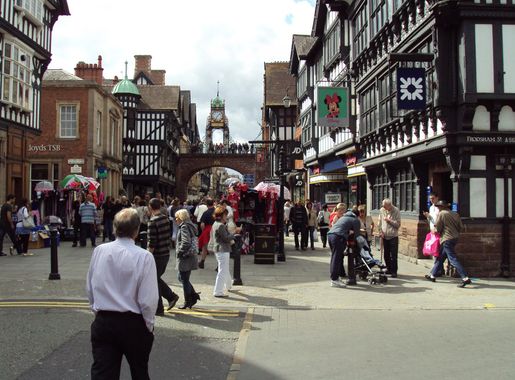


Chester: Roman Walls and Medieval Streets
<h3>Roman Foundations</h3> Chester stands on the River Dee in north-west England, close to the Welsh border and within easy reach of the wider landscapes of Cheshire and north Wales. Its long history is unusually legible in the streetscape: the Roman fortress of Deva Victrix established the city's strategic importance, while the medieval walls, cathedral precinct and timber-framed shopping galleries known as the Rows preserve the character of a later walled city. Walking around Chester is a journey through distinct layers of urban history rather than a visit to a single historic quarter. <h3>Walls, Rows and Cathedral</h3> The complete circuit of Chester's Roman and medieval walls offers changing views over the city, the River Dee and the Welsh hills beyond. At street level, the Rows combine covered galleries, shops and black-and-white historic façades, particularly around Eastgate Street, Bridge Street and Watergate Street. Chester Cathedral occupies the centre of the old city, with medieval origins and a complex architectural history, while the Roman Amphitheatre and nearby museums reveal the scale of the former fortress. <h3>A City by the Dee</h3> Along the river, Chester's historic core gives way to promenades, bridges, gardens and boat trips, with the Groves providing a relaxed setting beside the water. Contemporary culture is represented by Storyhouse, which brings theatre, cinema and the library together in a prominent city-centre venue. Independent shops, cafés, traditional pubs and seasonal events add present-day life to the ancient framework, while nearby excursions can reach Roman sites, Cheshire villages and the border landscapes of Wales.
Explore More of United Kingdom

Looking beyond Chester? Discover United Kingdom for broader travel guides, local hot-spots, and regional highlights.
Explore United Kingdom