

Cork City Gaol, Cork Travel Guide
Free Guide: Step into 19th-century Irish prison history at this restored castle-like Gaol with wax figures, prisoner stories, and radio museum.


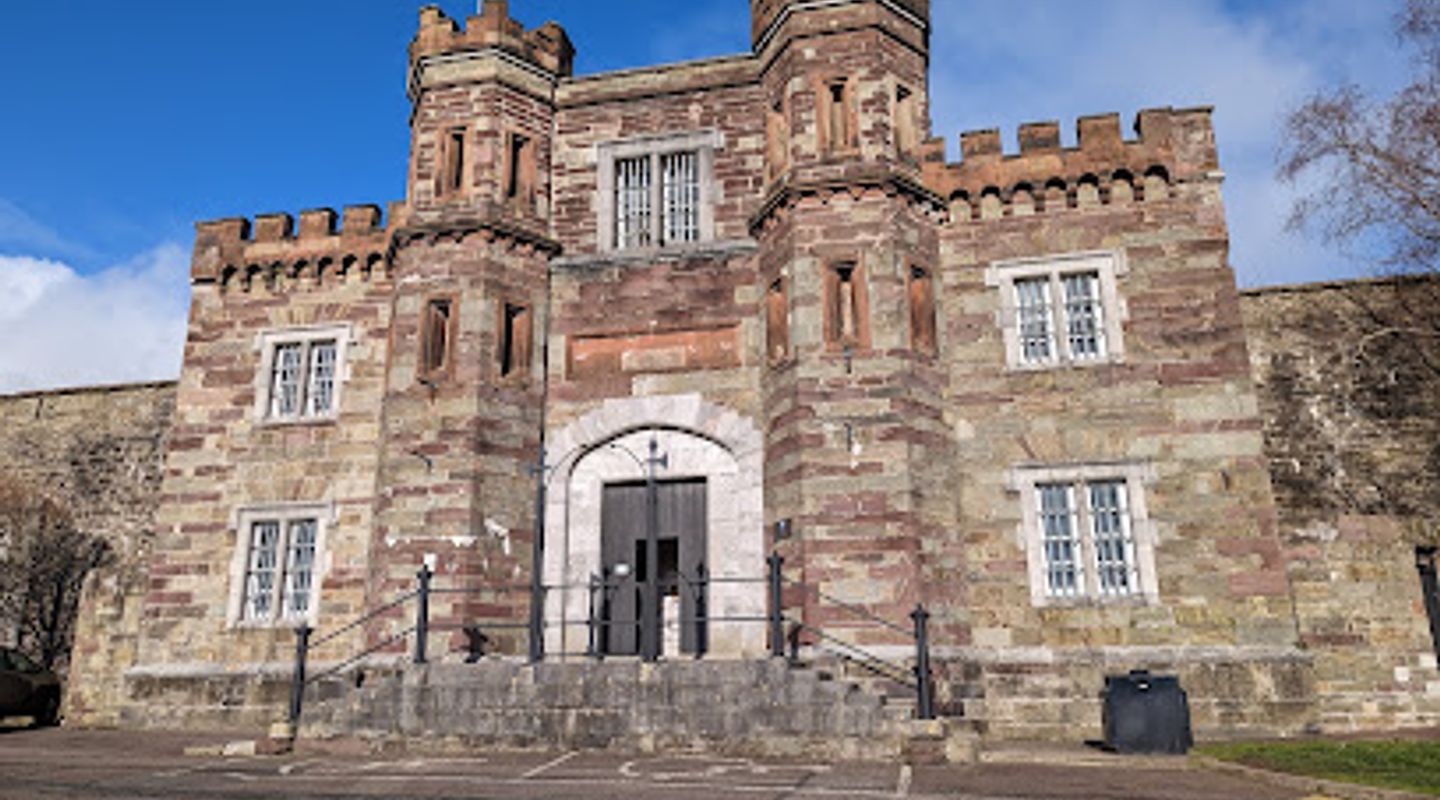
A brief summary of Cork City Gaol
Step into 19th-century Irish prison history at this restored castle-like Gaol with wax figures, prisoner stories, and radio museum.
Cork City Gaol is a restored 19th-century prison turned museum on Convent Avenue in Sunday's Well, Cork. This castle-like building offers visitors a compelling journey through Irish penal history, featuring life-like wax figures, prisoner graffiti, interactive exhibits, and an audio-visual presentation contrasting 19th-century life for the rich and poor. The museum also houses a Radio Museum showcasing artifacts from the building's broadcasting era. Open daily with guided tours available, it's an essential Cork attraction for history enthusiasts and families.
On-site amenities
 Restrooms
 Drink options
 Food options
 Seating areas
 Information boards
 Visitor centre
Opening hours
- Every day10 am–5 pm
Opening hours as listed on the venue’s Google Business Profile. Hours can change for services and special events, so check with the venue before you go.
- Address
- Convent Ave, Sunday's Well, Cork, Ireland
- Phone
- Website
Getting there
Bus from Cork City Centre
Walking from Cork City Centre
Private Car or Taxi
Bicycle
Discover more about Cork City Gaol
A Prison Transformed: From Confinement to Cultural Heritage
Cork City Gaol stands as a magnificent castle-like structure on Convent Avenue, a building that has witnessed over two centuries of Irish history. Designed by architect William Robertson and constructed by the Deanes, the Gaol opened in 1824 as a replacement for the city's overcrowded and unsanitary North Gate Bridge prison. When it first received inmates, contemporary observers described it as "the finest in three kingdoms," a testament to its innovative design and construction standards for the era. The building's imposing stone walls and architectural presence remain largely unchanged, offering visitors an authentic glimpse into 19th-century institutional design.
Life Behind Bars: Stories of Confinement and Resilience
The museum's most compelling feature is its ability to humanize history through the stories of those who were imprisoned within its walls. Initially housing both male and female prisoners convicted of crimes within Cork's boundaries, the Gaol underwent significant changes following the 1878 General Prisons Act, which mandated the separation of male and female prisoners. The building subsequently became a women's prison, and during the Irish Civil War, it held both male and female Republican prisoners. Among its most notable inmates was Countess Markievicz, who famously called it "the most comfortable jail" she had ever been in. Throughout the cells, visitors encounter life-like wax figures and authentic prisoner graffiti etched into walls, revealing the innermost thoughts and struggles of those confined here. These personal inscriptions provide poignant windows into the emotional and psychological experiences of incarceration.
Broadcasting History and Cultural Significance
After conditions deteriorated significantly and the Gaol closed in 1923, with all prisoners released or transferred, the building found new purpose. From the late 1920s through the 1950s, it served as the broadcasting headquarters for Raidió Éireann, making it the birthplace of Cork's first radio station. This fascinating chapter in the building's history is preserved in the Radio Museum, housed within the Gaol, where visitors can examine relics and artifacts from the broadcasting era. This transformation from place of punishment to center of communication represents a remarkable evolution in the building's role within Cork society.
Modern Museum Experience and Interactive Learning
Following a comprehensive four-year restoration project, Cork City Gaol opened to the public as a visitor attraction in 1993, and has since become one of Cork's most captivating museums. The museum presents a nuanced exploration of 19th-century life, contrasting the experiences of wealthy and impoverished citizens through audio-visual presentations and interactive exhibits. Visitors can explore the grounds independently, wander through the corridors, and even experience being locked briefly in a cell to gain perspective on the prisoner experience. The museum offers both self-guided exploration and professionally led guided tours, with the latter providing deeper historical context and engaging narratives about individual prisoners and daily life within the institution.
Architectural Character and Visitor Accessibility
The Gaol's impressive architecture combines fortress-like exterior walls with interior spaces that reveal the operational realities of 19th-century imprisonment. The building's layout includes multiple wings, corridors, and cell blocks that visitors navigate at their own pace. For those with mobility considerations, the facility provides accessible entry through a ramp and emergency exit into the West Wing, with staff available to assist visitors in accessing the main building. The surrounding grounds offer pleasant views over Cork city, and the location's proximity to other attractions makes it an ideal component of a broader Cork heritage itinerary.
Educational Value and Family Appeal
Cork City Gaol serves multiple audiences effectively. History enthusiasts appreciate the detailed documentation of Irish penal practices and social conditions. Families find the interactive elements, wax figures, and engaging storytelling particularly appealing to children, with the museum offering age-appropriate content that educates without overwhelming younger visitors. School groups and educational organizations frequently visit for curriculum-aligned learning experiences. The gift shop provides souvenirs and reading materials for those wishing to deepen their understanding of Cork's historical heritage.
Evendo Review Centre
 Google
Guest reviews
Best time to go
Quietest: Jan, Feb & Dec · before 10am or from 6pm
Busy times are Evendo estimates for a typical year, to help you plan. Actual crowds vary with events, school holidays and the weather.
Explore Cork City Gaol on the map
A handpicked selection of must-see spots near Cork City Gaol, mapped for you.
Get your free copy of our complete guide to Cork City Gaol, delivered straight to you.
Everything on this page, from opening hours and how to get there to Eve’s tips and the best time to go, in one PDF you can read offline, print or share.
Already have an account? Sign in
Your Cork City Gaol guide is ready.
We'll send it to · Not you? Sign out

Getting your guide ready…
We are putting together a fresh copy of the Cork City Gaol guide. This can take up to a minute.
This can take a few moments. If your browser asks, choose Allow so the download can start. You'll find the guide in your Downloads folder.
Nothing happened? Download it again
Sorry, the guide is taking longer than usual. Please try again in a minute, or get it by email instead.
Unlock the best of Cork City Gaol
Skip-the-line tickets, guided tours with entry, and walking tours of the area, booked in a few clicks.


Other nearby places you may find interesting
The closest places of the same kind, if this one is not quite what you had in mind.
-
-
-
-
-


Swipe for more places
More to explore near Cork City Gaol

 Best experiences near Cork City Gaol
 Best hotels near Cork City Gaol
 Best landmarks near Cork City Gaol
 Best attractions near Cork City Gaol
 Best shops near Cork City Gaol
 Best restaurants near Cork City Gaol
 Best bars near Cork City Gaol
Do you manage this location?
Take control to get all the benefits, like improved information, better appearance, and stronger visibility across AI-powered discovery.
Explore more

Explore more of Cork
Discover Cork, Ireland's vibrant southern city, where history, culture, and natural beauty converge in a lively and welcoming atmosphere.
Explore Cork
Explore more of Ireland
Discover Ireland: A land of enchanting landscapes, rich history, and vibrant culture, where every corner tells a story and every visit feels like coming home.
Explore Ireland
