

Free South West England Travel Guide & Mobile App
Explore South West England with free travel guides. Discover regional history, expert tips, proposed trips, and audio guides on web or mobile app.


Explore South West England for Atlantic coastlines, historic cities, prehistoric monuments, moorland walks, regional food and distinctive seaside culture.
Read more about South West England
When is the best time to visit South West England?
Best: June–August · 20–22°C| Month | High (°C) | Rainfall (mm) |
|---|---|---|
| January | 8 | 85 |
| February | 9 | 70 |
| March | 12 | 70 |
| April | 14 | 55 |
| May | 17 | 60 |
| June (best) | 20 | 55 |
| July (best) | 22 | 60 |
| August (best) | 22 | 65 |
| September | 19 | 65 |
| October | 16 | 80 |
| November | 12 | 85 |
| December | 9 | 90 |
Getting to and around South West England
How to get there
Transportation
Top city travel guides in South West England
The cities of South West England, and the easiest places to base yourself.
-

-

-


Swipe for more cities
Destinations in South West England
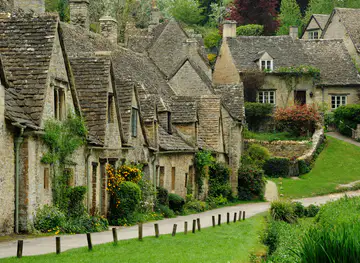
Resorts, valleys and scenic spots worth a trip of their own.
-

-

-
-


Swipe for more destinations
Best attractions in South West England
South West England’s attractions range from prehistoric monuments and Roman remains to surf beaches, wildlife reserves and industrial archaeology. Stonehenge and Avebury in Wiltshire provide an exceptional introduction to prehistoric ceremonial landscapes, while the Roman Baths and Georgian cityscape of Bath offer a concentrated encounter with later history. Bristol’s museums, harbourside institutions and cultural venues contrast with the cathedral heritage of Wells, Gloucester and Exeter. Across Cornwall and west Devon, former tin and copper mines, including engine-house landscapes, explain the region’s industrial past. The coast supplies a different kind of attraction: the cliffs and fossil-bearing shores of the Jurassic Coast, the beaches and harbour villages of Cornwall, and the estuaries and seaside towns of Devon. Dartmoor, Bodmin Moor, the Mendip Hills, the Cotswolds and the New Forest’s neighbouring landscapes provide walking, cycling, riding and wildlife opportunities, although some are best explored with good maps and weather planning. Gardens, historic houses, art galleries and family attractions are distributed throughout the region, making it possible to combine outdoor activities with cultural visits rather than treating the South West as a single type of destination.
-
Shopping Centre
Westfield London
Westfield London: A dynamic shopping and lifestyle hub blending luxury, entertainment, and festive charm in the heart of Shepherd's Bush.
-
Shopping outlet
Designer Outlet Swindon
Historic railway heritage meets unbeatable designer shopping with over 100 stores and 15+ dining options in a vibrant indoor setting.
-
Shopping Centre
The Mall at Cribbs Causeway
Bristol’s expansive shopping and entertainment hub with over 7,000 free parking spaces and a vibrant mix of stores and eateries.
-
Shopping Centre
Bristol Shopping Quarter
Explore Bristol Shopping Quarter, a vibrant city centre retail and leisure destination blending historic charm with modern shopping and dining.


Best landmarks in South West England
The South West’s most recognisable landmarks reflect an unusually broad history. Stonehenge and Avebury are internationally significant prehistoric monuments set within the wider landscape of Salisbury Plain and northern Wiltshire. Bath Abbey and the Roman Baths define the historic centre of Bath, where Georgian crescents and terraces demonstrate the city’s eighteenth-century expansion. Bristol’s Clifton Suspension Bridge spans the Avon Gorge and remains a landmark of nineteenth-century engineering, while Exeter Cathedral and Wells Cathedral represent different expressions of medieval ecclesiastical architecture. Cornwall and west Devon are marked by surviving mine engine houses, especially across the former copper and tin districts, where industrial structures stand above rugged landscapes. Along the coast, Durdle Door and Old Harry Rocks are prominent Dorset formations, while Land’s End, St Michael’s Mount and the granite tors of Dartmoor express the region’s geological character. These places are not interchangeable scenic viewpoints: each reflects a particular combination of geology, industry, religion, engineering or settlement history.
-
Historical landmark
Outer Head
Walk a dragon’s tail into the sea at the Outer Head of Worm’s Head, a dramatic tidal island with cliffs, seabirds, and a natural rock arch at the edge of the Gower Peninsula.
Explore South West England on the map
Plan your trip on one map. See where the top cities, national parks and sights are, and book hotels and experiences in a few clicks.
Best hotels in South West England
Best restaurants in South West England
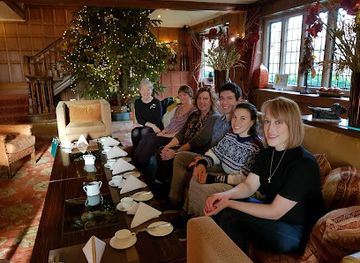
Dining in South West England is closely linked to its farms, orchards, dairies and long coastline. Cornwall is associated with the Cornish pasty, while Devon and Cornwall are known for clotted cream, traditionally served with scones, and both counties offer substantial seafood traditions. Somerset is strongly associated with cider, Cheddar cheese and apple-growing landscapes; Dorset contributes specialities including Dorset apple cake. Bath buns, West Country farmhouse cheeses, local breads and seasonal produce appear in cafés, pubs, farm shops and markets across the region. Coastal towns range from fish-and-chip shops and shellfish counters to contemporary restaurants, while inland villages often centre on traditional pubs, rural inns and produce-led menus. Bristol, Bath and Exeter have the broadest choice of international and modern dining, but the region’s food identity is often clearest in market towns, harbour communities and agricultural districts. Food and drink festivals and farmers’ markets vary by season, so visitors should check local arrangements rather than assume a market operates daily.
-
Restaurant
Bambalan
Bristol's rooftop gem where Mediterranean mezze, wood-fired pizzas, and city views meet lively DJ nights and ping pong in an industrial-chic haven.
-
Fine dining
Wilder
Discover an intimate fine dining adventure in Nailsworth with inventive tasting menus and expertly paired wines at Wilder.
-
Restaurant
Boho Marché
Experience vibrant Moroccan-Mediterranean fusion cuisine in Bath’s eclectic Boho Marché, where bold flavors meet whimsical décor.
-
Fine dining
The Dining Room at Whatley Manor
Experience sustainable Michelin-starred fine dining in an elegant Cotswolds manor with immersive culinary theatrics and seasonal British flavors.


Best bars in South West England
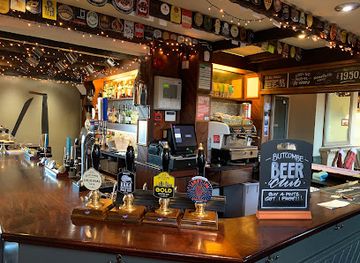
Evening life varies considerably across South West England. Bristol has the region’s broadest urban nightlife, with pubs, live music, theatres, cocktail bars and clubs spread across several central areas, while Bath combines historic pubs, wine bars, restaurants and cultural performances. Exeter, Plymouth, Bournemouth and Cheltenham also have established evening scenes shaped by students, residents, theatres and seasonal visitors. In Cornwall, Devon and Dorset, nightlife is more often centred on traditional pubs, harbour bars, breweries, live music and late-opening restaurants than on large clubs, although resorts can become busier during summer. Rural evenings tend to be quieter, with food-led pubs and village inns as the main options. Local cider and ale are widely available, but drinking is not necessary to engage with the region’s culture; theatre, concerts, galleries and evening walks in larger towns provide alternatives. Opening patterns can change, particularly outside the main visitor season.
-
Pub
The Cottage Inn, Bristol
Historic harbourside pub offering modern British classics, craft ales, and scenic waterfront vibes in the heart of Bristol.
-
Bar
Kongs of King Street
A lively Bristol bar blending arcade games, craft beers, and vibrant music for unforgettable nights on King Street.
-
Pub
The Bear Inn, Cirencester
Historic 14th-century pub in Cirencester offering award-winning beers, seasonal local dishes, cosy ambiance, and a welcoming atmosphere for all.
-
Pub
The Quarrymans Arms, Box Hill
Charming countryside pub and boutique inn on Box Hill with stunning views, local ales, and hearty traditional fare near Bath.


Best nightclubs in South West England
Evening life varies considerably across South West England. Bristol has the region’s broadest urban nightlife, with pubs, live music, theatres, cocktail bars and clubs spread across several central areas, while Bath combines historic pubs, wine bars, restaurants and cultural performances. Exeter, Plymouth, Bournemouth and Cheltenham also have established evening scenes shaped by students, residents, theatres and seasonal visitors. In Cornwall, Devon and Dorset, nightlife is more often centred on traditional pubs, harbour bars, breweries, live music and late-opening restaurants than on large clubs, although resorts can become busier during summer. Rural evenings tend to be quieter, with food-led pubs and village inns as the main options. Local cider and ale are widely available, but drinking is not necessary to engage with the region’s culture; theatre, concerts, galleries and evening walks in larger towns provide alternatives. Opening patterns can change, particularly outside the main visitor season.
-
Nightclub
Popworld - Bristol
Dance the night away to iconic 90s and 00s pop hits in Bristol’s neon-lit, energetic Popworld nightclub.

Best shops in South West England
Shopping in South West England ranges from city-centre retail and independent design to market-town produce and craft traditions. Bristol, Bath, Exeter, Plymouth and Cheltenham offer the widest choice of department stores, fashion, books, galleries and specialist food shops, with Bath particularly associated with historic streets and a more polished independent retail environment. Smaller towns provide antiques, farm shops, delis, outdoor equipment and practical provisions for self-catering. Cornwall is a useful place to look for locally made ceramics, textiles, jewellery, art and food products, while Devon, Dorset, Somerset and Gloucestershire have many galleries, craft studios and rural shops selling regional produce. Farmers’ markets and seasonal fairs are good places to find cider, preserves, cheese, baked goods and other West Country products, but schedules vary between towns. Souvenirs are most meaningful when they identify a genuine local material, maker or food tradition rather than simply carrying a generic South West label.
-
Department store
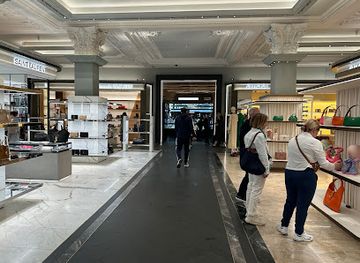
Harrods
Experience the pinnacle of luxury shopping and festive magic at Harrods, London’s legendary department store in Knightsbridge.
-
Shopping Centre
Quadrant Shopping Centre
Swansea's covered shopping destination blending high street chains with independent boutiques in a modern, accessible setting.
-
Shopping Centre
St Giles Shopping Centre
A clean, organized shopping hub in Elgin’s historic heart offering essential retail and local charm under one roof.
-
Gift shop
SUCK UK Alternative Gifts (OXO Tower)
Quirky, clever design meets riverside shopping at London's most original gift destination.


Get your free copy of our complete guide to South West England, delivered straight to you.
Everything on this page, from attractions and restaurants to essentials and local phrases, in one PDF you can read offline, print or share.
Already have an account? Sign in
Your South West England guide is ready.
We'll send it to · Not you? Sign out

Getting your guide ready…
We are putting together a fresh copy of the South West England guide. This can take up to a minute.
This can take a few moments. If your browser asks, choose Allow so the download can start. You'll find the guide in your Downloads folder.
Nothing happened? Download it again
Sorry, the guide is taking longer than usual. Please try again in a minute, or get it by email instead.
South West England essentials
Currency and Payment
Safety
Emergency Situations
Do's and Don'ts
Local Tips
From Eve
Local phrases worth knowing
You don't need to get them perfect. A few words go a long way, and locals appreciate the effort.
Basics
| English | Local | Say it |
|---|---|---|
| Hello | Alright | [əˈraɪt] |
| Goodbye | Bye then | [baɪ ðɛn] |
| Yes | Aye | [aɪ] |
| No | Nah | [nɑː] |
| Please/You're welcome | Ta | [tɑː] |
| Thank you | Cheers | [tʃɪrz] |
| Excuse me/Sorry | Sorry | [ˈsɔːri] |
| How are you? | How's it going? | [haʊz ɪt ˈɡoʊɪŋ] |
| Fine. And you? | All good, you? | [ɔːl ɡʊd, juː?] |
| Do you speak English? | Can you speak English? | [kæn juː spiːk ˈɪŋɡlɪʃ?] |
| I don't understand | I don't get it | [aɪ doʊnt ɡɛt ɪt] |
Eating & Drinking
| English | Local | Say it |
|---|---|---|
| I'd like to see the menu, please | Can I see the menu, please? | [kən aɪ siː ðə ˈmɛnuː, pliz?] |
| I don't eat meat | I'm not a meat eater | [aɪm nɒt ə miːt ˈiːtə] |
| Cheers! | Cheers! | [tʃɪrz] |
| I would like to pay, please | Can I settle up, please? | [kæn aɪ ˈsɛtl ʌp, pliz?] |
Emergencies
| English | Local | Say it |
|---|---|---|
| Help! | Help! | [hɛlp] |
| Go away! | Clear off! | [klɪər ɔːf] |
| Call the Police! | Ring the coppers! | [rɪŋ ðə ˈkɒpəz] |
| Call a doctor! | Get a doc! | [ɡɛt ə dɒk] |
| I'm lost | I'm a bit lost | [aɪm ə bɪt lɒst] |
| I'm ill | I'm not well | [aɪm nɒt wɛl] |
Shopping
| English | Local | Say it |
|---|---|---|
| I'd like to buy... | I want to buy... | [aɪ wɒnt tə baɪ...] |
| I'm just looking | Just browsing, thanks | [dʒʌst ˈbraʊzɪŋ, θæŋks] |
| How much is it? | What’s the price? | [wɒt's ðə praɪs?] |
| That's too expensive | That's a bit steep | [ðæts ə bɪt stiːp] |
| Can you lower the price? | Can you bring it down a bit? | [kæn juː brɪŋ ɪt daʊn ə bɪt?] |
Time & Numbers
| English | Local | Say it |
|---|---|---|
| What time is it? | What’s the time? | [wɒt's ðə taɪm?] |
| It's one o'clock | It's one o'clock | [ɪts wʌn əˈklɒk] |
| Half past (10) | Half ten | [hɑːf tɛn] |
| Morning | Mornin' | [ˈmɔːrnɪn] |
| Afternoon | Arvo | [ˈɑːvəʊ] |
| Evening | Evenin' | [ˈiːvnɪn] |
| Yesterday | Yesterday | [ˈjɛstərdeɪ] |
| Today | Today | [təˈdeɪ] |
| Tomorrow | Tomorrow | [təˈmɒrəʊ] |
| 1 | One | [wʌn] |
| 2 | Two | [tuː] |
| 3 | Three | [θriː] |
| 4 | Four | [fɔːr] |
| 5 | Five | [faɪv] |
| 6 | Six | [sɪks] |
| 7 | Seven | [ˈsɛvən] |
| 8 | Eight | [eɪt] |
| 9 | Nine | [naɪn] |
| 10 | Ten | [tɛn] |
Transport & Directions
| English | Local | Say it |
|---|---|---|
| Where's a/the...? | Where's the...? | [wɛrz ðə...?] |
| What's the address? | What’s the address? | [wɒt's ði əˈdrɛs?] |
| Can you show me (on the map)? | Can you point it out? | [kæn juː pɔɪnt ɪt aʊt?] |
| When's the next (bus)? | When’s the next bus? | [wɛn's ðə nɛkst bʌs?] |
| A ticket (to ....) | A ticket to... | [ə ˈtɪkɪt tə...] |
History of South West England
Prehistoric Landscapes and Stonehenge
South West England contains some of Britain’s most important prehistoric landscapes. Stonehenge and the associated ceremonial monuments on Salisbury Plain reflect complex Neolithic and Bronze Age activity, while Avebury, Silbury Hill and numerous barrows show that Wiltshire was a major centre of ritual construction. Cornwall, Devon, Dorset and Somerset also preserve ancient field systems, hillforts and burial monuments. These places were not isolated curiosities but parts of wider landscapes shaped by farming, seasonal movement, belief and the movement of stone and other materials across southern Britain.
Roman Britain and the West Country
Roman influence reshaped parts of the region from the first century AD. Bath developed around its hot springs as Aquae Sulis, a religious and bathing centre, while roads, forts and settlements connected military and commercial sites across the south-western peninsula. Exeter, Gloucester, Dorchester and Cirencester became important urban centres, and mining and agricultural production supported wider networks. The surviving Roman Baths at Bath provide the clearest visitor evidence, but roads, earthworks and archaeological remains across the region reveal a broader transformation of settlement and trade.
Medieval Monasteries, Cities and Maritime Ports
After the Norman Conquest, castles, churches and monasteries became major forces in the region’s political and economic life. Exeter, Bristol, Gloucester, Salisbury, Wells and Truro developed distinctive ecclesiastical or commercial identities, while monasteries such as Glastonbury and Tewkesbury accumulated land and influence. Coastal ports supported fishing, coastal trade and, later, long-distance commerce. Medieval buildings remain particularly visible in cathedral closes, market towns and historic streets, although many landscapes were subsequently altered by the Dissolution of the Monasteries and the growth of new industries.
The Civil War and Political Change
The south-west was deeply involved in the English Civil War of the 1640s. Royalist and Parliamentarian forces contested cities, ports and strategic crossings, with Exeter, Bristol, Bath, Taunton and areas of Dorset and Wiltshire affected by campaigns and sieges. The conflict divided landowners and communities rather than following a simple regional boundary. Its legacy can be traced in surviving fortifications, historic houses and town histories. The later constitutional changes of the seventeenth century also influenced landownership, religious life and the development of expanding commercial centres.
Maritime Trade, Exploration and Naval Power
Bristol became one of England’s most important ports, trading across the Atlantic and with Ireland and continental Europe. Its prosperity was connected to overseas commerce, including the transatlantic slave trade, a history now examined in museums, archives and public debate. Plymouth and other Devon and Cornish ports supported fishing, naval activity and exploration, while Dorset and Somerset harbours served regional trade. Maritime wealth helped finance civic buildings and merchant houses, but it also rested on unequal systems of empire, enslavement and colonial commerce that form an essential part of the region’s history.
Mining, Industry and Transport
Mining and manufacturing transformed the region from the eighteenth century onwards. Cornwall and west Devon became internationally important for copper and tin, leaving engine houses, adits and industrial landscapes that later gained World Heritage recognition. Somerset developed coal mining and quarrying, while Gloucestershire and Wiltshire combined agriculture with cloth production, quarrying and engineering. Canals, turnpike roads and railways connected inland towns to ports and markets. Many industries declined during the twentieth century, but their landscapes remain central to the region’s heritage and contemporary tourism.
Twentieth-Century Tourism and Regional Reinvention
Railways, improved roads, paid holidays and the expansion of domestic tourism changed the coast and countryside during the twentieth century. Seaside resorts grew in Devon, Dorset, Somerset and Cornwall, while rural areas increasingly combined farming with hospitality and recreation. Former industrial and military sites found new uses as museums, cultural venues and visitor destinations. Contemporary South West England continues to balance tourism with agriculture, conservation, housing pressures and working ports, while cities such as Bristol, Bath and Exeter have developed strong creative, educational and technological economies.
South West England in Photos
Browse through our photo collection highlighting the charm and character of the destination.
Neighbouring regions of South West England
The closest regions to South West England, if you have time for more than one.
-

-

-

-

-


Swipe for more regions
Explore more

Explore more of United Kingdom
Discover the United Kingdom: A blend of rich history, stunning landscapes, and vibrant cities, offering a unique travel experience for every visitor.
Explore United Kingdom