Lower Slaughter, Gloucestershire Travel Guide
Discover the timeless beauty of Lower Slaughter, a tranquil Cotswold village where history, nature, and charm flow gently along the River Eye.
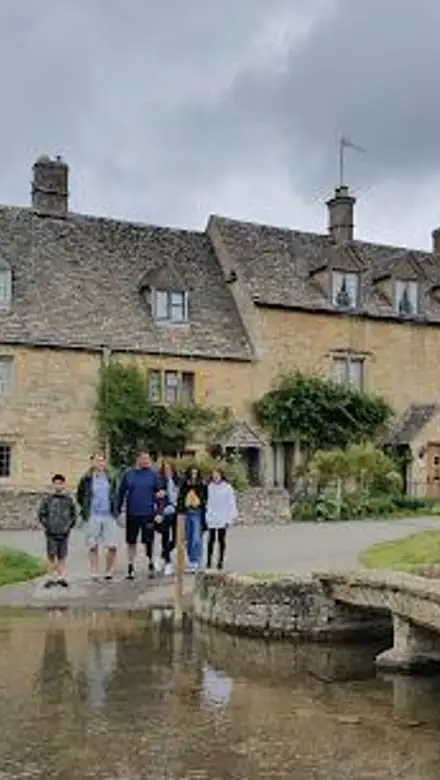
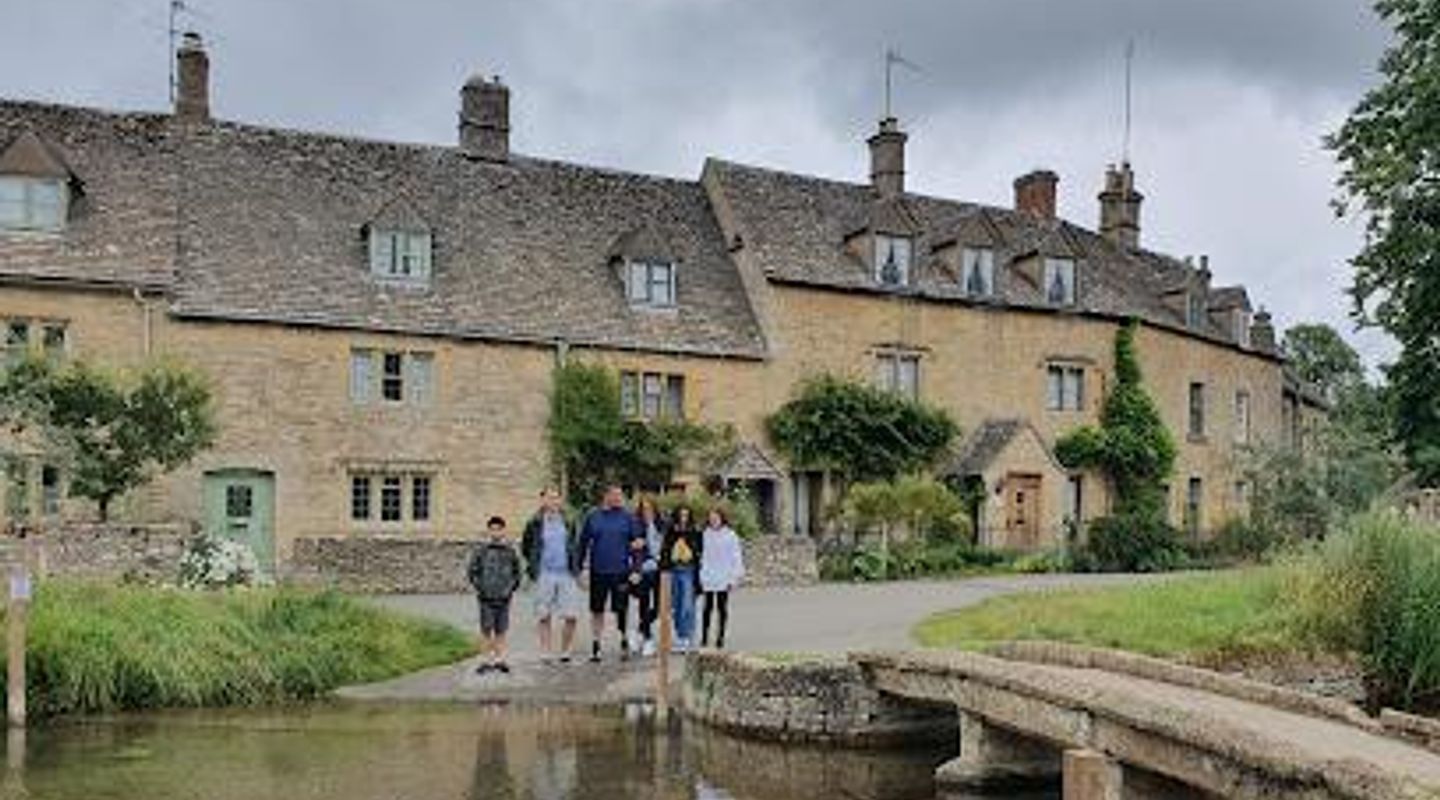
Lower Slaughter is a picturesque English village nestled in the Cotswolds, known for its historic 19th-century water mill, charming limestone cottages, and tranquil River Eye. With origins dating back to the Domesday Book of 1086, this idyllic village offers a serene escape into traditional rural life, featuring quaint footbridges, a historic parish church, and a peaceful riverside setting that enchants visitors year-round.
A brief summary to Lower Slaughter
- Cheltenham, GB
- Duration: 1 to 4 hours
- Mid ranged
-
 Outdoor
- Mobile reception: 4 out of 5

Know before you go
Hi, I'm Eve. Here are a few practical things to know before exploring Lower Slaughter.
- Visit the Old Mill Museum to explore the historic milling machinery and enjoy a riverside tea in the café.
- Stroll along the village’s stone footbridges for perfect photo opportunities of the River Eye and limestone cottages.
- Explore the Church of St Mary to appreciate its medieval architecture and historic bells.
- Consider a day walk from Lower Slaughter to nearby Bourton-on-the-Water and Stow-on-the-Wold for a full Cotswold experience.
- Stay or dine at The Slaughters Country Inn to enjoy traditional hospitality in a historic setting.
Do you manage this location?
Take control to get all the benefits, like improved information, better appearance, and stronger visibility across AI-powered discovery. Learn more about listing your business on Evendo
Activate your presenceOther nearby places you may find interesting
The closest places of the same kind, if this one is not quite what you had in mind.
Explore Lower Slaughter on the Map
A handpicked selection of must-see spots near Lower Slaughter, mapped for you.
Unlock the Best of Lower Slaughter
Buy tickets
-
No tickets available
Book tours with entry


Book tours without entry

Getting There
-
Car
Driving to Lower Slaughter from Gloucester takes approximately 40 minutes via the A429. Parking is limited within the village, so arriving early is recommended, especially during weekends and holidays. There are no parking fees, but spaces fill quickly.
-
Bus
The 801 bus service from Gloucester stops at Slaughter Pike, about a 7-minute walk from Lower Slaughter village center. Buses run several times daily but check the latest timetable for seasonal variations. A single fare costs around £5.
-
Walking
For active visitors, a scenic walking route connects Lower Slaughter to Bourton-on-the-Water and Stow-on-the-Wold. The full walk takes around 6 to 8 hours over gentle terrain, suitable for experienced walkers with proper footwear and provisions.
For the on-the-go comforts that matter to you
-
 Restrooms
-
 Drink Options
-
 Food Options
-
 Seating Areas
-
 Information Boards
Discover more about Lower Slaughter
Ancient Origins and Etymology
Lower Slaughter’s history stretches back over a millennium, with its earliest recorded mention in the Domesday Book of 1086 under the name “Sclostre.” The village’s name derives from the Old English word “Slothre,” meaning a marshy or muddy place, a nod to the wetlands alongside the River Eye that runs through the village. This watercourse has shaped the village’s character and economy for centuries, providing the lifeblood for its historic mill and picturesque surroundings.The Historic Water Mill and Village Life
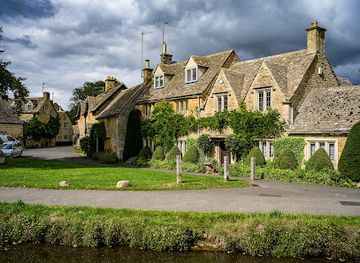
At the heart of Lower Slaughter lies the iconic 19th-century water mill, known as Slaughter Mill, which operated until 1958. The mill harnessed both waterwheel and steam power to grind grain, serving the local community for centuries. Today, the mill is a charming museum and tea room where visitors can explore milling machinery and enjoy riverside views. The village’s golden Cotswold limestone cottages, many dating from the 16th and 17th centuries, line peaceful streets and footbridges, offering a quintessential English rural aesthetic.Architectural Heritage and Community
Lower Slaughter’s built environment reflects its rich heritage, with the Church of St Mary standing as a notable landmark. Though largely rebuilt in 1867, the church retains elements from the 13th century, including its nave arcade and a historic six-bell peal, the oldest bell dating to 1500. The manor house, once owned by the Whitmore family from the early 17th century until the mid-20th century, underscores the village’s longstanding ties to local gentry and agricultural traditions.A Serene Setting and Visitor Experience
The village’s tranquil atmosphere is enhanced by the gentle babble of the River Eye and the verdant gardens that adorn many homes. Small stone footbridges cross the river at various points, creating idyllic spots for quiet reflection or photography. Lower Slaughter’s peaceful charm makes it a perfect destination for leisurely strolls, picnics, and immersing oneself in the timeless beauty of the Cotswolds countryside.Modern-Day Attractions and Hospitality
Visitors can enjoy the Old Mill’s café and gift shop, offering local treats and crafts. The Slaughters Country Inn, with a history dating back to the 15th century, provides cozy accommodation and hearty meals in a setting that blends historic charm with modern comfort. The village also serves as a gateway for exploring nearby Cotswold towns like Bourton-on-the-Water and Stow-on-the-Wold, making it an ideal base for day trips and extended visits.Preserving a Living Heritage
Lower Slaughter remains a living village, carefully preserving its heritage while welcoming visitors. Its unspoilt character, historic buildings, and natural beauty continue to inspire those seeking an authentic English village experience. The village’s enduring appeal lies in its harmonious blend of history, nature, and community spirit, offering a serene retreat from the bustle of modern life.












Your all‑in‑one travel companion app
Explore expert travel guides, compare and book tours, experiences, hotels, and more—all from the palm of your hand. Download now for seamless trip planning wherever your wanderlust takes you.


Explore More of Gloucestershire
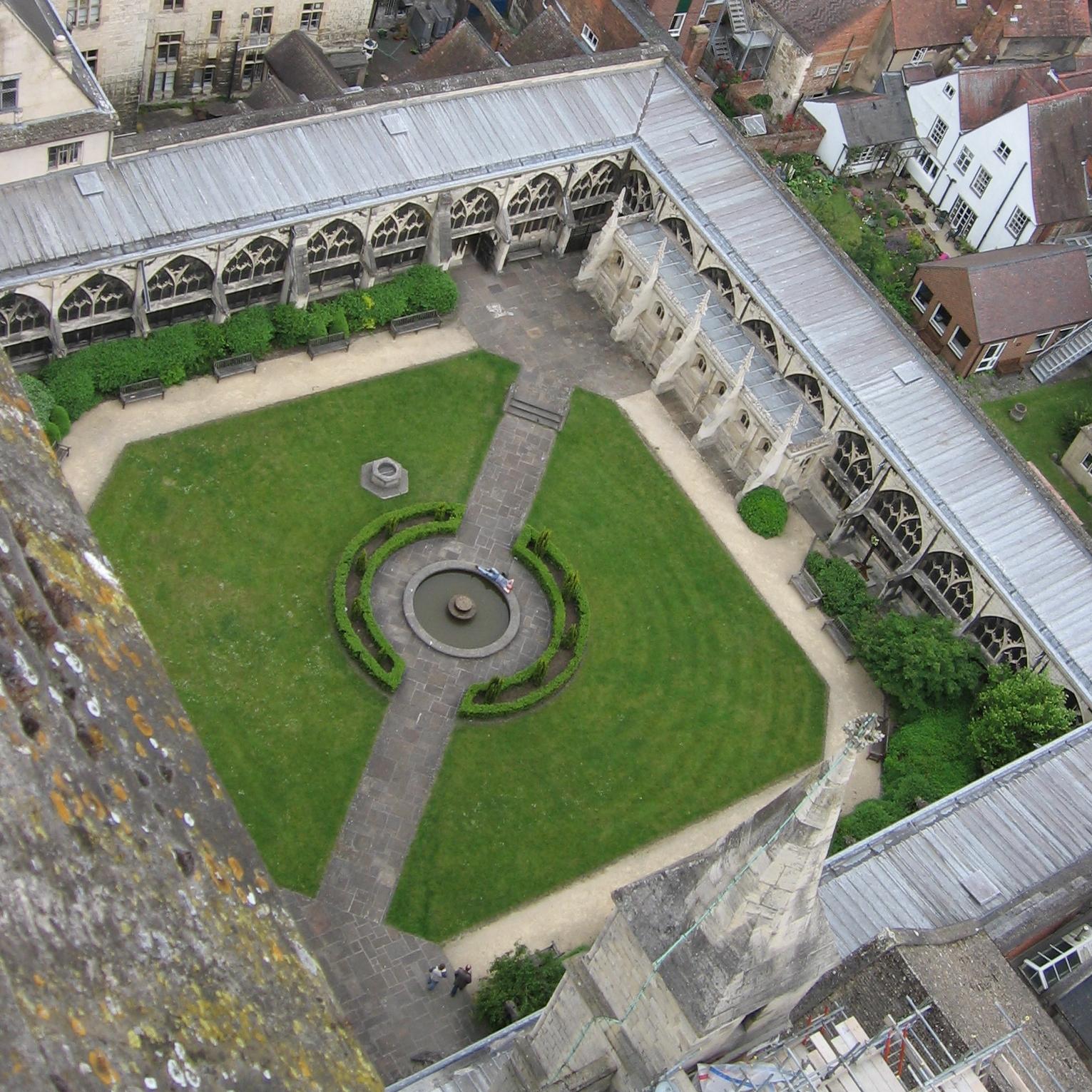
Looking beyond Lower Slaughter? Discover Gloucestershire for broader travel guides, local hot-spots, and regional highlights.
Explore Gloucestershire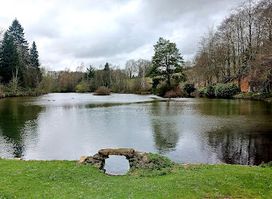
Explore the Cotswolds AONB: rolling hills, honey-hued villages, and timeless English countryside charm across nearly 800 square miles.
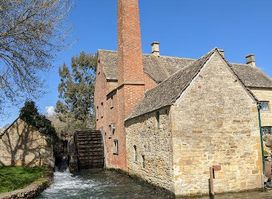
Discover the historic charm of Lower Slaughter Museum, nestled in a classic Cotswold mill with timeless riverside beauty and rich heritage.