
Lochmaben Castle, Down Travel Guide
Explore the evocative ruins of Lochmaben Castle, a medieval fortress steeped in Scottish history and set beside serene Castle Loch.
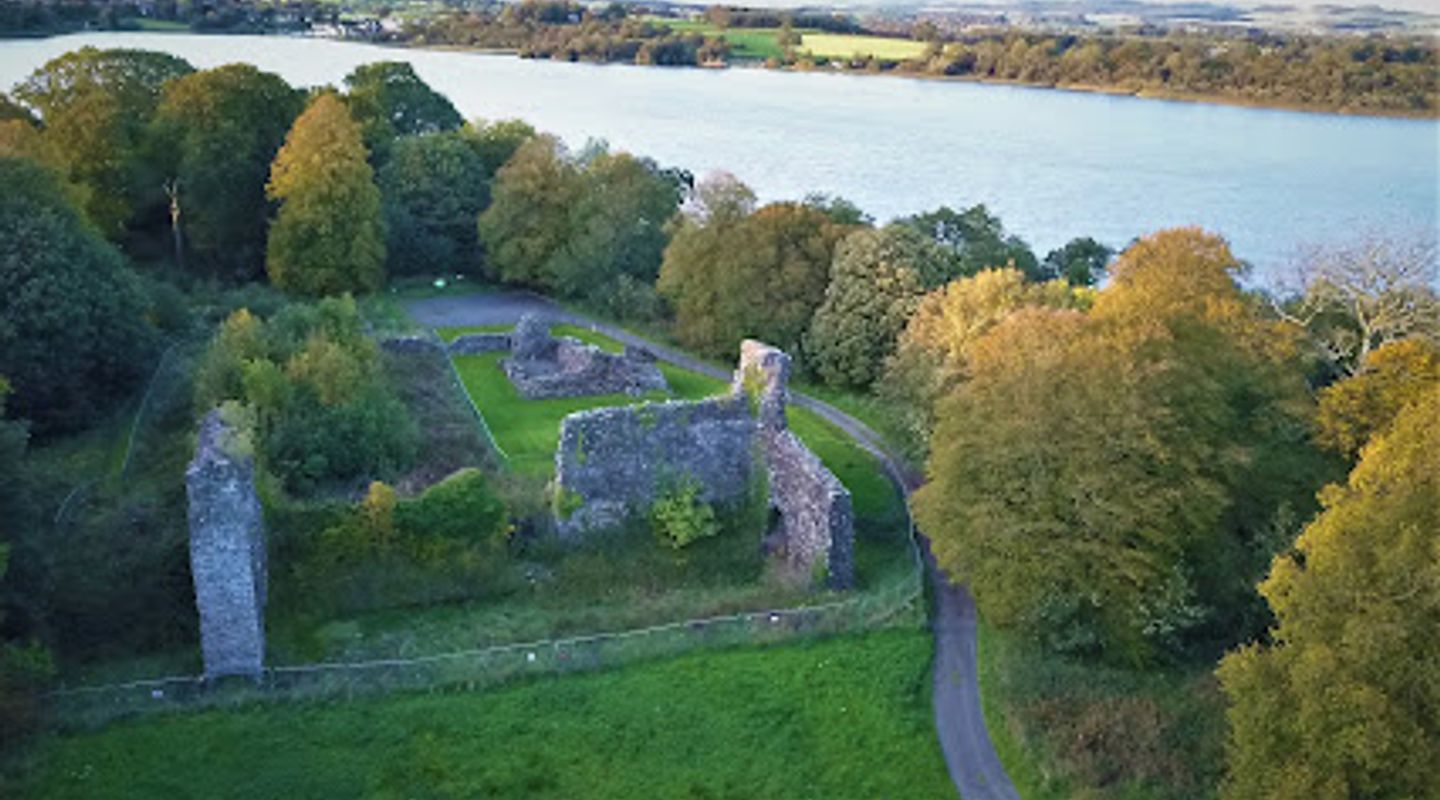
Lochmaben Castle, located in Dumfries and Galloway near Lockerbie, is a striking ruined medieval fortress with origins dating back to the 12th century. Built initially by the Bruce family and later rebuilt by Edward I in the 14th century, it played a pivotal role in the Wars of Scottish Independence and subsequent border conflicts. Today, its imposing stone ruins, surrounded by woodland and Castle Loch, offer a scenic glimpse into Scotland’s turbulent past, although visitor access is limited due to ongoing conservation work.
A brief summary to Lochmaben Castle
- Lockerbie, GB
- Click to display
- Duration: 1 to 3 hours
- Free
-
 Outdoor
- Mobile reception: 4 out of 5

Know before you go
Hi, I'm Eve. Here are a few practical things to know before exploring Lochmaben Castle.
- Check the current access status before visiting, as the castle is often closed for conservation work.
- Enjoy the scenic Castle Loch circular walk nearby for varied woodland and lochside views.
- Wear sturdy shoes and be prepared for muddy or uneven terrain, especially after rain.
- Visit Lochmaben village for amenities, including food options and restrooms.
- Bring binoculars for birdwatching around Castle Loch and the surrounding nature reserve.
Do you manage this location?
Take control to get all the benefits, like improved information, better appearance, and stronger visibility across AI-powered discovery. Learn more about listing your business on Evendo
Activate your presenceOther nearby places you may find interesting
The closest places of the same kind, if this one is not quite what you had in mind.


Explore Lochmaben Castle on the Map
A handpicked selection of must-see spots near Lochmaben Castle, mapped for you.
Getting There
-
Car
Driving from Lockerbie, the castle is approximately a 15-minute journey via local roads. Note that the final approach involves a narrow farm track with potholes, so cautious driving is advised. Limited parking is available near the castle ruins. There is no parking directly at the site, so plan accordingly.
-
Bus and Walking
Take a regional bus service from Lockerbie to Lochmaben village, which takes around 20-30 minutes depending on the route. From Lochmaben, a 3 km walk along public footpaths and minor roads leads to the castle area. The terrain is mostly flat but includes some uneven surfaces.
-
Walking
For those staying locally, walking to the castle from Lochmaben village is a pleasant 30-40 minute walk along the Castle Loch circular path. The route is well-marked with some muddy patches after rain, suitable for visitors with moderate fitness.
For the on-the-go comforts that matter to you
-
 Restrooms
-
 Food Options
-
 Seating Areas
-
 Information Boards
Discover more about Lochmaben Castle
Origins and Strategic Importance in the Scottish Borders
Lochmaben Castle’s history begins in the 12th century when the Bruce family, Lords of Annandale and ancestors of Robert the Bruce, established a motte-and-bailey castle near the site of the modern Lochmaben golf course. This early fortification marked the start of Lochmaben’s significance as a defensive stronghold in the borderlands between Scotland and England. Around 1300, King Edward I of England replaced the earlier timber structure with a more formidable stone castle at the south end of Castle Loch, reflecting the strategic importance of controlling this territory during the Wars of Scottish Independence.Sieges, Rebuilds, and Royal Associations
The castle endured numerous sieges and changed hands multiple times between the English and Scots. Notably, Archibald Douglas captured and razed it in 1385, after which it became a royal possession in 1445. Significant rebuilding took place under James IV, including enhancements to the great hall, and James V used the castle as a military mustering point before campaigns against England. The castle also hosted Mary, Queen of Scots, and Lord Darnley in 1565, underscoring its continued political and military relevance through the 16th century.Decline and Present-Day Ruins
Following its last siege in the late 16th century and gradual abandonment by the early 17th century, Lochmaben Castle fell into ruin. Stones from the castle were repurposed for local buildings, and the site today consists of weathered stone ruins including parts of a 15th-century tower, curtain walls, and remnants of a moat. The castle is fenced off for safety and undergoing masonry inspections and conservation, so access is restricted to viewing from outside. The surrounding woodland and Castle Loch provide a tranquil setting for reflection on the site’s storied past.Natural Setting and Visitor Experience
Lochmaben Castle is set beside Castle Loch, surrounded by scenic woodland that offers pleasant walking paths. The Castle Loch circular walk is popular for its varied scenery and birdwatching opportunities. Although the castle itself is closed to visitors for safety reasons, the exterior views of the ruins and the peaceful lochside environment make it a rewarding destination for history enthusiasts and nature lovers alike. Nearby Lochmaben village provides amenities including eateries and parking.Legacy and Heritage Protection
Today, Lochmaben Castle is a scheduled monument under the care of Historic Environment Scotland. Its ruins stand as a testament to Scotland’s medieval border conflicts and royal history. The hereditary Keeper of the castle is Lord Mansfield, Earl of Mansfield, linking the site to its noble past. Interpretive boards around the site help visitors understand the castle’s architectural features and historical significance, despite some weathering. The castle’s enduring presence continues to inspire interest in Scotland’s rich heritage.Access and Conservation Challenges
Access to the castle is via a narrow farm track with potholes, and parking is limited near the site. The castle is currently closed for essential masonry inspections and maintenance, reflecting ongoing efforts to preserve this fragile historic site. Visitors are advised to check for updates before planning a visit. The surrounding area is accessible year-round during daylight hours, offering a peaceful retreat into Scotland’s medieval past amid natural beauty.












Your all‑in‑one travel companion app
Explore expert travel guides, compare and book tours, experiences, hotels, and more—all from the palm of your hand. Download now for seamless trip planning wherever your wanderlust takes you.


Explore More of Down
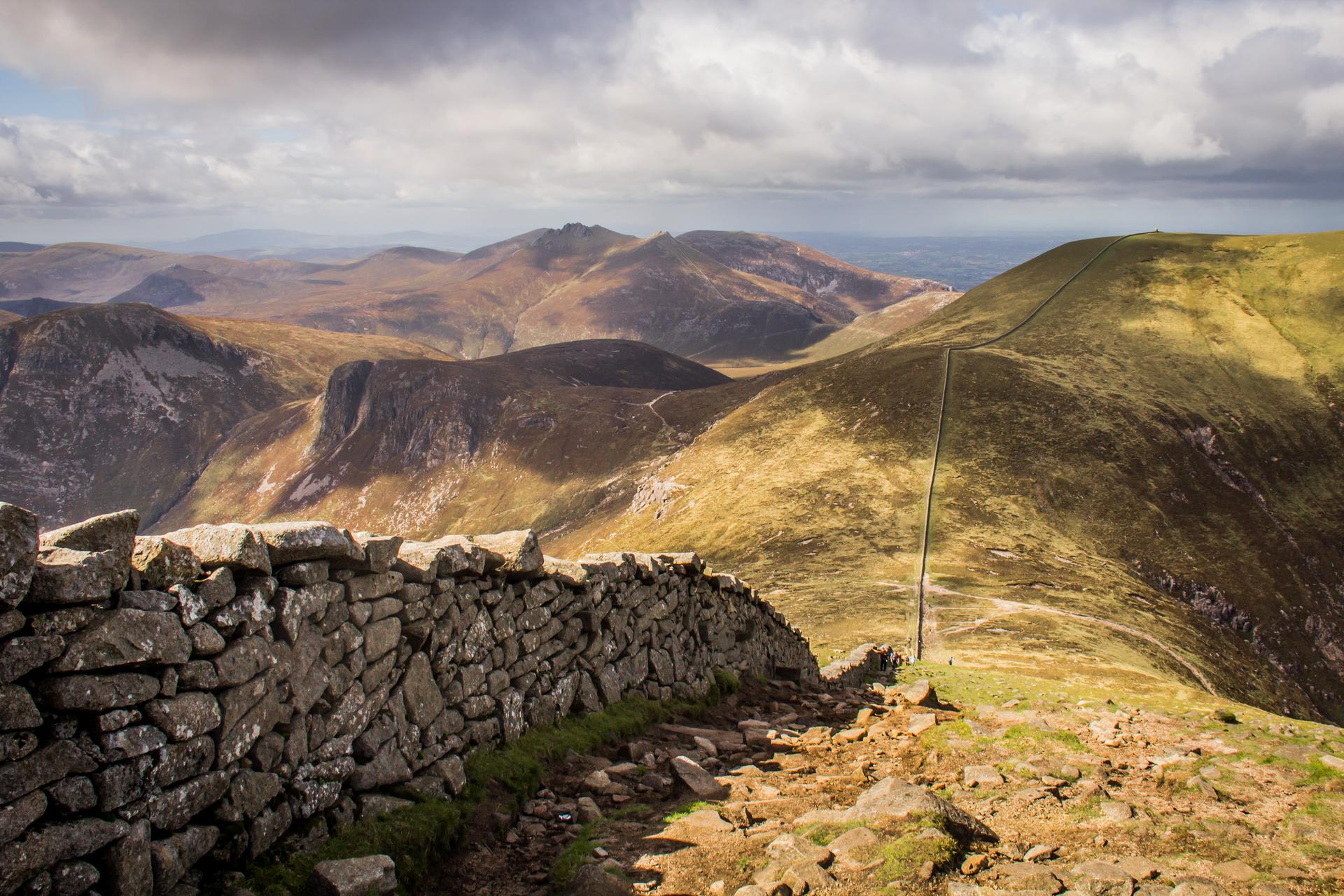
Looking beyond Lochmaben Castle? Discover Down for broader travel guides, local hot-spots, and regional highlights.
Explore Down
A vibrant family farm in Dumfries offering indoor soft play, outdoor adventures, animal encounters, and Scotland’s largest toyshop.
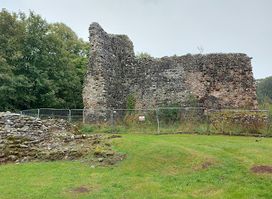
Explore the evocative ruins of Lochmaben Castle, a medieval fortress steeped in Scottish border history and royal intrigue beside scenic Castle Loch.
