Dunskey Castle Travel Guide
Free Guide: Explore the evocative 16th-century ruins of Dunskey Castle perched on Scotland’s dramatic Galloway coast, where history and legend meet stunning sea views.


A brief summary of Dunskey Castle
Explore the evocative 16th-century ruins of Dunskey Castle perched on Scotland’s dramatic Galloway coast, where history and legend meet stunning sea views.
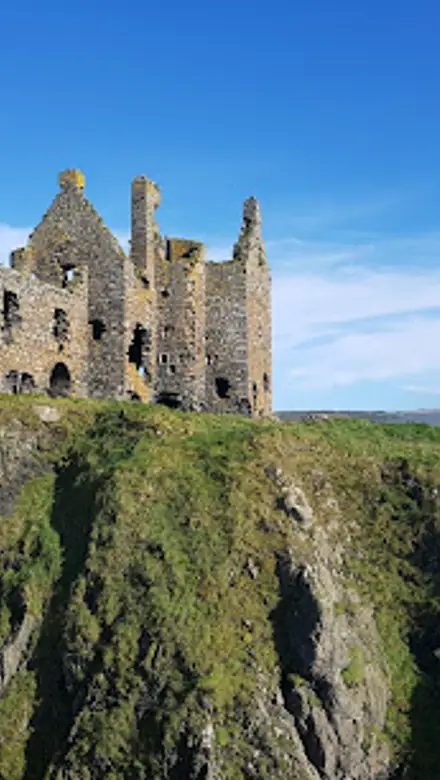
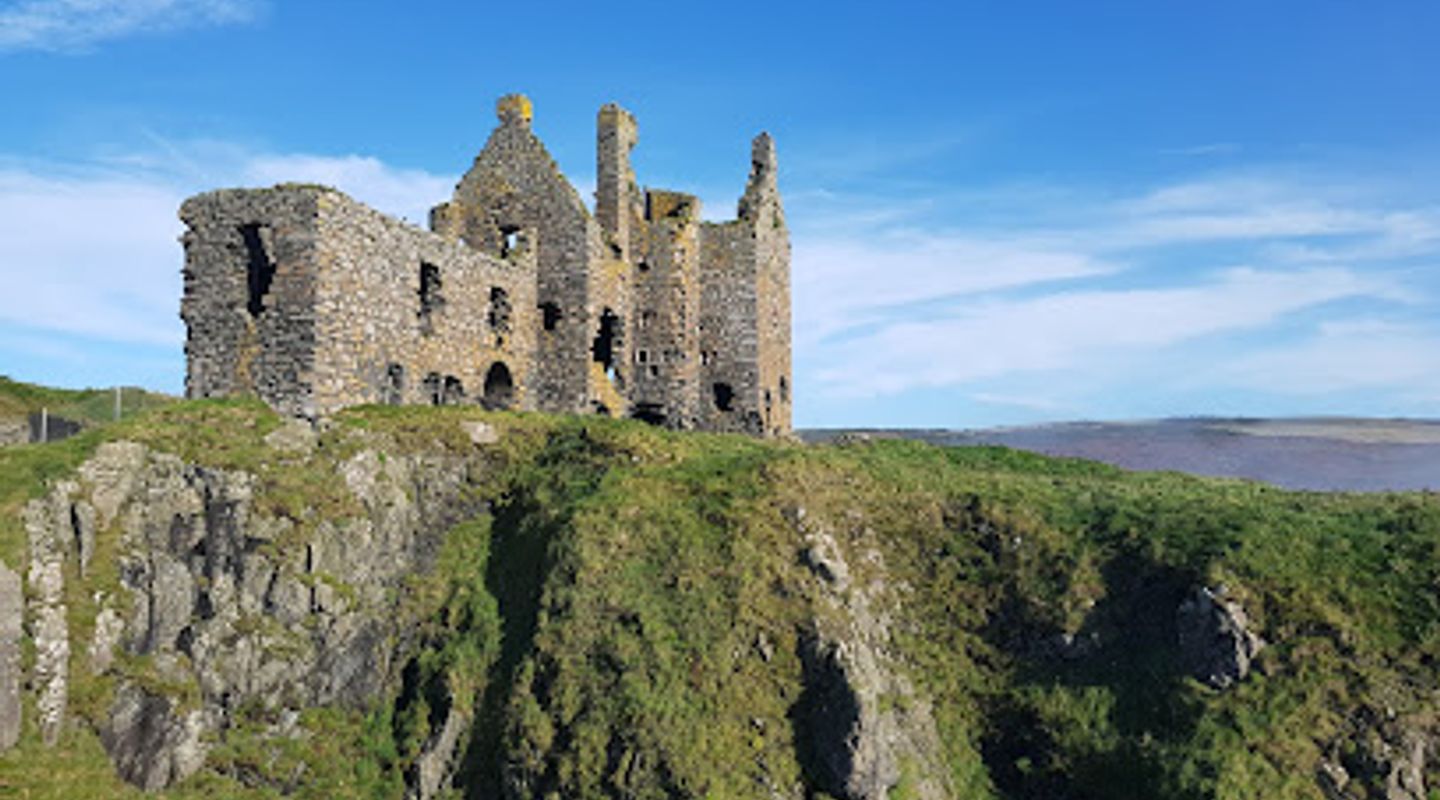
Perched dramatically on a rocky cliff overlooking the Irish Sea near Portpatrick, Dunskey Castle is a striking 16th-century ruin with a rich history dating back to the 14th century. Once a stronghold of the Adairs of Kinhilt, the castle features an L-plan tower house and remnants of defensive earthworks. Though the interior is inaccessible, its scenic coastal location and storied past offer a captivating experience for history enthusiasts and nature lovers alike.
On-site amenities
 Seating areas
 Information boards
 Trash bins
Opening hours
- Every dayOpen 24 hours
Opening hours as listed on the venue’s Google Business Profile. Hours can change for services and special events, so check with the venue before you go.
- Address
- Dunskey Castle, Stranraer DG9 9AA
- Website
Getting there
Car
Bus
Walking
Discover more about Dunskey Castle
Historic Origins and Architectural Evolution
Dunskey Castle traces its origins to the 14th century, with the earliest known structure destroyed around 1500 during clan conflicts. The present ruins primarily date from the early 16th century, when the Adairs of Kinhilt constructed a formidable L-plan tower house crowned with bartizans and a vaulted basement containing multiple cellars, including a wine cellar. The castle was expanded in the 1620s with a northern wing housing the courtyard entrance and a grand hall featuring large windows and a fireplace. By the late 17th century, the castle had fallen into ruin, leaving behind evocative remains that hint at its former grandeur.
Strategic Coastal Setting and Defensive Features
Dunskey Castle is perched on a rocky outcrop jutting into the Irish Sea, commanding sweeping views along the rugged Galloway coastline. Its position on cliffs provided natural defense, augmented by a protective ditch on the landward side, remnants of an earlier fortification. The castle's location near the coastal path from Portpatrick makes it a dramatic landmark visible from both land and sea, emphasizing its historical role as both a stronghold and a symbol of power in the region.
Legends, Lore, and Cultural Significance
The castle is steeped in local legend, including tales of a spectral nursemaid who tragically dropped a baby from the windows onto the beach below, and hauntings by a ghostly piper and jester said to have been imprisoned within the castle. These stories enrich the atmosphere of the ruins, adding a layer of mystique to the site. Historically, the castle was involved in regional clan disputes, including a notable 1489 attack by the McCullochs of Myrton. The Adairs also played a significant role in local history, with ties to other nearby castles and estates.
Visitor Experience and Surrounding Landscape
Visitors to Dunskey Castle can explore the extensive ruins from outside, as the interior is currently inaccessible for safety reasons. The site offers a rugged and scenic experience, with steep cliffs and coastal paths providing panoramic views and opportunities for photography. The castle is open 24 hours and free to visit, but caution is advised due to the dangerous cliffs. Nearby, the Dunskey Estate offers gardens, woodland walks, and beaches, complementing a visit with natural beauty and tranquility.
Preservation and Modern Context
Though in ruins, Dunskey Castle remains a protected historical landmark, symbolizing Scotland’s rich medieval heritage. The castle and its grounds are part of a larger estate that includes an Edwardian mansion built nearby in the early 20th century, reflecting the continuity of habitation and architectural evolution in the area. The estate today balances preservation with visitor access, maintaining the castle’s legacy while providing a peaceful coastal retreat.
Access and Practical Information
Located about half a mile south of Portpatrick, Dunskey Castle is accessible via minor roads and coastal footpaths. The site is open year-round and free to enter, with no facilities inside the ruins. Visitors should wear sturdy footwear and be prepared for uneven terrain and steep cliff edges. The surrounding area offers picnic spots and seating, enhancing the visitor experience with natural surroundings and historic ambiance.
Evendo Review Centre
 Google
Guest reviews
Best time to go
Quietest: Jan, Feb & Dec · before 6am or at 9pm
Busy times are Evendo estimates for a typical year, to help you plan. Actual crowds vary with events, school holidays and the weather.
Explore Dunskey Castle on the map
A handpicked selection of must-see spots near Dunskey Castle, mapped for you.
Get your free copy of our complete guide to Dunskey Castle, delivered straight to you.
Everything on this page, from opening hours and how to get there to Eve’s tips and the best time to go, in one PDF you can read offline, print or share.
Already have an account? Sign in
Your Dunskey Castle guide is ready.
We'll send it to · Not you? Sign out

Getting your guide ready…
We are putting together a fresh copy of the Dunskey Castle guide. This can take up to a minute.
This can take a few moments. If your browser asks, choose Allow so the download can start. You'll find the guide in your Downloads folder.
Nothing happened? Download it again
Sorry, the guide is taking longer than usual. Please try again in a minute, or get it by email instead.
Other nearby places you may find interesting
The closest places of the same kind, if this one is not quite what you had in mind.
-
-
-
-
-


Swipe for more places
More to explore near Dunskey Castle

 Best experiences near Dunskey Castle
 Best hotels near Dunskey Castle
 Best landmarks near Dunskey Castle
 Best attractions near Dunskey Castle
 Best shops near Dunskey Castle
 Best restaurants near Dunskey Castle
 Best bars near Dunskey Castle
Do you manage this location?
Take control to get all the benefits, like improved information, better appearance, and stronger visibility across AI-powered discovery.
Explore more

Explore more of Dumfriesshire
Discover Dumfriesshire: Immerse yourself in Scotland's rich history, stunning landscapes, and vibrant arts scene, all nestled in the serene southwest.
Explore Dumfriesshire
Explore more of United Kingdom
Discover the United Kingdom: A blend of rich history, stunning landscapes, and vibrant cities, offering a unique travel experience for every visitor.
Explore United Kingdom