

Loupin Stanes: Ancient Stone Circle of Eskdalemuir
Explore the ancient Loupin Stanes stone circle, a mysterious Bronze Age monument nestled in the tranquil hills near Langholm, Scotland.
The Loupin Stanes is a prehistoric stone circle near Langholm in Dumfriesshire, Scotland, notable for its large standing stones and mysterious alignments. Believed to date from the Late Neolithic to Early Bronze Age, it forms part of a wider prehistoric landscape including the nearby Girdle Stanes. The site’s name derives from local tradition of leaping between the stones, and it offers a glimpse into ancient ritual and funerary practices amidst tranquil rural surroundings.
A brief summary to Loupin Stanes
- Langholm, GB
- Visit website
- Duration: 0.5 to 1.5 hours
- Free
-
 Outdoor
- Mobile reception: 3 out of 5
Local tips
- Wear sturdy footwear as the terrain around the stone circle can be uneven and grassy.
- Visit alongside the nearby Girdle Stanes to experience two connected prehistoric sites.
- Bring a camera for capturing the atmospheric stones set against the rural Scottish landscape.
- Respect the site by not climbing on the stones to help preserve their condition.

For the on-the-go comforts that matter to you
- Information Boards
Getting There
-
Car
Driving from Langholm town center to Loupin Stanes takes approximately 20-30 minutes via local rural roads. Parking is limited near the site, so plan to park safely off-road and walk the final stretch. No parking fees apply.
-
Bus and Walk
Take a regional bus service from Langholm to Eskdalemuir village, which takes about 30-40 minutes. From there, a 3-kilometer walk on rural paths leads to the Loupin Stanes. Bus services are infrequent, so check schedules in advance. Walking terrain is uneven.
-
Walking
For experienced walkers, a 7-kilometer hike from Langholm through countryside trails to the Loupin Stanes offers a scenic route. The path includes some uneven ground and gentle hills, suitable for those with good fitness and appropriate footwear.
Loupin Stanes location weather suitability
-
 Any Weather
-
 Rain / Wet Weather
-
 Clear Skies
-
 Windy Conditions
-
 Mild Temperatures
Discover more about Loupin Stanes
Prehistoric Origins and Cultural Significance
The Loupin Stanes is a small but striking stone circle located near Langholm in the Eskdalemuir area of Dumfriesshire. Archaeological evidence suggests it dates from the Late Neolithic to Early Bronze Age, roughly between 2500 and 1500 BC. This places it within a period of significant ritual and ceremonial activity across the British Isles, where stone circles served as focal points for communal gatherings, spiritual rites, and funerary customs. The stones themselves, large and imposing, stand as silent witnesses to millennia of history and human presence in this remote Scottish landscape.Unique Features and Local Traditions
The name 'Loupin Stanes' originates from a local tradition where young people were said to leap or 'loup' from one standing stone to another, a feat requiring considerable agility given the stones are spaced about 2.5 metres apart. This playful yet daring activity reflects the stones’ integration into local folklore and community life long after their original purpose faded. The circle today consists of several large stones, some standing upright while others have fallen, hinting at a once more complete and possibly more complex structure. Nearby alignments of stones and avenues leading toward the River Esk suggest the site was part of a larger prehistoric ceremonial complex.Relationship to the Girdle Stanes and Surrounding Landscape
Just a short walk from the Loupin Stanes lies the Girdle Stanes, a larger and possibly older stone circle that extends the prehistoric narrative of the area. Archaeologists believe both circles were once connected by a line or avenue of stones, underscoring a deliberate spatial relationship and shared ritual landscape. The proximity to the River Esk also hints at the importance of water in the ceremonial life of the builders. The surrounding hills and moorlands provide a dramatic and peaceful setting, enhancing the sense of timelessness and mystery that envelops the site.Archaeological Insights and Preservation
Though detailed excavations remain limited, surveys and historical studies have revealed pits and features within and around the stone circle that may contain human remains or ritual deposits, typical of Bronze Age funerary sites. The stones’ arrangement and the avenue-like alignments are subjects of ongoing research, with scholars like Aubrey Burl and Alexander Thom noting their potential astronomical and cultural significance. Preservation efforts focus on maintaining the integrity of the stones and their setting, allowing visitors to experience this evocative monument much as it has stood for thousands of years.Visitor Experience and Atmosphere
Visiting the Loupin Stanes offers a tranquil escape into Scotland’s deep past. The remote location amid rolling hills and the gentle flow of the nearby River Esk create a serene atmosphere perfect for reflection and exploration. The site’s rugged beauty and enigmatic presence invite visitors to imagine the lives and beliefs of ancient peoples. The surrounding landscape, rich in history and natural beauty, complements the experience, making it a rewarding destination for those interested in archaeology, history, and the outdoors.Connection to Langholm and Regional Heritage
The Loupin Stanes form part of the wider cultural heritage of Langholm and the Scottish Borders, a region steeped in history from prehistoric times through the medieval period and into modernity. Langholm itself, known as the 'Muckle Toon,' offers additional attractions including historic sites, cultural events, and natural landscapes. Together, these elements provide a rich context for understanding the significance of the Loupin Stanes within Scotland’s archaeological and cultural tapestry.Iconic landmarks you can’t miss

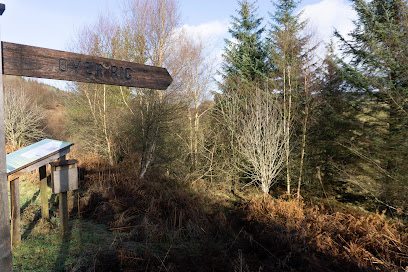
Over Rig
3.5 km
Explore Over Rig, a remarkable historical landmark in Langholm, where rich heritage meets breathtaking natural beauty in Scotland.
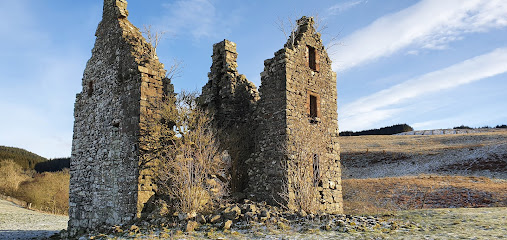
Frenchland Tower
17.7 km
Explore the evocative ruins of Frenchland Tower, a 16th-century stronghold offering panoramic views and a glimpse into Scotland’s feudal past near Moffat.
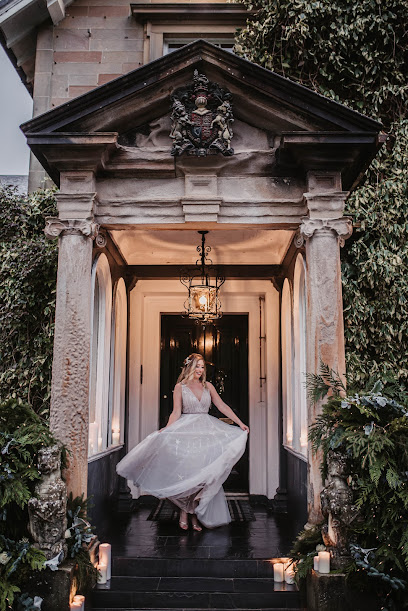
Auchen Castle
21.0 km
Historic Scottish fairytale castle and elegant wedding venue nestled in scenic Dumfries and Galloway with unique Egyptian revival architecture.
Crown of Scotland
23.1 km
Discover the breathtaking beauty of the Crown of Scotland, a stunning mountain peak offering scenic hikes and panoramic views in Moffat.

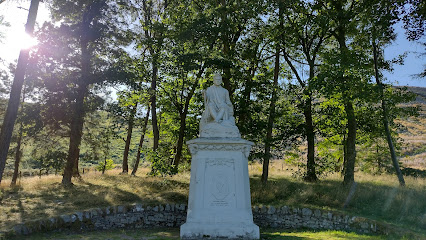
James Hogg Monument
23.9 km
A striking white monument honoring James Hogg, the Ettrick Shepherd, overlooking the serene St Mary's Loch in Scotland's Borders.
Little Dalton Kirk
27.6 km
Discover the evocative ruins of Little Dalton Kirk, a medieval parish church nestled in tranquil Scottish countryside near Lockerbie.
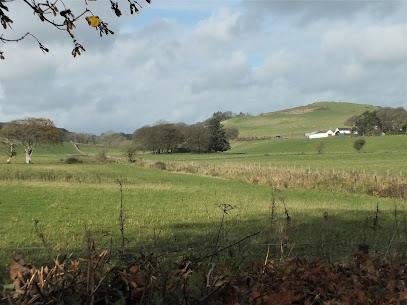
Kingdom Scotland
31.1 km
Discover tranquility at Kingdom Scotland, a serene religious institution in Dumfries that invites spiritual reflection and community connection.

Aikwood Tower
33.3 km
Experience 500 years of Scottish Borders history and luxury at Aikwood Tower, a stunning 16th-century peel tower set in breathtaking countryside.
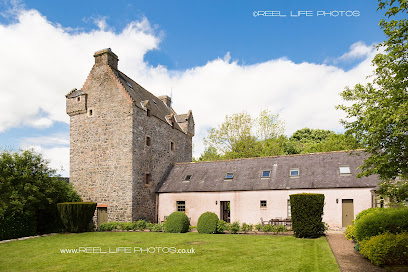
Comyn's Tower
33.6 km
Explore Comyn's Tower near Dumfries, a medieval stronghold entwined with Scotland’s dramatic history and the legacy of the Comyn clan.
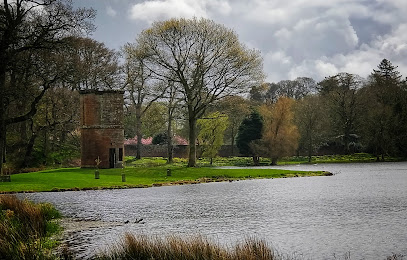
Dumfries
34.5 km
Historic and accessible Dumfries Railway Station connects Scotland’s southwest with modern amenities and rich heritage.
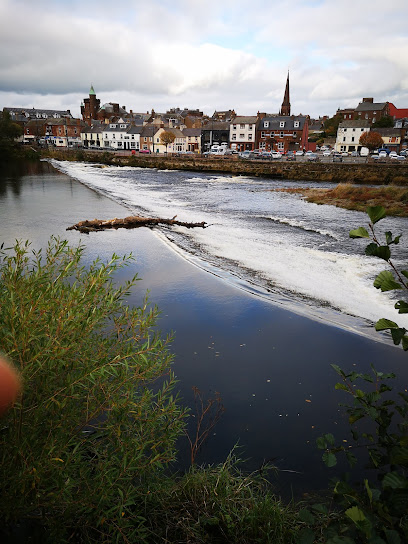
Dumfries Historic Buildings Trust
35.0 km
Discover the architectural heritage of Dumfries at the Dumfries Historic Buildings Trust, where history is preserved for future generations.
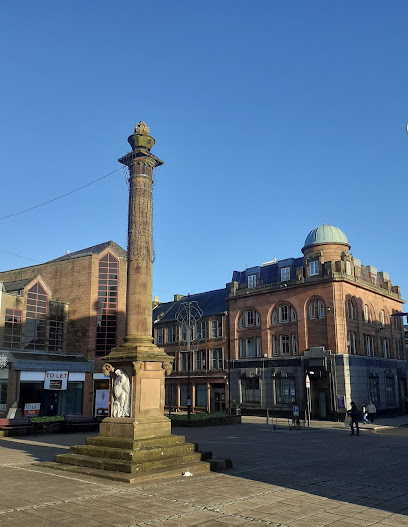
Queensberry Monument
35.0 km
An elegant 18th-century stone column in Dumfries honoring the 3rd Duke of Queensberry and the town’s noble heritage.
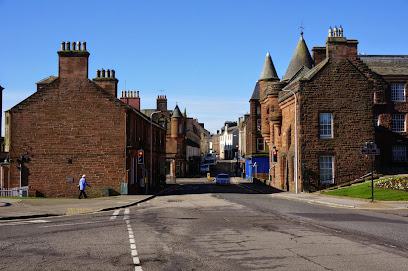
VisitScotland Dumfries iCentre
35.2 km
Explore Dumfries and unlock the secrets of Scotland at the VisitScotland Dumfries iCentre, your gateway to local attractions and experiences.
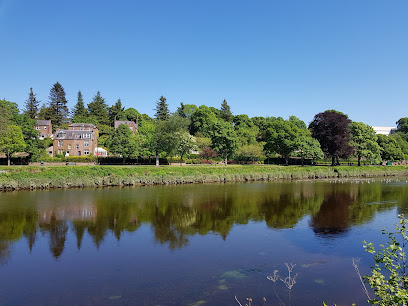
Dock Park
35.2 km
Discover the natural beauty and recreational charm of Dock Park in Dumfries, where serene landscapes and family-friendly activities await.
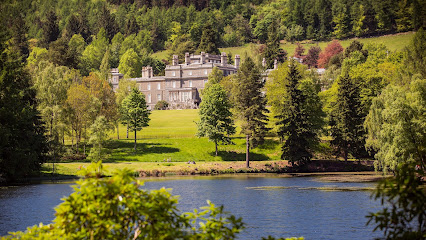
Bowhill House & Grounds
35.3 km
Explore Bowhill House & Grounds, a historical gem in the Scottish Borders, featuring stunning architecture, beautiful gardens, and rich cultural experiences.
Unmissable attractions to see

Castle O'er Hill Fort
4.1 km
Explore the ancient Iron Age stronghold of Castle O'er Hill Fort, a commanding prehistoric site with layered history and stunning Eskdale views.
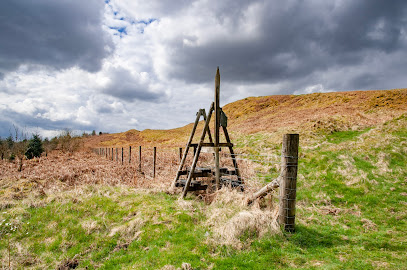
Southern Uplands
18.2 km
Explore Scotland’s Southern Uplands, a stunning mountain range of rolling hills, historic trails, and tranquil rural landscapes.
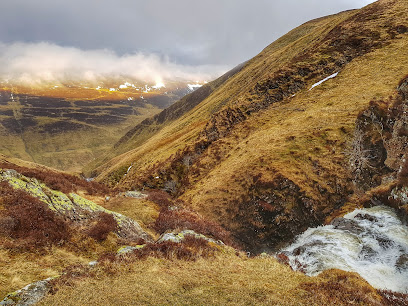
Moffat Community Nature Reserve
18.3 km
A peaceful nature escape near Moffat offering diverse wildlife habitats, tranquil trails, and community conservation in Scotland’s Southern Uplands.

Moffat Mill
19.0 km
Discover Scottish heritage, shopping, and dining all under one roof at Moffat Mill in the heart of historic Moffat.

Station Park
19.1 km
A charming and accessible park in Moffat featuring boating, play areas, historic memorials, and peaceful green spaces for all ages.
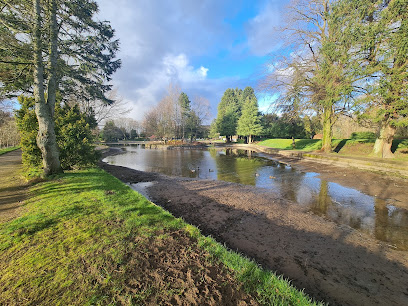
Moffat Museum
19.1 km
Discover Moffat’s captivating history through interactive exhibits and volunteer-led storytelling in this charming Scottish museum.
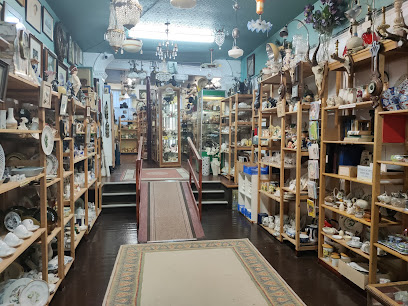
Lothlorien Antique & Collectables Emporium
19.1 km
Discover a nostalgic treasure trove of antiques, collectibles, and a free toy museum in the heart of charming Moffat.
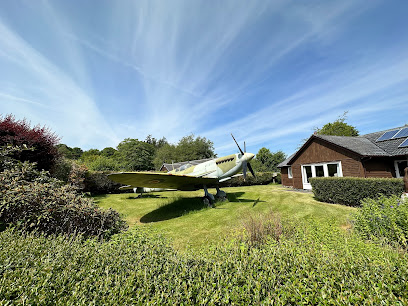
The Moffat Spitfire
19.2 km
Discover a full-size Spitfire replica in Moffat, honoring RAF hero Hugh Dowding in a unique garden tribute blending history and community spirit.
Skelfhill Pen
19.6 km
Discover the tranquil beauty and panoramic views atop Skelfhill Pen, an inviting hillwalk near Hawick in the Scottish Borders.
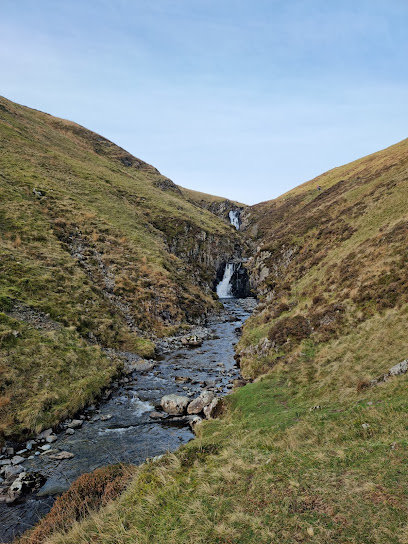
Grey Mare's Tail Waterfall
19.7 km
Experience one of the UK’s highest waterfalls cascading 60m through a stunning glacial valley rich in wildlife and history.
Eventim Apollo
21.4 km
Experience iconic live entertainment in London’s beautifully restored Art Deco gem, the Eventim Apollo in Hammersmith.
universestore
21.4 km
Your go-to camping shop in scenic Moffat, offering the latest outdoor gear for all your adventure needs.
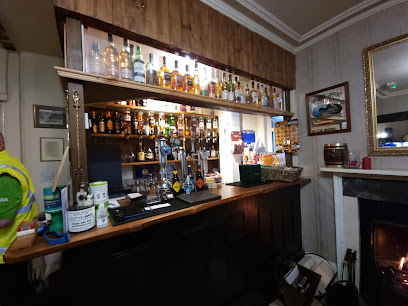
Tushielaw Inn
21.5 km
A charming Scottish Borders inn offering cozy stays, hearty food, and lively pub nights in the tranquil Ettrick Valley.
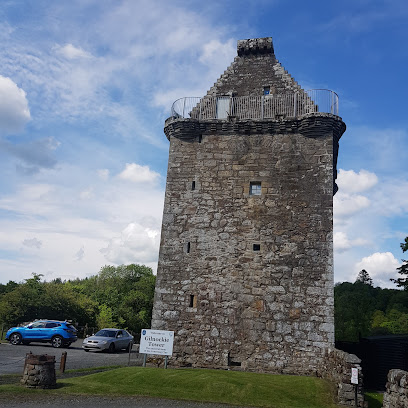
Gilnockie Tower
22.0 km
Explore Gilnockie Tower, the storied 16th-century home of the Armstrong Clan, where history, legend, and stunning Borders scenery converge.
Lochmaben Castle
22.9 km
Explore the evocative ruins of Lochmaben Castle, a medieval fortress steeped in Scottish history and set beside serene Castle Loch.
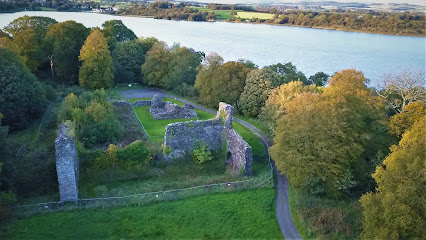
Essential places to dine

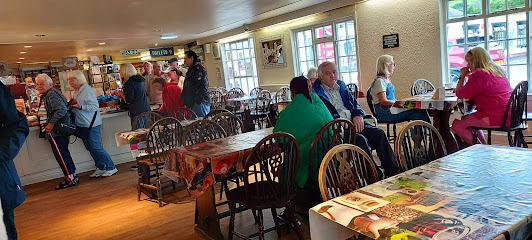
Moffat Woolen Mill restaurant
19.0 km
Experience traditional Scottish cuisine and warm hospitality in the historic charm of Moffat Woolen Mill Restaurant.
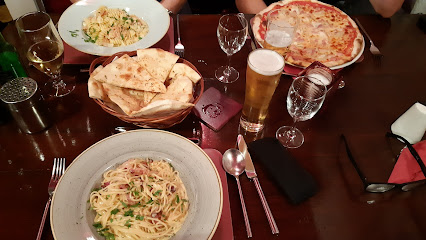
Claudios Restaurant
19.0 km
Experience authentic Italian flavors in a cozy, family-friendly setting at Claudios Restaurant, Moffat’s beloved dining spot.
Brodies
19.1 km
Warm hospitality and delicious contemporary cuisine await you at Brodies, Moffat’s beloved restaurant and bar.
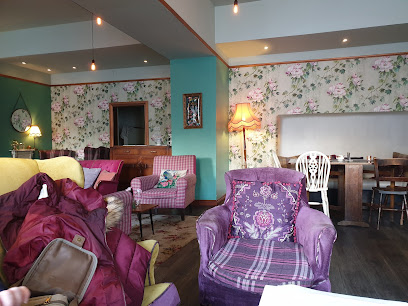
Annandale Arms Hotel and Restaurant
19.2 km
Traditional Scottish charm meets modern comfort at Annandale Arms Hotel, a lively hub for dining, music, and relaxation in Moffat.
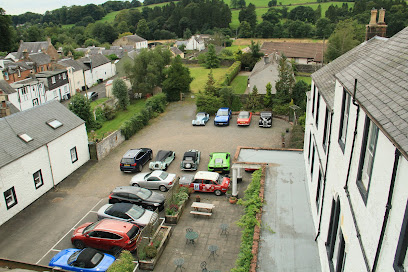
Pentonbridge Inn
27.1 km
A Michelin-starred haven blending exquisite Cumbrian cuisine with luxurious countryside charm near Carlisle.
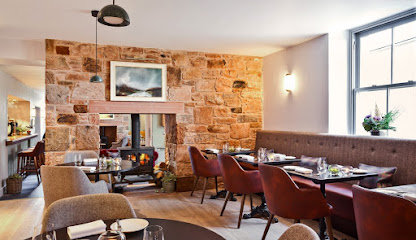
Award-Winning The Gordon Arms Restaurant with Rooms
28.7 km
Historic Scottish Borders inn blending award-winning local cuisine with cozy rooms and tranquil valley views.
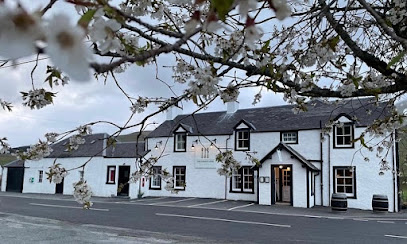
Kinmount Restaurant
29.2 km
Experience warm Scottish hospitality, delicious locally inspired cuisine, and lively entertainment at Kinmount Restaurant in Carrutherstown.
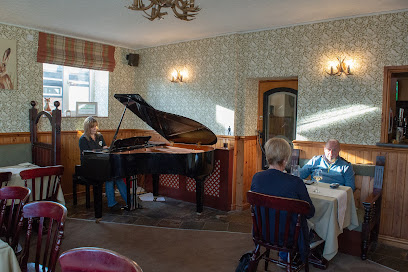
Copper Beech Restaurant
29.5 km
Experience traditional Scottish hospitality and hearty cuisine in the cozy Copper Beech Restaurant at Hetland Hall Hotel, Dumfries.
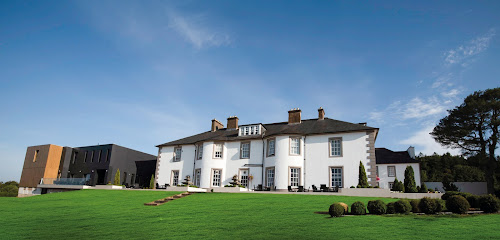
Hetland Hall Hotel
29.5 km
Elegant country house hotel near Dumfries offering spacious rooms, excellent dining, and tranquil rural charm.
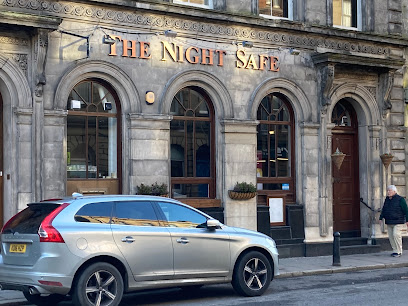
The Night Safe
30.3 km
Cozy bistro and vibrant cocktail bar offering exquisite dining and friendly service in the heart of Hawick’s High Street.
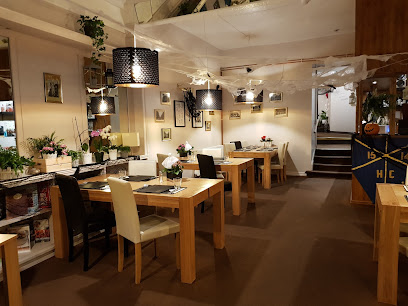
Adam's Kitchen
30.3 km
A cozy British restaurant in Hawick offering hearty traditional dishes with a warm, welcoming atmosphere and attentive service.
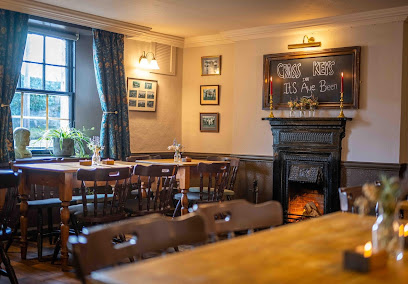
Cross Keys Inn Ettrickbridge - Scotland's "Pub of the Year"
30.5 km
Experience authentic Scottish hospitality at Cross Keys Inn, Ettrickbridge’s award-winning pub and cozy country inn in the heart of the Borders.
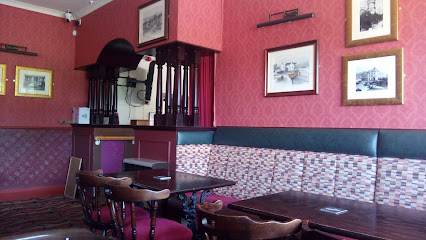
The Lochar Inn
31.9 km
A friendly, lively pub and restaurant in Dumfries offering traditional fare, local charm, and a welcoming community atmosphere.
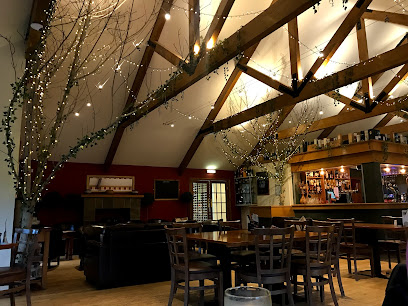
Woll Restaurant
32.3 km
A warm, family-friendly restaurant at New Woll Estate, serving hearty British and Scottish fare with golf-course views and a welcoming country feel.
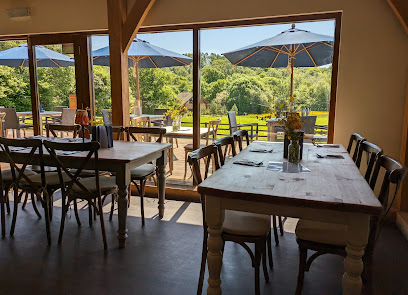
Hidden River Cafe
33.0 km
A charming riverside cafe in Cumbria offering locally sourced dishes in a peaceful natural setting, perfect for families, food lovers, and nature enthusiasts.
Markets, malls and hidden boutiques

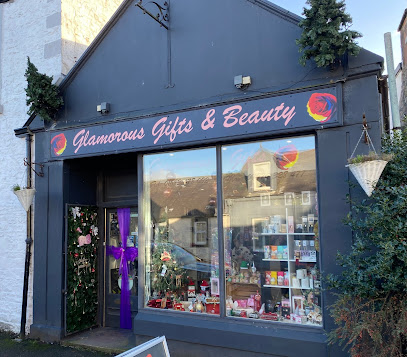
Glamorous Gifts and Beauty
19.0 km
Discover unique gifts and rejuvenating beauty services in Moffat’s charming boutique blending local craft with pampering.
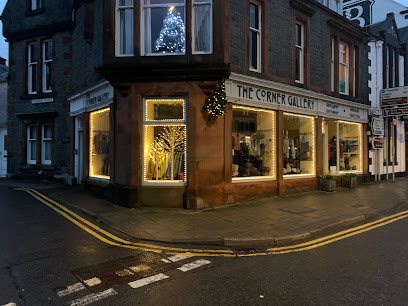
The Corner Gallery
19.2 km
Discover bespoke Scottish knitwear and designer clothing crafted with heritage and style at The Corner Gallery in Moffat.
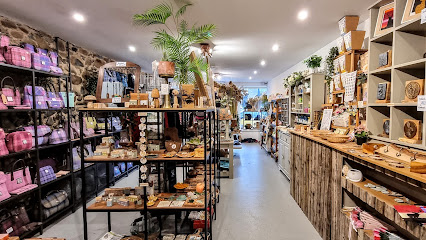
Wildflower Designs
19.2 km
Discover unique handmade gifts and artisan crafts at Wildflower Designs, Moffat’s charming boutique on High Street.
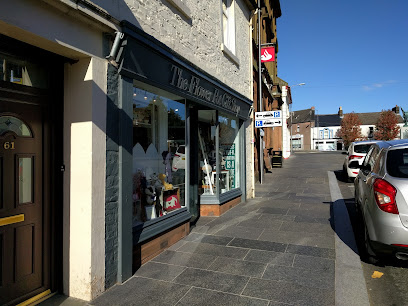
The Flower Pot Gift Shop
19.2 km
Discover unique Scottish gifts and fine jewellery in a warm, family-run boutique nestled in the heart of Lockerbie’s High Street.
Everyday Beautiful
20.8 km
Discover unique and stylish clothing at Everyday Beautiful, the perfect shopping destination for fashion-savvy tourists.

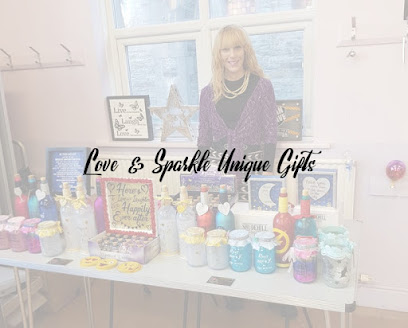
Love & Sparkle Unique Gifts
20.8 km
Explore Love & Sparkle Unique Gifts for one-of-a-kind treasures and local craftsmanship, perfect for thoughtful souvenirs and unique gifts.
Greenpark
21.4 km
Explore Greenpark Gift Shop in Moffat for unique souvenirs and local crafts that capture the essence of Scotland's charm and creativity.
Historic Gifts
23.0 km
Discover handcrafted gifts made from historic materials, celebrating heritage and craftsmanship in peaceful Canonbie.

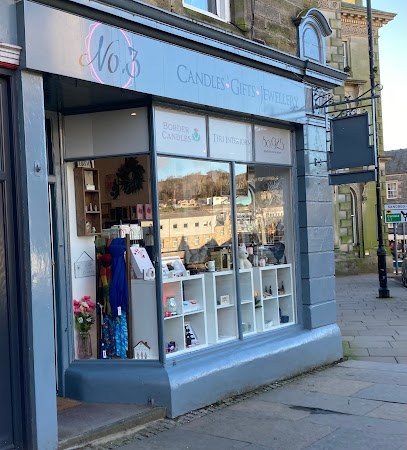
No. 3 Gifts
30.2 km
A cozy, independent gift shop in Hawick offering locally made crafts, Scottish souvenirs, and handcrafted candles in the heart of the Scottish Borders.
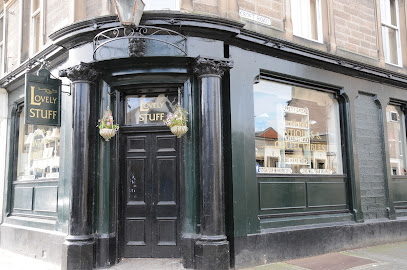
Lovely Stuff
30.7 km
Discover vintage charm and unique home accessories at Lovely Stuff, Hawick’s boutique for antiques and handcrafted treasures.
Giftsscotland.com
31.9 km
Explore unique handcrafted gifts and souvenirs at Giftsscotland.com, a charming shop in the heart of Hawick, Scotland.

Peel Centre
33.4 km
Dumfries’ premier shopping centre offering a wide range of major stores and convenient amenities in a lively retail environment.

Matalan
33.4 km
Affordable fashion and homeware for the whole family in the heart of Dumfries at The Peel Centre.
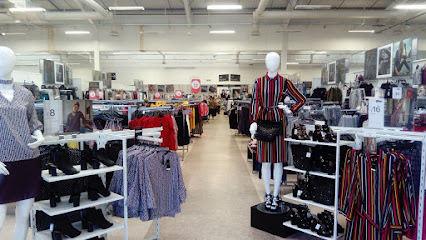
Lunar
33.8 km
Explore Lunar Gift Shop in Dumfries for unique gifts and local treasures that make perfect souvenirs from your Scottish adventure.

The Range, Dumfries
34.6 km
A versatile home and garden store in Dumfries offering extensive products for every lifestyle and living space.
Essential bars & hidden hideouts

Royal Bar
19.1 km
Cozy and friendly local bar in Lockerbie offering hearty home-cooked meals, good beer, and a welcoming atmosphere for all.
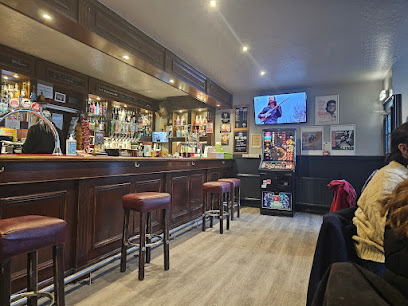
Tibbie Shiels Inn
23.9 km
Historic inn and camping by St. Marys Loch offering cosy rooms, live music, and stunning Scottish Borders scenery.
Drumlanrig Bar
30.1 km
A cozy and lively bar in Hawick’s Drumlanrig Square, perfect for local beers, live music, and a welcoming Scottish Borders atmosphere.
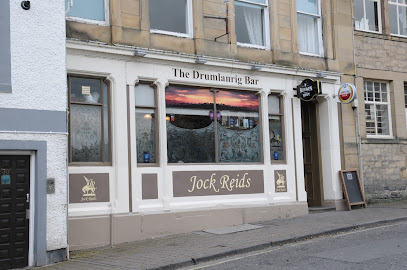
The Exchange Bar
30.2 km
Historic Victorian pub in Hawick with original wood panelling, ornate cornices, and a cozy lounge for live music and community gatherings.
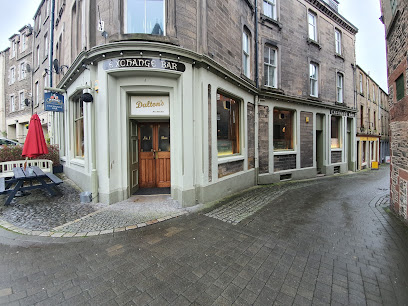
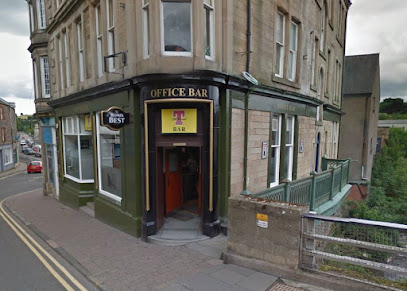
Office Bar
30.2 km
A traditional Scottish pub in Hawick’s historic West End, offering authentic charm, quality beers, and a friendly local atmosphere.
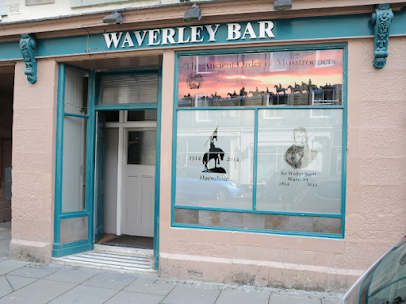
Waverley Bar
30.6 km
A traditional, friendly Scottish pub in Hawick’s heart, famed for its lively atmosphere and welcoming community vibe.
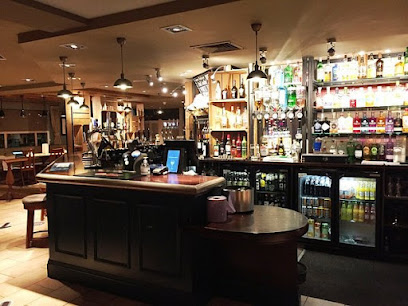
Lockards Farm
33.1 km
A stylish and family-friendly pub in Dumfries offering classic British fare, extensive drinks, and a welcoming beer garden for all seasons.
The Five Arches
33.2 km
A welcoming traditional pub in Dumfries offering local brews, live music, and a cozy atmosphere for genuine Scottish hospitality.
The Pleuchie's Howff
34.1 km
A family-run Dumfries pub blending traditional Scottish charm with lively live music and a welcoming community vibe.
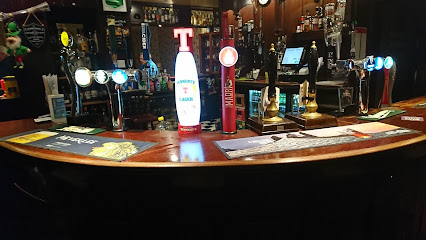
Chancers Night Club
34.9 km
Experience Dumfries nightlife at Chancers Night Club, where vibrant music and a lively atmosphere create unforgettable nights.
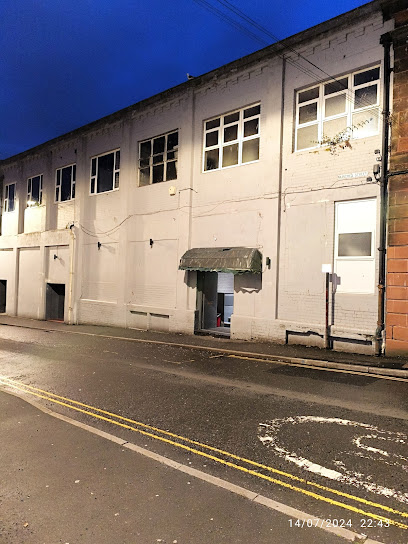
Dickies Bar
34.9 km
Experience warm Scottish hospitality and local craft beers in the cozy, lively setting of Dickies Bar in Dumfries.
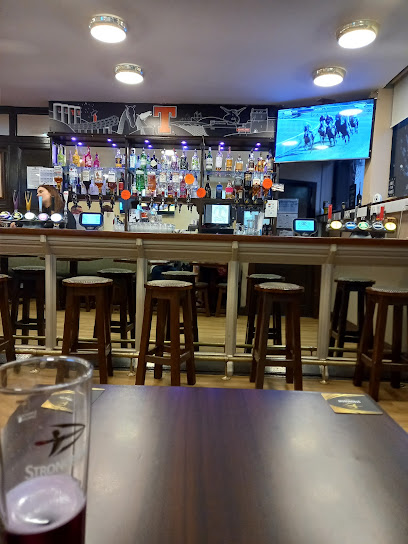
The Imperial
35.0 km
A friendly, fair-priced bar in the heart of Dumfries, perfect for relaxed socializing and local vibes.
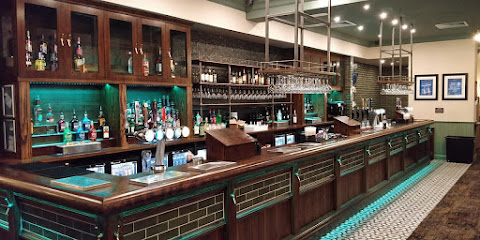
The Queensberry
35.0 km
A bright, comfortable bar and hotel in central Dumfries offering relaxed Scottish hospitality and cozy accommodation.
The Barrel
35.0 km
A friendly, traditional pub in Dumfries offering quality pints and a lively, welcoming atmosphere for locals and visitors alike.

The Venue Dumfries
35.0 km
A vibrant hub for live music, nightlife, and social gatherings in the heart of Dumfries.

Nightclubs & after hour spots

Square One
30.1 km
Vibrant Hawick nightclub with dynamic music floors and a welcoming atmosphere at the heart of Drumlanrig Square.

Base Nightclub
30.5 km
Experience Hawick’s energetic nightlife at Base Nightclub, where vibrant music and lively crowds create unforgettable Friday nights.
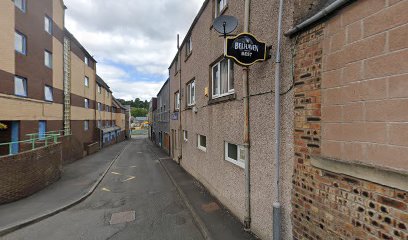
The Border Club
30.8 km
Experience the vibrant local culture at The Border Club, a friendly social hub in Hawick, Scotland, perfect for travelers seeking community spirit.
Railway Social Club
34.6 km
A friendly, community-focused social club in Dumfries offering affordable drinks, lively events, and a welcoming atmosphere near the town centre.
Union Club
40.5 km
A friendly, community-run social club with snooker and events, offering a welcoming and affordable night out in Innerleithen.
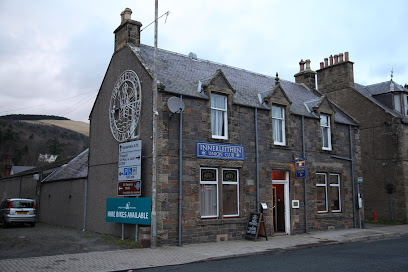
Borders Blues club
40.8 km
Immerse yourself in the vibrant atmosphere of Borders Blues Club, where the best of British blues music comes alive in Innerleithen.

The Vale Of Leithen Social Club
40.8 km
A friendly members' club in Innerleithen offering live music, affordable drinks, and a warm community atmosphere.
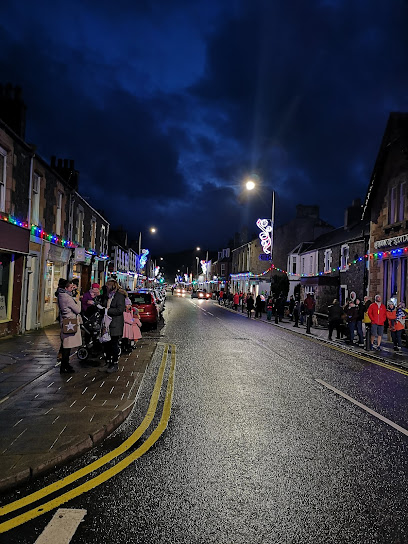
Black Box Music Institute
42.9 km
An intimate old-style nightclub and cultural hub in Carlisle offering live music, festivals, and art exhibitions in a vibrant setting.
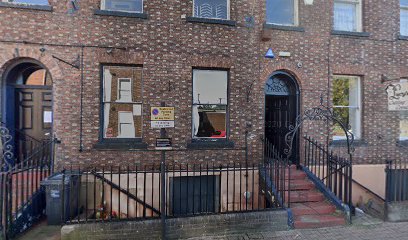
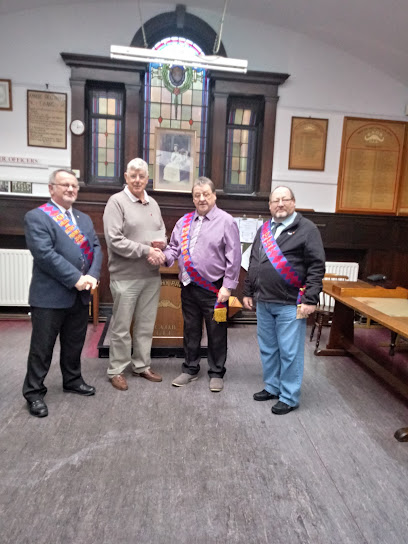
Carlisle R A O B Club
43.0 km
Historic social club in Carlisle offering lively events and a welcoming atmosphere rooted in the Royal Antediluvian Order of Buffaloes tradition.
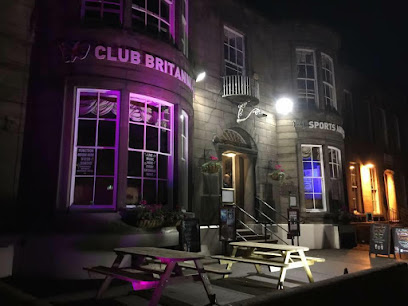
Club Britannia
43.3 km
A vibrant social club in Carlisle offering live music, friendly vibes, and affordable drinks in a smart, welcoming setting.
Secret Carlisle
43.6 km
Experience energetic nights and vibrant music at Secret Carlisle, the city centre nightclub where Carlisle’s historic charm meets modern nightlife.

The Central Bar
43.8 km
Experience the heart of Peebles at The Central Bar, where local charm and refreshing drinks await every visitor.
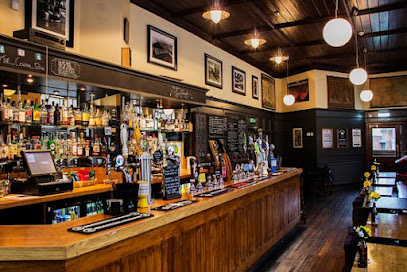
The Cross Keys - Peebles
43.8 km
Historic inn and cozy hotel in Peebles town centre, blending traditional charm with modern comfort and a lively pub atmosphere.
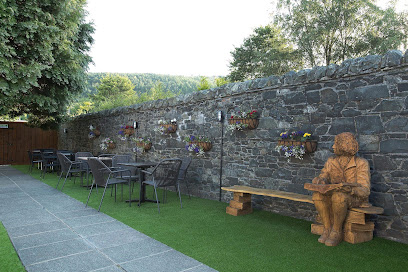
Morven
45.0 km
Discover the electrifying nightlife at Morven Nightclub in Oxnam, near Melrose, where great music, vibrant atmosphere, and unforgettable memories await.
Niki's Lounge Bar
45.3 km
Discover Niki's Lounge Bar in Galashiels: a cozy bar with a friendly atmosphere and an extensive drink menu perfect for relaxation.
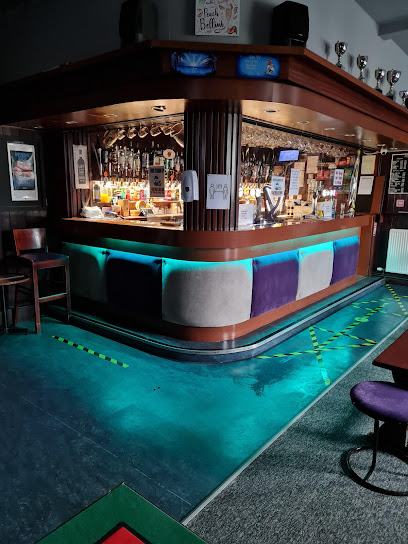
For the vibe & atmosphere seeker
- Tranquil
- Scenic
- Unique
- Relaxing
For the design and aesthetic lover
- Rustic Designs
For the architecture buff
- Historic
- Landmarks
For the view chaser and sunset hunter
- Iconic Views
- Panoramas
For the social media creator & influencer
- Instagrammable
- Photo Spots
For the eco-conscious traveler
- Eco-Friendly
- Low Impact
- Public-Transport Accessible
- Leave-No-Trace Critical
For the kind of experience you’re after
- Cultural Heritage
- Nature Escape
- Photowalk
- Day Trip
For how adventurous you want the journey to be
- Easy Access
Location Audience
- Family Friendly
- Senior Friendly
- Child Friendly
- Teen Friendly
- Solo Friendly
- Couple Friendly


