The High Level Bridge, Newcastle upon Tyne
A pioneering double-deck Victorian bridge uniting rail and road across the River Tyne, symbolizing Newcastle’s industrial heritage.
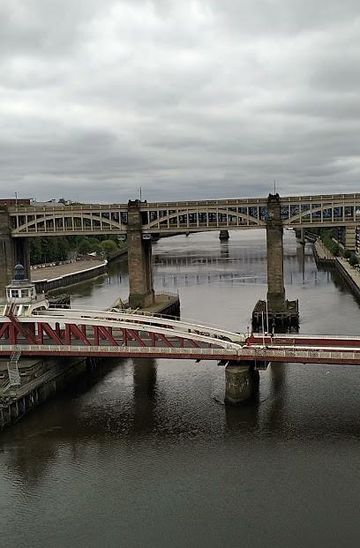
The High Level Bridge in Newcastle upon Tyne is a pioneering double-deck road and railway bridge designed by Robert Stephenson and opened in 1849. Spanning the River Tyne, it was the first major bridge to combine rail and road traffic on separate levels, showcasing Victorian engineering innovation. Today, it remains a Grade I listed iconic structure, carrying rail traffic on the upper deck and limited road traffic below, symbolizing Newcastle’s industrial heritage and engineering prowess.
A brief summary to The High Level Bridge
- High Level Brg, Newcastle upon Tyne, NE1 3RN, GB
- Click to display
- Duration: 0.5 to 2 hours
- Free
-
 Outdoor
- Mobile reception: 4 out of 5
- Monday 12 am-12 am
- Tuesday 12 am-12 am
- Wednesday 12 am-12 am
- Thursday 12 am-12 am
- Friday 12 am-12 am
- Saturday 12 am-12 am
- Sunday 12 am-12 am

Know before you go
Hi, I'm Eve. Here are a few practical things to know before exploring The High Level Bridge.
- Visit at sunset for stunning views of the Tyne bridges and city skyline.
- Look for the historic plaques on the bridge detailing its construction and engineers.
- Photograph the bridge from nearby Quayside or Gateshead Millennium Bridge for iconic shots.
- Note the pedestrian footways on the lower deck for a close-up experience of the structure.
Do you manage this location?
Take control to get all the benefits, like improved information, better appearance, and stronger visibility across AI-powered discovery. Learn more
Activate your presenceOther nearby places you may find interesting
Getting There
-
Metro and Bus
Take the Tyne and Wear Metro to Central Station in Newcastle, a 10-15 minute journey from key city points. From there, the High Level Bridge is a 10-minute walk across the Quayside area. Frequent buses also serve stops near the bridge, with fares typically around £2-£4 GBP.
-
Taxi or Rideshare
Taxis and rideshare services can reach the bridge from Newcastle city center within 5-10 minutes, depending on traffic. Expect fares around £5-£10 GBP. Road access is limited to buses and taxis on the bridge itself.
-
Walking
For those staying nearby, walking along the scenic Quayside promenade to the High Level Bridge takes approximately 15-20 minutes over mostly flat terrain. Pedestrian access is available on the lower deck footways.
For the on-the-go comforts that matter to you
-
 Seating Areas
-
 Information Boards
-
 Restrooms
-
 Drink Options
-
 Food Options
Discover more about The High Level Bridge
A Victorian Engineering Marvel Connecting Newcastle and Gateshead
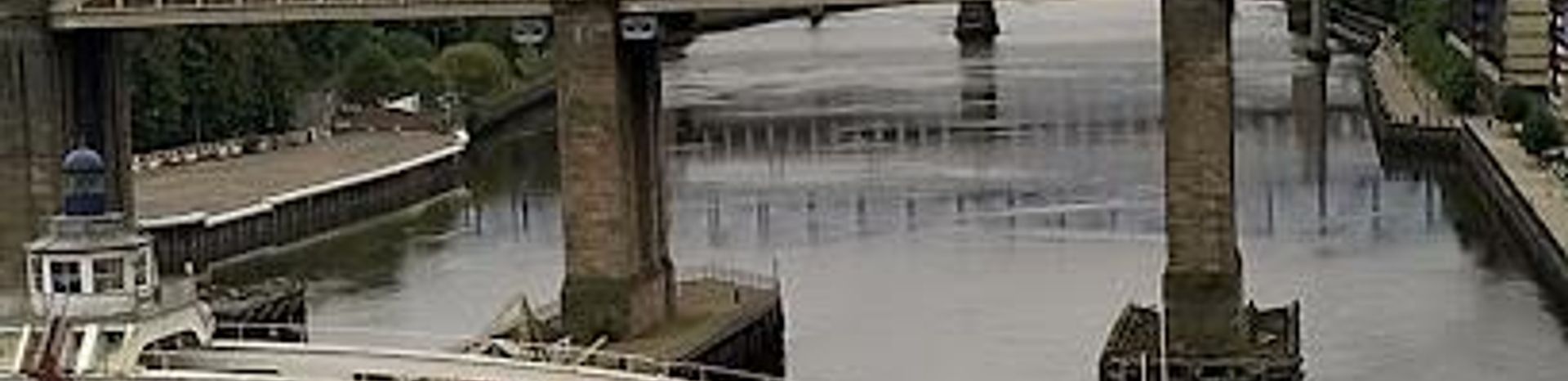
The High Level Bridge, completed in 1849, stands as a testament to Victorian ingenuity and industrial ambition. Designed by the eminent engineer Robert Stephenson with detailed supervision by Thomas Elliot Harrison, it was the first major bridge in the world to combine rail and road traffic on two separate decks. Spanning 1,338 feet (408 meters) across the River Tyne, the bridge was built to link the railways between London and Edinburgh, completing what is now the East Coast Main Line. Its innovative design features six main wrought iron tied arch spans, with the railway running on the upper deck approximately 120 feet above high water and the road below at 96 feet, allowing for smooth transit over the deep Tyne gorge without steep inclines at either end.Construction Challenges and Groundbreaking Techniques
Construction began in 1846 and involved overcoming significant engineering challenges, including driving foundations deep into the riverbed's bedrock using the then-new Nasmyth steam pile driver—a pioneering technology in bridge building. Massive masonry piers, each 50 feet thick, anchor the structure, supporting the iron arches and decks. A temporary wooden viaduct was erected alongside the permanent bridge to maintain rail traffic during construction. By August 1849, the bridge was tested with heavy trains, and on September 28, 1849, Queen Victoria officially opened the bridge, marking a milestone in British engineering history.Design and Materials Reflecting Industrial Power
The bridge’s structure is a combination of cast and wrought iron, with cast iron bows supporting the railway and wrought iron ties suspending the road deck below. The roadway is 40 feet wide, accommodating three standard gauge tracks on the upper level and a 20-foot-wide road with pedestrian footways below. Over 10,000 tons of iron were used in its construction, sourced largely from local ironworks, reflecting the industrial strength of the region. The bridge’s elegant tied-arch design not only provided the necessary strength but also minimized material use, making it a cost-effective and durable solution.A Legacy of Adaptation and Preservation
Throughout its life, the High Level Bridge has witnessed many adaptations, including the introduction of electric trams in the 1920s and restrictions on road traffic to mostly buses and taxis in recent decades. It survived fires in Victorian times and underwent extensive refurbishment between 2001 and 2008, including strengthening arches and replacing road beams, ensuring its continued use and preservation as a vital transport link and heritage landmark. Today, it is a Grade I listed structure and a major strategic asset on the East Coast Main Line, symbolizing Newcastle’s rich industrial past and ongoing vitality.Setting and Surroundings Enhancing Its Iconic Status
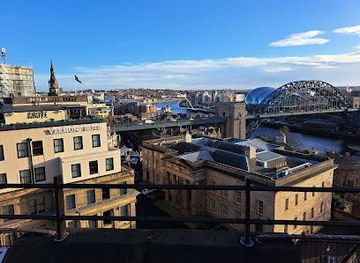
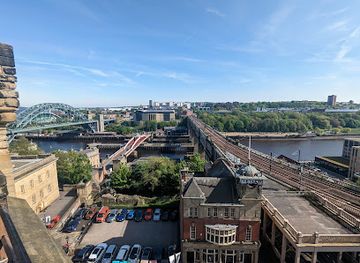
The High Level Bridge is situated in a dramatic river valley setting, with panoramic views of Newcastle and Gateshead’s skyline. It sits alongside other famous Tyne bridges, including the Swing Bridge and the Tyne Bridge, forming a celebrated cluster of historic and modern crossings. Its distinctive double-deck design and iron arches make it a popular subject for photographers and a beloved local landmark. The bridge’s location and architectural beauty contribute to Newcastle’s identity as a city of engineering excellence and cultural heritage.Symbol of Industrial Heritage and Engineering Excellence
The High Level Bridge remains an enduring symbol of the Industrial Revolution’s impact on the North East of England. Its successful combination of rail and road transport on a single structure was revolutionary and influenced future bridge designs. Celebrated for its aesthetic and functional qualities, the bridge exemplifies the era’s engineering ambition and the region’s contribution to Britain’s transport infrastructure. It continues to inspire engineers, historians, and visitors alike, standing as a proud monument to Victorian innovation and Newcastle’s industrial legacy.Explore the best of what The High Level Bridge has to offer















More about North East England
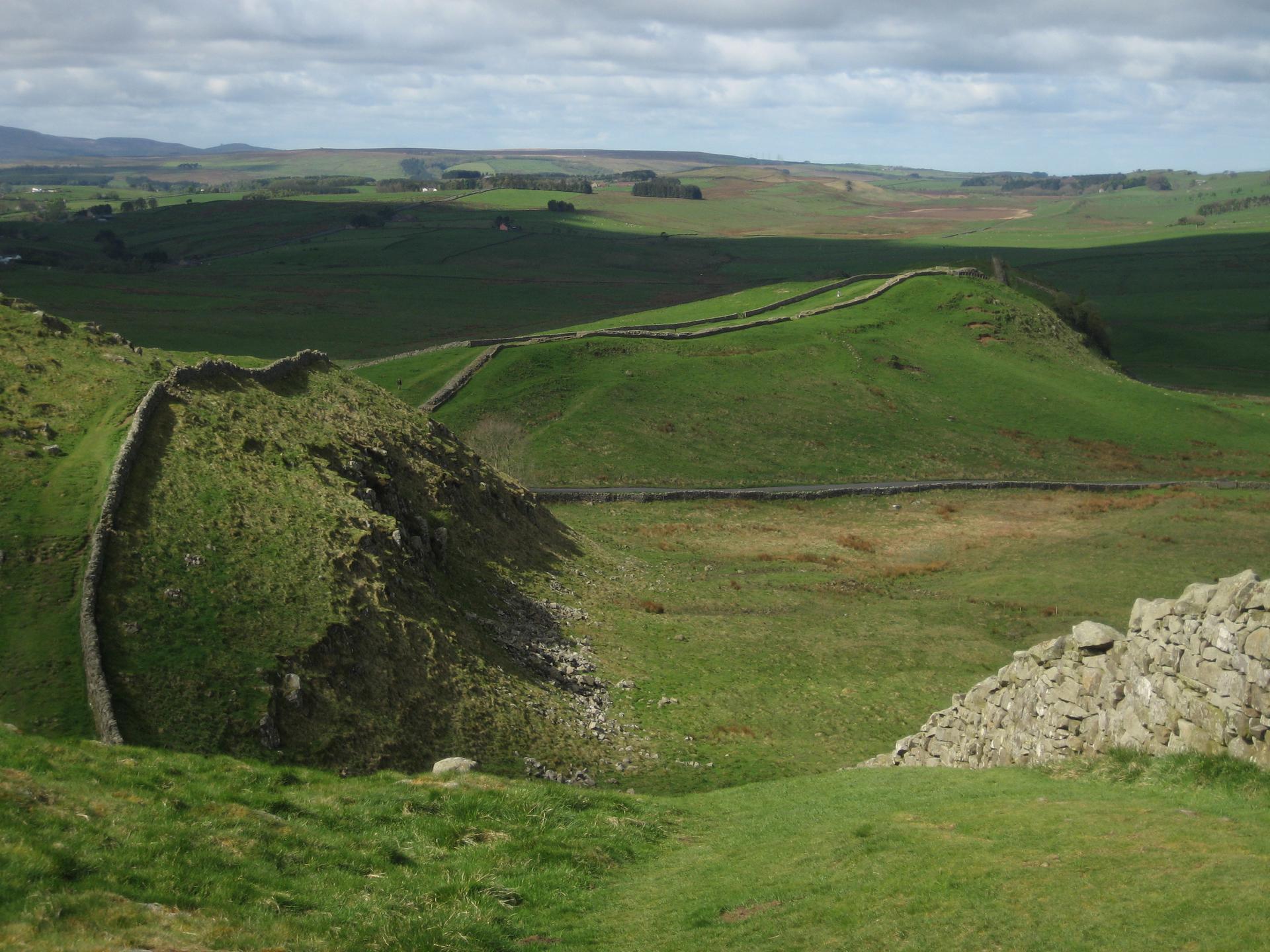
Explore North East England: From Roman Walls to Majestic Cathedrals and Scenic Coastlines, Discover a Region Rich in History and Natural Beauty.
Tell me more about North East England