Edinburgh World Heritage, Edinburgh Travel Guide
Free Guide: Explore Edinburgh’s UNESCO World Heritage site where medieval charm meets Georgian elegance in a city alive with history and culture.


A brief summary of Edinburgh World Heritage
Explore Edinburgh’s UNESCO World Heritage site where medieval charm meets Georgian elegance in a city alive with history and culture.
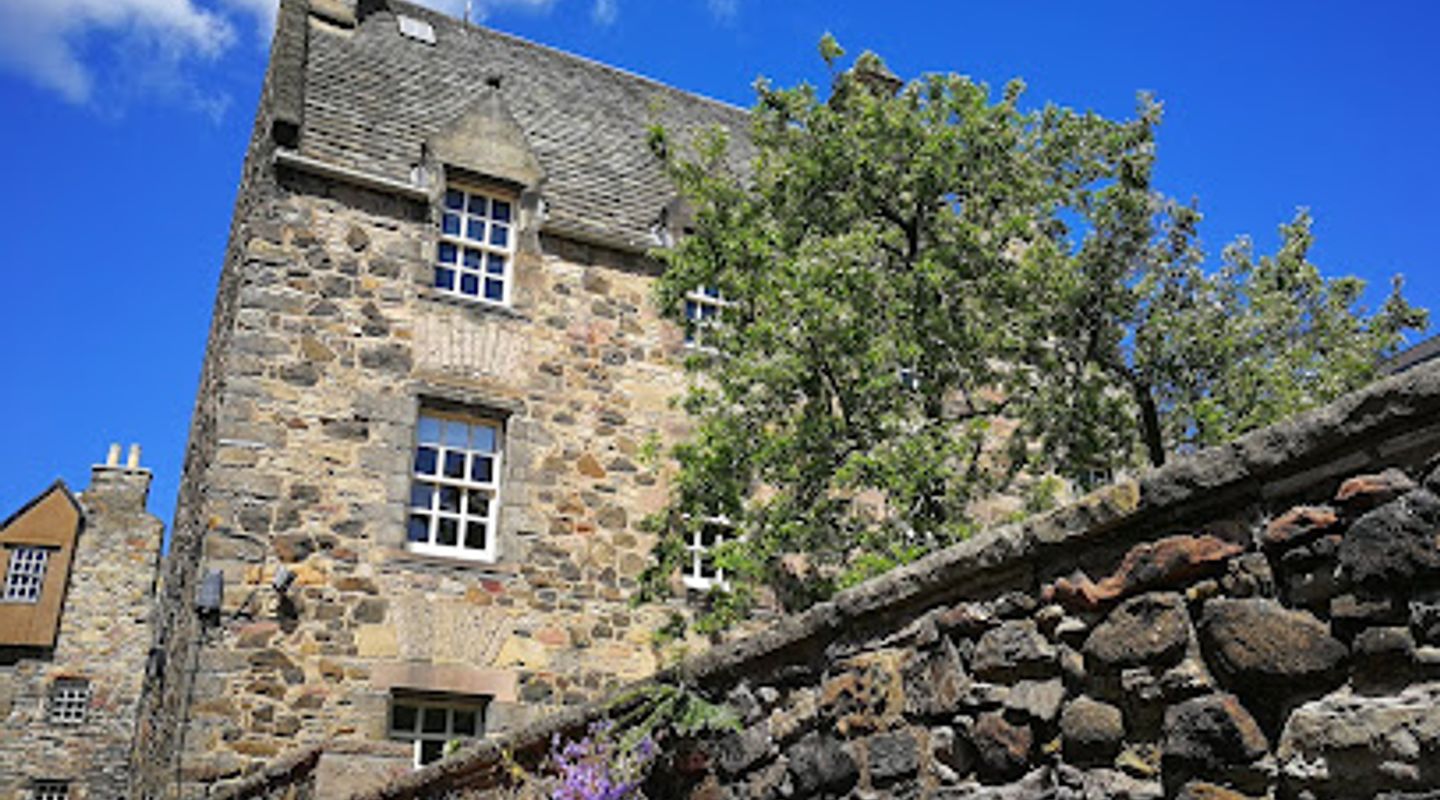
Edinburgh World Heritage encompasses the iconic Old and New Towns of Scotland’s capital, a UNESCO site renowned for its striking medieval and Georgian architecture. The Old Town’s labyrinthine closes and historic Royal Mile contrast with the elegant, planned streets of the New Town, creating a unique urban tapestry. This living city blends history, culture, and scenic beauty, offering visitors a rich heritage experience amid stunning views and vibrant cultural life.
On-site amenities
 Restrooms
 Drink options
 Food options
 Seating areas
 Information boards
Opening hours
- Mon9 am–5 pm
- Tue9 am–5 pm
- Wed9 am–5 pm
- Thu9 am–5 pm
- Fri9 am–5 pm
- SatClosed
- SunClosed
Opening hours as listed on the venue’s Google Business Profile. Hours can change for services and special events, so check with the venue before you go.
- Address
- 5 Bakehouse Close, 146 Canongate, Edinburgh EH8 8DD
- Phone
- Website
Getting there
Public Transport
Walking
Taxi or Rideshare
Discover more about Edinburgh World Heritage
A Tale of Two Cities United in Heritage
Edinburgh’s World Heritage Site is a remarkable urban landscape where two distinct eras meet: the medieval Old Town and the Georgian New Town. The Old Town, with its narrow, winding closes and historic Royal Mile, reflects centuries of organic growth around the fortress of Edinburgh Castle. In contrast, the New Town, developed from the 18th century onwards, showcases neoclassical architecture and a carefully planned grid of elegant streets. This juxtaposition of medieval and Georgian townscapes is unparalleled in Europe, offering a vivid narrative of urban evolution and architectural styles.
Architectural and Cultural Richness
The Old Town is dominated by towering spires, historic churches such as St Giles Cathedral, and the imposing Edinburgh Castle perched on Castle Rock. Its medieval ‘fishbone’ street pattern and hidden wynds invite exploration. The New Town impresses with grand boulevards, Georgian townhouses, and landmarks like the Old Royal High School, reflecting Enlightenment ideals and the influence of classical Greek architecture. Together, these areas house a wealth of museums, galleries, and cultural venues that celebrate Scotland’s history and arts.
Living Heritage and Conservation Efforts
Edinburgh World Heritage, an independent charity, actively conserves and promotes this UNESCO site, working alongside Historic Scotland and the City of Edinburgh Council. The site’s protection is ensured by robust legislation and conservation policies that safeguard its skyline, views, and historic buildings. Over 75% of the buildings within the site are listed, and ongoing management balances preservation with the needs of a vibrant, modern city. Grants and community projects support the upkeep and revitalization of historic structures.
A City of Scenic Vistas and Green Spaces
The city’s dramatic topography enhances its heritage appeal, with viewpoints from Calton Hill, Arthur’s Seat, and the Castle walls offering sweeping panoramas of the cityscape and the Firth of Forth. Nearly half of Edinburgh is green space, including royal parks, formal gardens, and hidden courtyards, providing tranquil escapes within the urban fabric. These natural elements complement the architectural heritage and contribute to the city’s nickname, the ‘Athens of the North.’
Vibrant Cultural Scene and Visitor Experience
Edinburgh’s heritage is not static; it is a living cultural capital hosting world-famous festivals such as the Edinburgh Festival Fringe. The Old Town’s historic pubs, music venues, and bustling streets bring history to life, while the New Town offers sophisticated dining, shopping, and galleries. Visitors can immerse themselves in stories of Scottish royalty, enlightenment thinkers, and urban development, all set against a backdrop of stunning historic architecture.
Accessibility and Engagement
The site is highly walkable despite its hilly terrain, with most major monuments and attractions within easy reach. Edinburgh World Heritage also engages the community through events, education, and heritage grants, ensuring that the city’s unique identity is celebrated and preserved for future generations. This dynamic stewardship makes Edinburgh a model for urban heritage conservation worldwide.
Evendo Review Centre
 Google
Guest reviews
Best time to go
Quietest: Jan, Feb & Dec · before 7am or at 10pm
Busy times are Evendo estimates for a typical year, to help you plan. Actual crowds vary with events, school holidays and the weather.
Explore Edinburgh World Heritage on the map
A handpicked selection of must-see spots near Edinburgh World Heritage, mapped for you.
Get your free copy of our complete guide to Edinburgh World Heritage, delivered straight to you.
Everything on this page, from opening hours and how to get there to Eve’s tips and the best time to go, in one PDF you can read offline, print or share.
Already have an account? Sign in
Your Edinburgh World Heritage guide is ready.
We'll send it to · Not you? Sign out

Getting your guide ready…
We are putting together a fresh copy of the Edinburgh World Heritage guide. This can take up to a minute.
This can take a few moments. If your browser asks, choose Allow so the download can start. You'll find the guide in your Downloads folder.
Nothing happened? Download it again
Sorry, the guide is taking longer than usual. Please try again in a minute, or get it by email instead.
Other nearby places you may find interesting
The closest places of the same kind, if this one is not quite what you had in mind.
-
Edinburgh Zoo Explore over 2,500 rare animals and support global conservation efforts at Edinburgh Zoo’s scenic hillside sanctuary.
-
Wee Ecosse - visites guidées en français à Edimbourg Discover Edinburgh’s rich history and culture through engaging French-language guided walking tours in the heart of the Old Town.
-
The India Cross A solemn Celtic cross memorial honoring the 78th Highlanders who fell during the Indian Rebellion, set against Edinburgh Castle’s historic Esplanade.
-
Lochrin Basin A serene canal terminus blending historic charm and modern urban life in the heart of Edinburgh’s Fountainbridge.
-
Panoramic view Castle Discover breathtaking, near eye-level views of Edinburgh Castle framed by historic gardens and vibrant city life at Princes Street.
Swipe for more places
More to explore near Edinburgh World Heritage
-
 Best experiences near Edinburgh World Heritage
-
 Best hotels near Edinburgh World Heritage
-
 Best landmarks near Edinburgh World Heritage
-
 Best attractions near Edinburgh World Heritage
-
 Best shops near Edinburgh World Heritage
-
 Best restaurants near Edinburgh World Heritage
-
 Best bars near Edinburgh World Heritage







Do you manage this location?
Take control to get all the benefits, like improved information, better appearance, and stronger visibility across AI-powered discovery.
Explore more

Explore more of Edinburgh
Discover the enchanting blend of history, culture, and natural beauty in Edinburgh, Scotland's captivating capital city.
Explore Edinburgh
Explore more of United Kingdom
Discover the United Kingdom: A blend of rich history, stunning landscapes, and vibrant cities, offering a unique travel experience for every visitor.
Explore United Kingdom