Burns Monument, Edinburgh Travel Guide
Free Guide: Edinburgh's classical tribute to Scotland's national poet, a Neo-Greek temple with commanding city views.


A brief summary of Burns Monument
Edinburgh's classical tribute to Scotland's national poet, a Neo-Greek temple with commanding city views.
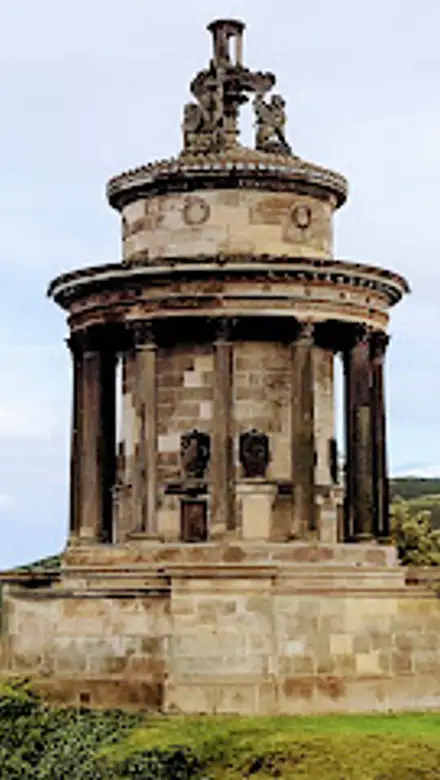
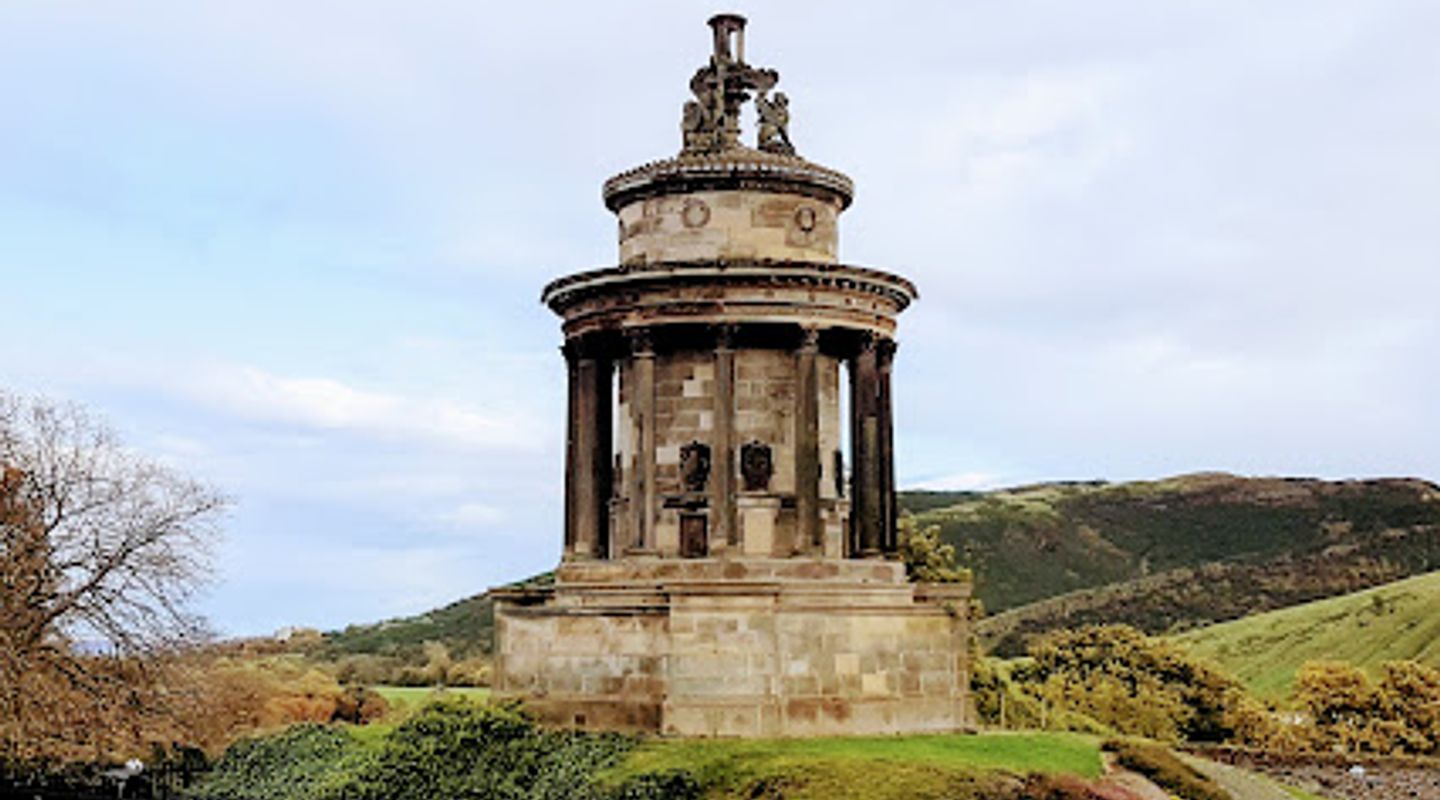
A striking Neo-Greek circular temple perched on Regent Road in Edinburgh, this 21-metre monument honours Scotland's national poet Robert Burns. Designed by architect Thomas Hamilton and completed in 1831, the structure features twelve columns representing the muses of Greek mythology. Though the interior is not regularly open to the public, the monument's elegant exterior and commanding position overlooking Calton Hill make it an iconic landmark in Edinburgh's skyline. The surrounding area offers spectacular views across the city.
On-site amenities
 Information boards
 Seating areas
Opening hours
- Every dayOpen 24 hours
Opening hours as listed on the venue’s Google Business Profile. Hours can change for services and special events, so check with the venue before you go.
- Address
- 1759 Regent Rd, Edinburgh EH8 8DR
Getting there
Bus
Walking
Taxi or Ride-Share
Cycling
Discover more about Burns Monument
A Temple to Scotland's Greatest Poet
The Burns Monument stands as one of Edinburgh's most distinctive architectural tributes, a circular Neo-Greek temple dedicated to Robert Burns, Scotland's national bard who lived from 1759 to 1796. Perched on Regent Road at the southern foot of Calton Hill, this 21-metre-high structure commands attention with its elegant proportions and classical design. The monument was conceived as a lasting memorial to Burns's profound influence on Scottish culture and literature, initiated by expatriate admirers of the poet who first proposed the idea in 1812.
Architectural Mastery and Design
Thomas Hamilton, the visionary architect responsible for the monument, had already proven his skill by designing the Burns Monument at Alloway in 1820 and the nearby Royal High School in Edinburgh. For the Edinburgh monument, Hamilton created a masterpiece of classical architecture: a central drum structure called a 'cella' surrounded by twelve columns forming a 'peristyle', each column representing one of the muses from Greek mythology. The structure was built from Ravelston sandstone and crowned with an intricate domed roof adorned with detailed stone carvings and winged lion sculptures. The foundation stone was laid on 8 September 1831, and the monument was completed shortly thereafter. Remarkably, Hamilton declined payment for his design work, contributing his talent freely to honour the poet.
Historical Significance and Restoration
The monument originally housed a white marble statue of Burns, designed by the renowned sculptor John Flaxman in 1824. However, soot from the gasworks below gradually damaged the marble, and it was eventually relocated to the Scottish National Portrait Gallery on Queen Street, where it remains today. The City of Edinburgh assumed ownership of the monument in 1839 and has maintained it ever since. Following extensive restoration work, the monument was ceremonially reopened on 6 September 2009, restoring it to its former glory. The surrounding landscape was carefully planted with laurels, hollies, and Ayrshire roses, donated by local craftspeople who contributed to the monument's aesthetic appeal.
Views and Surrounding Context
The Burns Monument's location on Calton Hill places it within one of Edinburgh's most historically significant areas, marked as a UNESCO World Heritage Site. From this vantage point, visitors can observe sweeping views across the city, including Edinburgh Castle, Princes Street, and Arthur's Seat in Holyrood Park. The monument stands near other iconic structures including the National Monument, the Dugald Stewart Monument, Nelson's Monument, and the Old Royal High School. The nearby Canongate graveyard holds the final resting place of Agnes MacLehose, Burns's close friend and correspondent known as 'Clarinda' in his letters and poems, adding another layer of literary significance to the location.
Contemporary Use and Access
While the monument's interior is not regularly open to the general public, its striking exterior remains visible from Regent Road and the surrounding streets, making it an essential stop for Burns enthusiasts and architecture lovers. The Edinburgh and District Burns Clubs Association continues to meet at the monument, maintaining its role as a gathering place for those who celebrate the poet's legacy. In 2021, the monument served as the setting for Emeka Ogboh's audio installation 'Song of the Union', part of the Edinburgh Art Festival, demonstrating its continued relevance as a cultural landmark. The monument's Neo-Greek design and prominent position on Calton Hill ensure it remains one of Edinburgh's most photographed and recognisable monuments.
Evendo Review Centre
 Google
Guest reviews
Best time to go
Quietest: Jan, Feb & Dec · before 6am or at 10pm
Busy times are Evendo estimates for a typical year, to help you plan. Actual crowds vary with events, school holidays and the weather.
Explore Burns Monument on the map
A handpicked selection of must-see spots near Burns Monument, mapped for you.
Get your free copy of our complete guide to Burns Monument, delivered straight to you.
Everything on this page, from opening hours and how to get there to Eve’s tips and the best time to go, in one PDF you can read offline, print or share.
Already have an account? Sign in
Your Burns Monument guide is ready.
We'll send it to · Not you? Sign out

Getting your guide ready…
We are putting together a fresh copy of the Burns Monument guide. This can take up to a minute.
This can take a few moments. If your browser asks, choose Allow so the download can start. You'll find the guide in your Downloads folder.
Nothing happened? Download it again
Sorry, the guide is taking longer than usual. Please try again in a minute, or get it by email instead.
Unlock the best of Burns Monument
Skip-the-line tickets, guided tours with entry, and walking tours of the area, booked in a few clicks.


 Tour
TourEdinburgh Scavenger Hunt & Highlights Self-Guided Walking Tour
from $3.19 Tour
TourBig Bus Edinburgh 24 or 48 hour Hop On Hop Off Sightseeing Tour
from $24.87 Tour
TourCity Sightseeing Edinburgh Hop-On Hop-Off Bus Tour + Kids Go Free
from $25.12 Tour
TourBig Bus Edinburgh Hop-On Hop-Off City and Britannia Bus Tour
from $33.92
Other nearby places you may find interesting
The closest places of the same kind, if this one is not quite what you had in mind.
-
Scott Monument Climb 287 steps to Scotland's greatest literary tribute and Edinburgh's most iconic skyline views.
-
Edinburgh Castle Explore Scotland’s iconic fortress atop Castle Rock, where history, tradition, and panoramic city views converge in Edinburgh’s heart.
-
National Monument of Scotland Edinburgh's iconic unfinished Parthenon—a monument to ambition, sacrifice, and Scottish identity perched atop Calton Hill.
-
Flodden Wall Explore Edinburgh’s historic Flodden Wall, a 16th-century fortress that shaped the city’s medieval heart and stands as a testament to resilience and history.
-
Dugald Stewart Monument A neoclassical tribute to philosopher Dugald Stewart, offering iconic views over Edinburgh from historic Calton Hill.
Swipe for more places
More to explore near Burns Monument

 Best experiences near Burns Monument
 Best hotels near Burns Monument
 Best landmarks near Burns Monument
 Best attractions near Burns Monument
 Best shops near Burns Monument
 Best restaurants near Burns Monument
 Best bars near Burns Monument
Do you manage this location?
Take control to get all the benefits, like improved information, better appearance, and stronger visibility across AI-powered discovery.
Explore more

Explore more of Edinburgh
Discover the enchanting blend of history, culture, and natural beauty in Edinburgh, Scotland's captivating capital city.
Explore Edinburgh
Explore more of United Kingdom
Discover the United Kingdom: A blend of rich history, stunning landscapes, and vibrant cities, offering a unique travel experience for every visitor.
Explore United Kingdom