Robert the Bruce Statue at Stirling Castle
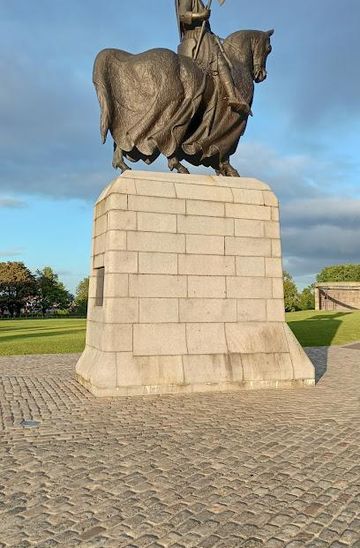
A majestic 19th-century statue honoring Robert the Bruce, Scotland’s legendary king, overlooking Stirling Castle and the historic Bannockburn battlefield.
The Robert the Bruce Statue at Stirling Castle is a commanding 19th-century monument honoring Scotland’s legendary king who secured Scottish independence with his victory at the Battle of Bannockburn in 1314. Sculpted by Andrew Currie and unveiled in 1876, the statue depicts Bruce in chain mail armor, gazing south toward Bannockburn, symbolizing his enduring legacy and Scotland’s fight for freedom.
A brief summary to Robert the Bruce Statue
- 35 Borestone Pl, Stirling, FK7 0PP, GB
- Click to display
- Duration: 0.5 to 2 hours
- Free
-
 Outdoor
- Mobile reception: 4 out of 5

Know before you go
Hi, I'm Eve. Here are a few practical things to know before exploring Robert the Bruce Statue.
- Visit early in the day to enjoy the statue and surrounding views with fewer crowds.
- Combine your visit with Stirling Castle and the Bannockburn Visitor Centre for a full historical experience.
- Take time to explore the nearby medieval physic garden for a peaceful break.
- Look south from the statue to see the Bannockburn battlefield where Bruce’s famous victory took place.
Do you manage this location?
Take control to get all the benefits, like improved information, better appearance, and stronger visibility across AI-powered discovery. Learn more
Activate your presenceOther nearby places you may find interesting
Getting There
-
Train and Walking
From Stirling train station, take a 30 to 40-minute walk on mostly paved paths to the statue at Stirling Castle’s esplanade. The route is scenic but involves some uphill sections. No entrance fee is required to view the statue.
-
Bus and Walking
Local buses from Stirling town center to Stirling Castle run frequently, with a 10 to 15-minute walk from the nearest stop to the statue. Bus fares range from £1.50 to £3.00. The walk includes some steps and cobblestone surfaces.
-
Car
Driving to Stirling Castle offers parking options nearby, with paid parking charges around £3 to £6 per day. From parking areas, expect a 5 to 10-minute walk to the statue on paved paths.
For the on-the-go comforts that matter to you
-
 Information Boards
-
 Seating Areas
-
 Trash Bins
-
 Restrooms
Discover more about Robert the Bruce Statue
A Monument to a Scottish Hero
The Robert the Bruce Statue stands prominently on the esplanade of Stirling Castle, commemorating one of Scotland’s most iconic kings. Created by Scottish sculptor Andrew Currie between 1876 and 1877, the statue reflects 19th-century Scotland’s renewed interest in its national history and identity. The figure of Bruce is depicted tall and resolute, clad in detailed chain mail armor, with his hand resting on the pommel of his sword. At his feet lie his shield and axe, symbols of his warrior status and leadership.Symbolism and Artistic Details
The pedestal of the statue features a replica of Bruce’s shield emblazoned with the Lion Rampant, a traditional emblem of Scottish royalty. Some metal elements, such as the axe head and sword, are incorporated into the statue, adding texture and realism. The statue faces south, deliberately oriented towards the Bannockburn Battlefield, where Robert the Bruce achieved a pivotal victory against English forces in 1314, a triumph that solidified Scotland’s independence for a time.Historical Context and Legacy
Robert the Bruce reigned as King of Scots from 1306 until his death in 1329. His reign was marked by fierce battles to secure Scotland’s sovereignty during the Wars of Independence. The Battle of Bannockburn remains his most celebrated achievement, symbolizing Scottish resilience and determination. The statue at Stirling Castle serves as a powerful reminder of his legacy, complementing the equestrian statue at the Bannockburn Visitor Centre, created in 1964.Visitor Experience and Surroundings
Visitors to the statue can appreciate its commanding presence against the backdrop of Stirling Castle and the surrounding historic landscape. The site includes a commemorative area and a small medieval physic garden, enriching the historical atmosphere. The statue’s location offers panoramic views that connect visitors visually to the battlefield and the castle, deepening the sense of Scotland’s storied past.Modern Recognition and Cultural Significance
In 2020, the Robert the Bruce statue at Stirling Castle was featured on the Clydesdale Bank’s £20 note, underscoring its cultural importance. The monument continues to be a focal point for Scottish heritage and national pride, attracting visitors interested in history, culture, and the enduring story of Scotland’s fight for freedom.Preservation and Accessibility
The statue has undergone restorations to preserve its condition, ensuring it remains a lasting tribute for future generations. It is freely accessible to the public year-round, offering an open-air historical experience without entrance fees. The surrounding area is well-maintained, inviting visitors to explore and reflect on the legacy of Robert the Bruce in a serene and inspiring setting.Explore the best of what Robert the Bruce Statue has to offer













More about Clackmannanshire
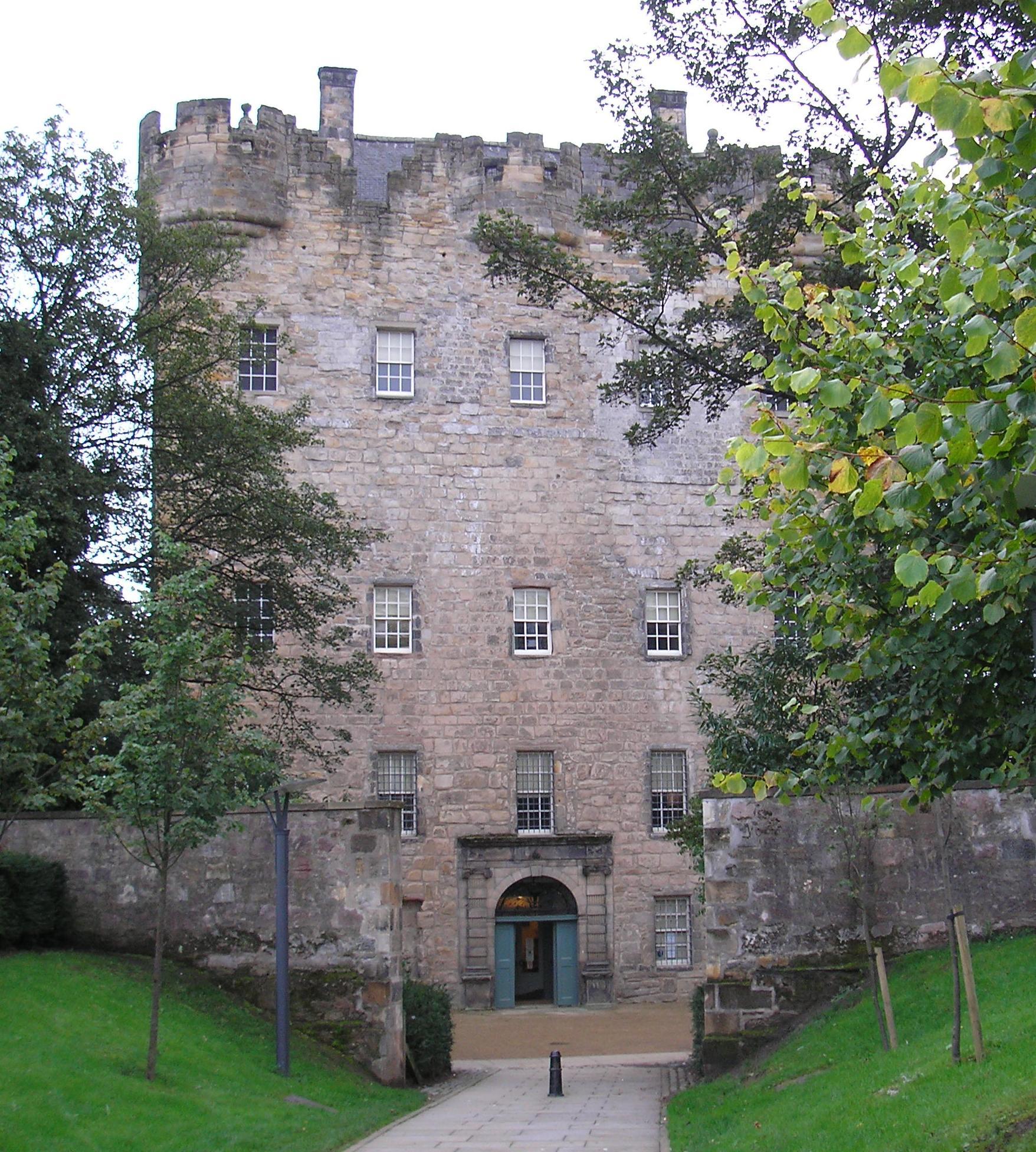
Explore Clackmannanshire: Scotland's enchanting county of castles, hills, and history, offering an authentic and serene escape into nature and culture.
Tell me more about Clackmannanshire