
Dunfermline Abbey and Palace: Scotland’s Royal Heritage and Architectural Marvel
Explore Scotland’s royal past at Dunfermline Abbey and Palace, a stunning medieval site rich in history, architecture, and royal tombs.
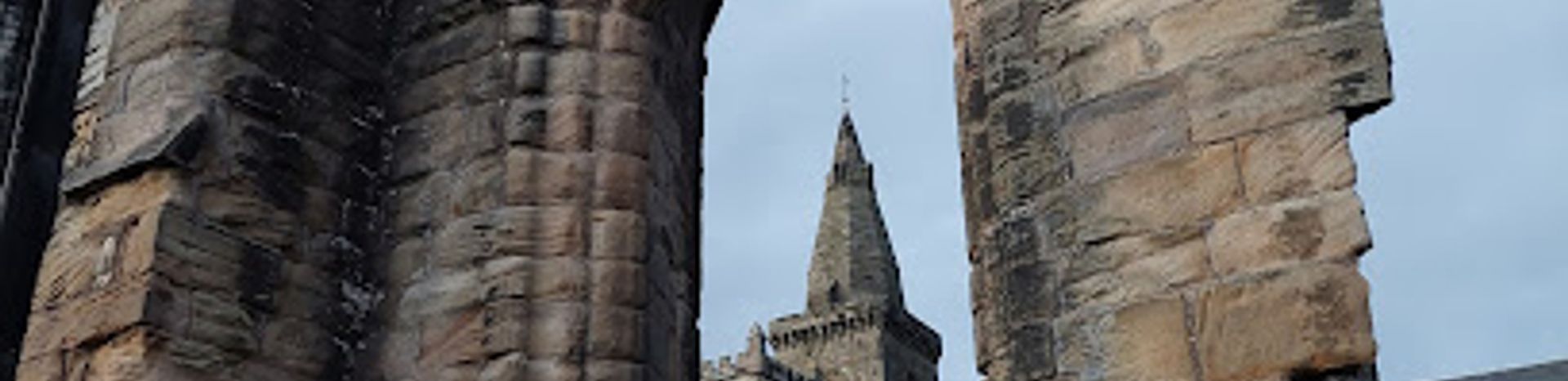
Dunfermline Abbey and Palace in Fife, Scotland, is a historic site steeped in royal history and medieval architecture. Founded in the 11th century by Queen Margaret, the abbey is the burial place of King Robert the Bruce and several Scottish monarchs. The site features a stunning Romanesque nave, intricate stained glass windows, and the ruins of a 16th-century palace. Open year-round with free admission, it offers a captivating glimpse into Scotland’s medieval past and royal legacy.
A brief summary to Dunfermline Abbey and Palace
- Dunfermline Abbey, St Margaret St, Dunfermline, KY12 7PE, GB
- +441383739026
- Visit website
- Duration: 1 to 3 hours
- Free
-
 Outdoor
- Mobile reception: 4 out of 5
- Monday 10 am-4:30 pm
- Tuesday 10 am-4:30 pm
- Wednesday 10 am-4:30 pm
- Thursday 10 am-4:30 pm
- Friday 10 am-4:30 pm
- Saturday 10 am-4:30 pm
- Sunday 1 pm-4:30 pm
Local tips
- Visit on weekdays to avoid crowds and experience a more peaceful exploration of the abbey and palace ruins.
- Sunday access to the abbey church is limited due to worship services; plan visits on other days for full access.
- Take time to view the stained glass windows and the Lost Tomb exhibition featuring Robert the Bruce’s crypt reconstruction.
- Wear comfortable shoes as some areas, especially the palace and refectory, involve stairs and uneven surfaces.
- Check the Historic Environment Scotland website for any short-notice closures or special events before visiting.

For the on-the-go comforts that matter to you
- Restrooms
- Drink Options
- Food Options
- Seating Areas
- Information Boards
- Visitor Center
- Trash Bins
Getting There
-
Train and Bus
Travelers can take a train from Edinburgh Waverley to Dunfermline Town station, a journey of approximately 30-40 minutes. From the station, local buses or a 20-minute walk lead to the abbey. Train tickets typically cost £8-£12 one way.
-
Car
Driving from Edinburgh via the Queensferry Crossing takes about 30 minutes. Parking is available in nearby public lots, but spaces can be limited during peak times. Parking fees range from £2 to £5 for a few hours.
-
Bus
Regional bus services connect Dunfermline with surrounding towns and Edinburgh, with journey times varying between 40-60 minutes. Bus fares typically range from £4 to £7. Check schedules in advance as frequency may reduce on weekends.
Dunfermline Abbey and Palace location weather suitability
-
 Any Weather
-
 Rain / Wet Weather
-
 Clear Skies
-
 Mild Temperatures
Discover more about Dunfermline Abbey and Palace
Origins and Royal Significance of Dunfermline Abbey
Dunfermline Abbey was founded in the late 11th century by Queen Margaret and later re-established as an abbey by her son in 1128. It quickly became one of Scotland’s most important religious sites and served as a royal mausoleum, housing the tombs of eight Scottish kings and queens, including the revered King Robert the Bruce. The abbey’s role as a spiritual and political center reflects Dunfermline’s status as Scotland’s former capital, making it a cornerstone of Scottish heritage.Architectural Grandeur and Artistic Features
The abbey’s architecture is a remarkable blend of Romanesque and Gothic styles. Its vast nave, with majestic pillars and arches, showcases medieval craftsmanship at its finest. Visitors can admire the large stained glass windows, including the Sacramental Window and the King Robert the Bruce Memorial Window, which cast vibrant light across the stone interiors. Ornate stone carvings and sculptures adorn both the interior and exterior, adding to the abbey’s ethereal beauty and historical depth.The Palace Ruins and Surrounding Grounds
Adjacent to the abbey lie the ruins of Dunfermline Palace, built in the 16th century by King James VI and once home to Queen Anne of Denmark. Though much of the palace is in ruins, the surviving south wall and undercrofts offer a fascinating glimpse into royal life during the Renaissance. The palace’s location above Pittencrieff Glen, now part of Pittencrieff Park, provides scenic views and a tranquil setting for exploration.Preservation and Visitor Experience
Extensive restoration efforts have preserved the abbey’s intricate stonework and stained glass, ensuring its legacy endures. The site is managed by Historic Environment Scotland and remains a working church with regular services. Visitors can explore the abbey nave, the gatehouse visitor center, and the palace ruins. Accessibility is thoughtfully addressed, with level paths and assistance available, though some areas like the refectory and palace stairs may be challenging for those with mobility issues.Historical Exhibits and Special Features
Inside the abbey, a scale model of Robert the Bruce’s lost tomb and a 3D video reconstruction provide immersive historical context. The visitor center houses small museums with ancient carved stones and artifacts. The abbey’s Tiffany stained glass window and brass memorial to Bruce are highlights. The site’s atmosphere is enriched by its active role as a place of worship, blending spiritual reverence with historical exploration.Seasonal Access and Practical Information
Dunfermline Abbey and Palace are open daily from 10am to 4:30pm (with last entry typically 30–60 minutes earlier), except Sundays when the abbey church holds services and access is limited. Admission is free, though donations are welcomed. The site occasionally closes for private events or maintenance, so checking ahead is advised. Nearby amenities include restrooms, a gift shop, and seating areas, enhancing visitor comfort.Iconic landmarks you can’t miss

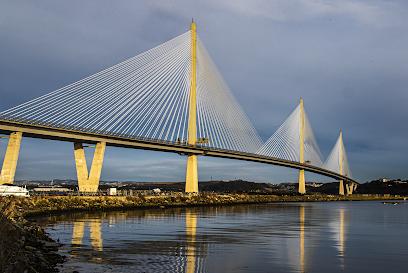
The Queensferry Crossing
8.1 km
Discover the world’s longest three-tower cable-stayed bridge, a modern marvel spanning Scotland’s iconic Firth of Forth.
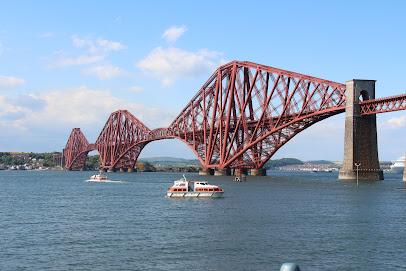
Forth Rd Bridge
8.6 km
A monumental suspension bridge connecting Edinburgh and Fife, offering stunning views and a rich history spanning over six centuries.
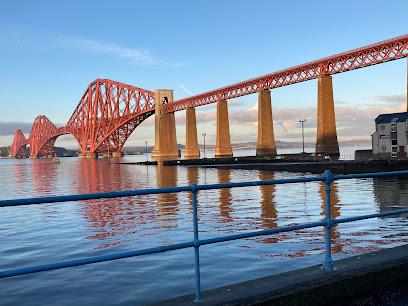
Hawes Pier, Queensferry
10.0 km
Historic ferry pier where centuries of Scottish maritime heritage meet modern tourism beneath the iconic Forth Rail Bridge.
Seamark
12.2 km
Seamark in Kelty, Fife—a serene historical landmark honoring Scotland’s rich coal mining heritage and community resilience.
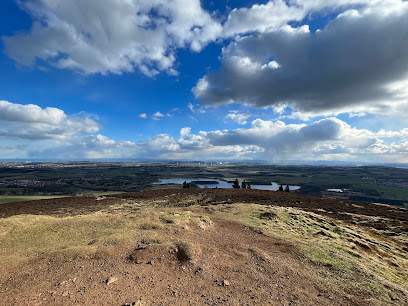
The Cross Well
13.4 km
Discover Linlithgow’s iconic crown-shaped Cross Well, a historic monument and vibrant town centre gathering spot steeped in royal heritage.
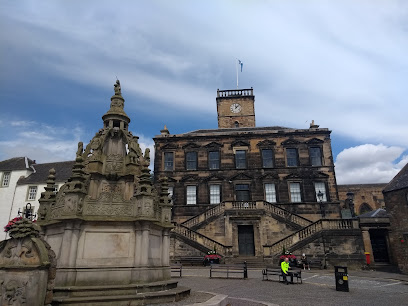
Kirkgate Park
15.0 km
Explore Kirkgate Park, a tranquil retreat in Kinross, Scotland, featuring beautiful gardens, a serene loch, and rich historical significance.
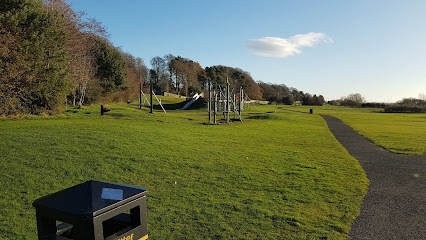
Loch Leven Castle Viewpoint
15.0 km
Explore the scenic Loch Leven Heritage Trail in Kinross, where history meets breathtaking landscapes and outdoor adventures await.
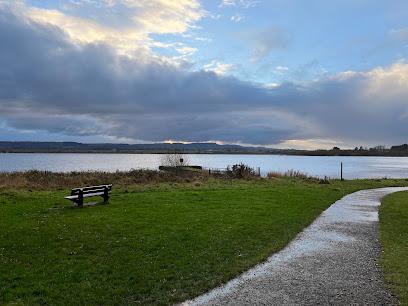
Beecraigs Country Park
15.1 km
Discover the scenic beauty and outdoor adventures waiting for you at Beecraigs Country Park in Linlithgow.
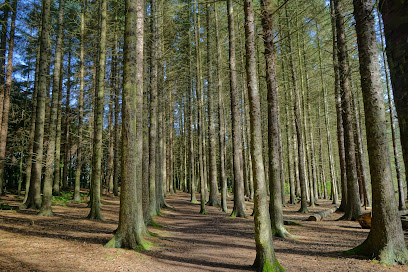
Lochleven Castle
15.2 km
Experience the rich history and stunning views of Lochleven Castle, an enchanting Scottish landmark set on a serene island in Loch Leven.
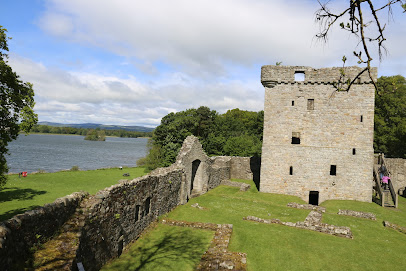
Lauriston Castle
15.9 km
Discover the enchanting Lauriston Castle in Edinburgh, a historic site surrounded by beautiful gardens and rich Scottish heritage.
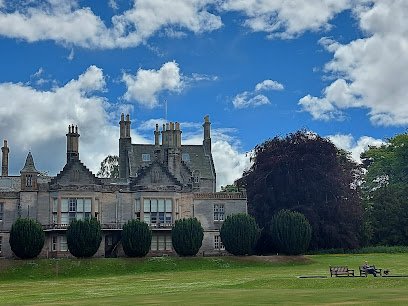
Avon Aqueduct
16.8 km
Scotland's grandest aqueduct: cast iron, twelve arches, and two centuries of history spanning the River Avon.
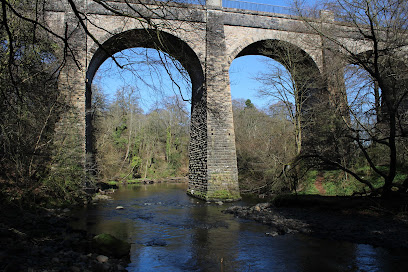
Linn Mill
17.2 km
Explore the serene hiking trails of Linn Mill in Alloa, a perfect escape for nature lovers and outdoor enthusiasts seeking tranquility in the woods.
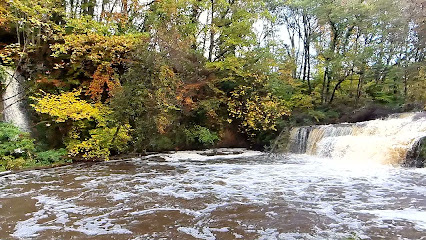
Castle Campbell
17.5 km
Explore Castle Campbell, a historic gem nestled in Dollar, Scotland, where stunning architecture meets breathtaking landscapes.
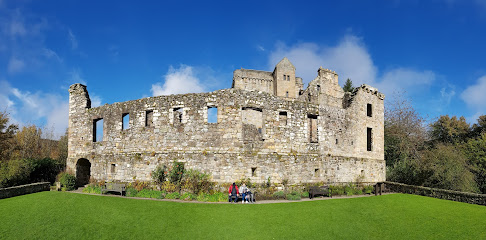
Burleigh Castle
17.7 km
Discover the captivating history and architectural beauty of Burleigh Castle, a Scottish gem surrounded by stunning landscapes.
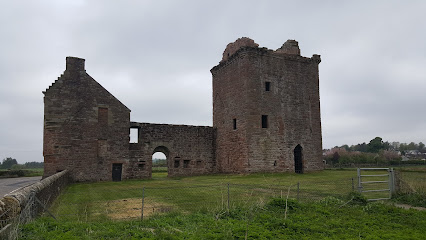
The Scottish Korean War Memorial
17.7 km
Discover the poignant Scottish Korean War Memorial in Bathgate, a serene tribute to bravery and sacrifice amid beautifully landscaped grounds.
Unmissable attractions to see

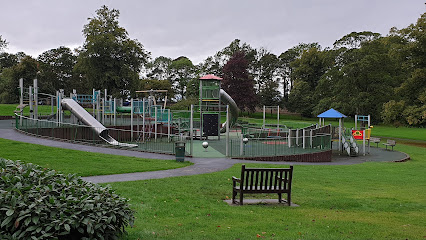
Pittencrieff Park Dunfermline Glen
0.2 km
A historic 76-acre urban oasis in Dunfermline, blending natural beauty, royal heritage, and Andrew Carnegie’s philanthropic vision.
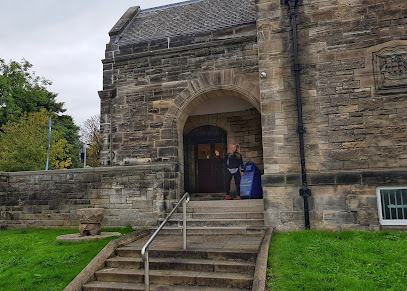
Andrew Carnegie Birthplace Museum
0.3 km
Explore the humble beginnings and global legacy of industrialist and philanthropist Andrew Carnegie in his original Dunfermline birthplace and adjoining memorial hall.
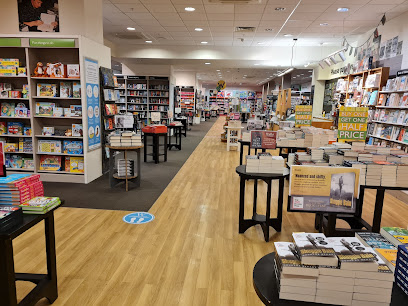
Kingsgate Shopping Centre
0.4 km
A bustling, modern shopping hub in Dunfermline offering over 70 stores and diverse dining options in a convenient city centre location.
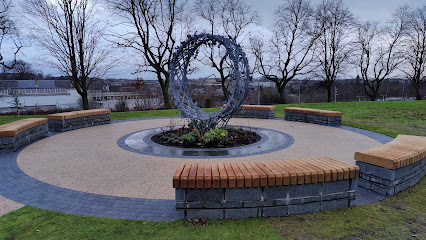
Fife Babies Memorial Gardan
0.9 km
A tranquil garden in Dunfermline dedicated to honoring the memory of infants, offering solace and a place for quiet reflection.
Limekilns
4.1 km
Historic Limekilns village on Fife’s Firth of Forth coast blends medieval port heritage with tranquil seaside charm.
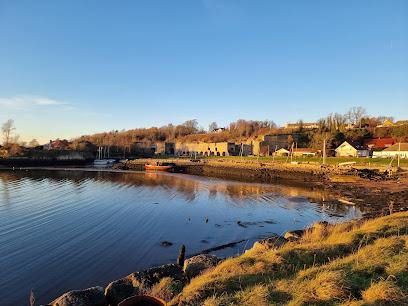
Scottish Vintage Bus Museum
4.6 km
Discover Scotland’s rich transport heritage through over 100 vintage buses and vehicles on a vast, scenic site near Dunfermline.
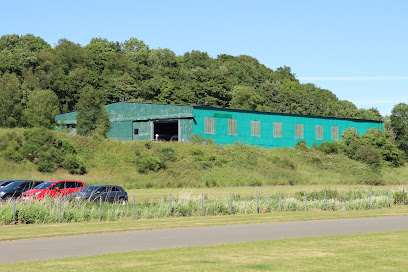
Blackness Castle
7.8 km
Explore Blackness Castle, the 'ship that never sailed,' a 15th-century fortress with rich history and stunning views over the Firth of Forth.
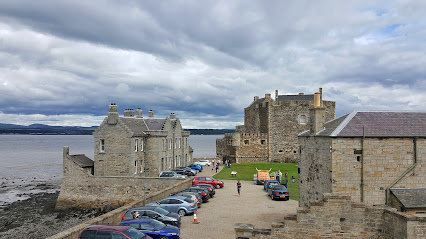
Forth Bridges Lighthouse Museum
8.1 km
Discover the world’s smallest working lighthouse and Scotland’s tiniest museum with stunning views of the iconic Forth Bridges.
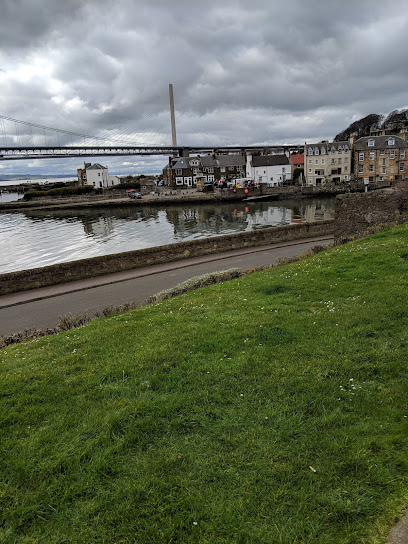
Deep Sea World
8.2 km
Explore Scotland’s national aquarium beneath the Forth Rail Bridge with immersive underwater tunnels and one of Europe’s largest shark collections.
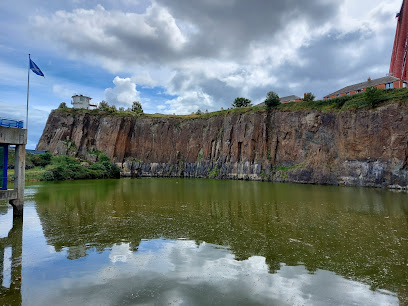
Hopetoun House
8.3 km
Explore Hopetoun House, a majestic Georgian stately home near Edinburgh, blending historic grandeur with tranquil gardens and stunning coastal views.
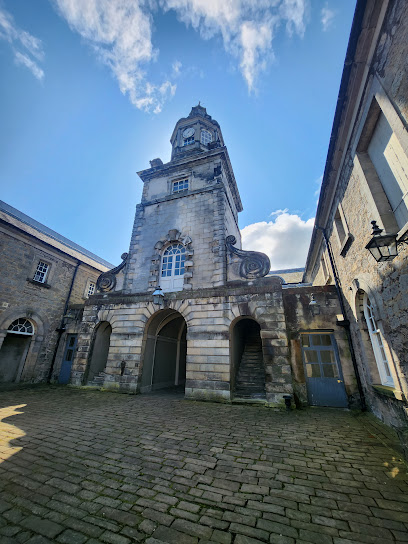
Midhope Castle
8.8 km
Explore Midhope Castle, Scotland’s 15th-century tower house and iconic Outlander filming location, known as Jamie Fraser’s ancestral home, Lallybroch.
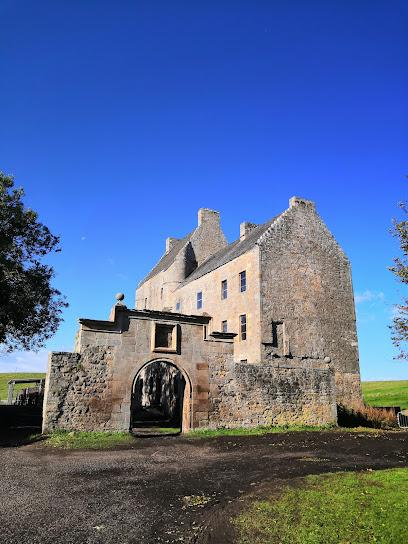
Forth Bridge
9.0 km
Discover the breathtaking Forth Bridge, an engineering marvel and a UNESCO World Heritage site, offering stunning views and rich Scottish history.
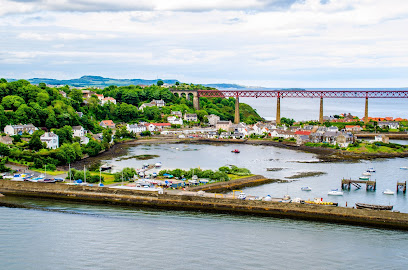
Bo'ness Motor Museum
9.5 km
Discover classic cars, iconic movie vehicles, and family-friendly fun at Bo'ness Motor Museum, open weekends in scenic Bo'ness, Scotland.
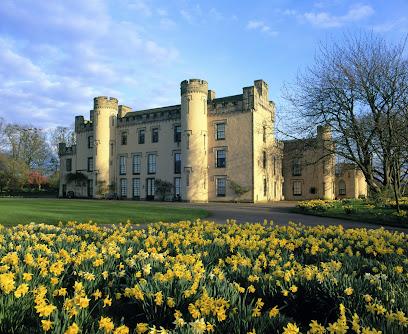
House of the Binns
9.6 km
Explore a historic 17th-century Scottish laird’s house with stunning parkland, peacocks, and panoramic views over the River Forth.
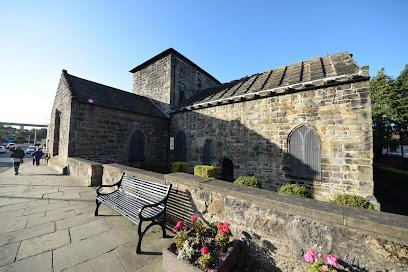
Priory Church
9.7 km
A 15th-century Gothic landmark blending medieval heritage with contemporary worship in the heart of South Queensferry.
Essential places to dine

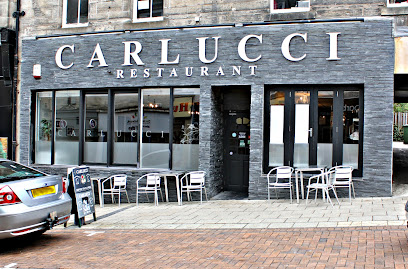
Carlucci Restaurant
0.1 km
Authentic Italian flavors and warm hospitality await you at Carlucci Restaurant in Dunfermline’s vibrant High Street.
The Viceroy Fine Dining
0.2 km
Experience authentic Indian and Pakistani flavors with generous portions and welcoming hospitality in the heart of Dunfermline.
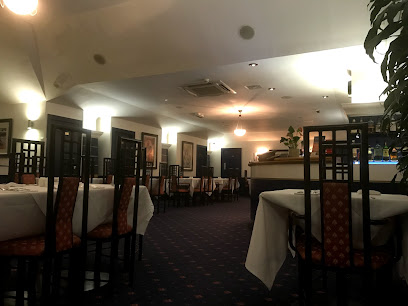
Incontri
0.2 km
Authentic Italian flavors and vibrant atmosphere meet at Incontri, Dunfermline’s contemporary dining gem with vegan-friendly options and a stylish bar.
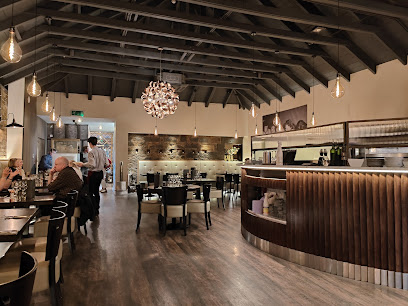
Jack 'O' Bryan's
0.2 km
A vibrant bar and kitchen in Dunfermline blending traditional Scottish flavors with a lively, welcoming atmosphere.
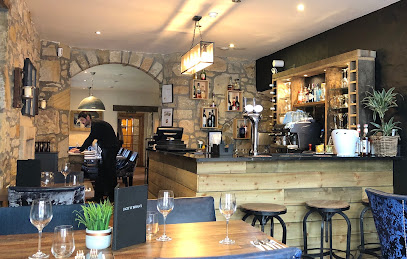
Gratzi Restaurant
0.3 km
Experience authentic Italian and Mediterranean flavors in a warm, inviting setting at Gratzi Restaurant in Dunfermline.
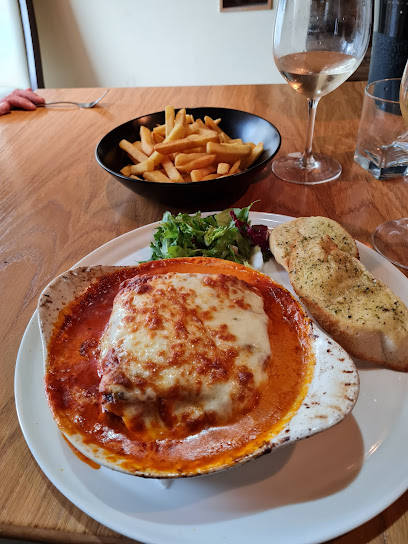
Luca's Kitchen
2.9 km
Experience authentic Italian flavors with fresh-baked pizzas, creamy pastas, and homemade gelato in a lively Dunfermline setting.
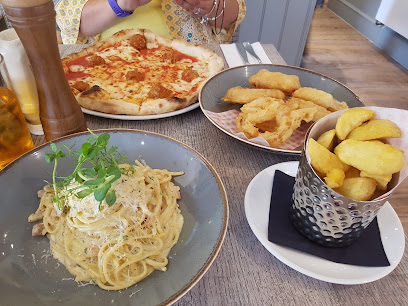
Tony Macaroni
4.2 km
Casual Italian dining with family-friendly vibes and great pizza in Dunfermline’s lively Fife Leisure Park.
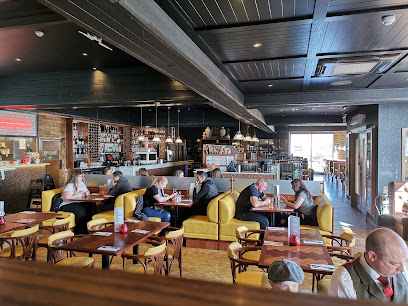
Frankie & Benny's
4.2 km
Classic American-Italian comfort food served fresh in a lively, family-friendly setting at Dunfermline’s Fife Leisure Park.
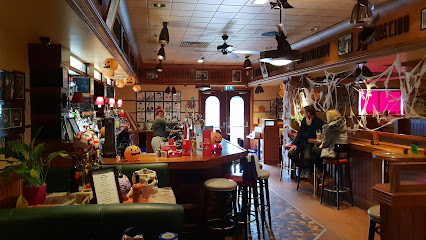
Christies Scottish Tapas
4.4 km
Discover Scottish flavors reimagined as tapas in a lively, welcoming setting at Christies Scottish Tapas in Dunfermline.
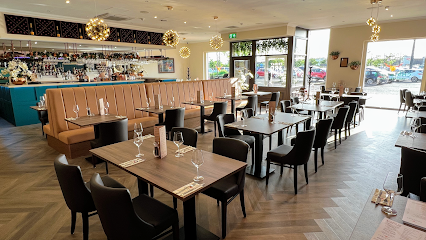
The Wee Restaurant
8.0 km
A charming, intimate Scottish seafood and steak restaurant in North Queensferry, blending local flavors with warm hospitality near the Forth rail bridge.
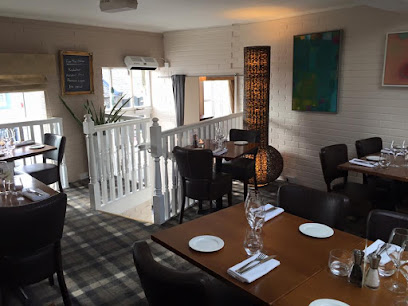
Orocco Pier Restaurant
9.8 km
A chic boutique hotel and seafood grill offering stunning Forth Bridge views in historic South Queensferry, blending modern comfort with Scottish charm.
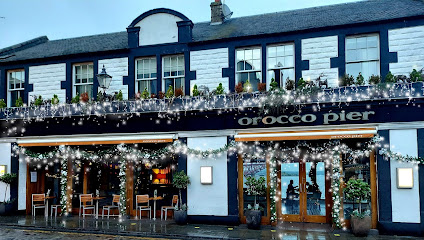
Champany Inn
10.4 km
Charming historic inn near Linlithgow, famed for exceptional steaks, boutique rooms, and warm Scottish hospitality.
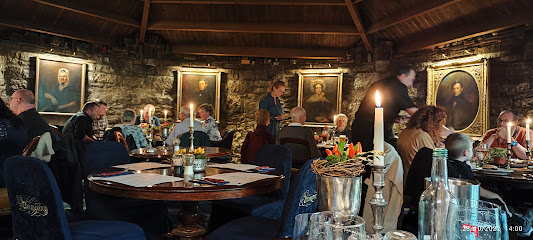
Forth View Hotel
11.1 km
Coastal retreat in Aberdour with stunning Forth views, fresh seafood dining, and warm Scottish hospitality.
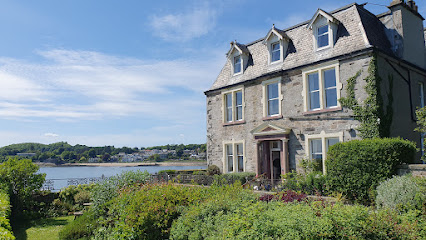
Bar Leo
13.3 km
Contemporary Italian dining on Linlithgow's High Street, blending classical recipes with modern flair.
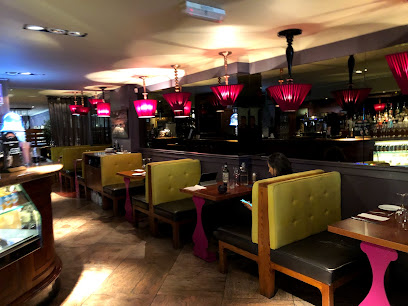
Mason Belles Kitchen
13.3 km
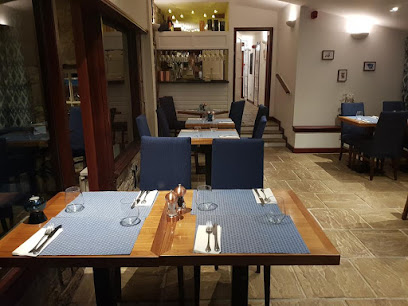
A boutique family-run restaurant in Linlithgow, serving relaxed contemporary Scottish food with a creative twist in a charming hidden setting.
Markets, malls and hidden boutiques

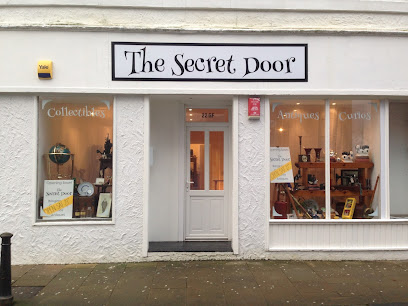
THE SECRET DOOR
0.1 km
Discover unique antiques and timeless treasures in Dunfermline’s cozy and captivating Secret Door shop.
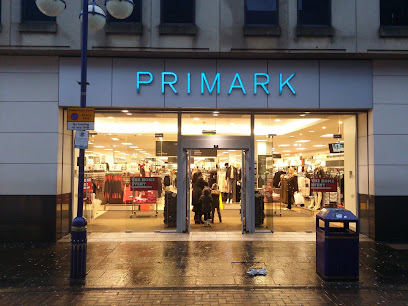
Primark
0.3 km
Discover stylish, affordable fashion for the whole family at Primark Dunfermline, your go-to High Street shopping destination.
Kreative Dunfermline
1.7 km
Discover unique, handcrafted gifts and local artistry at Kreative Dunfermline, a charming boutique celebrating Fife’s creative spirit.
La Vida
4.3 km
Discover unique, colorful fashion and personal styling at La Vida Boutique in Cairneyhill, where individuality meets affordable style.
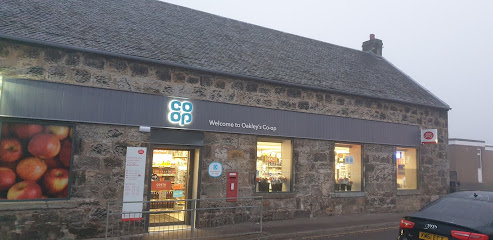
Co-op Food - Oakley
6.7 km
Discover the convenience of Co-op Food in Oakley, your go-to store for groceries, snacks, and local products while exploring this charming village.
The Original Factory Shop (Cowdenbeath)
7.3 km
Shop big brands for less at The Original Factory Shop Cowdenbeath, your go-to discount store for clothing, footwear, beauty, and party supplies.

You Know Who's
8.7 km
Discover top high street brands at unbeatable prices with friendly service in the heart of Cowdenbeath.
Harbour Lane Studio
9.7 km
Discover unique handcrafted gifts and art in a cozy South Queensferry studio blending tradition and creativity.
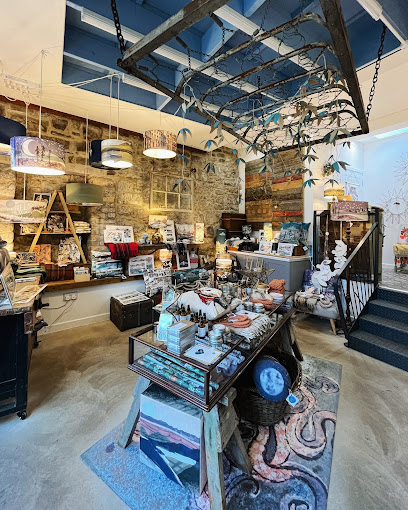
Antiques & Gifts
10.2 km
Explore unique antiques and delightful gifts in the heart of Aberdour, where every item tells a story.
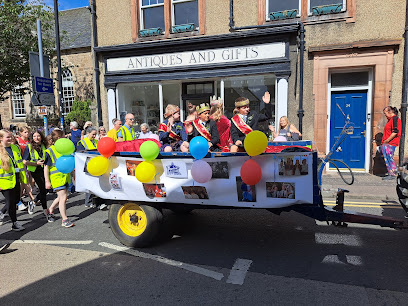
Blake's Vintage & Collectables
10.2 km
Discover timeless treasures and quirky collectibles in the heart of Aberdour’s charming vintage shop.
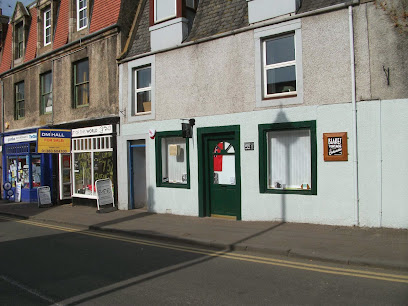
Fair Tradewinds
13.5 km
Discover unique fair trade gifts and sustainable fashion at Fair Tradewinds in Linlithgow’s historic High Street.
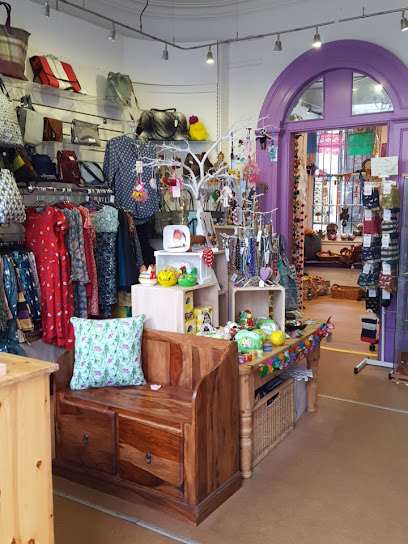
Todd & Duncan Ltd
14.5 km
Discover the heritage and craftsmanship of Scotland’s leading cashmere yarn mill nestled beside Loch Leven.
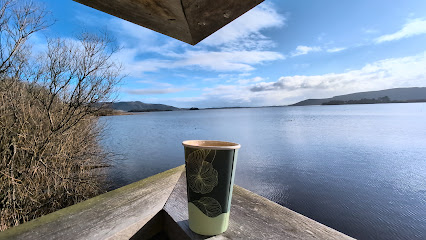
Central Chippy Takeaway
15.0 km
Experience the best of Scottish fast food at Central Chippy Takeaway – your go-to for fish and chips, kebabs, and pizzas in Kinross.
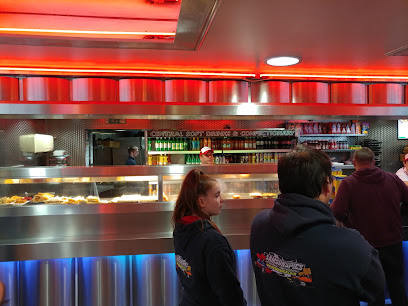
Unorthodox Roasters
15.0 km
Discover Unorthodox Roasters in Kinross, where exceptional coffee and a unique atmosphere await every visitor.
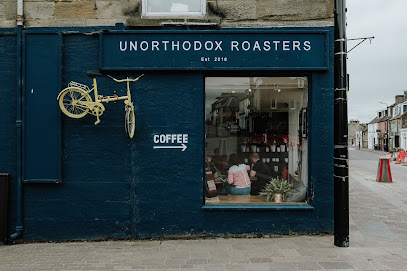
Hunters Of Kinross
15.1 km
Hunters of Kinross: Experience exceptional quality meats in a charming Scottish butcher shop, perfect for culinary enthusiasts and food lovers.
Essential bars & hidden hideouts

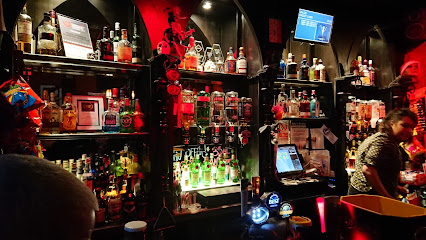
The Creepy Wee Pub
0.1 km
A quirky gothic-themed pub in Dunfermline offering a cozy atmosphere, unique decor, and a great selection of drinks for locals and visitors alike.
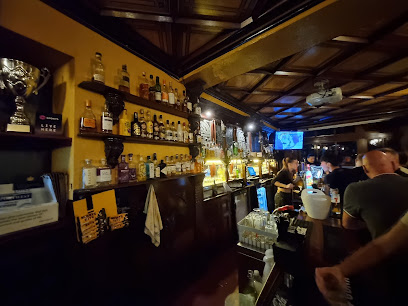
The Old Inn
0.1 km
Historic and welcoming pub in Dunfermline’s center, blending rustic charm with lively atmosphere and excellent food.
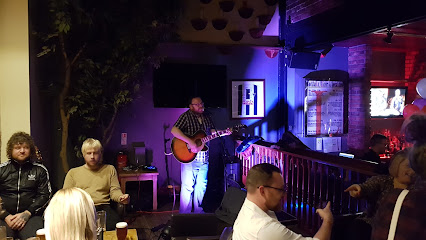
Lourenzos
0.1 km
Lourenzos is Dunfermline’s vibrant bar and nightclub, renowned for its lively atmosphere, quality cocktails, and friendly service.
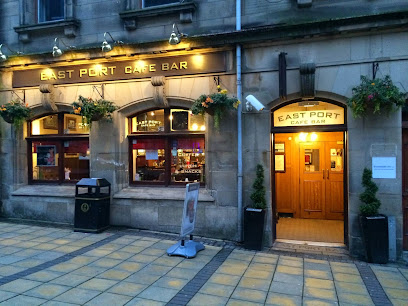
East Port Bar
0.4 km
Experience authentic Scottish pub culture with lively sports, local ales, and warm hospitality in Dunfermline’s East Port Bar.
The Glen Tavern
0.5 km
Cozy and friendly pub in Dunfermline serving hearty Scottish fare and local brews in a warm, inviting atmosphere.
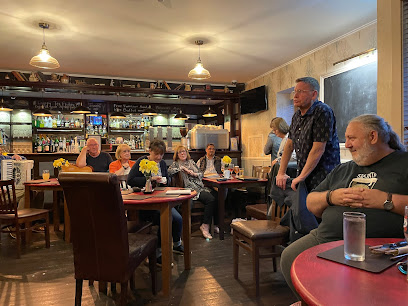
Auld Classic Bar
0.7 km
Auld Classic Bar offers rustic charm and friendly vibes in Dunfermline, perfect for a relaxed pint or casual night out at an affordable price.
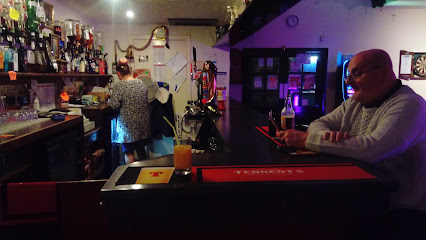
Hillend Tavern
6.5 km
A cosy traditional pub in Hillend with real ales, a welcoming beer garden, and a vibrant community spirit near Dalgety Bay.
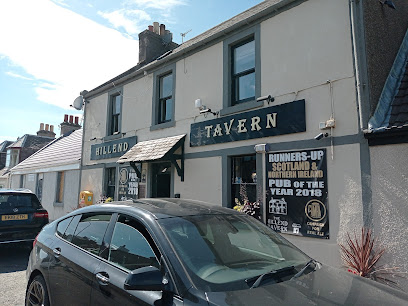
Torleys Bar
11.5 km
A friendly Lochgelly pub with pool, darts, beer garden, live sports, and a warm community atmosphere at its heart.
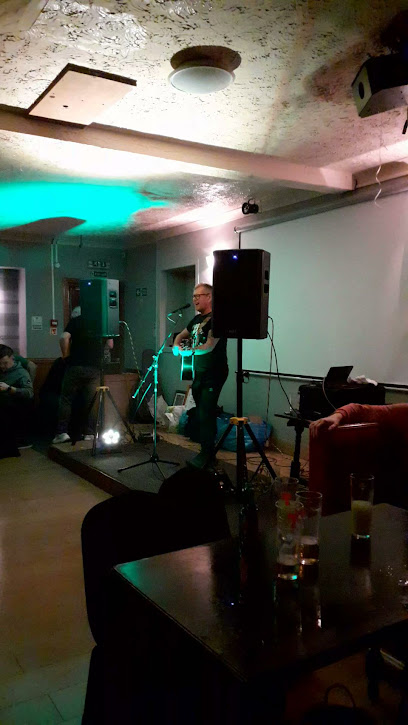
The Willow Tree
13.9 km
A historic Linlithgow pub reborn as The Willow Tree, blending tradition, local legend, and lively hospitality in a welcoming setting.
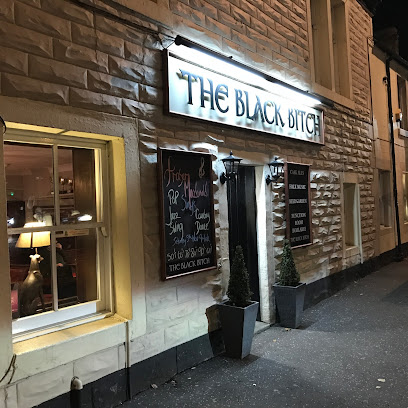
Jock's Bar
15.6 km
A cozy, lively bar in Kinross offering local ales, hearty meals, and live music in a historic hotel setting.
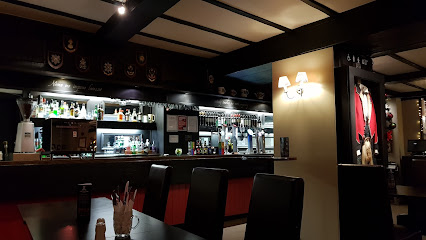
Garvies
15.8 km
Cozy pub in Kincardine offering local ales, lively events, and a warm, welcoming atmosphere every day from noon to midnight.
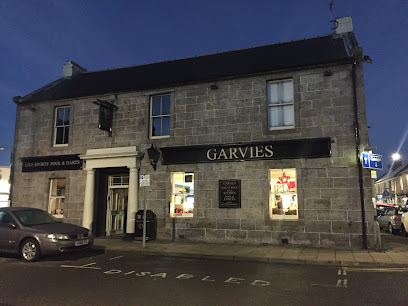
Bridge Bar
15.8 km
Discover the charm of Bridge Bar in Kincardine, a cozy pub offering a wide selection of drinks and a welcoming atmosphere for all travelers.
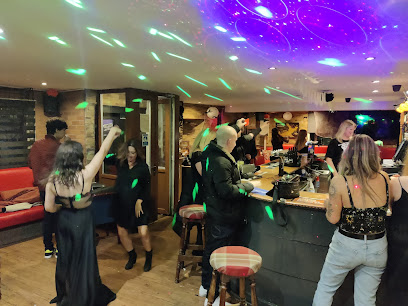
Auld Hoose
16.0 km
A lively, dog-friendly pub in Kincardine known for hearty food, extensive whisky, craft beers, and a welcoming atmosphere with rock music and karaoke.
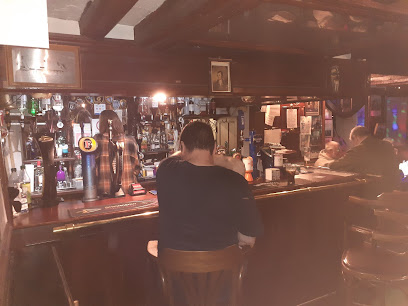
The Railway Tavern
16.1 km
A cozy, friendly pub in Kincardine offering authentic Scottish hospitality and a relaxed atmosphere for casual drinks and socializing.
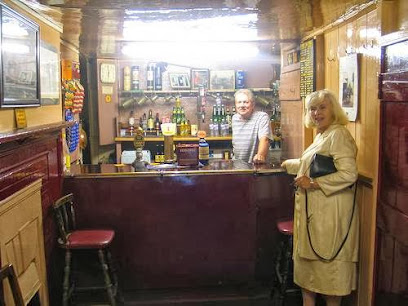
Bridge Street Bar
16.5 km
Enjoy expertly crafted cocktails and a warm, welcoming atmosphere at Bridge Street Bar, Dollar’s vibrant social hub.
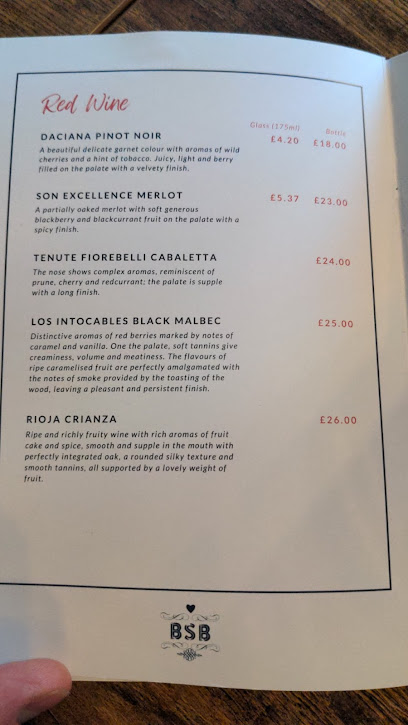
Nightclubs & after hour spots

LIFE
0.1 km
Experience vibrant nightlife and late-night fun at LIFE, Dunfermline’s energetic nightclub with a welcoming atmosphere and great music.
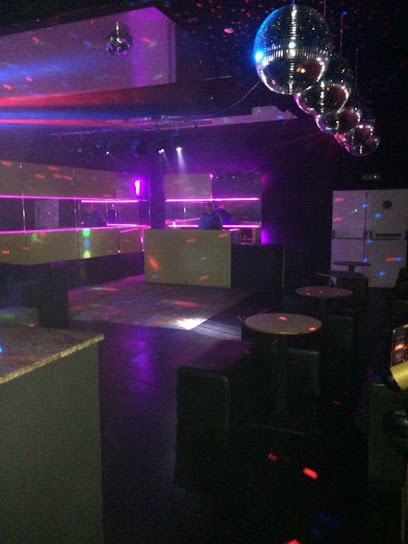
Hustlers Pool Hall
4.1 km
Affordable, lively pool hall and sports bar in Rosyth offering fun games, friendly vibes, and great social atmosphere for all ages.
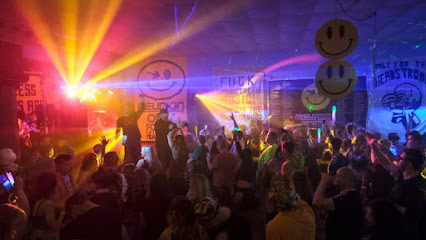
West Lothian Casting Agency
15.1 km
Discover the vibrant adult entertainment scene at West Lothian Casting Agency, where immersive performances and themed events await every visitor.
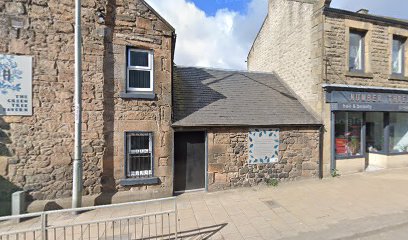
Mundell Music
15.6 km
Discover the heartbeat of Kinross at Mundell Music, where unforgettable live performances and a welcoming atmosphere await every music lover.
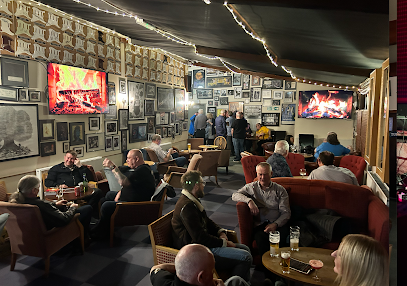
Backstage at The Green
15.6 km
Discover the heart of Kinross' nightlife at Backstage at The Green, a premier live music venue showcasing diverse musical talent.
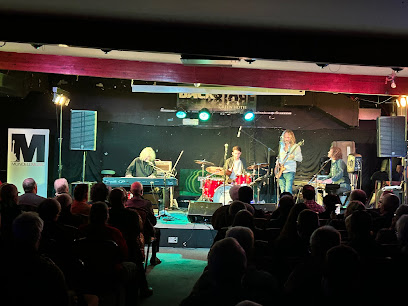
Republic Bar Club
19.3 km
Experience Kirkcaldy’s vibrant nightlife at Republic Bar Club, where great drinks, friendly vibes, and lively weekends come together.
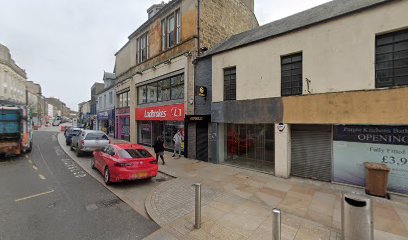
Grand Central
19.4 km
Experience the vibrant nightlife and diverse events at Grand Central, Livingston's premier events venue for unforgettable nights out.
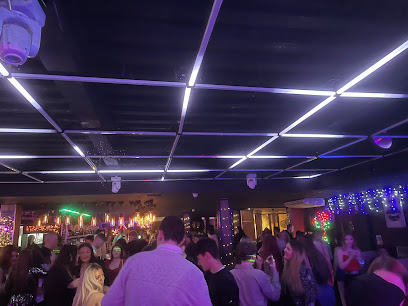
Lulu Bar and Nightclub
20.7 km
Edinburgh's George Street gem: chic cocktails, thumping beats, and dance floors that ignite the night in upscale style.
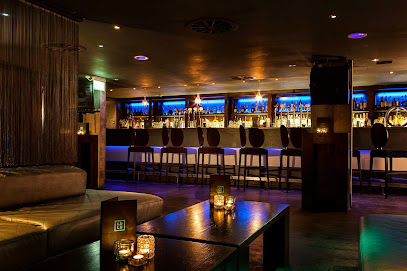
PDT Please Don’t Tell
20.7 km
Edinburgh’s intimate speakeasy-style nightclub offering expertly crafted cocktails and a cozy, conversation-friendly atmosphere.
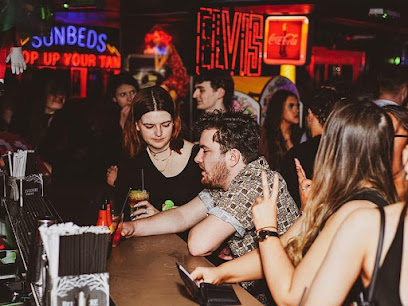
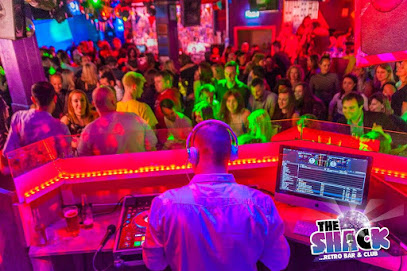
The Shack Retro Bar & Club
20.9 km
Edinburgh's retro dance den blasting 60s-90s hits amid quirky decor and sweaty dance floors—pure nostalgic escapism on Rose Street.
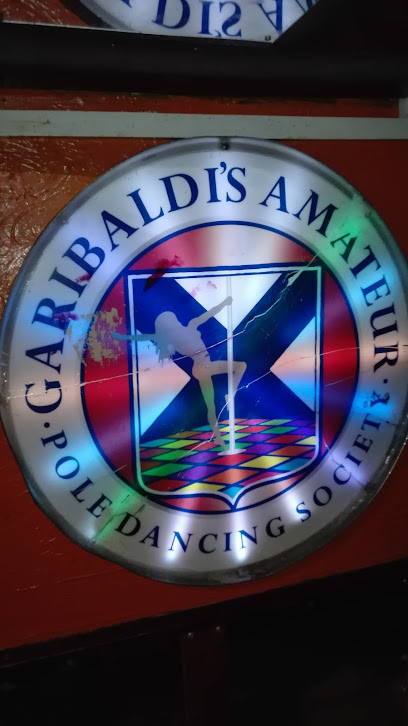
Garibaldi's
20.9 km
Edinburgh's tiniest nightclub packs the biggest late-night punch on Hanover Street, with killer margaritas and a dance floor that never quits till 3am.
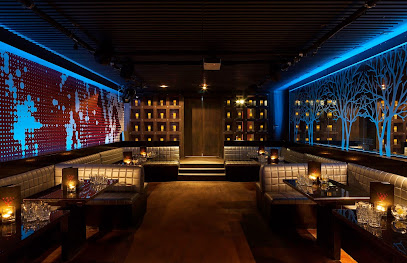
Opal Lounge
20.9 km
A stylish live music bar and nightclub in Edinburgh’s New Town, perfect for celebrations and vibrant nightlife.
Club Tropicana
21.0 km
Experience Edinburgh’s vibrant retro nightlife with classic disco hits and lively dance floors at Club Tropicana on Lothian Road.
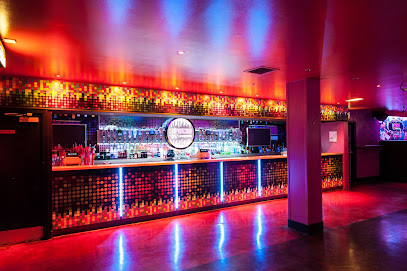
El Barrio Latino
21.1 km
Edinburgh's sizzling Latin nightclub where salsa beats pulse through New Town nights, drawing dancers to its vibrant Hanover Street heart until the early hours.
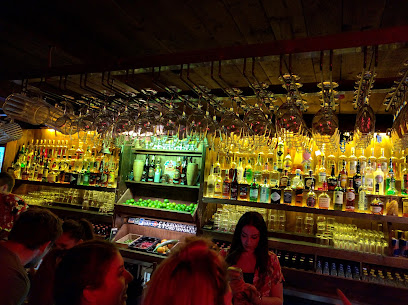
Why Not Nightclub
21.1 km
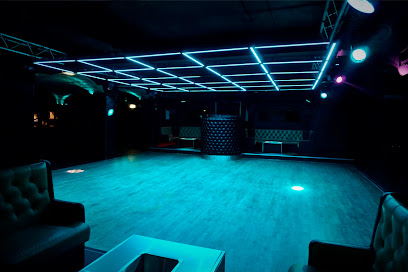
Edinburgh's multi-award-winning late-night haven with LED immersion, garden vibes, and non-stop beats on George Street.
For the vibe & atmosphere seeker
- Tranquil
- Scenic
- Historic
- Relaxing
For the design and aesthetic lover
- Vintage Styles
For the architecture buff
- Historic
- Landmarks
- Sacred Sites
For the view chaser and sunset hunter
- Iconic Views
- Sunset Spots
For the social media creator & influencer
- Instagrammable
- Photo Spots
- Architectural Shots
For the eco-conscious traveler
- Public-Transport Accessible
- Locally Managed
- Protected Area
For the kind of experience you’re after
- Cultural Heritage
- Myth & Legends
- Photowalk
- Day Trip
- Weekend Getaway
For how adventurous you want the journey to be
- Easy Access
Location Audience
- Family Friendly
- Senior Friendly
- Child Friendly
- Teen Friendly
- Wheelchair Access
- Pet Friendly
- Solo Friendly
- Couple Friendly
- Vegetarian Friendly
- Vegan Friendly


