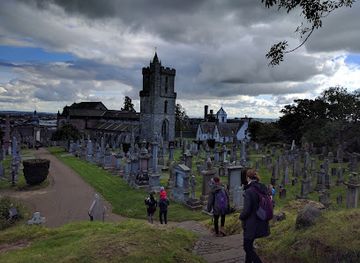
Argyll's Lodging, Stirling's Renaissance Townhouse
Explore Argyll's Lodging, Stirling's finest 17th-century Renaissance townhouse, rich with history, art, and noble heritage near Stirling Castle.
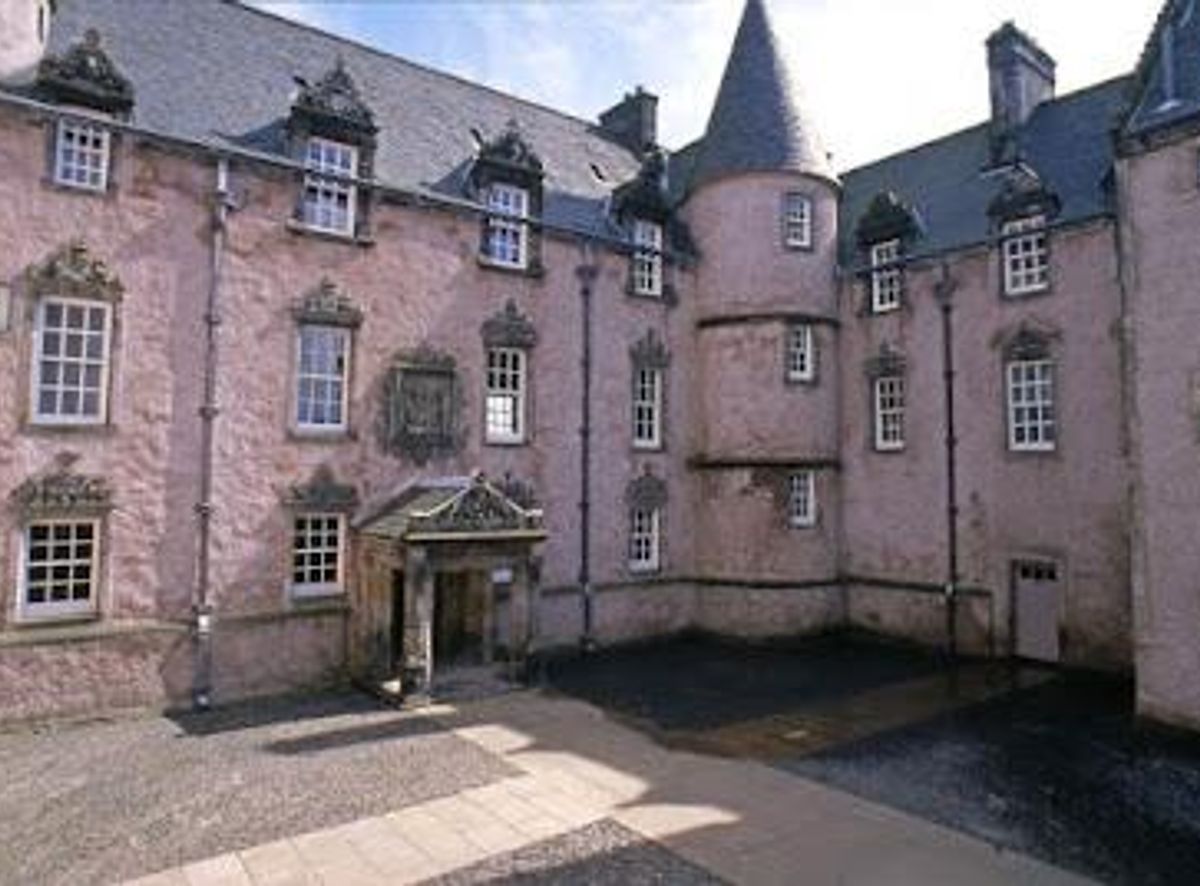
Argyll's Lodging is a distinguished 17th-century Renaissance townhouse located on Castle Hill in Stirling, Scotland. Once home to the Earls of Argyll and the Earl of Stirling, it showcases lavish period interiors, trompe-l'oeil painted walls, and richly decorated rooms restored to their 1680 state. The building offers a vivid glimpse into noble life in early modern Scotland, set near the iconic Stirling Castle.
A brief summary to Argyll's Lodging
- Castle Hill, Stirling, Stirling, FK8 1EG, GB
- Visit website
- Duration: 0.75 to 1.5 hours
- Mid ranged
-
Indoor
- Mobile reception: 4 out of 5
Local tips
- Combine your visit with Stirling Castle as tickets are often sold together, offering a fuller historical experience.
- Take advantage of guided tours to gain deeper insights into the house’s history, decoration, and notable residents.
- Wear comfortable shoes as some narrow passages and doorways may require careful navigation; wheelchair users may need assistance.
- Check for any maintenance closures before visiting, especially on weekdays, to avoid disappointment.
- Allow about an hour to explore the rooms, admire the trompe-l'oeil artwork, and absorb the historical atmosphere.
For the on-the-go comforts that matter to you
- Restrooms
- Information Boards
- Seating Areas
Getting There
-
Train and Bus
Travel to Stirling by train from Glasgow or Edinburgh (journey time 40–60 minutes, £10–£20). From Stirling station, take local bus services or a taxi for a 10-minute ride to Castle Hill. Bus services run frequently but check schedules for weekends and holidays.
-
Car
Driving to Argyll's Lodging is possible with parking available near Stirling Castle. Expect a 1.5–2 hour drive from Glasgow or Edinburgh. Parking fees apply, typically £3–£5 for a few hours. Note that Castle Hill streets are narrow and may be busy during peak tourist seasons.
-
Walking
If staying in central Stirling, the Lodging is accessible on foot via Castle Wynd. The walk takes about 15–20 minutes uphill on paved but sometimes steep and uneven surfaces. Assistance may be required for visitors with mobility challenges.
Argyll's Lodging location weather suitability
-
Any Weather
-
Rain / Wet Weather
-
Clear Skies
-
Mild Temperatures
Discover more about Argyll's Lodging
Architectural Grandeur and Renaissance Elegance
Argyll's Lodging stands prominently on Castle Wynd, the final approach to Stirling Castle, as a prime example of 17th-century Renaissance architecture in Scotland. Originally built around the mid-1500s as a two-storey merchant's house, it was extensively remodeled and expanded in the 1620s and 1670s by Sir William Alexander, 1st Earl of Stirling, and later by the 9th Earl of Argyll. The building’s layout originally formed a 'P' shape, with three wings enclosing a courtyard that is shielded from the street by a high wall and an ornate Tuscan entrance gate. Notable features include corbiestepped gables, dormer windows, and semi-polygonal stair towers capped with conical roofs, all contributing to its stately presence and historic charm.Historical Significance and Noble Residency
The Lodging served as a grand town residence for prominent Scottish nobility. Sir William Alexander transformed the house into a private palace in anticipation of King Charles I’s visit to Scotland in 1633, reflecting his political ambitions and wealth. After Alexander’s insolvency, the house passed to the Campbell family, with Archibald Campbell, 9th Earl of Argyll, making it his Lowland residence. Argyll further embellished the house with elaborate painted decorations, especially in the High Dining Room, and extended its domestic quarters. The house witnessed pivotal historical events, including Argyll’s imprisonment and execution following political rebellion, and later served as a military hospital during the Napoleonic Wars.Restoration and Museum Experience
After centuries of varied use—including as a military hospital and youth hostel—Argyll's Lodging was restored and opened as a museum in 1996. The restoration meticulously recreated the interiors to reflect their late 17th-century appearance, featuring authentic antique furnishings and striking trompe-l'oeil wall paintings that simulate luxurious tapestries and architectural details. Visitors can explore key rooms such as the High Dining Room with its impressive painted decoration, the Drawing Room with a grand fireplace, and atmospheric bedrooms and studies, all offering a vivid insight into aristocratic life. The museum also presents detailed inventories from the 1600s, revealing the contents and lifestyle of its noble inhabitants.Atmosphere and Visitor Engagement
The ambiance of Argyll's Lodging is both elegant and evocative, transporting visitors back to a time of political intrigue and refined domesticity. The building’s historic fabric and decorative artistry create a richly immersive environment. Knowledgeable guides enhance the experience by sharing engaging stories about the Earls of Argyll, the house’s role in Scottish history, and even local ghost lore, including reputed sightings of a spectral face linked to the 9th Earl. The setting near Stirling Castle and other historic sites enriches the cultural context, making it a compelling destination for history enthusiasts and architecture lovers alike.Architectural Details and Surrounding Context
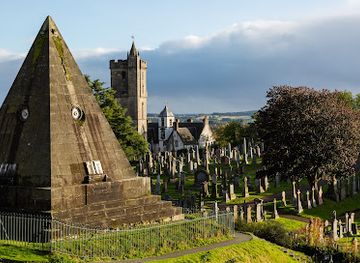
The house’s Renaissance style is evident in its balanced proportions, ornamental carved and painted decoration, and the harmonious integration of domestic and representational spaces. The courtyard, enclosed by walls and accessed through a grand gate, offers a secluded outdoor space typical of noble townhouses of the period. Nearby historic landmarks such as Mar’s Wark, Cowane’s Hospital, and the Church of the Holy Rude complement the Lodging’s heritage setting. The location on Castle Hill provides fine views and situates the Lodging within Stirling’s rich medieval and early modern urban fabric.Legacy and Cultural Importance
Argyll's Lodging remains Scotland’s most important surviving town-house of its period, embodying the social aspirations and political history of 17th-century Scottish nobility. Its preservation as a museum allows contemporary visitors to appreciate the artistry, architecture, and stories embedded in its walls. The inventories and restorations provide invaluable insights into aristocratic domestic life, decoration trends, and historical events, making it a key cultural heritage site within Stirling and Scotland at large.For the vibe & atmosphere seeker
- Historic
- Scenic
- Tranquil
- Unique
For the design and aesthetic lover
- Vintage Styles
- Art Deco Styles
For the architecture buff
- Historic
- Landmarks
- Heritage Neighborhoods
For the view chaser and sunset hunter
- Iconic Views
- Panoramas
For the social media creator & influencer
- Instagrammable
- Photo Spots
- Architectural Shots
For the eco-conscious traveler
- Public-Transport Accessible
- Locally Managed
For the kind of experience you’re after
- Cultural Heritage
- Photowalk
- Day Trip
- Weekend Getaway
- Myth & Legends
For how adventurous you want the journey to be
- Easy Access
Location Audience
- Family Friendly
- Senior Friendly
- Child Friendly
- Teen Friendly
- Wheelchair Access
- Solo Friendly
- Couple Friendly