Stirling Old Bridge, Clackmannanshire Travel Guide
Walk across Stirling Old Bridge, a medieval stone marvel spanning the River Forth, steeped in Scottish history and scenic beauty.
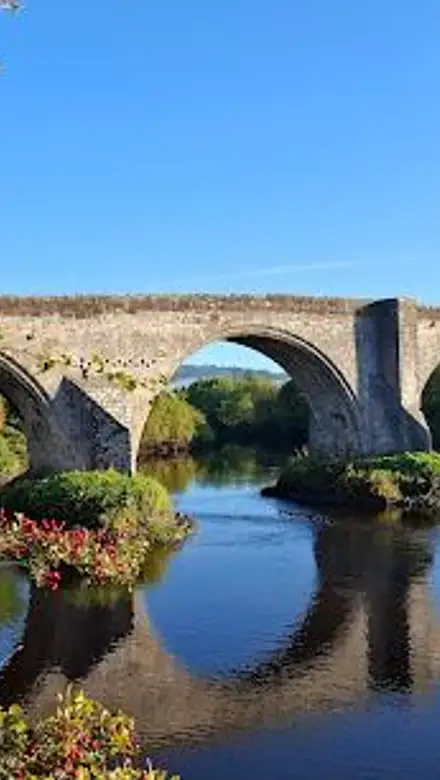
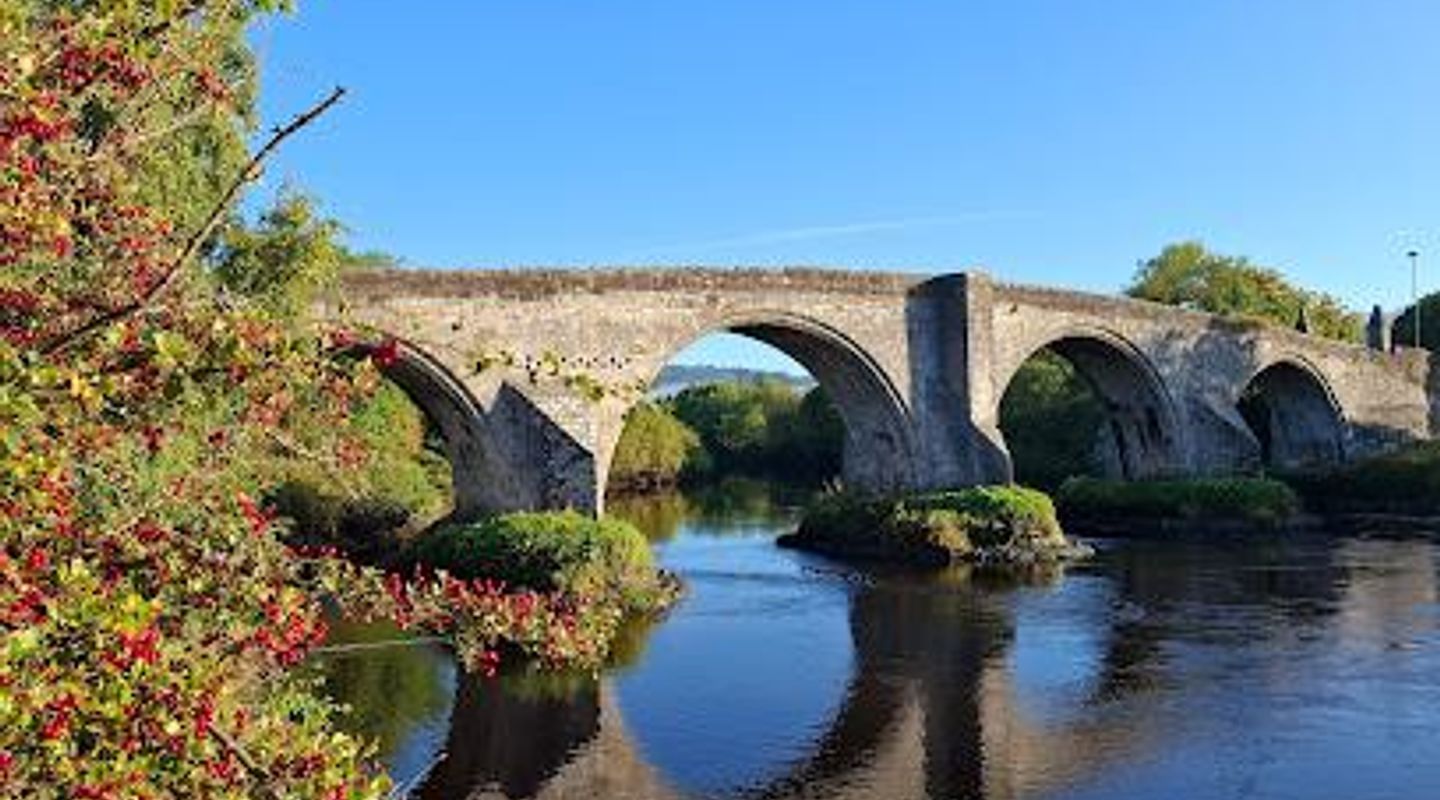
Stirling Old Bridge is a historic medieval stone bridge spanning the River Forth in Stirling, Scotland. Built in the late 15th or early 16th century, it replaced earlier timber bridges and served as the main crossing point to the Highlands for over 300 years. Today, it is a pedestrian-only bridge offering stunning views of Stirling Castle, the Wallace Monument, and the surrounding countryside, rich with history from battles and royal ceremonies.
A brief summary to Stirling Old Bridge
- River Forth, Stirling, GB
- Click to display
- Duration: 0.5 to 2 hours
- Free
-
 Outdoor
- Mobile reception: 4 out of 5

Know before you go
Hi, I'm Eve. Here are a few practical things to know before exploring Stirling Old Bridge.
- Visit during daylight hours for the best views and safer crossing.
- Combine your visit with nearby landmarks such as Stirling Castle and the Wallace Monument.
- Wear comfortable shoes as the bridge surface is cobbled and uneven.
- Bring a camera to capture the stunning panoramas of the river and historic sites.
Do you manage this location?
Take control to get all the benefits, like improved information, better appearance, and stronger visibility across AI-powered discovery. Learn more about listing your business on Evendo
Activate your presenceOther nearby places you may find interesting
The closest places of the same kind, if this one is not quite what you had in mind.
Explore Stirling Old Bridge on the Map
A handpicked selection of must-see spots near Stirling Old Bridge, mapped for you.
Unlock the Best of Stirling Old Bridge
Buy tickets
-
No tickets available
Book tours with entry


Book tours without entry

Getting There
-
Bus
Take local bus services from Stirling city center to Causewayhead Road, approximately 10-15 minutes travel time. Buses run frequently with fares around £2-£4. The stop is a short walk from the bridge.
-
Walking
From Stirling city center, enjoy a scenic 20-30 minute walk north along pedestrian-friendly paths to reach Stirling Old Bridge. The terrain is mostly flat but cobbled near the bridge.
-
Car
Drive to nearby parking facilities in Stirling city center or Bridgehaugh Road. Parking fees range from £3-£6 per day. The bridge is a 10-minute walk from parking areas.
For the on-the-go comforts that matter to you
-
 Seating Areas
-
 Information Boards
-
 Trash Bins
Discover more about Stirling Old Bridge
Medieval Engineering and Historic Importance
Stirling Old Bridge stands as one of Scotland's finest medieval masonry arch bridges, constructed around the late 1400s or early 1500s. It replaced a succession of earlier wooden bridges that had served the area for centuries, including the one near which the famous Battle of Stirling Bridge took place in 1297. The stone bridge stretches over 80 meters with four semicircular arches supported by three piers. Originally, it featured arched gates at each end and functioned as a toll bridge, charging fees for goods crossing the River Forth. This bridge was critical as the lowest crossing point of the Forth, making Stirling a strategic gateway to the Highlands.Historical Events and Military Significance
The bridge’s location is inseparable from Scotland’s turbulent history. The nearby original wooden bridge was the site of William Wallace and Andrew Moray’s decisive victory over English forces in 1297 during the Wars of Scottish Independence. Later, the stone bridge witnessed significant events such as Mary, Queen of Scots’ ceremonial crossing in 1565 and the hanging of Archbishop John Hamilton in 1571. During the Jacobite Rising of 1745, government forces destroyed one of the bridge’s arches to hinder Bonnie Prince Charlie’s army, reflecting its ongoing military importance.Architectural Features and Changes Over Time
Constructed from Ballengeigh stone, the same quarry used for Holy Rude Church, the bridge’s stonework is notable for its durability and medieval craftsmanship. Over the centuries, the bridge saw structural modifications including the addition of masonry over-arches and iron gates as part of Stirling’s defenses. However, some arches were destroyed or removed in the 18th century, and the bridge ceased to carry wheeled traffic in 1833 when a new road bridge opened nearby. Today, it remains open solely to pedestrians and cyclists, preserving its historic character.Scenic Views and Surrounding Landmarks
Crossing the bridge offers picturesque views of Stirling Castle, the Wallace Monument, and the rolling hills of the surrounding countryside. The proximity of these landmarks enriches the visitor experience, connecting the bridge’s history to the broader cultural heritage of Stirling. The bridge’s cobbled surface and medieval arches create an atmospheric setting, especially in misty or moody weather, making it a favored spot for photographers and history enthusiasts alike.Preservation and Public Access
Designated a Category A Listed Building, Stirling Old Bridge is protected as a significant historic structure. It is freely accessible year-round, welcoming visitors to walk its length and reflect on its centuries of history. The bridge’s pedestrian-only status ensures a tranquil experience, allowing visitors to appreciate its architecture and the River Forth’s natural beauty without modern traffic disturbances.Legacy and Cultural Significance
Though not the exact bridge of the 1297 battle, Stirling Old Bridge embodies Scotland’s medieval heritage and its struggle for independence. It serves as a tangible link to the past, commemorating the resilience and strategic importance of Stirling throughout Scottish history. The bridge remains a symbol of national pride and a key feature in the landscape of this historic city.












Your all‑in‑one travel companion app
Explore expert travel guides, compare and book tours, experiences, hotels, and more—all from the palm of your hand. Download now for seamless trip planning wherever your wanderlust takes you.


Explore More of Clackmannanshire
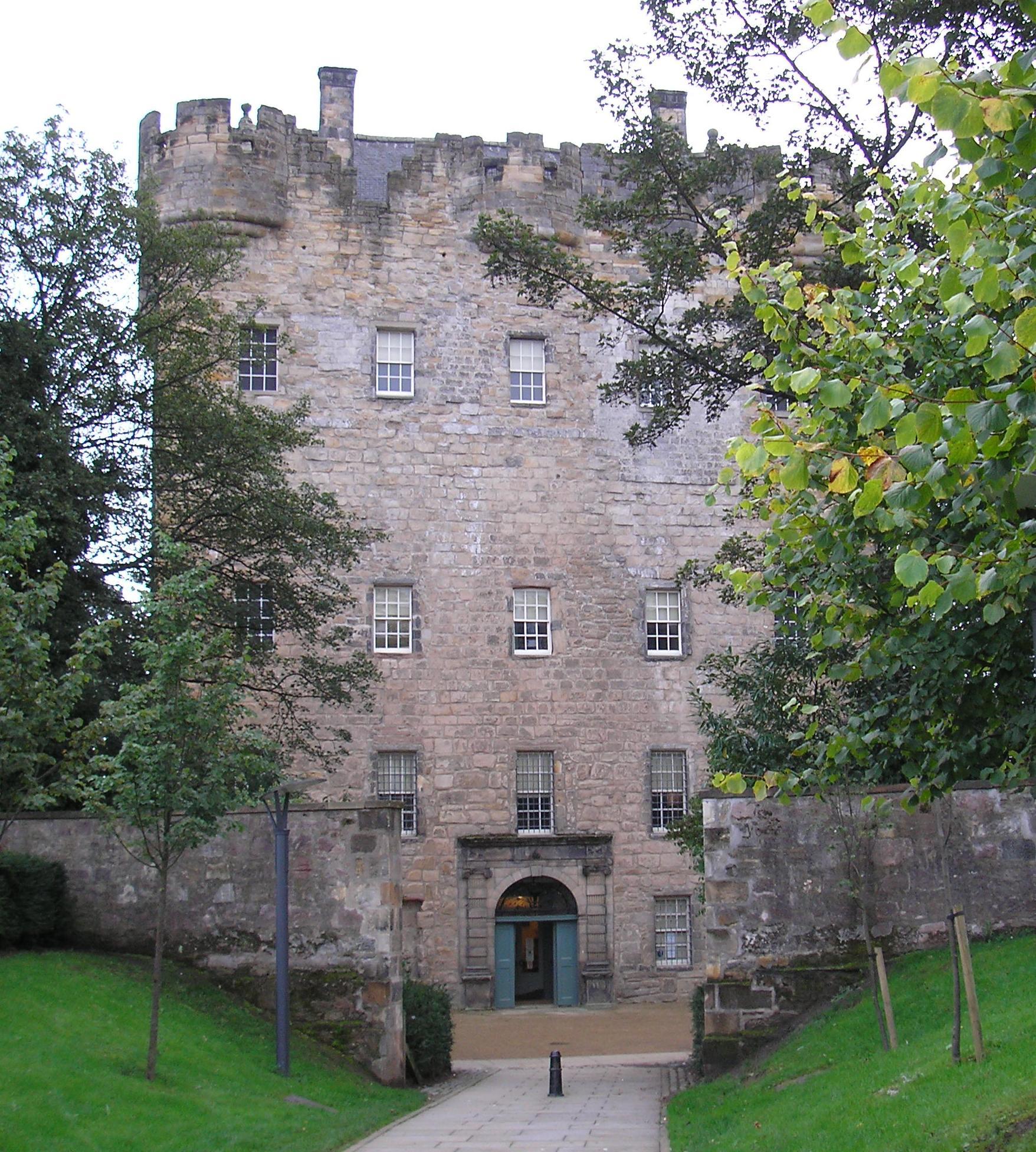
Looking beyond Stirling Old Bridge? Discover Clackmannanshire for broader travel guides, local hot-spots, and regional highlights.
Explore Clackmannanshire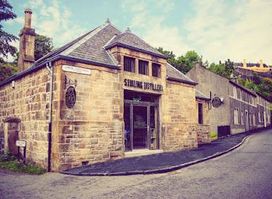
Discover Scotland’s smallest distillery at Stirling, where handcrafted gin and whisky meet rich history and immersive tasting tours.

A welcoming and vibrant Christian parish in Stirling dedicated to faith, fellowship, and community outreach.