

The Royal Burgh of Culross and Culross Palace
Step into a beautifully preserved 17th-century Scottish merchant’s home and village, where history, gardens, and stories come alive.
The Royal Burgh of Culross is a remarkably preserved 17th- and 18th-century Scottish village centered around Culross Palace, a merchant’s house built between 1597 and 1611 by Sir George Bruce. Known for its ochre-colored buildings, cobbled streets, and red pantile roofs imported from the Netherlands, Culross offers visitors a unique glimpse into Scotland's mercantile past, with beautifully restored interiors, painted ceilings, and a recreated period garden featuring herbs and vegetables from the early 1600s.
A brief summary to The Royal Burgh of Culross
- Palace, Dunfermline, Culross, KY12 8JH, GB
- +441383880359
- Visit website
- Duration: 1 to 3 hours
- Mid ranged
-
 Outdoor
- Mobile reception: 4 out of 5
Local tips
- Visit the Palace garden in spring and summer to see the heritage herbs and vegetables in full bloom.
- Look closely at the painted ceilings inside the Palace for intricate emblems and biblical scenes.
- Explore the village streets to appreciate the complete 17th- and 18th-century burgh architecture.
- Fans of the TV series Outlander will recognize many filming locations throughout Culross.
- Check opening hours ahead as the Palace and garden are seasonal and may close during winter months.

For the on-the-go comforts that matter to you
- Restrooms
- Drink Options
- Food Options
- Seating Areas
- Information Boards
- Visitor Center
Getting There
-
Train and Bus
Take a train to Dunfermline Town station from Edinburgh or Glasgow, with journey times of approximately 40-60 minutes. From Dunfermline, catch the Stagecoach bus service 28 or 28A towards Culross, which takes about 25-35 minutes. Bus services run hourly but check schedules in advance. Walking from the bus stop to Culross Palace involves a short uphill walk on cobbled streets.
-
Car
Driving from Edinburgh or Glasgow takes around 45-60 minutes via the M90 and A985. Parking is available near the village center, but spaces are limited, especially during peak tourist seasons. The village streets are narrow and mostly pedestrianized, so park outside the main historic area and walk to the Palace.
-
Walking
For those staying nearby, walking to Culross Palace is a scenic option, with routes through rural paths and village lanes. Terrain includes some steep cobbled streets, so suitable footwear is recommended. Walking times vary but expect 30-60 minutes from nearby accommodations.
The Royal Burgh of Culross location weather suitability
-
 Any Weather
-
 Rain / Wet Weather
-
 Clear Skies
-
 Mild Temperatures
Discover more about The Royal Burgh of Culross
A Merchant's Legacy in Stone and Paint
Culross Palace, often referred to simply as the Palace, was constructed in two main phases between 1597 and 1611 by Sir George Bruce, a pioneering merchant and industrialist. Bruce made his fortune through coal mining, salt production, and international trade with ports across the Forth, the Low Countries, and Sweden. His innovative ventures included what is credited as the world's first coal mine extending under the sea. The Palace itself is a testament to his wealth and global connections, built from local sandstone but adorned with Baltic pine, Dutch floor tiles, red pantiles used as ship ballast, and fine glass from his European trade.Architectural Charm and Interior Splendor
The Palace is distinguished by its crow-stepped gables, ornate dormer windows bearing carved initials and dates, and the iconic statue of a veiled woman on a gable step. Inside, visitors find a blend of original 17th-century design and early Georgian paneling from the 1740s. The interiors showcase exquisite painted ceilings, decorative murals, and a collection of period furniture and Scottish and Staffordshire pottery. Notably, the second-floor ceiling paintings include emblems adapted from a 1586 emblem book and fragments depicting biblical scenes. The Palace was never a royal residence, but King James VI visited in 1617, lending prestige to the site.Gardens of Heritage and History
Behind the Palace lies a meticulously restored 17th-century garden, recreated by the National Trust for Scotland. This garden features raised beds, crushed shell paths, and a covered walkway, planted with herbs, vegetables, and fruit trees typical of the early 1600s. The garden not only enhances the historical ambiance but also connects visitors to the culinary and medicinal practices of the period. It famously served as Claire’s Herb Garden in the television series Outlander, adding a layer of cultural resonance to the site.The Village: A Living Museum of Scottish Burgh Life
Culross itself is recognized as Scotland’s most complete example of a 17th- and 18th-century burgh. The village’s narrow, steep cobbled streets are lined with white-harled houses topped with red pantile roofs, creating a vivid historic streetscape. The Town House, once the center of local government and justice, stands nearby with its clock and bell tower. The village is steeped in history, from its origins as a Cistercian monastic settlement to its status as a royal burgh granted by King James VI, which allowed it to trade internationally.Stories and Atmosphere Beyond the Palace
The village and Palace are rich with stories, including local legends of ghosts such as a spectral piper searching for an underground passage. The area’s coal mining heritage, once pioneered by the monks and later expanded by Bruce, is a key part of its identity. Culross has also become a beloved filming location, notably for Outlander and The Little Vampire, drawing visitors keen to experience its atmospheric charm firsthand.Preservation and Visitor Experience
Today, Culross Palace and the village are cared for by the National Trust for Scotland, which has restored the Palace’s painted woodwork and interiors and maintains the garden. Visitors can explore the Palace’s many rooms, wander the garden paths, and enjoy the peaceful village streets that evoke the hustle and bustle of a thriving 17th-century port. The site offers a rich sensory experience, from the colors and textures of the architecture and gardens to the echoes of history in every corner.Iconic landmarks you can’t miss

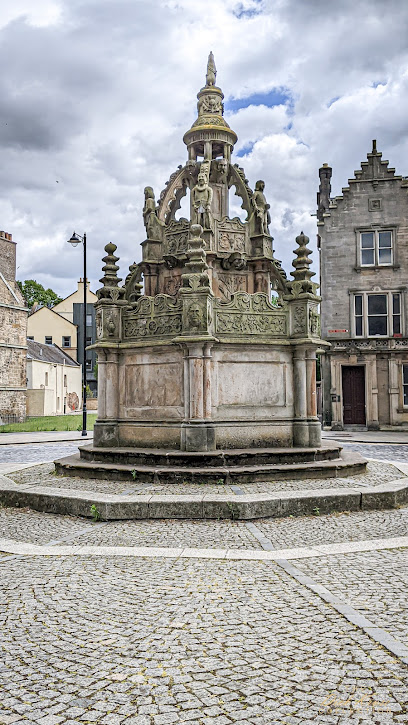
The Cross Well
8.9 km
Discover Linlithgow’s iconic crown-shaped Cross Well, a historic monument and vibrant town centre gathering spot steeped in royal heritage.
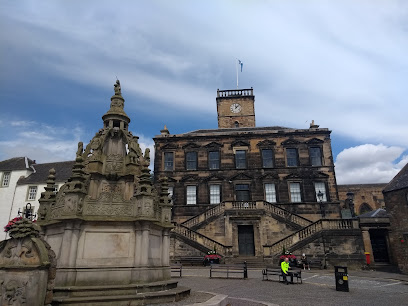
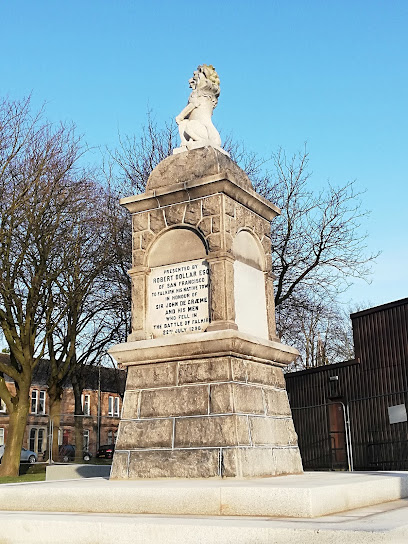
Sir John de Graeme Memorial Fountain
10.6 km
A tranquil memorial fountain in Falkirk honoring Sir John de Graeme, a valiant knight who fell at the Battle of Falkirk in 1298.
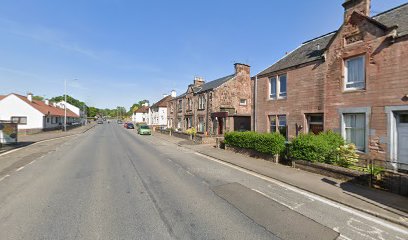
Argyll Place
11.8 km
Explore Alloa's charm from Argyll Place, your gateway to stunning landscapes and rich history in Scotland.
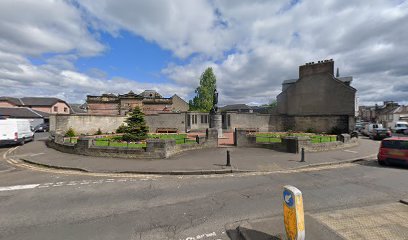
Alloa War Memorial
12.1 km
A poignant tribute in Alloa featuring St Margaret and soldiers, honoring local heroes from both World Wars with powerful symbolism.
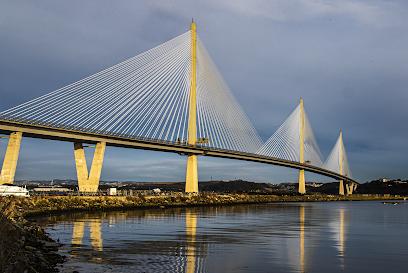
The Queensferry Crossing
14.7 km
Discover the world’s longest three-tower cable-stayed bridge, a modern marvel spanning Scotland’s iconic Firth of Forth.
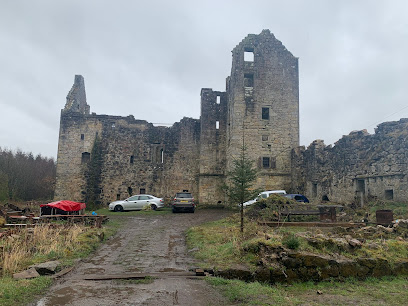
Torwood Castle
15.0 km
Explore the historic Torwood Castle in Larbert, Scotland, where medieval architecture meets stunning natural landscapes.
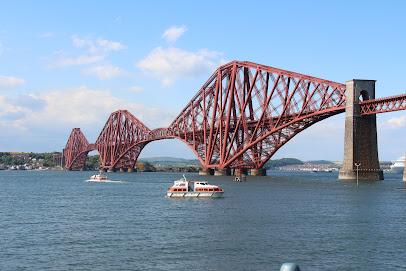
Forth Rd Bridge
15.3 km
A monumental suspension bridge connecting Edinburgh and Fife, offering stunning views and a rich history spanning over six centuries.
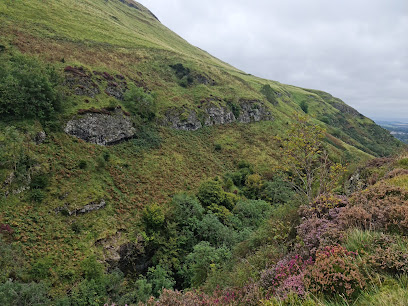
Alva Glen
15.3 km
Explore Alva Glen, a picturesque country park in Scotland, where natural beauty meets adventure and history awaits at every turn.
Forth Bridge
16.2 km
A towering red steel cantilever marvel, the Forth Bridge is Scotland’s iconic railway landmark and a UNESCO World Heritage Site.

Hawes Pier, Queensferry
16.8 km
Historic ferry pier where centuries of Scottish maritime heritage meet modern tourism beneath the iconic Forth Rail Bridge.
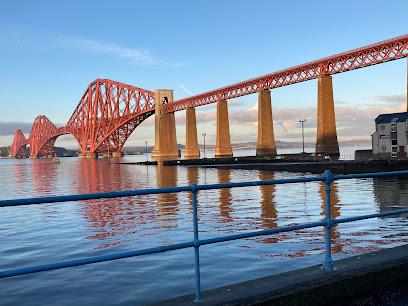
Maid of the Forth
16.8 km
Explore the breathtaking Firth of Forth with Maid of the Forth's scenic boat tours, perfect for families, couples, and nature lovers.
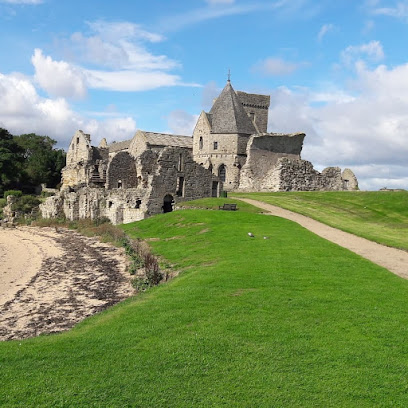
Bannockburn
17.7 km
Explore Bannockburn, a historic landmark in Stirling, where Scotland's quest for independence came to life amidst stunning landscapes and rich heritage.
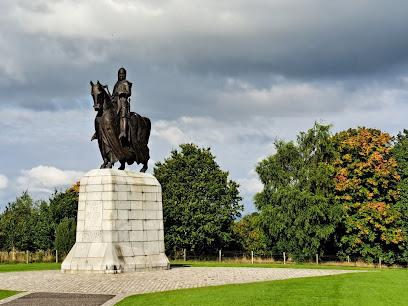
Bannockburn house
17.9 km
Explore Bannockburn House, a historical landmark in Stirling, Scotland, where rich heritage meets stunning architecture in a serene setting.
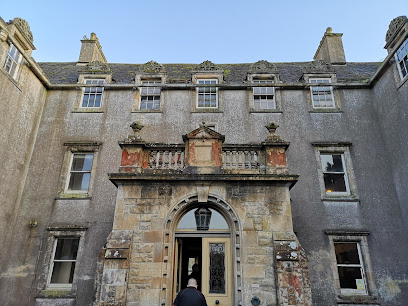
Historic Scotland
19.3 km
Discover the artistry of stone-cutting at Historic Scotland, a captivating experience in Stirling that showcases Scotland's rich architectural heritage.

The Battle of Bannockburn Visitor Centre
19.4 km
Discover the legacy of Scotland's past at The Battle of Bannockburn Visitor Centre, where history comes alive through interactive exhibits and storytelling.
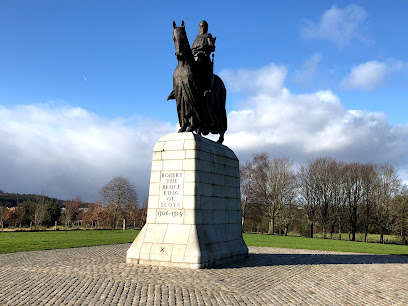
Unmissable attractions to see

Culross
0.0 km
Explore the evocative medieval ruins and vibrant 17th-century heritage of Culross Abbey and its charming historic village near Dunfermline.
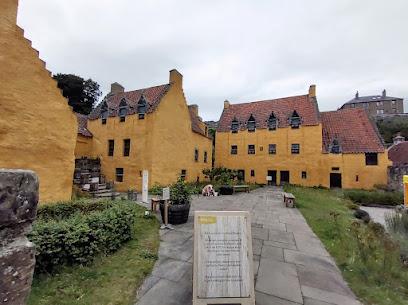
Culross Palace - The National Trust for Scotland
0.1 km
Step into Culross Palace to explore a beautifully preserved 17th-century merchant’s house with stunning painted ceilings and historic gardens.
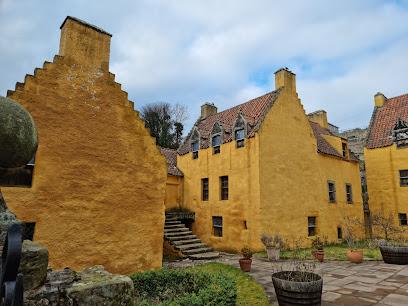
Culross Abbey
0.5 km
Explore the evocative ruins and historic parish church of Culross Abbey, perched above a picturesque Scottish village steeped in centuries of heritage.
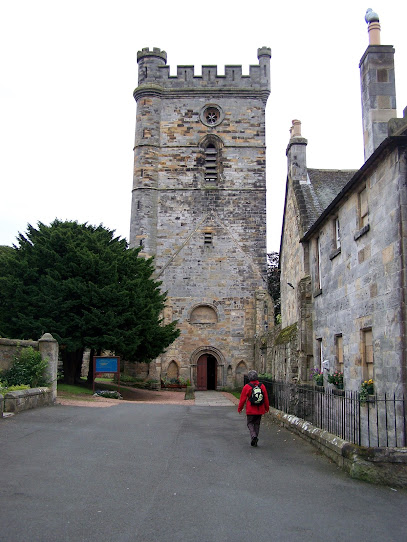
Devilla Forest
2.5 km
Explore Devilla Forest’s tranquil lochs, rare red squirrels, and rich history in this vast Fife woodland sanctuary.
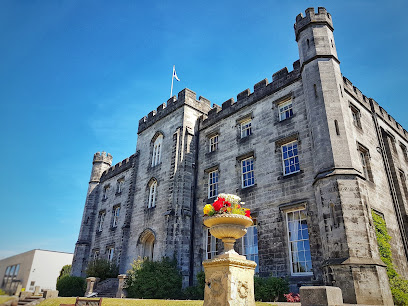
Bo'ness Motor Museum
5.1 km
Discover classic cars, iconic movie vehicles, and family-friendly fun at Bo'ness Motor Museum, open weekends in scenic Bo'ness, Scotland.

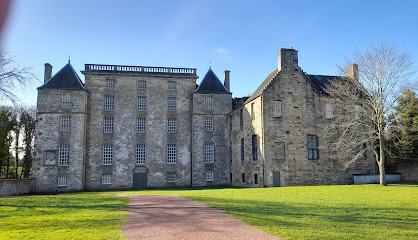
Kinneil Estate
5.2 km
Explore Kinneil Estate’s rich tapestry of Roman ruins, Renaissance grandeur, and steam engine innovation in historic Bo'ness.
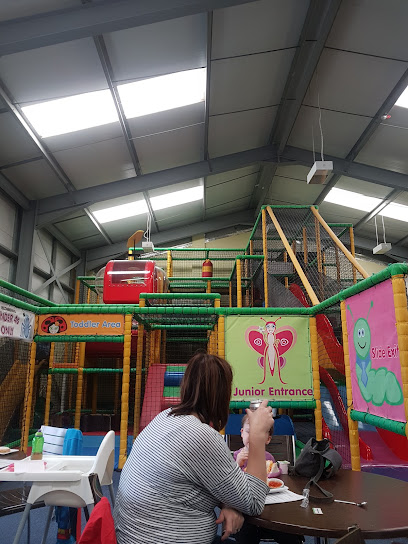
Play Bugs
8.2 km
A vibrant indoor playground in Linlithgow offering multi-level soft play fun for children with a relaxing café for parents.
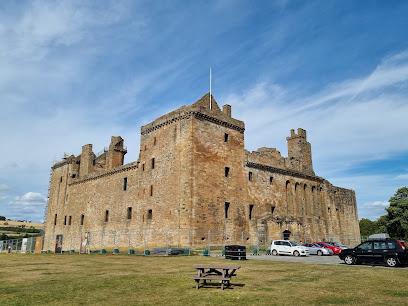
Linlithgow Palace
8.7 km
Explore Linlithgow Palace, the historic birthplace of Mary, Queen of Scots, and immerse yourself in Scotland's regal past amidst stunning architecture and serene landscapes.
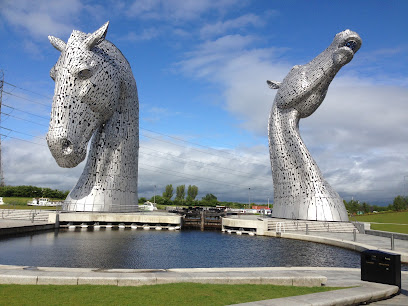
The Kelpies
8.7 km
Discover Scotland’s monumental horse sculptures at The Helix, blending art, heritage, and nature in a vibrant parkland near Falkirk.
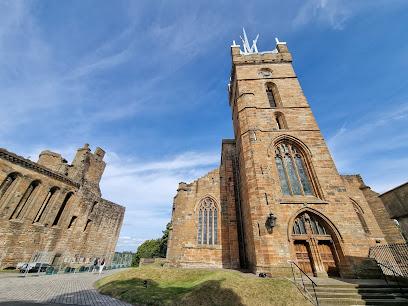
St Michael's Parish Church
8.8 km
Historic medieval church beside Linlithgow Palace, famed for royal ties and its iconic crown steeple symbolizing Scotland’s spiritual heritage.
Linlithgow Museum
8.9 km
Explore Linlithgow’s royal heritage and vibrant local history in this accessible, free-entry museum at the heart of the town.
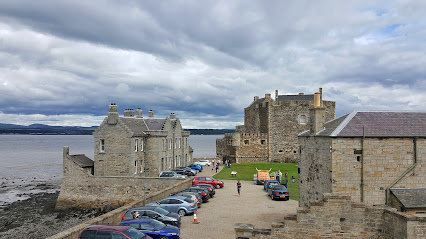
Blackness Castle
9.0 km
Explore Blackness Castle, the 'ship that never sailed,' a 15th-century fortress with rich history and stunning views over the Firth of Forth.
Linn Mill
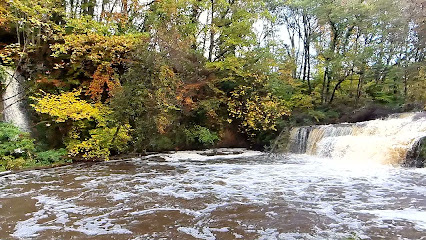
9.2 km
Discover peaceful woodland trails and centuries of milling heritage at Linn Mill, a serene hiking spot in historic Alloa.
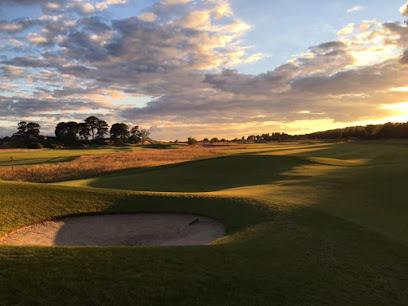
Kingsfield Golf & Leisure
9.3 km
A well-maintained 9-hole golf course with expert coaching, a welcoming café, and excellent facilities in scenic Linlithgow.
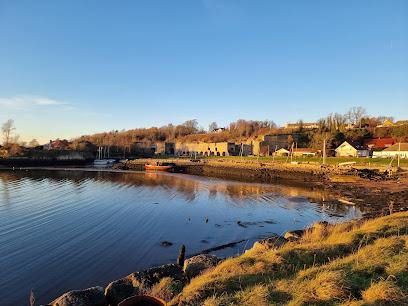
Limekilns
9.7 km
Historic Limekilns village on Fife’s Firth of Forth coast blends medieval port heritage with tranquil seaside charm.
Essential places to dine

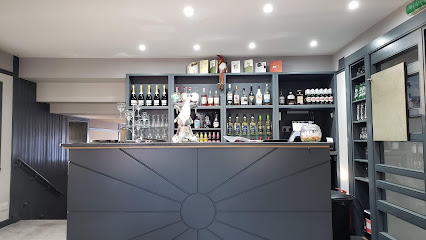
The Unicorn
5.7 km
A cozy Kincardine eatery celebrated for authentic Scottish dishes, warm service, and hearty portions in a welcoming atmosphere.
Champany Inn
8.1 km
Charming historic inn near Linlithgow, famed for exceptional steaks, boutique rooms, and warm Scottish hospitality.
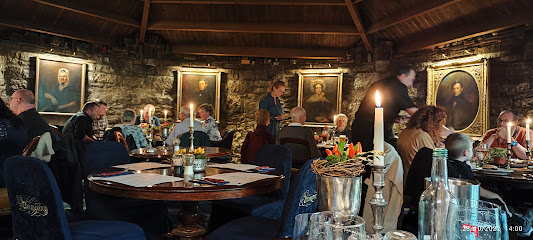
Mason Belles Kitchen
8.9 km
A boutique family-run restaurant in Linlithgow, serving relaxed contemporary Scottish food with a creative twist in a charming hidden setting.
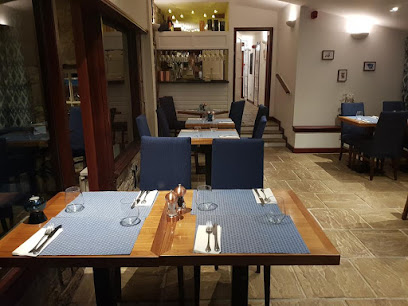
Bar Leo
8.9 km
Contemporary Italian dining on Linlithgow's High Street, blending classical recipes with modern flair.
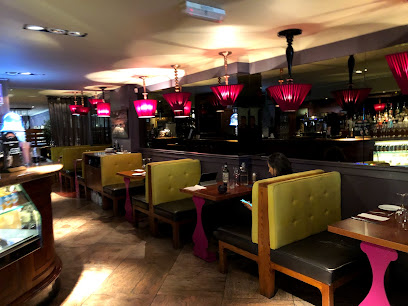
Jack 'O' Bryan's
10.4 km
A vibrant bar and kitchen in Dunfermline blending traditional Scottish flavors with a lively, welcoming atmosphere.
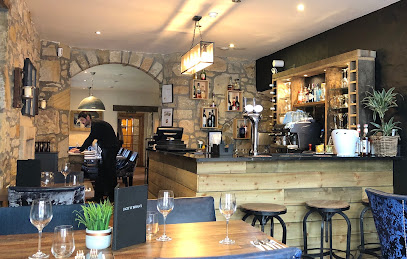
Incontri
10.5 km
Authentic Italian flavors and vibrant atmosphere meet at Incontri, Dunfermline’s contemporary dining gem with vegan-friendly options and a stylish bar.
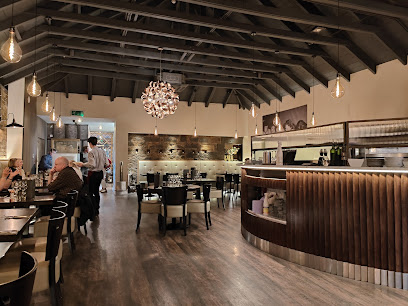
The Viceroy Fine Dining
10.5 km
Experience authentic Indian and Pakistani flavors with generous portions and welcoming hospitality in the heart of Dunfermline.
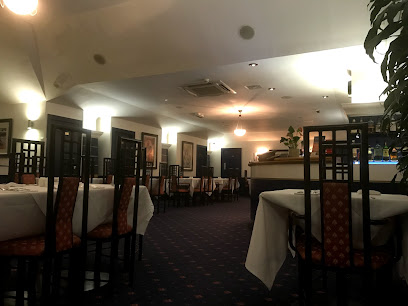
Carlucci Restaurant
10.5 km
Authentic Italian flavors and warm hospitality await you at Carlucci Restaurant in Dunfermline’s vibrant High Street.
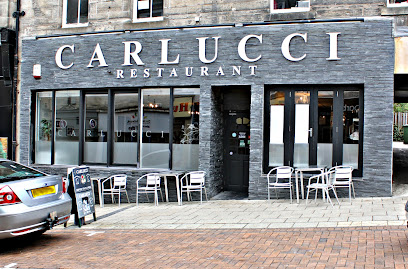
Gratzi Restaurant
10.6 km
Experience authentic Italian and Mediterranean flavors in a warm, inviting setting at Gratzi Restaurant in Dunfermline.
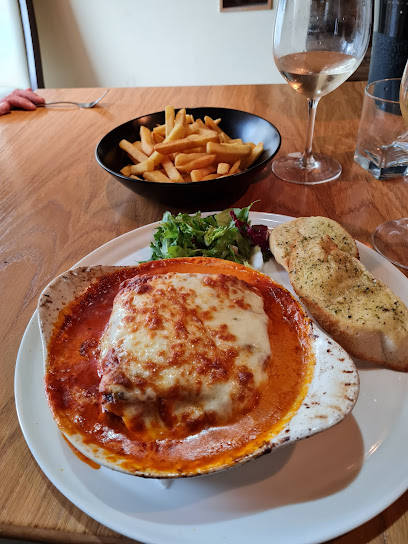
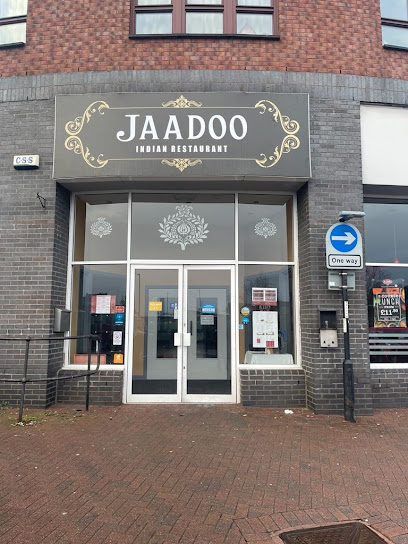
Jaadoo Alloa Indian Restaurant
11.9 km
Experience authentic Indian flavors with a modern twist in a warm, family-friendly setting at Jaadoo Alloa Indian Restaurant.
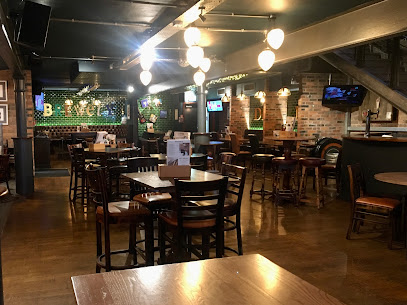
Old Brewery
11.9 km
Historic 19th-century brewery turned vibrant Alloa pub with hearty food, diverse drinks, and lively community spirit.
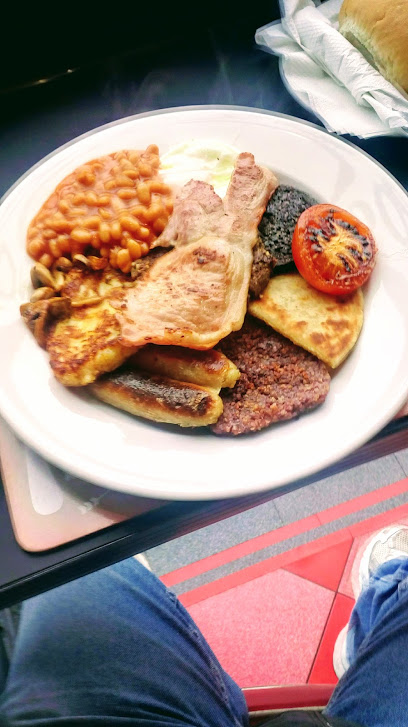
Rock 'N' Rolls
11.9 km
Classic American diner vibes meet friendly service and hearty meals in the heart of Alloa.
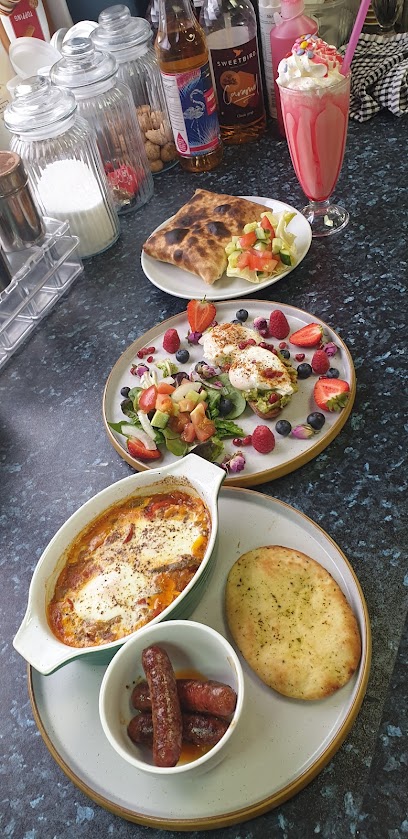
The Fuel House Cafe
11.9 km
A cozy, friendly cafe in Alloa Business Centre serving fresh breakfast and cafe favorites with genuine hospitality.
Zhangy's Cafe
12.0 km
A cozy family-run cafe in Alloa serving hearty Chinese and cafe dishes with warm hospitality and great value.
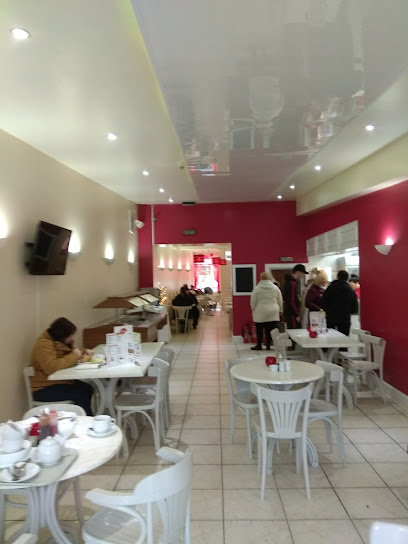
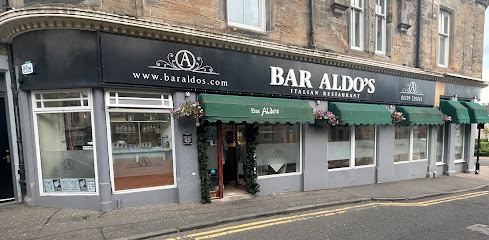
Bar Aldos
12.0 km
Experience authentic Italian flavors and warm hospitality at Bar Aldos, Alloa’s cozy spot for classic homemade dishes and inclusive dining.
Markets, malls and hidden boutiques

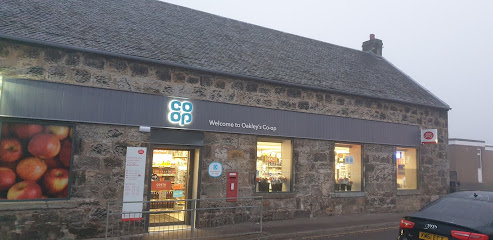
Co-op Food - Oakley
5.1 km
Discover the convenience of Co-op Food in Oakley, your go-to store for groceries, snacks, and local products while exploring this charming village.
La Vida
6.2 km
Discover unique, colorful fashion and personal styling at La Vida Boutique in Cairneyhill, where individuality meets affordable style.
Fair Tradewinds
8.9 km
Discover unique fair trade gifts and sustainable fashion at Fair Tradewinds in Linlithgow’s historic High Street.
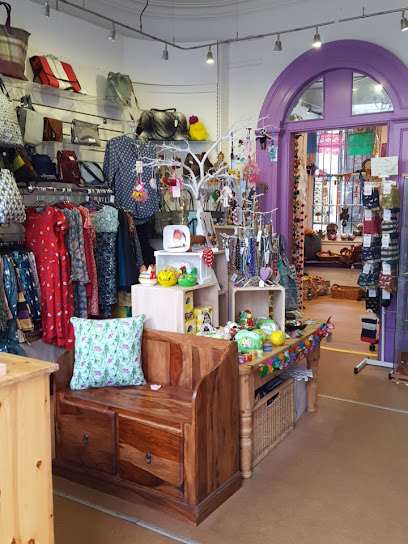
Rakaru Lifestyle Creative
9.9 km
Discover unique artisan homewares blending Scottish craft with modern style at Rakaru Lifestyle Creative in Clackmannan.

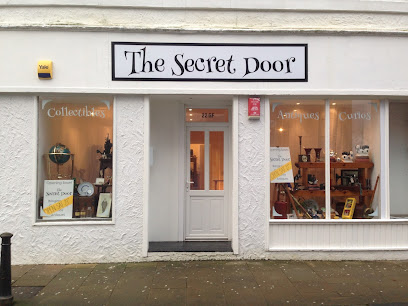
THE SECRET DOOR
10.6 km
Discover unique antiques and timeless treasures in Dunfermline’s cozy and captivating Secret Door shop.
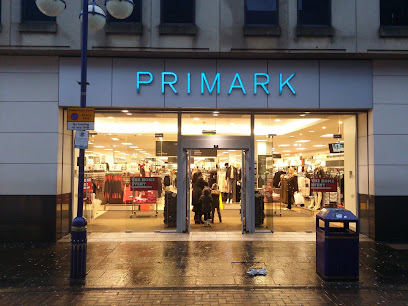
Primark
10.8 km
Discover stylish, affordable fashion for the whole family at Primark Dunfermline, your go-to High Street shopping destination.
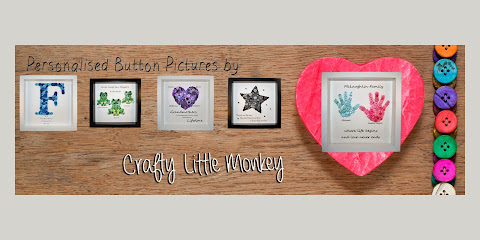
Crafty Little Monkey
10.9 km
Explore Crafty Little Monkey, Alloa's charming gift shop offering unique handmade treasures and local crafts perfect for souvenirs.
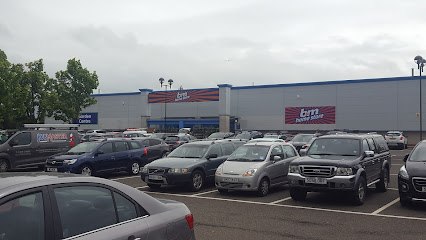
B&M Home Store with Garden Centre
11.0 km
Affordable home and garden essentials combined in a convenient Alloa retail park location, open daily with extended hours.
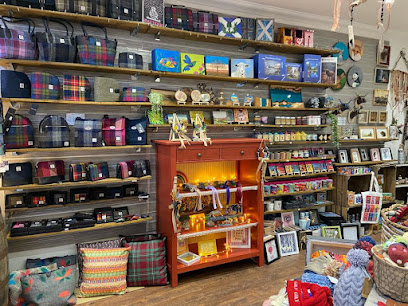
Whimsic Alley
11.5 km
A whimsical gift shop in Falkirk filled with magical treasures, fantasy novelties, and storybook charm for fans of all things enchanted.
Bolt Base Ltd
11.6 km
Your trusted fastener supplier in Alloa, delivering quality screws, nuts, and bolts with expert service and fast shipping.

Gartmorn Road Local Shop
11.8 km
Uncover unique local finds and enjoy a warm atmosphere at Gartmorn Road Local Shop in Alloa, an essential stop for every traveler.
Gartmorn Grocers
11.8 km
A friendly local supermarket in Sauchie offering convenience, local flavor, and daily essentials from 8 AM to 9 PM every day.
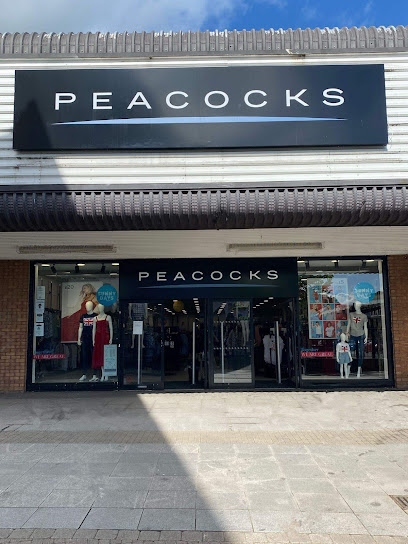
Peacocks
11.9 km
Affordable and stylish women’s fashion in the heart of Alloa’s vibrant shopping district.
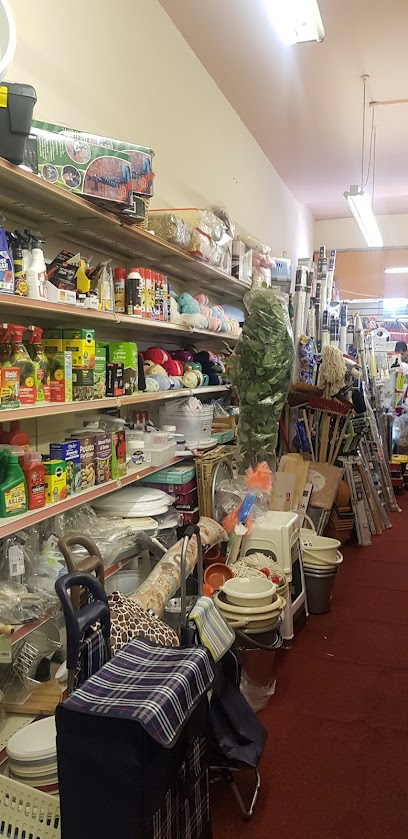
Home Zone
12.0 km
Alloa's trusted source for homeware, gifts, and practical household essentials in the heart of Clackmannanshire.
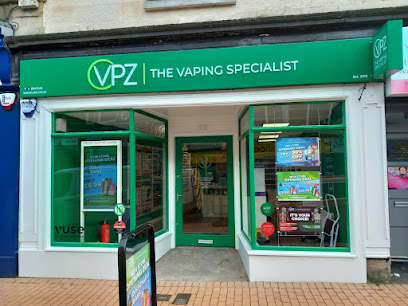
VPZ
12.0 km
Your trusted vape specialist in Alloa offering expert advice and quality vaping products in a welcoming environment.
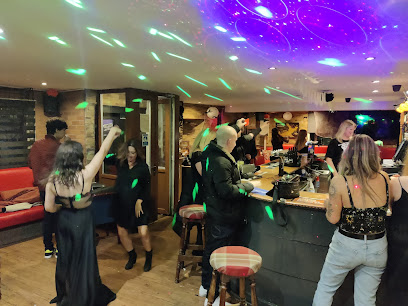
Essential bars & hidden hideouts

Bridge Bar
5.7 km
Discover the charm of Bridge Bar in Kincardine, a cozy pub offering a wide selection of drinks and a welcoming atmosphere for all travelers.
Garvies
5.7 km
Cozy pub in Kincardine offering local ales, lively events, and a warm, welcoming atmosphere every day from noon to midnight.
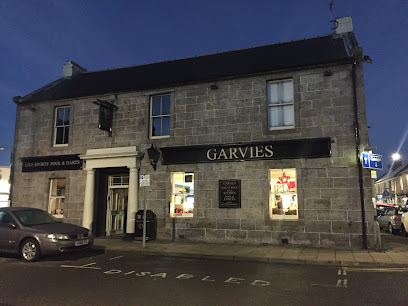
Auld Hoose
5.8 km
A lively, dog-friendly pub in Kincardine known for hearty food, extensive whisky, craft beers, and a welcoming atmosphere with rock music and karaoke.
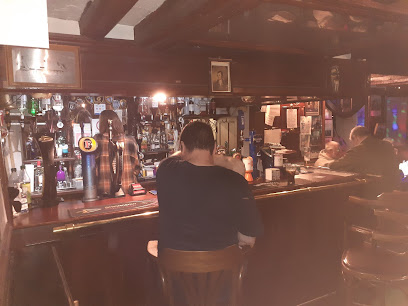
The Railway Tavern
5.9 km
A cozy, friendly pub in Kincardine offering authentic Scottish hospitality and a relaxed atmosphere for casual drinks and socializing.
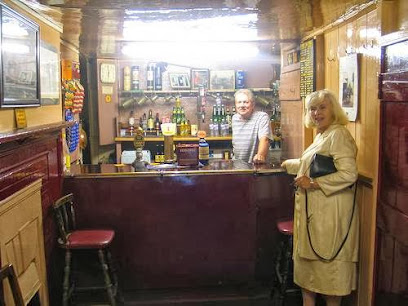
The Willow Tree
8.9 km
A historic Linlithgow pub reborn as The Willow Tree, blending tradition, local legend, and lively hospitality in a welcoming setting.
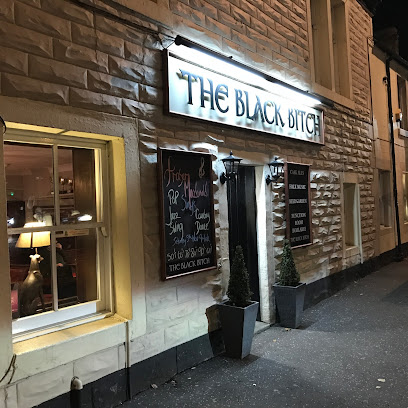
The County Bar
9.6 km
A friendly and affordable pub in Clackmannan, offering classic drinks and a warm community atmosphere in the heart of town.
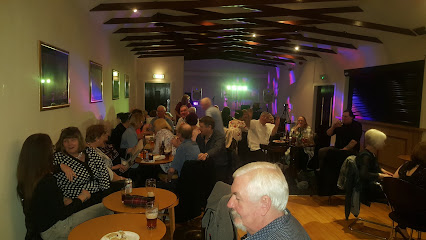
Lodge Clackmannan
9.7 km
Experience authentic Scottish hospitality and local charm at Lodge Clackmannan, a cozy pub in the heart of Clackmannan village.
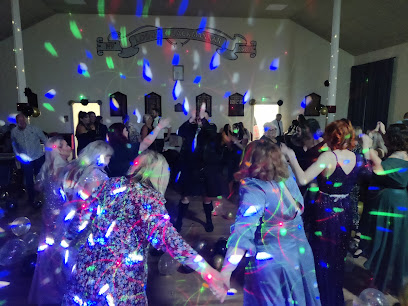
The Glen Tavern
10.1 km
Cozy and friendly pub in Dunfermline serving hearty Scottish fare and local brews in a warm, inviting atmosphere.
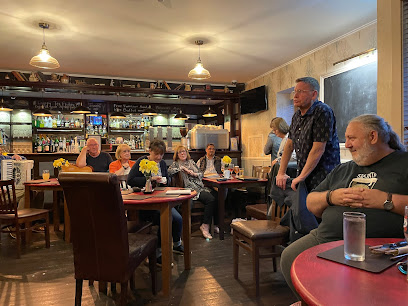
The Old Inn
10.5 km
Historic and welcoming pub in Dunfermline’s center, blending rustic charm with lively atmosphere and excellent food.
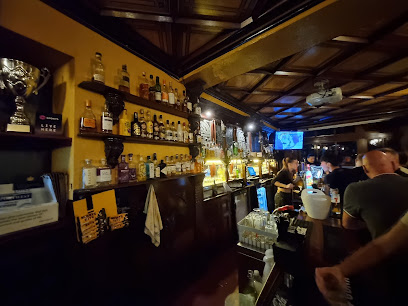
The Creepy Wee Pub
10.5 km
A quirky gothic-themed pub in Dunfermline offering a cozy atmosphere, unique decor, and a great selection of drinks for locals and visitors alike.
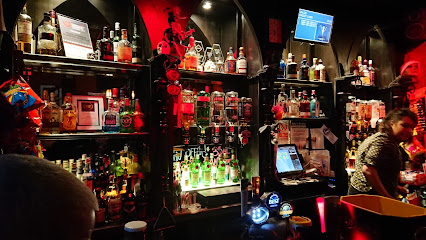
Lourenzos
10.6 km
Lourenzos is Dunfermline’s vibrant bar and nightclub, renowned for its lively atmosphere, quality cocktails, and friendly service.
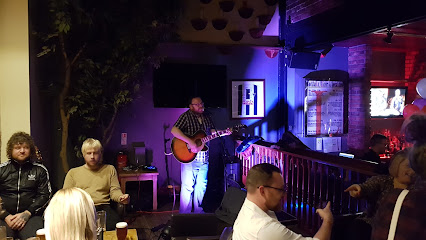
Auld Classic Bar
10.7 km
Auld Classic Bar offers rustic charm and friendly vibes in Dunfermline, perfect for a relaxed pint or casual night out at an affordable price.
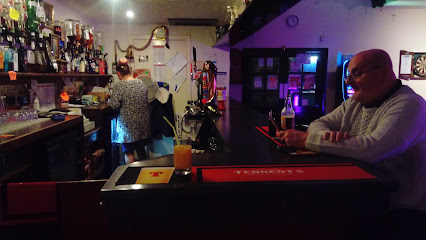
East Port Bar
10.8 km
Experience authentic Scottish pub culture with lively sports, local ales, and warm hospitality in Dunfermline’s East Port Bar.
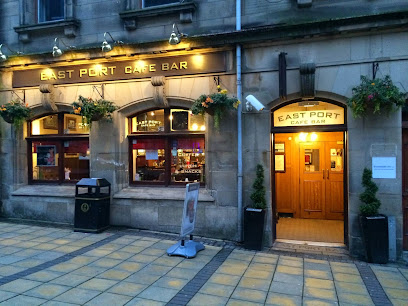
Gartmorn Lounge
11.8 km
A friendly, affordable lounge in Sauchie offering local craft beers, games, and a relaxed community atmosphere.
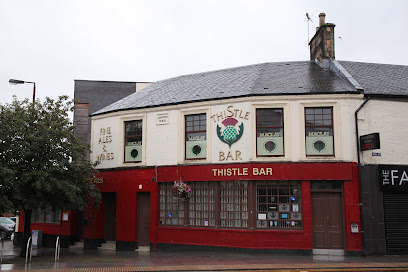
Thistle Bar
12.0 km
A classic Alloa pub blending sports, karaoke, and community spirit in a friendly, lively setting.
Nightclubs & after hour spots

LIFE
10.5 km
Experience vibrant nightlife and late-night fun at LIFE, Dunfermline’s energetic nightclub with a welcoming atmosphere and great music.
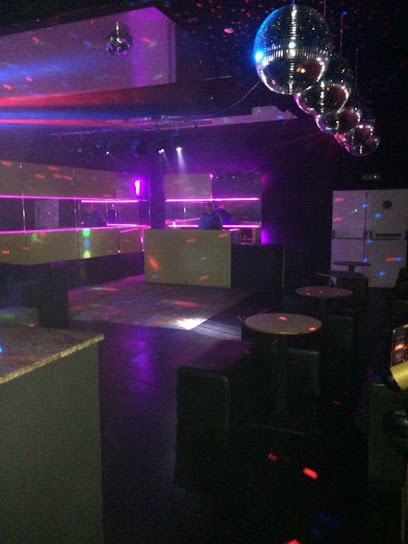
XOXO
11.3 km
Central Scotland’s largest nightclub offering vibrant nightlife, pool hall fun, and private event spaces in the heart of Falkirk.
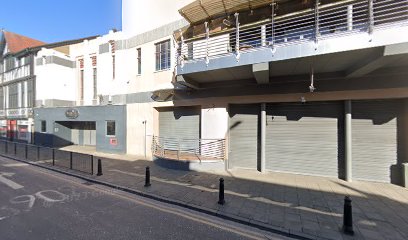
City Nightclub
11.3 km
Experience Falkirk’s vibrant nightlife at City Nightclub, the town’s energetic weekend hotspot for music, dancing, and late-night fun.
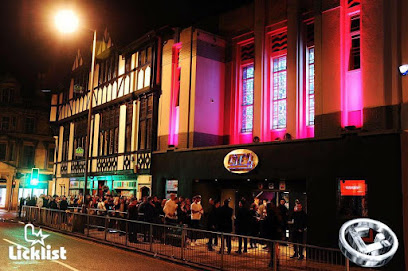
Hustlers Pool Hall
13.0 km
Affordable, lively pool hall and sports bar in Rosyth offering fun games, friendly vibes, and great social atmosphere for all ages.

West Lothian Casting Agency
16.7 km
Discover the vibrant adult entertainment scene at West Lothian Casting Agency, where immersive performances and themed events await every visitor.
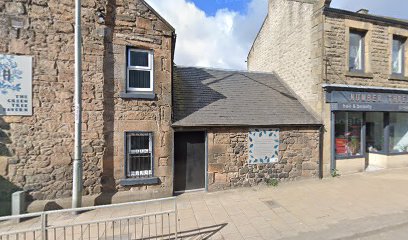
The Twig Nightclub
16.8 km
Bathgate’s oldest nightclub offering lively, affordable, and historic nightlife experiences every Saturday night.
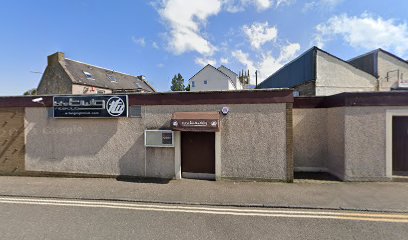
Grand Central
17.9 km
Experience the vibrant nightlife and diverse events at Grand Central, Livingston's premier events venue for unforgettable nights out.
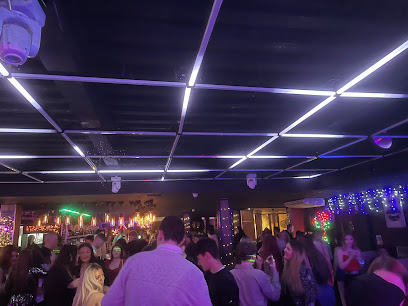
Slanj-A-Va
20.2 km
Discover Slanj-A-Va: Stirling's premier live music venue offering an unforgettable night out filled with diverse musical experiences.
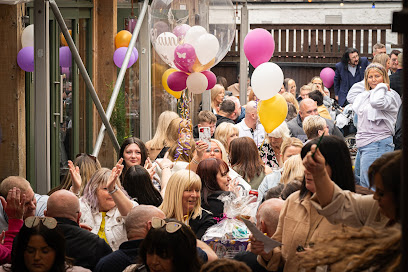
Castle Leisure Group
20.4 km
Discover the lively atmosphere of Castle Leisure Group in Stirling – a perfect blend of dining, nightlife, and entertainment for tourists.
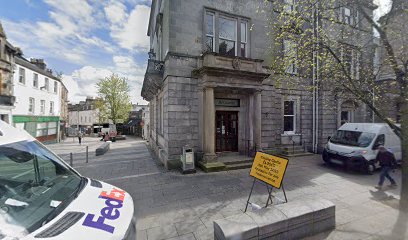
Fubar Nightclub
20.4 km
Experience Stirling’s energetic student nightlife at Fubar Nightclub, where music, lights, and lively crowds come alive late into the night.
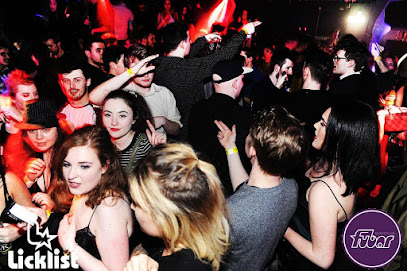
The Grapes
20.5 km
Experience the charm of The Grapes, where delightful drinks and hearty meals meet a warm, inviting atmosphere in East Calder.
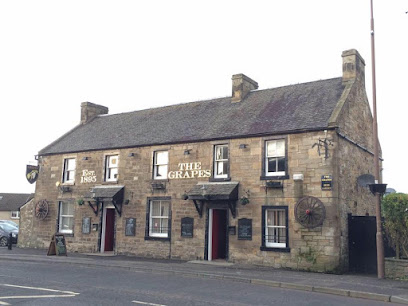
Settle Inn
20.7 km
Experience the charm of Stirling at Settle Inn, where delightful drinks and lively folk music create the perfect bar atmosphere.
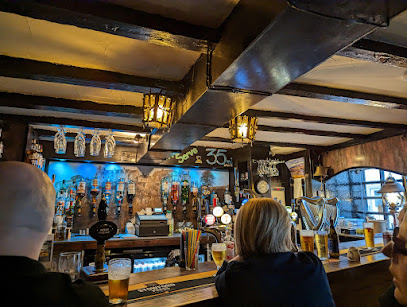
Backstage at The Green
21.3 km
Discover the heart of Kinross' nightlife at Backstage at The Green, a premier live music venue showcasing diverse musical talent.
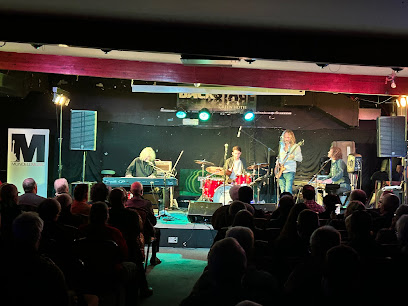
Mundell Music
21.3 km
Discover the heartbeat of Kinross at Mundell Music, where unforgettable live performances and a welcoming atmosphere await every music lover.
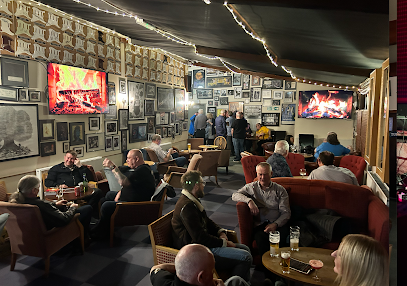
Jock's Bar
21.3 km
Discover the warmth of Kinross at Jock's Bar, where local brews and friendly faces create unforgettable moments.
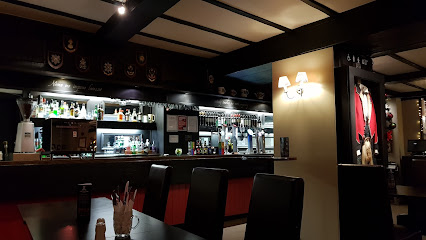
For the vibe & atmosphere seeker
- Tranquil
- Scenic
- Historic
- Unique
For the design and aesthetic lover
- Vintage Styles
- Rustic Designs
For the architecture buff
- Historic
- Landmarks
- Parks & Gardens
For the view chaser and sunset hunter
- Iconic Views
- Sunset Spots
For the social media creator & influencer
- Instagrammable
- Photo Spots
- Selfie Spots
For the eco-conscious traveler
- Protected Area
- Public-Transport Accessible
- Locally Managed
For the kind of experience you’re after
- Cultural Heritage
- Photowalk
- Day Trip
- Weekend Getaway
For how adventurous you want the journey to be
- Easy Access
Location Audience
- Family Friendly
- Senior Friendly
- Child Friendly
- Teen Friendly
- Wheelchair Access
- Solo Friendly
- Couple Friendly
- Solo Female Friendly
- Vegetarian Friendly
- Vegan Friendly


