
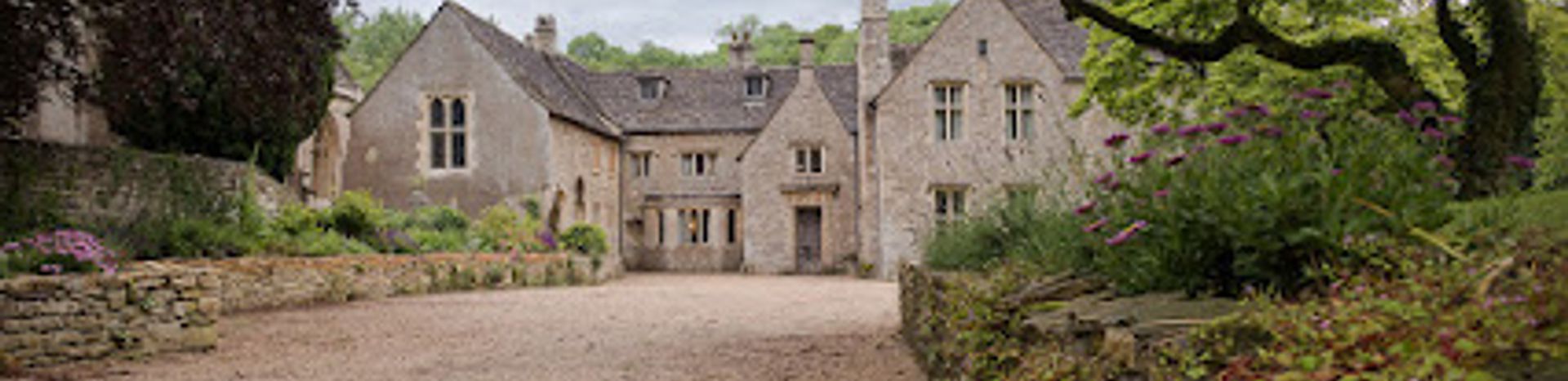
Horton Court: A Timeless Tudor Manor in the Cotswolds
Step back in time at Horton Court, a beautifully restored Tudor manor nestled in the scenic Cotswolds countryside with rich history and cinematic charm.
Horton Court is a Grade I-listed Tudor manor house nestled on the edge of the rolling Cotswolds countryside near Chipping Sodbury, Gloucestershire. With origins dating back to 1185, this historic estate features exquisite Renaissance architecture, beautifully restored interiors, and expansive gardens with a lake. Used as a filming location for acclaimed series like Wolf Hall and Poldark, it offers a unique holiday experience steeped in centuries of English history.
A brief summary to National Trust - Horton Court
- Horton Rd, Bristol, Chipping Sodbury, BS37 6QR, GB
- +443448002070
- Visit website
- Duration: 2 to 6 hours
- Mid ranged
-
 Outdoor
- Mobile reception: 4 out of 5
Local tips
- Be cautious around the unenclosed lake in the gardens, especially if visiting with children.
- Explore nearby National Trust estates like Dyrham Park and Tyntesfield for a fuller regional experience.
- Visit during Heritage Open Days to access the manor’s interior if not staying overnight.
- Parking is available for up to eight cars at the front of the house.
- Check the National Trust accessibility guide for details on terrain and steps within the house and gardens.

For the on-the-go comforts that matter to you
- Restrooms
- Seating Areas
- Trash Bins
- Information Boards
- Parking
Getting There
-
Car
Driving from Bristol city center to Horton Court takes approximately 35 to 45 minutes via the A432 and B4058. Parking is available on-site for up to eight vehicles, but the narrow country lanes require cautious navigation.
-
Train and Taxi
Take a train from Bristol Temple Meads to Yate station, a roughly 20-minute journey. From Yate, taxis to Horton Court take about 15 minutes. Taxi fares generally range between £15 and £25.
-
Bus and Walk
Bus services run from Bristol to Chipping Sodbury, taking about 1 hour. From Chipping Sodbury, Horton Court is approximately 2.5 km away, accessible by a 30-minute walk over gently undulating terrain. This option is best for those comfortable with moderate walking.
National Trust - Horton Court location weather suitability
-
 Any Weather
-
 Mild Temperatures
-
 Rain / Wet Weather
-
 Clear Skies
Discover more about National Trust - Horton Court
Architectural Heritage and Historical Legacy
Horton Court stands as one of England’s oldest continuously inhabited manor houses, with a history stretching back to the Norman period in the 12th century. The current stone-built structure was largely constructed around 1521 by Reverend William Knight, a prominent diplomat and Bishop of Bath and Wells, who infused the house with early Renaissance design influences he encountered in Italy. The manor retains original medieval features such as the Norman hall and some of England’s earliest Renaissance decorative motifs, including ornate wood paneling and a distinctive Pastiche ceiling. The Grade I listing reflects its exceptional architectural and historic importance.Restoration and Modern Use
After decades of careful stewardship by the National Trust, Horton Court underwent a significant £2 million restoration completed in 2018. This extensive work revived centuries-old ceilings, woodwork, and windows, breathing new life into the manor while preserving its authentic character. Today, Horton Court operates as a holiday let, welcoming groups seeking a private, immersive experience in a stately home setting. The property’s restoration funds also contribute to the ongoing preservation of National Trust sites across the region.Setting and Gardens
Set beside the quaint village church of St James in Horton, the manor is surrounded by expansive, undulating gardens featuring mature woodland and a large unenclosed lake. The grounds offer tranquil outdoor seating areas and scenic views of the Cotswolds countryside. Visitors should note the garden’s uneven terrain, low walls, and open water, which require caution, especially for families with young children. The estate’s peaceful natural environment complements the historic ambiance of the house.Cultural Significance and Filming Location
Horton Court’s rich history and evocative interiors have made it a sought-after location for period drama productions. It has appeared in notable television series such as Wolf Hall, Poldark, and The Living and the Dead, allowing visitors to connect with its cinematic legacy. The manor’s layered stories—from medieval ecclesiastical ties to Tudor diplomacy—offer a fascinating glimpse into England’s cultural and political evolution.Visitor Experience and Accessibility
While Horton Court is primarily available as a holiday rental, it opens to the public during Heritage Open Days, providing rare opportunities to explore its historic rooms and grounds. The house features a combination of wooden and flagstone floors, staircases, and uneven steps, with gardens on multiple levels. Parking is available for up to eight cars at the front of the house. Visitors are encouraged to consult the National Trust’s accessibility guide due to the manor’s varied terrain and historic features.Nearby Attractions and Regional Context
Located close to the historic city of Bath and other National Trust properties such as Dyrham Park, Newark Park, and Tyntesfield, Horton Court serves as an excellent base for exploring the Cotswolds and South Gloucestershire. The surrounding countryside offers opportunities for woodland walks, garden strolls, and immersing oneself in quintessential English rural charm.Iconic landmarks you can’t miss

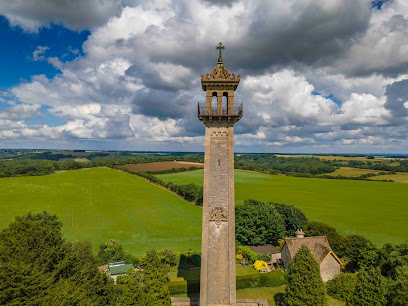
Somerset Monument
2.7 km
A towering Victorian tribute to Lord Robert Edward Somerset, commanding panoramic views over the historic Cotswold landscape.
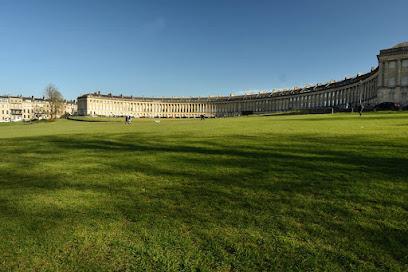
Royal Cres
19.7 km
Experience Bath’s Royal Crescent, a stunning Georgian crescent with iconic Ionic columns, historic charm, and sweeping parkland views.
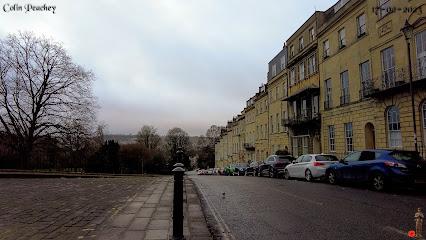
Marlborough Buildings
19.8 km
Georgian elegance in a Grade II listed terrace, where Bath's architectural ambition meets refined 18th-century townhouse design.
The Royal Crescent
19.8 km
Georgian perfection in stone: 150 metres of architectural harmony overlooking Bath's parkland landscape.

Southmead Round Barrow
19.9 km
Explore the ancient Southmead Round Barrow, a Bronze Age burial mound nestled within Bristol’s tranquil Badock’s Wood.
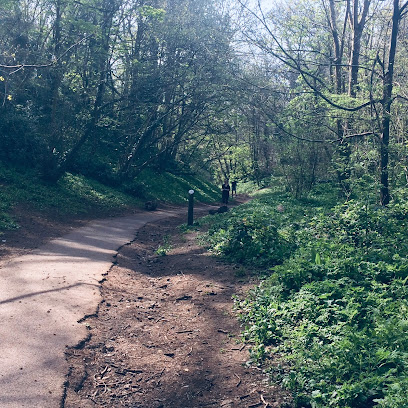
Beazer Garden Maze
20.1 km
Discover the enchanting Beazer Garden Maze in Bath, a serene retreat filled with lush greenery and intricately designed pathways for all to explore.
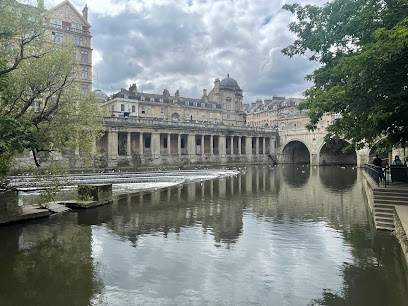
Pulteney weir
20.2 km
Discover the picturesque Pulteney Weir in Bath, where serene waters meet stunning architecture, creating a tranquil escape in the heart of the city.
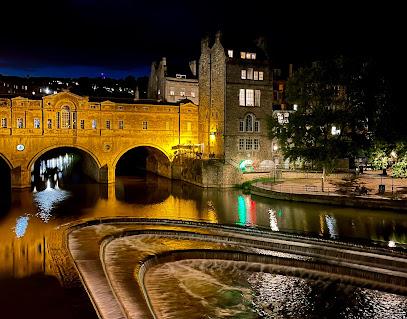
Sham Castle
20.2 km
Discover the enchanting Sham Castle in Bath, a perfect blend of historical charm and stunning natural scenery for every traveler.
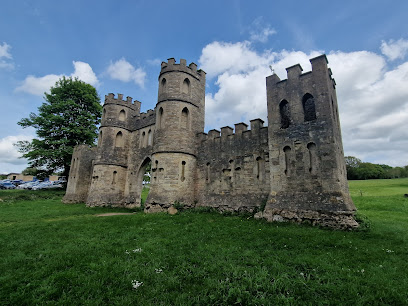
Victoria Art Gallery
20.2 km
Explore the Victoria Art Gallery in Bath, where diverse art collections and serene ambiance come together for an unforgettable cultural experience.
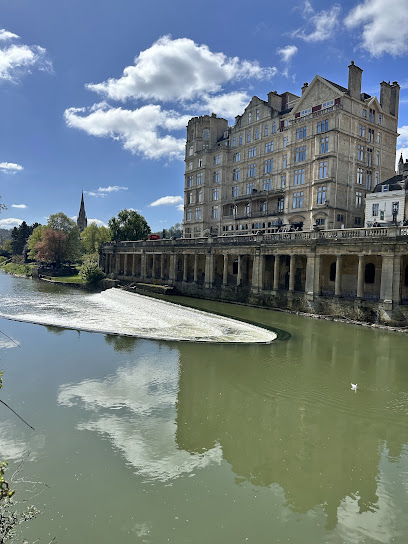
Bath Guildhall Market
20.2 km
Explore Bath’s oldest indoor market with over 800 years of history, vibrant stalls, and charming cafes beneath a stunning domed roof.
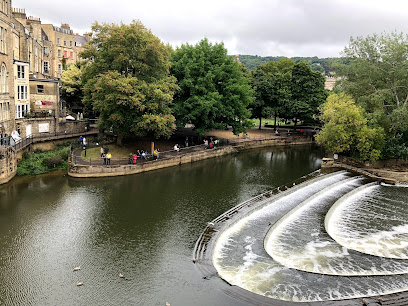
The EASTGATE
20.2 km
Explore The EASTGATE, a captivating historical landmark in Bath, showcasing stunning Georgian architecture and rich cultural heritage.
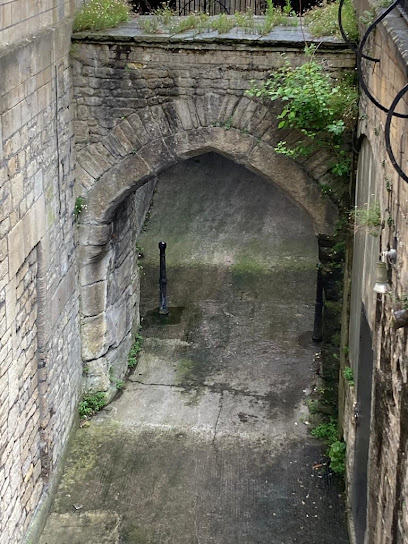
Part of the mediaeval wall of the City of Bath
20.2 km
Explore a rare surviving fragment of Bath’s medieval city walls, a stone sentinel guarding centuries of history at 13 Trim Street.
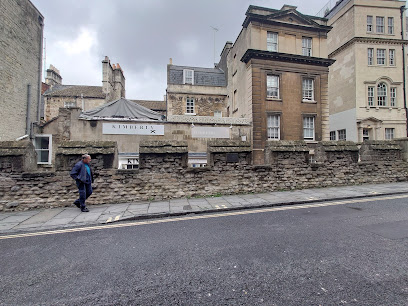
Herschel Museum of Astronomy
20.2 km
Explore the Georgian home where William Herschel discovered Uranus and celebrate the Herschels’ legacy in astronomy and music.
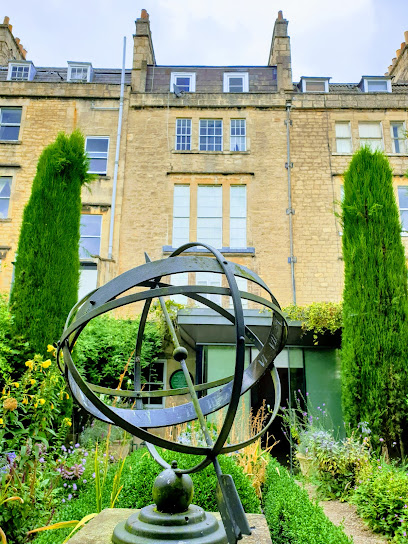
Prince Bladud and the Pig
20.3 km
Discover the enchanting story of Prince Bladud and the Pig, a must-see historical landmark in the heart of Bath, England.
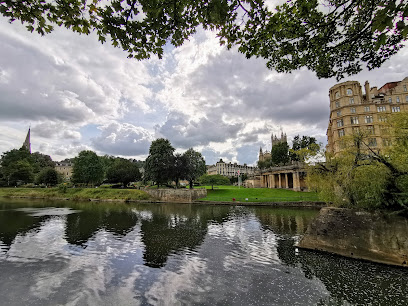
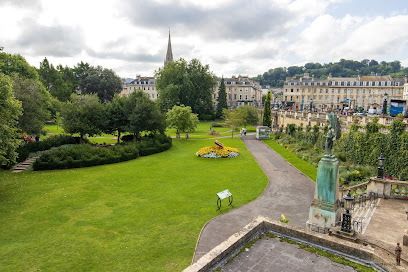
Parade Gardens
20.3 km
Explore the enchanting Parade Gardens in Bath, a serene escape filled with vibrant flowers, historic monuments, and breathtaking views along the River Avon.
Unmissable attractions to see

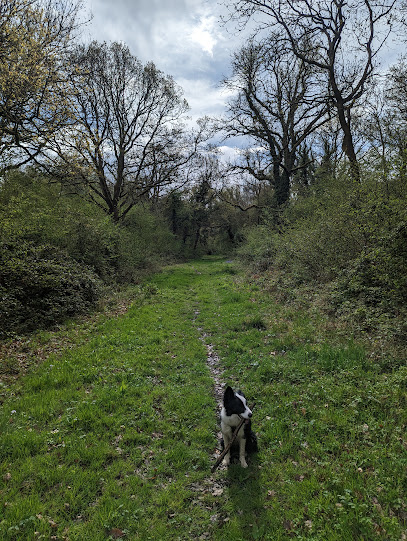
Lower Woods Nature Reserve
3.7 km
Explore southwest England’s largest ancient woodland, a sanctuary of wildflowers, butterflies, and tranquil river meadows year-round.
National Trust - Newark Park
8.2 km
A Tudor hunting lodge turned Georgian country house, perched on the Cotswold edge with sweeping views, historic interiors, and 700 acres of parkland and gardens.
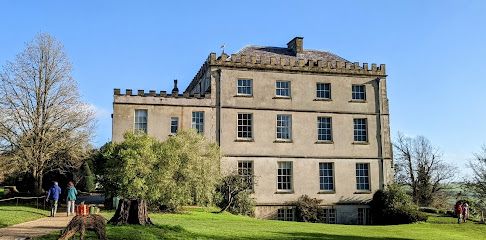
The Ancient Ram Inn (Advance Book only)
8.3 km
Step into England’s oldest haunted inn, where centuries of dark history and restless spirits create an unforgettable paranormal experience.
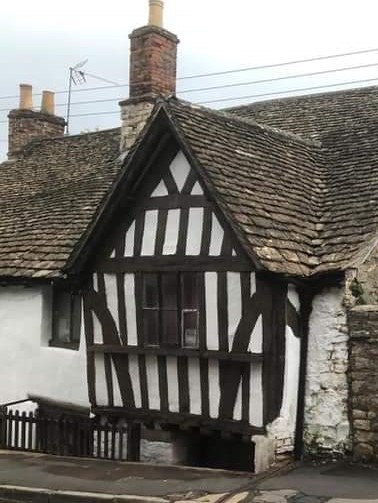
Ozleworth Park
8.6 km
Discover the serene beauty and historic charm of Ozleworth Park, a tranquil Cotswold escape with lush gardens and a unique circular graveyard.
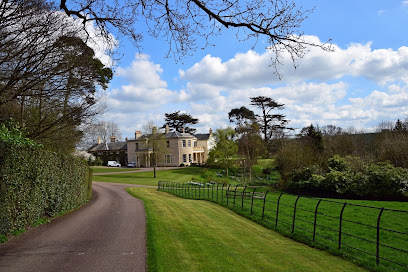
Wotton Hill
8.8 km
Explore Wotton Hill’s scenic Cotswold escarpment with ancient woodlands, historic landmarks, and sweeping views to Wales on clear days.
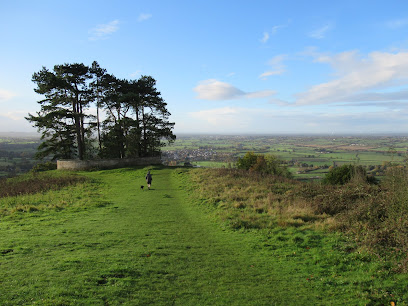
Westonbirt, The National Arboretum
9.2 km
Explore 600 acres of global tree species, seasonal wonders, and tranquil paths at Westonbirt, the UK's premier National Arboretum.
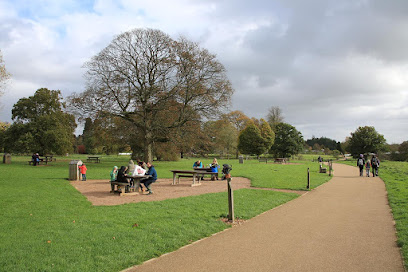
National Trust - Dyrham Park
9.6 km
Explore Dyrham Park’s majestic 17th-century mansion, vast deer-filled parkland, and elegant gardens for a serene blend of history and nature.
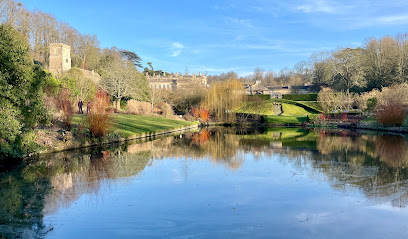
William Tyndale Monument
10.8 km
Explore the William Tyndale Monument, a historic tribute to the English Reformation, offering stunning views and a serene hiking experience.
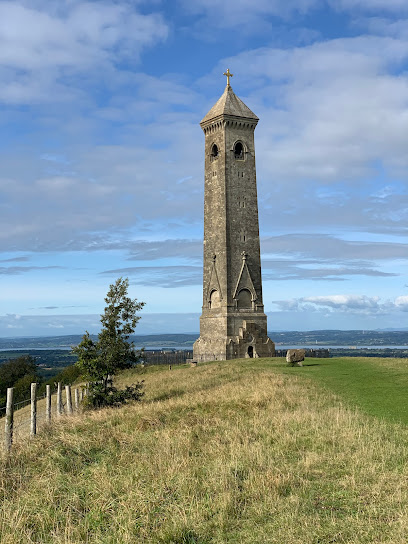
Castle Combe
10.9 km
Step into Castle Combe, a timeless Cotswold village famed for its honey-hued stone cottages, medieval charm, and serene rural beauty.

Highgrove Gardens
12.8 km
King Charles III's organic masterpiece: four decades of horticultural innovation in the Cotswolds.
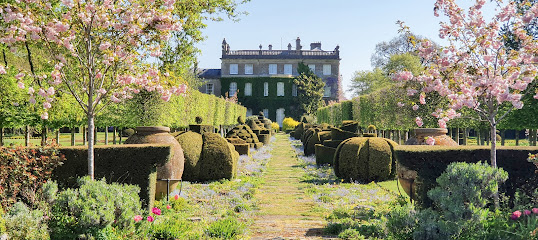
The Dining Room at Whatley Manor
13.3 km
Experience Michelin-starred sustainable fine dining with creative seasonal menus in the elegant setting of Whatley Manor’s Dining Room.
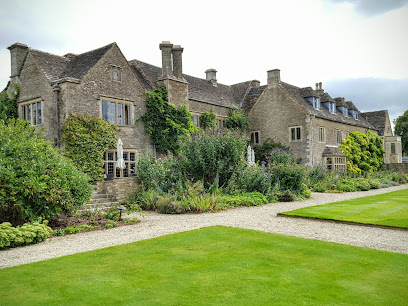
Cam Peak
14.1 km
Discover Cam Peak’s breathtaking views, wildflower meadows, and ancient hillfort on a scenic Cotswold Way walk near Dursley.
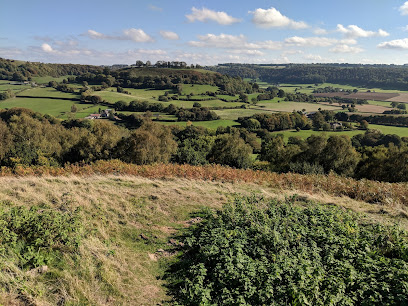
Uley Long Barrow (Hetty Pegler's Tump)
15.2 km
Explore a 5,000-year-old Neolithic burial mound with ancient chambers and stunning Severn Valley views at Uley Long Barrow, Gloucestershire.
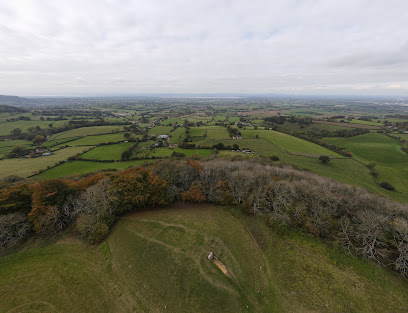
Berkeley Castle
16.1 km
Explore Berkeley Castle, a Norman fortress lived in by the same family for over 850 years, steeped in royal history and medieval charm.
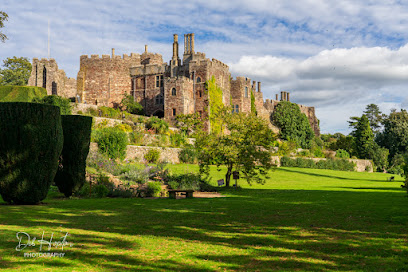
Dr Jenner's House
16.3 km
Step into the home of Edward Jenner, the pioneer of vaccination, and explore the historic site where smallpox was defeated.
Essential places to dine

Bybrook
10.7 km
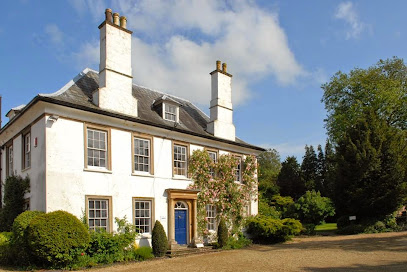
Michelin-starred modern British fine dining in a historic Cotswold manor with fresh, seasonal produce from its own kitchen garden.
Grey's Brasserie
13.3 km
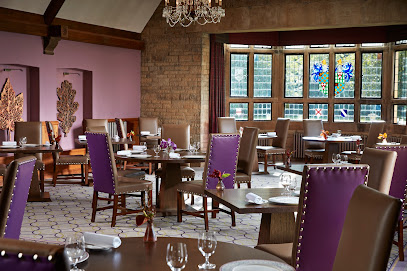
Sophisticated yet relaxed dining at Whatley Manor, featuring globally inspired small plates and traditional Sunday roasts in a stunning Cotswolds setting.
Wilder
16.7 km
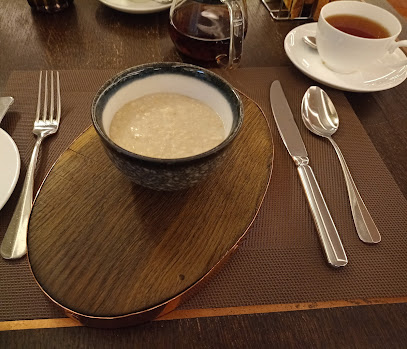
Discover an intimate fine dining adventure in Nailsworth with inventive tasting menus and expertly paired wines at Wilder.
Bathampton Mill Bath
18.2 km
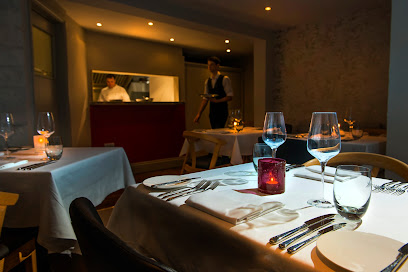
Historic riverside gastropub blending traditional British charm with scenic views and modern dining near Bath.
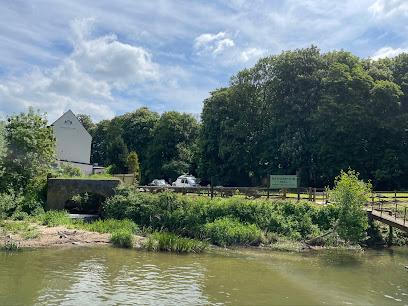
The Lock Up
18.7 km
A relaxed neighbourhood restaurant in East Bristol serving seasonal modern British food with warmth and style.
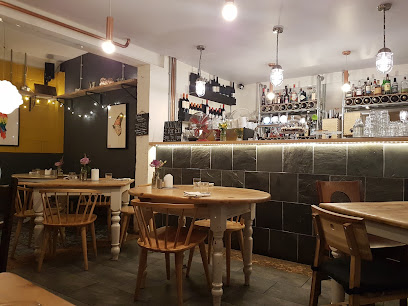
Bathwick Boatman Riverside
19.3 km
Charming riverside dining in Bath’s historic boathouse, serving fresh seasonal dishes with warm, family-run hospitality.
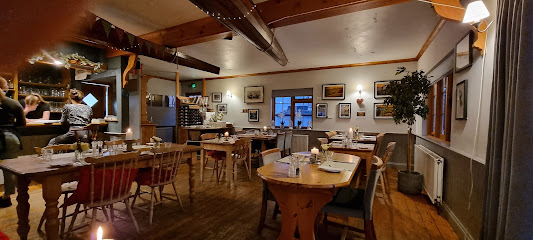
Hudson Steakhouse
19.4 km
Experience expertly aged steaks and Victorian charm in Bath’s beloved Hudson Steakhouse, where tradition meets refined dining.
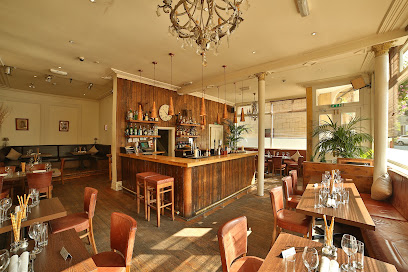
Restaurant at The Bath Priory
19.5 km
Elegant French and British dining in a charming country house setting with exquisite cuisine and a superb wine list in historic Bath.
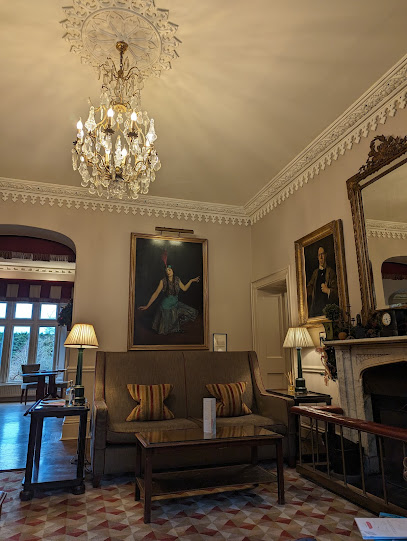
The Bath Priory
19.5 km
Elegant 5-star country house hotel in Bath offering fine dining, award-winning gardens, spa, and a serene escape near the city centre.
Montagu's Mews
19.7 km
Contemporary British fine dining in a Georgian setting, where seasonal ingredients and technical mastery meet genuine hospitality.
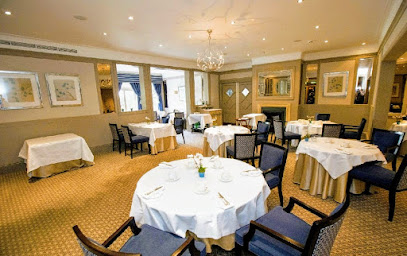
Olive Tree Restaurant
19.7 km
Bath’s only Michelin-starred restaurant, where seasonal British ingredients shine in inventive, multi-course tasting menus beneath the Queensberry Hotel.
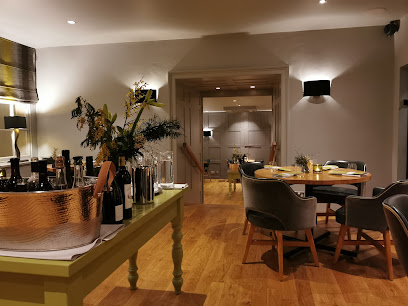
Henry's Restaurant Bath
19.8 km
Intimate Georgian fine dining celebrating seasonal British cuisine with worldly influences and zero-waste principles.
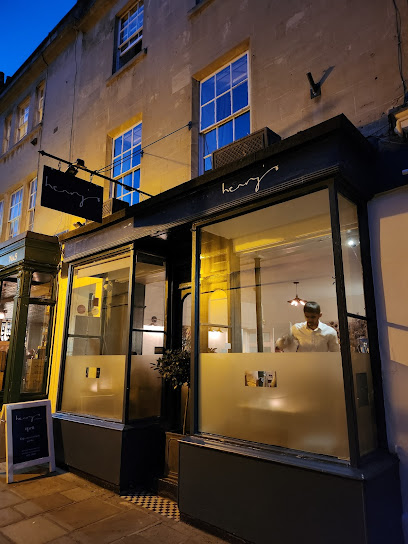
Crescent Restaurant & Bar Bath
19.8 km
A cozy, family-run restaurant near Bath’s Royal Crescent serving fresh, seasonal dishes with local ingredients in a warm, inviting setting.
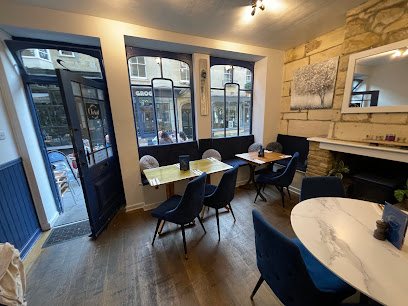
The Circus Restaurant
19.8 km
Classic Georgian charm meets seasonal European cuisine in a warm, relaxed setting between Bath’s iconic Circus and Royal Crescent.
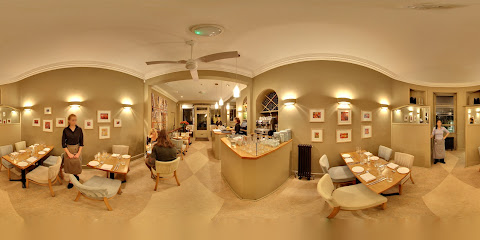
Woods Restaurant
19.8 km
Family-run modern British bistro with French technique and locally sourced ingredients, opposite Bath's Assembly Rooms.
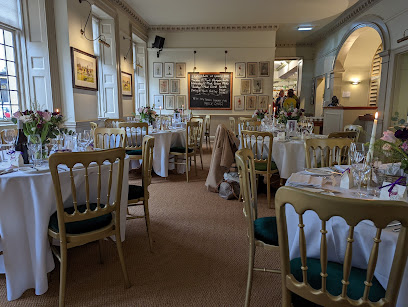
Markets, malls and hidden boutiques

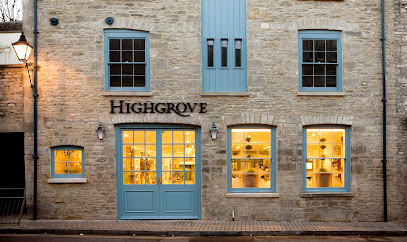
Highgrove Shop - Tetbury
14.8 km
Exclusive royal estate boutique offering sustainable crafts, fine china, and artisan gifts inspired by King Charles III’s Highgrove Gardens.
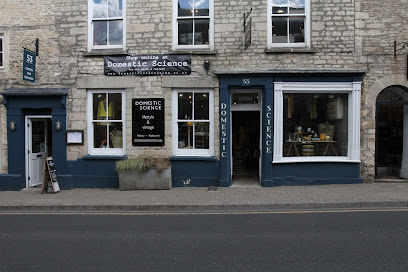
Domestic Science
14.8 km
Discover curated vintage treasures and contemporary homewares in a charming Georgian townhouse at the heart of Tetbury.
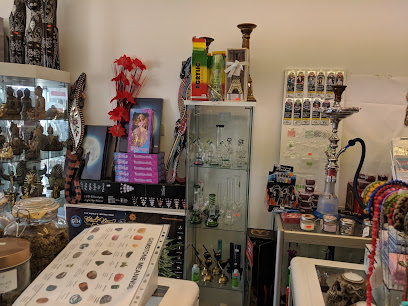
Luxury Smell
15.1 km
Bristol's premier niche fragrance boutique offering expert consultations and exclusive luxury scents.
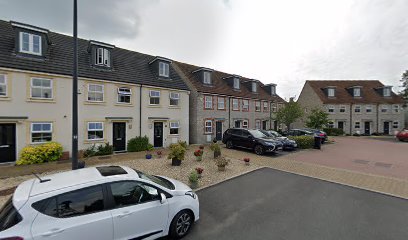
Esse's Dream Gift Shop
16.4 km
A charming independent gift shop in Bristol, full of carefully chosen cards, homewares, and local treasures for every occasion.
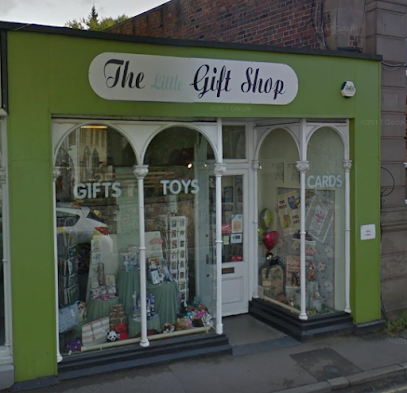
The Little Gift Shop
17.0 km
Curated gifts and local treasures in the heart of Nailsworth's independent retail scene.
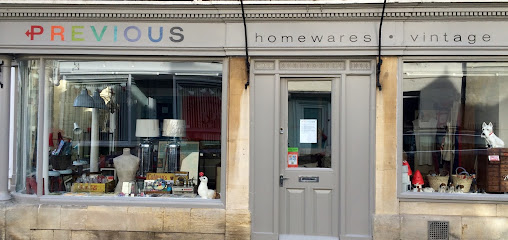
Previous Homewares
18.0 km
Discover quirky gifts, vintage treasures, and beautiful homewares at Corsham’s beloved boutique, Previous Homewares.
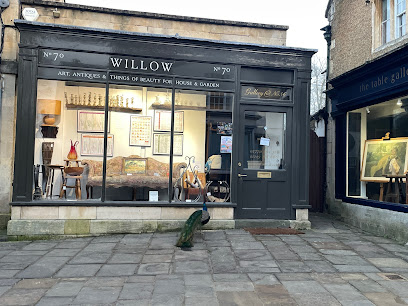
Willow Uk Ltd
18.0 km
Discover timeless gifts, antiques, and design inspiration at Willow UK Ltd, Corsham’s boutique blending art and heritage.
All Good Things Outlet Bristol
18.3 km
Discover affordable luxury and timeless fashion at All Good Things Outlet Bristol, where premium clothing gets a stylish second chance.

Wadswick Country Store
18.8 km
Wiltshire’s premier country store offering expert equestrian gear, outdoor clothing, and rural lifestyle essentials in a scenic countryside setting.

BAM Store + Space
18.8 km
Discover unique gifts and local artistry at BAM Store + Space, Easton’s vibrant hub for creativity and community.
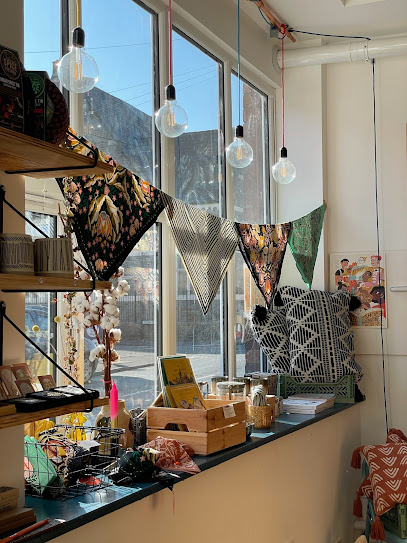
Born in Bristol
19.0 km
Discover unique local gifts and authentic Bristol charm at Born in Bristol, Redfield’s beloved independent gift shop.
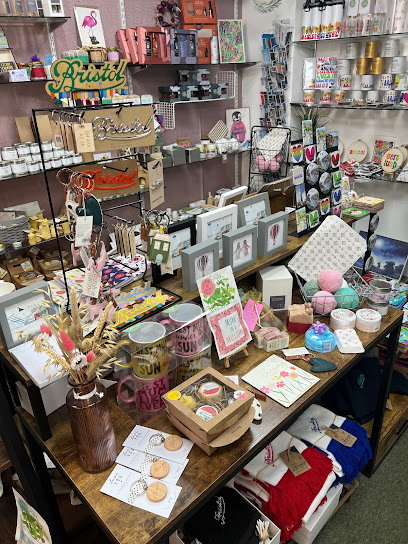
Emery Gate Shopping Centre
19.3 km
Chippenham’s only covered shopping centre offering national brands, local shops, cafes, and ample parking in a convenient central location.

The Yellow Shop
19.8 km
Discover timeless vintage fashion and unique accessories in Bath’s creative Walcot Street at The Yellow Shop.

BIBICO
19.9 km
Discover timeless, ethically made women’s fashion at BIBICO, Bath’s pioneering boutique for sustainable and artisan-crafted clothing.
Fat Giraffe Gifts
19.9 km
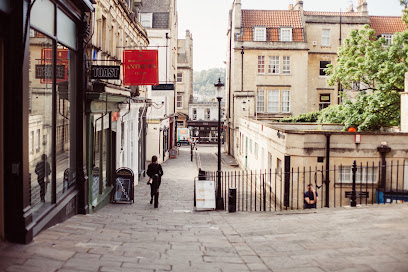
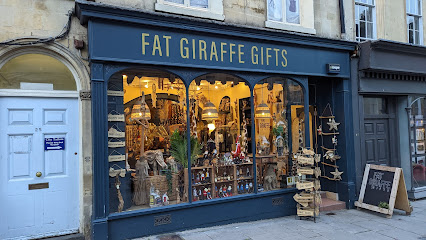
Discover unique, handcrafted wooden gifts with a sustainable heart at Bath’s welcoming Fat Giraffe Gifts on Milsom Street.
Essential bars & hidden hideouts

The Full Glass Bar
10.7 km
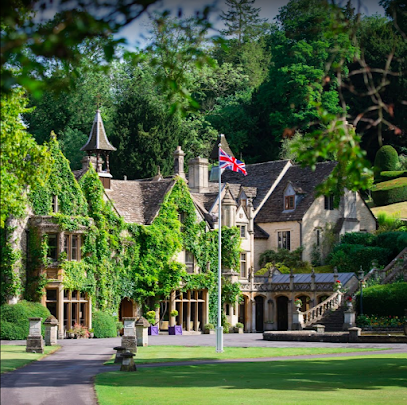
Historic charm meets modern luxury at The Full Glass Bar, a refined cocktail and wine haven in Castle Combe’s iconic Manor House.
Melt Bars - Mobile Event & Cocktail Bars
14.9 km
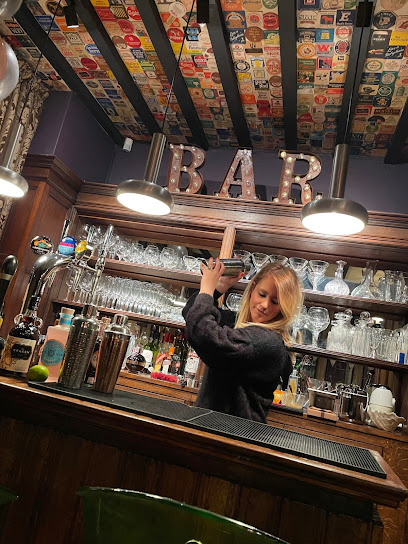
Bespoke handcrafted mobile bars and expert cocktail service tailored for events across the UK from Chippenham’s premier specialists.
The Smoking Dog
16.8 km
A welcoming traditional pub in Malmesbury serving hearty classics and fine ales in a cozy, dog-friendly setting.
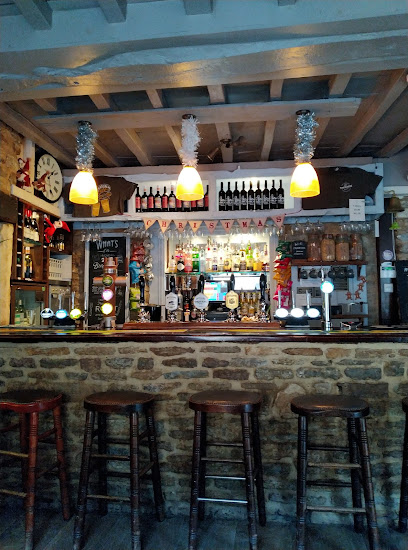
The Quarrymans Arms, Box Hill
17.1 km
Charming countryside pub and boutique inn on Box Hill with stunning views, hearty local fare, and cozy rooms near Corsham and Bath.
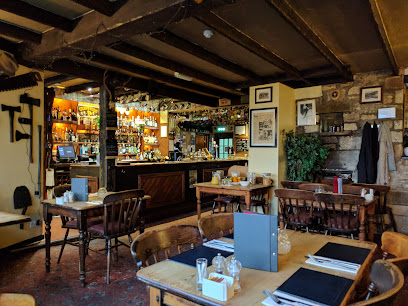
The Weighbridge Inn
17.2 km
Historic 17th-century Cotswolds pub famed for its unique 2in1 pies, local ales, and warm, rustic charm.
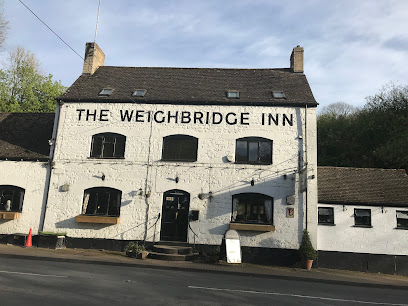
The Wellesley Arms
18.7 km
Historic coaching inn turned gastropub offering hearty British fare and cozy village charm in Sutton Benger near Chippenham.
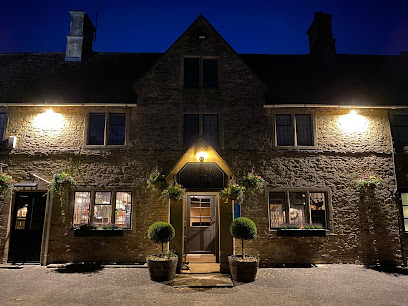
The Old Crown Inn
18.9 km
A charming traditional British pub near Bath offering hearty fare, real ales, and a warm, welcoming atmosphere in historic Kelston.
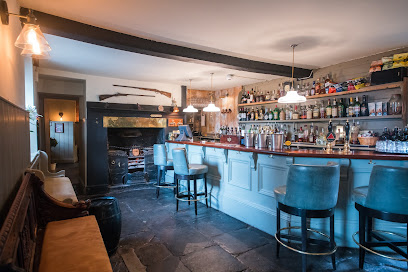
Old Road Tavern
19.0 km
A traditional Chippenham pub with quality ales, lively music, and a welcoming garden, cherished by locals and visitors alike.
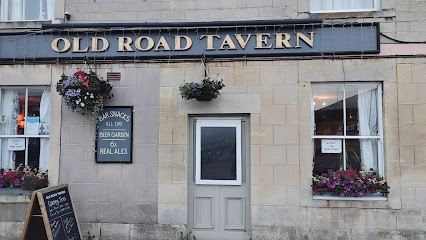
The Cellar by Wine Monkey
19.3 km
A boutique wine bar and shop in Chippenham offering expertly curated wines, small plates, and a cozy, stylish atmosphere for wine lovers.
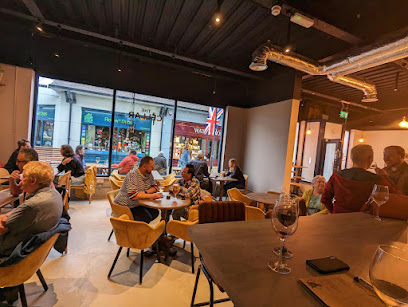
The Flying Monk
19.5 km
A friendly and lively pub in Chippenham’s Market Place, renowned for craft ales, community events, and warm hospitality.
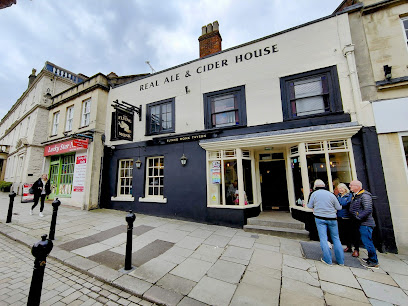
Saint James Wine Vaults
19.6 km
Authentic Bath pub blending historic charm with vibrant live music and creative community spaces.
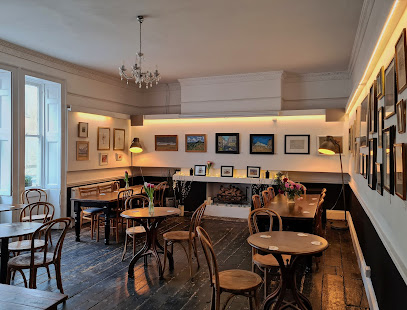
Walcot House
19.8 km
A stylish fusion of historic charm, seasonal dining, craft cocktails, and vibrant nightlife in the heart of Bath’s Walcot Street.
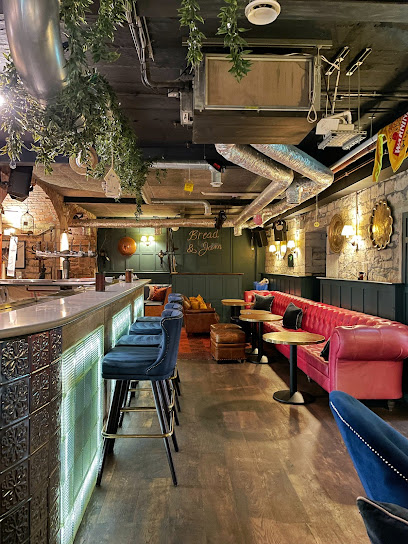
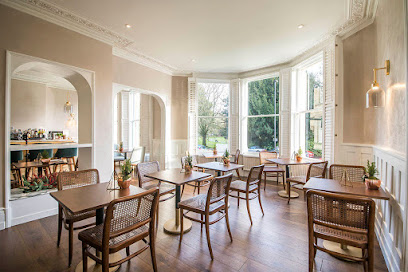
Henrietta Restaurant, Bar & Garden
19.8 km
Elegant dining and classic Afternoon Tea in a charming historic villa with a tranquil garden terrace in the heart of Bathwick.
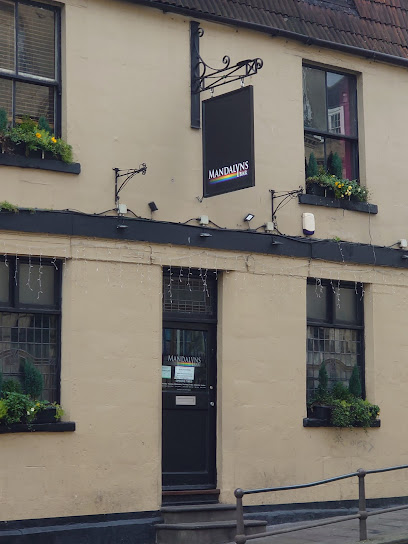
Mandalyns Bath
19.8 km
Bath’s oldest gay bar, Mandalyns offers vibrant LGBTQ+ nightlife with drag shows, karaoke, and a welcoming atmosphere in historic Fountain Buildings.
The Three Crowns
19.8 km
A lively, traditional pub in Chippenham known for real ales, live music, and a welcoming community spirit.
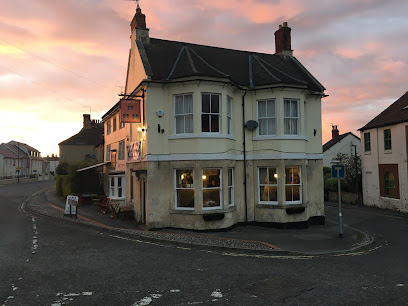
Nightclubs & after hour spots

Capones
13.2 km
Historic nightclub in Dursley with legendary ties to Al Capone, offering vibrant weekend nightlife and pulsating music.
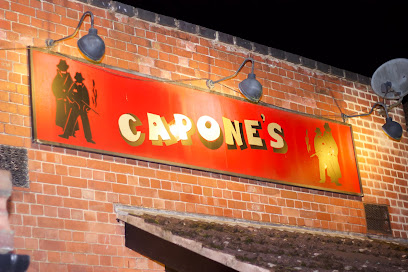
E11evn's Nightclub
19.2 km
A lively late-night hotspot in Chippenham offering weekend clubbing with a spirited local vibe and energetic dance floors.

Lomah
19.8 km
Experience Bath’s industrial-chic nightlife at Lomah, a stylish underground club with hip hop beats and a laidback vibe for 21+ guests.
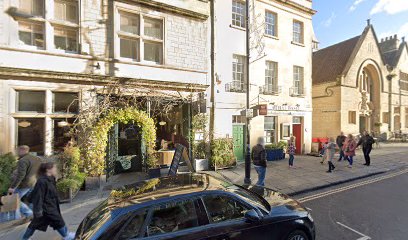
Zero / Zero
19.9 km
Experience Bath’s vibrant nightlife at Zero / Zero, a cozy nightclub and cocktail lounge with a lively atmosphere and late-night beats.
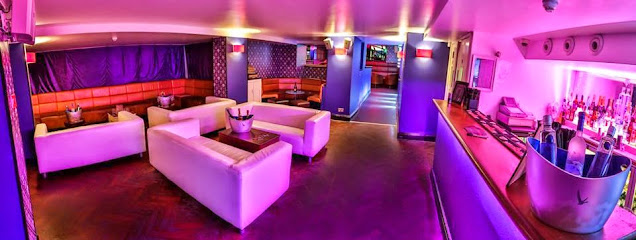
Sub 13
19.9 km
Bath’s award-winning cocktail bar and nightclub offering masterclasses, vibrant nightlife, and a heated terrace in a stylish three-floor venue.
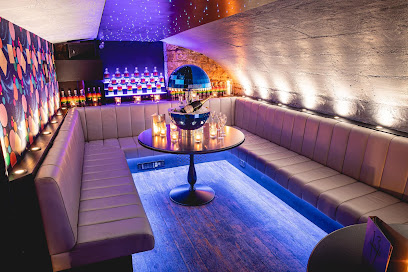
Komedia
20.3 km
Bath’s vibrant community-owned venue offering comedy, live music, cabaret, and more in a beautifully restored historic cinema.
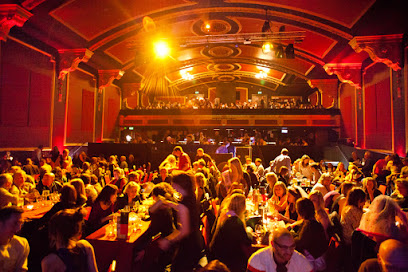
Dare to Club
20.4 km
Experience Bristol’s vibrant, inclusive nightlife at Dare to Club, where diverse music and welcoming vibes create unforgettable nights.
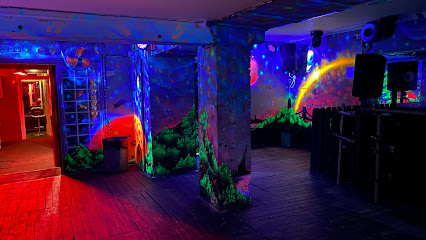
Labyrinth Bar & Nightclub
20.4 km
Experience Bath’s vibrant nightlife at Labyrinth Bar & Nightclub with four unique rooms, eclectic music, and a lively social atmosphere.

The Tub
20.5 km
A vibrant student nightclub on University of Bath campus, perfect for dancing, socializing, and late-night fun in a lively, welcoming atmosphere.
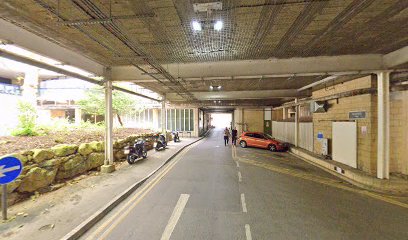
Second Bridge
20.6 km
A lively nightclub in Bath offering cocktails, shisha, and a buzzing beer garden for vibrant nightlife experiences.
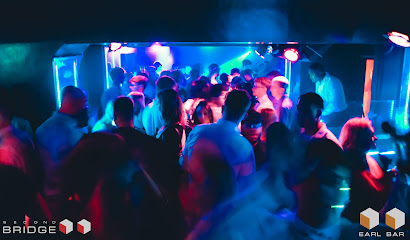
Lakota
20.7 km
Bristol's gritty heartbeat: underground raves, thunderous bass, and nights that blur into dawn at this St Paul's legend.

Motion
20.8 km
Bristol’s iconic warehouse nightclub, Motion, pulses with underground beats and community spirit, celebrating decades of electronic music culture.

The Loco Klub
21.2 km
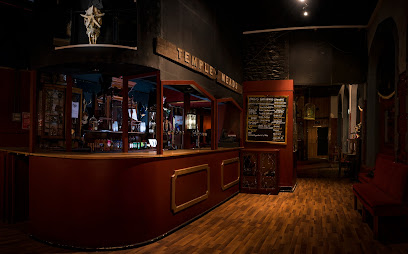
An atmospheric subterranean arts venue in Brunel’s Temple Meads arches, where tunnels, brick vaults and intimate soundscapes host club nights, theatre and live music.
Popworld - Bristol
21.6 km
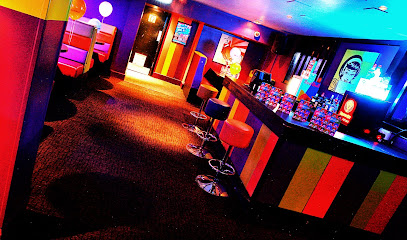
Dance to 90s and 00s pop anthems under neon lights at Bristol's ultimate nostalgic nightclub, where cheesy hits and POPTAIL cocktails fuel epic nights out.
Forró Bristol
21.6 km
Ignite your night with Brazilian forró rhythms: partner dances, live bands, and sweaty joy in Bristol's beating heart.

For the vibe & atmosphere seeker
- Tranquil
- Scenic
- Unique
- Relaxing
- Romantic
For the design and aesthetic lover
- Vintage Styles
- Rustic Designs
For the architecture buff
- Historic
- Landmarks
- Heritage Neighborhoods
For the view chaser and sunset hunter
- Iconic Views
- Panoramas
For the social media creator & influencer
- Instagrammable
- Photo Spots
- Architectural Shots
For the eco-conscious traveler
- Sustainable
- Public-Transport Accessible
- Locally Managed
For the kind of experience you’re after
- Cultural Heritage
- Weekend Getaway
- Day Trip
- Nature Escape
For how adventurous you want the journey to be
- Easy Access
Location Audience
- Family Friendly
- Senior Friendly
- Couple Friendly
- Solo Friendly
- Pet Friendly


