
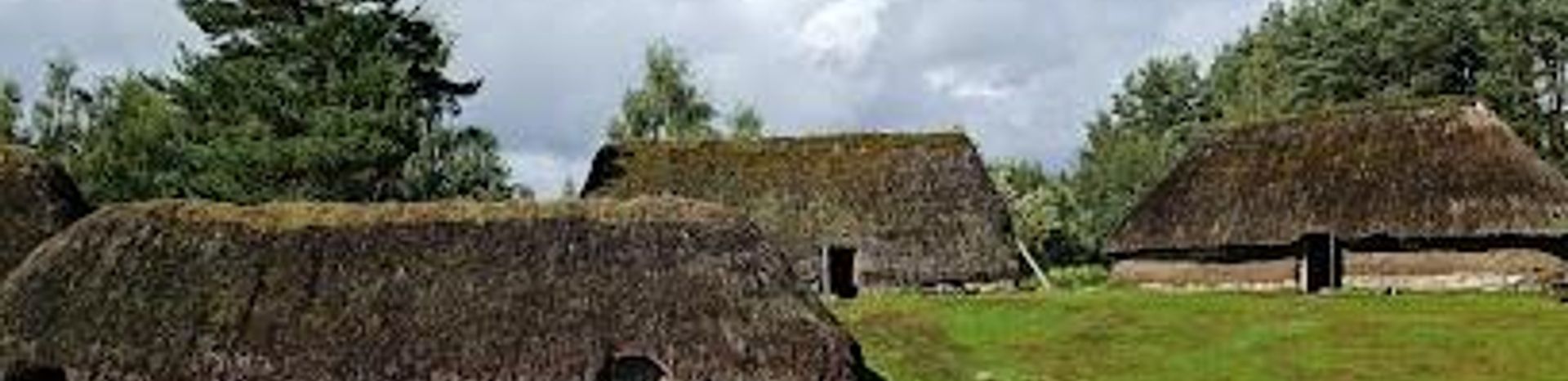
Highland Folk Museum, Newtonmore
Step back in time at Britain’s first open-air museum, where Highland history and heritage come alive across an 80-acre living landscape.
The Highland Folk Museum in Newtonmore is Britain’s first open-air museum, showcasing life in the Scottish Highlands from the 1700s to the 1950s. Spread across an 80-acre site with over 35 historic buildings, it offers immersive living history experiences, including a recreated 1700s Highland township featured in Outlander. Visitors can explore traditional homes, a schoolhouse, a sweet shop, and a working croft, alongside natural woodland habitats rich in wildlife.
A brief summary to Highland Folk Museum
- Aultlarie Croft, Kingussie Rd, Newtonmore, PH20 1AY, GB
- +441349781650
- Visit website
- Duration: 2 to 5 hours
- Free
-
 Outdoor
- Mobile reception: 4 out of 5
Local tips
- Allow at least 3 to 5 hours to explore the entire museum comfortably, including the 1700s township and natural trails.
- Bring weather-appropriate clothing—rain gear for wet days and sun protection for sunny weather—as much of the museum is outdoors.
- Visit Kirk’s Stores sweet shop for traditional Scottish sweets sold by the quarter; bring some change for purchases.
- Check seasonal opening times before visiting; the museum is open April to October and closed in winter.
- Dogs on short leads are welcome as part of the museum’s 2025 trial, but always check current pet policies ahead of your visit.

For the on-the-go comforts that matter to you
- Restrooms
- Drink Options
- Food Options
- Seating Areas
- Picnic Areas
- Trash Bins
- Information Boards
- Visitor Center
Getting There
-
Car
Driving from Inverness or Aviemore, the museum is about a 40 to 60-minute journey via the A9. Parking is available onsite for a flat fee (£2 per car), payable by card or coins. Note that parking charges support museum maintenance.
-
Bus
Local bus services connect Newtonmore and Kingussie to the museum area, with a 15 to 25-minute walk from the nearest stop. Bus frequency varies seasonally, so check local timetables in advance.
-
Train and Walk
The nearest train station is Newtonmore, approximately 3 km from the museum. From there, a 30 to 40-minute walk on mixed terrain leads to the museum entrance. Suitable footwear is recommended.
-
Taxi
Taxis from Newtonmore or Kingussie offer a convenient 5 to 10-minute ride to the museum. This option is useful for visitors with limited mobility or those short on time; fares typically range from £8 to £15.
Highland Folk Museum location weather suitability
-
 Any Weather
-
 Rain / Wet Weather
-
 Clear Skies
-
 Mild Temperatures
Discover more about Highland Folk Museum
A Living History Experience of the Scottish Highlands
The Highland Folk Museum is a unique open-air museum located on Kingussie Road in Newtonmore, set within an expansive 80-acre site stretching about a mile long. It vividly brings to life the domestic and working conditions of Highland people from the early 18th century through to the mid-20th century. The museum features over 35 historic buildings, many relocated to the site to preserve rare architectural styles and cultural heritage. These include traditional timber-framed cottages, a farmhouse with vintage agricultural machinery, a village shop, shepherd's bothy, schoolhouse, church, tailor’s shop, sawmill, and a sports pavilion. Each building is carefully furnished and maintained to reflect the era it represents, with some staffed by costumed actors who provide engaging demonstrations and storytelling.The 1700s Township and Outlander Connection
At one end of the museum lies the recreated 1700s Highland township known as Baile Gean, a collection of basic “black houses” constructed using traditional methods. This area offers a rare glimpse into the lives of Highland crofters and was used as a filming location for the popular TV series Outlander. Visitors can meet actors portraying 18th-century Highlanders who explain the function of each building and share stories of Highland life. The township’s authentic atmosphere is enhanced by the smells of peat fires and the rustic sounds of rural life, making it a deeply immersive experience.Natural Setting and Wildlife
The museum is set within beautiful natural surroundings, including a pinewood forest that is a recognized habitat for red squirrels and other native wildlife. Walking paths connect the various buildings and areas, providing scenic views and opportunities for nature spotting. The site’s blend of cultural heritage and natural environment invites visitors to enjoy both history and the outdoors, with picnic areas and a children’s play park enhancing its family-friendly appeal.Visitor Facilities and Accessibility
Facilities at the Highland Folk Museum include a cafe, gift shop, and the charming Kirk’s Stores sweet shop, which sells traditional sweets by the quarter. Public restrooms and baby changing facilities are available near the main reception and throughout the site. While the museum covers a large area with varied terrain, paths are generally suitable for wheelchairs, though some older buildings have limited accessibility. Dogs on short leads are welcome as part of a recent trial. The museum operates seasonally from April to October, with no admission charge but a parking fee applies to support its upkeep.Educational and Cultural Significance
The Highland Folk Museum serves as an important cultural resource preserving Highland traditions, crafts, and ways of life that have largely disappeared. Its interactive exhibits and live demonstrations allow visitors to engage directly with Scotland’s rural history, from crofting and farming to schooling and local trades. The museum’s dedication to authenticity and education makes it a valuable destination for families, history enthusiasts, and those interested in Scottish heritage.Planning Your Visit and Seasonal Notes
Visitors are advised to allocate 3 to 5 hours to fully explore the museum’s extensive grounds and exhibits. Weather can be variable, so appropriate clothing for rain or sun is recommended. The museum closes for winter from late October to early April. Donations are welcomed to support the museum’s ongoing conservation and educational efforts. Pre-booking is recommended for group visits. The Highland Folk Museum continues to attract repeat visitors who appreciate its rich storytelling and tranquil setting.Iconic landmarks you can’t miss

Centre of Scotland Stone
7.2 km
Discover the symbolic heart of mainland Scotland marked by a majestic stone set amidst the tranquil Highlands near Newtonmore.
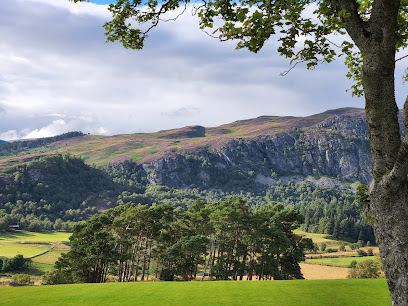
Soldiers Head
27.9 km
Discover Soldiers Head near Inverness, a natural Highland landmark steeped in history and local legend, offering stunning views and cultural significance.
Fort Augustus Lighthouse
35.6 km
Discover the charming Pepperpot Lighthouse, a tiny historic beacon marking the entrance to the Caledonian Canal at Loch Ness in the heart of the Scottish Highlands.
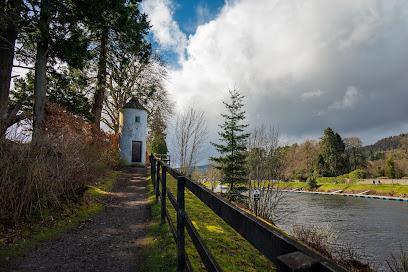
Bridge of Oich
38.9 km
Victorian engineering marvel: a rare surviving taper-principle suspension bridge from 1854.
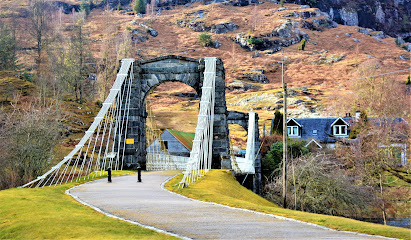
Drumdevan Country House, Inverness
42.2 km
Historic Victorian charm meets tranquil Highland surroundings just minutes from Inverness and Loch Ness.
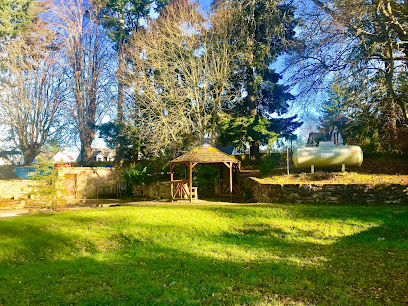
Highland Scenery
43.0 km
Discover the mesmerizing landscapes of Highland Scenery, a photographer’s dream in the heart of the Scottish Highlands.
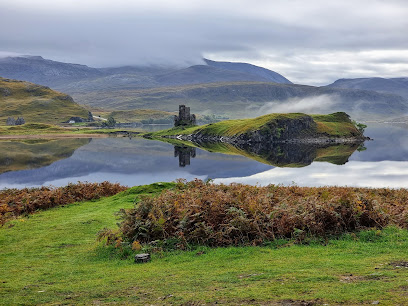
Lochardil House
43.6 km
Historic charm meets peaceful gardens and warm hospitality in this cozy Inverness retreat with excellent dining and modern comforts.
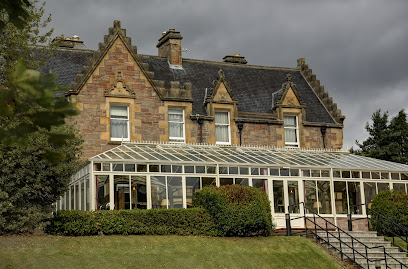
Whin Park
44.2 km
Experience the tranquility of Whin Park in Inverness, a perfect blend of nature, recreation, and family fun in the heart of the Scottish Highlands.
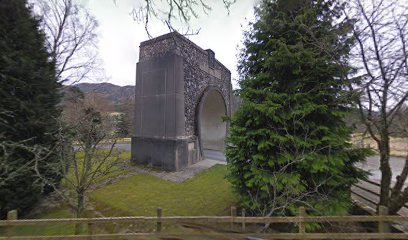
Clunie Memorial Arch
44.3 km
A solemn stone arch in Perth and Kinross honoring the men who sacrificed their lives building one of the UK's largest water tunnels.
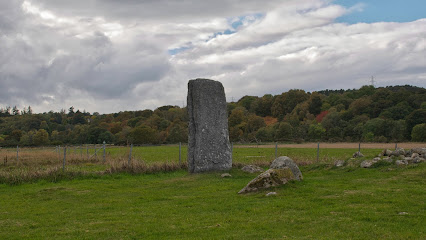
Milton of Clava
44.3 km
Explore ancient Bronze Age burial cairns and standing stones in a serene Scottish setting near the historic Culloden Moor.
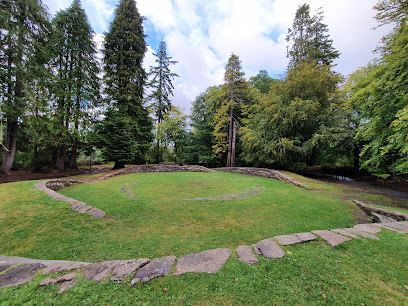
Circle of Wise
44.4 km
Discover the Circle of Wise, a stunning tourist attraction on Great Glen Way, blending natural beauty with vibrant cultural events in Inverness.
Inverness Botanic Gardens
44.5 km
Discover the enchanting beauty of Inverness Botanic Gardens, a vibrant sanctuary filled with exotic plants and tranquil landscapes in the heart of the Highlands.
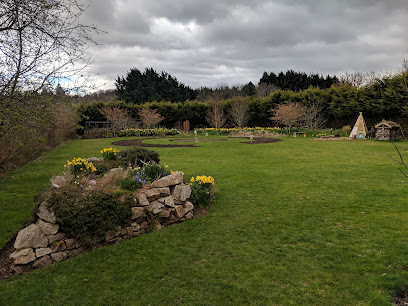
Ness Islands
44.5 km
Experience the natural beauty of Ness Islands in Inverness, Scotland, a tranquil retreat with picturesque paths, vibrant wildlife, and stunning river views.
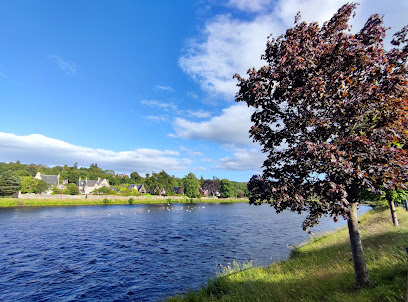
The Enchanted Forest, Pitlochry
44.8 km
Experience the breathtaking transformation of Faskally Wood at The Enchanted Forest in Pitlochry, where art and nature create a magical atmosphere.
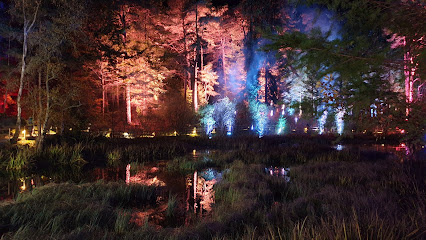
Clava Cairns
44.9 km
Explore Clava Cairns, an ancient burial site near Inverness, rich in history and surrounded by stunning Scottish landscapes.

Unmissable attractions to see

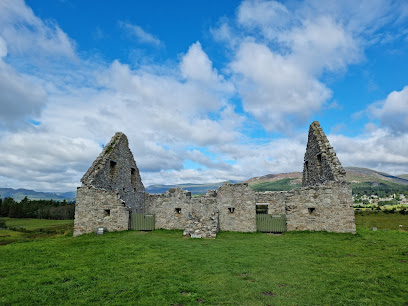
Ruthven Barracks
3.8 km
Explore the evocative ruins of Ruthven Barracks, a commanding 18th-century Highland fortress steeped in Jacobite history and scenic beauty.
Highland Wildlife Park
9.2 km
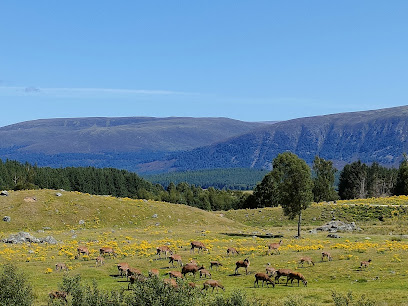
Explore Scotland’s wild heart at Highland Wildlife Park, where rare animals roam free in breathtaking Highland landscapes.
Zip Trek Adventure Park Aviemore
14.3 km
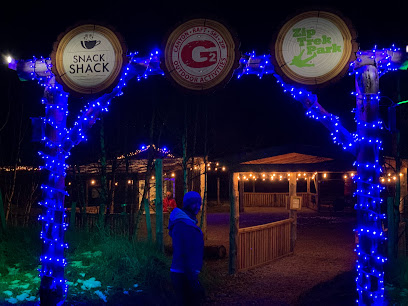
Experience thrilling zip lines across a stunning Scottish gorge in the heart of Aviemore’s ancient pine forests.
Craigellachie National Nature Reserve (Entrance)
20.6 km
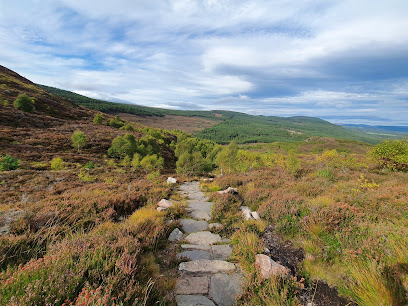
Silver birch sanctuary with summit views, where woodland solitude meets Cairngorms panoramas.
Rothiemurchus
20.8 km
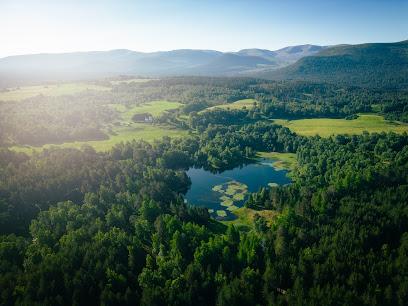
Explore ancient forests, thrilling outdoor adventures, and Highland heritage at Rothiemurchus Estate near Aviemore.
Little Landys, Rothiemurchus
20.8 km
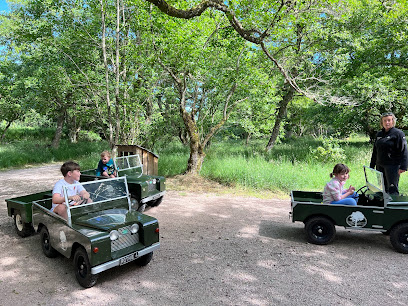
Thrilling off-road driving for kids aged 6-11 on a safe, purpose-built 4x4 track in the heart of Rothiemurchus, Aviemore.
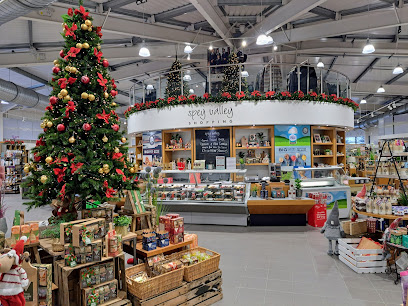
Spey Valley Shopping
20.9 km
Luxury shopping in the heart of Aviemore’s Cairngorms National Park, featuring premium brands, gifts, and a delightful food hall.
VisitScotland Aviemore iCentre
21.1 km
Your welcoming gateway to exploring Aviemore and the Cairngorms with expert advice, bookings, and local insights.
Aviemore
22.0 km
Aviemore, nestled in the Cairngorms, combines rich history, stunning landscapes, and year-round outdoor adventures for every traveler.
Ardverikie Estate
24.9 km
Experience the timeless beauty and cinematic charm of Ardverikie Estate, a vast Highland sanctuary blending heritage, wildlife, and adventure.
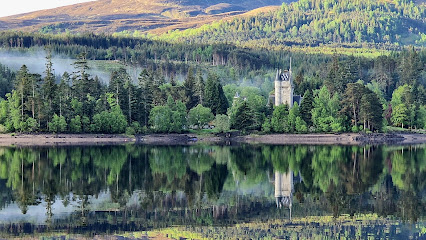
Loch Morlich
26.5 km
A stunning freshwater loch with a sandy beach, nestled beneath the Cairngorm Mountains, offering watersports, walking trails, and breathtaking Highland scenery.
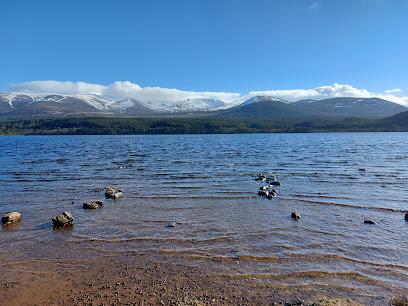
Cairngorm Mountain
27.0 km
Scotland's premier mountain resort where winter skiing meets year-round Highland adventure in the heart of the Cairngorms.
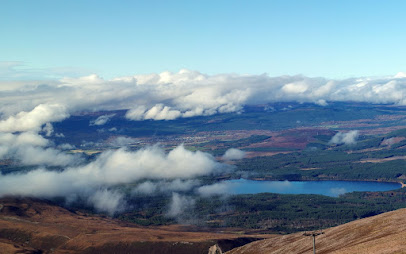
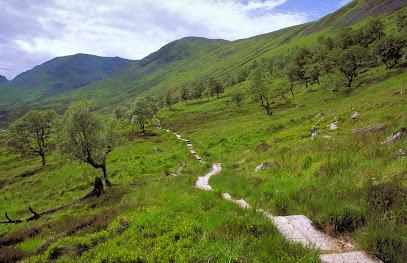
Creag Meagaidh National Nature Reserve
27.2 km
Experience the wild heart of the Highlands at Creag Meagaidh, where rugged mountains meet rare wildlife and ancient woodlands.
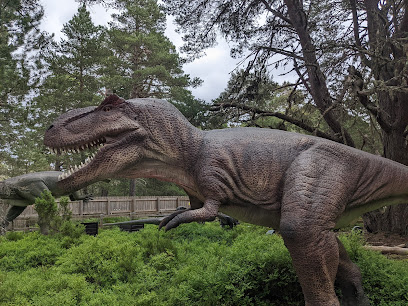
Dinosaur kingdom
29.0 km
Explore life-sized dinosaurs and thrilling adventures in the heart of Scotland’s Cairngorms at Landmark Forest Adventure Park.
Landmark Forest Adventure Park
29.1 km
A family-friendly adventure park blending thrilling attractions and natural beauty in the heart of the Cairngorms National Park.
Essential places to dine

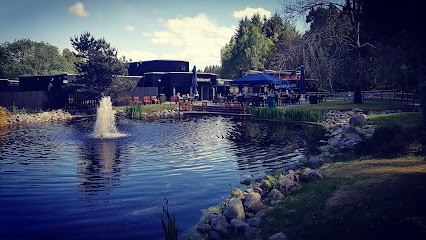
The Boathouse Restaurant Loch Insh
12.1 km
Charming Highland dining with stunning Loch Insh views and hearty Scottish fare at the heart of the Cairngorms outdoor centre.
The Old Bridge Inn
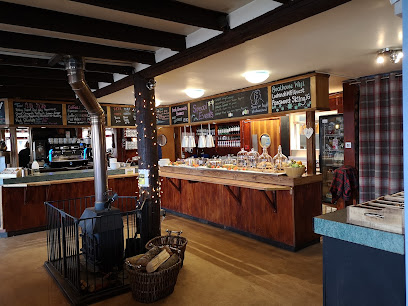
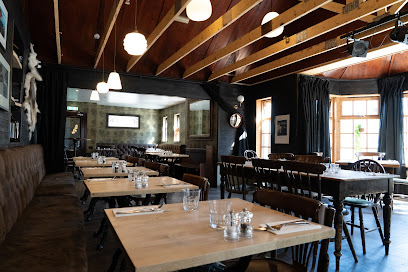
20.7 km
A cozy Highland gastro pub on the River Spey, blending hearty local fare, live music, and warm hospitality in Aviemore.
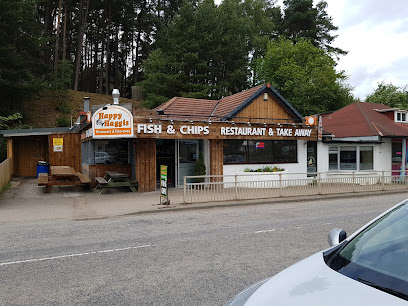
Happy Haggis
20.8 km
Aviemore’s cherished family-run spot serving crispy, delicious fish and chips with warm, friendly service since 1974.
Macduis Speyside Inn Catering Ltd
21.0 km
A welcoming Highland pub in Aviemore serving hearty comfort food with a famously dog-friendly atmosphere and attentive service.
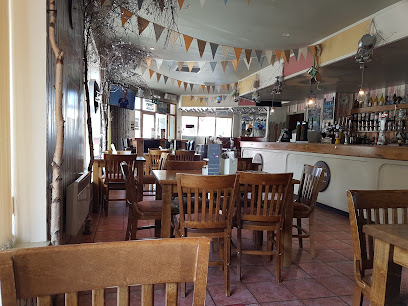
Coylumbridge Hotel
21.4 km
Family-friendly resort nestled in the Cairngorms with pools, adventure parks, and Highland charm for all ages.
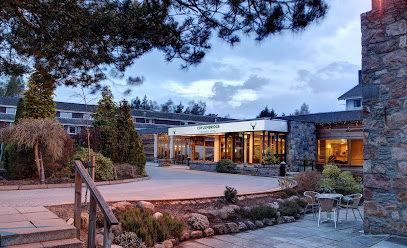
The Winking Owl, Craft Ale Pub & Bar
21.4 km
Discover the charm of The Winking Owl in Aviemore – your go-to spot for craft ales and delightful cuisine amidst stunning Scottish landscapes.
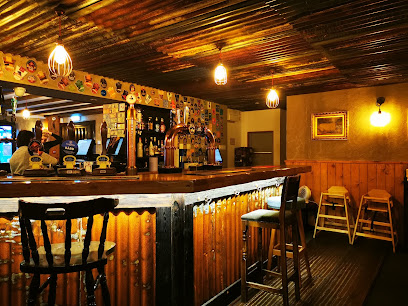
Cairngorm Cafe
27.0 km
Cozy café nestled in Cairngorm Mountain ski area serving hearty seasonal food with stunning Highland views year-round.
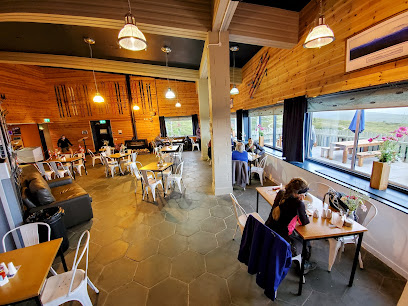
Ptarmigan Restaurant
28.2 km
Dine at the UK’s highest restaurant with panoramic Highland views and hearty local fare atop Cairngorm Mountain.
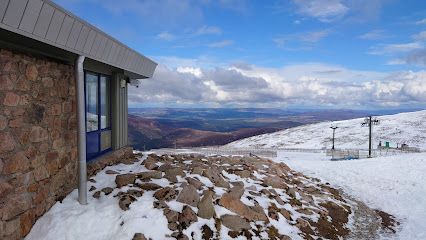
Andersons Restaurant
28.7 km
Cozy and intimate dining in Boat of Garten, blending bistro charm with Scottish flavors for memorable family and special occasions.
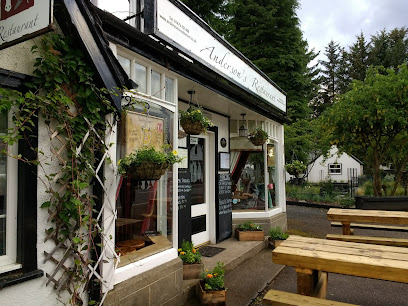
The Boathouse Restaurant
35.6 km
Dine over the waters of Loch Ness with panoramic views and a menu blending Scottish classics and Mediterranean flavors.
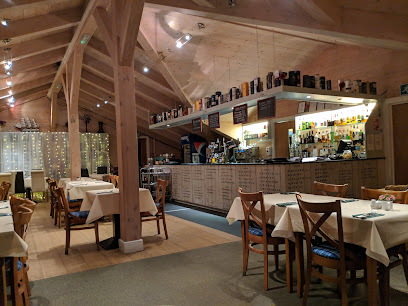
The Moorings Restaurant
35.9 km
Casual canal-side dining with hearty Scottish and Turkish-inspired dishes, generous portions, and friendly service in the heart of Fort Augustus.
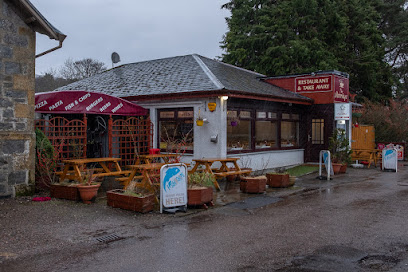
The Lock Inn
36.0 km
Cozy canalside pub with original features, hearty fare, and scenic views in the heart of Fort Augustus, Scotland.
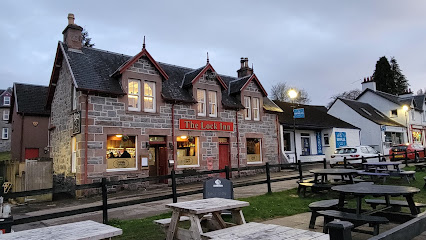
The Lewiston
36.3 km
Experience warm Highland hospitality and hearty Scottish cuisine near the legendary Loch Ness at The Lewiston.
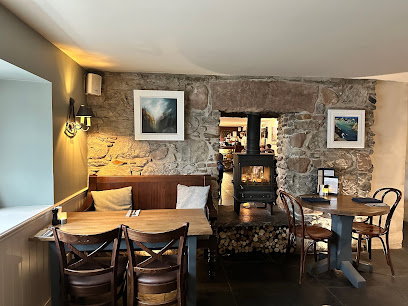
Fiddlers Highland Restaurant
37.3 km
Cozy Highland dining with authentic Scottish flavors and an award-winning whisky selection in the heart of Loch Ness country.
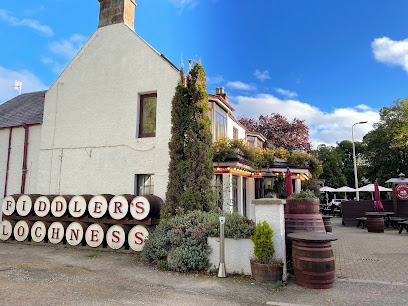
The Loft Restaurant
37.3 km
Experience warm hospitality and fresh Scottish flavors in the scenic Cairngorms at The Loft Restaurant, Blair Atholl’s beloved dining spot.
Markets, malls and hidden boutiques

The Hairy Coo Shop
4.1 km
Discover authentic Scottish charm and unique Highland gifts at The Hairy Coo Shop, a cozy Newtonmore treasure with warm welcomes and fresh sandwiches.
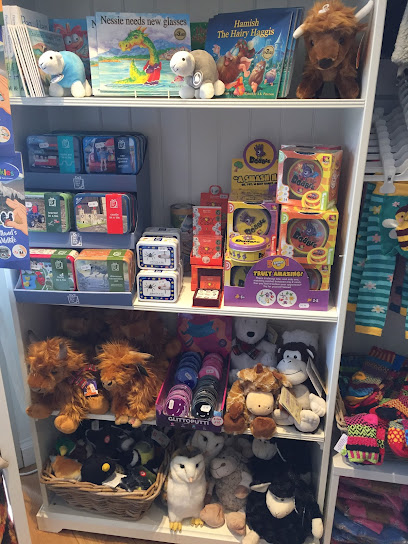
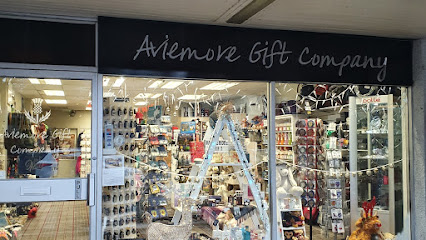
Aviemore Gift Company
21.1 km
Discover authentic Scottish gifts and local crafts in Aviemore’s largest and most welcoming souvenir shop.
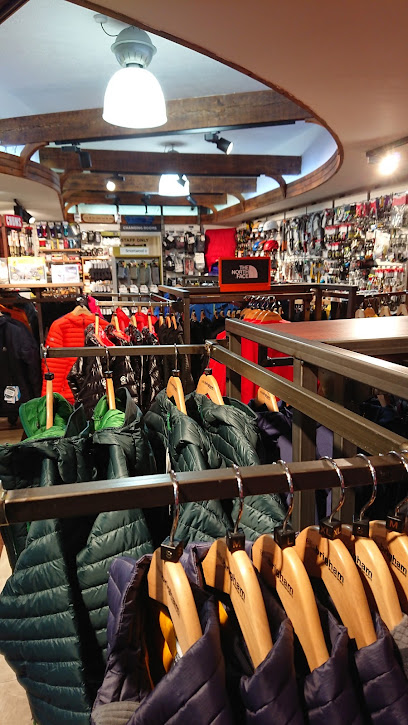
Ellis Brigham - Aviemore
21.1 km
Your expert outfitter for skiing, climbing, hiking, and outdoor adventure in the heart of the Cairngorms National Park.
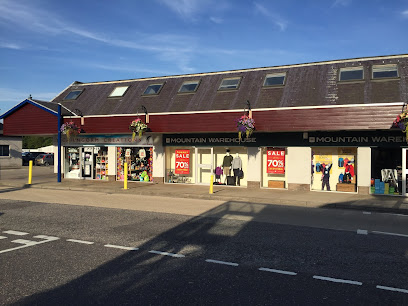
Mountain Warehouse
21.2 km
Your go-to outdoor clothing and equipment store in Aviemore for quality gear and expert advice in the heart of the Highlands.
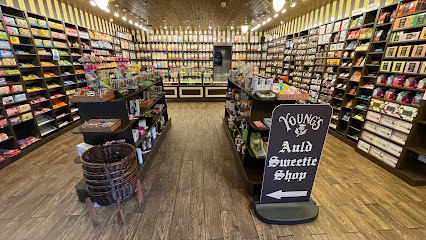
Young's Auld Sweetie Shop
21.2 km
Nostalgic confectionery haven where vintage glass jars and pick-and-mix treasures await in the heart of Aviemore.
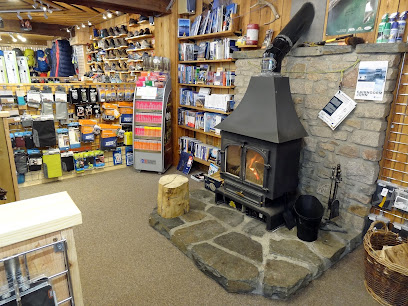
Cairngorm Mountain Sports
21.3 km
Your trusted outdoor sports shop in Aviemore, offering expert gear for alpine touring, climbing, skiing, and Nordic adventures year-round.
Blacks
21.3 km
Your essential outfitter for outdoor adventures in Aviemore, offering expert gear and advice for exploring the Scottish Highlands.
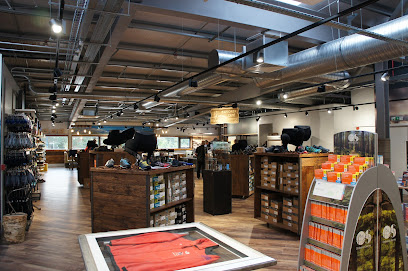
Tiso Aviemore Outdoor Experience
21.3 km
Your one-stop outdoor shop in Aviemore for expert gear, services, and a welcoming café experience in the heart of the Highlands.
Trespass Aviemore
21.3 km
Essential outdoor clothing and equipment in Aviemore, perfect for exploring the Scottish Highlands year-round.
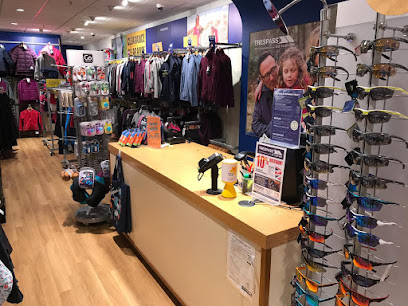
Nevisport
21.3 km
Your expert outfitter for top-quality outdoor gear and advice in the heart of Cairngorm National Park, Aviemore.
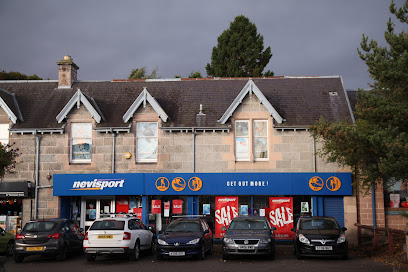
The Snug
21.4 km
Discover authentic Speyside whisky and local art in a cozy, rustic setting at The Snug, Aviemore’s boutique distillery experience.
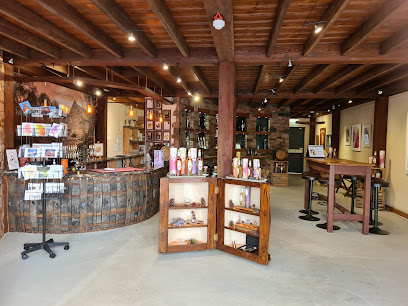
Avi Boutique
21.4 km
Discover stylish local and branded fashion at Avi Boutique, Aviemore’s premier clothing shop in the scenic Cairngorms.
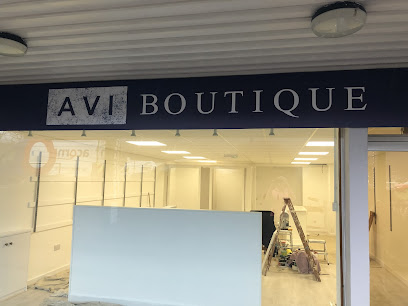
The Shop At The Top
28.2 km
Discover unique Highland crafts and outdoor gear at The Shop At The Top, a charming Aviemore destination nestled in the heart of the Cairngorms.
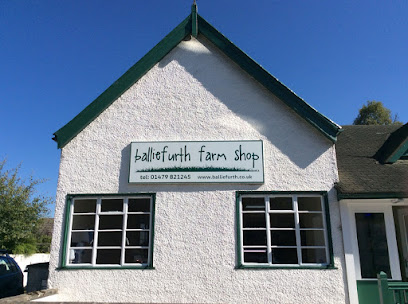
Balliefurth Farm Shop
34.5 km
Highland heritage meets artisan quality in Scotland's Cairngorms—a family-run butcher and farm shop since 1948.
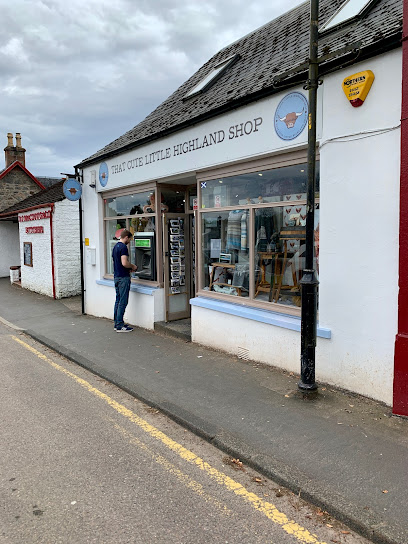
That Cute Little Highland Shop
36.0 km
A charming canal-side gift shop in Fort Augustus offering unique Scottish crafts and contemporary Highland designs.
Essential bars & hidden hideouts

SUIE BAR
11.9 km
Experience authentic Highland hospitality with local ales, whiskies, and live music in the historic heart of Kincraig.
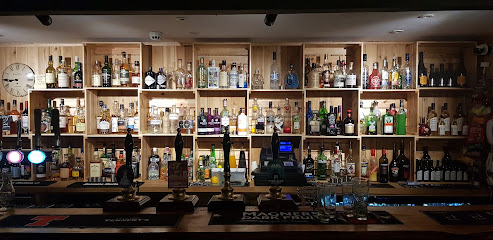
Bar
17.3 km
Experience authentic Highland hospitality in Dalwhinnie’s cozy and traditional bar, a welcoming retreat amidst Scotland’s scenic beauty.
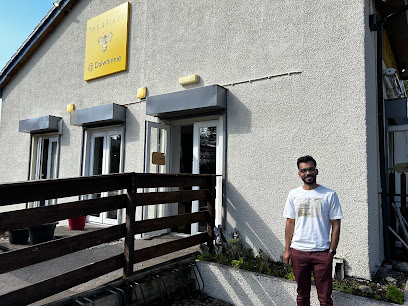
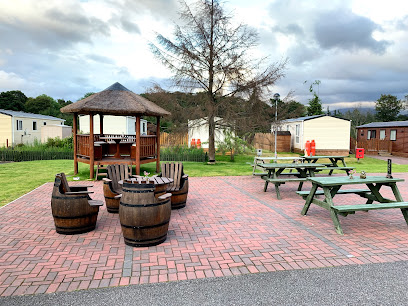
The Aviemore Inn pub and grill
20.4 km
Cozy Highland pub in Aviemore Holiday Park serving hearty home-cooked meals and live music in a warm, family-friendly setting.
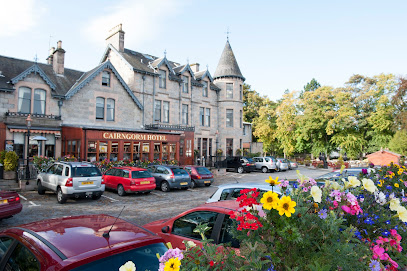
Cairngorm Hotel
21.0 km
Experience warm Scottish hospitality and cozy charm in Aviemore’s Cairngorm Hotel, your gateway to the Highlands.
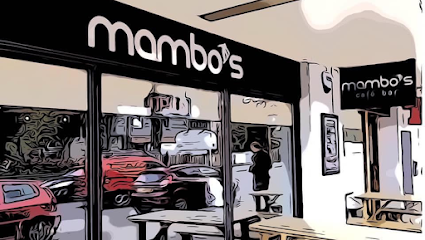
Mambos
21.1 km
Lively Aviemore bar and eatery with diverse menu, friendly vibe, and vibrant nightlife on Grampian Road in the heart of the Scottish Highlands.
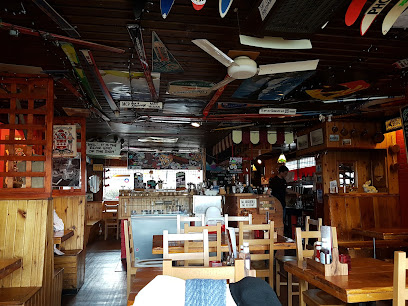
Skiing Doo
21.4 km
A beloved Aviemore bar and restaurant known for hearty British fare and friendly vibes, now closed but fondly remembered.
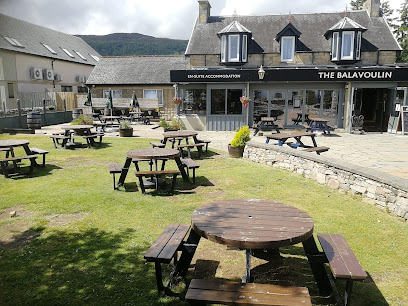
the Balavoulin
21.4 km
A cosy Highland pub and guesthouse in Aviemore offering hearty food, local drinks, and comfortable rooms in a warm, welcoming setting.
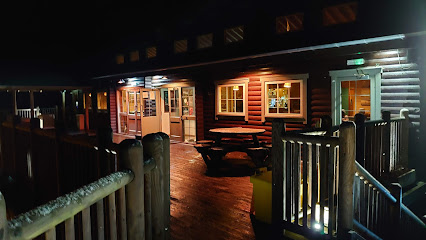
Woodshed Bar
21.5 km
A cozy log cabin bar in Aviemore offering local ales, crafted cocktails, and a warm Highland atmosphere with occasional live music.
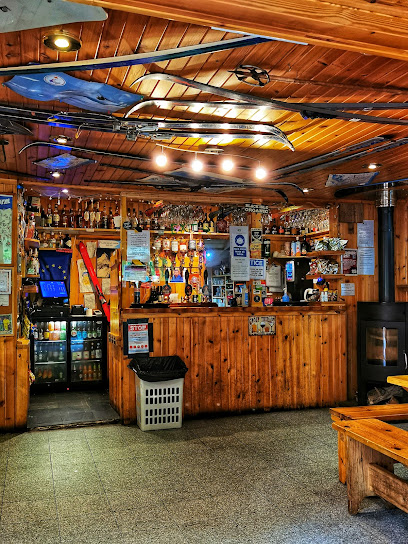
The Pine Marten Bar
26.7 km
Cozy alpine-style bar in Glenmore offering local ales, hearty food, live music, and a warm welcome near Loch Morlich.
The Boat Country Inn & Restaurant
28.9 km
A cozy Highland inn blending rustic charm, hearty Scottish cuisine, and scenic mountain views in the heart of Boat of Garten.
Lochanully Bar
30.4 km
A cozy Highland bar nestled in tranquil birch woods, perfect for relaxing after exploring the Cairngorms and surrounding natural beauty.
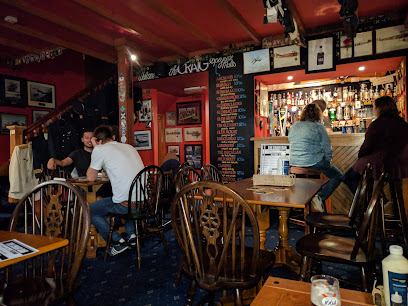
The Craig Bar
41.4 km
A lively Grantown-on-Spey pub famed for its exceptional pies, warm atmosphere, and authentic Highland hospitality.
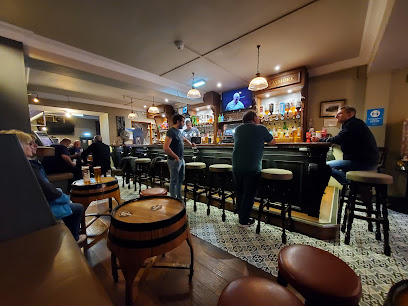
Claymore Bar
41.5 km
A cozy and friendly Highland pub in Grantown-on-Spey offering hearty drinks, lively entertainment, and genuine Scottish hospitality.
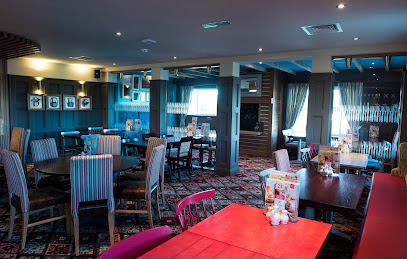
Three Witches
42.8 km
Family-friendly pub in Inverness offering a warm welcome, great carvery, vegan options, and dog-friendly spaces with a lively, casual atmosphere.
Bertie's Bar
43.1 km
Discover Scotland’s whisky heritage in Bertie’s Bar, a glowing library of over 500 whiskies inspired by King Edward VII’s lavish spirit.

Nightclubs & after hour spots

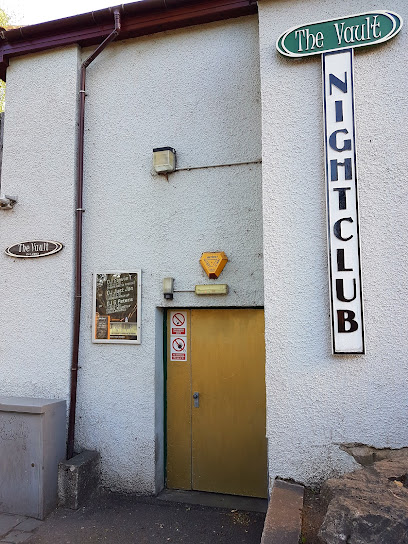
The Vault
21.2 km
Experience Aviemore’s vibrant nightlife at The Vault, a lively nightclub blending modern beats with Highland charm every weekend.
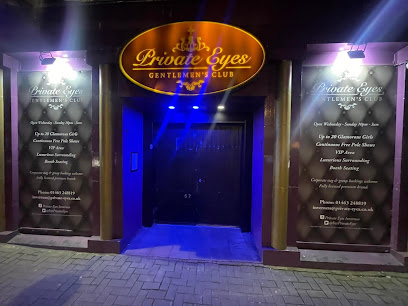
Private Eyes Inverness
46.2 km
Experience Inverness’s vibrant nightlife at Private Eyes, where stylish decor meets great music and a welcoming party atmosphere.
Xplosive Discos
57.0 km
Experience the vibrant nightlife at Xplosive Discos in Nairn, where unforgettable music and karaoke fun await every visitor.
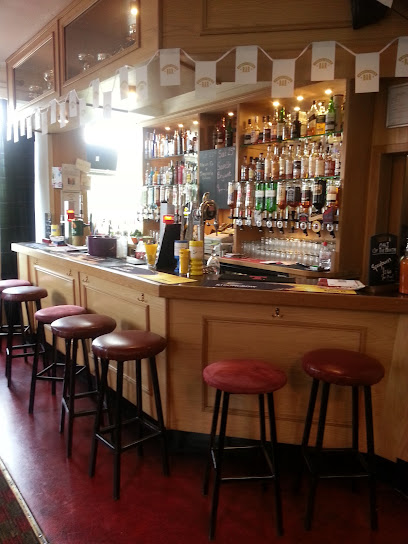
Uncle Bob's Bar
58.7 km
Experience the lively atmosphere of Uncle Bob's Bar in Nairn, a perfect blend of traditional pub charm and sports excitement.
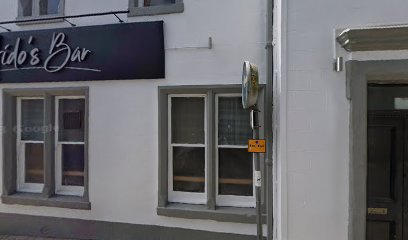
Aido's bar
58.9 km
Discover Aido's Bar in Nairn: A cozy pub with a friendly atmosphere, serving a great selection of local ales and spirits.
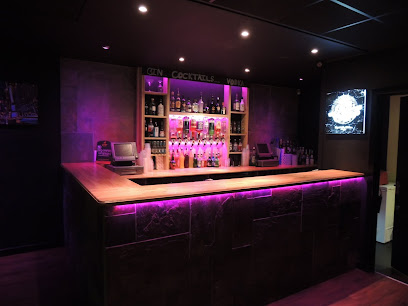
The Play House
58.9 km
Experience the vibrant nightlife at The Play House in Nairn, where great drinks and lively entertainment come together for an unforgettable evening.
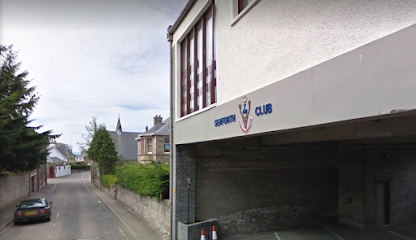
Seaforth Club
59.1 km
Experience Nairn’s vibrant social heart at Seaforth Club, where community spirit meets lively nightlife in a welcoming setting.
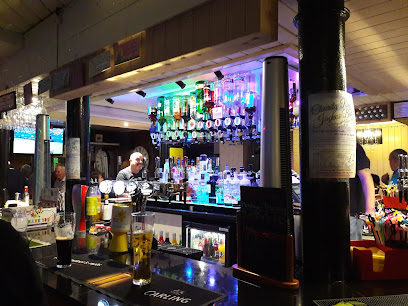
Jackos Bar & Diner
59.2 km
Discover the vibrant atmosphere and delicious grill options at Jackos Bar & Diner in Nairn, perfect for families and sports fans alike.
The Ross Shire Club
61.7 km
Experience Dingwall’s vibrant nightlife with a welcoming vibe, BYOB policy, and lively social scene at The Ross Shire Club.
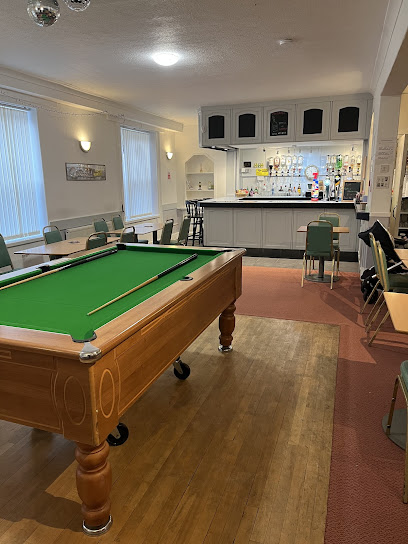
Roobarb
67.6 km
Experience Fort William’s vibrant nightlife at Roobarb, the welcoming nightclub where music and dancing light up weekend nights.
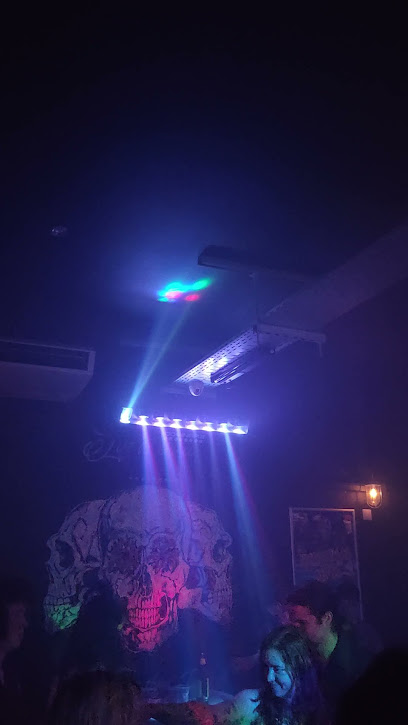
The Gig
70.6 km
Experience Blairgowrie’s vibrant nightlife at The Gig, a welcoming and affordable nightclub in the heart of this scenic Scottish town.
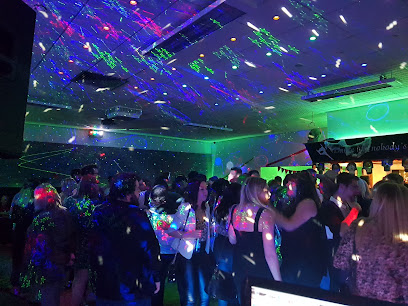
Zed Bar
79.7 km
Experience the vibrant nightlife at Zed Bar in Elgin, where great drinks and lively atmosphere await every visitor.
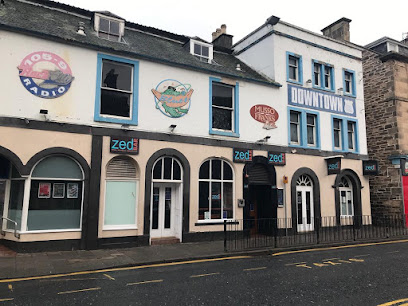
Shmelgin
79.7 km
Experience the authentic flavors of Nepal at Shmelgin, Elgin's premier Nepalese restaurant, known for its warm atmosphere and delicious dishes.
Joannas Nightclub
79.7 km
Lively and casual nightclub in Elgin’s town centre, offering weekend late-night music, dancing, and social vibes in a friendly local setting.
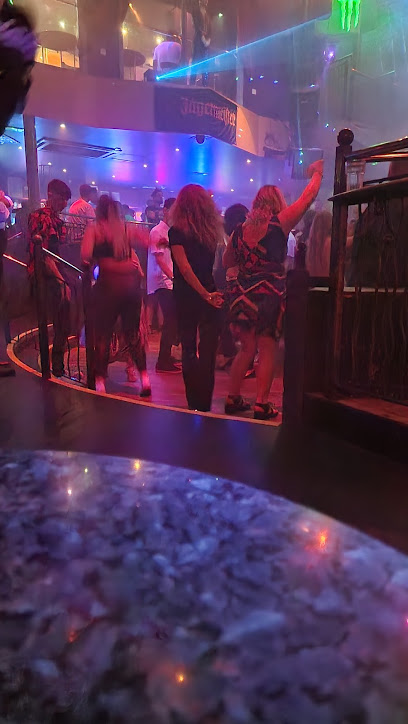
Diceys
79.7 km
Experience the lively ambiance and local brews at Diceys, Elgin's favorite pub for relaxation and entertainment.
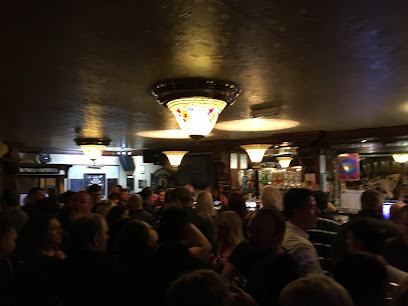
For the vibe & atmosphere seeker
- Relaxing
- Tranquil
- Scenic
- Fun-filled
- Unique
For the design and aesthetic lover
- Rustic Designs
- Vintage Styles
For the architecture buff
- Historic
- Heritage Neighborhoods
- Parks & Gardens
For the view chaser and sunset hunter
- Iconic Views
- Panoramas
For the social media creator & influencer
- Instagrammable
- Photo Spots
- Selfie Spots
For the eco-conscious traveler
- Eco-Friendly
- Public-Transport Accessible
- Locally Managed
- Wildlife Habitat
For the kind of experience you’re after
- Cultural Heritage
- Photowalk
- Nature Escape
- Day Trip
- Weekend Getaway
For how adventurous you want the journey to be
- Easy Access
Location Audience
- Family Friendly
- Senior Friendly
- Child Friendly
- Teen Friendly
- Wheelchair Access
- Pet Friendly
- Solo Friendly
- Couple Friendly
- Vegetarian Friendly
- Vegan Friendly


