
Dunure Castle: Medieval Stronghold and Kennedy Legacy on Scotland’s Ayrshire Coast
Explore the evocative ruins of Dunure Castle, a medieval Kennedy stronghold perched above the Ayrshire coast with stunning sea views and rich Scottish history.
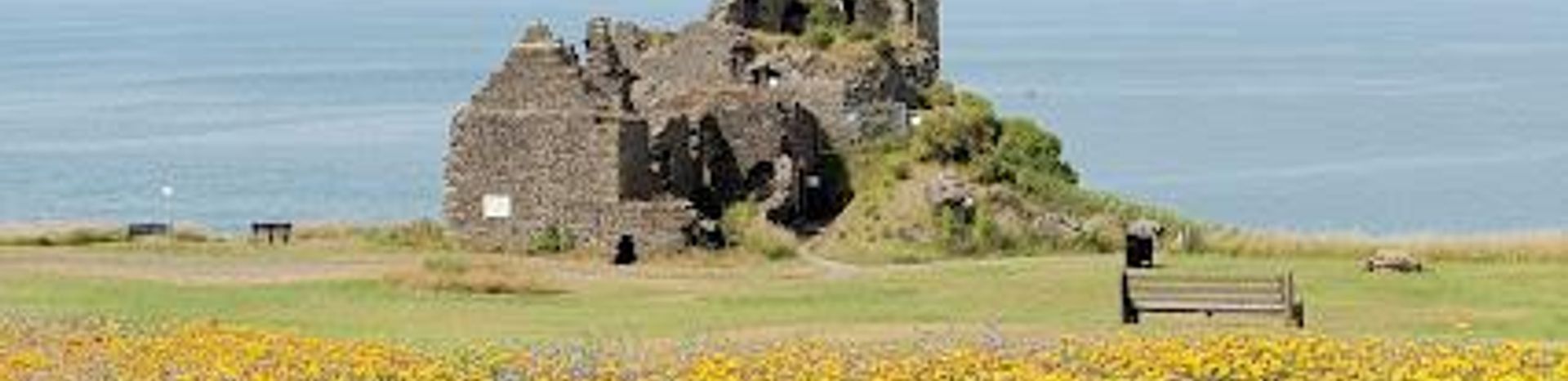
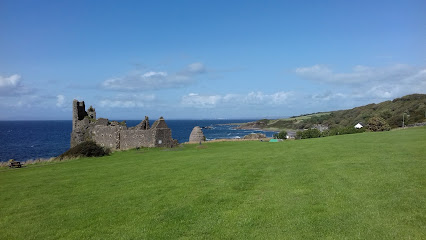
Dunure Castle, perched dramatically on a rocky promontory overlooking the Firth of Clyde near Ayr, Scotland, is a ruined medieval fortress dating back to the late 13th century. Once the ancestral seat of the powerful Kennedy clan, the castle witnessed historic clan conflicts, political intrigue, and royal visits. Today, its evocative ruins and coastal setting offer visitors a glimpse into Scotland’s turbulent past alongside stunning sea views and nearby harbour charm.
A brief summary to Dunure Castle
- 19 Castle Rd, Ayr, Dunure, KA7 4LW, GB
- Duration: 1 to 3 hours
- Free
-
 Outdoor
- Mobile reception: 4 out of 5
- Monday 12 am-12 am
- Tuesday 12 am-12 am
- Wednesday 12 am-12 am
- Thursday 12 am-12 am
- Friday 12 am-12 am
- Saturday 12 am-12 am
- Sunday 12 am-12 am
Local tips
- Visit later in the afternoon near sunset for spectacular coastal views and golden light on the castle ruins.
- Access to the castle interior is limited for safety—respect barriers and enjoy the ruins from designated viewpoints.
- Parking is available at Kennedy Park nearby, but spaces are limited and may have a small charge; street parking further away is free.
- Explore the adjacent harbour and beaches for a complete scenic experience, including picnic spots and wild swimming opportunities.
- Bring a jacket and be prepared for changeable weather, as coastal conditions can shift quickly even in summer.

For the on-the-go comforts that matter to you
- Restrooms
- Seating Areas
- Picnic Areas
- Information Boards
Getting There
-
Car
Driving from Glasgow city centre takes about 1 hour 10 minutes via the M77 and A77 southbound, then the A719 towards Dunure. Parking is available at Kennedy Park near the castle with a small charge; street parking further away is free but requires a longer walk.
-
Bus
Local bus services connect Ayr to Dunure village with a journey time of approximately 25-35 minutes. From the village, the castle is a short walk. Bus frequency varies, so check schedules in advance.
-
Walking
From Dunure village centre, the castle is accessible via a 10-15 minute walk along paved and uneven coastal paths. The route offers scenic views but includes some inclines and may not be suitable for all mobility levels.
Dunure Castle location weather suitability
-
 Any Weather
-
 Rain / Wet Weather
-
 Clear Skies
-
 Windy Conditions
-
 Mild Temperatures
Discover more about Dunure Castle
Origins and Architectural Evolution of Dunure Castle
Dunure Castle’s origins likely date back to the late 13th century, with the earliest documented reference in a 1256 land charter. Situated on a defensible rocky outcrop overlooking the Firth of Clyde, the castle began as a stone keep and evolved over centuries into a fortified complex. The central keep, dating from the 15th century, was the heart of the castle, housing the Kennedy family and their valuables. Surrounding buildings added later included kitchens, a great hall, a chapel, and living quarters for retainers. Defensive features such as battlements, arrow slits, machicolations, and a curtain wall fortified the stronghold against attacks. A distinctive 15th-century beehive-shaped dovecot nearby once supplied the castle with fresh eggs and meat.The Kennedy Clan and Dunure’s Role in Scottish History
Dunure Castle became the ancestral seat of the Kennedys of Carrick, an influential clan who claimed the lands in 1357. The castle symbolized their regional power, overseeing key trade routes and serving as a military bulwark. It was the site of notable historical events, including a violent 1429 meeting between James Campbell, envoy of King James I, and John Mor MacDonald, Lord of the Isles, which resulted in MacDonald’s death and subsequent clan uprisings. The castle also witnessed grim episodes of political intrigue, such as the infamous 1569 torture and forced signing over of abbey lands by Alan Stewart under Gilbert Kennedy’s orders. Mary, Queen of Scots, stayed here for three days in 1563, underscoring its importance.Decline, Ruination, and Present-Day Setting
By the mid-17th century, Dunure Castle suffered damage from internal clan conflicts and possibly deliberate destruction. It was abandoned by 1696 and gradually fell into ruin. Today, the evocative remains of the castle—including the keep, curtain walls, and ancillary buildings—stand as a testament to its turbulent past. The site offers panoramic views of the Firth of Clyde and the Ayrshire coastline, with the picturesque harbour and village of Dunure lying below. Nearby Kennedy Park provides amenities such as parking, picnic areas, and a children’s play area, making the castle a peaceful yet dramatic destination.Visitor Experience and Cultural Significance
Visitors to Dunure Castle can explore the ruins and surrounding grounds freely, as there are no formal opening hours or entrance fees. While access inside the castle is limited for safety, the exterior offers compelling photo opportunities from multiple angles, showcasing its changing silhouette. The castle’s coastal location makes it a superb spot for sunset views and wild swimming nearby. It also holds cultural resonance as a filming location for the TV series Outlander, attracting fans of Scottish history and drama alike. The adjacent harbour area offers refreshments and facilities, enhancing the visitor experience.Natural Environment and Community Context
Dunure Castle is nestled within a small fishing village on Scotland’s southwest coast, characterized by rugged cliffs, rocky shores, and sandy beaches. The village and castle together create a scenic and tranquil atmosphere, with opportunities for picnics, coastal walks, and wildlife watching. The castle’s presence dominates the landscape, linking the natural beauty of the Ayrshire coast with centuries of Scottish heritage. Seasonal closures of nearby public toilets and parking charges at Kennedy Park are practical considerations for visitors.Legacy and Ongoing Preservation
Though privately owned, Dunure Castle remains accessible to the public and is a cherished historical landmark. Archaeological excavations have helped reveal its layered history, while local efforts maintain the site’s surroundings. The castle’s story encapsulates the complex interplay of clan power, royal influence, and regional identity in medieval Scotland. It stands as a compelling destination for those interested in history, architecture, and coastal scenery, offering a tangible connection to Scotland’s rich past.Iconic landmarks you can’t miss

Ayr Citadel
10.2 km
Explore Ayr Citadel, a 17th-century hexagonal fortress by the sea, rich in history and coastal charm.
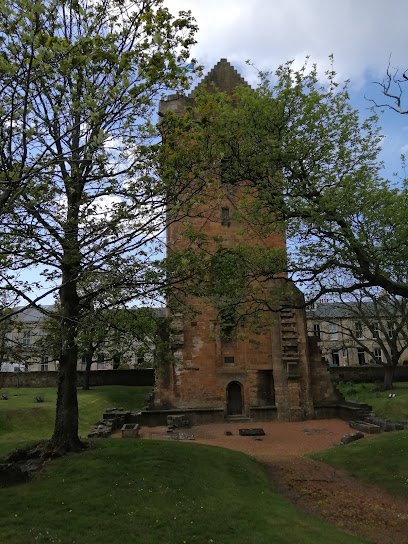
Wallace's Monument, Ayrshire “Burnweil”
20.6 km
A proud Ayrshire landmark honoring William Wallace, Scotland’s legendary hero of independence and bravery.
Kingscross Viking Fort
23.2 km
Discover the ancient Viking fort and burial mound at Kingscross Point, where history meets breathtaking coastal vistas on the Isle of Arran.
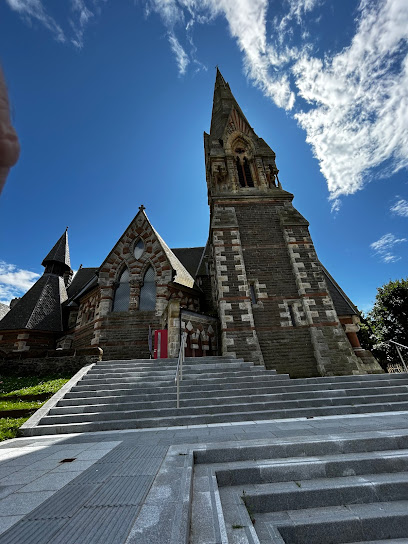
Trinity Church (Former)
23.9 km
A majestic Gothic Revival landmark showcasing Victorian ecclesiastical architecture and Irvine’s rich religious heritage.
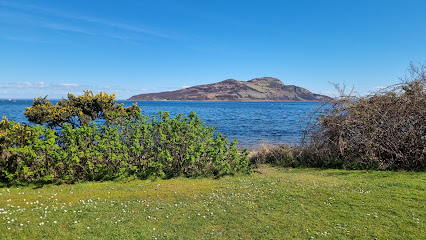
Wee Al's Bench
27.0 km
Breathtaking coastal vantage point where Arran's natural beauty meets centuries of island heritage.
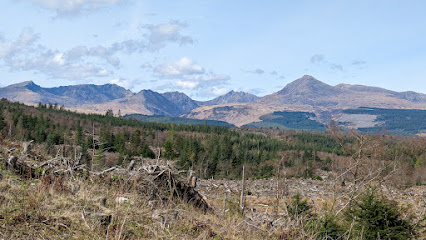
Lamlash Stone Circle
29.2 km
Ancient Neolithic gathering place where stone and sky converge on Arran's moorland.
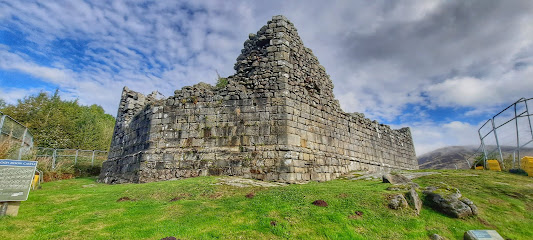
Original site of Loch Doon Castle
31.5 km
Discover the relocated medieval stronghold of Loch Doon Castle, a polygonal fortress with deep ties to Robert the Bruce and Scottish history.
Arran Heritage Museum
32.1 km
Explore the Isle of Arran's history and culture at Arran Heritage Museum, a captivating destination for all ages.
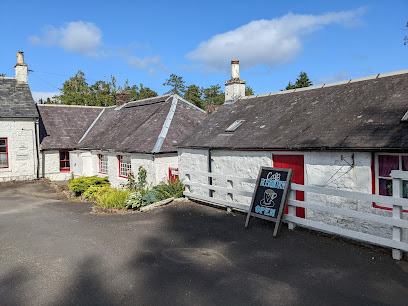
Brodick Castle, Garden and Country Park
32.3 km
Explore the historical splendor of Brodick Castle, surrounded by enchanting gardens and breathtaking landscapes on the Isle of Arran.
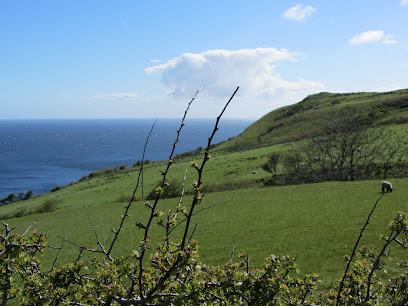
Portencross Castle
33.9 km
Explore the rich history and stunning views of Portencross Castle, a captivating historical landmark on Scotland's picturesque Ayrshire coast.
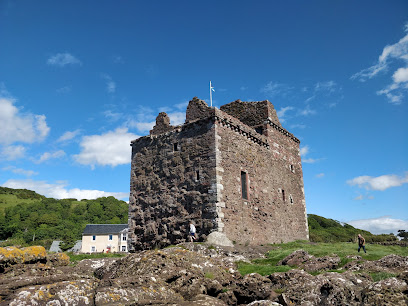
Hunterston Castle
36.1 km
Explore the rich history and stunning architecture of Hunterston Castle, a beautiful landmark in Scotland's scenic West Kilbride.
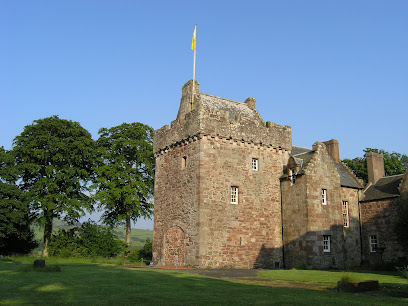
Devils Punch Bowl, Isle of Arran
37.6 km
Discover the breathtaking beauty of the Devil's Punch Bowl on the Isle of Arran, a stunning natural amphitheater with cascading waterfalls and panoramic views.
Machrie Moor Standing Stones
37.8 km
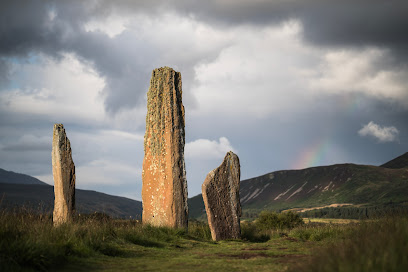
Discover the enchanting Machrie Moor Standing Stones, a captivating glimpse into Scotland's ancient history amidst stunning natural landscapes.
Bruce’s Stone
39.0 km
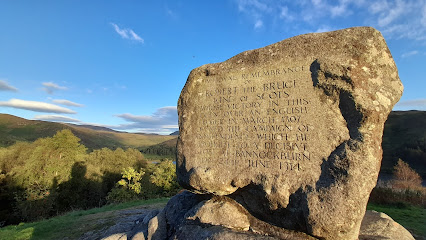
Discover the historic site of Bruce’s Stone overlooking Loch Trool, where Scotland’s fight for independence echoes amid stunning natural beauty.
King's Caves
39.7 km
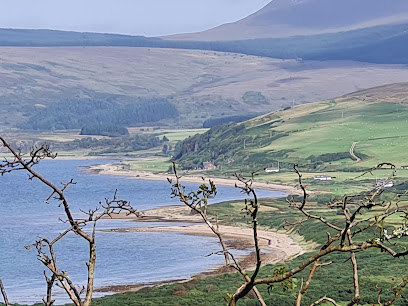
Explore the enchanting King's Caves on the Isle of Arran, where natural beauty meets rich Scottish history amidst stunning coastal views.
Unmissable attractions to see

Dunure Labyrinth
0.1 km
Discover the tranquil Dunure Labyrinth, a mystical coastal maze blending history, nature, and spiritual reflection in scenic Ayrshire.
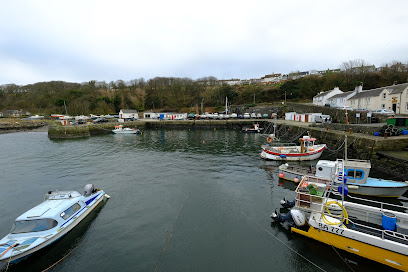
Dunure Harbour
0.3 km
A timeless Ayrshire fishing harbour framed by cliffs and castle ruins, with sweeping sea views and a starring role in Outlander.
Electric Brae
2.7 km
Discover the surreal optical illusion of Electric Brae, where cars appear to roll uphill amidst stunning Ayrshire coastal views.
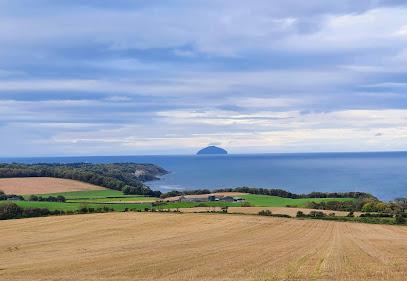
Heads of Ayr
5.0 km
Scenic Ayrshire peninsula with rugged cliffs, sandy beaches, family farm park, and modern holiday lodges near the vibrant town of Ayr.
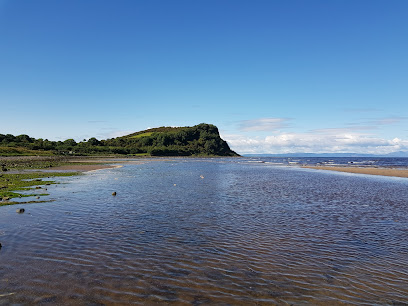
Heads Of Ayr Farm Park
5.0 km
A vibrant family farm park in Ayrshire offering animal encounters, adventure play, and seasonal events for all ages.
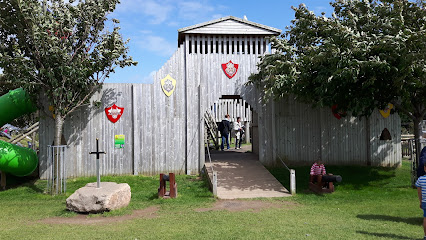
Culzean Castle
5.9 km
Discover Culzean Castle’s dramatic cliff-top grandeur, rich history, and sprawling parkland with gardens, beaches, and family-friendly adventures.
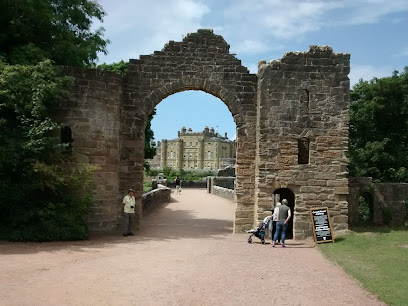
Greenan Castle
6.9 km
Explore the rugged ruins of Greenan Castle, a dramatic 16th-century tower house perched on Ayrshire’s scenic sea cliffs with centuries of history and stunning views.
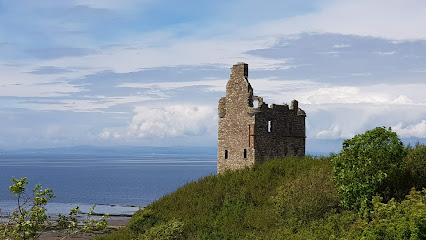
Baltersan Castle(Caisteal Baltersan)
7.6 km
Explore the evocative ruins of Baltersan Castle, a 16th-century Renaissance tower house nestled in the historic Ayrshire countryside near Maybole.
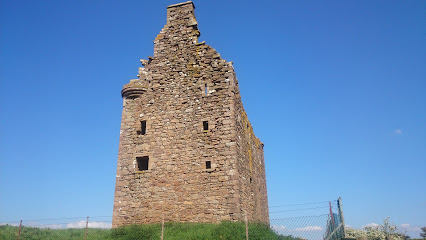
Crossraguel Abbey(Abaid Crossraguel
7.8 km
Explore the remarkably complete ruins of Crossraguel Abbey, a medieval Cluniac monastery steeped in Scottish history and scenic Ayrshire charm.
Alloway Auld Kirk
8.2 km
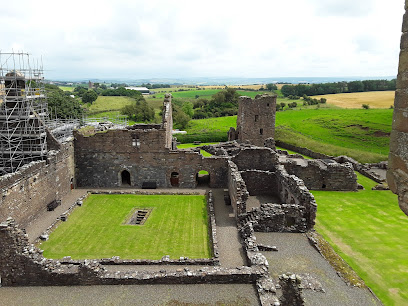
Explore the atmospheric 16th-century ruins of Alloway Auld Kirk, immortalized by Robert Burns in 'Tam o' Shanter' and steeped in Scottish literary history.
Burns Monument
8.3 km
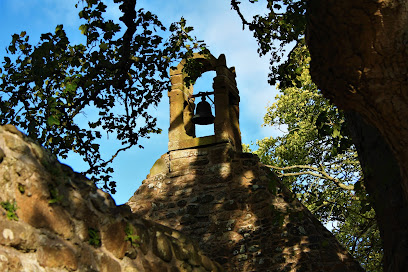
A majestic Grecian-style monument and tranquil gardens honoring Scotland’s national poet, Robert Burns, in his birthplace of Alloway.
Robert Burns Birthplace Museum
8.4 km
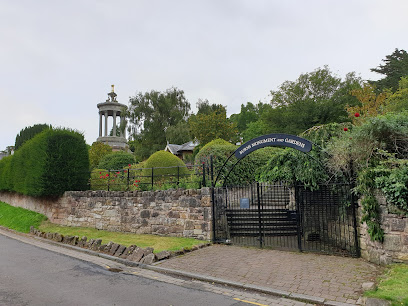
Scotland's National Bard comes alive at his birthplace—a world-class museum celebrating genius, poetry, and timeless legacy.
Poet's Path
8.5 km
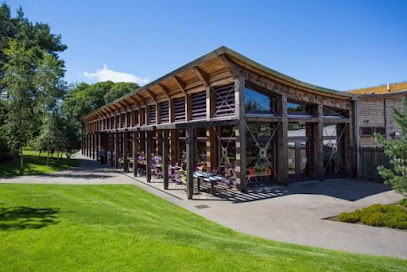
A scenic and accessible 500-meter walkway linking Robert Burns Birthplace Museum with historic landmarks that inspired Scotland’s national poet.
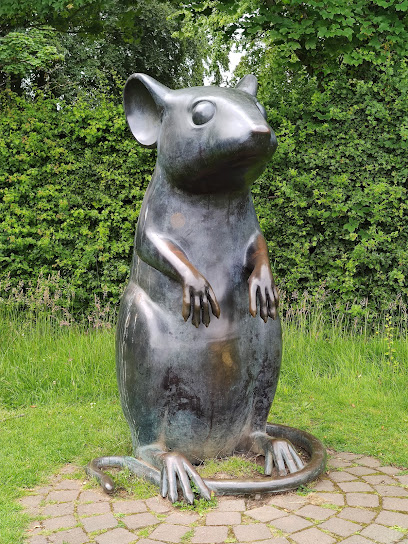
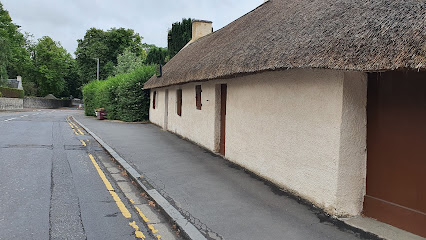
Burns Cottage
8.7 km
Explore the birthplace and legacy of Scotland’s national poet, Robert Burns, through immersive exhibits, historic sites, and scenic walks in Alloway.
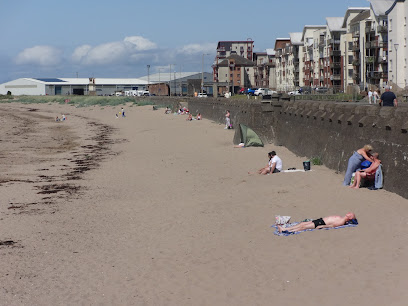
Ayr Beach
9.1 km
Ayr Beach offers family-friendly sandy shores with stunning island views, historic charm, and vibrant seaside fun on Scotland’s Ayrshire coast.
Essential places to dine

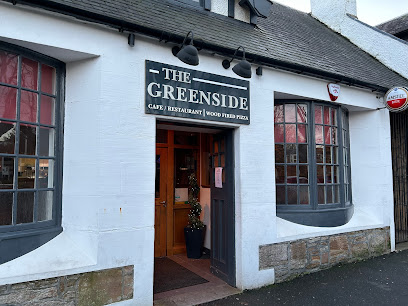
The Greenside Restaurant
7.5 km
A welcoming Maybole eatery offering generous portions, diverse menu, and friendly service in a cozy, clean setting.
The Balgarth Pines Bar & Restaurant
7.8 km
A welcoming modern British restaurant and bar in Ayr blending traditional flavors with contemporary dining in a relaxed setting.
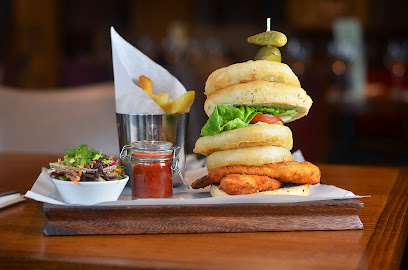
The Secret Garden
8.1 km
A cozy family-friendly bistro in Ayr offering hearty British breakfasts, award-winning coffee, and delightful home baking daily.
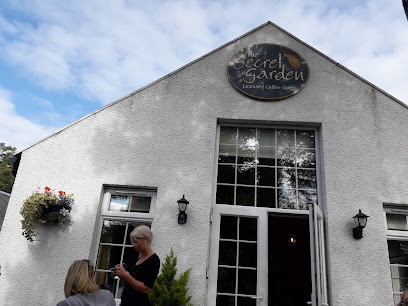
Souters Inn
8.4 km
Historic Burns schoolhouse turned award-winning restaurant, blending Scottish heritage with contemporary culinary excellence.
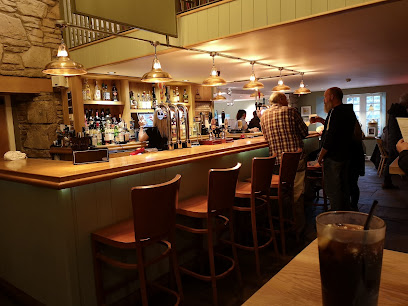
Chestnuts Restaurant & Hotel
9.2 km
Cozy 3-star hotel and vibrant restaurant near Ayr’s beach, offering warm hospitality, diverse dining, and a welcoming bar atmosphere.

The Fox & Willow
9.8 km
A stylish gastropub and boutique hotel in Ayr offering unique dome dining, creative cocktails, and warm Scottish hospitality.
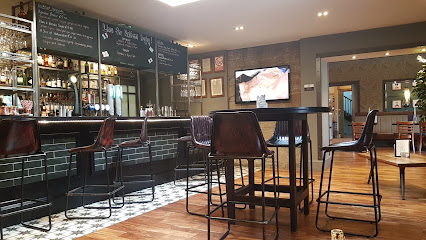
The Coo Shed
9.9 km
Award-winning Ayrshire café serving farm-fresh food, homemade cakes, and afternoon teas in a charming countryside setting with an adjoining plant nursery.
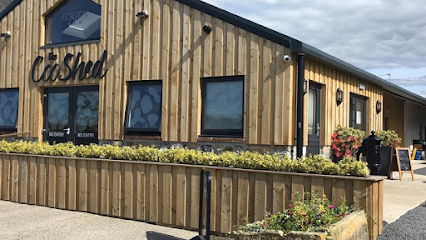
Vista Bar & Restaurant
10.0 km
Contemporary dining with panoramic sea views and classic Scottish dishes at Ayr’s Horizon Hotel.
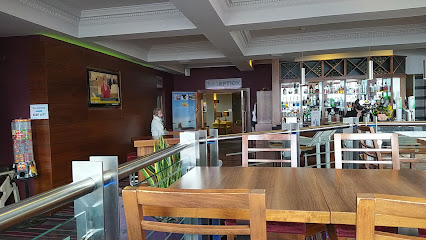
The Kylestrome Hotel & Restaurant
10.1 km
A modern, comfortable hotel with a celebrated restaurant in the heart of Ayr, offering easy access to local attractions and scenic riverside walks.
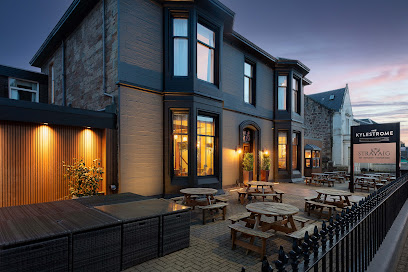
The Drunken Coo
10.2 km
Savor expertly crafted steaks and western comfort food in a cozy, stylish setting at The Drunken Coo, Ayr’s beloved steakhouse.
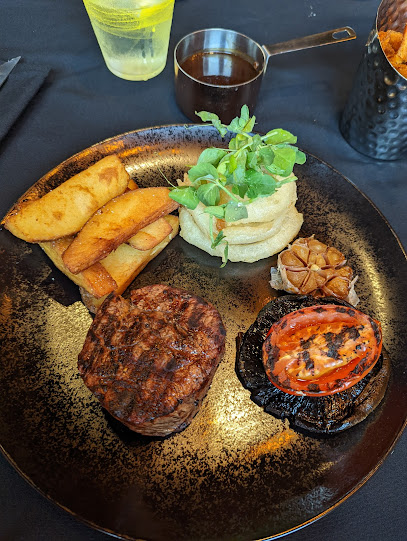
Cecchini’s Italian restaurant
10.2 km
Authentic Tuscan flavors and warm hospitality await you in the heart of Ayr at Cecchini’s Italian Restaurant.
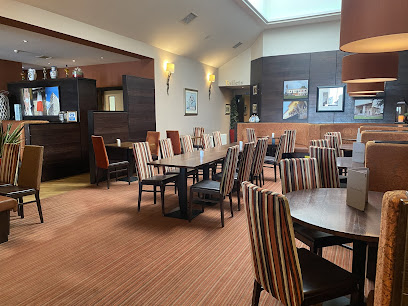
Mr Basrai's World Cuisine Ayr
10.2 km
A vibrant all-you-can-eat buffet in Ayr serving diverse global cuisines in a family-friendly, welcoming atmosphere.
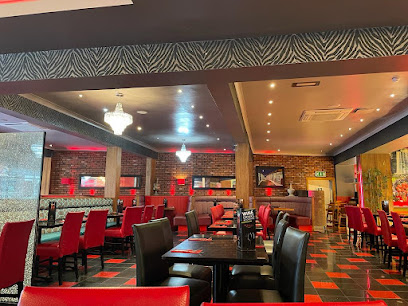
The Meridian Bier Cafe & Restaurant
10.3 km
A vibrant Ayr venue blending casual breakfasts, hearty pub fare, and world beers in a lively, welcoming atmosphere from dawn till midnight.
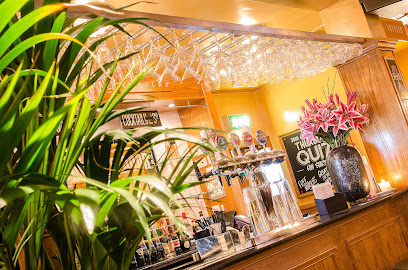
The Tree House
10.3 km
A vibrant modern British restaurant and bar in Ayr’s heart, featuring fresh local dishes and a hidden urban garden terrace.
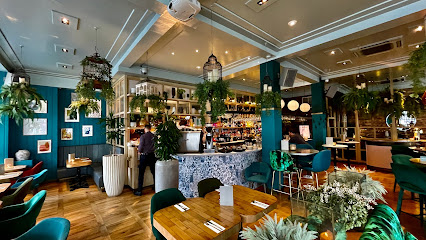
Stage Door Cafe
10.3 km
Cozy modern European cafe by Ayr’s Gaiety Theatre, serving fresh breakfasts and casual meals in a welcoming atmosphere.
Markets, malls and hidden boutiques

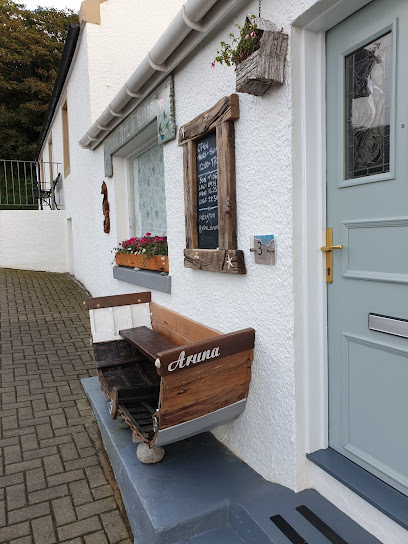
Aruna Art & Gifts
0.3 km
Discover unique handcrafted gifts in a charming harbour-side shop nestled in the historic village of Dunure, Ayr.
Treasures Gift Shop
5.6 km
Explore Ayr's Treasures Gift Shop – your destination for unique souvenirs and local crafts that capture the essence of this charming Scottish town.
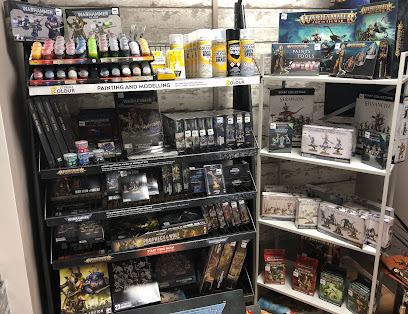
BOOM!
10.2 km
Ayr’s vibrant gift and collectibles shop, packed with pop culture treasures from Harry Potter, Star Wars, Marvel, DC, and more.
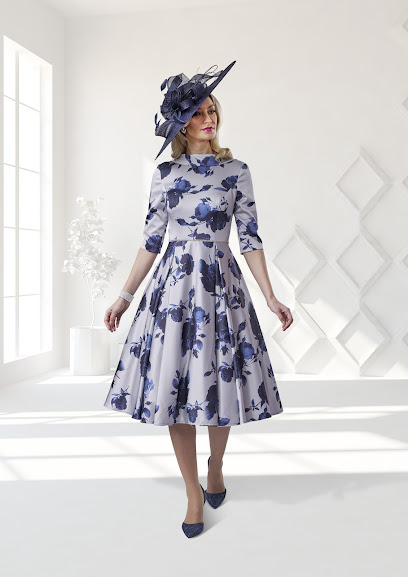
L Occasionwear Ayr
10.2 km
Elegant ladies’ formalwear boutique in Ayr offering personalized service and curated occasionwear collections in a bright, welcoming setting.
Beau Beau Boutique
10.3 km
Discover unique, elegant dresses and personalized service at Beau Beau Boutique, a charming fashion gem in Ayr’s historic Sandgate district.

The Original Factory Shop (Ayr)
10.4 km
Affordable shopping for fashion, beauty, and home essentials in the heart of Ayr with unbeatable discounts.

Bonmarché
10.4 km
Discover stylish, affordable women's fashion with friendly service in the heart of Ayr's vibrant High Street shopping district.
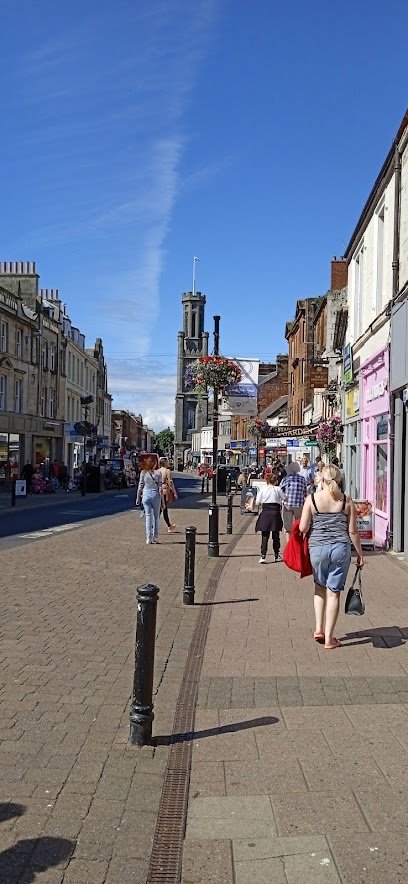
Branded Outlet Store
10.4 km
Explore unbeatable fashion deals at Branded Outlet Store in Ayr, where quality meets affordability for every style enthusiast.
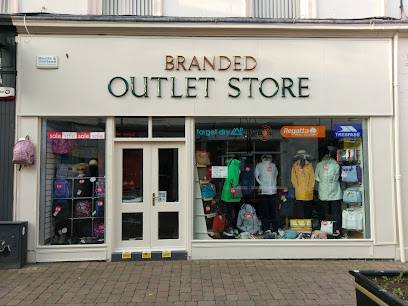
I Do Ayr
10.5 km
A welcoming bridal boutique in Ayr offering inclusive, elegant wedding dresses and haute couture fashion with exceptional personal service.
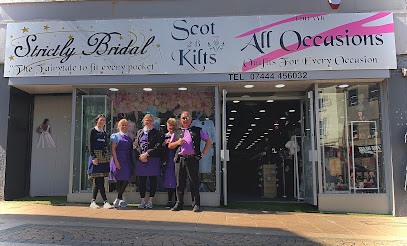
Keepsake Scotland
10.5 km
Ayr’s charming gift shop packed with Scottish souvenirs, quirky homewares, and unique keepsakes on the historic High Street.
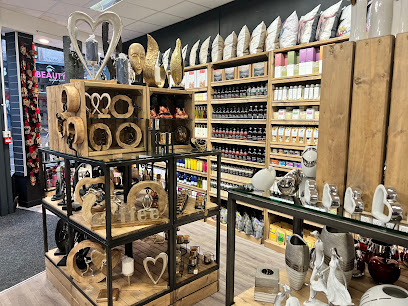
Next
10.5 km
Next Ayr offers stylish, family-friendly fashion and accessories in the heart of Ayr Central, blending quality and convenience for all ages.
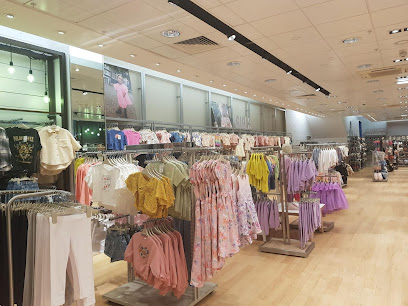
Honeyman Boutique
10.5 km
Discover timeless bridal elegance at Diane Honeyman Boutique, Ayr’s premier destination for designer wedding gowns and accessories.
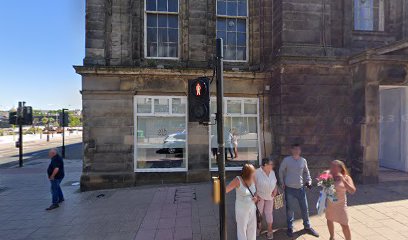
Unique
10.5 km
Explore Unique in Ayr: Your go-to clothing shop for stylish, local fashion treasures.
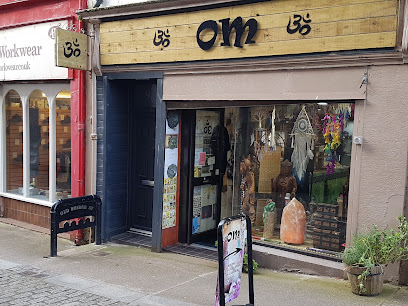
Om Store UK
10.5 km
Discover a serene metaphysical sanctuary in Ayr’s High Street, offering crystals, incense, and spiritual treasures for mindful living.
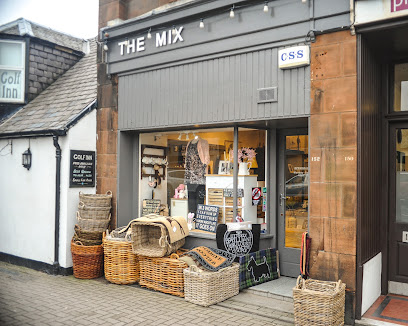
In The Mix
13.9 km
Discover unique Scottish gifts and local crafts at In The Mix, Prestwick’s charming boutique on Main Street.
Essential bars & hidden hideouts

Wellingtons Lounge Bar
10.0 km
Step into Wellingtons Lounge Bar for handcrafted cocktails, live music, and a cozy 1920s vibe in the heart of Ayr’s vibrant social scene.
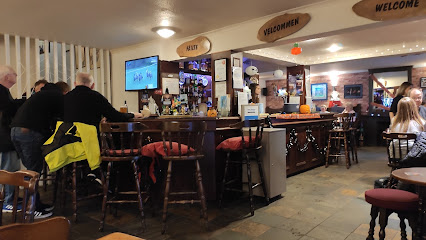
The Growler Taphouse & Kitchen
10.2 km
A lively bar and grill in Ayr offering exceptional craft beers, grilled delights, and a welcoming dog-friendly atmosphere.
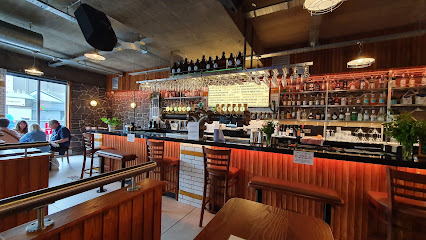
The Twa Dugs
10.3 km
A lively, Burns-inspired Scottish pub in Ayr’s heart, known for unique ales, live music, and an inclusive, welcoming atmosphere.
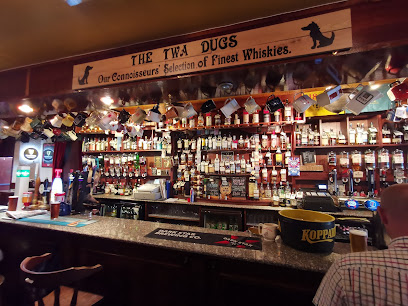
Smiths Bar
10.3 km
A lively Scottish pub and restaurant in Ayr offering home-cooked meals, premium drinks, live sports, and a spacious beer garden for all ages and dog lovers.
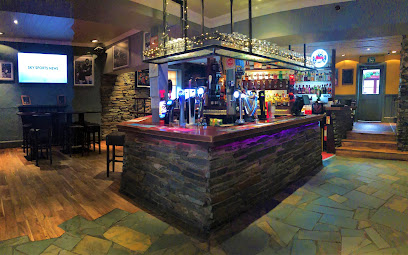
Tbar
10.3 km
A quirky and lively pub in Ayr offering excellent cocktails, live music, and a welcoming atmosphere for a memorable night out.
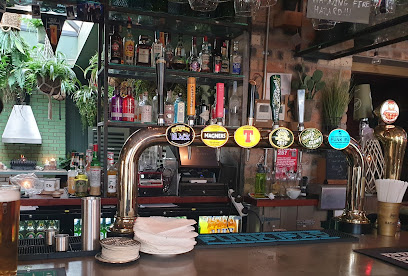
The Ghillie Dhu
10.3 km
A vibrant bar and street food hotspot in Ayr’s Burns Statue Square, blending Scottish tradition with lively music and modern flavors.
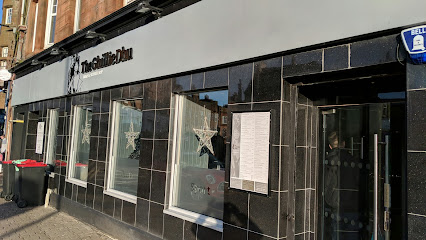
Rabbies Bar
10.3 km
A vibrant Ayrshire pub blending Robert Burns heritage with lively sports, music, and welcoming Scottish hospitality.
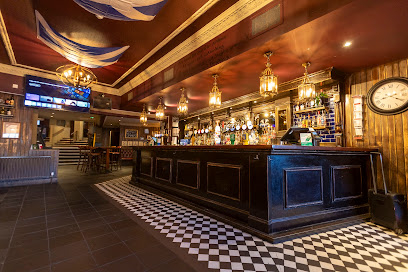
Budd's Bar
10.3 km
A cozy, friendly, and accessible local bar in Ayr’s historic Burns Statue Square, perfect for casual drinks and socializing.

The Market Inn
10.4 km
A warm, traditional Scottish pub in Ayr offering lively football viewing, live music, and a welcoming atmosphere for locals and visitors alike.
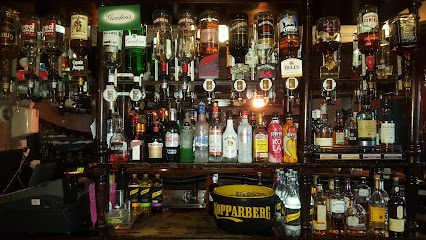
Mulligan's Ayr
10.4 km
A vibrant Irish sports bar in Ayr offering lively music, extensive drinks, and a welcoming atmosphere for all ages and tastes.
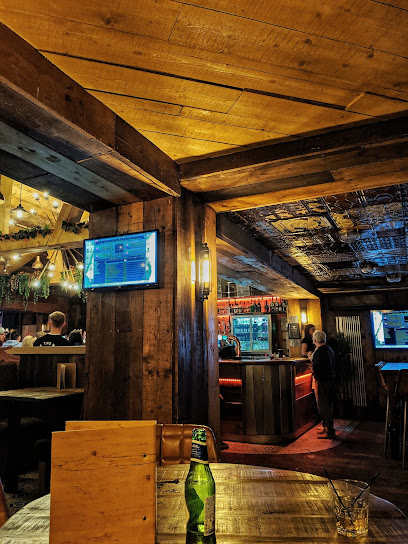
Crumbs & Cocktails
10.4 km
A vibrant Ayr bar blending creative cocktails, live music, karaoke, and a warm, welcoming atmosphere for memorable nights out.

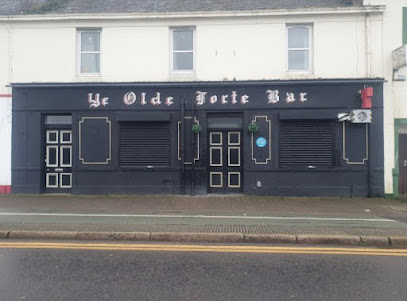
The Fort Bar
10.4 km
A welcoming harbourside pub in Ayr offering friendly service, great drinks, and a cozy atmosphere steeped in Scottish tradition.
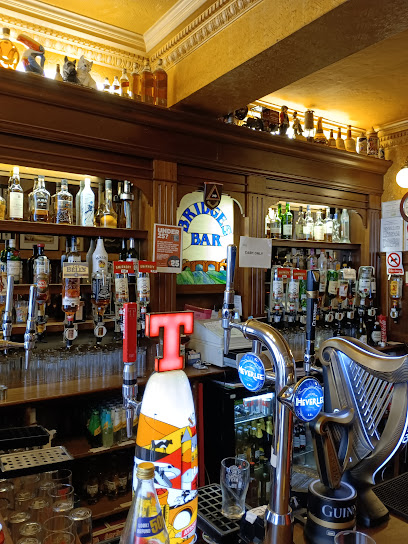
Billy Bridges Bar
10.4 km
Experience authentic Ayr nightlife with local ales, friendly vibes, and lively events at Billy Bridges Bar, your cozy Scottish pub retreat.
The Smoking Goat bar and grill
10.5 km
A vibrant basement bar and grill in Ayr offering award-winning ambiance, live entertainment, and diverse, inclusive dining options.
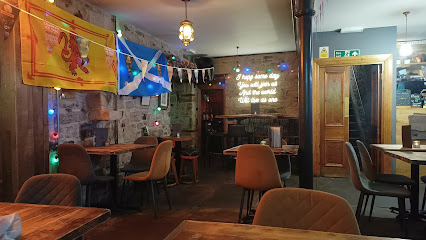
Wee Windaes
10.5 km
A cozy, traditional Scottish pub in Ayr offering warm hospitality, authentic atmosphere, and a welcoming local vibe.
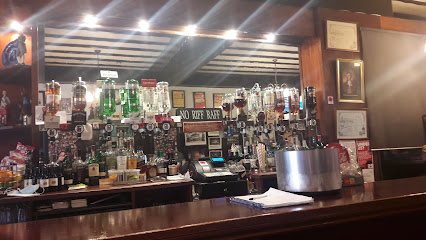
Nightclubs & after hour spots

Notion Ayr
10.4 km
Discover the vibrant nightlife at Notion Ayr, an exceptional events venue in the heart of Ayr, perfect for unforgettable social experiences.

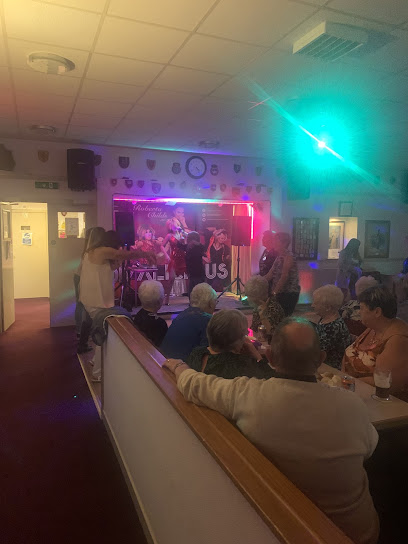
Ayr Ex-Services Club
10.4 km
A friendly and lively social club in Ayrshire offering great music, community spirit, and vibrant weekend nights.
Printhouse Ayr
10.5 km
Experience Ayrshire’s vibrant nightlife and live music scene at Printhouse Ayr, where music and atmosphere unite for unforgettable nights.
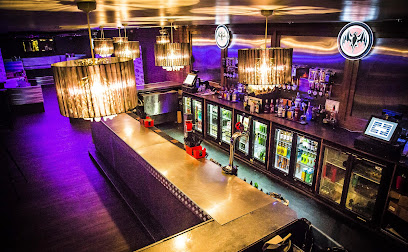
Pitchers Bar and Nightclub
24.1 km
A vibrant and inclusive nightclub in Irvine’s heart, offering lively music, dancing, and a welcoming atmosphere until the early hours.

The Club
28.2 km
A vibrant nightlife hotspot in the heart of Kilmarnock, offering lively music and a welcoming atmosphere for locals and visitors.
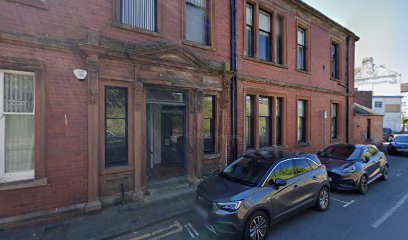
Vienna's Nightclub
53.2 km
Experience Paisley’s vibrant nightlife at Vienna's Nightclub, where energetic music and lively crowds come alive every weekend.
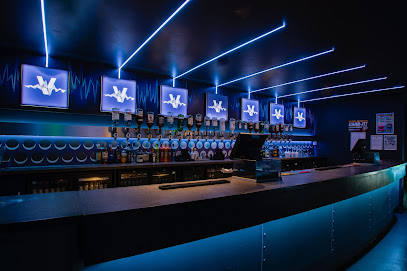
Fantoosh
53.2 km
A lively, intimate nightclub in Paisley’s heart, perfect for energetic nights with friends and local beats.

Club 69 Paisley
53.9 km
Dive into Paisley’s legendary underground techno scene at Club 69, where pulsating beats and vibrant vibes keep the night alive.
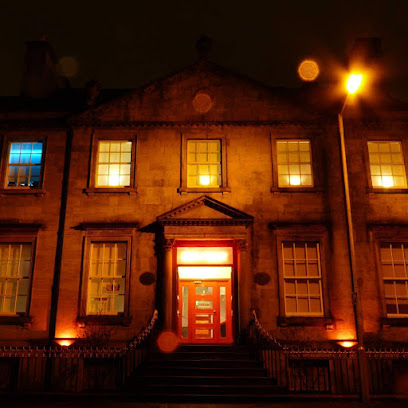
The Scottish Honky-Tonk
53.9 km
Discover the lively Scottish Honky-Tonk on the Isle of Bute for an authentic experience filled with music, hospitality, and local charm.
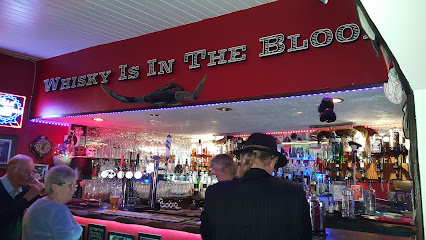
Skye Nightclub & Lounge
53.9 km
Energetic nightclub and lounge in East Kilbride offering vibrant nightlife, music, and drinks in a stylish setting.
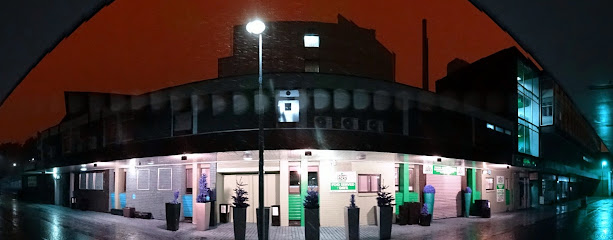
Downtown Nightclub
54.1 km
Experience East Kilbride’s vibrant weekend nightlife at Downtown Nightclub, a hub of music, dancing, and late-night energy in the town centre.
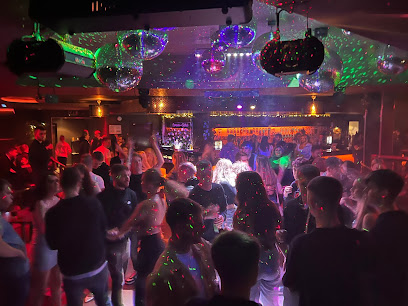
The Shed
56.3 km
Dive into Shawlands' glitzy two-floor nightclub where chart bangers, R&B, hip-hop, and 80s cheese anthems fuel unpretentious Southside partying till the early hours.

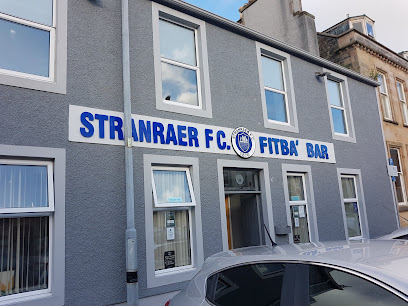
Stranraer F C Fitba Bar
58.1 km
Experience the local charm and vibrant atmosphere at Stranraer F C Fitba Bar, the heart of community spirit and sportsmanship in Stranraer.
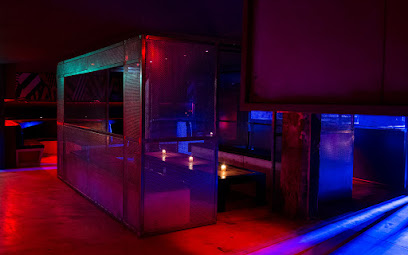
The Meeting Place
58.2 km
Experience the vibrant nightlife at The Meeting Place, Stranraer's premier cocktail bar offering innovative drinks and a welcoming atmosphere.

Sub Club
59.5 km
Glasgow’s legendary underground nightclub, Sub Club, pulses with cutting-edge sound and authentic dance culture in an intimate basement setting.
For the vibe & atmosphere seeker
- Scenic
- Tranquil
- Historic
- Relaxing
For the design and aesthetic lover
- Rustic Designs
- Vintage Styles
For the architecture buff
- Historic
- Landmarks
- Heritage Neighborhoods
For the view chaser and sunset hunter
- Iconic Views
- Panoramas
- Waterfront
- Sunset Spots
For the social media creator & influencer
- Instagrammable
- Photo Spots
- Selfie Spots
- Aesthetic Corners
For the eco-conscious traveler
- Public-Transport Accessible
- Low Impact
- Locally Managed
For the kind of experience you’re after
- Cultural Heritage
- Photowalk
- Nature Escape
- Day Trip
- Weekend Getaway
For how adventurous you want the journey to be
- Easy Access
Location Audience
- Family Friendly
- Senior Friendly
- Child Friendly
- Solo Friendly
- Couple Friendly


