
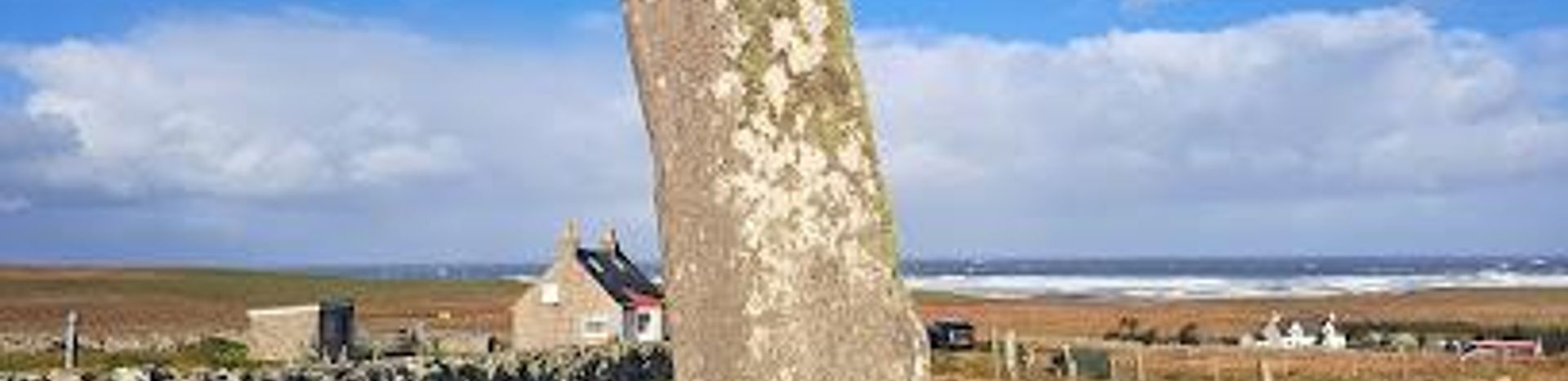
Clach an Truishal: Scotland’s Tallest Standing Stone on the Isle of Lewis
Discover Scotland’s tallest standing stone, a 5,000-year-old monolith steeped in legend and ancient mystery on the Isle of Lewis.
Clach an Truishal, located in the village of Ballantrushal on the Isle of Lewis, is Scotland’s tallest standing stone, reaching nearly 6 meters high. This ancient monolith, dating back around 5,000 years, is the last remaining upright stone from a prehistoric stone circle. Steeped in legend and history, it stands as a silent witness to Neolithic craftsmanship and local clan battles, surrounded by the wild Hebridean landscape.
A brief summary to Clach An Truishal Standing Stone
- Isle of Lewis, GB
- Duration: 0.5 to 2 hours
- Free
-
 Outdoor
- Mobile reception: 3 out of 5
- Monday 12 am-12 am
- Tuesday 12 am-12 am
- Wednesday 12 am-12 am
- Thursday 12 am-12 am
- Friday 12 am-12 am
- Saturday 12 am-12 am
- Sunday 12 am-12 am
Local tips
- Visit during daylight hours to fully appreciate the stone’s size and the surrounding landscape.
- Wear sturdy footwear as the terrain around the stone is natural and can be uneven.
- Explore nearby prehistoric sites like the Steinacleit stone circle for a broader understanding of the area’s ancient heritage.
- Bring a camera to capture the stone’s dramatic presence against the Hebridean skies.

For the on-the-go comforts that matter to you
- Information Boards
- Seating Areas
- Trash Bins
Getting There
-
Bus
Take the local bus service along the A857 route towards Barvas. From there, a short walk of about 1 km on minor roads leads to Clach an Truishal. Bus frequency is limited, so check schedules in advance. The fare typically ranges from £3 to £6.
-
Car
Driving from Stornoway, the journey to Ballantrushal takes approximately 25 to 35 minutes via the A857. Parking is available near the site but limited, so arrive early during peak seasons. There is no parking fee.
-
Walking
For adventurous walkers, a scenic 3 to 4-hour hike from Stornoway to Ballantrushal offers rugged terrain and coastal views. The path includes uneven ground and requires good fitness and proper footwear.
Clach An Truishal Standing Stone location weather suitability
-
 Any Weather
-
 Rain / Wet Weather
-
 Windy Conditions
-
 Mild Temperatures
Discover more about Clach An Truishal Standing Stone
An Ancient Monument Towering Over Lewis
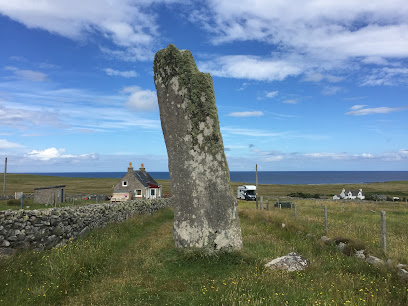
Clach an Truishal, meaning "Stone of Compassion" in Scottish Gaelic, is a striking prehistoric standing stone located in Ballantrushal on the Isle of Lewis. Rising approximately 5.8 meters (19 feet) above ground with a girth of nearly 4.75 meters at its base, it is recognized as the tallest standing stone in Scotland. Beneath the surface, it is estimated to extend another 1.8 meters underground, emphasizing the impressive scale and effort involved in its erection around 3000 BCE, during the late Neolithic period.Remnant of a Lost Stone Circle
This solitary monolith is the last survivor of what was once a stone circle, a common prehistoric ritual site. Archaeological evidence uncovered in 2006 revealed the sockets of three other stones nearby, confirming the stone’s original context within a circle, similar to the famous Callanish stones located about 20 miles southwest. The second last standing stone was removed in 1914 and repurposed as a lintel, leaving Clach an Truishal as a solitary sentinel amidst scattered rocks and crofts.Legends and Local Lore
Clach an Truishal is steeped in folklore. Local tradition holds that the stone marks the site of the last battle fought between the feuding Macaulay and Morrison clans in the 17th century. Another legend suggests it commemorates a Norse prince who fell in battle nearby during Viking times. Some tales even credit the stone’s creation to giants or propose it served as a navigational marker for ancient sea vessels, given its proximity to a safe harbor along the rugged Hebridean coast.Setting and Surroundings
The standing stone stands quietly amid the wild heather and grasses of the Outer Hebrides, near a handful of croft houses and the village of Ballantrushal. From its base, visitors can see the Steinacleit stone circle to the northeast, linking Clach an Truishal to a wider prehistoric landscape rich in megalithic monuments. The remote and windswept setting enhances the stone’s aura of mystery and timelessness.Architectural and Cultural Significance
The stone’s sheer size and solitary presence evoke the monumental effort of Neolithic communities, who erected such megaliths without metal tools or advanced machinery. Its survival through millennia, despite the removal of companion stones, underscores its cultural importance. Clach an Truishal stands as a testament to ancient ritual practices, prehistoric engineering, and the enduring human connection to landscape and legend.Visiting Experience
Visitors to Clach an Truishal can appreciate the stone’s imposing scale and the serene, open landscape that surrounds it. The site is accessible year-round and free to visit, offering a contemplative glimpse into Scotland’s deep past. The quiet village atmosphere and nearby archaeological sites invite exploration and reflection on the layers of history embedded in the Isle of Lewis.Iconic landmarks you can’t miss

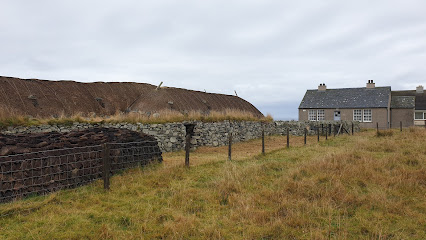
historic scotland
7.9 km
Explore the historical essence of The Blackhouse in Arnol, Isle of Lewis, where traditional Scottish life comes alive amidst stunning landscapes.
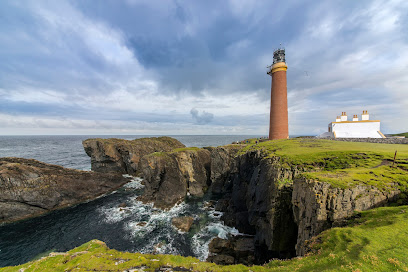
Butt of Lewis Lighthouse
19.1 km
Scotland’s northernmost red-brick lighthouse, a historic beacon amid rugged cliffs and wild Atlantic winds on the Isle of Lewis.
Harris House
57.8 km
Discover the perfect blend of care and natural beauty at Harris House in the enchanting Isle of Harris.
Eilean Glas Lighthouse
60.3 km
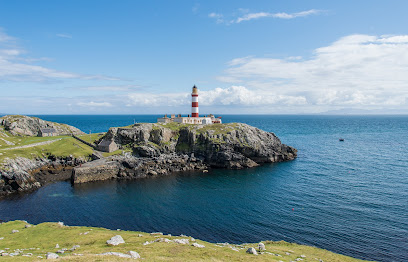
A historic white lighthouse on the wild northern tip of the Isle of Scalpay, offering sweeping sea views and a taste of remote Hebridean life.
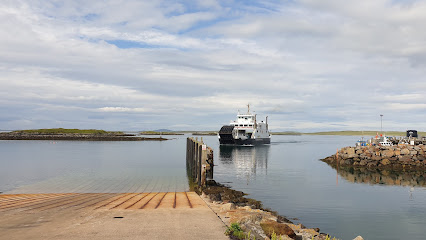
Visit Outer Hebrides
65.0 km
Your essential gateway to exploring the wild beauty and rich Gaelic culture of Scotland’s Outer Hebrides islands.
MacLeod´s Stone
65.6 km
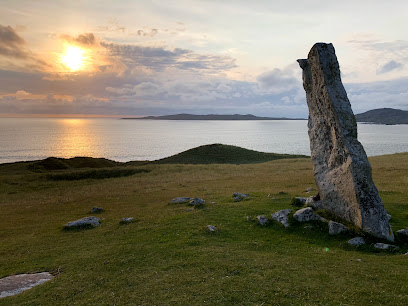
A solitary Neolithic standing stone on a white-sand beach in South Harris, steeped in myth and facing the wild Atlantic.
Stoer Lighthouse
65.9 km
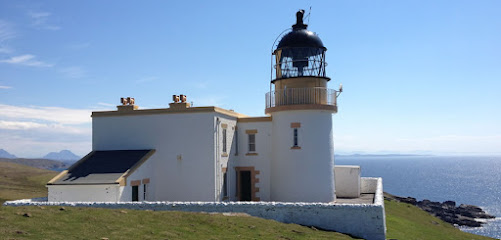
Experience a unique self-catering lighthouse stay with panoramic coastal views on Scotland’s remote and rugged Stoer Head.
Nisabost Beach
65.9 km
Discover the breathtaking beauty of Nisabost Beach on the Isle of Harris, where white sands meet turquoise waters in a stunning Scottish paradise.
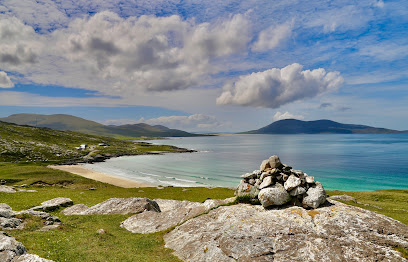
Pairc an t-Srath Guest House
67.4 km
Charming guest house on Isle of Harris with stunning sea views, warm hospitality, and delicious home-cooked meals near beautiful beaches.

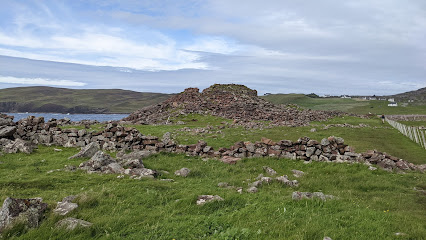
Clachtoll Broch
70.8 km
Discover Clachtoll Broch, an iconic Iron Age structure on the stunning Scottish coast, blending history and natural beauty in one captivating site.
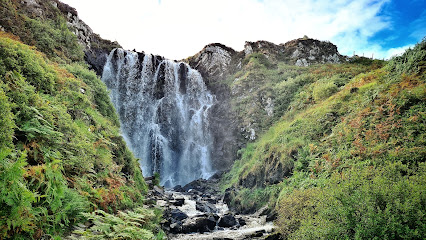
Clashnessie Falls
71.6 km
Explore the breathtaking Clashnessie Falls in the Scottish Highlands, a mesmerizing waterfall offering stunning views and serene nature trails.
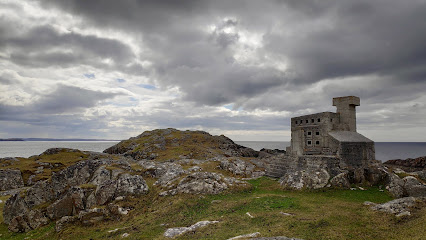
Hermit's Castle
73.3 km
Discover the enigmatic smallest castle in Europe, a Brutalist concrete bothy blending into Scotland’s wild Achmelvich coastline.
Achmelvich Beach
73.7 km
Discover the breathtaking beauty of Achmelvich Beach, an idyllic coastal paradise in the Scottish Highlands, perfect for adventure and relaxation.
Temple Harris
74.2 km
A modern café and deli in Northton, Isle of Harris, serving great coffee, soups and local produce with stunning sea views across the bay.
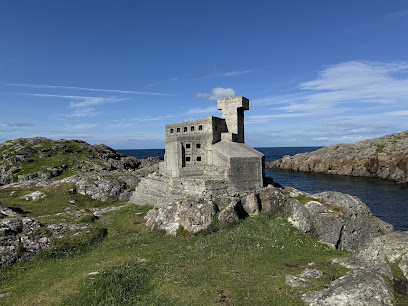
The temple
74.2 km
A contemplative sanctuary amid the wild beauty of Scotland's Outer Hebrides, where modern architecture meets ancient landscape.
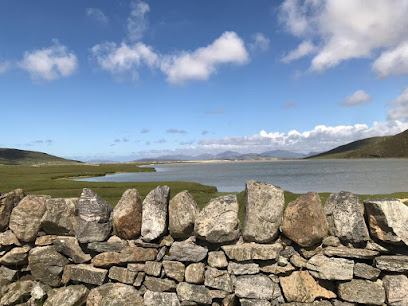
Unmissable attractions to see

Steinacleit
2.1 km
Explore Steinacleit, a captivating prehistoric site on the Isle of Lewis blending ancient stone structures with early farmstead history.
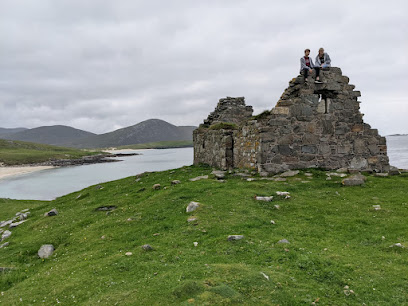
Traditional Shieling
7.0 km
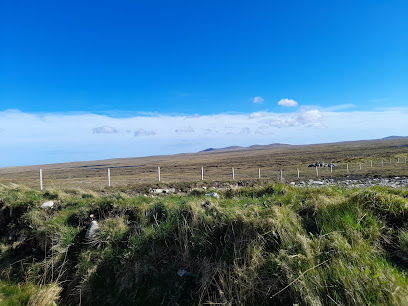
Discover the enduring heritage of the Isle of Lewis through its traditional summer shielings—simple stone huts that echo centuries of pastoral life.
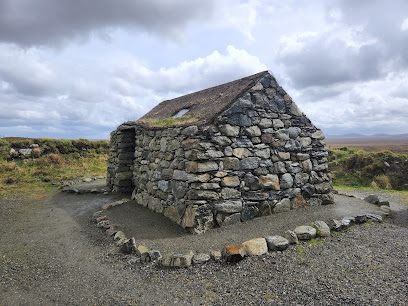
The sheiling
7.0 km
Discover the serene traditional summer hut of the Isle of Lewis, a window into Hebridean crofting heritage and pastoral life.
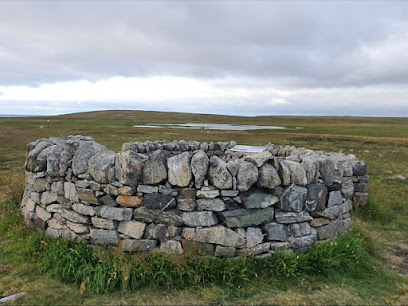
RSPB Loch na Muilne
7.7 km
Discover rare Arctic waders and vibrant coastal heathland at this serene Hebridean wetland on the Isle of Lewis.
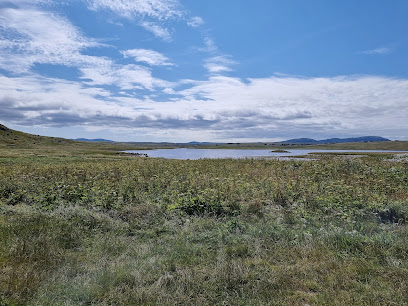
Arnol 'Beach'
8.6 km
Discover the serene and wild beauty of Arnol 'Beach', a tranquil nature reserve on the Isle of Lewis rich in rare wildlife and cultural heritage.
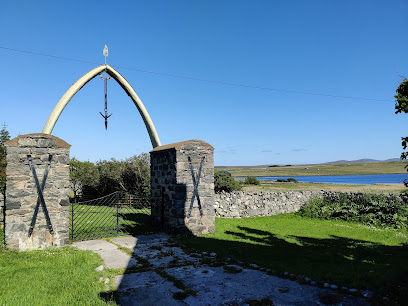
Whalebone Arch
10.3 km
A towering gateway crafted from the jawbones of a giant blue whale, symbolizing the maritime heritage of the Isle of Lewis.
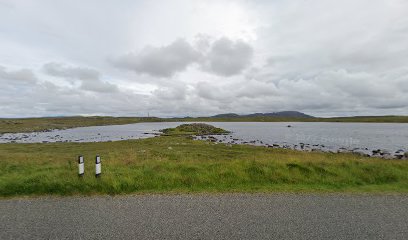
Loch An Duna
11.0 km
Explore the ancient Iron Age broch ruins nestled on a serene island in Loch An Duna, Isle of Lewis, where history and nature meet.
Mollans Takeaway
12.9 km
Savor fresh, gluten-free fish and chips with a friendly welcome by the tranquil shores of North Shawbost, Isle of Lewis.
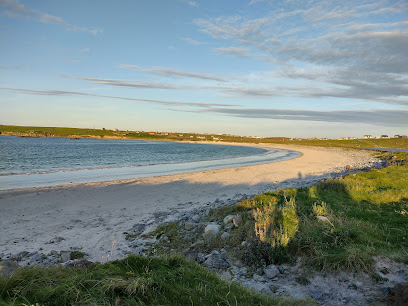
Shawbost Beach
13.4 km
Discover the tranquil horseshoe bay of Shawbost Beach, where calm waters and rugged cliffs create a serene coastal escape on the Isle of Lewis.
Ness Historical Society
14.7 km
Explore the rich heritage of North Lewis through immersive exhibits, extensive archives, and local culture at the Ness Historical Society.
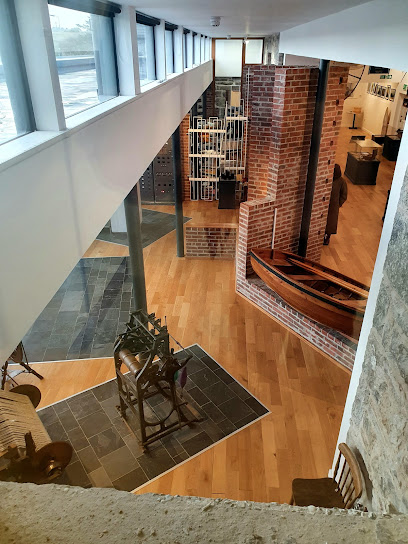
Comunn Eachdraidh Nis
14.7 km
Explore North Lewis heritage through museum exhibits, archives, and local crafts at Comunn Eachdraidh Nis in North Dell.
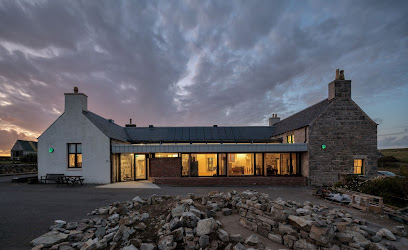
Norse Mill and Kiln
15.3 km
Explore the restored Norse Mill and Kiln near Shawbost, where ancient water-powered milling reveals the Isle of Lewis’s Viking heritage.
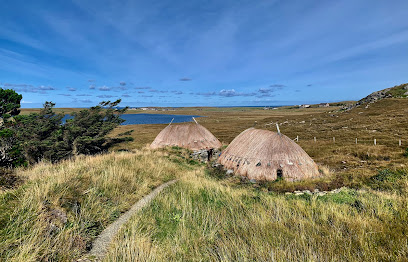
Swainbost Beach
16.4 km
Discover the peaceful sands and scenic west-facing shores of Swainbost Beach, a tranquil retreat on the Isle of Lewis.
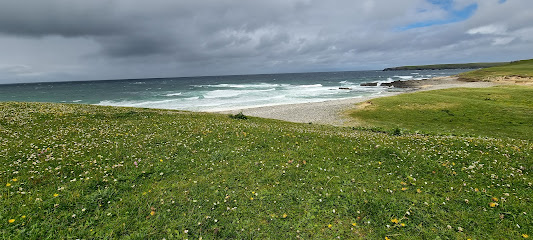
Traigh Ghearadha (Gary Beach)
16.4 km
Discover the serene beauty of Traigh Ghearadha with its golden sands, dramatic sea stacks, and peaceful coastal trails on the Isle of Lewis.
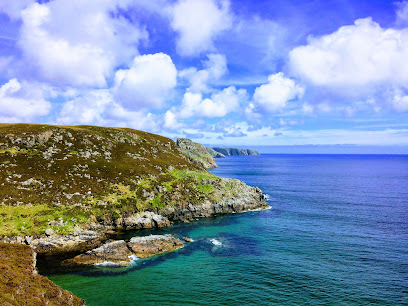
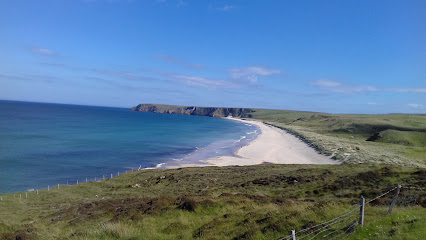
Traigh Mhòr
16.5 km
A breathtaking mile-long beach on the Isle of Lewis, offering powerful waves, historic ruins, and stunning views across the Minch.
Essential places to dine

Borve Country House Hotel
4.3 km
A welcoming 4-star retreat in Borve blending Hebridean charm, hearty local cuisine, and warm hospitality on the Isle of Lewis.
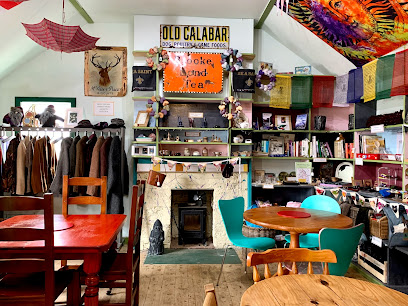
Wobbly Dog of Lewis
17.9 km
A cozy, dog-friendly tearoom at the Isle of Lewis’ northwestern tip, blending homemade treats with local crafts and warm island hospitality.
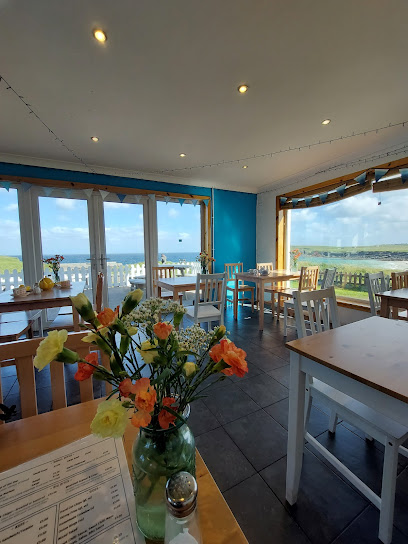
The Breakwater
19.0 km
Coastal café with stunning harbour views, fresh homemade fare, and warm hospitality in the heart of Port of Ness, Isle of Lewis.
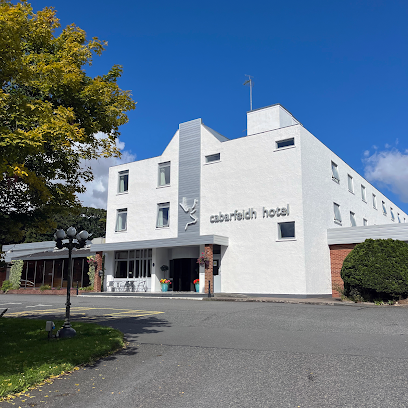
Cabarfeidh Hotel
20.3 km
Experience modern comfort and authentic Hebridean hospitality just steps from Stornoway’s historic Lews Castle.
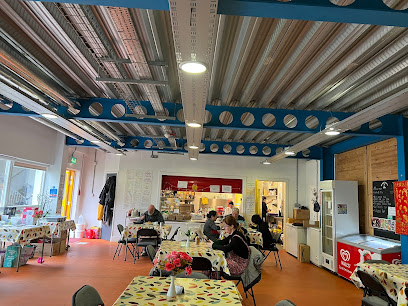
Bridge Centre Cafe
21.0 km
Cozy cafe in Stornoway’s Bayhead serving fresh, hearty meals and local treats daily from 8 AM to 8 PM.
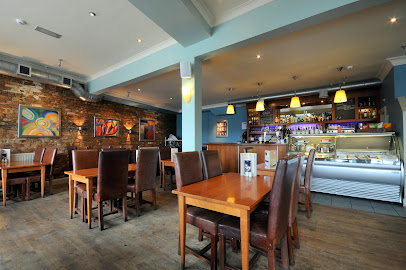
HS-1 Cafe Bar
21.2 km
Lively café-bar in Stornoway serving fresh local dishes with stunning marina and Lews Castle views in a relaxed, friendly setting.
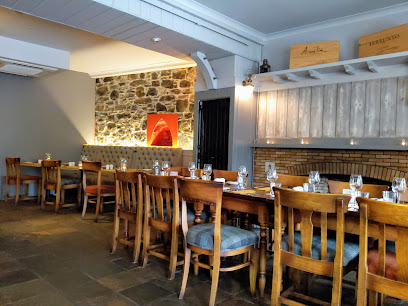
The Boatshed Restaurant
21.2 km
Savor fresh Hebridean seafood with stunning marina views in Stornoway’s acclaimed Boatshed Restaurant.
The New Lewis Bar
21.4 km
Experience the warmth of Hebridean hospitality at The New Lewis Bar—your family-friendly pub with great drinks and live music in Stornoway.
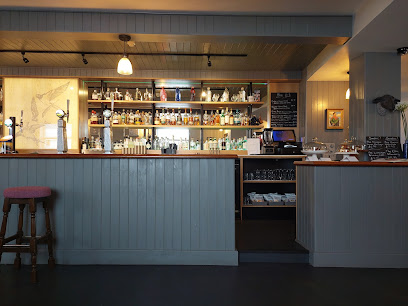
Crown Hotel
21.4 km
A welcoming harbourside inn in Stornoway offering cozy rooms, hearty Scottish fare, and a lively bar with a wide whiskey selection.
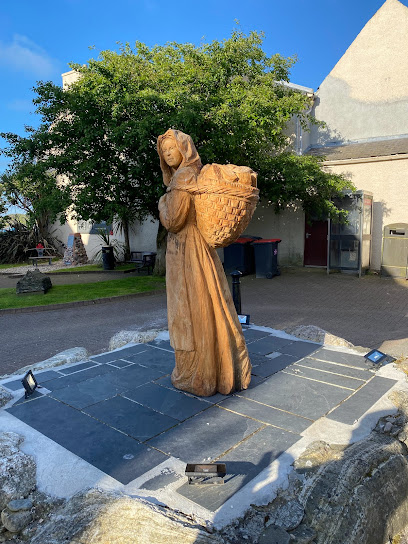
Blake’s Bar & Kitchen
21.5 km
A vibrant blend of local flavors and lively atmosphere in the heart of Stornoway’s dining scene.
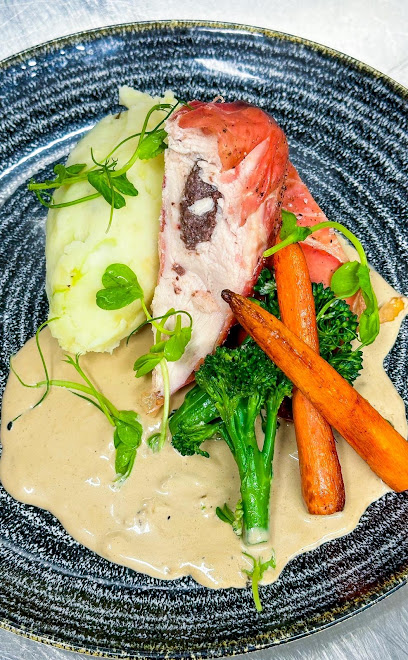
Harbour Kitchen
21.5 km
Experience the freshest Outer Hebrides seafood in a cozy, open-kitchen setting at Harbour Kitchen, Stornoway’s celebrated culinary gem.
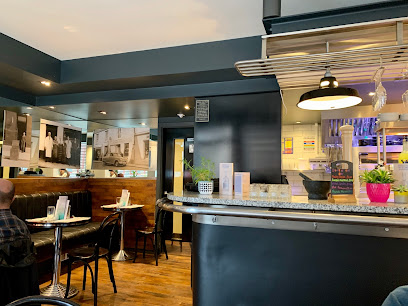
No.9 By The Harbour
21.5 km
A cozy coffee shop and cocktail bar in Stornoway blending great brews, creative drinks, and a welcoming community vibe by the harbor.
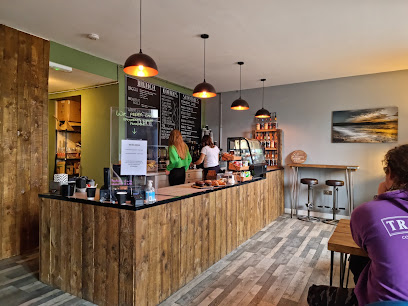
La Balena - Italian Restaurant
21.5 km
Experience authentic Italian cuisine with fresh Hebridean seafood in a warm, family-run setting at La Balena in Stornoway.
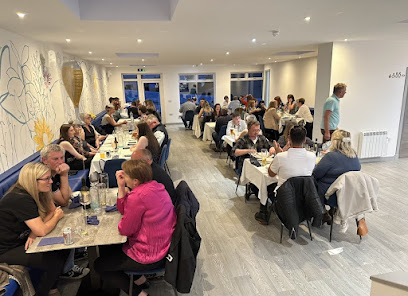
Star Inn
21.5 km
Discover the cozy charm of Star Inn in Stornoway - your perfect pub getaway with local flavors and warm hospitality.
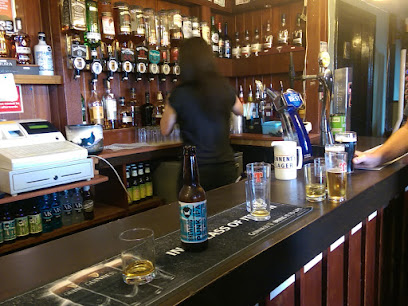
The Park Guest House & Restaurant
21.6 km
Charming central guest house in Stornoway offering cozy rooms, local dining, and easy access to Isle of Lewis attractions.
Markets, malls and hidden boutiques

Sea in Design
0.6 km
Discover maritime heritage and vintage treasures at Sea in Design, a unique antique shop celebrating the Isle of Lewis’s seafaring traditions.
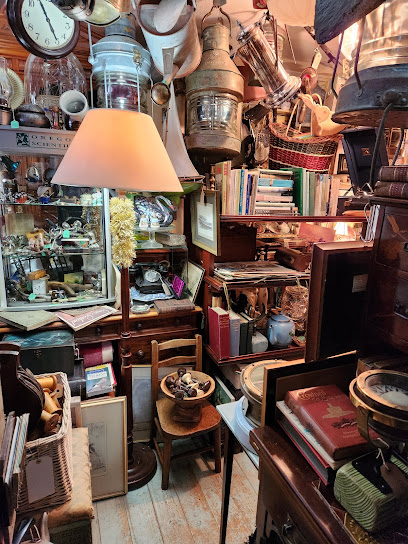
West Side Furniture Store
11.4 km
Explore exceptional handcrafted furniture and home decor at West Side Furniture Store in the charming Bragar, Isle of Lewis.
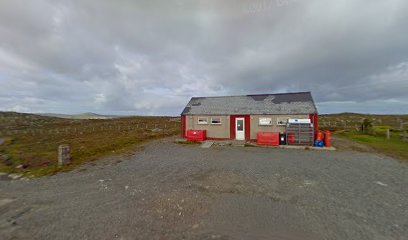
Amor Weavers
13.2 km
Discover authentic handwoven treasures celebrating the rich textile heritage of the Isle of Lewis at Amor Weavers in Shawbost.
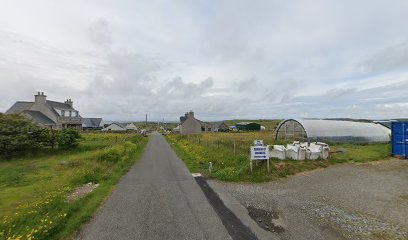
Cross Stores
15.2 km
Island butcher and grocer serving the Hebridean community with fresh provisions and artisanal prepared foods.
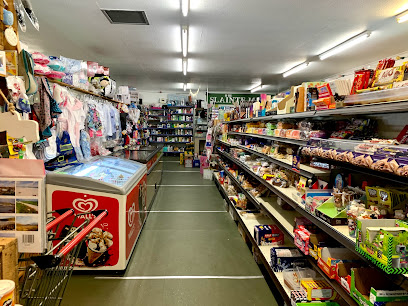
Dancing Flower Crafts
19.2 km
Discover unique, handcrafted Harris Tweed gifts inspired by the vibrant life and landscapes of the Isle of Lewis at Dancing Flower Crafts.
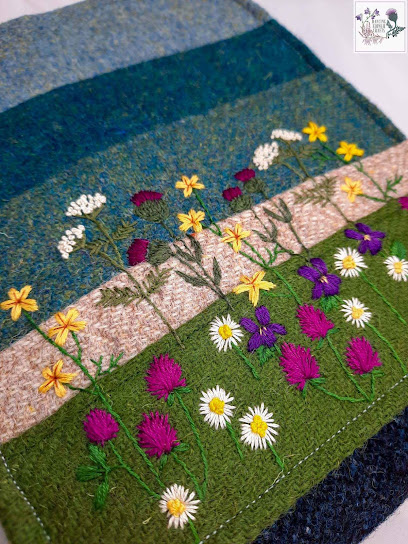
Weaver
20.0 km
Discover authentic Hebridean craftsmanship at The Crafty Weaver, where traditional Harris Tweed weaving meets unique island artistry on the Isle of Lewis.
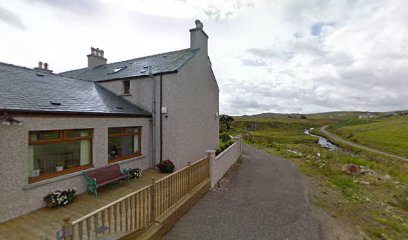
The Original Factory Shop (Co-op Stornoway)
20.7 km
Affordable brand-name fashion, beauty, and homeware all under one roof in Stornoway’s popular department store.

Bayhead Gift House
21.0 km
Explore the charming Bayhead Gift House in Stornoway for unique local crafts and souvenirs that celebrate the rich heritage of the Hebrides.
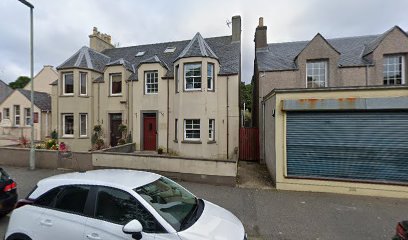
Salka – Gift Shop on the Rock
21.0 km
Discover unique handmade gifts and exquisite SeaGlass jewellery inspired by the Isle of Lewis at Salka – Gift Shop on the Rock.
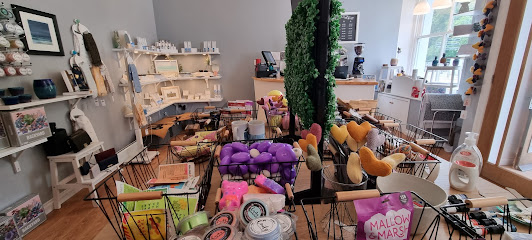
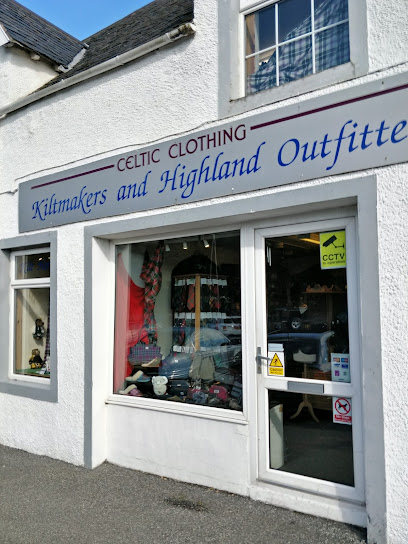
Celtic Clothing
21.1 km
Experience authentic Scottish heritage with bespoke kilts and Harris Tweed craftsmanship at Celtic Clothing in Stornoway.
The Hebridean Hobby Centre
21.2 km
A cozy craft shop in Stornoway showcasing handmade Hebridean crafts, textiles, and local art – perfect for unique island souvenirs and creative inspiration.
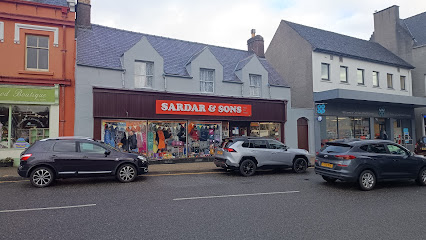
Sardar & Sons
21.3 km
Discover quality clothing and distinctive hats for special occasions at Sardar & Sons, Stornoway’s trusted local fashion destination.
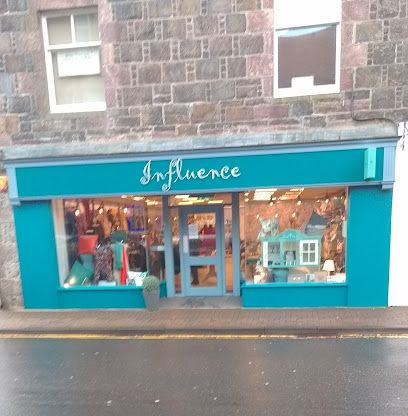
Influence Clothing
21.3 km
A stylish boutique in Stornoway offering curated women’s fashion and elegant homeware in the heart of the Outer Hebrides.
Nicolson & Co Ltd
21.4 km
Stornoway's trusted newsagent serving the Isle of Lewis since 1978.
Bonmarché
21.4 km
Bonmarché Stornoway offers stylish, affordable women's fashion in sizes 10-28, conveniently located on Cromwell Street in the town centre.
Essential bars & hidden hideouts

Cross Inn
15.1 km
A cozy, characterful inn and pub offering warm hospitality, excellent local food, and comfortable stays on the Isle of Lewis.
Old Barn Bar
15.1 km
Authentic crofters’ barn pub with rustic charm, local flavors, and warm hospitality on the Isle of Lewis.
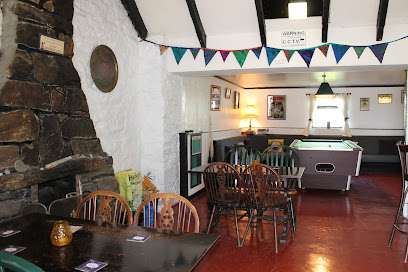
The Rip
16.5 km
A cozy bar on the Isle of Lewis where local culture, craft beers, and scenic beauty create a warm retreat for travelers and locals alike.
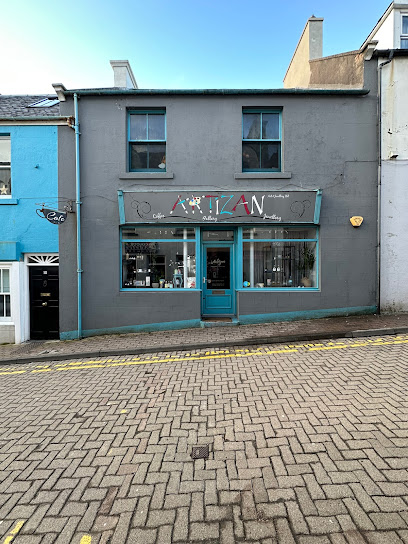
Artizan
21.3 km
Artizan blends local flavors, creative cocktails, and unique crafts in a warm, welcoming café and event space in the heart of Stornoway.
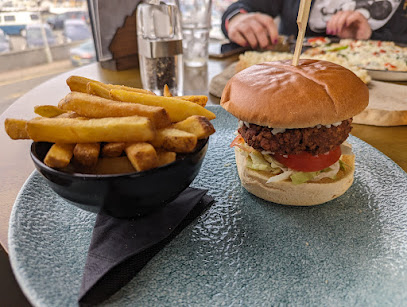
THE HARBOUR BAR
21.4 km
A warm, inviting bar in Stornoway offering local brews, hearty Scottish fare, and live music in the heart of the Isle of Lewis.
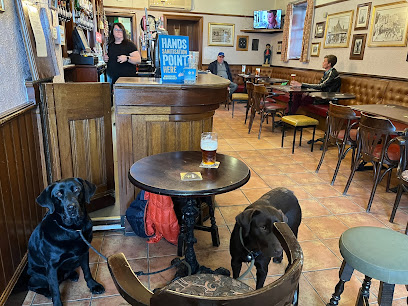
The Criterion Bar
21.5 km
A cozy, traditional Scottish bar in Stornoway known for its friendly service, quality drinks, and authentic Hebridean atmosphere.
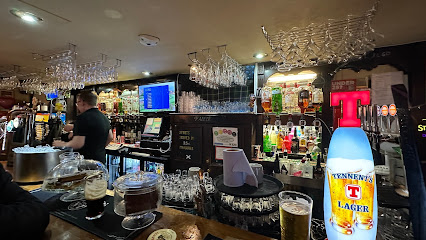
McNeills
21.5 km
Experience Stornoway’s vibrant live music and warm hospitality at McNeills, a historic bar with authentic Hebridean spirit.
Stornoway Distillers @ The Fank
21.5 km
Experience authentic Hebridean flavors and craft gin in the heart of Stornoway’s vibrant culinary scene.
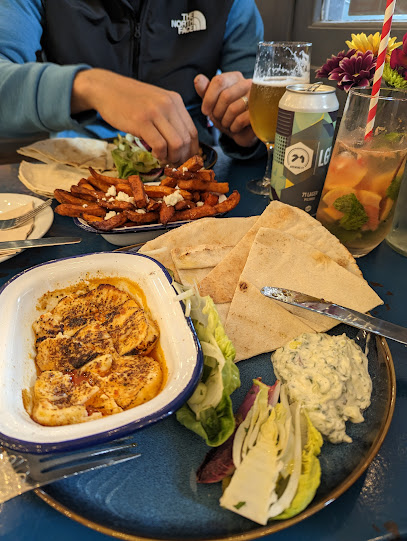
Lewis & Harris Rangers Supporters Club
21.9 km
A spirited social hub and the world’s largest Rangers supporters club, uniting fans in Stornoway with football passion and community warmth.
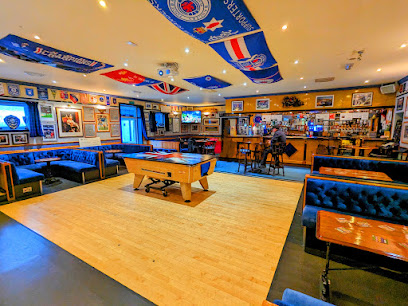
Ardhasaig House Hotel and Restaurant
56.3 km
A tranquil Hebridean escape offering cozy rooms, exquisite local cuisine, and stunning mountain and sea views on the Isle of Harris.
The Bothy
75.7 km
A cozy pub and café in Leverburgh offering local ales, hearty meals, and warm island hospitality on the Isle of Harris.
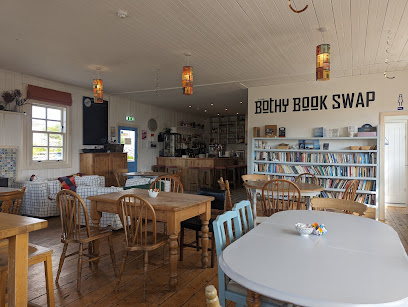
Isle of Harris Brewery
76.4 km
Crafting island-brewed beers and fresh Hebridean fare in a lively waterfront taproom on the Isle of Harris.
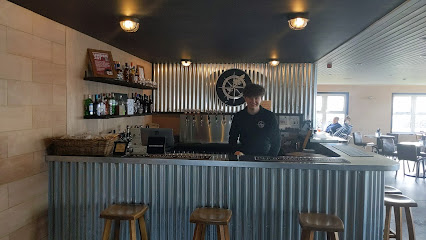
The Ferry Inn
89.6 km
A stylish 19th-century inn in Uig offering cozy rooms, exceptional local cuisine, and stunning views over Skye’s northern bay.
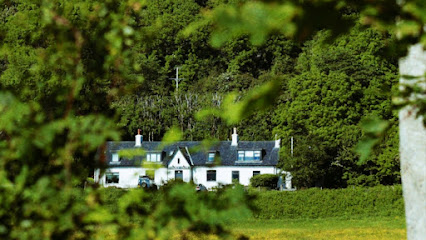
The Badachro Inn
89.6 km
Coastal Highland inn renowned for fresh seafood, stunning bay views, and warm, rustic charm in the heart of Badachro.
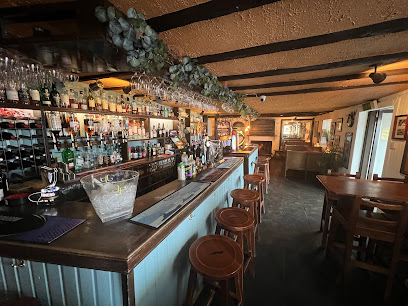
The Stein Inn
97.8 km
Historic pub and hotel on Skye offering fresh seafood, cozy rooms, and stunning Loch Bay views in a charming coastal village.
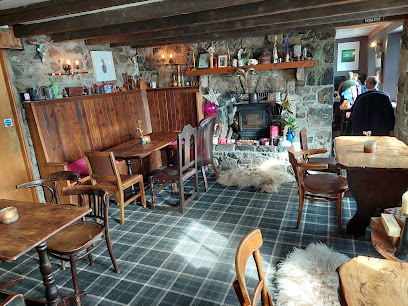
Nightclubs & after hour spots

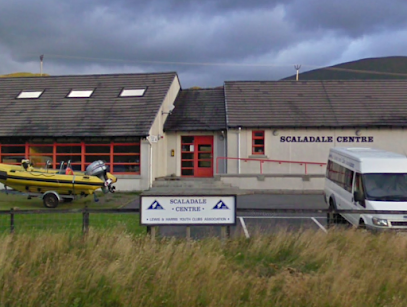
The Scaladale Centre
47.0 km
A premier outdoor adventure centre and hostel on Isle of Harris, offering year-round activities and comfortable group accommodation in stunning Hebridean surroundings.
Number 5
62.2 km
Charming stone cottage hostel with sea views, cozy fires, kayak rentals, and warm hospitality on the scenic Isle of Harris.
The Isle of Harris Golf Club
70.1 km
Discover the beauty of The Isle of Harris Golf Club, where stunning landscapes meet unforgettable golfing experiences in the heart of the Hebrides.
For the vibe & atmosphere seeker
- Tranquil
- Scenic
- Unique
- Relaxing
For the design and aesthetic lover
- Rustic Designs
- Vintage Styles
For the architecture buff
- Historic
- Landmarks
For the view chaser and sunset hunter
- Iconic Views
- Panoramas
For the social media creator & influencer
- Instagrammable
- Photo Spots
For the eco-conscious traveler
- Public-Transport Accessible
- Low Impact
- Leave-No-Trace Critical
For the kind of experience you’re after
- Cultural Heritage
- Myth & Legends
- Nature Escape
- Day Trip
For how adventurous you want the journey to be
- Easy Access
Location Audience
- Family Friendly
- Senior Friendly
- Child Friendly
- Solo Friendly
- Couple Friendly


