
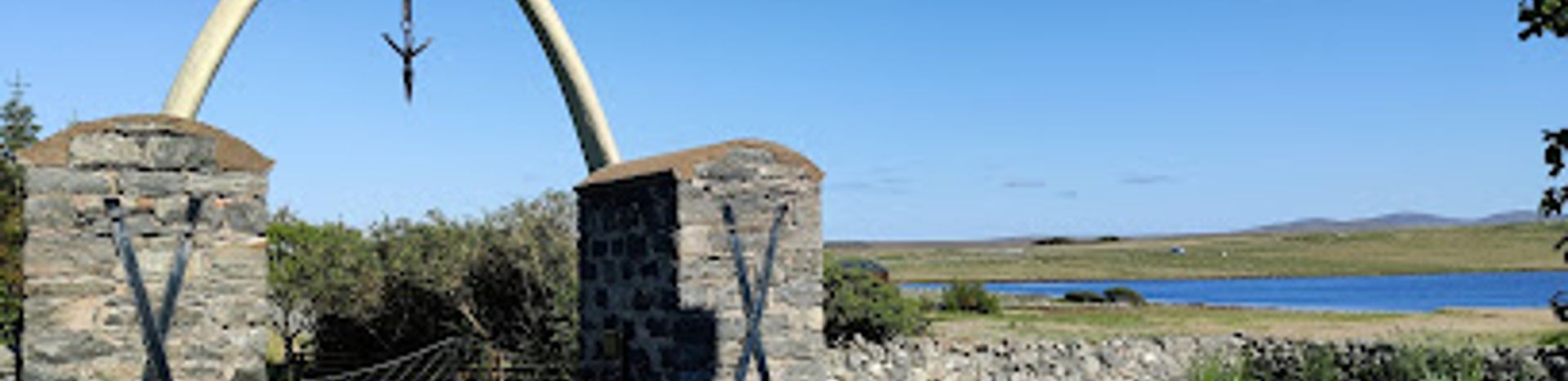
The Whalebone Arch of Bragar, Isle of Lewis
A towering gateway crafted from the jawbones of a giant blue whale, symbolizing the maritime heritage of the Isle of Lewis.
The Whalebone Arch in Bragar is a striking monument crafted from the jawbones of a giant blue whale that beached on the Isle of Lewis in 1920. This unique landmark stands as a testament to the island’s maritime heritage and local ingenuity, marking a gateway in a private garden along the A858 road. Its story intertwines natural history and human resilience, making it a captivating stop for visitors exploring the Outer Hebrides.
A brief summary to Whalebone Arch
- A858, Isle of Lewis, Bragar, HS2 9DF, GB
- Visit website
- Duration: 0.25 to 1 hours
- Free
-
 Outdoor
- Mobile reception: 4 out of 5
- Monday 12 am-12 am
- Tuesday 12 am-12 am
- Wednesday 12 am-12 am
- Thursday 12 am-12 am
- Friday 12 am-12 am
- Saturday 12 am-12 am
- Sunday 12 am-12 am
Local tips
- Visit during daylight hours for the best views and photography opportunities.
- Combine your visit with nearby historical sites like the Callanish Standing Stones and traditional blackhouse villages.
- Respect the private property surrounding the arch; enjoy the view from the roadside.
- Bring binoculars or a camera to capture the dramatic rural and coastal landscapes of Bragar.

For the on-the-go comforts that matter to you
- Seating Areas
- Information Boards
Getting There
-
Car
Driving from Stornoway to the Whalebone Arch takes approximately 25 to 35 minutes via the A857 and A858 roads. Parking is limited near the arch as it is beside private homes, so plan to park responsibly along the roadside. No parking fees apply.
-
Bus
Local bus services run between Stornoway and Bragar with journey times around 40 to 50 minutes. Service frequency is limited, so check current timetables in advance. The bus stops near the A858 road, a short walk from the arch.
-
Walking
For adventurous walkers staying nearby, the arch can be reached on foot via rural paths and minor roads. Expect uneven terrain and allow at least 30 minutes from central Bragar village. Not suitable for wheelchair users.
Whalebone Arch location weather suitability
-
 Any Weather
-
 Rain / Wet Weather
-
 Clear Skies
-
 Windy Conditions
-
 Mild Temperatures
Discover more about Whalebone Arch
A Monument Born from the Sea
The Whalebone Arch is constructed from the enormous lower jawbones of a blue whale that washed ashore at Geodha na Muc in South Bragar in September 1920. Measuring approximately 25 feet tall, the arch is made from bones of an 82-foot-long whale, which had a harpoon still lodged in its body when it beached. The harpoon’s explosive charge failed to detonate, resulting in the whale’s slow demise. The bones were salvaged and repurposed by local residents, including the village postmaster Murdo Morrison, who erected the arch as a striking gateway in the garden of two houses beside the A858 road. This monument is a rare and tangible connection to the island’s maritime past and the natural world’s power.Local History and Cultural Significance
The arch reflects the resourcefulness and close relationship the islanders have with the sea. Whales were once a vital resource for coastal communities, providing materials and sustenance. The Whalebone Arch stands not only as a physical landmark but also as a symbol of the island’s heritage, commemorating the extraordinary event of the whale beaching and the community’s interaction with it. Nearby, other historical sites such as crannogs and Iron Age brochs enrich the cultural landscape, highlighting the deep historical roots of the Isle of Lewis.Architectural and Visual Impact
The arch’s imposing size and unusual construction make it a visually arresting feature against the rural backdrop of Bragar. Its skeletal form, with the curved whale jaws framing the sky, creates a natural sculpture that blends organic material with human craftsmanship. Over the years, the arch has required preservation efforts due to natural weathering and occasional damage from visitors. It remains a unique example of maritime folk art and a landmark that draws curiosity and admiration for its scale and story.Visitor Experience and Surroundings
Situated beside private homes, the Whalebone Arch is accessible to passersby along the A858 road. Visitors can appreciate the arch from the roadside, where it serves as a memorable photo opportunity and a conversation piece. The surrounding area of Bragar offers a peaceful rural setting with views of the Hebridean landscape. Nearby attractions include beaches, standing stones, and traditional blackhouse villages, allowing visitors to immerse themselves in the island’s natural beauty and rich history.Preservation and Legacy
The arch is protected as a local heritage feature, with efforts to maintain its structure and prevent deterioration. Its story continues to be shared by locals and visitors alike, preserving the memory of the 1920 whale and the community’s connection to the sea. The Whalebone Arch stands as a rare and evocative monument, linking natural history, human endeavor, and cultural identity on the Isle of Lewis.A Gateway to the Outer Hebrides’ Past
More than a curiosity, the Whalebone Arch invites reflection on the island’s relationship with the Atlantic Ocean and its wildlife. It embodies the resilience of the islanders and their ability to find meaning and utility in extraordinary circumstances. As part of the wider historical and natural tapestry of the Outer Hebrides, the arch enriches the visitor’s understanding of this remote and rugged region.Iconic landmarks you can’t miss

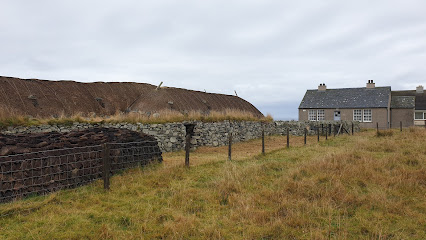
historic scotland
2.4 km
Explore the historical essence of The Blackhouse in Arnol, Isle of Lewis, where traditional Scottish life comes alive amidst stunning landscapes.
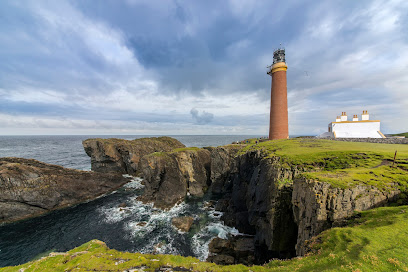
Butt of Lewis Lighthouse
29.4 km
Scotland’s northernmost red-brick lighthouse, a historic beacon amid rugged cliffs and wild Atlantic winds on the Isle of Lewis.
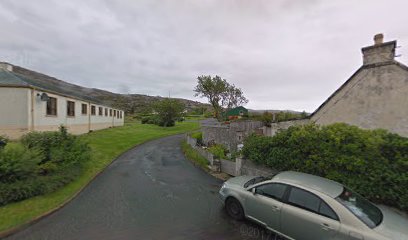
Harris House
49.4 km
Discover the perfect blend of care and natural beauty at Harris House in the enchanting Isle of Harris.
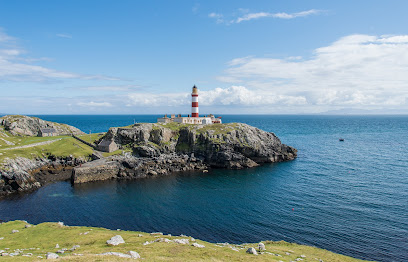
Eilean Glas Lighthouse
53.1 km
A historic white lighthouse on the wild northern tip of the Isle of Scalpay, offering sweeping sea views and a taste of remote Hebridean life.
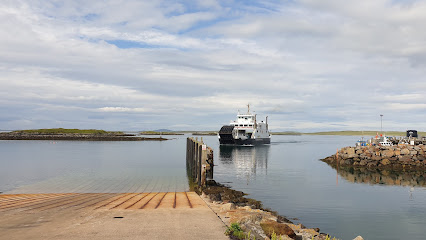
Visit Outer Hebrides
54.9 km
Your essential gateway to exploring the wild beauty and rich Gaelic culture of Scotland’s Outer Hebrides islands.
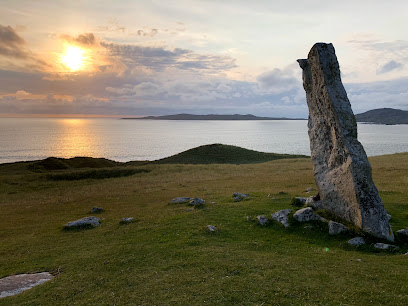
MacLeod´s Stone
56.3 km
A solitary Neolithic standing stone on a white-sand beach in South Harris, steeped in myth and facing the wild Atlantic.
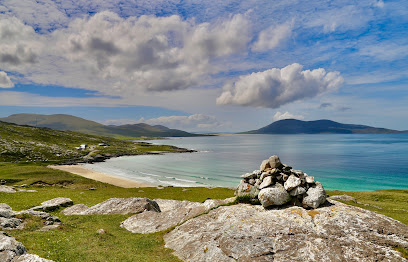
Nisabost Beach
56.6 km
Discover the breathtaking beauty of Nisabost Beach on the Isle of Harris, where white sands meet turquoise waters in a stunning Scottish paradise.
Pairc an t-Srath Guest House
58.2 km
Charming guest house on Isle of Harris with stunning sea views, warm hospitality, and delicious home-cooked meals near beautiful beaches.

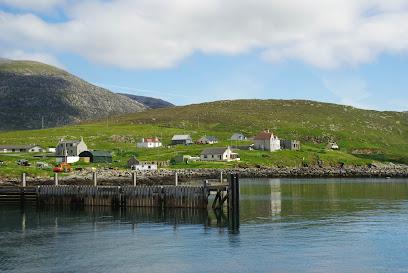
The temple
64.7 km
A contemplative sanctuary amid the wild beauty of Scotland's Outer Hebrides, where modern architecture meets ancient landscape.
Temple Harris
64.8 km
A modern café and deli in Northton, Isle of Harris, serving great coffee, soups and local produce with stunning sea views across the bay.
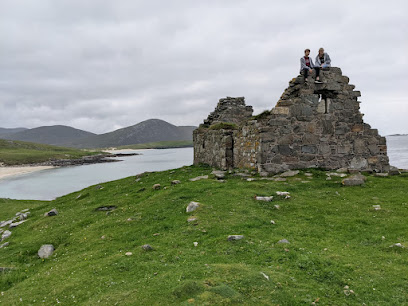
Hebrides People Visitor Centre
65.3 km
Explore the rich heritage of the Isle of Harris at the Hebrides People Visitor Centre, where history, genealogy, and local literature come alive.
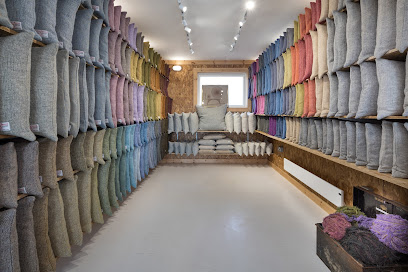
Borrisdale Tweed
66.5 km
Discover exquisite craftsmanship at Borrisdale Tweed, a unique homewares shop offering authentic Scottish tweed products in the heart of the Isle of Harris.
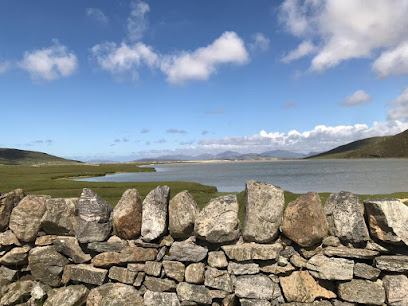
St Clement's Church : Rodel
68.8 km
Discover the rich history and stunning architecture of St Clement's Church on the Isle of Harris, a must-visit tourist attraction in Scotland.
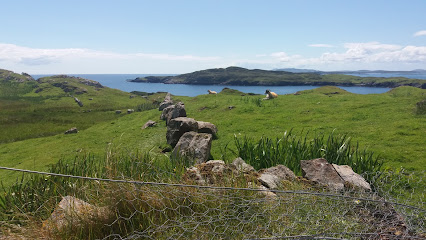
Sound of Harris
71.1 km
A dramatic eight-mile maritime passage through Scotland's remote Outer Hebrides, where tidal waters and rocky islands create an unforgettable crossing.
Rubha Hunish
72.3 km
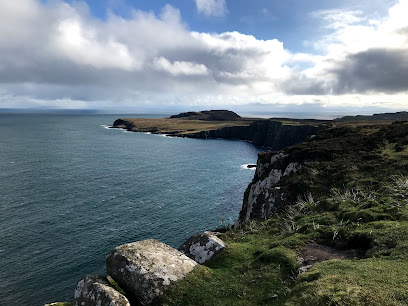
Explore Rubha Hunish, the northern jewel of the Isle of Skye, where breathtaking views and rich history come together in a stunning coastal experience.
Unmissable attractions to see

Loch An Duna
0.7 km
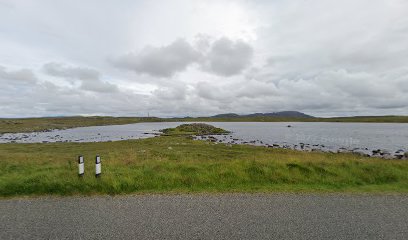
Explore the ancient Iron Age broch ruins nestled on a serene island in Loch An Duna, Isle of Lewis, where history and nature meet.
Arnol 'Beach'
1.9 km
Discover the serene and wild beauty of Arnol 'Beach', a tranquil nature reserve on the Isle of Lewis rich in rare wildlife and cultural heritage.
RSPB Loch na Muilne
2.6 km
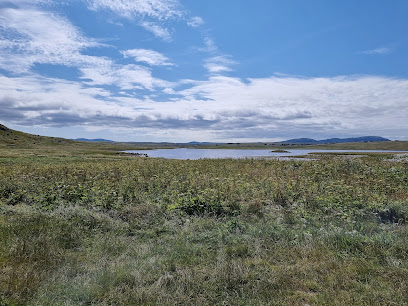
Discover rare Arctic waders and vibrant coastal heathland at this serene Hebridean wetland on the Isle of Lewis.
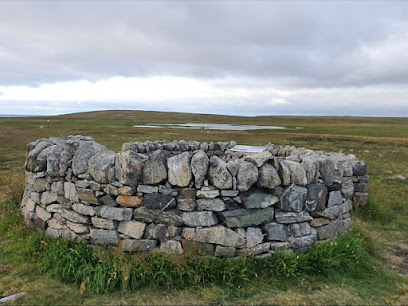
Mollans Takeaway
3.1 km
Savor fresh, gluten-free fish and chips with a friendly welcome by the tranquil shores of North Shawbost, Isle of Lewis.
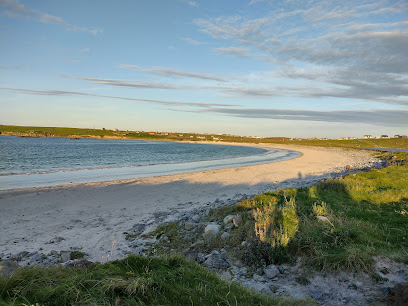
Shawbost Beach
3.5 km
Discover the tranquil horseshoe bay of Shawbost Beach, where calm waters and rugged cliffs create a serene coastal escape on the Isle of Lewis.
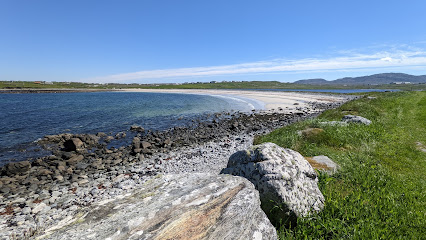
The sheiling
3.9 km
Discover the serene traditional summer hut of the Isle of Lewis, a window into Hebridean crofting heritage and pastoral life.
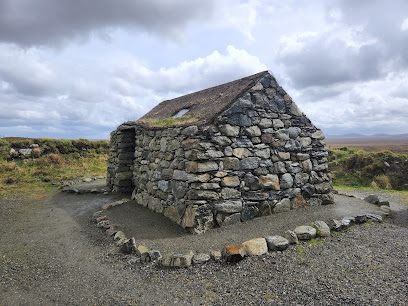
Traditional Shieling
3.9 km
Discover the enduring heritage of the Isle of Lewis through its traditional summer shielings—simple stone huts that echo centuries of pastoral life.
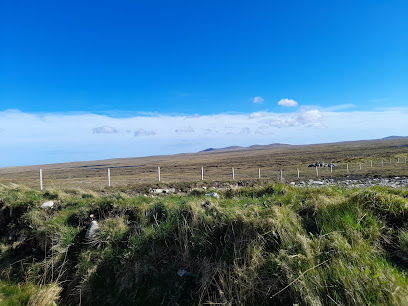
Norse Mill and Kiln
5.1 km
Explore the restored Norse Mill and Kiln near Shawbost, where ancient water-powered milling reveals the Isle of Lewis’s Viking heritage.
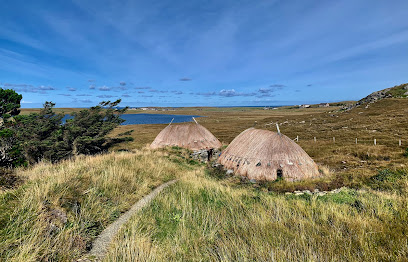
Dalbeg Beach
6.7 km
Discover the tranquil beauty of Dalbeg Beach, a secluded sandy cove framed by cliffs and sea stacks on the Isle of Lewis.
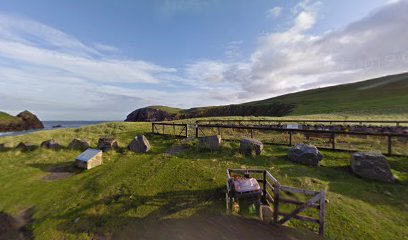
Clach An Truishal Standing Stone
10.3 km
Scotland’s tallest standing stone, Clach An Truishal, towers nearly 6 meters high on the Isle of Lewis, steeped in ancient mystery and legend.
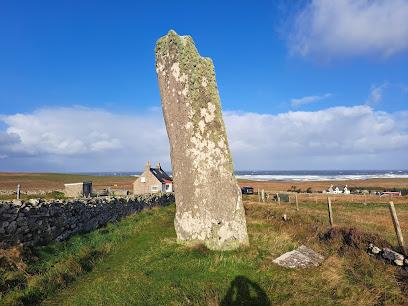
Garenin Village Viewpoint
10.4 km
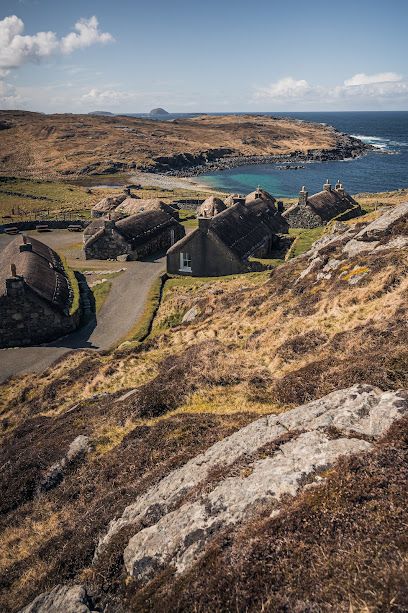
Experience the rugged beauty and rich heritage of Garenin’s blackhouse village with stunning Atlantic views on the Isle of Lewis.
Isle of Lewis
10.5 km
Discover the wild beauty, ancient heritage, and vibrant Gaelic culture of Scotland’s largest Outer Hebrides island, the Isle of Lewis.
Mcindoe stones
11.0 km
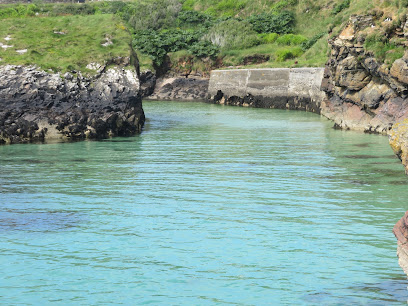
Explore the ancient Mcindoe Stones on the Isle of Lewis, a mystical site rich in history and folklore amidst breathtaking scenery.
Steinacleit
12.2 km
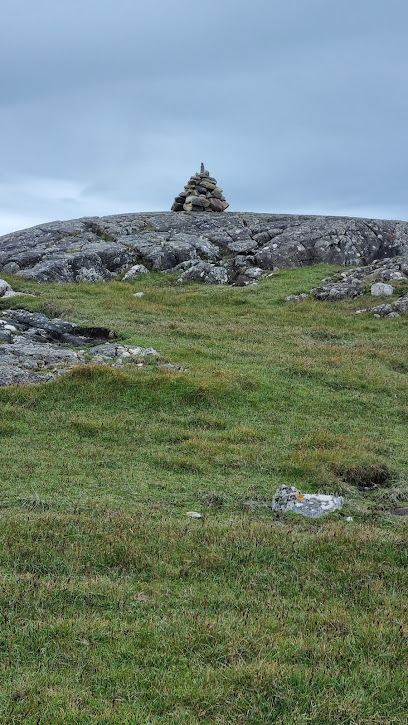
Explore Steinacleit, a captivating prehistoric site on the Isle of Lewis blending ancient stone structures with early farmstead history.
Sgeir nan Gall (Skerry of the Foreigners)
15.0 km
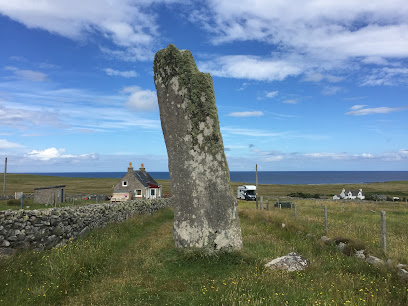
Discover the rugged beauty and rich maritime lore of Sgeir nan Gall, a remote skerry off the Isle of Lewis in Scotland’s Outer Hebrides.
Essential places to dine

Doune Braes Hotel
12.2 km
Traditional 3-star guest house on the Isle of Lewis offering homely comfort, local cuisine, and serene Hebridean landscapes.
Borve Country House Hotel
14.6 km
A welcoming 4-star retreat in Borve blending Hebridean charm, hearty local cuisine, and warm hospitality on the Isle of Lewis.
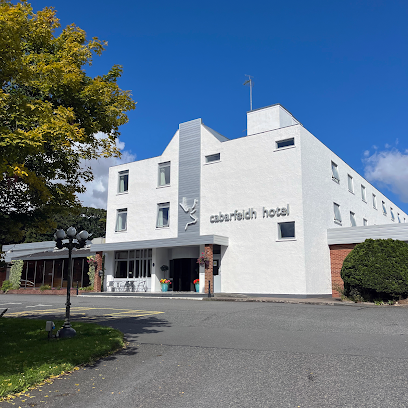
Cabarfeidh Hotel
19.0 km
Experience modern comfort and authentic Hebridean hospitality just steps from Stornoway’s historic Lews Castle.
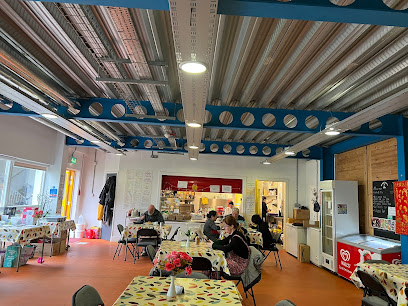
Bridge Centre Cafe
19.5 km
Cozy cafe in Stornoway’s Bayhead serving fresh, hearty meals and local treats daily from 8 AM to 8 PM.
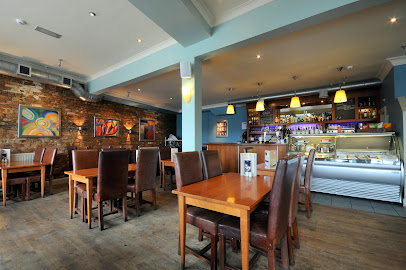
HS-1 Cafe Bar
19.6 km
Lively café-bar in Stornoway serving fresh local dishes with stunning marina and Lews Castle views in a relaxed, friendly setting.
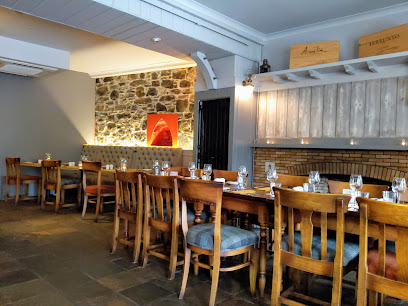
The Boatshed Restaurant
19.7 km
Savor fresh Hebridean seafood with stunning marina views in Stornoway’s acclaimed Boatshed Restaurant.
The New Lewis Bar
19.7 km
Experience the warmth of Hebridean hospitality at The New Lewis Bar—your family-friendly pub with great drinks and live music in Stornoway.
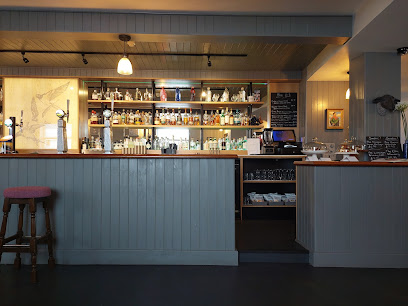
Crown Hotel
19.8 km
A welcoming harbourside inn in Stornoway offering cozy rooms, hearty Scottish fare, and a lively bar with a wide whiskey selection.
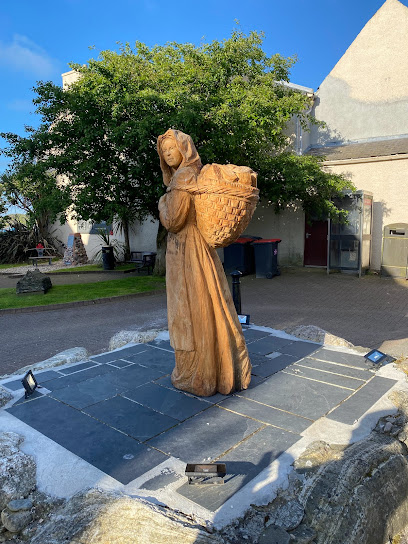
Blake’s Bar & Kitchen
19.8 km
A vibrant blend of local flavors and lively atmosphere in the heart of Stornoway’s dining scene.
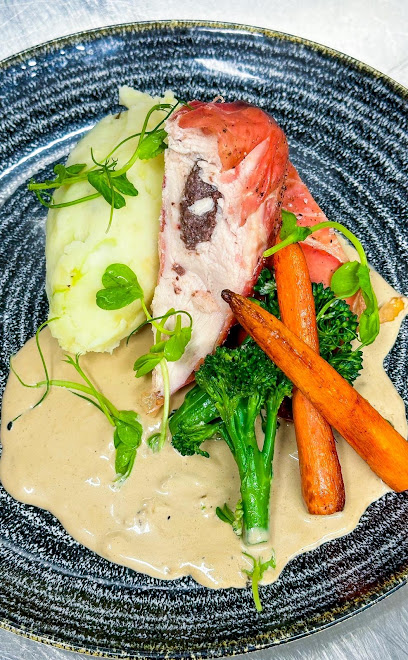
Star Inn
19.8 km
Discover the cozy charm of Star Inn in Stornoway - your perfect pub getaway with local flavors and warm hospitality.
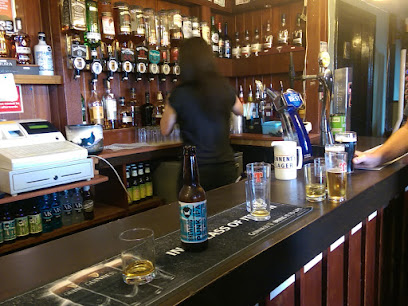
Harbour Kitchen
19.8 km
Experience the freshest Outer Hebrides seafood in a cozy, open-kitchen setting at Harbour Kitchen, Stornoway’s celebrated culinary gem.
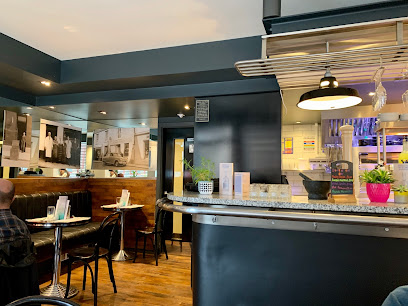
No.9 By The Harbour
19.8 km
A cozy coffee shop and cocktail bar in Stornoway blending great brews, creative drinks, and a welcoming community vibe by the harbor.
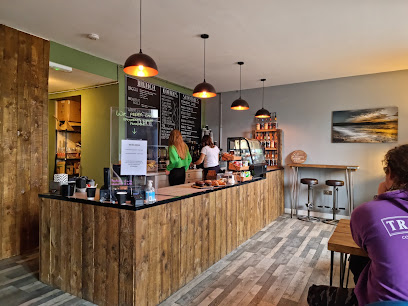
La Balena - Italian Restaurant
19.9 km
Experience authentic Italian cuisine with fresh Hebridean seafood in a warm, family-run setting at La Balena in Stornoway.
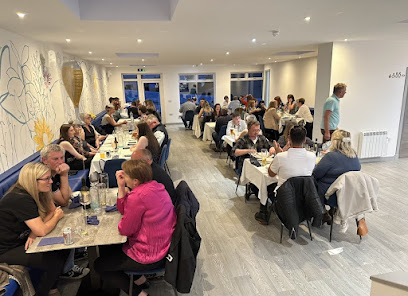
The Park Guest House & Restaurant
20.1 km
Charming central guest house in Stornoway offering cozy rooms, local dining, and easy access to Isle of Lewis attractions.
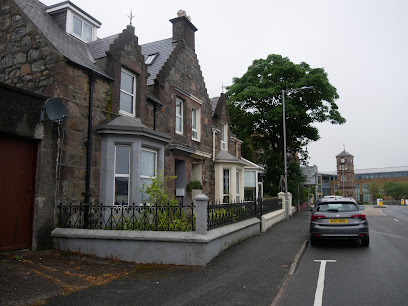
Caladh Inn
20.1 km
Comfortable and welcoming inn in central Stornoway, blending local charm with convenient access to the Isle of Lewis’s highlights.
Markets, malls and hidden boutiques

West Side Furniture Store
1.7 km
Explore exceptional handcrafted furniture and home decor at West Side Furniture Store in the charming Bragar, Isle of Lewis.
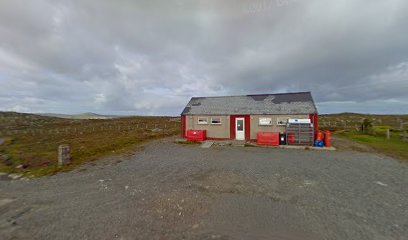
Amor Weavers
3.2 km
Discover authentic handwoven treasures celebrating the rich textile heritage of the Isle of Lewis at Amor Weavers in Shawbost.
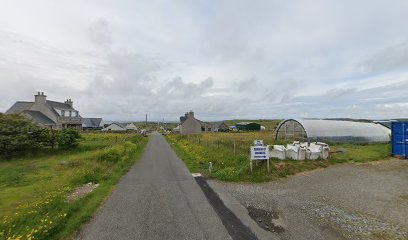
Dancing Flower Crafts
8.9 km
Discover unique, handcrafted Harris Tweed gifts inspired by the vibrant life and landscapes of the Isle of Lewis at Dancing Flower Crafts.
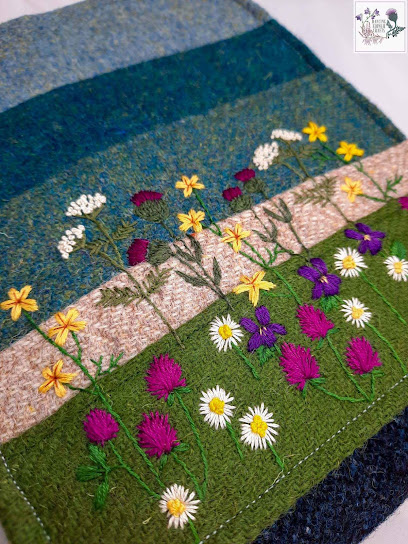
Weaver
9.7 km
Discover authentic Hebridean craftsmanship at The Crafty Weaver, where traditional Harris Tweed weaving meets unique island artistry on the Isle of Lewis.
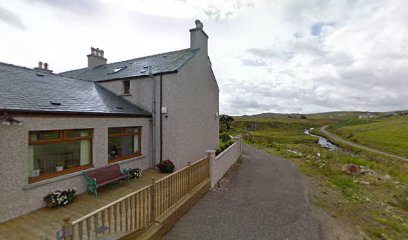
Sea in Design
10.6 km
Discover maritime heritage and vintage treasures at Sea in Design, a unique antique shop celebrating the Isle of Lewis’s seafaring traditions.
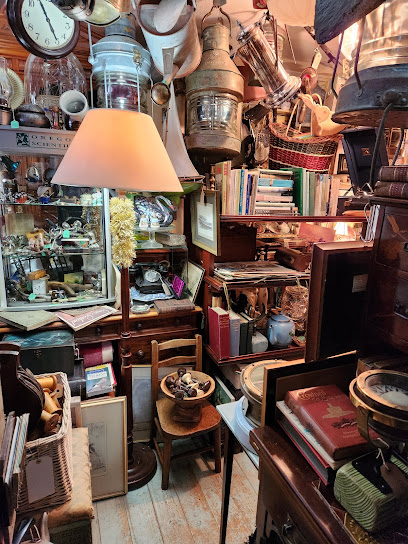
Broch Gift Shop
12.0 km
Discover authentic island crafts and cozy coffee moments at Broch Gift Shop in Doune, Isle of Lewis.
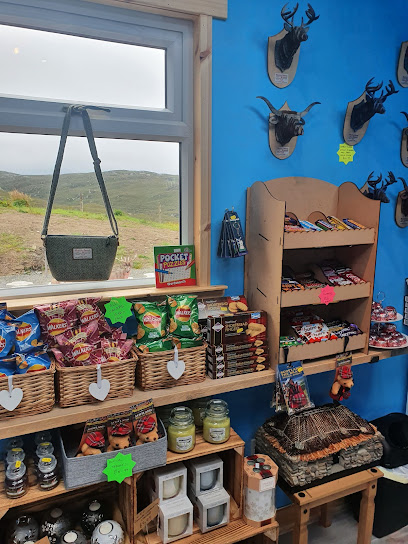
Islewear
14.2 km
Handcrafted Hebridean jewellery inspired by the wild landscapes and heritage of the Isle of Lewis.
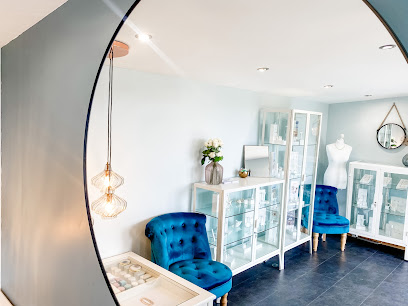
Garynahine Harris Tweed
16.8 km
Discover authentic Harris Tweed craftsmanship in the tranquil village of Garynahine, Isle of Lewis, where tradition and heritage weave together.
The Original Factory Shop (Co-op Stornoway)
19.4 km
Affordable brand-name fashion, beauty, and homeware all under one roof in Stornoway’s popular department store.

Bayhead Gift House
19.5 km
Explore the charming Bayhead Gift House in Stornoway for unique local crafts and souvenirs that celebrate the rich heritage of the Hebrides.
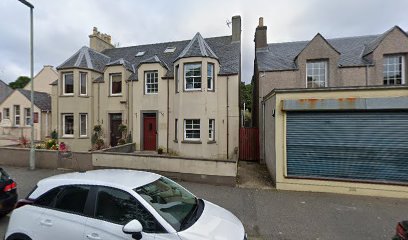
Salka – Gift Shop on the Rock
19.5 km
Discover unique handmade gifts and exquisite SeaGlass jewellery inspired by the Isle of Lewis at Salka – Gift Shop on the Rock.
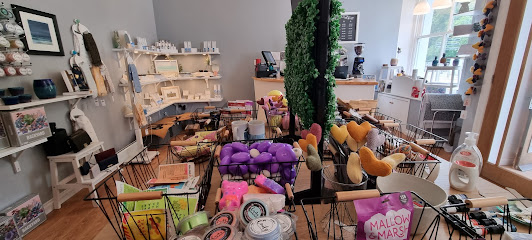
Celtic Clothing
19.6 km
Experience authentic Scottish heritage with bespoke kilts and Harris Tweed craftsmanship at Celtic Clothing in Stornoway.
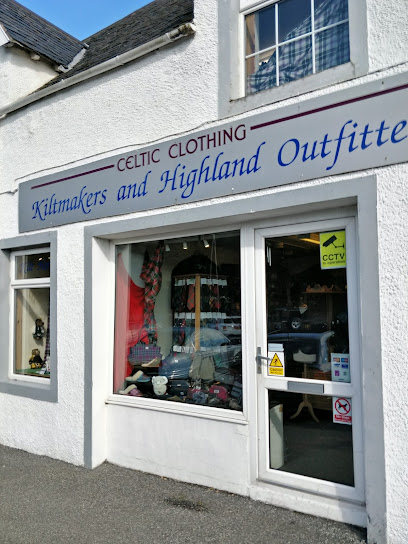
The Hebridean Hobby Centre
19.6 km
A cozy craft shop in Stornoway showcasing handmade Hebridean crafts, textiles, and local art – perfect for unique island souvenirs and creative inspiration.
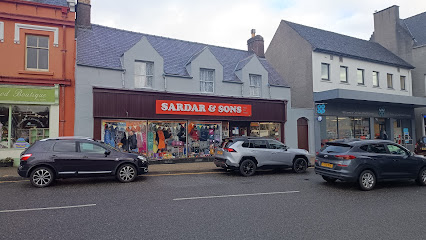
Sardar & Sons
19.7 km
Discover quality clothing and distinctive hats for special occasions at Sardar & Sons, Stornoway’s trusted local fashion destination.
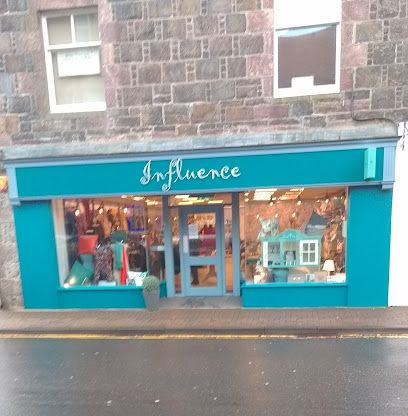
Influence Clothing
19.7 km
A stylish boutique in Stornoway offering curated women’s fashion and elegant homeware in the heart of the Outer Hebrides.
Essential bars & hidden hideouts

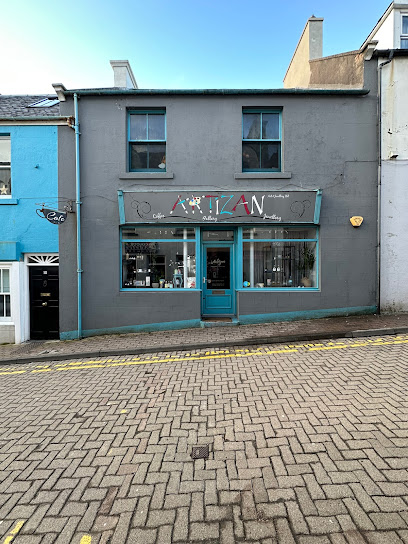
Artizan
19.7 km
Artizan blends local flavors, creative cocktails, and unique crafts in a warm, welcoming café and event space in the heart of Stornoway.
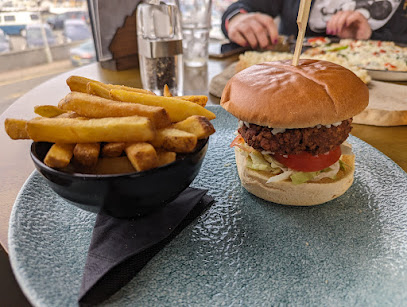
THE HARBOUR BAR
19.7 km
A warm, inviting bar in Stornoway offering local brews, hearty Scottish fare, and live music in the heart of the Isle of Lewis.
The Criterion Bar
19.8 km
A cozy, traditional Scottish bar in Stornoway known for its friendly service, quality drinks, and authentic Hebridean atmosphere.
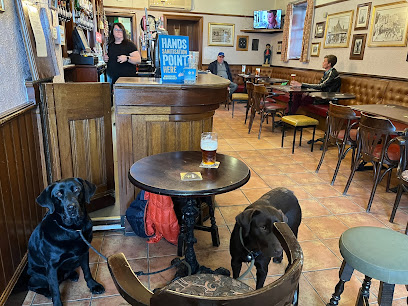
McNeills
19.8 km
Experience Stornoway’s vibrant live music and warm hospitality at McNeills, a historic bar with authentic Hebridean spirit.
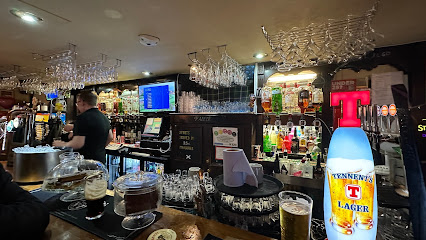
Stornoway Distillers @ The Fank
19.9 km
Experience authentic Hebridean flavors and craft gin in the heart of Stornoway’s vibrant culinary scene.
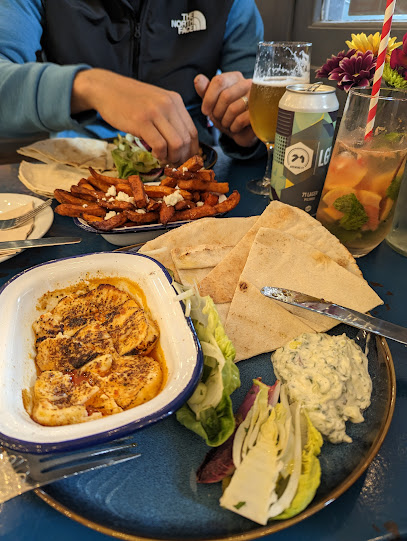
Lewis & Harris Rangers Supporters Club
20.4 km
A spirited social hub and the world’s largest Rangers supporters club, uniting fans in Stornoway with football passion and community warmth.
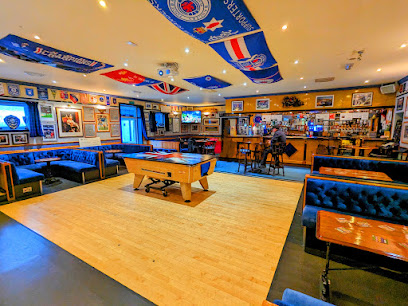
The Rip
22.7 km
A cozy bar on the Isle of Lewis where local culture, craft beers, and scenic beauty create a warm retreat for travelers and locals alike.
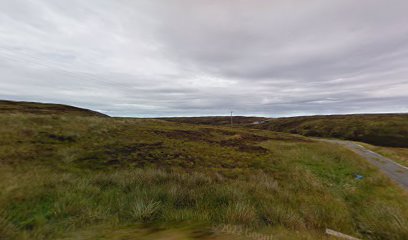
Cross Inn
25.3 km
A cozy, characterful inn and pub offering warm hospitality, excellent local food, and comfortable stays on the Isle of Lewis.
Old Barn Bar
25.4 km
Authentic crofters’ barn pub with rustic charm, local flavors, and warm hospitality on the Isle of Lewis.
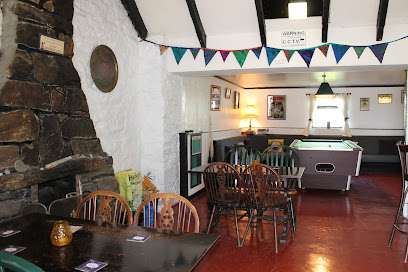
Ardhasaig House Hotel and Restaurant
47.5 km
A tranquil Hebridean escape offering cozy rooms, exquisite local cuisine, and stunning mountain and sea views on the Isle of Harris.
The Bothy
66.5 km
A cozy pub and café in Leverburgh offering local ales, hearty meals, and warm island hospitality on the Isle of Harris.
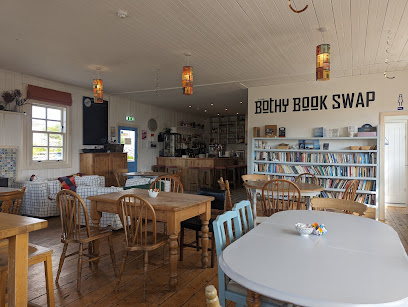
Isle of Harris Brewery
67.3 km
Crafting island-brewed beers and fresh Hebridean fare in a lively waterfront taproom on the Isle of Harris.
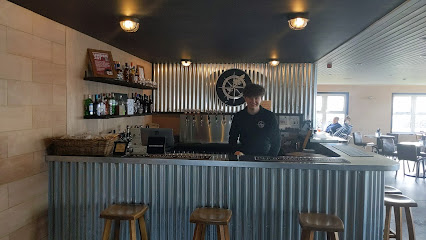
The Ferry Inn
84.2 km
A stylish 19th-century inn in Uig offering cozy rooms, exceptional local cuisine, and stunning views over Skye’s northern bay.
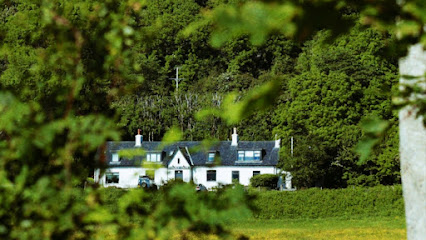
The Badachro Inn
88.5 km
Coastal Highland inn renowned for fresh seafood, stunning bay views, and warm, rustic charm in the heart of Badachro.
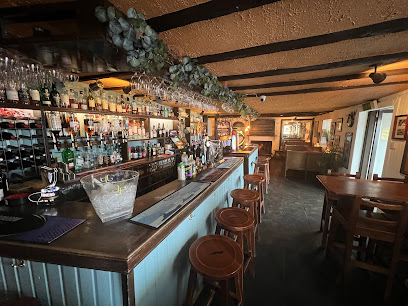
The Stein Inn
91.1 km
Historic pub and hotel on Skye offering fresh seafood, cozy rooms, and stunning Loch Bay views in a charming coastal village.
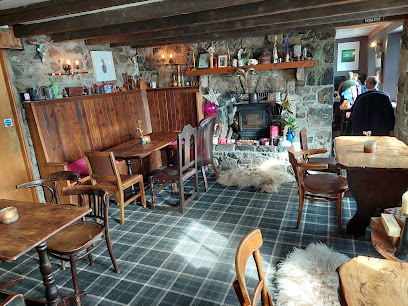
Nightclubs & after hour spots

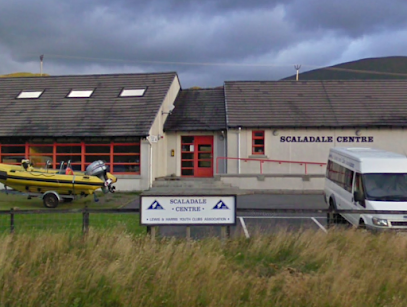
The Scaladale Centre
38.5 km
A premier outdoor adventure centre and hostel on Isle of Harris, offering year-round activities and comfortable group accommodation in stunning Hebridean surroundings.
Number 5
54.1 km
Charming stone cottage hostel with sea views, cozy fires, kayak rentals, and warm hospitality on the scenic Isle of Harris.
The Isle of Harris Golf Club
60.8 km
Discover the beauty of The Isle of Harris Golf Club, where stunning landscapes meet unforgettable golfing experiences in the heart of the Hebrides.
For the vibe & atmosphere seeker
- Unique
- Scenic
- Tranquil
- Quirky
For the design and aesthetic lover
- Rustic Designs
For the architecture buff
- Landmarks
For the view chaser and sunset hunter
- Iconic Views
For the social media creator & influencer
- Photo Spots
- Selfie Spots
- Architectural Shots
For the eco-conscious traveler
- Eco-Friendly
- Public-Transport Accessible
- Low Impact
For the kind of experience you’re after
- Cultural Heritage
- Photowalk
- Day Trip
- Nature Escape
For how adventurous you want the journey to be
- Easy Access
Location Audience
- Family Friendly
- Senior Friendly
- Child Friendly
- Teen Friendly
- Solo Friendly
- Couple Friendly
- Vegetarian Friendly
- Vegan Friendly


