
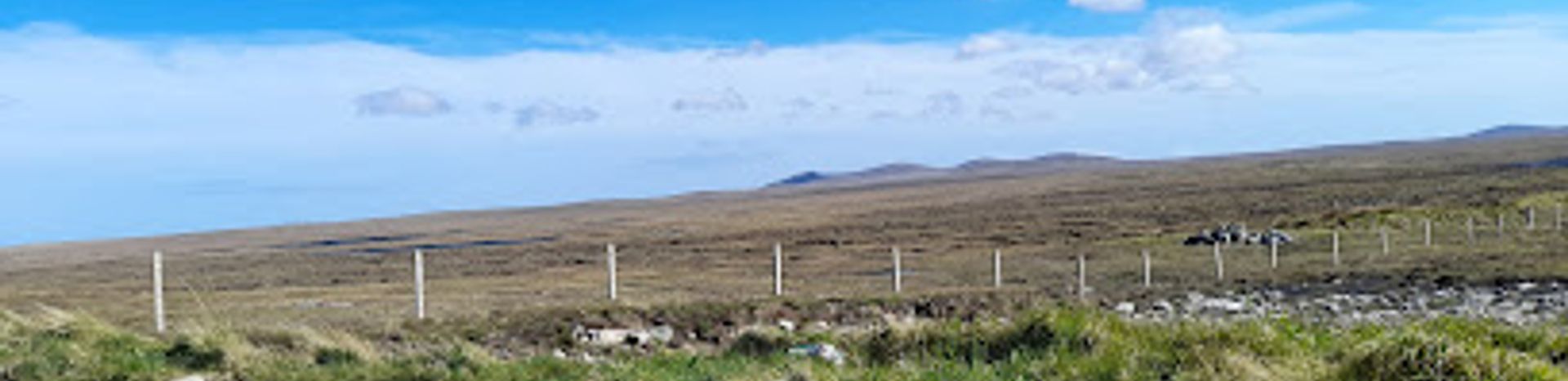
Traditional Shieling on the Isle of Lewis
Discover the enduring heritage of the Isle of Lewis through its traditional summer shielings—simple stone huts that echo centuries of pastoral life.
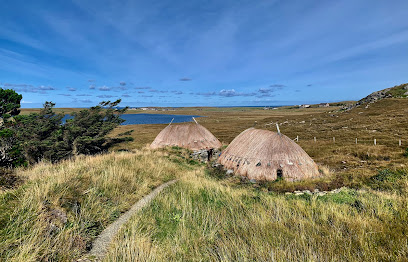
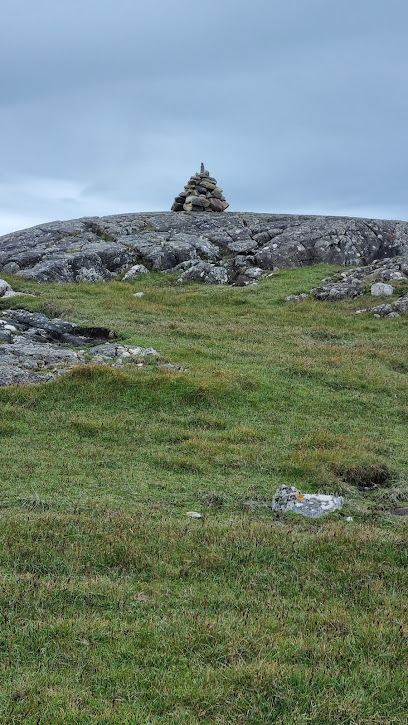
The Traditional Shieling on the Isle of Lewis is a historic seasonal dwelling used by shepherds and their families during summer months. Constructed from local stone and turf, these simple huts served as bases for tending livestock, making dairy products, and living close to upland pastures. The site offers a unique glimpse into the island’s pastoral heritage and the resilient lifestyle of its rural communities.
A brief summary to Traditional Shieling
- A858, Isle of Lewis, HS2 9DJ, GB
- Duration: 0.5 to 2 hours
- Free
-
 Outdoor
- Mobile reception: 3 out of 5
- Monday 12 am-12 am
- Tuesday 12 am-12 am
- Wednesday 12 am-12 am
- Thursday 12 am-12 am
- Friday 12 am-12 am
- Saturday 12 am-12 am
- Sunday 12 am-12 am
Local tips
- Respect the site as some shielings are still used by local families for traditional activities.
- Wear sturdy footwear as the terrain around the shieling can be uneven and moorland-like.
- Visit during clear weather to fully appreciate the scenic views and natural surroundings.
- Bring a camera to capture the unique stone architecture and the rugged beauty of the Isle of Lewis.

For the on-the-go comforts that matter to you
- Information Boards
- Seating Areas
- Trash Bins
Getting There
-
Bus
Take the local bus service from Stornoway to the Isle of Lewis area near A858; travel time approximately 40–50 minutes. Bus frequency is limited, so check schedules in advance. Cost ranges from £3 to £6 one way.
-
Car
Driving from Stornoway via the A858 takes about 30–40 minutes. Parking is available near the shieling site but may be limited. Suitable for travelers comfortable with rural roads.
-
Walking
For the adventurous, a hike from nearby villages can take 1.5 to 2 hours over uneven moorland terrain. Appropriate footwear and weather preparation are essential.
Traditional Shieling location weather suitability
-
 Any Weather
-
 Clear Skies
-
 Rain / Wet Weather
-
 Windy Conditions
-
 Mild Temperatures
Discover more about Traditional Shieling
Roots of a Pastoral Tradition
The Traditional Shieling on the Isle of Lewis stands as a testament to a centuries-old way of life deeply intertwined with the rhythms of nature. These shielings, known in Scottish Gaelic as "Àirigh," were seasonal dwellings used primarily during the summer months when families moved livestock to upland pastures. This practice allowed shepherds and their kin to care for sheep and cattle in fertile grazing grounds far from their permanent homes. The shieling tradition reflects the islanders’ resourcefulness and their harmonious relationship with the rugged Hebridean landscape.Daily Life Amidst the Hills
Life at the shieling revolved around the demanding care of livestock. Women and children often accompanied the animals, living in these modest huts for weeks at a time. Their daily tasks included milking cows, making butter and cheese, shearing sheep, and preserving food for the harsh winter ahead. The central hearth in each stone hut provided warmth and a place to cook. Thick stone walls insulated inhabitants from the often severe weather. Oral traditions, songs, and skills related to pastoral living were passed down through generations, preserving a rich cultural heritage.Architecture Reflecting Practicality
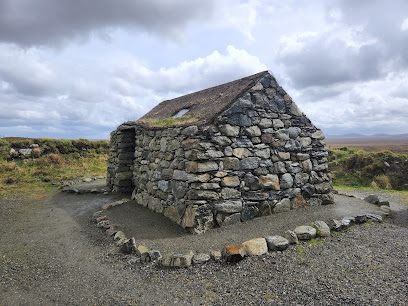
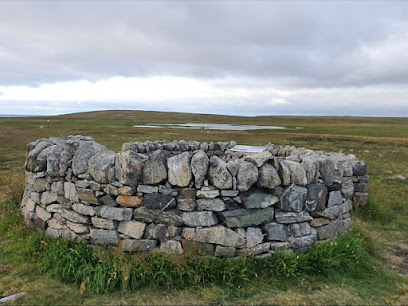
Constructed from locally sourced stone, turf, and thatch, the shielings exhibit a simple yet effective architectural style. Typically consisting of a single-room structure with thick walls and a turf roof, these huts were designed to withstand the elements. Some shielings feature rounded or oblong shapes, while others have gable ends. The roofing materials were renewed annually, often using heather or rushes. The buildings also included small dairy storage areas and animal pens, emphasizing their role as working agricultural sites.The Landscape and Environment
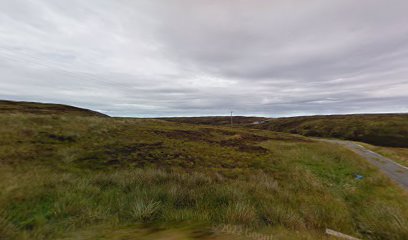
Situated in sheltered hollows near streams, the shielings were strategically placed to provide access to fresh water and good grazing. The surrounding moorland and hillsides bear the marks of long-term pastoral use, including patches of lush grass fertilized by livestock. The location offers scenic views of the Isle of Lewis’s natural beauty, where rugged terrain meets sweeping skies and coastal horizons. This setting enhances the sense of connection between the island’s people and their environment.Legacy and Cultural Revival
Though the traditional use of shielings declined by the mid-20th century due to modernization, their cultural significance endures. Preservation efforts and educational initiatives have sought to maintain these sites as living symbols of Hebridean heritage. Some shielings remain in use as weekend retreats or peat-cutting bases by local families, ensuring the continuity of tradition. Visitors to the site can reflect on the resilience and ingenuity of past generations who thrived in this challenging landscape.Experiencing the Shieling Today
Visiting the Traditional Shieling offers an immersive experience into the island’s rural past. The quiet stone huts, the surrounding moorland, and the distant sound of running streams evoke a time when life was closely tied to the land and livestock. This site is not just a museum piece but a cultural landmark that invites contemplation of Scotland’s pastoral history and the enduring spirit of the Outer Hebrides.Iconic landmarks you can’t miss

historic scotland
2.2 km
Explore the historical essence of The Blackhouse in Arnol, Isle of Lewis, where traditional Scottish life comes alive amidst stunning landscapes.
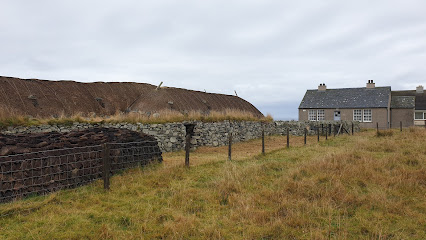
Butt of Lewis Lighthouse
26.1 km
Scotland’s northernmost red-brick lighthouse, a historic beacon amid rugged cliffs and wild Atlantic winds on the Isle of Lewis.
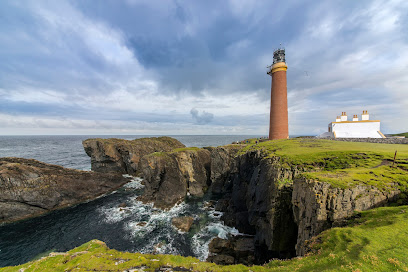
Harris House
51.2 km
Discover the perfect blend of care and natural beauty at Harris House in the enchanting Isle of Harris.
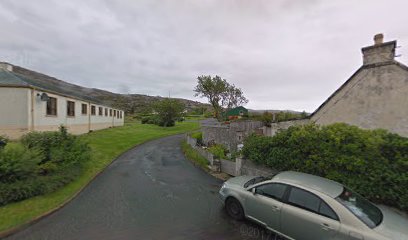
Eilean Glas Lighthouse
54.2 km
A historic white lighthouse on the wild northern tip of the Isle of Scalpay, offering sweeping sea views and a taste of remote Hebridean life.
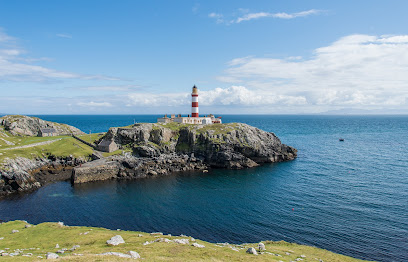
Visit Outer Hebrides
58.1 km
Your essential gateway to exploring the wild beauty and rich Gaelic culture of Scotland’s Outer Hebrides islands.
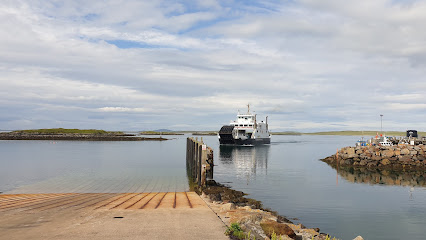
MacLeod´s Stone
58.7 km
A solitary Neolithic standing stone on a white-sand beach in South Harris, steeped in myth and facing the wild Atlantic.
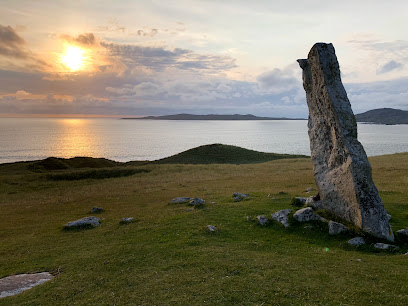
Nisabost Beach
59.0 km
Discover the breathtaking beauty of Nisabost Beach on the Isle of Harris, where white sands meet turquoise waters in a stunning Scottish paradise.
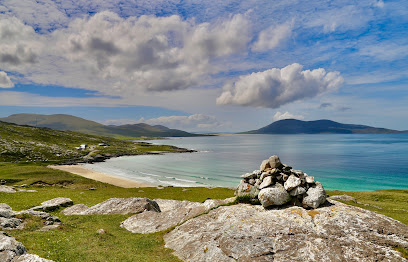
Pairc an t-Srath Guest House
60.6 km
Charming guest house on Isle of Harris with stunning sea views, warm hospitality, and delicious home-cooked meals near beautiful beaches.

Temple Harris
67.3 km
A modern café and deli in Northton, Isle of Harris, serving great coffee, soups and local produce with stunning sea views across the bay.
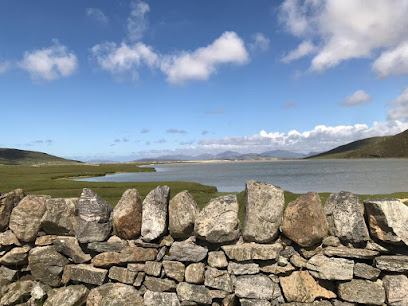
The temple
67.3 km
A contemplative sanctuary amid the wild beauty of Scotland's Outer Hebrides, where modern architecture meets ancient landscape.
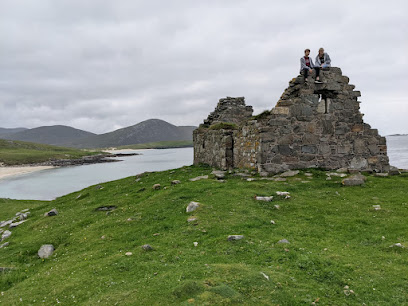
Hebrides People Visitor Centre
67.7 km
Explore the rich heritage of the Isle of Harris at the Hebrides People Visitor Centre, where history, genealogy, and local literature come alive.
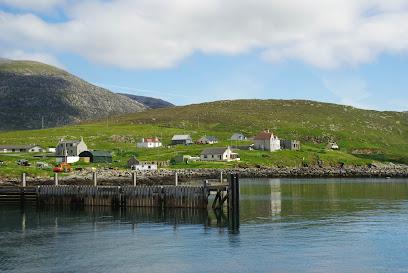
Stoer Lighthouse
68.8 km
Experience a unique self-catering lighthouse stay with panoramic coastal views on Scotland’s remote and rugged Stoer Head.
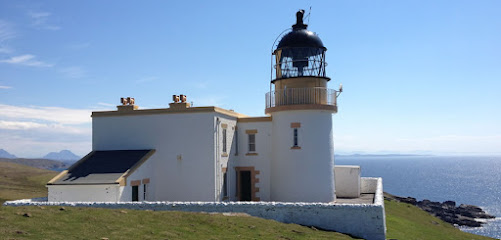
Borrisdale Tweed
68.8 km
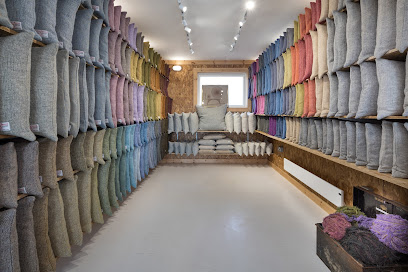
Discover exquisite craftsmanship at Borrisdale Tweed, a unique homewares shop offering authentic Scottish tweed products in the heart of the Isle of Harris.
St Clement's Church : Rodel
70.9 km
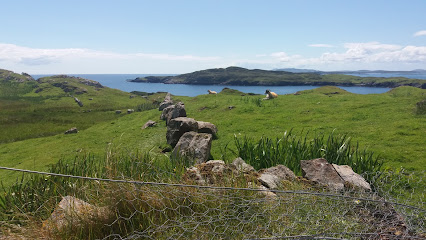
Discover the rich history and stunning architecture of St Clement's Church on the Isle of Harris, a must-visit tourist attraction in Scotland.
Rubha Hunish
72.5 km
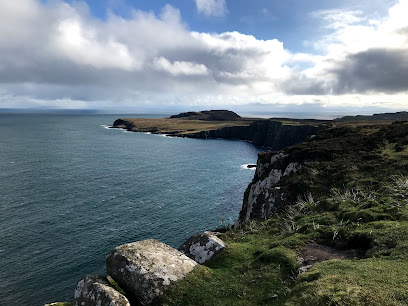
Explore Rubha Hunish, the northern jewel of the Isle of Skye, where breathtaking views and rich history come together in a stunning coastal experience.
Unmissable attractions to see

The sheiling
0.0 km
Discover the serene traditional summer hut of the Isle of Lewis, a window into Hebridean crofting heritage and pastoral life.
RSPB Loch na Muilne
2.2 km
Discover rare Arctic waders and vibrant coastal heathland at this serene Hebridean wetland on the Isle of Lewis.
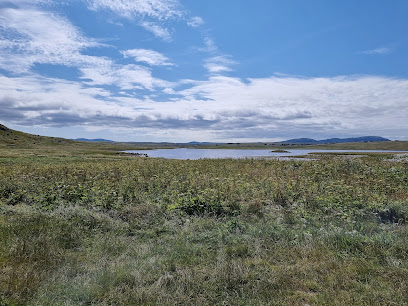
Arnol 'Beach'
3.0 km
Discover the serene and wild beauty of Arnol 'Beach', a tranquil nature reserve on the Isle of Lewis rich in rare wildlife and cultural heritage.
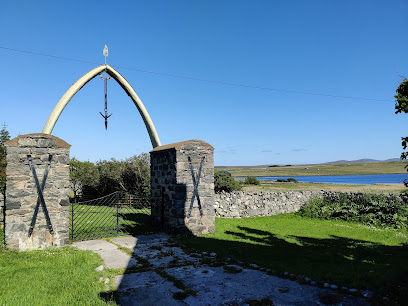
Whalebone Arch
3.9 km
A towering gateway crafted from the jawbones of a giant blue whale, symbolizing the maritime heritage of the Isle of Lewis.
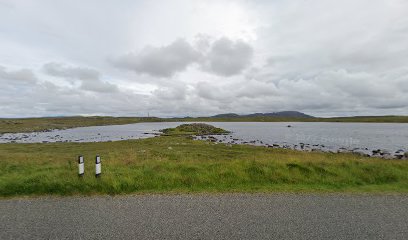
Loch An Duna
4.6 km
Explore the ancient Iron Age broch ruins nestled on a serene island in Loch An Duna, Isle of Lewis, where history and nature meet.
Clach An Truishal Standing Stone
7.0 km
Scotland’s tallest standing stone, Clach An Truishal, towers nearly 6 meters high on the Isle of Lewis, steeped in ancient mystery and legend.
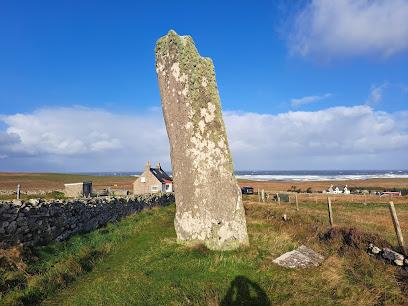
Mollans Takeaway
7.0 km
Savor fresh, gluten-free fish and chips with a friendly welcome by the tranquil shores of North Shawbost, Isle of Lewis.
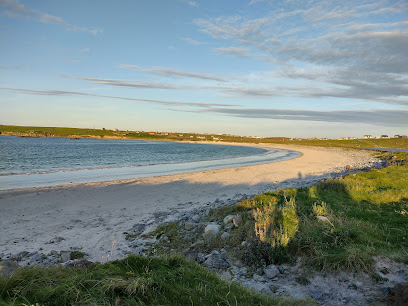
Shawbost Beach
7.4 km
Discover the tranquil horseshoe bay of Shawbost Beach, where calm waters and rugged cliffs create a serene coastal escape on the Isle of Lewis.
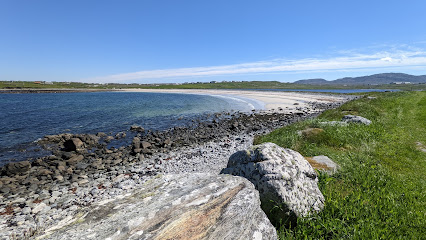
Steinacleit
8.7 km
Explore Steinacleit, a captivating prehistoric site on the Isle of Lewis blending ancient stone structures with early farmstead history.
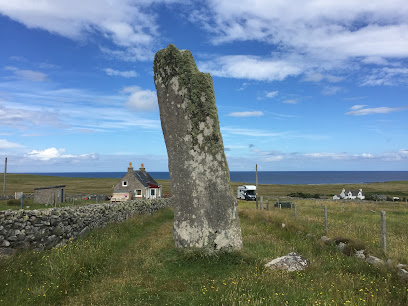
Norse Mill and Kiln
9.0 km
Explore the restored Norse Mill and Kiln near Shawbost, where ancient water-powered milling reveals the Isle of Lewis’s Viking heritage.
Dalbeg Beach
10.6 km
Discover the tranquil beauty of Dalbeg Beach, a secluded sandy cove framed by cliffs and sea stacks on the Isle of Lewis.
Isle of Lewis
12.6 km
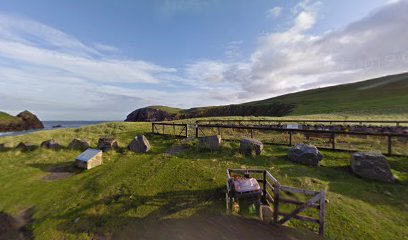
Discover the wild beauty, ancient heritage, and vibrant Gaelic culture of Scotland’s largest Outer Hebrides island, the Isle of Lewis.
Garenin Village Viewpoint
14.2 km
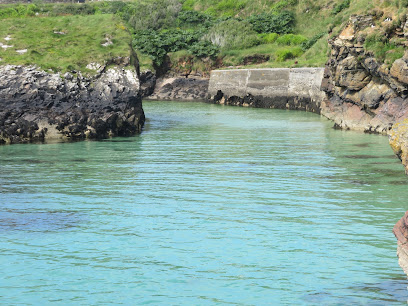
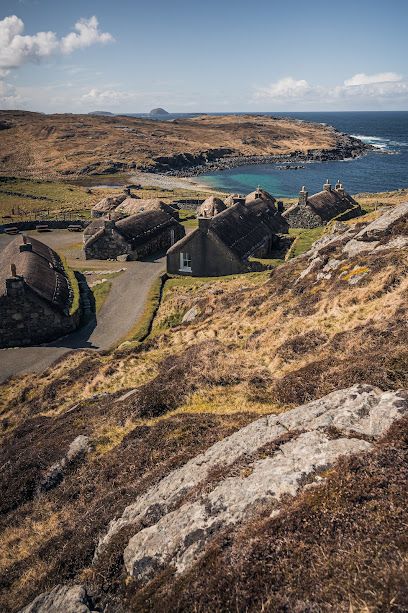
Experience the rugged beauty and rich heritage of Garenin’s blackhouse village with stunning Atlantic views on the Isle of Lewis.
Mcindoe stones
14.9 km
Explore the ancient Mcindoe Stones on the Isle of Lewis, a mystical site rich in history and folklore amidst breathtaking scenery.
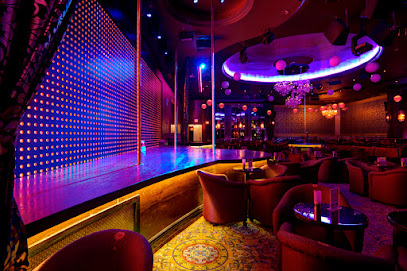
Red fox
16.6 km
Historic and modern, The Nicolson Institute stands as the educational heart of the Isle of Lewis, blending heritage with academic excellence.
Essential places to dine

Borve Country House Hotel
11.2 km
A welcoming 4-star retreat in Borve blending Hebridean charm, hearty local cuisine, and warm hospitality on the Isle of Lewis.
Doune Braes Hotel
15.8 km
Traditional 3-star guest house on the Isle of Lewis offering homely comfort, local cuisine, and serene Hebridean landscapes.
Cabarfeidh Hotel
17.1 km
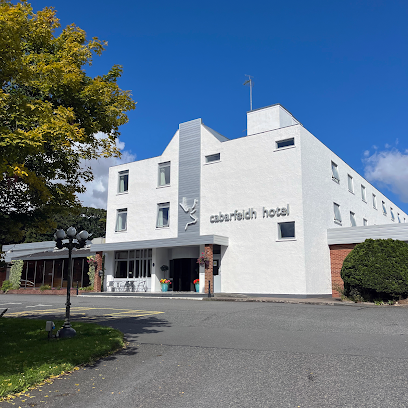
Experience modern comfort and authentic Hebridean hospitality just steps from Stornoway’s historic Lews Castle.
Bridge Centre Cafe
17.7 km
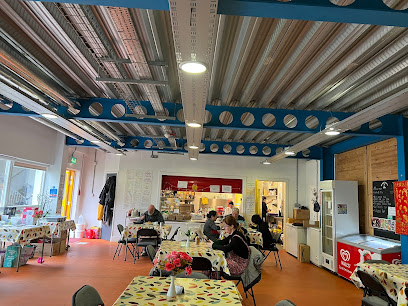
Cozy cafe in Stornoway’s Bayhead serving fresh, hearty meals and local treats daily from 8 AM to 8 PM.
HS-1 Cafe Bar
17.9 km
Lively café-bar in Stornoway serving fresh local dishes with stunning marina and Lews Castle views in a relaxed, friendly setting.
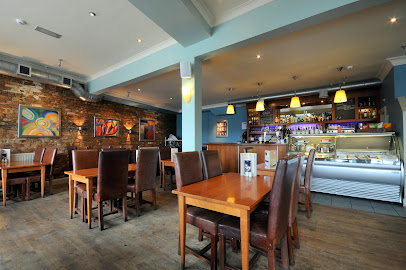
The Boatshed Restaurant
17.9 km
Savor fresh Hebridean seafood with stunning marina views in Stornoway’s acclaimed Boatshed Restaurant.
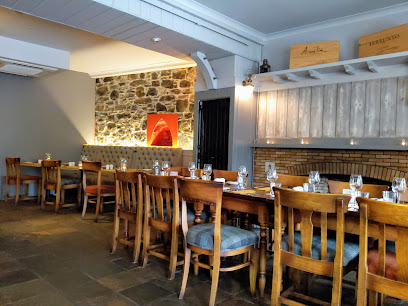
The New Lewis Bar
18.1 km
Experience the warmth of Hebridean hospitality at The New Lewis Bar—your family-friendly pub with great drinks and live music in Stornoway.
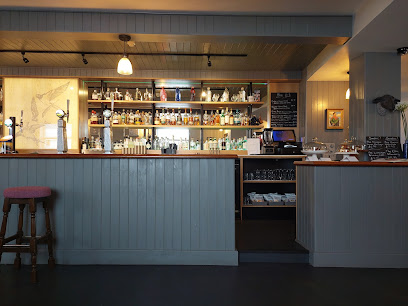
Crown Hotel
18.1 km
A welcoming harbourside inn in Stornoway offering cozy rooms, hearty Scottish fare, and a lively bar with a wide whiskey selection.
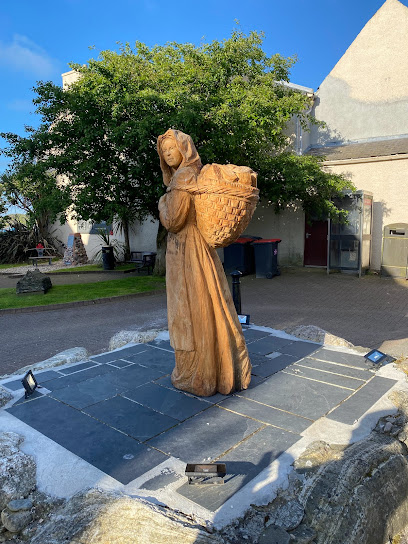
Blake’s Bar & Kitchen
18.1 km
A vibrant blend of local flavors and lively atmosphere in the heart of Stornoway’s dining scene.
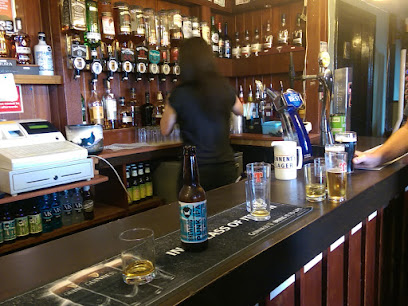
Star Inn
18.1 km
Discover the cozy charm of Star Inn in Stornoway - your perfect pub getaway with local flavors and warm hospitality.
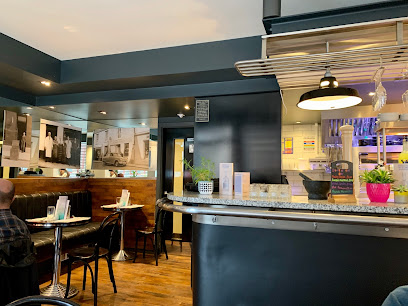
Harbour Kitchen
18.1 km
Experience the freshest Outer Hebrides seafood in a cozy, open-kitchen setting at Harbour Kitchen, Stornoway’s celebrated culinary gem.
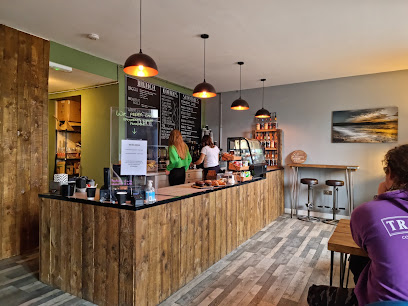
No.9 By The Harbour
18.1 km
A cozy coffee shop and cocktail bar in Stornoway blending great brews, creative drinks, and a welcoming community vibe by the harbor.
La Balena - Italian Restaurant
18.2 km
Experience authentic Italian cuisine with fresh Hebridean seafood in a warm, family-run setting at La Balena in Stornoway.
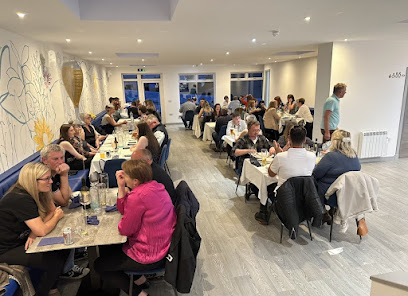
The Park Guest House & Restaurant
18.3 km
Charming central guest house in Stornoway offering cozy rooms, local dining, and easy access to Isle of Lewis attractions.
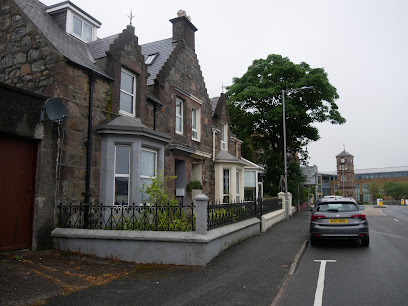
Caladh Inn
18.3 km
Comfortable and welcoming inn in central Stornoway, blending local charm with convenient access to the Isle of Lewis’s highlights.
Markets, malls and hidden boutiques

West Side Furniture Store
5.5 km
Explore exceptional handcrafted furniture and home decor at West Side Furniture Store in the charming Bragar, Isle of Lewis.
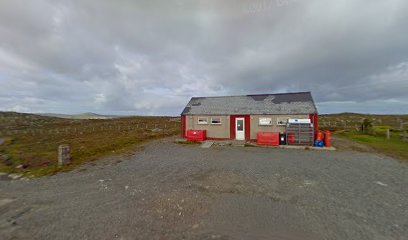
Amor Weavers
7.1 km
Discover authentic handwoven treasures celebrating the rich textile heritage of the Isle of Lewis at Amor Weavers in Shawbost.
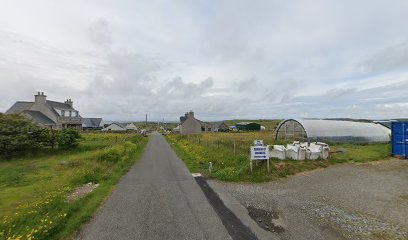
Sea in Design
7.2 km
Discover maritime heritage and vintage treasures at Sea in Design, a unique antique shop celebrating the Isle of Lewis’s seafaring traditions.
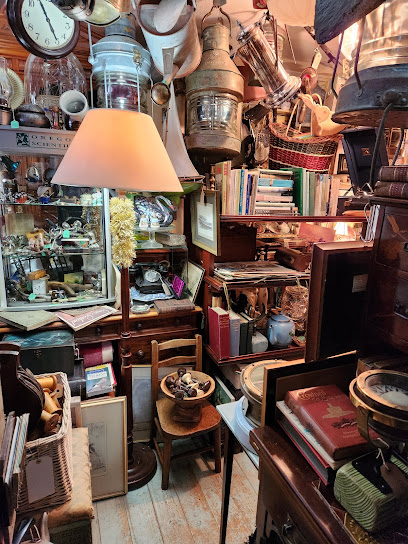
Dancing Flower Crafts
12.6 km
Discover unique, handcrafted Harris Tweed gifts inspired by the vibrant life and landscapes of the Isle of Lewis at Dancing Flower Crafts.
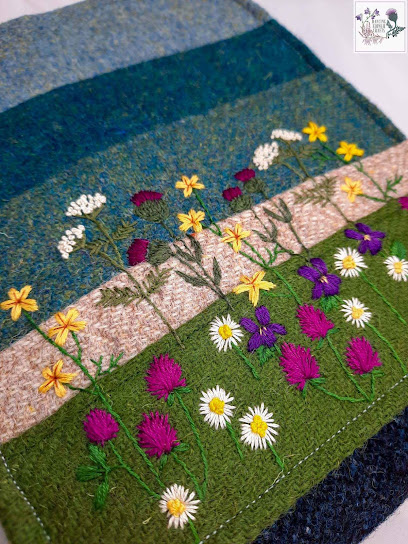
Weaver
13.4 km
Discover authentic Hebridean craftsmanship at The Crafty Weaver, where traditional Harris Tweed weaving meets unique island artistry on the Isle of Lewis.
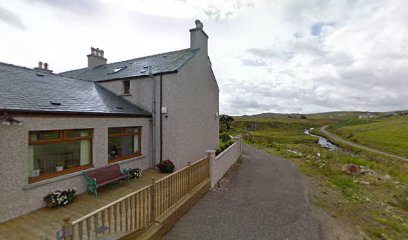
Broch Gift Shop
15.7 km
Discover authentic island crafts and cozy coffee moments at Broch Gift Shop in Doune, Isle of Lewis.
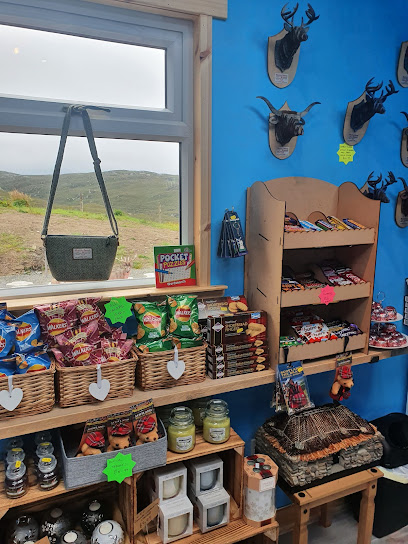
Islewear
17.0 km
Handcrafted Hebridean jewellery inspired by the wild landscapes and heritage of the Isle of Lewis.
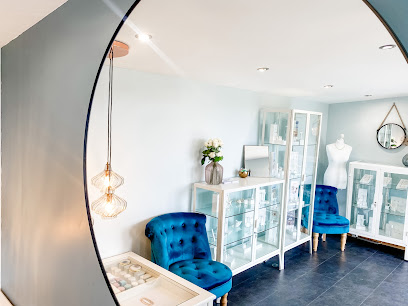
The Original Factory Shop (Co-op Stornoway)
17.5 km
Affordable brand-name fashion, beauty, and homeware all under one roof in Stornoway’s popular department store.

Bayhead Gift House
17.7 km
Explore the charming Bayhead Gift House in Stornoway for unique local crafts and souvenirs that celebrate the rich heritage of the Hebrides.
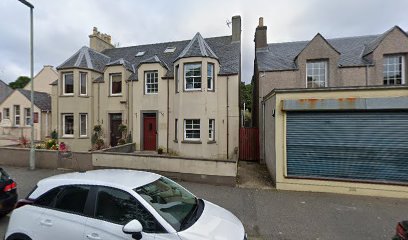
Salka – Gift Shop on the Rock
17.7 km
Discover unique handmade gifts and exquisite SeaGlass jewellery inspired by the Isle of Lewis at Salka – Gift Shop on the Rock.
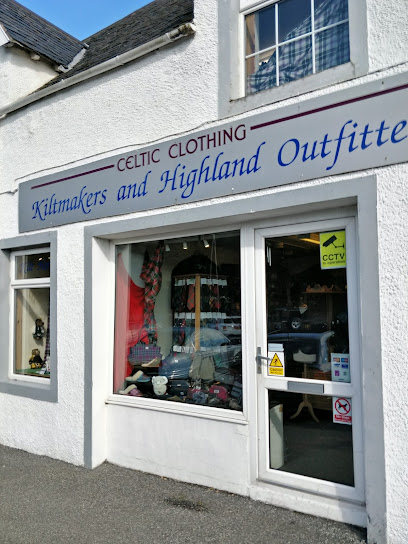
Celtic Clothing
17.8 km
Experience authentic Scottish heritage with bespoke kilts and Harris Tweed craftsmanship at Celtic Clothing in Stornoway.
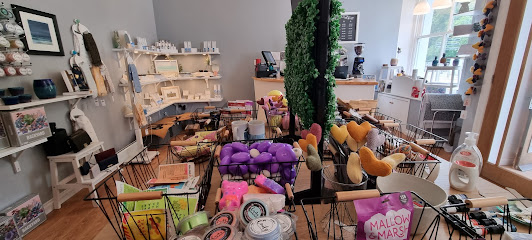
The Hebridean Hobby Centre
17.8 km
A cozy craft shop in Stornoway showcasing handmade Hebridean crafts, textiles, and local art – perfect for unique island souvenirs and creative inspiration.
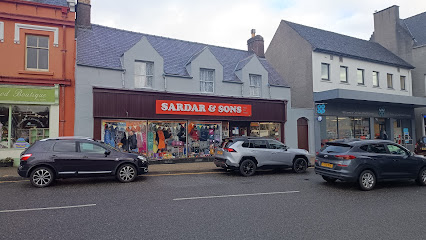
Sardar & Sons
18.0 km
Discover quality clothing and distinctive hats for special occasions at Sardar & Sons, Stornoway’s trusted local fashion destination.
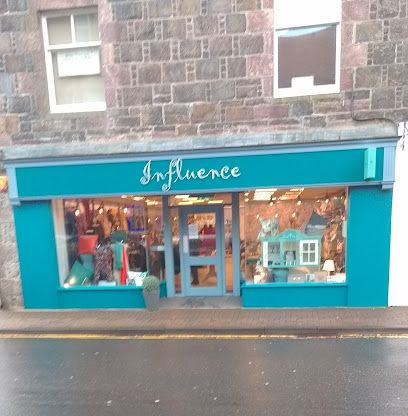
Influence Clothing
18.0 km
A stylish boutique in Stornoway offering curated women’s fashion and elegant homeware in the heart of the Outer Hebrides.
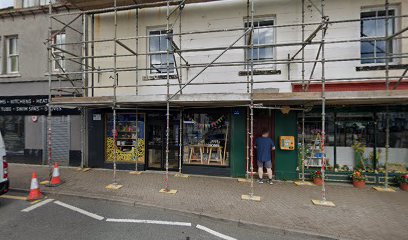
Nicolson & Co Ltd
18.0 km
Stornoway's trusted newsagent serving the Isle of Lewis since 1978.
Essential bars & hidden hideouts

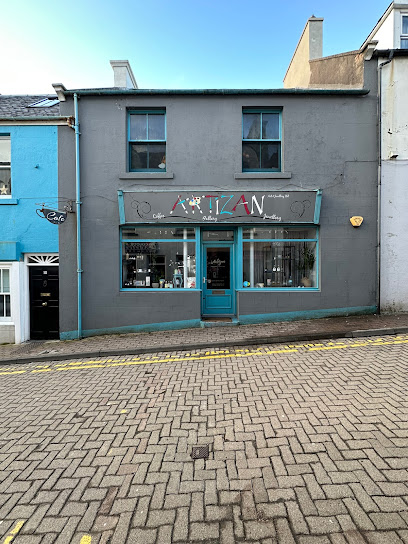
Artizan
18.0 km
Artizan blends local flavors, creative cocktails, and unique crafts in a warm, welcoming café and event space in the heart of Stornoway.
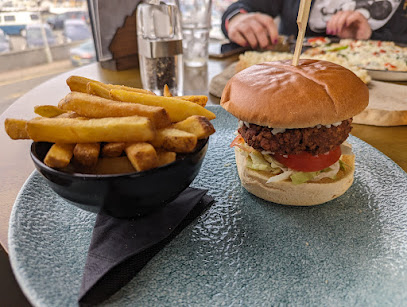
THE HARBOUR BAR
18.0 km
A warm, inviting bar in Stornoway offering local brews, hearty Scottish fare, and live music in the heart of the Isle of Lewis.
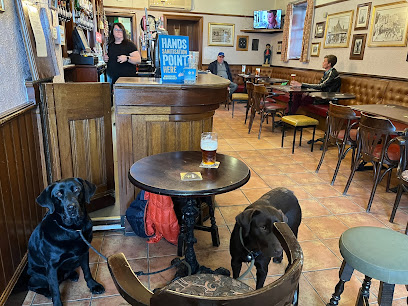
The Criterion Bar
18.1 km
A cozy, traditional Scottish bar in Stornoway known for its friendly service, quality drinks, and authentic Hebridean atmosphere.
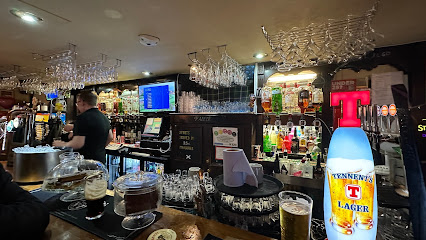
McNeills
18.1 km
Experience Stornoway’s vibrant live music and warm hospitality at McNeills, a historic bar with authentic Hebridean spirit.
Stornoway Distillers @ The Fank
18.1 km
Experience authentic Hebridean flavors and craft gin in the heart of Stornoway’s vibrant culinary scene.
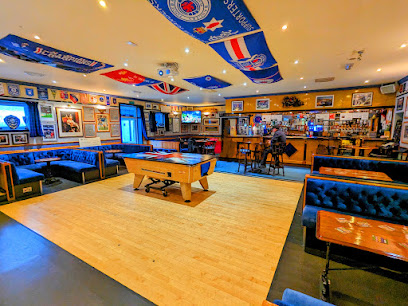
Lewis & Harris Rangers Supporters Club
18.6 km
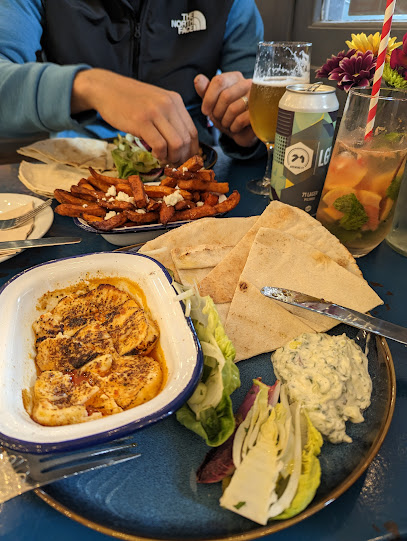
A spirited social hub and the world’s largest Rangers supporters club, uniting fans in Stornoway with football passion and community warmth.
The Rip
18.9 km
A cozy bar on the Isle of Lewis where local culture, craft beers, and scenic beauty create a warm retreat for travelers and locals alike.
Cross Inn
21.8 km
A cozy, characterful inn and pub offering warm hospitality, excellent local food, and comfortable stays on the Isle of Lewis.
Old Barn Bar
21.8 km
Authentic crofters’ barn pub with rustic charm, local flavors, and warm hospitality on the Isle of Lewis.
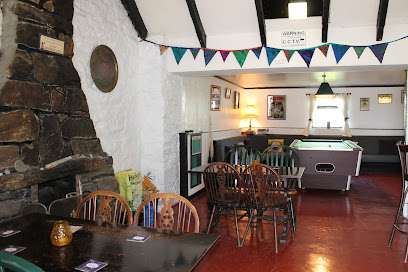
Ardhasaig House Hotel and Restaurant
49.5 km
A tranquil Hebridean escape offering cozy rooms, exquisite local cuisine, and stunning mountain and sea views on the Isle of Harris.
The Bothy
68.8 km
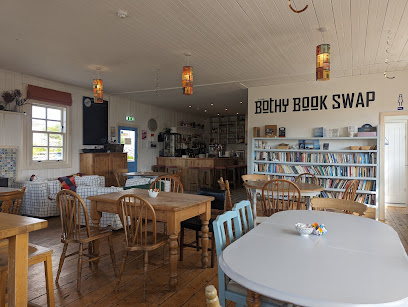
A cozy pub and café in Leverburgh offering local ales, hearty meals, and warm island hospitality on the Isle of Harris.
Isle of Harris Brewery
69.5 km
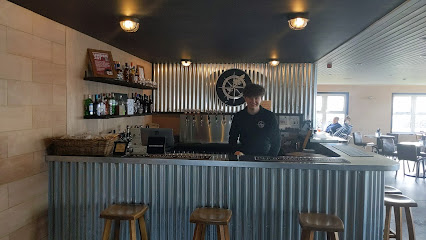
Crafting island-brewed beers and fresh Hebridean fare in a lively waterfront taproom on the Isle of Harris.
The Ferry Inn
84.4 km
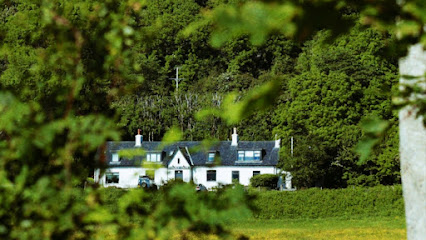
A stylish 19th-century inn in Uig offering cozy rooms, exceptional local cuisine, and stunning views over Skye’s northern bay.
The Badachro Inn
87.1 km
Coastal Highland inn renowned for fresh seafood, stunning bay views, and warm, rustic charm in the heart of Badachro.
The Stein Inn
92.0 km
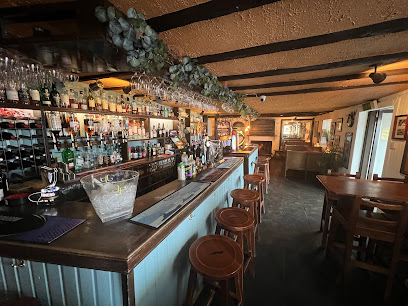
Historic pub and hotel on Skye offering fresh seafood, cozy rooms, and stunning Loch Bay views in a charming coastal village.
Nightclubs & after hour spots

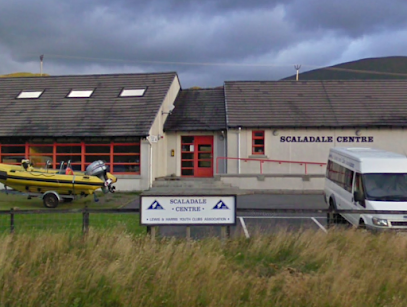
The Scaladale Centre
40.4 km
A premier outdoor adventure centre and hostel on Isle of Harris, offering year-round activities and comfortable group accommodation in stunning Hebridean surroundings.
Number 5
55.8 km
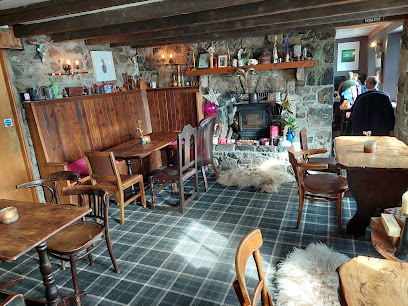
Charming stone cottage hostel with sea views, cozy fires, kayak rentals, and warm hospitality on the scenic Isle of Harris.
The Isle of Harris Golf Club
63.2 km
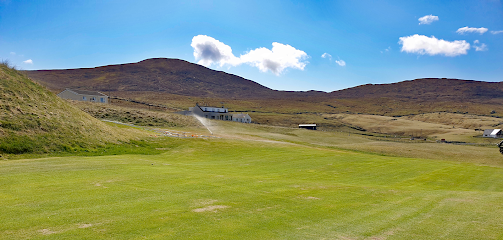
Discover the beauty of The Isle of Harris Golf Club, where stunning landscapes meet unforgettable golfing experiences in the heart of the Hebrides.
For the vibe & atmosphere seeker
- Tranquil
- Scenic
- Unique
- Relaxing
For the design and aesthetic lover
- Rustic Designs
- Vintage Styles
For the architecture buff
- Historic
- Heritage Neighborhoods
For the view chaser and sunset hunter
- Iconic Views
- Panoramas
For the social media creator & influencer
- Instagrammable
- Photo Spots
For the eco-conscious traveler
- Protected Area
- Public-Transport Accessible
- Locally Managed
For the kind of experience you’re after
- Cultural Heritage
- Nature Escape
- Day Trip
- Photowalk
For how adventurous you want the journey to be
- Easy Access
Location Audience
- Family Friendly
- Senior Friendly
- Child Friendly
- Solo Friendly
- Couple Friendly


