
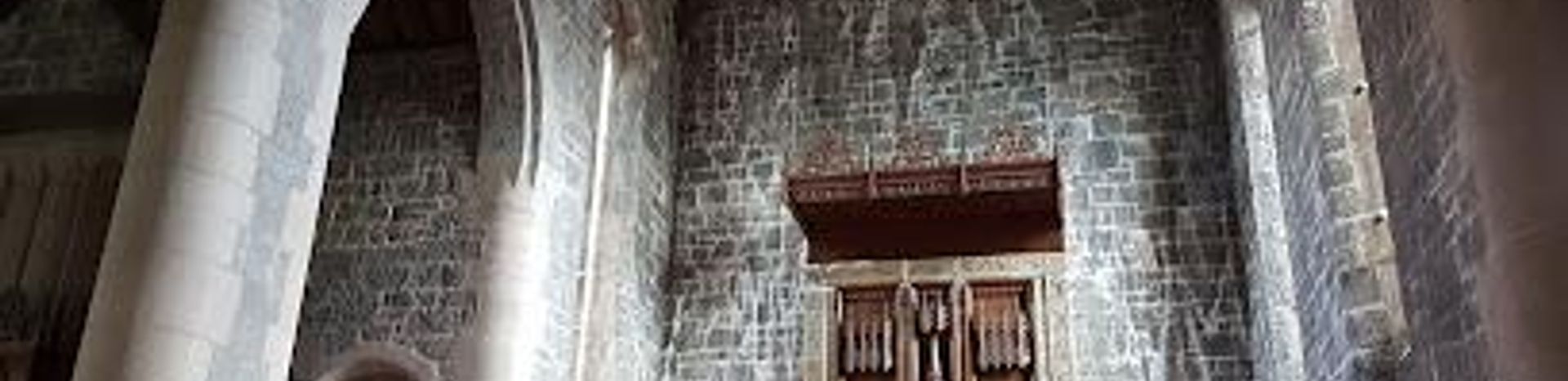
St. Columba’s Cathedral, Oban: A Neo-Gothic Landmark of Faith and Heritage
A majestic Neo-Gothic cathedral on Oban’s seafront, blending rich history, stunning granite architecture, and spiritual sanctuary.
St. Columba’s Cathedral in Oban, Scotland, is a striking Neo-Gothic Roman Catholic cathedral designed by Sir Giles Gilbert Scott. Built from pink and blue granite between 1932 and 1959, it stands prominently on the Corran Esplanade overlooking Oban Bay. The cathedral blends grandeur with serene spirituality, housing intricate wood carvings, beautiful stained glass, and a rich history rooted in the growth of Catholicism in the West Highlands.
A brief summary to St. Columba’s Cathedral
- 200 Corran Esplanade, Oban, PA34 5AA, GB
- +441631562123
- Visit website
- Duration: 0.5 to 1.5 hours
- Free
-
 Outdoor
- Mobile reception: 4 out of 5
Local tips
- Visit during daylight to fully appreciate the colorful stained glass windows and granite pillars illuminated by natural light.
- Explore the oak sanctuary carvings depicting Saint Columba’s historic reconciliations for a deeper understanding of local heritage.
- View the cathedral from across Oban Bay or from McCaig’s Tower for a spectacular perspective of its full architectural scale.
- Attend a mass or service to experience the cathedral’s serene spiritual atmosphere and hear its impressive acoustics.

For the on-the-go comforts that matter to you
- Restrooms
- Seating Areas
- Information Boards
Getting There
-
Bus
Local bus services connect Oban town center to Corran Esplanade with frequent stops near the cathedral. Travel time from Oban bus station is approximately 10-15 minutes. Tickets cost around £2-£4. Services run regularly but check schedules for evening and weekend variations.
-
Car
Driving to St. Columba’s Cathedral is straightforward via the A85 into Oban. Parking is available nearby but limited, especially during peak tourist seasons. Expect a 5-10 minute walk from public parking areas. No parking directly at the cathedral.
-
Ferry and Taxi
Visitors arriving by ferry to Oban can take a taxi from the ferry terminal to the cathedral, a 5-minute drive. Taxi fares typically range from £6-£10. This option is convenient for those coming from nearby islands or mainland connections.
-
Walking
From Oban town center, walking to the cathedral along the Corran Esplanade takes about 15-20 minutes on mostly flat terrain. The route offers scenic views of the bay and is accessible for most visitors, though some may find it challenging in wet weather.
St. Columba’s Cathedral location weather suitability
-
 Any Weather
-
 Rain / Wet Weather
-
 Clear Skies
-
 Mild Temperatures
-
 Windy Conditions
Discover more about St. Columba’s Cathedral
An Architectural Testament to Faith in the West Highlands
St. Columba’s Cathedral is a commanding presence on the northern edge of Oban’s seafront, constructed primarily of pink Peterhead and blue Inverawe granite. Designed by the renowned architect Sir Giles Gilbert Scott, whose portfolio includes Liverpool Anglican Cathedral and the iconic red telephone box, the building showcases a distinctive Neo-Gothic style. Its foundation stone was laid in 1932, and after a prolonged building period interrupted by World War II, the cathedral was completed in 1959. The structure’s imposing tower and solid bulk convey a sense of permanence and reverence, reflecting the steadfast faith of the local Catholic community.From Humble Beginnings to a Cathedral of Grandeur
The site’s ecclesiastical history began in 1878 with the restoration of the Scottish Catholic hierarchy. Initially, the community worshipped in a modest wooden building and later in a prefabricated corrugated iron 'Tin Cathedral' funded by the Marquis of Bute in 1886. This temporary pro-cathedral served the faithful for nearly five decades. Bishop Donald Martin initiated the campaign for a permanent cathedral in 1932, raising funds internationally. The new cathedral was built enveloping the old iron structure, which remained in use until the new sanctuary was ready. The final touches, including the tower and bells named 'Brendan' and 'Kenneth,' were completed in the 1950s, marking the cathedral as a symbol of resilience and growth.Interior Richness and Symbolism
Inside, the cathedral impresses with its cavernous nave, absence of clerestory windows enhancing a sense of age and solemnity. The oak sanctuary panels carved by Donald Gilbert depict Saint Columba as a figure of reconciliation, meeting with historic kings and saints, symbolizing unity across peoples. The stained glass windows, originally commissioned for the earlier cathedral, bathe the interior in colorful light, their hues cascading down granite pillars. Wooden ceilings and detailed Stations of the Cross add warmth and artistry, inviting quiet reflection and spiritual contemplation.Setting and Spiritual Significance
St. Columba’s Cathedral overlooks Oban Bay, facing west across the Firth of Lorne towards Iona and beyond to the Atlantic, symbolically linking Scotland’s faith to the wider world, including North America and Canada. This location underscores the cathedral’s role as the mother church of the Diocese of Argyll and the Isles, serving a scattered community across the Highlands and islands. It remains a place of worship, pilgrimage, and cultural heritage, welcoming visitors to experience its solemn beauty and historic depth.Artistic and Historical Highlights
The cathedral houses artifacts from its predecessors, including the Bishop’s Chair and Canons’ stalls from the 'Tin Cathedral.' The stone vine carvings around the sanctuary panels symbolize Christ’s outreach to all humanity. The cathedral was formally dedicated in 2004, affirming its status as a spiritual and architectural jewel in Scotland. Its blend of Gothic and Romanesque elements, combined with local granite, creates a unique aesthetic that resonates with the rugged landscape and enduring faith of the region.A Living Legacy in Oban’s Cultural Landscape
Today, St. Columba’s Cathedral stands not only as a place of worship but as a landmark of Oban’s identity. Its scale and design make it visible from across the bay and from viewpoints like McCaig’s Tower, integrating it into the town’s scenic panorama. The cathedral’s history reflects the perseverance of a community and the vision of leaders who saw Oban as a gateway to the islands and a beacon of Catholic heritage in Scotland’s west coast.Iconic landmarks you can’t miss

St John's Scottish Episcopal Cathedral : Oban
0.5 km
An unfinished masterpiece where Gothic ambition meets industrial-age engineering in Scotland's most unusual cathedral.
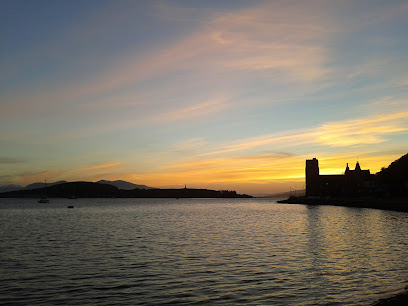
McCaig's Tower & Battery Hill
0.7 km
Explore Oban’s iconic McCaig's Tower, a Colosseum-inspired folly with stunning views and tranquil gardens atop Battery Hill.

Barcaldine Castle
11.2 km
Experience the haunting beauty and rich history of Barcaldine Castle, a 17th-century Scottish fortress overlooking Loch Creran.
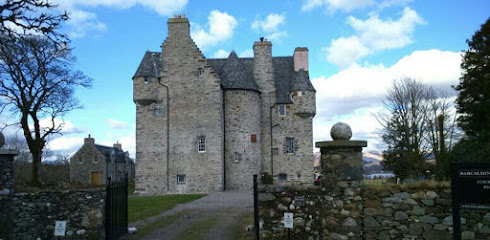
Kilmartin Museum
31.8 km
Discover 12,000 years of history at Kilmartin Museum, where ancient artefacts meet the stunning prehistoric landscape of Kilmartin Glen.
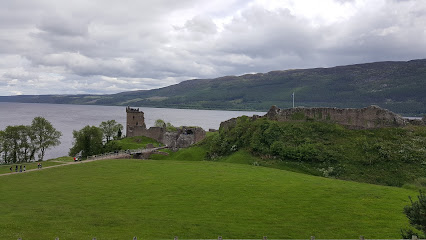
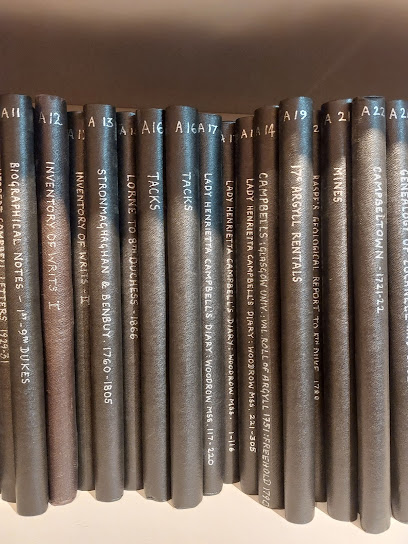
The Argyll Papers, Inveraray Castle
31.9 km
Explore over 700 years of Scottish history through the Campbell family’s extensive archive at Inveraray Castle.
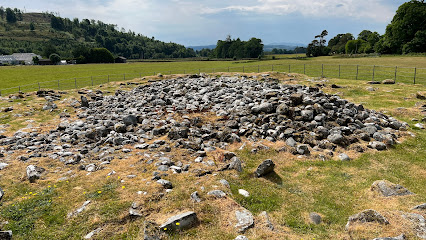
Nether Largie Mid Cairn
32.4 km
Bronze Age burial cairn at the heart of Scotland's most significant prehistoric landscape, carved with rare axehead symbols.
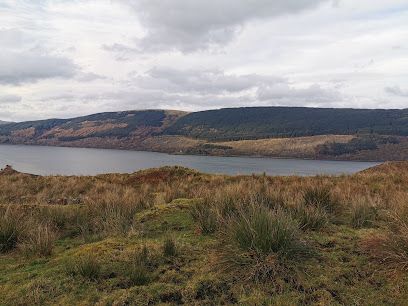
The Tinkers Heart
37.4 km
A heart-shaped quartz monument near Cairndow honoring the Scottish Traveller community’s heritage with stunning views over Loch Fyne.
About Argyll Walking Holidays
37.4 km
Explore Argyll’s stunning landscapes with expert guided walking holidays from Cairndow’s trusted outdoor activity organizer.
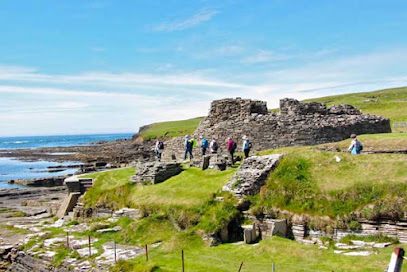
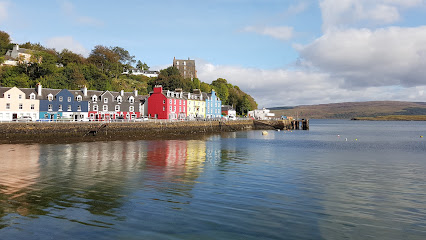
Tobermory Clock Tower
42.6 km
Historic granite clock tower memorializing local heritage, standing proudly by Tobermory’s colourful harbour on the Isle of Mull.
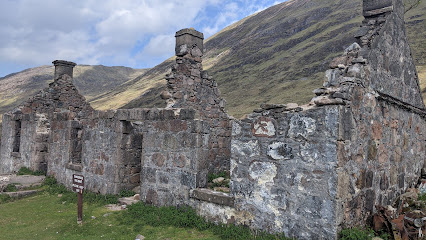
Tigh-na-sleubhaich
43.7 km
Iconic Highland ruin nestled in a remote valley, offering breathtaking views and a glimpse into Scotland’s crofting heritage on the West Highland Way.
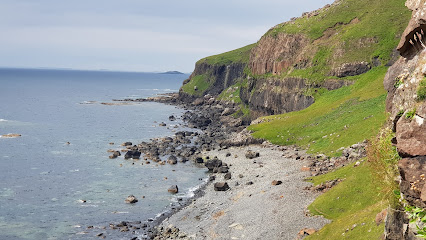
Glas Eilean
45.2 km
Explore the tranquil beauty of Glas Eilean, a hidden island gem in Lochgilphead surrounded by stunning Scottish landscapes and vibrant wildlife.
Fossil Tree
45.2 km
Explore the breathtaking Fossil Tree on the Isle of Mull, a historical landmark offering a glimpse into ancient geological wonders amidst stunning landscapes.
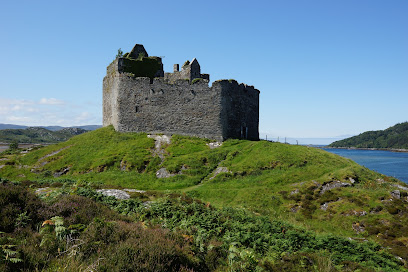
Tioram Castle
45.9 km
A hauntingly beautiful ruined castle on a tidal island in Loch Moidart, once the seat of Clanranald and the Lords of the Isles.
Ben Vane
46.9 km
Explore the breathtaking heights of Ben Vane, a majestic peak offering stunning views and unforgettable hiking experiences in the heart of Scotland's Highlands.
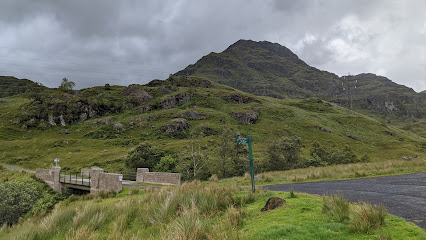
Jubilee Point
47.2 km
Explore Jubilee Point in Argyll Forest Park, a serene picnic ground with stunning views of Loch Eck, perfect for nature lovers and families.
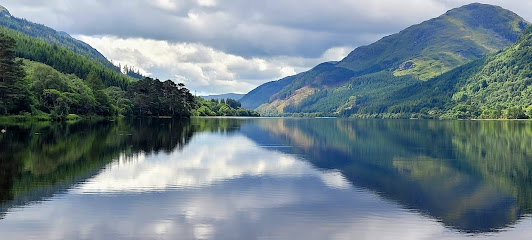
Unmissable attractions to see

Diocese of Argyll & The Isles
0.0 km
Historic Catholic diocese in Scotland’s West Highlands, centered on the neo-Gothic St Columba’s Cathedral overlooking Oban Bay.
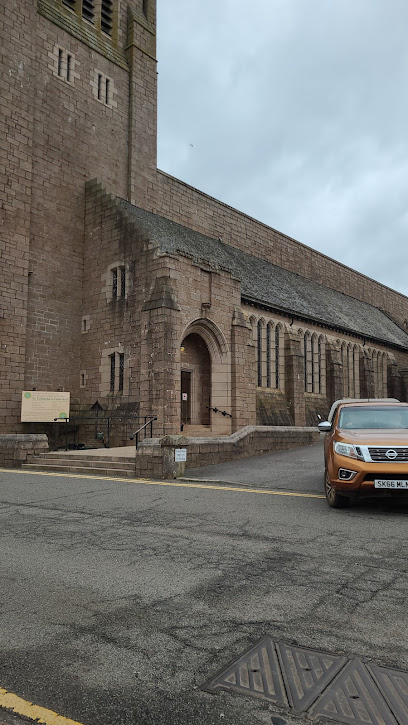
Oban War & Peace Museum
0.5 km
Explore Oban’s rich wartime heritage and maritime history in this free, volunteer-run museum on the scenic Corran Esplanade.
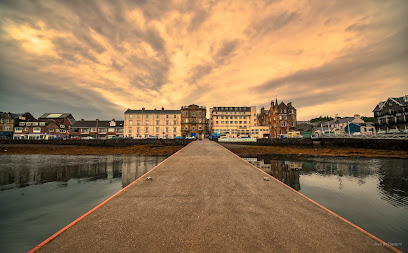
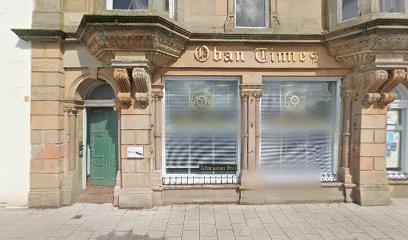
Old Oban Times Bldg
0.5 km
Step into Oban’s past at this volunteer-run museum in the historic Old Oban Times Building, where wartime stories meet island life and engineering marvels.
VisitScotland Oban iCentre
0.6 km
Your essential gateway to exploring Oban and the Scottish Highlands with expert advice and local insights.

Ardconnel Terrace
0.6 km
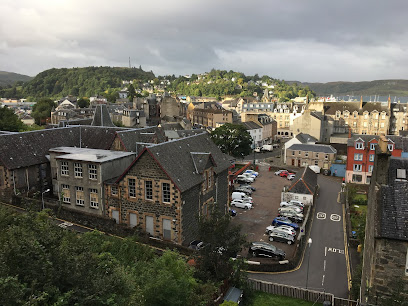
Discover Ardconnel Terrace’s Victorian charm and breathtaking coastal views in the heart of Oban’s historic landscape.
Rudh-a-Chruidh
0.7 km
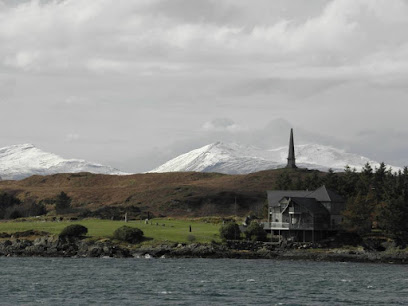
Discover Rudh-a-Chruidh, a tidal island sanctuary near Oban with stunning coastal views, rich wildlife, and a sleek modern home blending nature and luxury.
The View Oban
0.7 km
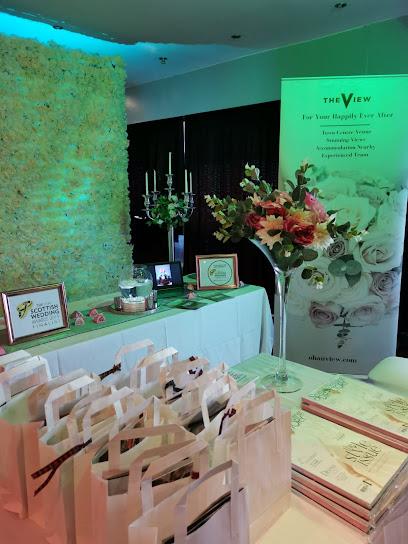
Discover the perfect blend of stunning views and delectable Scottish cuisine at The View Oban, a must-visit restaurant in Oban, Scotland.
Dunollie Museum, Castle and Grounds
0.8 km
Explore Dunollie’s rich history, stunning castle ruins, and enchanting woodland gardens overlooking Oban Bay in a captivating heritage experience.
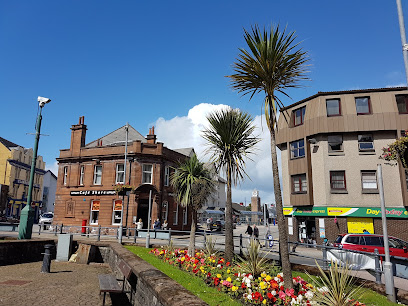
Argyll Square
0.9 km
Historic Argyll Square anchors Oban’s waterfront with classical architecture and vibrant local life at Scotland’s scenic western coast.
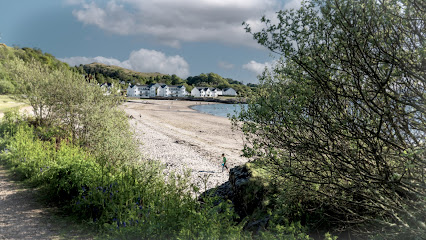
Ganavan Sands
2.1 km
Peaceful sandy beach near Oban with scenic views, easy access, and family-friendly facilities for a relaxing coastal escape.
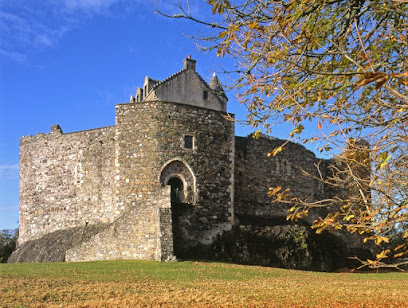
Dunstaffnage Castle and Chapel
4.7 km
Explore one of Scotland’s oldest stone castles with rich history, stunning sea views, and the haunting ruins of a medieval chapel near Oban.
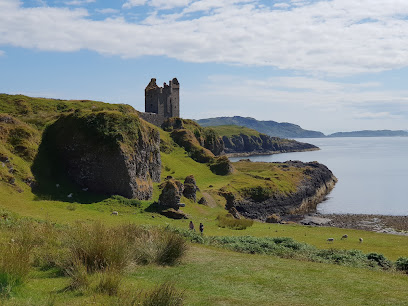
Gylen Castle
6.5 km
Explore the evocative ruins of Gylen Castle, a 16th-century MacDougall tower house with breathtaking views over Scotland’s Firth of Lorne.
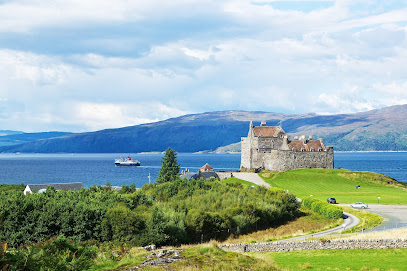
Duart Castle
11.6 km
Historic stronghold of Clan MacLean with stunning sea views and rich Scottish heritage on the Isle of Mull.
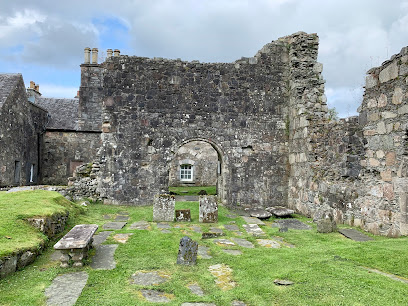
Ardchattan Priory
12.3 km
Discover the tranquil ruins and ancient gardens of Ardchattan Priory, a medieval monastic site steeped in Scottish history and clan heritage.
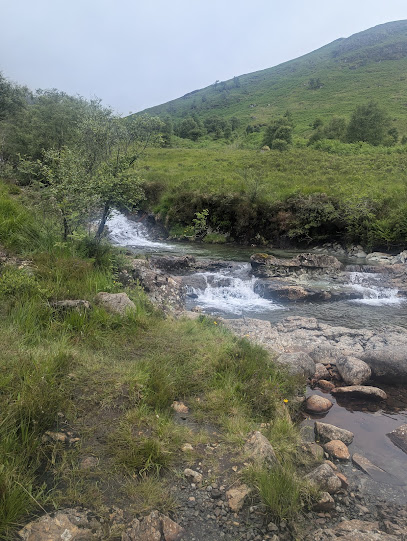
Waterfalls Scenic Walk
17.1 km
Discover tranquil waterfalls and rugged natural beauty on the Isle of Mull’s scenic hiking trail at Scallastle Farm.
Essential places to dine

EE-USK
0.6 km
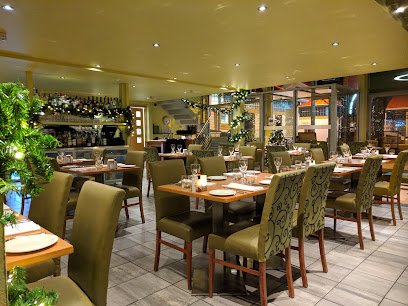
Fresh, locally sourced seafood served with panoramic harbor views on Oban’s historic North Pier.
Taste of Argyll Kitchen
0.7 km
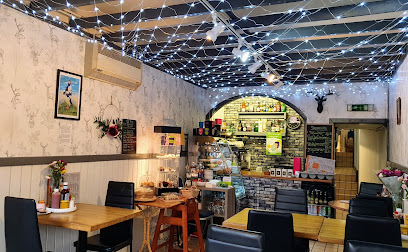
Cozy Scottish kitchen in Oban serving fresh, local dishes with a creative touch and warm hospitality.
Food From Argyll at the Pier
0.8 km
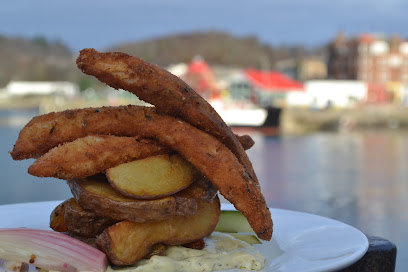
A vibrant café at Oban’s ferry terminal serving fresh, locally sourced Argyll produce with stunning waterfront views.
The Barn Bar
4.6 km
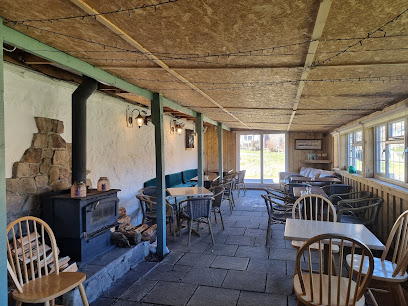
A rustic country pub at Cologin offering seasonal Scottish fare, cozy log fires, and lively local music near Oban.
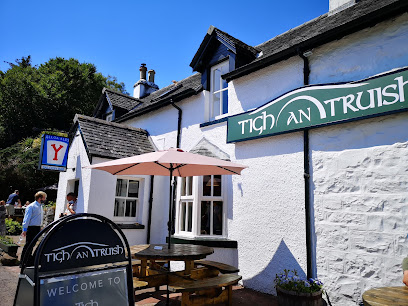
Tigh An Truish
13.0 km
Charming inn and acclaimed restaurant with stunning views of the iconic Clachan Bridge, offering exquisite local cuisine and cozy accommodations.
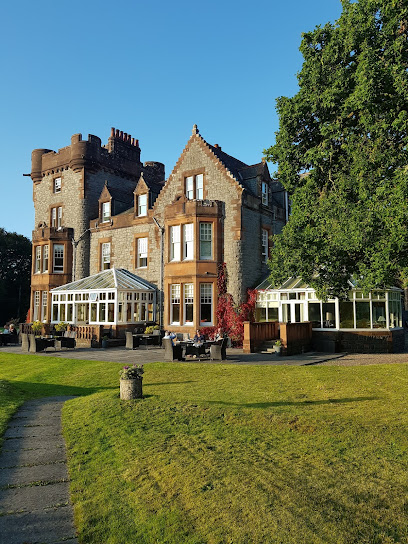
Restaurant at the Isle of Eriska
13.2 km
Experience Michelin-starred dining on a private Scottish island, where local flavours and historic charm meet breathtaking Highland views.
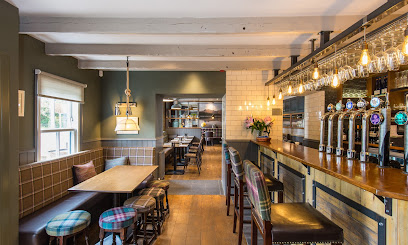
Kilchrenan Inn
19.9 km
A cozy Highland inn blending rustic charm, hearty cuisine, and warm hospitality in peaceful Kilchrenan.
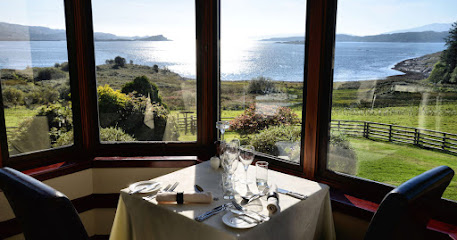
Restaurant at Loch Melfort Hotel
21.0 km
Savor inventive Scottish cuisine with stunning sea loch views at the acclaimed Restaurant at Loch Melfort Hotel in Arduaine.
The Whitehouse Restaurant
22.4 km
An intimate fine dining haven in Lochaline serving innovative Scottish cuisine with fresh, local, and foraged ingredients in a historic coastal setting.
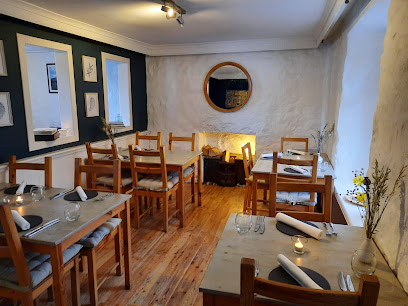
Cottage Restaurant
32.6 km
Cozy and charming dining in Inveraray with fresh local ingredients and warm, attentive service on Main Street West.
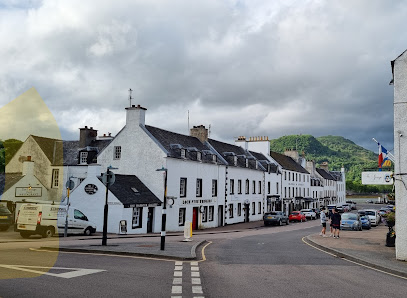
Samphire
32.7 km
Exquisite fresh seafood in a charming historic setting, Samphire offers a refined dining experience in the heart of Inveraray.
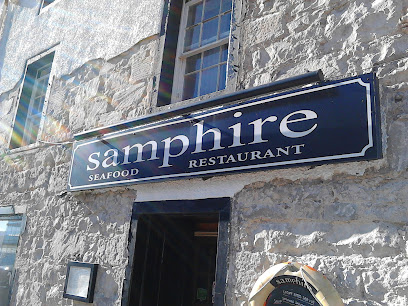
Ocho Inveraray
32.7 km
Unpretentious, flavorful dining in the heart of historic Inveraray with a warm, welcoming atmosphere.
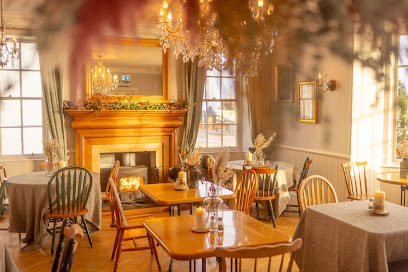
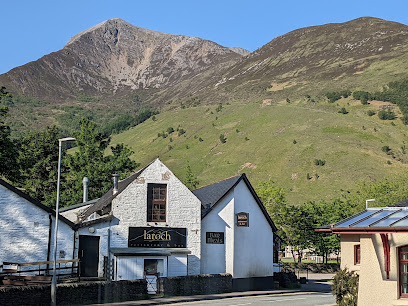
The Laroch Restaurant and Bar
35.8 km
Cozy Highland dining with hearty portions and tender meats in the welcoming village of Ballachulish.
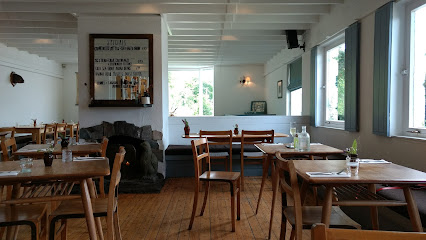
Loch Fyne Restaurant & Oyster Bar
37.7 km
Fresh Scottish seafood with stunning loch views in a rustic, welcoming setting at the head of Loch Fyne.
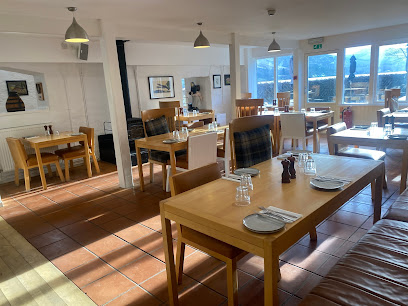
Inver Restaurant & Rooms
38.7 km
Discover a refined Scottish dining experience with fresh local ingredients and cozy rooms on the tranquil shores of Loch Fyne.
Markets, malls and hidden boutiques

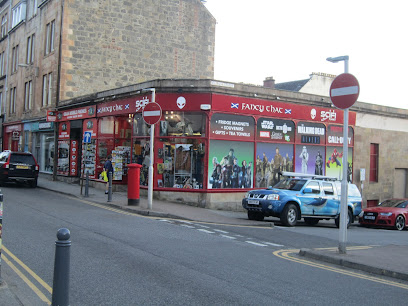
Fancy That & Sci-Fi Planet
0.5 km
Discover a unique blend of local souvenirs and sci-fi collectibles at Fancy That & Sci-Fi Planet in the heart of Oban.
Bolliwood to the Smiddy
0.5 km
A warm, welcoming gift shop in Oban filled with handcrafted Scottish souvenirs and local crafts – perfect for meaningful keepsakes after exploring the coast.
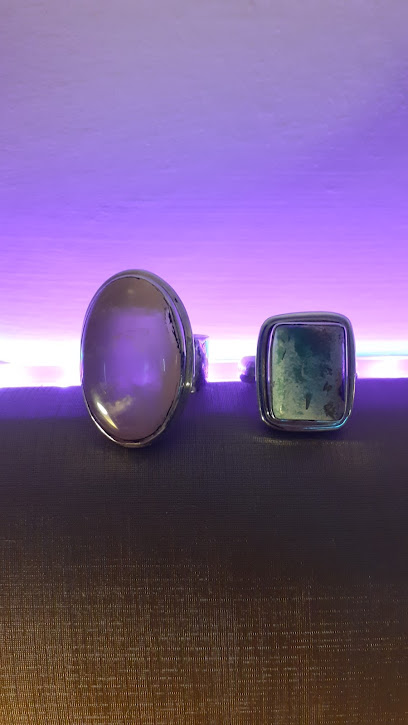
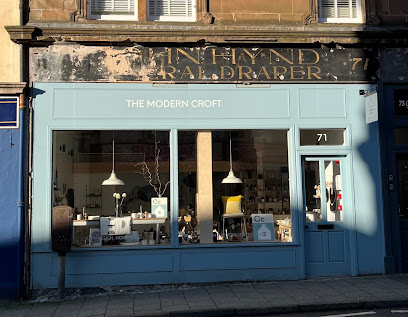
The Modern Croft
0.6 km
A bright, contemporary homewares and gift shop in Oban, showcasing beautiful craft and design from Scotland and beyond.
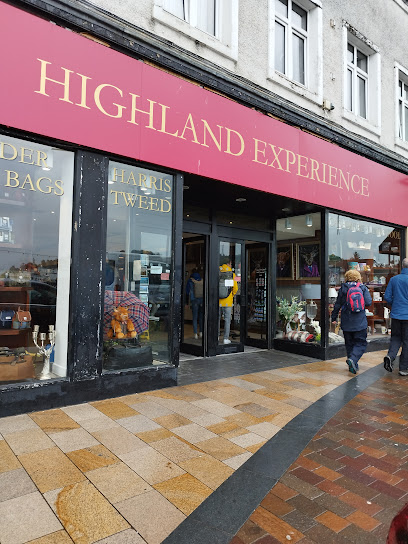
Highland Experience
0.7 km
Explore Highland Experience in Oban for unique Scottish clothing and accessories that reflect the rich culture and craftsmanship of the Highlands.
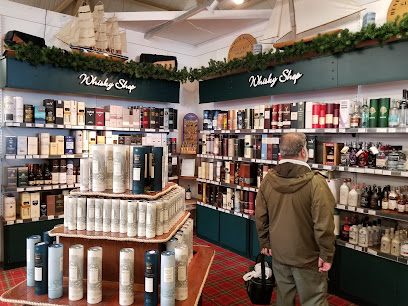
McCaig's Warehouse
0.8 km
Discover quality Scottish clothing and unique gifts at McCaig's Warehouse, a welcoming boutique nestled in Oban’s Heritage Centre.
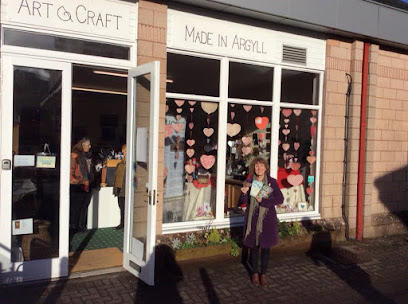
Made in Argyll
0.8 km
Discover handcrafted jewellery, ceramics, textiles and art from Argyll’s makers in a bright, harbour-side craft shop in Oban.
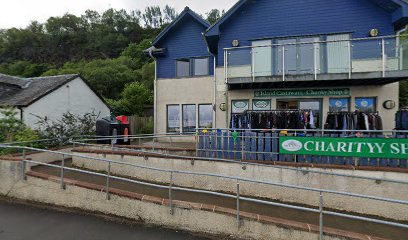
M E S S Charity Shop
14.3 km
Discover unique pre-loved treasures and support local sustainability at M E S S Charity Shop in Craignure’s community hub.
Island Castaways Within An Roth Community Centre
15.0 km
Discover unique preloved treasures and support local causes at Island Castaways, Craignure’s beloved charity shop on the Isle of Mull.
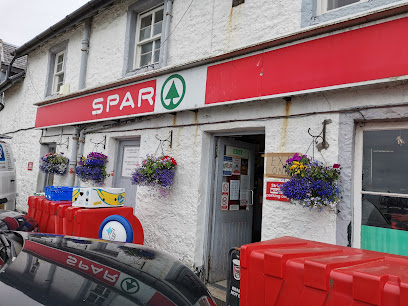
Craignure SPAR and Post Office
15.2 km
Discover the convenience of Craignure SPAR and Post Office, your one-stop shop for essentials and local delights on the Isle of Mull.
Ardfern Village Store
26.7 km
Charming village store offering local Scottish produce, essentials, and warm hospitality in the heart of Ardfern near Lochgilphead.
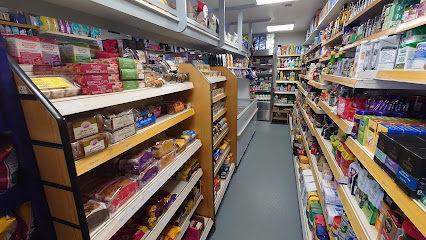
Bonnie Argyll - Bespoke gifts and crafts from Scotland
32.6 km
Discover authentic Scottish craftsmanship and bespoke gifts in the heart of historic Inveraray at Bonnie Argyll.
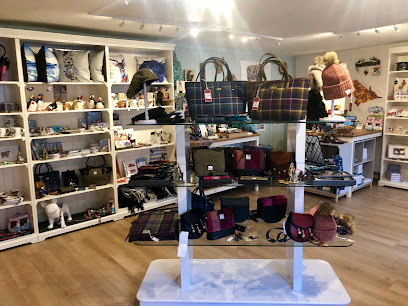
The House Of Scotland
32.6 km
Discover authentic Scottish gifts and craftsmanship in the heart of Inveraray’s historic Main Street.
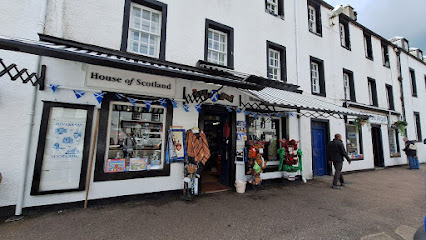
Sid’s Vintage
32.7 km
Discover timeless vintage fashion treasures in the heart of Inveraray at Sid’s Vintage, where every piece tells a story.

Hasn Candle Company
42.3 km
Discover handcrafted candles inspired by the natural beauty and seasonal scents of the Isle of Mull in Tobermory’s welcoming artisan shop.
Bluestone Gift Shop
42.5 km
A charming independent gift shop in Lochgilphead, offering Scottish-made cards, jewellery, and souvenirs with a personal touch.

Essential bars & hidden hideouts

Markie Dans
0.3 km
Family-run pub in Oban offering vast single malts, hearty food, live music, and stunning bay views in a welcoming, lively atmosphere.
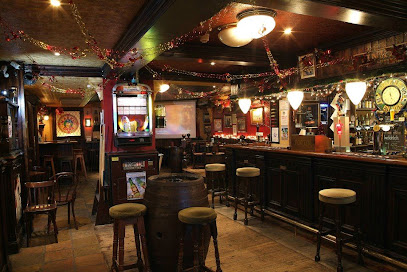
The Tartan Tavern
0.4 km
Experience authentic Scottish hospitality and traditional charm at The Tartan Tavern, a cozy and lively pub in the heart of Oban.
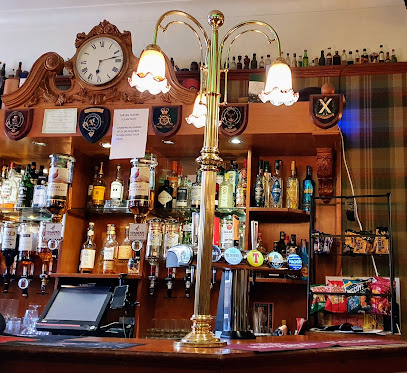
Cellar Bar
0.5 km
Cozy and traditional Scottish pub on Oban’s waterfront, famed for local whiskies, live music, and warm hospitality.
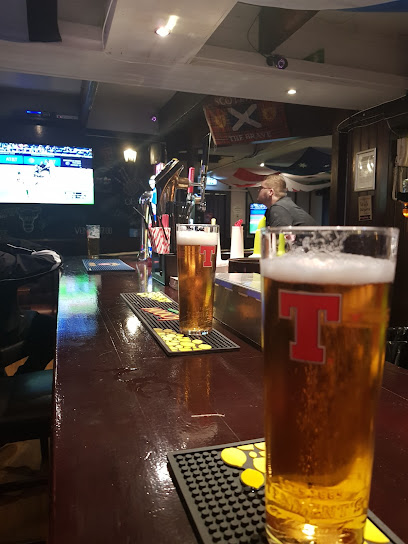
Lorne Bar
0.9 km
Experience authentic Scottish hospitality, fresh local seafood, and a warm, welcoming atmosphere in the heart of Oban at The Lorne Bar.
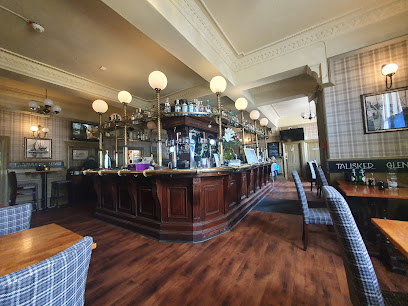
Craignure Inn
14.7 km
A cozy, dog-friendly pub and inn in Craignure offering hearty fare, comfortable rooms, and a warm welcome on the Isle of Mull.
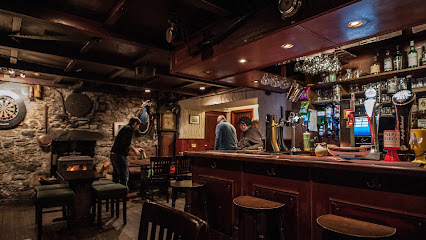
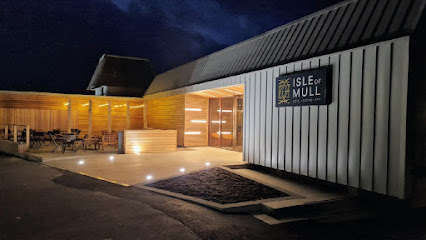
Isle of Mull Hotel & Spa
15.9 km
A welcoming coastal retreat on the Isle of Mull, blending scenic views, spa relaxation, and warm Scottish hospitality.
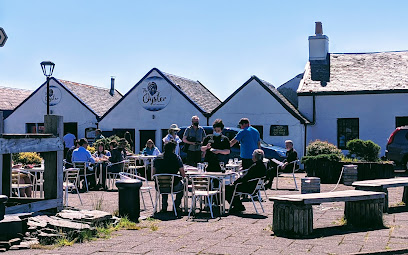
The Oyster Bar
17.4 km
A charming seafood haven in historic Ellenabeich, offering fresh oysters, scenic coastal views, and warm Scottish hospitality.
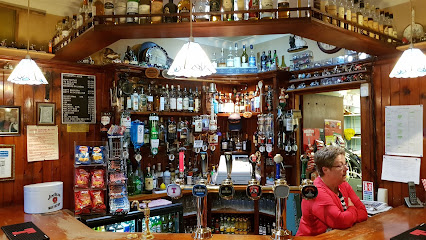
The Clachan Bar
37.8 km
Experience authentic Scottish village hospitality and cozy charm at The Clachan Bar in picturesque Strachur.
The Anderson Lounge
39.8 km
A cozy, rustic bar in Cairnbaan offering local craft beers and a welcoming atmosphere for travelers exploring the Scottish Highlands.
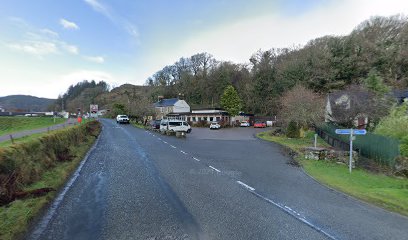
Western Isles Hotel
42.5 km
Historic hotel with breathtaking Tobermory Bay views, classic charm, and warm hospitality on the scenic Isle of Mull.
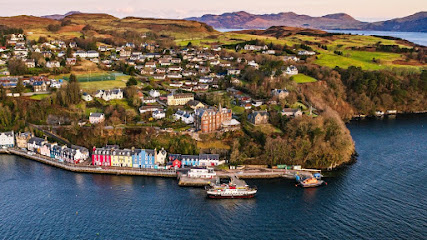
Mishnish
42.5 km
A traditional Scottish hotel and bar in Tobermory, famed for cosy harbour views, live folk music, and warm island hospitality.
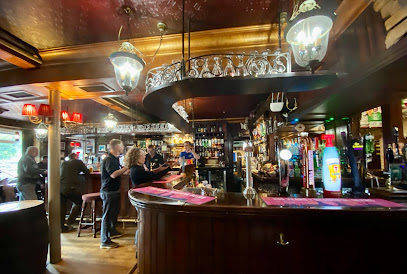
Auld Mull Bar
42.6 km
Experience warm island hospitality and local flavors at Auld Mull Bar, a cozy family-run retreat in Tobermory’s charming harbor village.
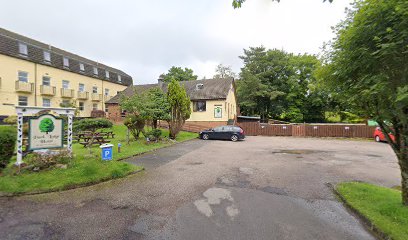
The Tobermory Hotel
42.7 km
Historic boutique hotel with stunning Tobermory Bay views, local cuisine, and warm Highland hospitality on the Isle of Mull’s vibrant waterfront.
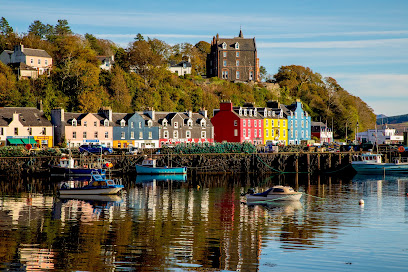
The Argyll Inn
42.8 km
A cozy local bar in Lochgilphead offering traditional Scottish hospitality and a welcoming atmosphere every day from noon to late evening.
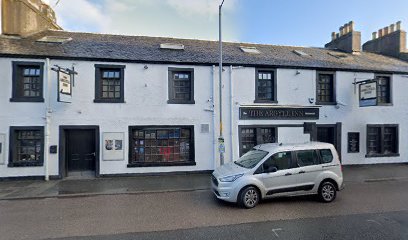
Bothy Bar
45.3 km
A cozy Highland retreat offering traditional Scottish fare, warm hospitality, and stunning views in the heart of Kinlochleven.
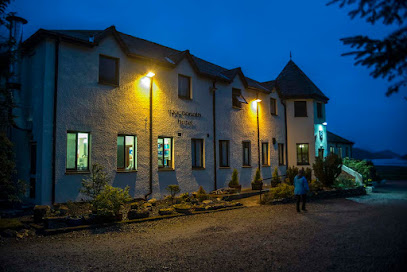
Nightclubs & after hour spots

Roobarb
49.4 km
Experience Fort William’s vibrant nightlife at Roobarb, the welcoming nightclub where music and dancing light up weekend nights.
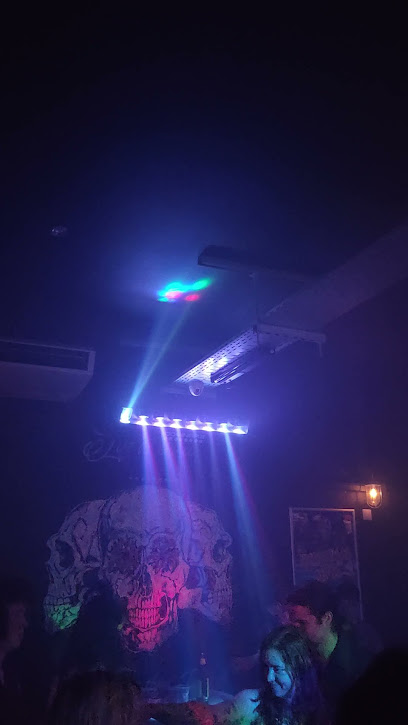
Word Up
68.3 km
Experience Greenock's revitalized nightlife at Word Up, a modern nightclub with vibrant energy and a welcoming atmosphere.

Red
69.1 km
Experience Greenock’s vibrant nightlife at Red Nightclub, where intimate vibes meet lively dance floors and affordable fun every weekend.

Jura Brewery
70.4 km
Discover Jura Brewery: A Craft Beer Experience in the Heart of the Isle of Jura, Where Tradition Meets Nature's Bounty.
The Jura Community Shop
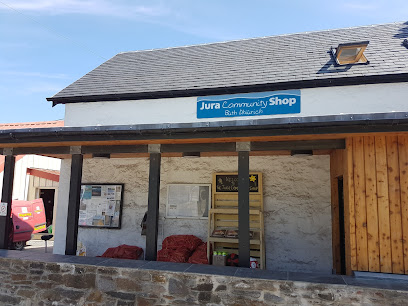
71.4 km
Discover the charm of Isle of Jura at The Jura Community Shop, your go-to destination for local products and essentials in Craighouse.
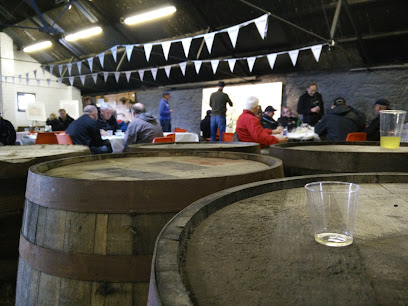
Isle of Jura Distillery Co
71.5 km
Discover the rich heritage and exquisite flavors of Isle of Jura Distillery, a must-visit for whisky lovers in Scotland's stunning landscape.
Desire Nightclub
72.1 km
Experience Balloch’s vibrant nightlife at Desire Nightclub, where energetic music and welcoming vibes create unforgettable evenings.

Ballygrant Inn
78.5 km
A cozy family-run inn on Islay offering hearty local cuisine, an award-winning whisky bar, and comfortable rooms for exploring the Hebridean island.
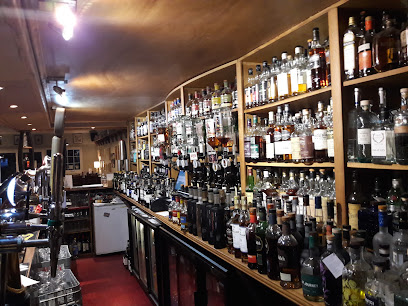
Bar Am Praban
83.1 km
Experience authentic Scottish cuisine and warm hospitality at Bar Am Praban, a premier bar and restaurant on the scenic Isle of Skye.
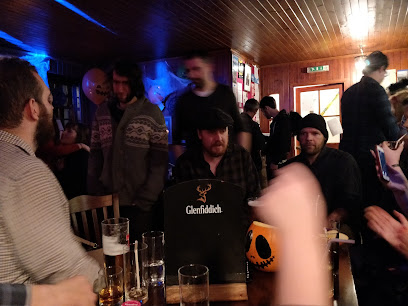
DUFFIE'S BAR
89.0 km
Discover the cozy ambiance of Duffie's Bar in Bowmore, Isle of Islay; a perfect spot for whisky lovers and relaxation amidst beautiful surroundings.
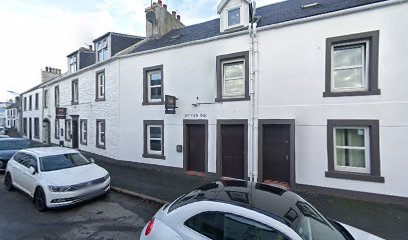
The Lochside Hotel & Restaurant
89.1 km
Discover the beauty and flavors of the Isle of Islay at The Lochside Hotel & Restaurant, where comfort meets local charm in a stunning setting.
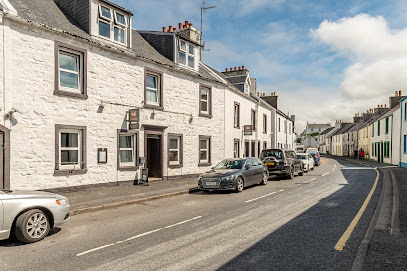
Club 69 Paisley
91.0 km
Dive into Paisley’s legendary underground techno scene at Club 69, where pulsating beats and vibrant vibes keep the night alive.
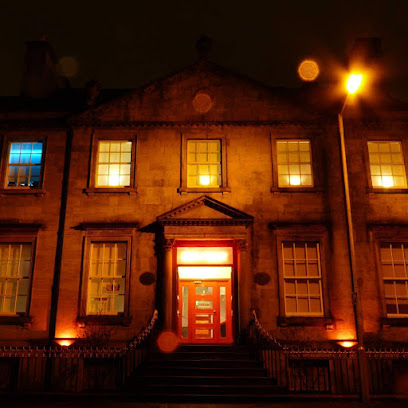
Fantoosh
91.4 km
A lively, intimate nightclub in Paisley’s heart, perfect for energetic nights with friends and local beats.
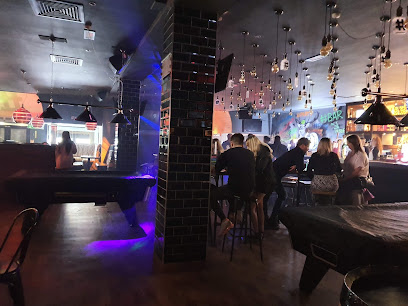
Vienna's Nightclub
91.4 km
Experience Paisley’s vibrant nightlife at Vienna's Nightclub, where energetic music and lively crowds come alive every weekend.
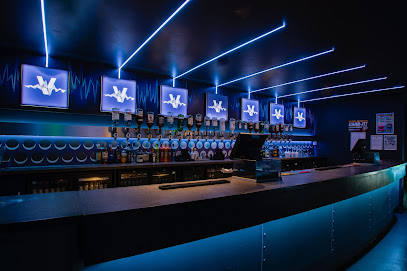
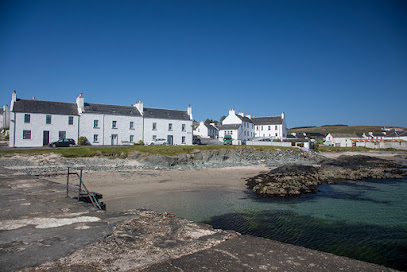
Port Charlotte Hotel
93.9 km
Experience the perfect blend of warmth, comfort, and exquisite local cuisine at Port Charlotte Hotel on the beautiful Isle of Islay.
For the vibe & atmosphere seeker
- Tranquil
- Scenic
- Relaxing
- Unique
For the design and aesthetic lover
- Vintage Styles
- Rustic Designs
For the architecture buff
- Historic
- Landmarks
- Sacred Sites
For the view chaser and sunset hunter
- Iconic Views
- Waterfront
- Sunset Spots
For the social media creator & influencer
- Instagrammable
- Photo Spots
- Architectural Shots
For the eco-conscious traveler
- Public-Transport Accessible
For the kind of experience you’re after
- Cultural Heritage
- Spiritual / Energy Spot
- Photowalk
- Day Trip
For how adventurous you want the journey to be
- Easy Access
Location Audience
- Family Friendly
- Senior Friendly
- Child Friendly
- Wheelchair Access
- Solo Friendly
- Couple Friendly
- Vegetarian Friendly
- Vegan Friendly


