
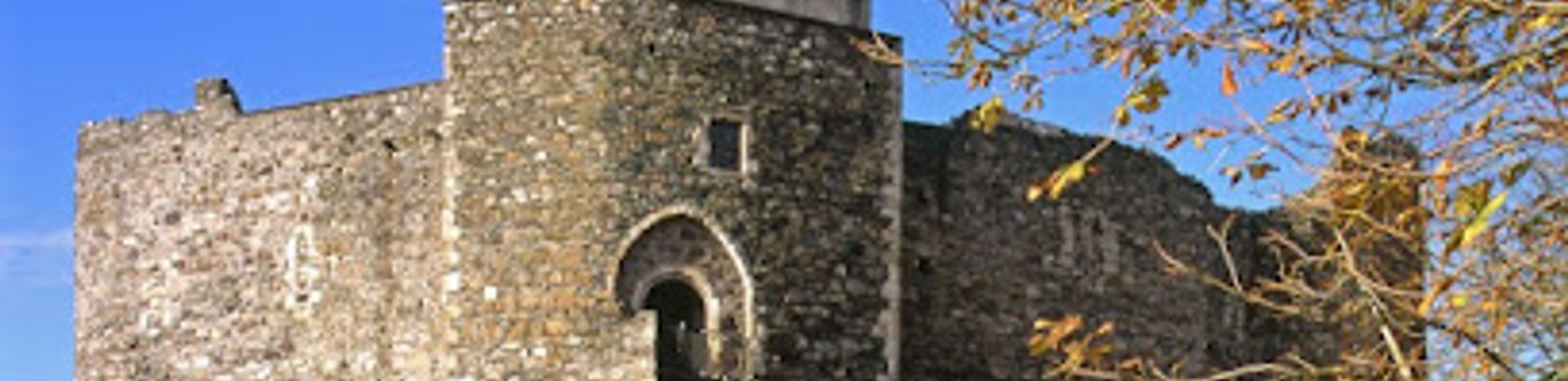
Dunstaffnage Castle and Chapel: Ancient Stronghold of the Kings of the Isles
Explore one of Scotland’s oldest stone castles with rich history, stunning sea views, and the haunting ruins of a medieval chapel near Oban.
Dunstaffnage Castle, perched on a rocky outcrop overlooking the Firth of Lorn near Oban, is one of Scotland’s oldest stone castles, dating back to circa 1220. Built by Duncan MacDougall during the fierce struggle between Scotland and Norway for control of the Hebrides, it features a largely intact medieval curtain wall, a 16th-century gatehouse still in use, and ruins of a 13th-century chapel nestled in surrounding woodlands. The castle has witnessed pivotal moments in Scottish history, including sieges by Robert the Bruce and imprisonment of Jacobite heroine Flora MacDonald.
A brief summary to Dunstaffnage Castle and Chapel
- Castle Grounds, Oban, Dunbeg, PA37 1PZ, GB
- +441631562465
- Visit website
- Duration: 1 to 3 hours
- Mid ranged
-
 Outdoor
- Mobile reception: 4 out of 5
- Monday 9:30 am-4:30 pm
- Tuesday 9:30 am-4:30 pm
- Wednesday 9:30 am-4:30 pm
- Thursday 9:30 am-4:30 pm
- Friday 9:30 am-4:30 pm
- Saturday 9:30 am-4:30 pm
- Sunday 9:30 am-4:30 pm
Local tips
- Book tickets online in advance to secure entry and enjoy discounted prices.
- Wear sturdy footwear for walking on uneven stone surfaces and steep steps.
- Visit the nearby woodland chapel for a peaceful contrast to the castle’s rugged fortress.
- Climb the ramparts for panoramic views over the Firth of Lorn and surrounding islands.
- Check opening times carefully, especially in winter when the castle closes on Thursdays and Fridays.

For the on-the-go comforts that matter to you
- Restrooms
- Food Options
- Drink Options
- Seating Areas
- Trash Bins
- Information Boards
- Visitor Center
Getting There
-
Bus
Take the local bus from Oban town center to Dunstaffnage College stop, approximately a 10-minute ride. From the stop, it is a 6-minute walk to the castle entrance. Buses run hourly with tickets costing around £3-£5 one way.
-
Car
Drive from Oban via the A85 and Jane Road to the castle car park. The journey takes about 10-15 minutes. Parking is available on site for a small fee. Note that the access road passes through a light industrial area.
-
Walking
For active visitors, walking from Oban town center to Dunstaffnage Castle is possible but involves a 5 km route on mixed terrain including some roads and footpaths, taking approximately 1.5 hours. Suitable for those comfortable with longer walks.
Dunstaffnage Castle and Chapel location weather suitability
-
 Any Weather
-
 Rain / Wet Weather
-
 Clear Skies
-
 Mild Temperatures
-
 Windy Conditions
Discover more about Dunstaffnage Castle and Chapel
Foundations of a Maritime Fortress
Dunstaffnage Castle stands as a monumental relic of medieval Scotland, constructed around 1220 by Duncan MacDougall, son of Earl Somerled, the ‘King of the Isles.’ Strategically positioned on a massive rocky promontory, the castle was designed to guard the western coast and the vital sea routes of the Hebrides. Its imposing stone curtain wall, one of the oldest surviving in Scotland, encloses a courtyard that once bustled with military and domestic activity. The castle’s unique design incorporates three circular towers recessed within the wall, a feature adapted to the rocky terrain.Historic Battles and Political Intrigue
Throughout its long history, Dunstaffnage Castle has been a focal point of conflict and power struggles. It was besieged by Robert the Bruce during the Wars of Scottish Independence in the early 14th century, reflecting its importance in controlling the western seaboard. Later, during the Jacobite uprisings of the 18th century, the castle served as a government garrison and prison. Notably, Flora MacDonald, famed for aiding Bonnie Prince Charlie’s escape, was briefly held here before her transfer to the Tower of London. These layers of history are palpable as visitors explore the ruins and imagine the lives shaped by these turbulent times.The Chapel and Woodland Grounds
Beyond the castle walls lies the atmospheric ruin of Dunstaffnage Chapel, a 13th-century ecclesiastical building nestled among mature trees. The chapel, once an active place of worship, fell into disuse after the Protestant Reformation but remains a poignant example of medieval religious architecture. Adjacent burial aisles commemorate noble families associated with the castle, adding a spiritual dimension to the site. The surrounding woodland and grounds provide a tranquil contrast to the fortress’s martial past, inviting visitors to stroll and reflect.Architectural Features and Visitor Experience
The castle’s 16th-century gatehouse is the only part still roofed and inhabitable, serving occasionally as a residence for the Captain of Dunstaffnage. Visitors can climb the ramparts for panoramic views over the Firth of Lorn and the Western Isles, peer down into the deep courtyard well, and explore the remains of the ‘new house,’ an 18th-century residential building that doubled as a prison. Informative interpretation panels and a visitor center with scale models bring the castle’s history vividly to life, enhancing the immersive experience.Preservation and Access
Managed by Historic Environment Scotland, Dunstaffnage Castle and Chapel are open seasonally with varying hours, typically from 9:30am to 4:30pm in summer and reduced hours in winter. Some towers remain closed for conservation. The site includes parking, a gift shop, and nearby café options. Its coastal location offers spectacular natural scenery, making it a favored destination for history enthusiasts and photographers alike.Legacy of the MacDougalls and Scottish Heritage
Dunstaffnage Castle embodies the legacy of Clan MacDougall, once powerful rulers of the western seaboard. Its endurance through centuries of warfare, political upheaval, and cultural change makes it a symbol of Scotland’s rich and complex past. The castle and chapel together offer a multifaceted glimpse into medieval life, royal power, religious practice, and the enduring spirit of the Highlands and Islands.Iconic landmarks you can’t miss

McCaig's Tower & Battery Hill
4.8 km
Explore Oban’s iconic McCaig's Tower, a Colosseum-inspired folly with stunning views and tranquil gardens atop Battery Hill.

St John's Scottish Episcopal Cathedral : Oban
4.8 km
An unfinished masterpiece where Gothic ambition meets industrial-age engineering in Scotland's most unusual cathedral.
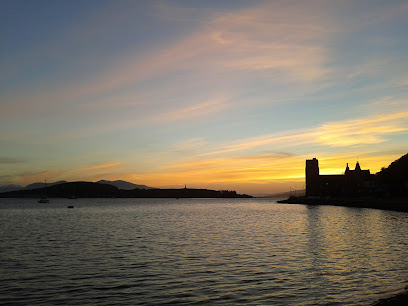
Barcaldine Castle
6.6 km
Experience the haunting beauty and rich history of Barcaldine Castle, a 17th-century Scottish fortress overlooking Loch Creran.
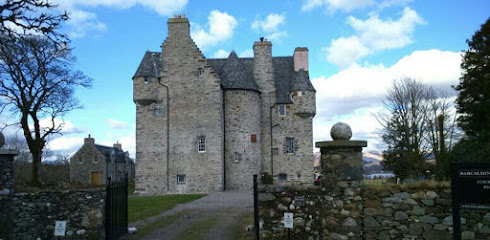
The Argyll Papers, Inveraray Castle
32.8 km
Explore over 700 years of Scottish history through the Campbell family’s extensive archive at Inveraray Castle.
Kilmartin Museum
35.8 km
Discover 12,000 years of history at Kilmartin Museum, where ancient artefacts meet the stunning prehistoric landscape of Kilmartin Glen.
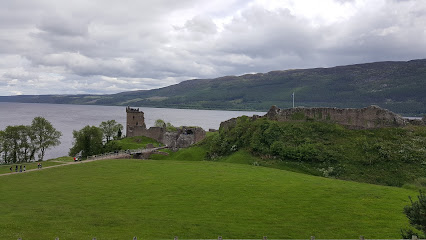
Nether Largie Mid Cairn
36.5 km
Bronze Age burial cairn at the heart of Scotland's most significant prehistoric landscape, carved with rare axehead symbols.
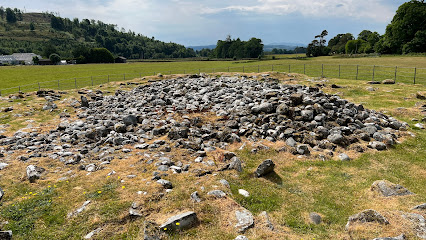
The Tinkers Heart
37.7 km
A heart-shaped quartz monument near Cairndow honoring the Scottish Traveller community’s heritage with stunning views over Loch Fyne.
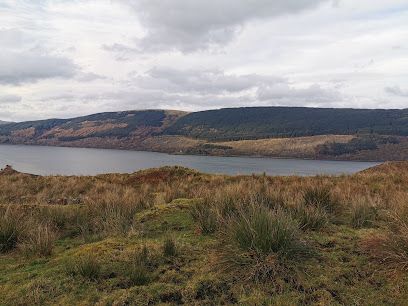
About Argyll Walking Holidays
39.1 km
Explore Argyll’s stunning landscapes with expert guided walking holidays from Cairndow’s trusted outdoor activity organizer.
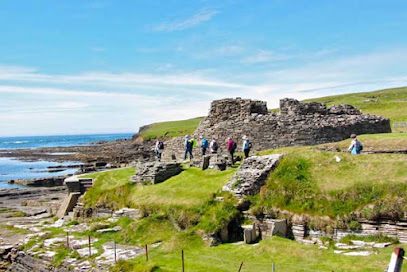
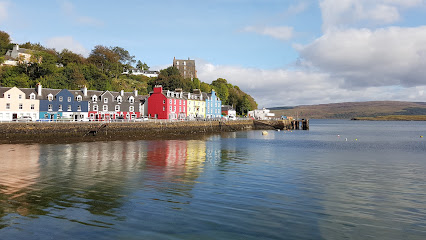
Tobermory Clock Tower
42.9 km
Historic granite clock tower memorializing local heritage, standing proudly by Tobermory’s colourful harbour on the Isle of Mull.
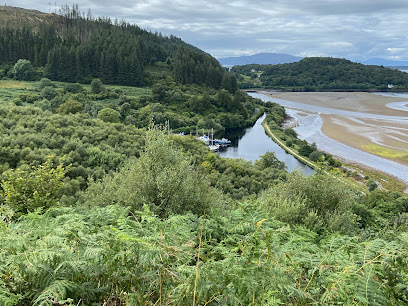
Knapdale Scottish Beaver Trail
44.4 km
Discover the Knapdale Scottish Beaver Trail, a nature lover's paradise where you can observe beavers in their natural habitat amidst stunning Scottish landscapes.
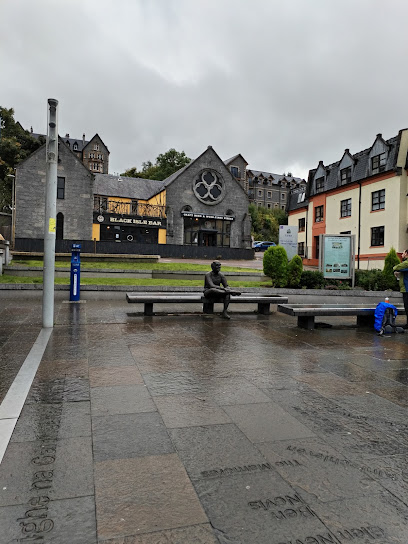
Official end of the West Highland Way
44.8 km
Celebrate the end of Scotland’s iconic West Highland Way in Fort William, where rugged mountains meet vibrant Highland culture.
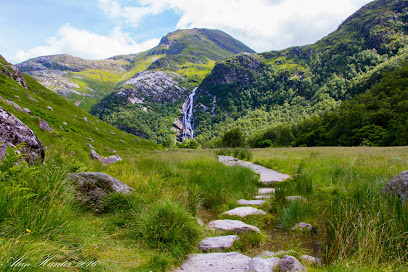
Steall Waterfall
44.9 km
Experience the breathtaking beauty of Steall Waterfall, a natural wonder in the Scottish Highlands, perfect for hiking enthusiasts and nature lovers.
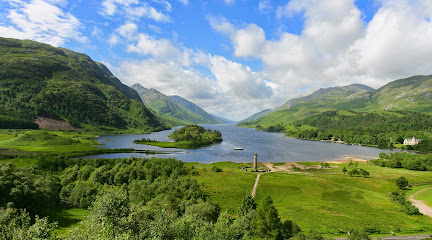
Glenfinnan Monument - National Trust for Scotland
46.1 km
Explore the captivating Glenfinnan Monument, a historic tribute to Scotland's Jacobite heritage set in breathtaking Highland landscapes.
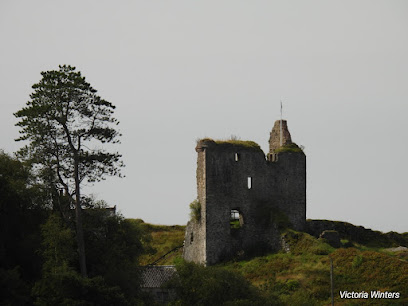
Heart of Argyll Tourism Alliance
46.3 km
Explore the Heart of Argyll Tourism Alliance, your essential guide to breathtaking landscapes, rich history, and local culture in Scotland.
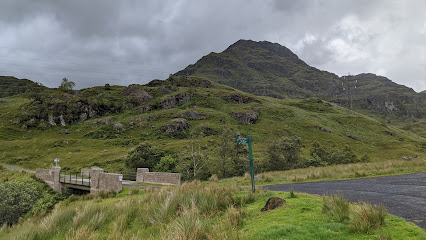
Ben Vane
46.4 km
Explore the breathtaking heights of Ben Vane, a majestic peak offering stunning views and unforgettable hiking experiences in the heart of Scotland's Highlands.
Unmissable attractions to see

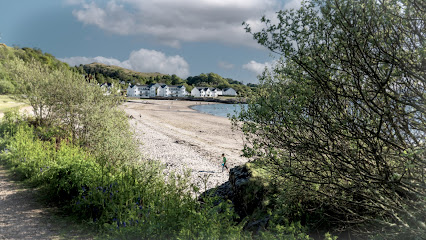
Ganavan Sands
2.8 km
Peaceful sandy beach near Oban with scenic views, easy access, and family-friendly facilities for a relaxing coastal escape.
Dunollie Museum, Castle and Grounds
4.2 km
Explore Dunollie’s rich history, stunning castle ruins, and enchanting woodland gardens overlooking Oban Bay in a captivating heritage experience.
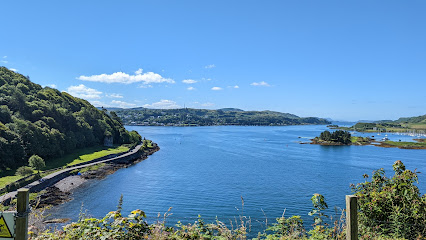
Diocese of Argyll & The Isles
4.7 km
Historic Catholic diocese in Scotland’s West Highlands, centered on the neo-Gothic St Columba’s Cathedral overlooking Oban Bay.
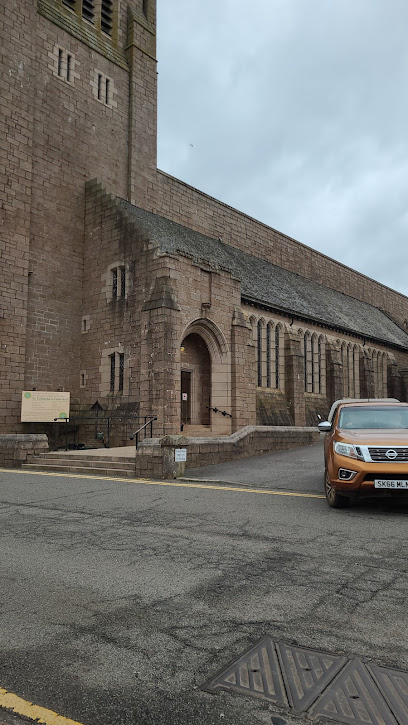
St. Columba’s Cathedral
4.7 km
A majestic Neo-Gothic cathedral on Oban’s seafront, blending rich history, stunning granite architecture, and spiritual sanctuary.
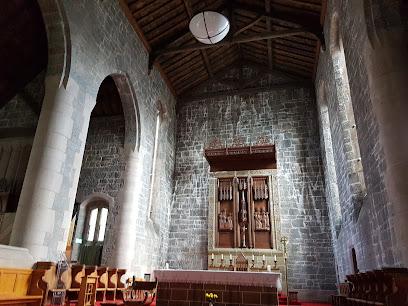
Ardconnel Terrace
4.8 km
Discover Ardconnel Terrace’s Victorian charm and breathtaking coastal views in the heart of Oban’s historic landscape.
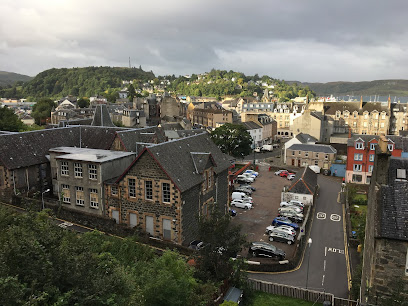
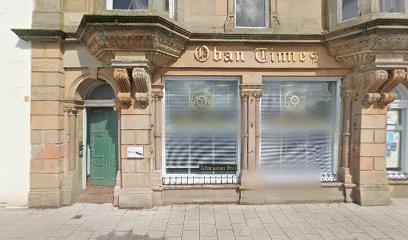
Old Oban Times Bldg
4.9 km
Step into Oban’s past at this volunteer-run museum in the historic Old Oban Times Building, where wartime stories meet island life and engineering marvels.
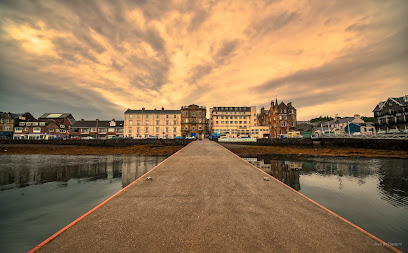
Oban War & Peace Museum
4.9 km
Explore Oban’s rich wartime heritage and maritime history in this free, volunteer-run museum on the scenic Corran Esplanade.
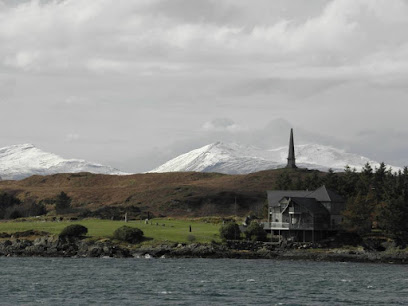
Rudh-a-Chruidh
4.9 km
Discover Rudh-a-Chruidh, a tidal island sanctuary near Oban with stunning coastal views, rich wildlife, and a sleek modern home blending nature and luxury.
VisitScotland Oban iCentre
5.0 km
Your essential gateway to exploring Oban and the Scottish Highlands with expert advice and local insights.
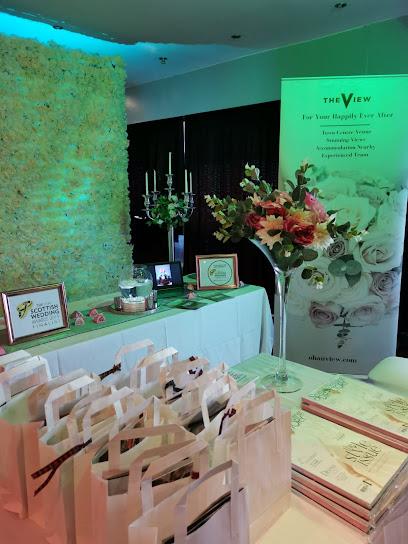
The View Oban
5.0 km
Discover the perfect blend of stunning views and delectable Scottish cuisine at The View Oban, a must-visit restaurant in Oban, Scotland.
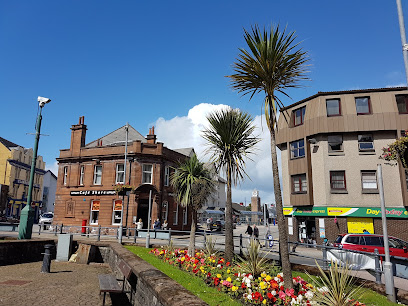
Argyll Square
5.2 km
Historic Argyll Square anchors Oban’s waterfront with classical architecture and vibrant local life at Scotland’s scenic western coast.
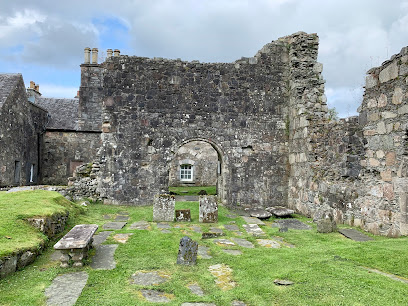
Ardchattan Priory
8.8 km
Discover the tranquil ruins and ancient gardens of Ardchattan Priory, a medieval monastic site steeped in Scottish history and clan heritage.
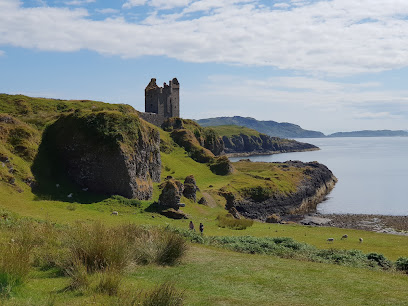
Gylen Castle
11.1 km
Explore the evocative ruins of Gylen Castle, a 16th-century MacDougall tower house with breathtaking views over Scotland’s Firth of Lorne.
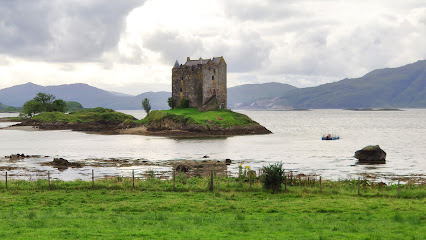
Castle Stalker
13.4 km
A captivating medieval tower house on a tidal islet, steeped in clan history and scenic beauty on Scotland’s west coast.
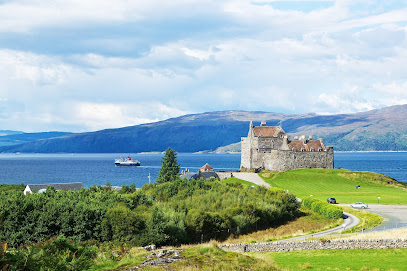
Duart Castle
13.4 km
Historic stronghold of Clan MacLean with stunning sea views and rich Scottish heritage on the Isle of Mull.
Essential places to dine

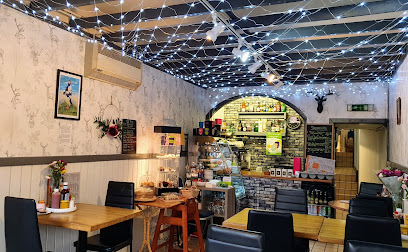
Taste of Argyll Kitchen
5.0 km
Cozy Scottish kitchen in Oban serving fresh, local dishes with a creative touch and warm hospitality.
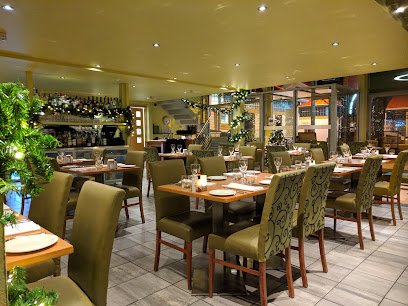
EE-USK
5.0 km
Fresh, locally sourced seafood served with panoramic harbor views on Oban’s historic North Pier.
Food From Argyll at the Pier
5.3 km
A vibrant café at Oban’s ferry terminal serving fresh, locally sourced Argyll produce with stunning waterfront views.
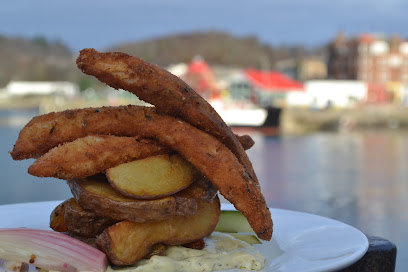
Restaurant at the Isle of Eriska
8.8 km
Experience Michelin-starred dining on a private Scottish island, where local flavours and historic charm meet breathtaking Highland views.
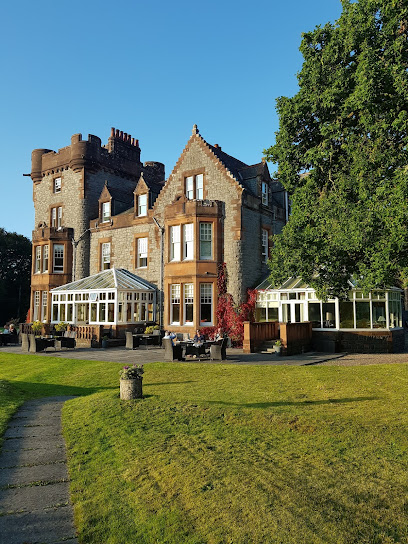
The Barn Bar
8.9 km
A rustic country pub at Cologin offering seasonal Scottish fare, cozy log fires, and lively local music near Oban.
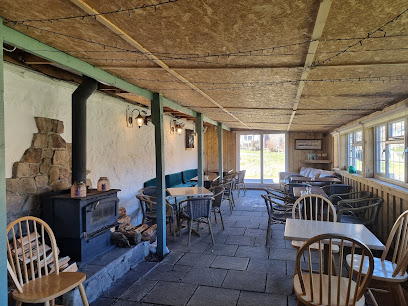
Tigh An Truish
17.7 km
Charming inn and acclaimed restaurant with stunning views of the iconic Clachan Bridge, offering exquisite local cuisine and cozy accommodations.
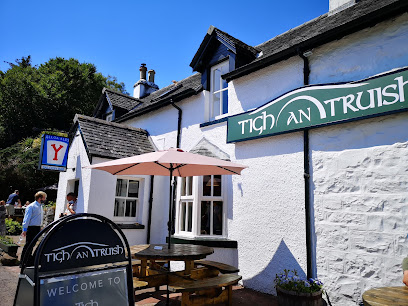
Kilchrenan Inn
19.4 km
A cozy Highland inn blending rustic charm, hearty cuisine, and warm hospitality in peaceful Kilchrenan.
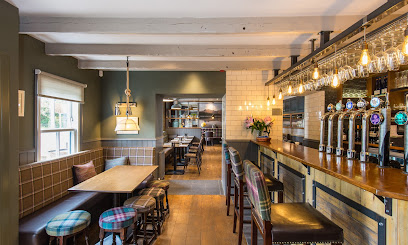
The Whitehouse Restaurant
22.7 km
An intimate fine dining haven in Lochaline serving innovative Scottish cuisine with fresh, local, and foraged ingredients in a historic coastal setting.
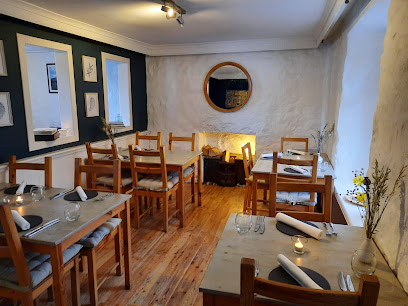
Restaurant at Loch Melfort Hotel
25.5 km
Savor inventive Scottish cuisine with stunning sea loch views at the acclaimed Restaurant at Loch Melfort Hotel in Arduaine.
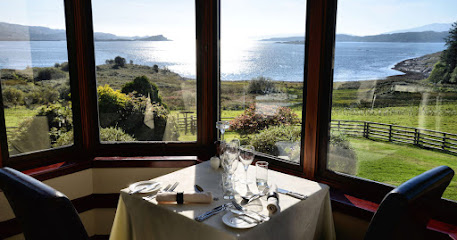
The Laroch Restaurant and Bar
31.1 km
Cozy Highland dining with hearty portions and tender meats in the welcoming village of Ballachulish.
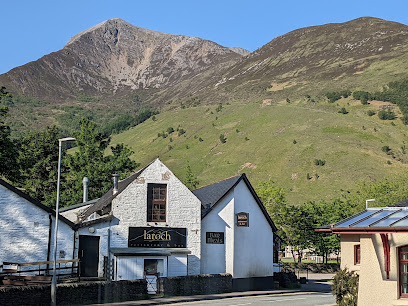
Cottage Restaurant
33.5 km
Cozy and charming dining in Inveraray with fresh local ingredients and warm, attentive service on Main Street West.
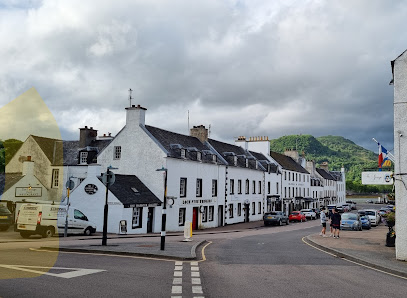
Ocho Inveraray
33.6 km
Unpretentious, flavorful dining in the heart of historic Inveraray with a warm, welcoming atmosphere.
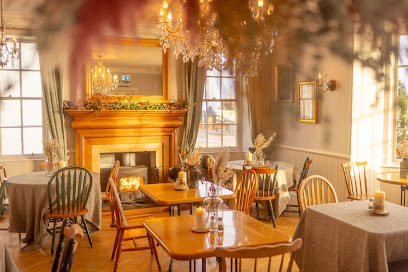
Samphire
33.6 km
Exquisite fresh seafood in a charming historic setting, Samphire offers a refined dining experience in the heart of Inveraray.
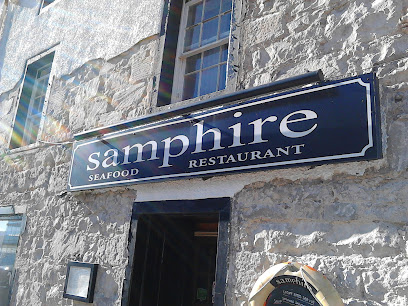
Loch Fyne Restaurant & Oyster Bar
37.4 km
Fresh Scottish seafood with stunning loch views in a rustic, welcoming setting at the head of Loch Fyne.
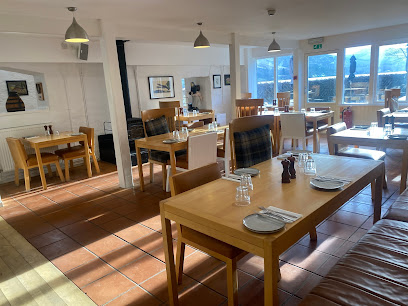
Inver Restaurant & Rooms
41.4 km
Discover a refined Scottish dining experience with fresh local ingredients and cozy rooms on the tranquil shores of Loch Fyne.
Markets, malls and hidden boutiques

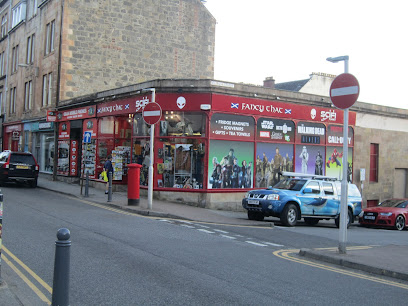
Fancy That & Sci-Fi Planet
4.8 km
Discover a unique blend of local souvenirs and sci-fi collectibles at Fancy That & Sci-Fi Planet in the heart of Oban.
Bolliwood to the Smiddy
4.8 km
A warm, welcoming gift shop in Oban filled with handcrafted Scottish souvenirs and local crafts – perfect for meaningful keepsakes after exploring the coast.
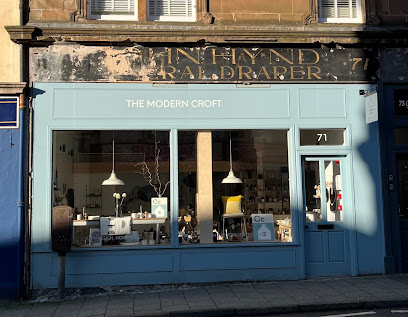
The Modern Croft
4.9 km
A bright, contemporary homewares and gift shop in Oban, showcasing beautiful craft and design from Scotland and beyond.
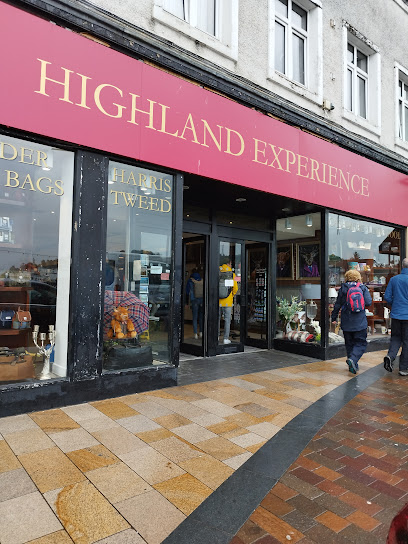
Highland Experience
5.0 km
Explore Highland Experience in Oban for unique Scottish clothing and accessories that reflect the rich culture and craftsmanship of the Highlands.
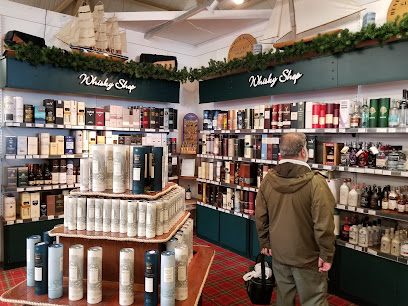
McCaig's Warehouse
5.2 km
Discover quality Scottish clothing and unique gifts at McCaig's Warehouse, a welcoming boutique nestled in Oban’s Heritage Centre.
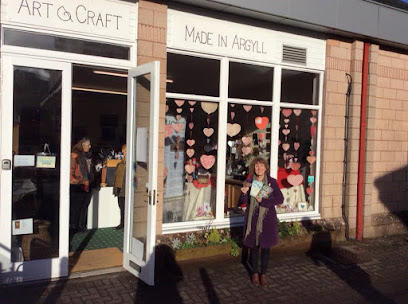
Made in Argyll
5.2 km
Discover handcrafted jewellery, ceramics, textiles and art from Argyll’s makers in a bright, harbour-side craft shop in Oban.
M E S S Charity Shop
16.0 km
Discover unique pre-loved treasures and support local sustainability at M E S S Charity Shop in Craignure’s community hub.
Island Castaways Within An Roth Community Centre
16.6 km
Discover unique preloved treasures and support local causes at Island Castaways, Craignure’s beloved charity shop on the Isle of Mull.
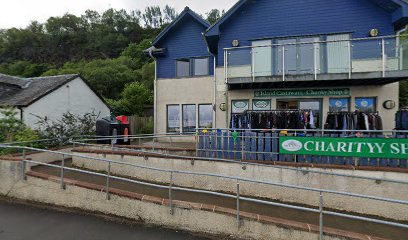
Craignure SPAR and Post Office
16.7 km
Discover the convenience of Craignure SPAR and Post Office, your one-stop shop for essentials and local delights on the Isle of Mull.
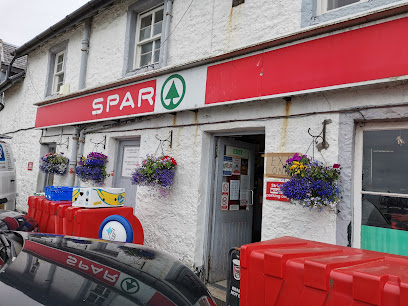
Ardfern Village Store
31.0 km
Charming village store offering local Scottish produce, essentials, and warm hospitality in the heart of Ardfern near Lochgilphead.
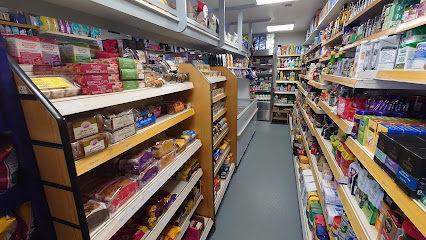
The House Of Scotland
33.5 km
Discover authentic Scottish gifts and craftsmanship in the heart of Inveraray’s historic Main Street.
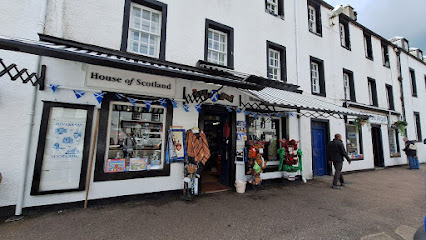
Bonnie Argyll - Bespoke gifts and crafts from Scotland
33.5 km
Discover authentic Scottish craftsmanship and bespoke gifts in the heart of historic Inveraray at Bonnie Argyll.
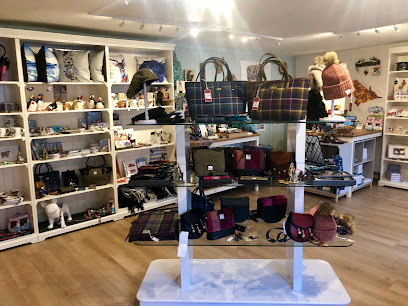
Sid’s Vintage
33.6 km
Discover timeless vintage fashion treasures in the heart of Inveraray at Sid’s Vintage, where every piece tells a story.

Hasn Candle Company
42.7 km
Discover handcrafted candles inspired by the natural beauty and seasonal scents of the Isle of Mull in Tobermory’s welcoming artisan shop.
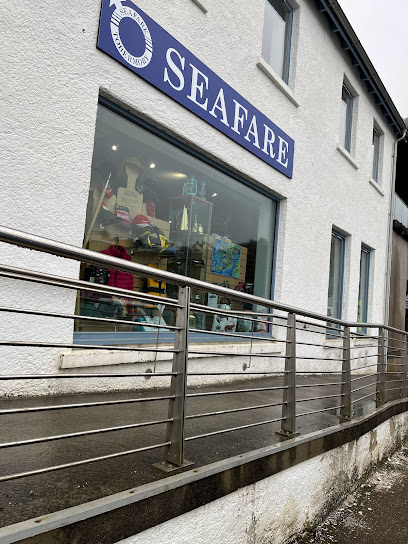
Seafare
42.8 km
Tobermory’s trusted chandlery since 1977, offering essential marine safety gear and supplies in the heart of the Isle of Mull’s harbor town.
Essential bars & hidden hideouts

Markie Dans
4.6 km
Family-run pub in Oban offering vast single malts, hearty food, live music, and stunning bay views in a welcoming, lively atmosphere.
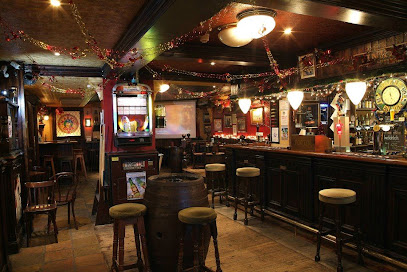
The Tartan Tavern
4.7 km
Experience authentic Scottish hospitality and traditional charm at The Tartan Tavern, a cozy and lively pub in the heart of Oban.
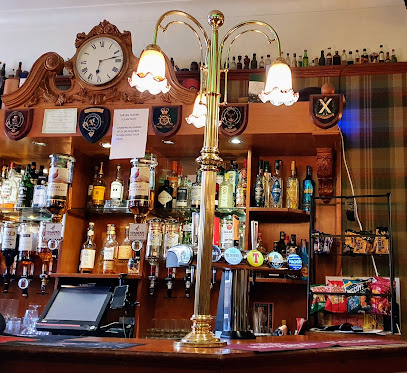
Cellar Bar
4.9 km
Cozy and traditional Scottish pub on Oban’s waterfront, famed for local whiskies, live music, and warm hospitality.
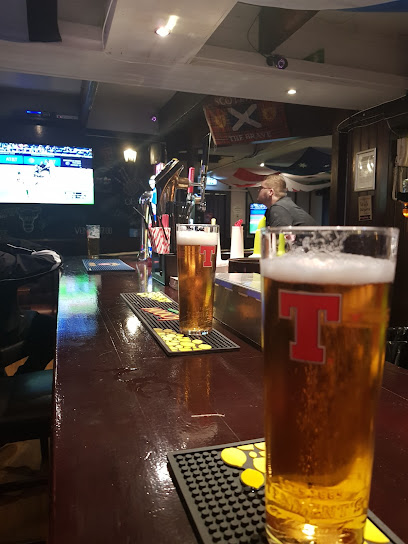
Lorne Bar
5.1 km
Experience authentic Scottish hospitality, fresh local seafood, and a warm, welcoming atmosphere in the heart of Oban at The Lorne Bar.
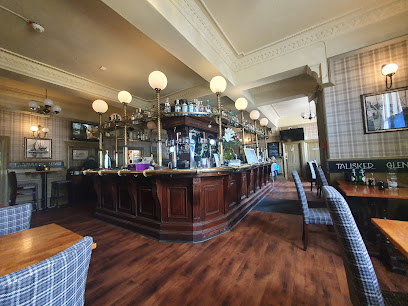
Craignure Inn
16.3 km
A cozy, dog-friendly pub and inn in Craignure offering hearty fare, comfortable rooms, and a warm welcome on the Isle of Mull.
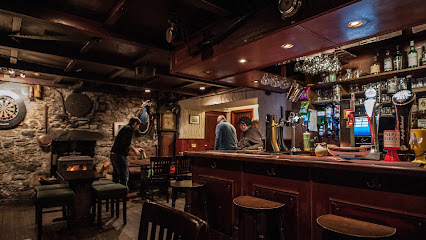
Isle of Mull Hotel & Spa
17.2 km
A welcoming coastal retreat on the Isle of Mull, blending scenic views, spa relaxation, and warm Scottish hospitality.
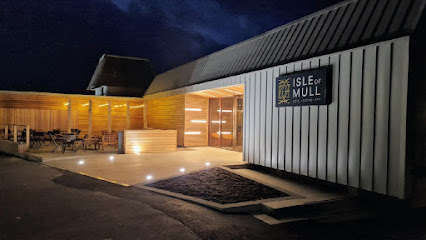
The Oyster Bar
22.1 km
A charming seafood haven in historic Ellenabeich, offering fresh oysters, scenic coastal views, and warm Scottish hospitality.
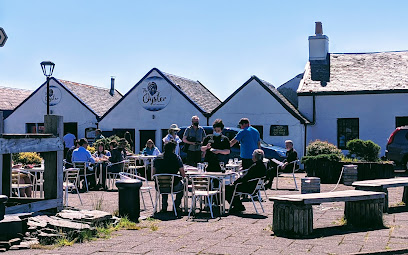
The Clachan Bar
39.3 km
Experience authentic Scottish village hospitality and cozy charm at The Clachan Bar in picturesque Strachur.
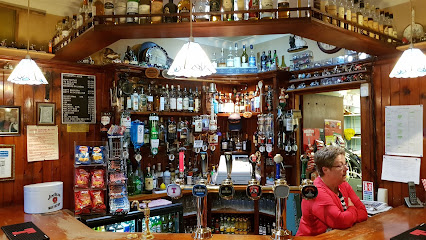
Bothy Bar
40.7 km
A cozy Highland retreat offering traditional Scottish fare, warm hospitality, and stunning views in the heart of Kinlochleven.
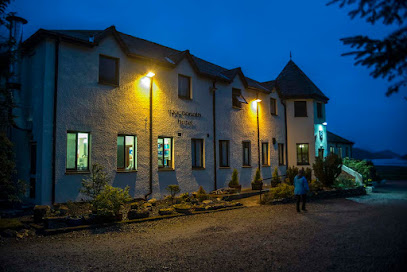
Western Isles Hotel
42.8 km
Historic hotel with breathtaking Tobermory Bay views, classic charm, and warm hospitality on the scenic Isle of Mull.
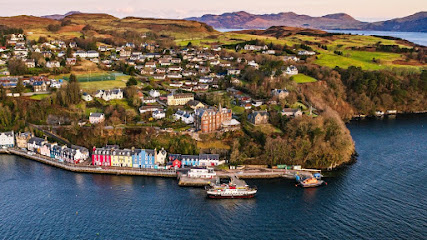
Mishnish
42.8 km
A traditional Scottish hotel and bar in Tobermory, famed for cosy harbour views, live folk music, and warm island hospitality.
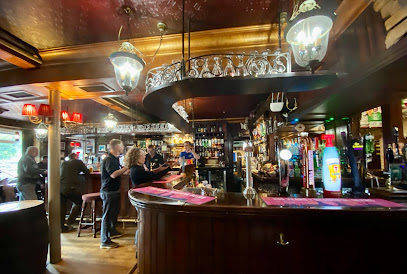
Auld Mull Bar
42.8 km
Experience warm island hospitality and local flavors at Auld Mull Bar, a cozy family-run retreat in Tobermory’s charming harbor village.
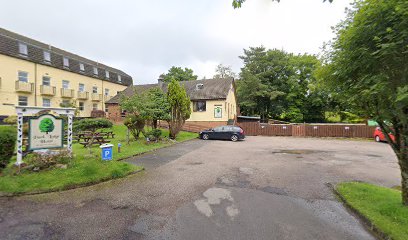
The Tobermory Hotel
43.0 km
Historic boutique hotel with stunning Tobermory Bay views, local cuisine, and warm Highland hospitality on the Isle of Mull’s vibrant waterfront.
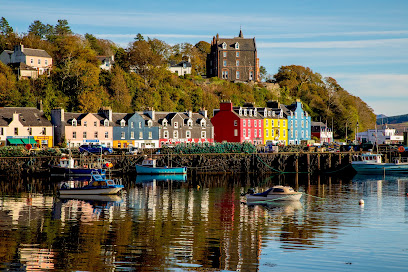
The Anderson Lounge
43.8 km
A cozy, rustic bar in Cairnbaan offering local craft beers and a welcoming atmosphere for travelers exploring the Scottish Highlands.
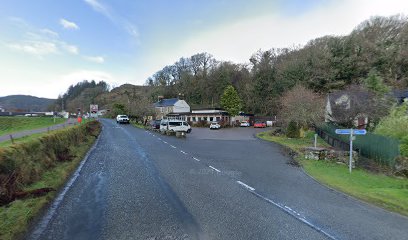
The Argyll Inn
46.6 km
A cozy local bar in Lochgilphead offering traditional Scottish hospitality and a welcoming atmosphere every day from noon to late evening.
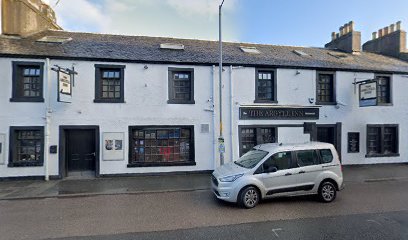
Nightclubs & after hour spots

Roobarb
44.8 km
Experience Fort William’s vibrant nightlife at Roobarb, the welcoming nightclub where music and dancing light up weekend nights.
Word Up
69.8 km
Experience Greenock's revitalized nightlife at Word Up, a modern nightclub with vibrant energy and a welcoming atmosphere.
Red
70.5 km
Experience Greenock’s vibrant nightlife at Red Nightclub, where intimate vibes meet lively dance floors and affordable fun every weekend.

Desire Nightclub
72.8 km
Experience Balloch’s vibrant nightlife at Desire Nightclub, where energetic music and welcoming vibes create unforgettable evenings.
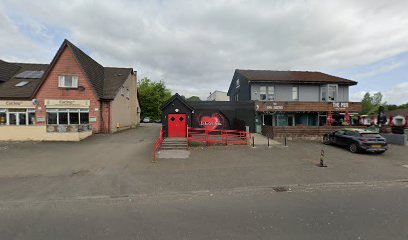
Jura Brewery
75.0 km
Discover Jura Brewery: A Craft Beer Experience in the Heart of the Isle of Jura, Where Tradition Meets Nature's Bounty.
The Jura Community Shop
76.0 km
Discover the charm of Isle of Jura at The Jura Community Shop, your go-to destination for local products and essentials in Craighouse.
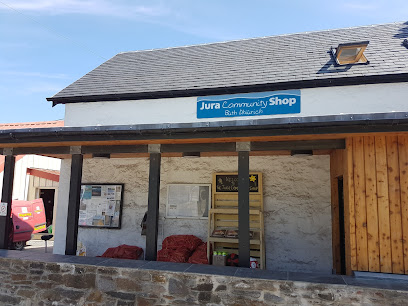
Isle of Jura Distillery Co
76.1 km
Discover the rich heritage and exquisite flavors of Isle of Jura Distillery, a must-visit for whisky lovers in Scotland's stunning landscape.
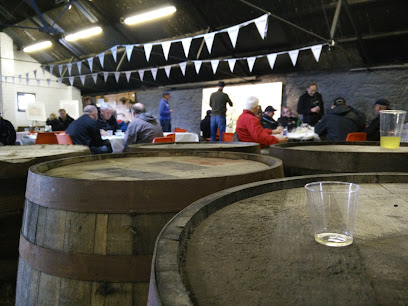
Bar Am Praban
79.9 km
Experience authentic Scottish cuisine and warm hospitality at Bar Am Praban, a premier bar and restaurant on the scenic Isle of Skye.
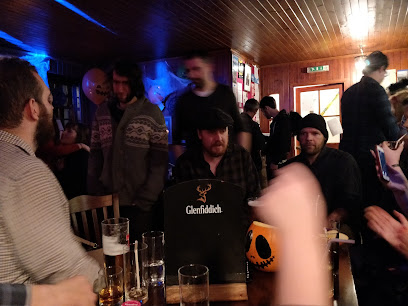
Ballygrant Inn
83.2 km
A cozy family-run inn on Islay offering hearty local cuisine, an award-winning whisky bar, and comfortable rooms for exploring the Hebridean island.
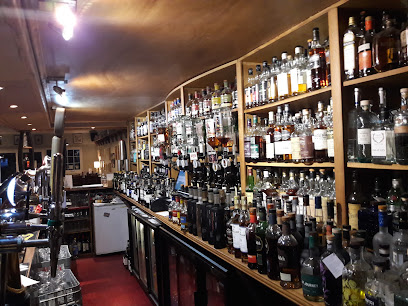
Club 69 Paisley
92.0 km
Dive into Paisley’s legendary underground techno scene at Club 69, where pulsating beats and vibrant vibes keep the night alive.
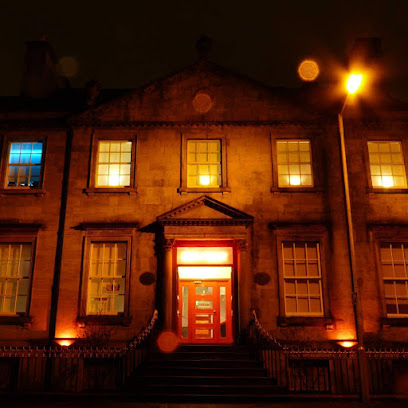
Gabbro Bar
92.1 km
Experience the cozy charm of Gabbro Bar in Broadford, Isle of Skye, with a delightful selection of drinks in a welcoming atmosphere.
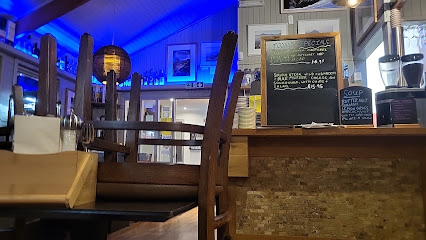
Fantoosh
92.4 km
A lively, intimate nightclub in Paisley’s heart, perfect for energetic nights with friends and local beats.
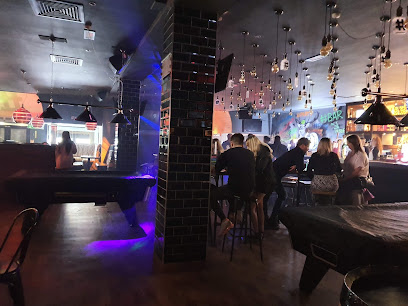
Vienna's Nightclub
92.4 km
Experience Paisley’s vibrant nightlife at Vienna's Nightclub, where energetic music and lively crowds come alive every weekend.
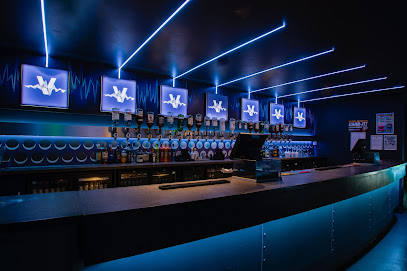
The King Haakon Bar
92.7 km
Experience authentic Scottish hospitality at The King Haakon Bar on the Isle of Skye, where local ales and hearty meals await in a cozy atmosphere.
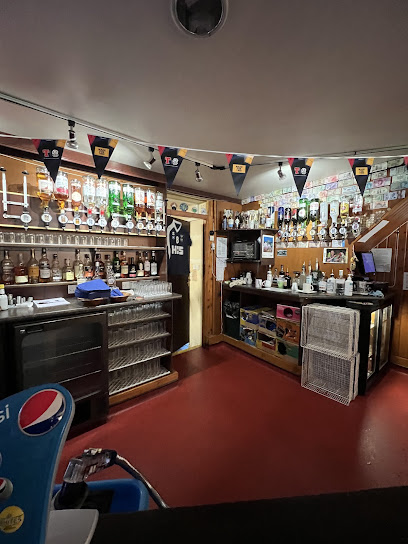
DUFFIE'S BAR
93.7 km
Discover the cozy ambiance of Duffie's Bar in Bowmore, Isle of Islay; a perfect spot for whisky lovers and relaxation amidst beautiful surroundings.
For the vibe & atmosphere seeker
- Scenic
- Historic
- Tranquil
- Unique
For the design and aesthetic lover
- Rustic Designs
- Vintage Styles
For the architecture buff
- Historic
- Landmarks
- Sacred Sites
- Parks & Gardens
For the view chaser and sunset hunter
- Iconic Views
- Panoramas
- Waterfront
- Sunset Spots
For the social media creator & influencer
- Instagrammable
- Photo Spots
- Aesthetic Corners
For the eco-conscious traveler
- Protected Area
- Public-Transport Accessible
- Locally Managed
For the kind of experience you’re after
- Cultural Heritage
- Photowalk
- Nature Escape
- Day Trip
- Weekend Getaway
- Myth & Legends
For how adventurous you want the journey to be
- Easy Access
Location Audience
- Family Friendly
- Senior Friendly
- Child Friendly
- Teen Friendly
- Wheelchair Access
- Pet Friendly
- Solo Friendly
- Couple Friendly
- Vegetarian Friendly
- Vegan Friendly


