
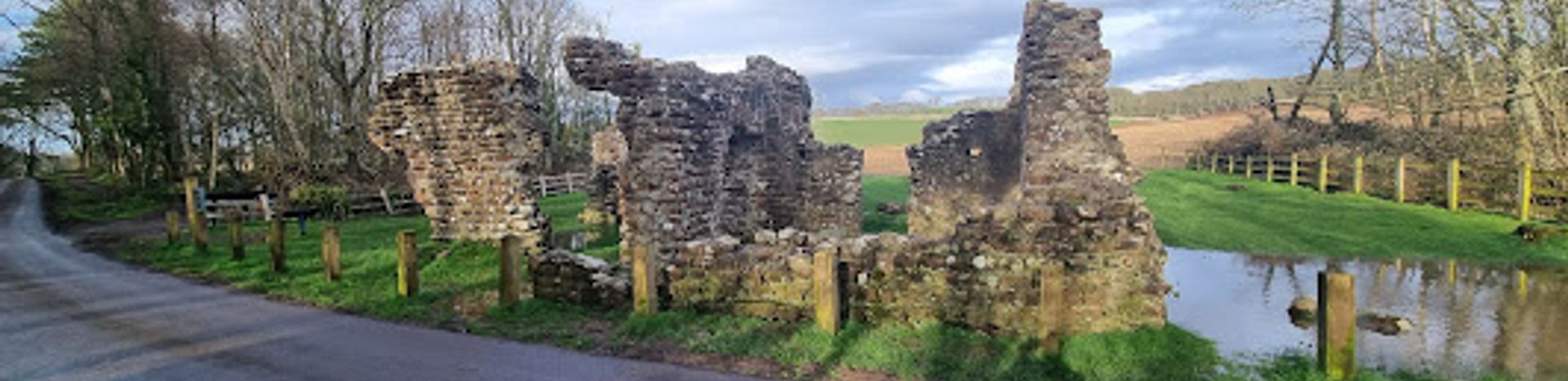
Ravenglass Roman Bath House
Explore towering Roman ruins and ancient bathing culture at one of northern Britain’s best-preserved Roman sites in scenic Ravenglass.
The Ravenglass Roman Bath House, located in Cumbria, England, is one of the best-preserved Roman buildings in northern Britain. Dating from around AD 130, its walls stand nearly 4 metres high, showcasing the ancient Roman bathing culture. Situated just outside the remains of a Roman fort that guarded the mouth of the River Esk, the site offers a rare glimpse into Roman military and social life. Visitors can explore the exterior ruins and informative boards that explain the bath house’s historical and architectural significance.
A brief summary to Ravenglass Roman Bath House
- Walls Dr, Ravenglass, CA18 1SR, GB
- +443703331181
- Visit website
- Duration: 0.5 to 1.5 hours
- Free
-
 Outdoor
- Mobile reception: 4 out of 5
- Monday 12 am-12 am
- Tuesday 12 am-12 am
- Wednesday 12 am-12 am
- Thursday 12 am-12 am
- Friday 12 am-12 am
- Saturday 12 am-12 am
- Sunday 12 am-12 am
Local tips
- Visit during daylight hours as the site is open year-round for exterior viewing but has no formal opening hours.
- Use the informative interpretation boards on-site to understand the historical context and architectural features.
- Combine your visit with nearby Roman sites such as Hardknott and Ambleside forts for a broader Roman heritage experience.
- Parking in Ravenglass town is charged and not managed by English Heritage; plan accordingly.

For the on-the-go comforts that matter to you
- Information Boards
Getting There
-
Train and Walk
Take the Ravenglass railway station on the Cumbrian Coast Line; from there, it is a 15-20 minute walk along a well-marked path to the bath house. The terrain is mostly flat and accessible, suitable for most walkers.
-
Car
Drive to Ravenglass town where public parking is available for a fee. From the town center, the bath house is a 15-20 minute walk via a private road and footpath. Note that parking is not managed by English Heritage.
-
Bus
Local bus services connect Ravenglass to nearby towns such as Whitehaven and Barrow-in-Furness. From the bus stop, expect a 20-minute walk to the site. Service frequency may be limited on weekends.
Ravenglass Roman Bath House location weather suitability
-
 Any Weather
-
 Rain / Wet Weather
-
 Clear Skies
-
 Mild Temperatures
Discover more about Ravenglass Roman Bath House
Ancient Roman Heritage at Ravenglass
For nearly three centuries, the area around Ravenglass was home to a significant Roman fort known as Itunocelum, strategically positioned to guard the mouth of the River Esk. This fort housed approximately 500 soldiers and was a key node on a Roman road leading into the Lake District. The bath house, built just outside the fort’s northeast corner, remains the only visible Roman structure at the site. Its towering walls, reaching almost 4 metres, are among the tallest Roman ruins surviving in northern Britain, offering a tangible connection to the Roman presence in this remote region.Architecture and Function of the Bath House
The bath house features the remains of four main rooms, including spaces that once held a hypocaust system—an ingenious Roman underfloor heating method. The easternmost rooms were larger and contained pilae, or supports for a raised floor, allowing hot air to circulate and warm the rooms above. Visitors can see walls still lined with rare remnants of original white and pink Roman mortar. A niche crowned by a red arch likely held a statue, emphasizing the cultural and possibly religious significance of the bath house.Roman Bathing Culture and Social Life
Bathing was a central part of Roman daily life, combining hygiene, health, and social interaction. The bath house layout guided bathers through a sequence of rooms with varying temperatures: from the cold frigidarium to the warm tepidarium, then the hot caldarium, before returning to the cold plunge. Bathers often wore wooden sandals and used strigils to scrape their skin. This communal bathing experience was integral to Roman identity and community bonding, making the bath house more than just a place to wash.Discovery and Preservation Efforts
Although known locally as Walls Castle for centuries, the ruins were first identified as Roman in the late 19th century after excavations uncovered the hypocaust supports. Initially mistaken for a villa, the building was correctly classified as a bath house in 1919. Today, managed by English Heritage, the site is open year-round for exterior viewing during daylight hours. Informative boards help visitors understand the historical context and architectural features, preserving this unique link to Britain’s Roman past.Setting and Surrounding Landscape
The bath house sits near the remains of the Roman fort earthworks and close to what was likely a Roman harbour. The location underscores Ravenglass’s importance as a regional supply point and naval base, with connections to Hadrian’s fleet. Nearby Roman roads connected Ravenglass to other forts like Ambleside and Hardknott, facilitating military control and resource transport, including lead from Lake District mines.Visitor Experience and Cultural Significance
Visitors to Ravenglass Roman Bath House can immerse themselves in a rare and evocative Roman site that combines architectural grandeur with historical depth. The ruins’ impressive height and the survival of original materials create a powerful sense of antiquity. The site invites reflection on Roman engineering, social customs, and military strategy in northern Britain, making it a compelling destination for history enthusiasts and cultural explorers alike.Iconic landmarks you can’t miss

National Trust - Claife Viewing Station and Windermere West Shore
29.9 km
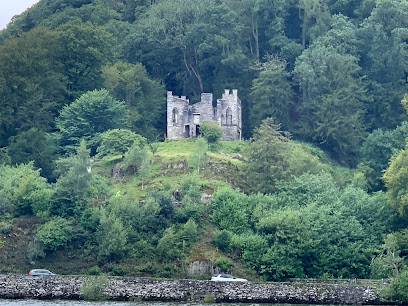
Discover breathtaking views and historical charm at the Claife Viewing Station, a must-visit attraction on the shores of Windermere.
The Bridge House
30.0 km
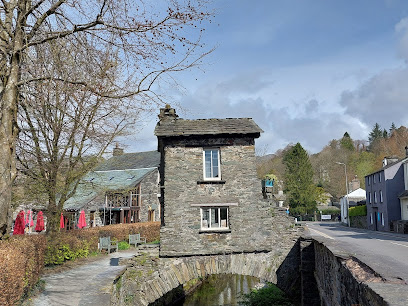
Explore the historic Bridge House in Ambleside, a stunning 17th-century riverside gem in the heart of the Lake District's breathtaking landscapes.
Brockhole on Windermere
30.4 km
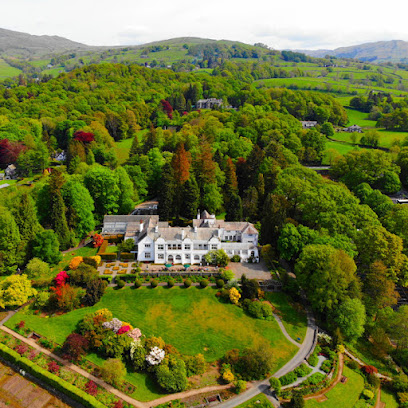
Explore Brockhole on Windermere, a vibrant visitor centre in the heart of the Lake District offering outdoor adventures, art, and stunning gardens.
National Trust - Fell Foot
30.6 km
Discover the natural beauty of Fell Foot Park, where serene gardens meet breathtaking views of Lake Windermere, perfect for a peaceful escape.
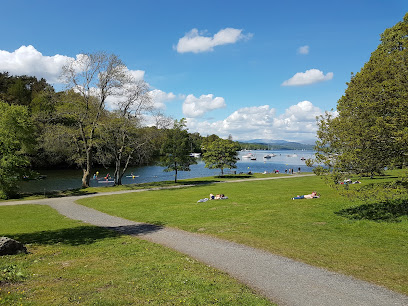
Lake District
31.0 km
Explore the natural wonders of the Lake District, a UNESCO World Heritage Site with captivating lakes, scenic hikes, and charming villages.
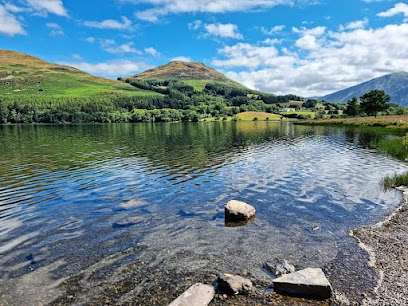
Blackwell
31.2 km
Experience the elegance of Blackwell, an Arts & Crafts masterpiece with stunning views, rich history, and a serene atmosphere in the Lake District.
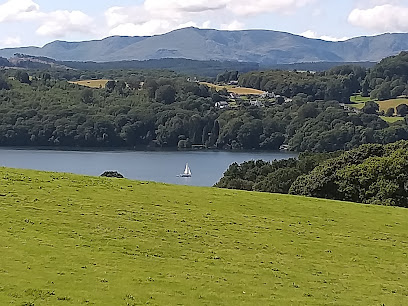
Friars Crag
31.6 km
Explore the natural beauty of Friars Crag, a stunning lakeside attraction in Keswick, perfect for hiking, photography, and peaceful retreats in the Lake District.
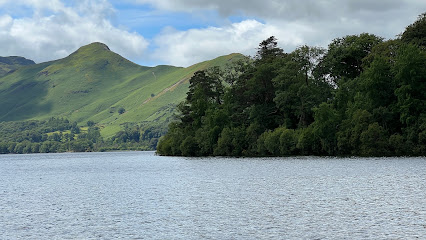
Queen Adelaide's Hill
31.6 km
Discover Queen Adelaide's Hill, a breathtaking viewpoint in the Lake District, offering stunning vistas of Windermere and lush landscapes.
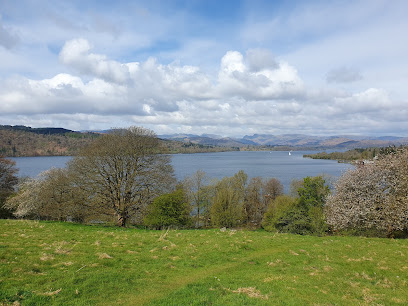
Windermere and Troutbeck
32.0 km
Historic Lakeland stone cottage with expansive gardens and stunning fells views, nestled at the foot of Troutbeck Valley near Windermere village.
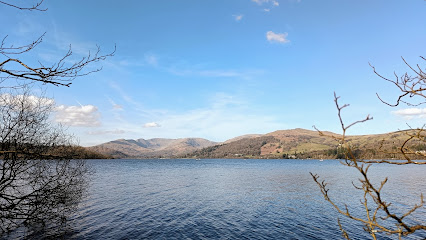
National Trust - Townend
32.4 km
Explore the picturesque Townend, a historic farmhouse and garden in the Lake District, where heritage and nature meet in a beautiful setting.
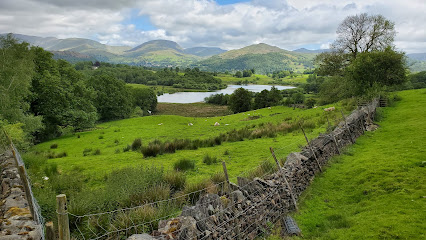
Holehird Gardens
32.5 km
Explore the enchanting Holehird Gardens in the Lake District, a floral paradise offering stunning views and diverse plant collections for all nature lovers.
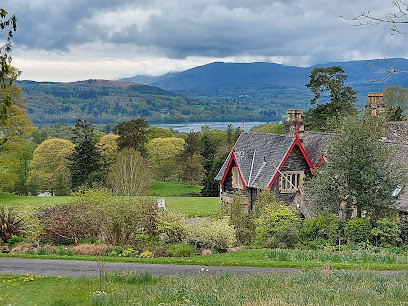
Orrest Head Viewpoint
32.7 km
Discover the stunning vistas of Windermere at Orrest Head Viewpoint, a must-visit in the English Lake District for nature enthusiasts and photographers.
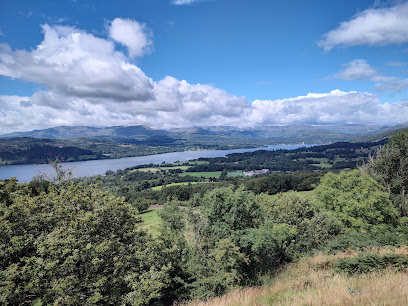
Holker Hall & Gardens
32.7 km
Explore the stunning Holker Hall & Gardens, a perfect blend of nature and history, offering visitors a captivating experience in Grange-over-Sands.
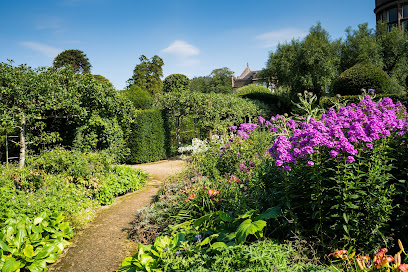
Keswick Methodist Church
32.8 km
Explore the serenity and community spirit at Keswick Methodist Church, a historical landmark in the heart of Keswick, perfect for quiet reflection and local events.
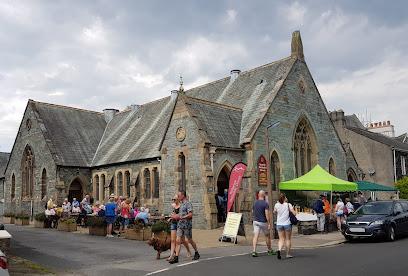
Keswick War Memorial
32.9 km
A solemn Grade II listed monument honoring Keswick’s fallen heroes, set against the tranquil beauty of the Lake District.
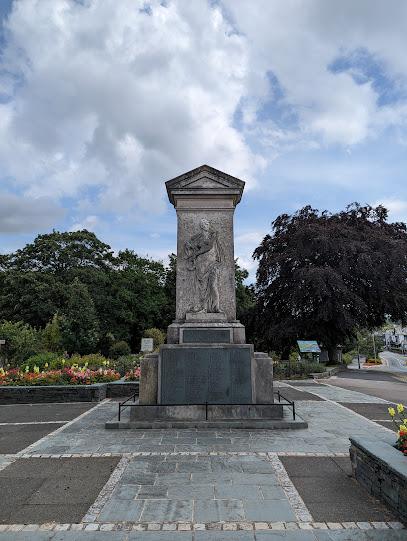
Unmissable attractions to see

Stanley Ghyll Waterfall
9.3 km
Discover Stanley Ghyll Waterfall’s breathtaking 60-foot cascade nestled in Eskdale’s lush, fern-filled ravine, a Lake District natural gem.
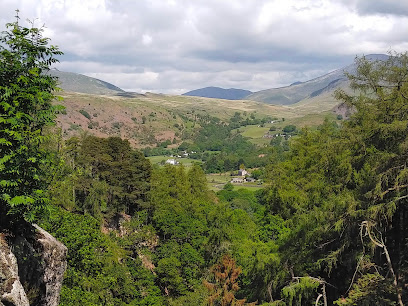
Eskdale Mill
10.2 km
Step back in time at Eskdale Mill, the Lake District’s last working water-powered corn mill with historic machinery and scenic riverside charm.
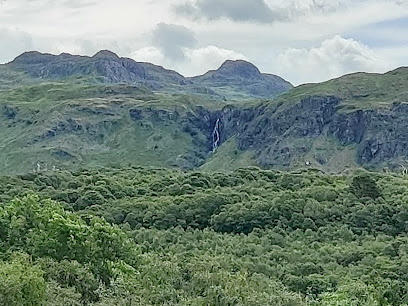
Eskdale
12.2 km
Discover Eskdale, a breathtaking Lake District valley of towering peaks, historic trails, and serene natural beauty in Cumbria, England.
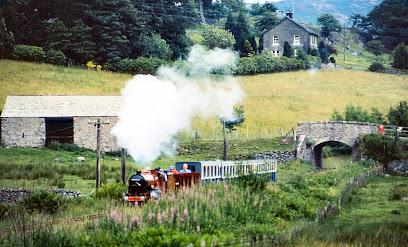
Bird How
12.7 km
A remote, rustic Lake District cottage offering peaceful off-grid retreat and prime access to challenging hiking routes in Eskdale Valley.
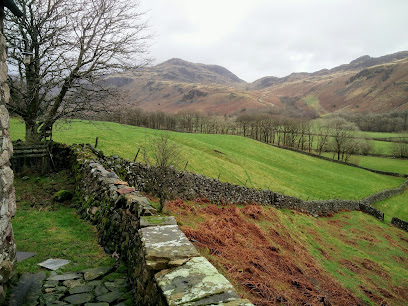
Hardknott Roman Fort & Thermae.
14.1 km
Explore one of Britain’s most remote Roman forts perched high in the Lake District with stunning valley views and evocative ruins.
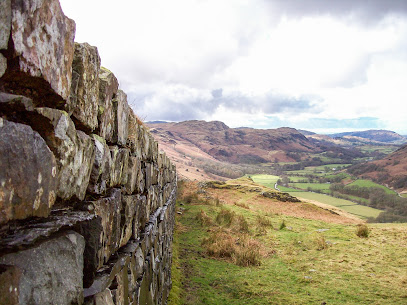
Wasdale Head
16.2 km
Explore England’s highest peaks and deepest lake from the tranquil, rugged heart of Wasdale Head in the Lake District.
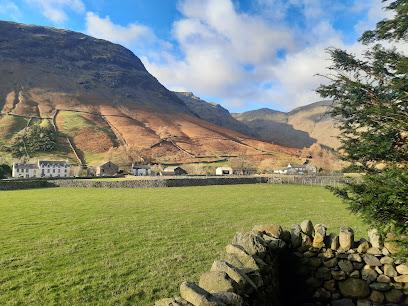
Ritson's Force
16.5 km
Discover the tranquil beauty of Ritson's Force, a charming waterfall nestled among England’s highest peaks in the Lake District.
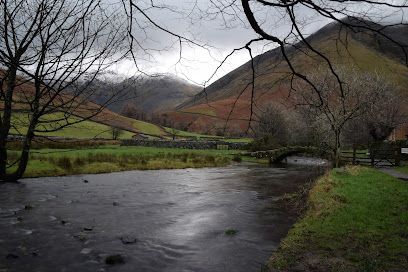
Scafell Pike
17.0 km
Explore Scafell Pike, the highest peak in England, offering breathtaking views and thrilling hiking opportunities in the heart of the Lake District.
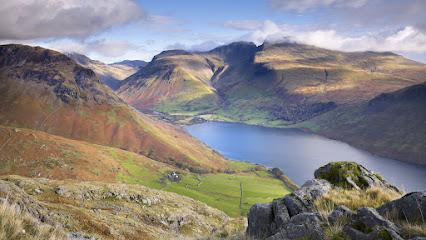
Wild Ennerdale
19.5 km
Experience the wild heart of the Lake District where nature thrives through pioneering rewilding and tranquil wilderness.
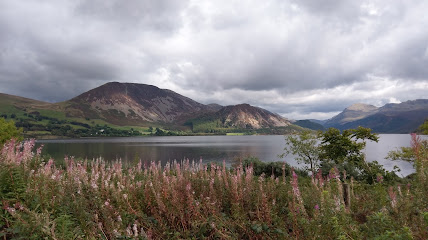
Blea Tarn, Lake District National Park
21.9 km
A serene mountain tarn nestled between Langdale valleys, offering iconic views of the Langdale Pikes and tranquil natural beauty.
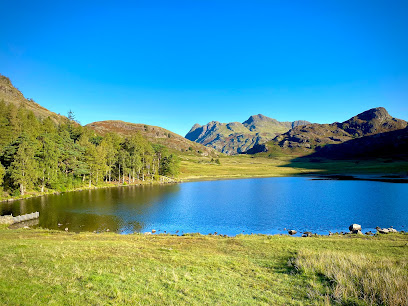
National Trust - Steam Yacht Gondola
22.0 km
Step aboard the restored Victorian Steam Yacht Gondola for a scenic and historic cruise on Coniston Water in England’s Lake District.
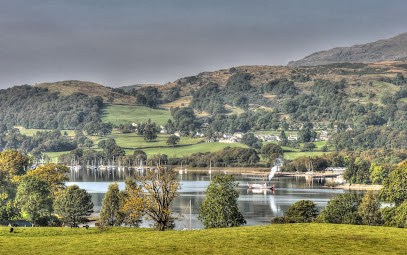
Scale Force Waterfall
22.0 km
Discover England’s highest waterfall, Scale Force, a breathtaking 170-foot cascade hidden in the serene woodlands of the Lake District.
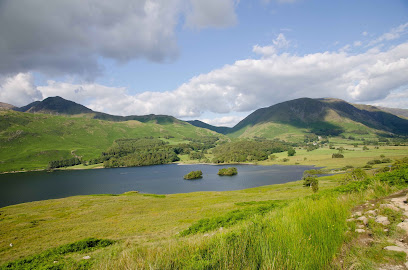
Honister Slate Mine
22.2 km
Explore England’s last working slate mine with thrilling adventures and rich heritage amid stunning Lake District landscapes.
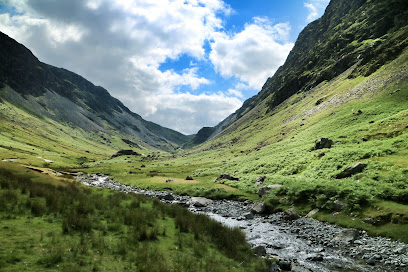
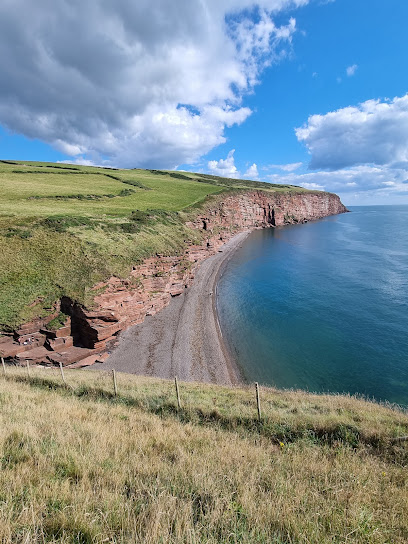
Saint Bees Head Heritage Coast
23.8 km
Dramatic red cliffs, seabird colonies, and sweeping coastal views on the edge of the Lake District National Park.
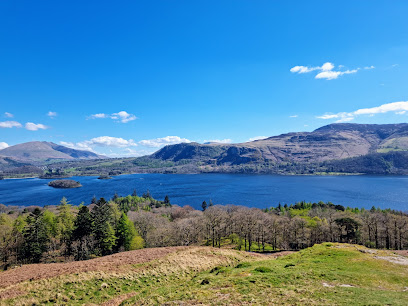
Lake District National Park
23.8 km
Explore England’s largest national park, where majestic mountains, tranquil lakes, and rich literary heritage create an unforgettable natural and cultural journey.
Essential places to dine

Old Dungeon Ghyll Hotel Great Langdale
22.2 km
A welcoming climbers’ inn with traditional charm, hearty fare, and stunning mountain views in the heart of Great Langdale.
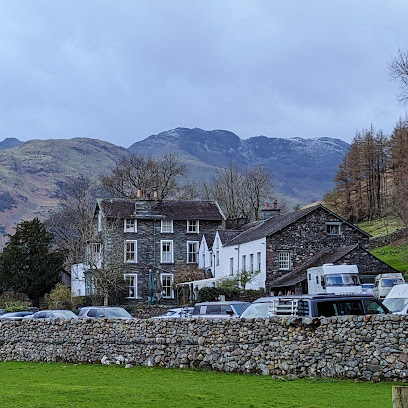
New Dungeon Ghyll - Langdale
23.2 km
Rustic hotel and lively bar nestled in Langdale Valley, perfect for walkers seeking comfort and community in the Lake District.
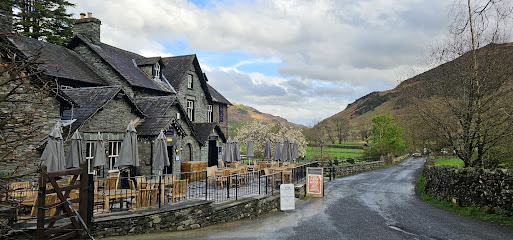
Stove Restaurant & Bar
25.4 km
Relaxed dining with wood-fired pizzas and seasonal dishes in the heart of the Lake District’s Great Langdale.
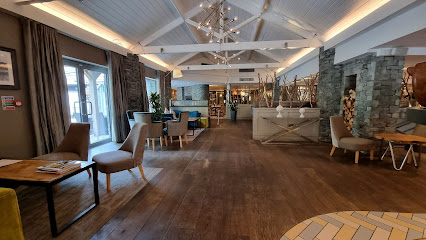
Drunken Duck Inn & Barngates Brewery
26.7 km
A charming Lake District inn blending hearty cuisine, on-site brewed ales, and cozy accommodation in a rustic country setting.

The Jumble Room
27.3 km
Vibrant bohemian restaurant in Grasmere serving creative international dishes with local Cumbrian produce in a lively, eclectic setting.
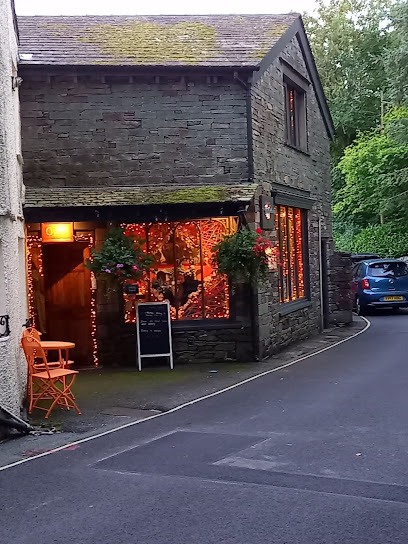
The Wild Duck Inn
29.2 km
Experience the charm of The Wild Duck Inn: where American flavors meet local hospitality in Branthwaite.
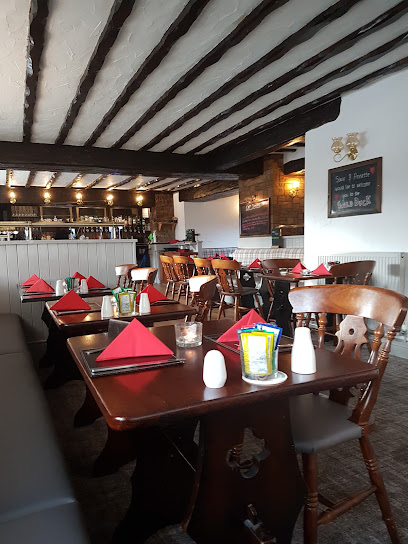
Lucy's on a plate
29.9 km
A vibrant English bistro in Ambleside blending local flavors with eclectic style and a welcoming atmosphere.
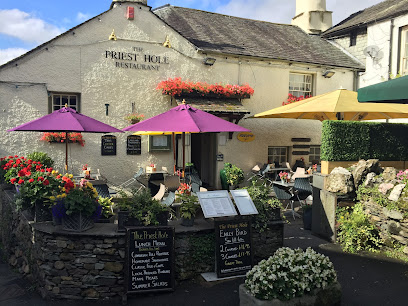
The Priest Hole Restaurant
29.9 km
Historic charm meets hearty British cuisine in the heart of Ambleside, with locally sourced dishes and a welcoming atmosphere.
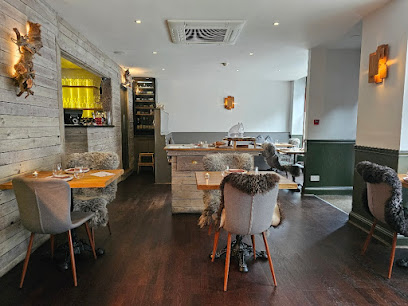
Lake Road Kitchen
30.0 km
An intimate Michelin-starred restaurant in Ambleside blending Nordic flair with Lake District’s finest local produce.
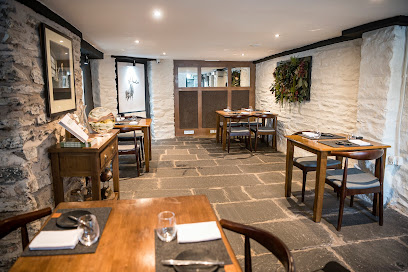
The Old Stamp House Restaurant
30.0 km
Experience a Michelin-starred culinary journey through Cumbria’s rich heritage in the historic heart of Ambleside.
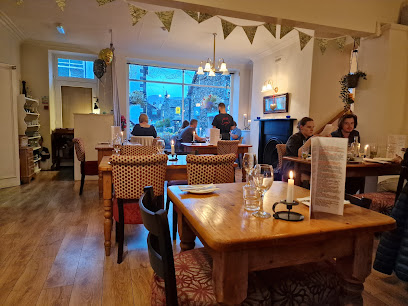
Dodds Restaurant
30.0 km
Authentic Italian and modern European cuisine served with warmth in the heart of Ambleside’s scenic Lake District.
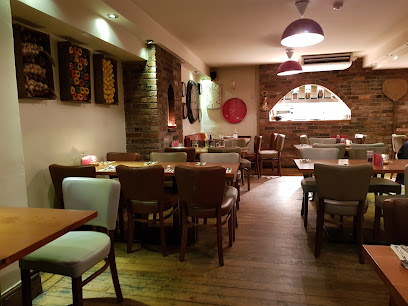
The Samling Hotel
30.2 km
Exclusive boutique hotel perched above Lake Windermere, blending Michelin-star dining, elegant suites, and breathtaking panoramic views.
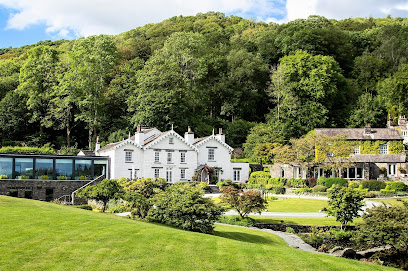
Blue Smoke on the Bay
30.3 km
Experience exquisite wood-fired cuisine with stunning Lake Windermere views at Blue Smoke on the Bay, Low Wood Bay's stylish lakeside restaurant.
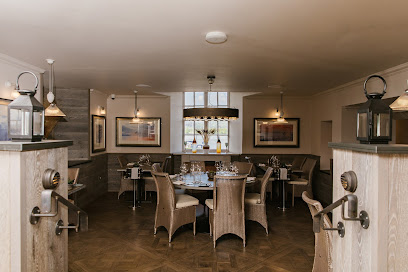
Windermere Restaurant (The W)
30.3 km
Seasonal British and continental cuisine with stunning panoramic views over Lake Windermere at Low Wood Bay Resort & Spa.
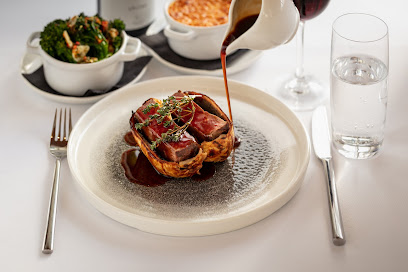
The Gaddum
30.4 km
Elegant dining and refined afternoon tea in a historic Arts and Crafts setting overlooking Brockhole's gardens on Windermere.
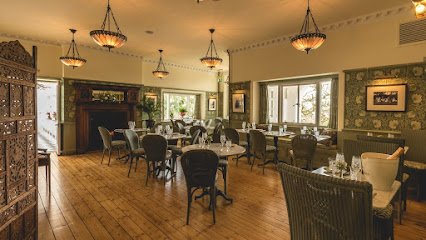
Markets, malls and hidden boutiques

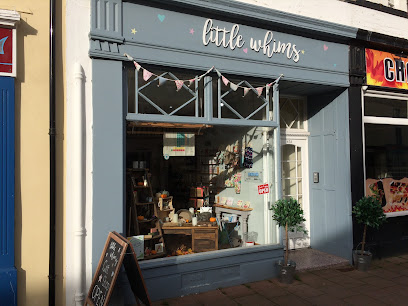
Little Whims
24.9 km
Discover unique gifts and local charm at Little Whims, a cozy and creative gift shop in Whitehaven’s historic Market Place.
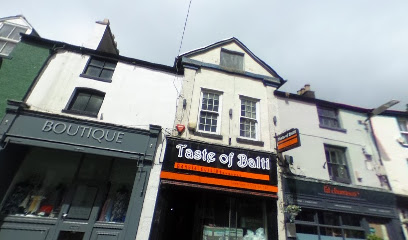
Pretty Things Boutique
26.4 km
Discover unique ladies’ fashion and personalized styling at Ulverston’s charming Pretty Things Boutique on King Street.
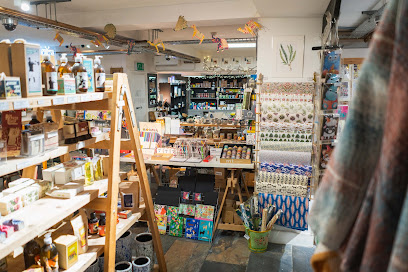
Squirrel A store of buried treasure
26.5 km
Discover unique gifts and artisanal treasures in a charming converted pub at the heart of Ulverston’s Market Street.
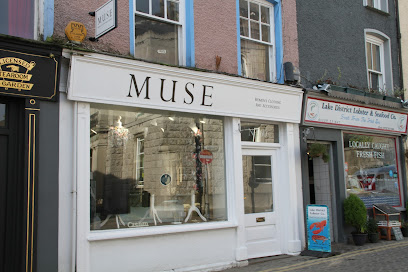
Muse Boutique
26.5 km
Unique and affordable ladies' fashion boutique in the heart of Ulverston’s historic Market Street.
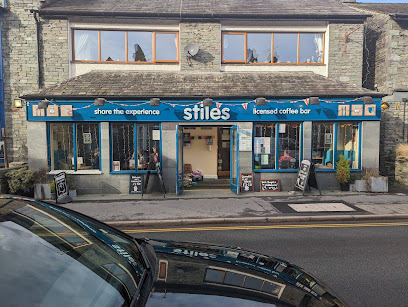
RockShop
30.0 km
Discover unique gifts and delightful toys at RockShop in Ambleside, a must-visit for family-friendly shopping and local crafts.
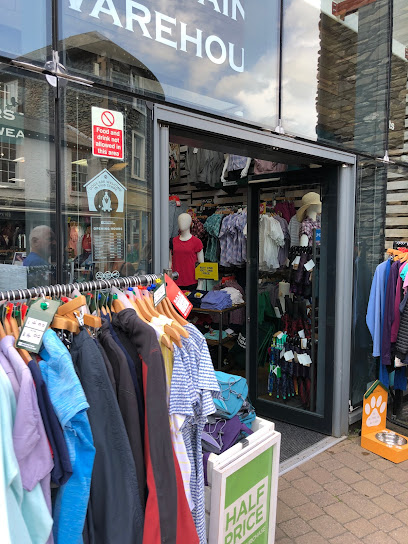
Mountain Warehouse
31.4 km
Your go-to outdoor clothing and equipment store in Bowness, offering quality gear for all your Lake District adventures.
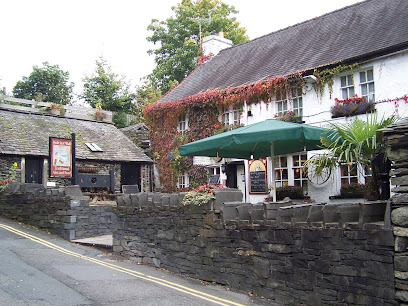
Tesco Express
31.4 km
Your convenient, friendly supermarket stop in Bowness-on-Windermere, open daily with fresh local produce and essentials for every visit.
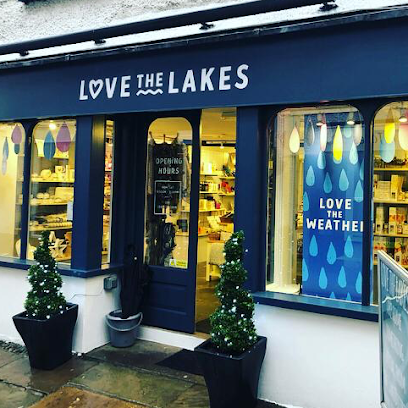
Love the Lakes Bowness
31.4 km
Locally crafted gifts celebrating the spirit and beauty of England's Lake District.
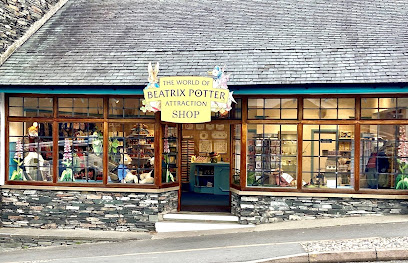
World of Beatrix Potter Attraction Shop
31.5 km
Discover gifts and memorabilia inspired by Beatrix Potter's beloved characters in the heart of Bowness-on-Windermere.
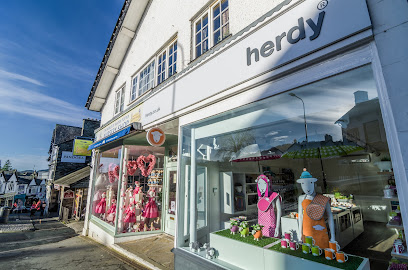
Herdy Bowness
31.5 km
Whimsical Lake District gifts celebrating the beloved Herdwick sheep with quality, character, and charm.
Lonsdale Galleries
31.5 km
Discover unique Lake District gifts and local crafts in a spacious, welcoming gallery at the heart of Bowness-on-Windermere.
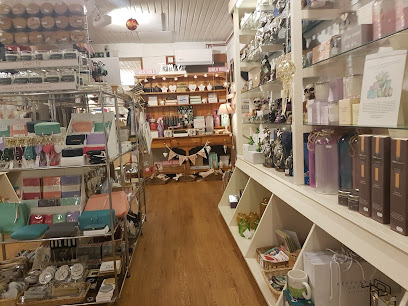
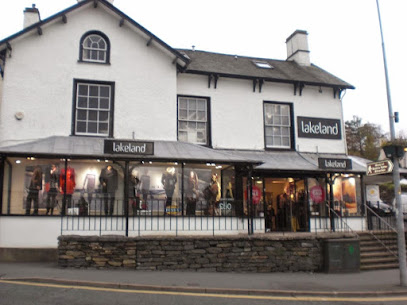
LAKELAND Leather
31.5 km
Discover handcrafted leather elegance and timeless style at Lakeland Leather in Bowness-on-Windermere, where tradition meets the Lake District spirit.
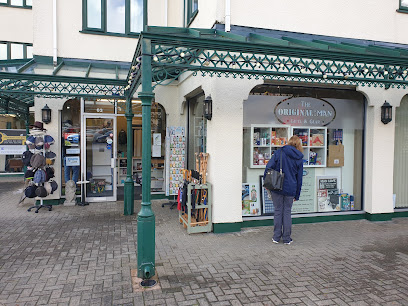
The Original Man Shop
31.5 km
A distinctive men's gift and fashion boutique offering style and charm in the heart of Bowness-on-Windermere.
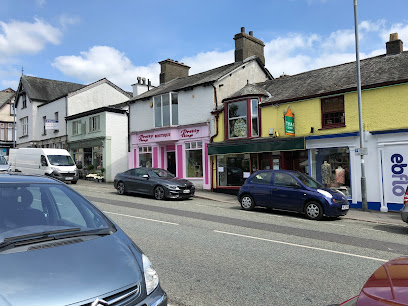
Pretty Things
31.6 km
Discover stylish ladies' fashion and warm hospitality at Pretty Things, a charming boutique in the heart of Bowness-on-Windermere.
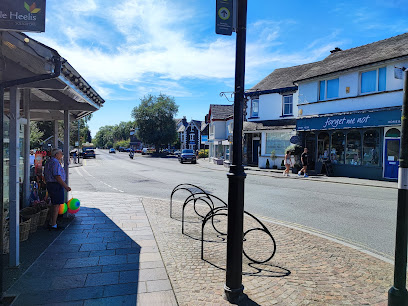
Forget Me Not
32.4 km
Discover unique gifts and local treasures at Forget Me Not, Windermere’s charming boutique in the heart of the Lake District.
Essential bars & hidden hideouts

Ritson's Bar (Wasdale Head Inn)
16.1 km
Historic mountain pub at the foot of England’s highest peak, offering real ales, hearty food, and stunning Lake District views.
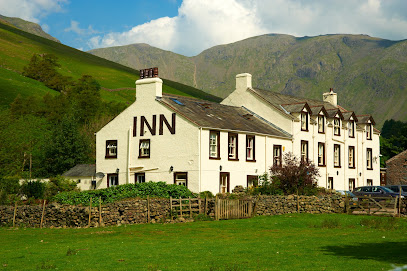
Wainwrights' Inn
25.1 km
A traditional Lakeland pub in Chapel Stile offering hearty local fare, fine ales, and a warm welcome near the Langdale Estate.
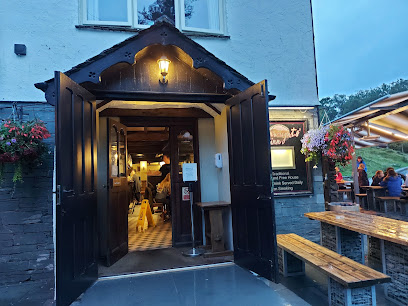
The Talbot Bar
26.6 km
Cozy Lakeland pub with hearty traditional fare, local ales, and a warm, dog-friendly atmosphere near Ambleside.
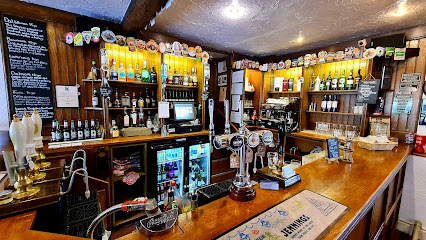
The Lily Bar
29.9 km
Ambleside’s independent bar blending rustic charm, local ales, live music, and quality dining in the heart of the Lake District.
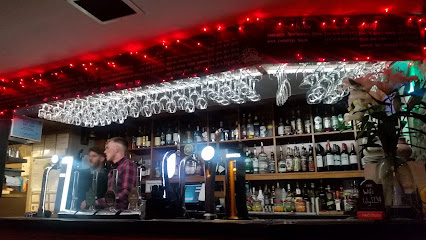
The Vault
30.0 km
Historic charm meets fresh cocktails and tapas in Ambleside’s vibrant social hub, The Vault.
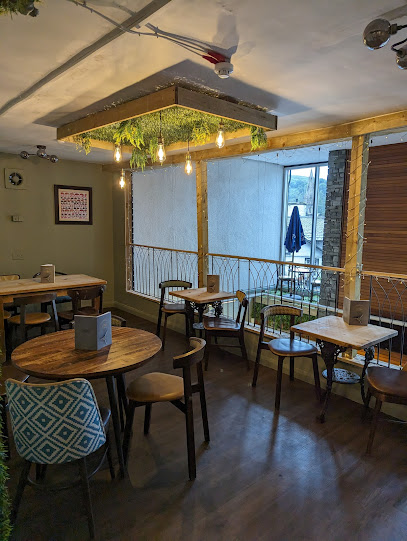
Golden Rule
30.0 km
A historic Ambleside pub offering traditional ales, cozy fires, and a welcoming atmosphere away from the tourist bustle.
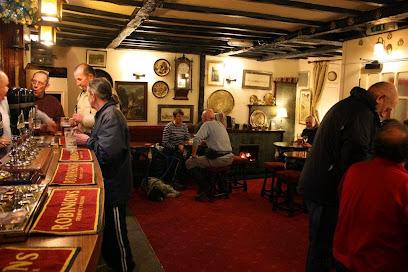
Lake District Cocktail Co.
30.7 km
Experience the art of cocktail crafting in the stunning Lake District with Lake District Cocktail Co., a mobile catering service that brings the bar to you.

Boaters Bar
30.9 km
Lake District’s premier lakeside bar offering craft beers, live entertainment, family fun, and stunning views over Lake Windermere.
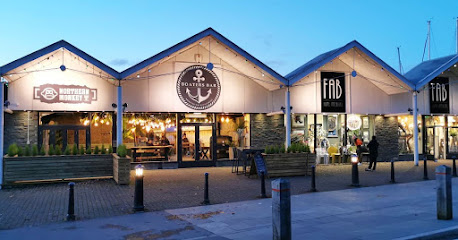
Quayside Bowness
30.9 km
Lakeside bar and kitchen with stunning views, live sports, and vibrant nightlife across three lively floors in Bowness-on-Windermere.
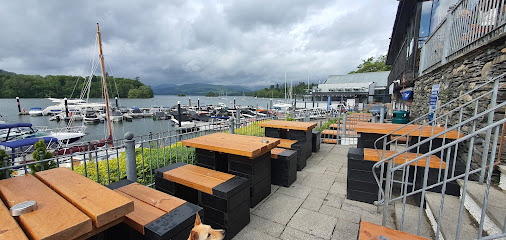
The Boathouse | Bar & Restaurant
31.1 km
Stylish gastropub at Windermere Marina Village with scenic lake views, fresh seasonal menus, and a vibrant yet relaxed atmosphere.
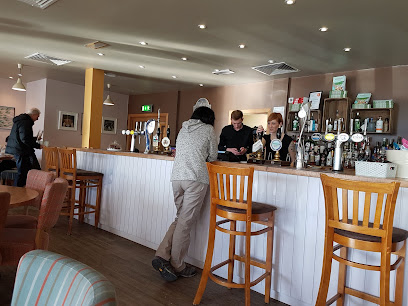
The Lake View Bowness
31.1 km
A welcoming lakeside pub in Bowness-on-Windermere offering stunning views, hearty fare, and classic English charm.
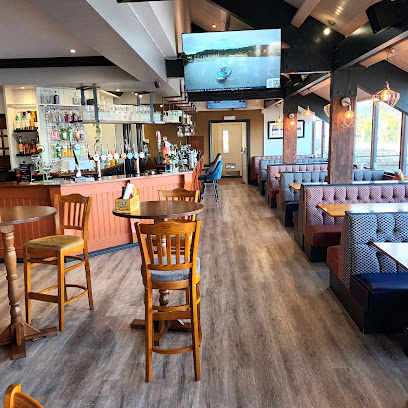
The Easy Breeze
31.3 km
A vibrant bar and restaurant blending Lakeland charm, live music, and flavorful street food in the heart of Bowness-on-Windermere.
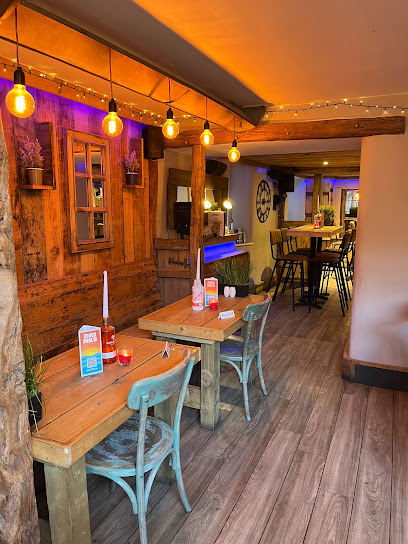
Village Inn Bowness-On-Windermere
31.4 km
A welcoming traditional pub in Bowness-on-Windermere offering local ales, hearty British fare, live sports, and a spacious beer garden.
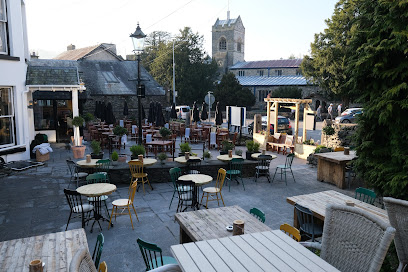
Hole in t' Wall
31.4 km
Historic Lakeland pub offering hearty food, cask ales, and a cozy atmosphere in the heart of Bowness-on-Windermere.
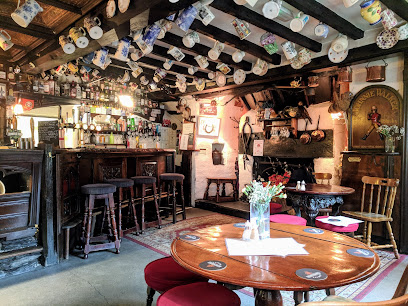
Lago
31.4 km
Lago is a lively bar in Bowness-on-Windermere known for its quality cocktails, sharing platters, and welcoming atmosphere near the heart of the Lake District.
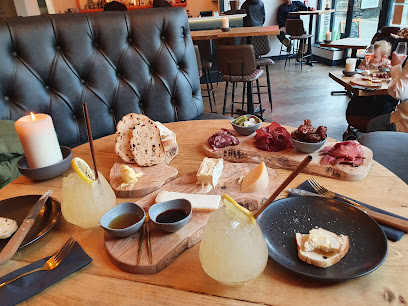
Nightclubs & after hour spots

The Lounge C9
28.6 km
Experience Barrow-in-Furness’ vibrant nightlife at The Lounge C9, where music, drinks, and community come alive every weekend.
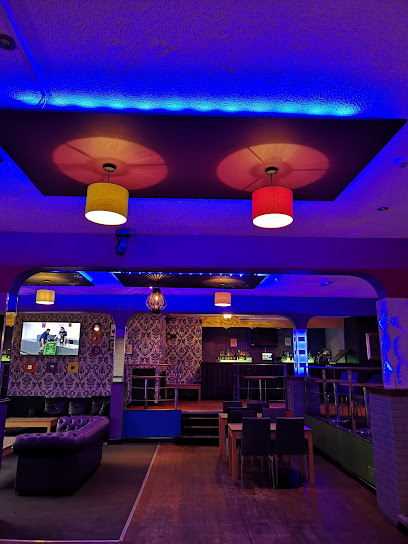
Manhattans Nightclub
28.8 km
Barrow-in-Furness’s top nightclub for themed parties, DJ nights, and vibrant late-night entertainment on Cavendish Street.

Hollywood Nightclub
28.8 km
Experience the vibrant late-night pulse of Barrow-in-Furness at Hollywood Nightclub, where music and dance light up Cavendish Street.
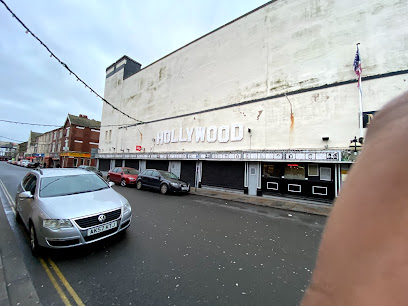
Wheelhouse Nightclub
30.9 km
Experience vibrant weekend nightlife with dynamic music, drinks, and dancing at Wheelhouse Nightclub in scenic Bowness-on-Windermere.
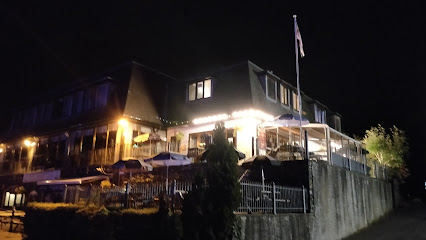
Windermere Social Club
32.3 km
A friendly and versatile social club in Windermere offering games, sports viewing, and community events in a welcoming atmosphere.
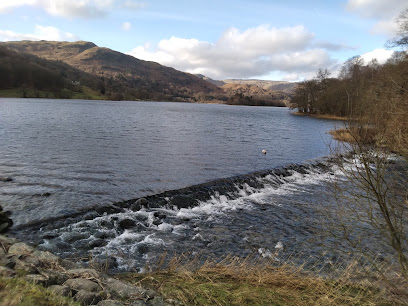
The loose moose
54.6 km
A lively and welcoming nightclub in Penrith offering cocktails, music, and community spirit in the heart of Cumbria’s Eden District.

Sanuk Nightclub
63.2 km
Experience Blackpool’s vibrant nightlife at Sanuk Nightclub, a premier venue with six rooms and a lively house music scene on the iconic promenade.
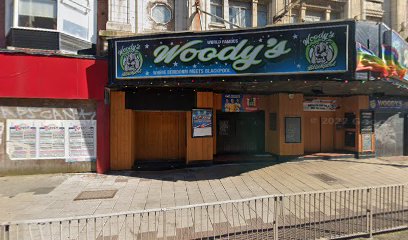
Funny Girls
63.2 km
Discover the magic of Blackpool's Funny Girls, where dazzling performances meet delightful dining in an unforgettable night out.

South Ramsey Bowling Club
63.2 km
Discover the charm of bowling at South Ramsey Bowling Club, a local favorite nestled in the scenic beauty of Ramsey, Isle of Man.
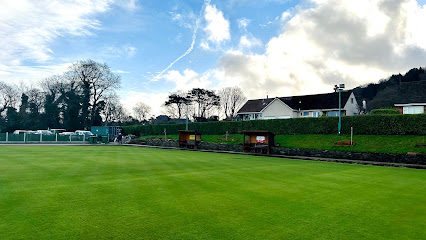
Manx Sailing & Cruising Club
63.2 km
Discover the vibrant maritime culture at the Manx Sailing & Cruising Club, a hub for sailing enthusiasts along Ramsey's scenic coastline.

Popworld - Blackpool
63.3 km
Experience retro pop hits and vibrant party vibes at Popworld Blackpool, the iconic two-floor nightclub on the Promenade.

Club underground
63.3 km
Experience Blackpool’s authentic old-school basement club with vibrant music, friendly crowds, and late-night energy on Talbot Road.
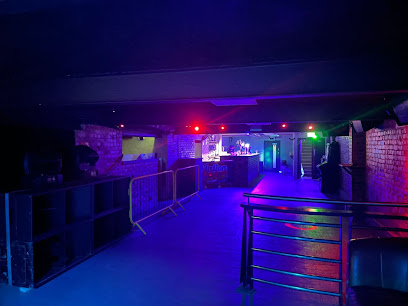
Trilogy Nightclub
63.3 km
Experience Blackpool’s vibrant nightlife across three floors of music, lights, and energy at Trilogy Nightclub.
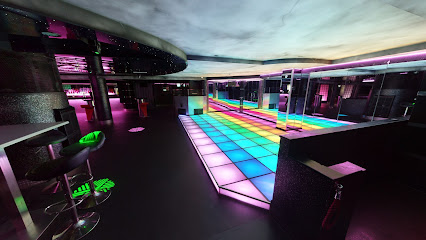
The Trafalgar Free House
63.5 km
Experience the vibrant culture of Ramsey at The Trafalgar Free House, where great drinks and a lively atmosphere await.
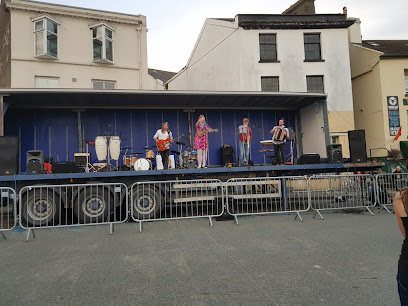
Hush Nightclub
63.5 km
Experience Blackpool’s vibrant RnB and Afrobeats nightlife at Hush Nightclub, where music, cocktails, and atmosphere come alive.
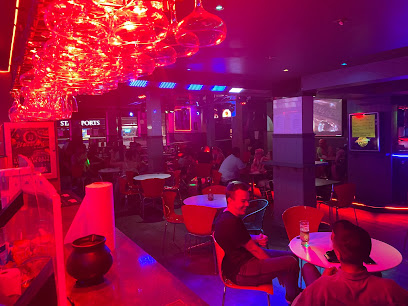
For the vibe & atmosphere seeker
- Tranquil
- Scenic
- Cultural Heritage
- Unique
For the design and aesthetic lover
- Rustic Designs
For the architecture buff
- Historic
- Landmarks
- Heritage Neighborhoods
For the view chaser and sunset hunter
- Iconic Views
- Panoramas
For the social media creator & influencer
- Instagrammable
- Photo Spots
- Architectural Shots
For the eco-conscious traveler
- Protected Area
- Public-Transport Accessible
- Locally Managed
For the kind of experience you’re after
- Cultural Heritage
- Photowalk
- Day Trip
- Weekend Getaway
For how adventurous you want the journey to be
- Easy Access
Location Audience
- Family Friendly
- Senior Friendly
- Child Friendly
- Teen Friendly
- Solo Friendly
- Couple Friendly
- Vegetarian Friendly
- Vegan Friendly


