

Walmgate Bar, Leeds Travel Guide
England's only surviving town gate with intact barbican, portcullis, and medieval doors—history and coffee in one fortress.
Walmgate Bar is York's most complete medieval gateway, distinguished as the only surviving English town gate retaining its original barbican, portcullis, and 15th-century oak doors. Built in stages from the 12th century onward, this fortress-like structure has endured centuries of conflict, from rebel attacks in 1489 to cannon fire during the 1644 English Civil War siege. Today, visitors can explore its layered medieval architecture, walk the city walls, and enjoy refreshments in a historic coffee house nestled within its ancient stone walls.
A brief summary to Walmgate Bar
- Foss Islands Rd, York, York, GB
- Duration: 0.5 to 2 hours
- Free
-
 Outdoor
- Mobile reception: 4 out of 5

Know before you go
Hi, I'm Eve. Here are a few practical things to know before exploring Walmgate Bar.
- Step inside to view the original portcullis and barbican where medieval attackers were trapped—a unique architectural feature found nowhere else in England.
- Examine the exterior walls closely for musket ball holes, tangible remnants of the 1644 Civil War siege that damaged but did not destroy this fortress.
- Use Walmgate Bar as your starting point to walk York's medieval city walls, particularly toward Monk Bar and Bootham Bar for the most dramatic views.
- Visit the coffee house within the bar for refreshments—enjoying a flat white surrounded by 12th-century stonework is an experience unique to this location.
- Allow time to appreciate the Elizabethan house extension supported by Tuscan columns on the inner side—a rare example of domestic architecture integrated into a medieval defensive structure.
Do you manage this location?
Take control to get all the benefits, like improved information, better appearance, and stronger visibility across AI-powered discovery. Learn more about listing your business on Evendo
Activate your presenceOther nearby places you may find interesting
The closest places of the same kind, if this one is not quite what you had in mind.

Explore Walmgate Bar on the Map
A handpicked selection of must-see spots near Walmgate Bar, mapped for you.
Unlock the Best of Walmgate Bar
Buy tickets
-
No tickets available
Book tours with entry


Book tours without entry

Getting There
-
Public Bus
Multiple bus routes serve the Foss Islands Road area near Walmgate Bar, including services from York city center. Journey times from the city center are typically 5–10 minutes depending on traffic and route. Buses run regularly throughout the day with reduced frequency in early morning and late evening. Single fares cost approximately £1.50–£2.50 GBP. The bus stop is within 2–3 minutes' walk of the gate.
-
Walking from City Center
York city center is approximately 800 meters from Walmgate Bar, a walk of roughly 10–15 minutes on mostly flat terrain through the medieval street grid. From Coppergate or Parliament Street, follow signs toward the city walls or Walmgate street. The route passes through historic neighborhoods and is well-signposted. No special equipment or fitness level required; suitable for all ages and mobility levels.
-
Taxi or Ride-Share
Taxis and ride-sharing services operate throughout York and can deliver you directly to Walmgate Bar. Journey time from the city center is typically 5–8 minutes depending on traffic. Estimated fare from central York is £6–£10 GBP. Parking near the gate is limited; ride-share is often more convenient than driving your own vehicle.
-
Cycling
York is a cycle-friendly city with dedicated bike lanes connecting most areas. The journey from the city center to Walmgate Bar is approximately 1 km and takes 5–8 minutes by bicycle on flat, easy terrain. Bike parking facilities are available near the gate. This is an excellent option for exploring the city walls and surrounding medieval streets.
For the on-the-go comforts that matter to you
-
 Drink Options
-
 Food Options
-
 Seating Areas
-
 Information Boards
Discover more about Walmgate Bar
A Medieval Fortress Through the Centuries
Walmgate Bar stands as a remarkable testament to medieval military architecture, with construction spanning multiple centuries. The oldest component, a 12th-century stone archway, forms the foundation of this defensive gateway. Throughout the medieval period, successive generations added layers of fortification: the walled barbican was completed in the 14th century, historically accurate reproductions of the 15th-century oak doors were installed, and a timber-framed building was constructed within the bar during the 16th century. This architectural evolution reflects the changing defensive needs and aesthetic preferences of different eras, creating a palimpsest of medieval engineering.The name "Walmgate" derives from its medieval designation as "Walbegate," likely named after an Anglo-Scandinavian individual called Walba, revealing the cultural blend that characterized the region's historical development. The term "bar" itself refers to York's medieval gateways, which served as essential components of the city's defensive walls, controlling access, regulating trade, and protecting inhabitants from invasion.Witness to Conflict and Siege
Walmgate Bar has endured significant historical trauma, bearing physical scars that tell stories of violence and resilience. In 1489, rebels set the structure ablaze during civil unrest sparked by unpopular tax increases, yet the gate survived this assault. More dramatically, during the Siege of York in 1644—a pivotal event in the First English Civil War—the bar withstood bombardment from cannon fire. Visitors can still observe musket ball holes embedded in the exterior walls, grim reminders of the projectiles that once rained upon this fortress. Despite this damage, the gate was restored with parliamentary support, allowing future generations to appreciate its historical significance.Unique Architectural Features
Walmgate Bar possesses architectural distinctions unmatched by any other surviving English town gate. Its barbican—the only one still standing on an English town gate—represents a masterpiece of medieval military design. This outer defensive structure was engineered to trap attackers in a killing zone, a brutal but effective strategy. The functional portcullis, a heavy grille that could be lowered to seal the gateway, remains intact and operational, demonstrating the sophisticated defensive mechanisms employed by medieval engineers.Inside the gate stands an Elizabethan house, notable for its architectural audacity: it extends over the gateway itself, supported by elegant stone columns in the Tuscan order. This domestic structure, occupied continuously until 1957, adds an unexpected layer of civilian history to the bar's martial past, illustrating how defensive structures eventually became integrated into everyday urban life.Modern Life Within Medieval Walls
Today, Walmgate Bar has been thoughtfully adapted to serve contemporary visitors while preserving its historical integrity. A historic coffee house operates within the medieval structure, offering refreshments and seating with views of the ancient stonework. This blend of modern comfort and historical atmosphere creates a unique experience—visitors can enjoy coffee and cake while surrounded by centuries-old architecture, connecting with the past in an intimate and accessible way. The cafe's offerings, including chocolate Rocky Road and quality flat whites, are reasonably priced and provide a welcome respite for those exploring the city.Gateway to York's Defensive System
Walmgate Bar functions as a key access point to York's famous city walls, which encircle the medieval city center. The walls themselves represent an extraordinary feat of medieval engineering, with permission to construct the section enclosing Walmgate granted in 1267, though completion was not achieved until 1505. Walking the walls from Walmgate Bar provides panoramic views of the city and countryside, offering visitors a tangible connection to the sentries who once patrolled these ramparts and the centuries of history that unfolded below. The bar's position at the southeast end of Walmgate street—historically an important thoroughfare serving as the main medieval road to Hull—underscores its strategic significance in York's urban geography.












Your all‑in‑one travel companion app
Explore expert travel guides, compare and book tours, experiences, hotels, and more—all from the palm of your hand. Download now for seamless trip planning wherever your wanderlust takes you.


Explore More of Leeds
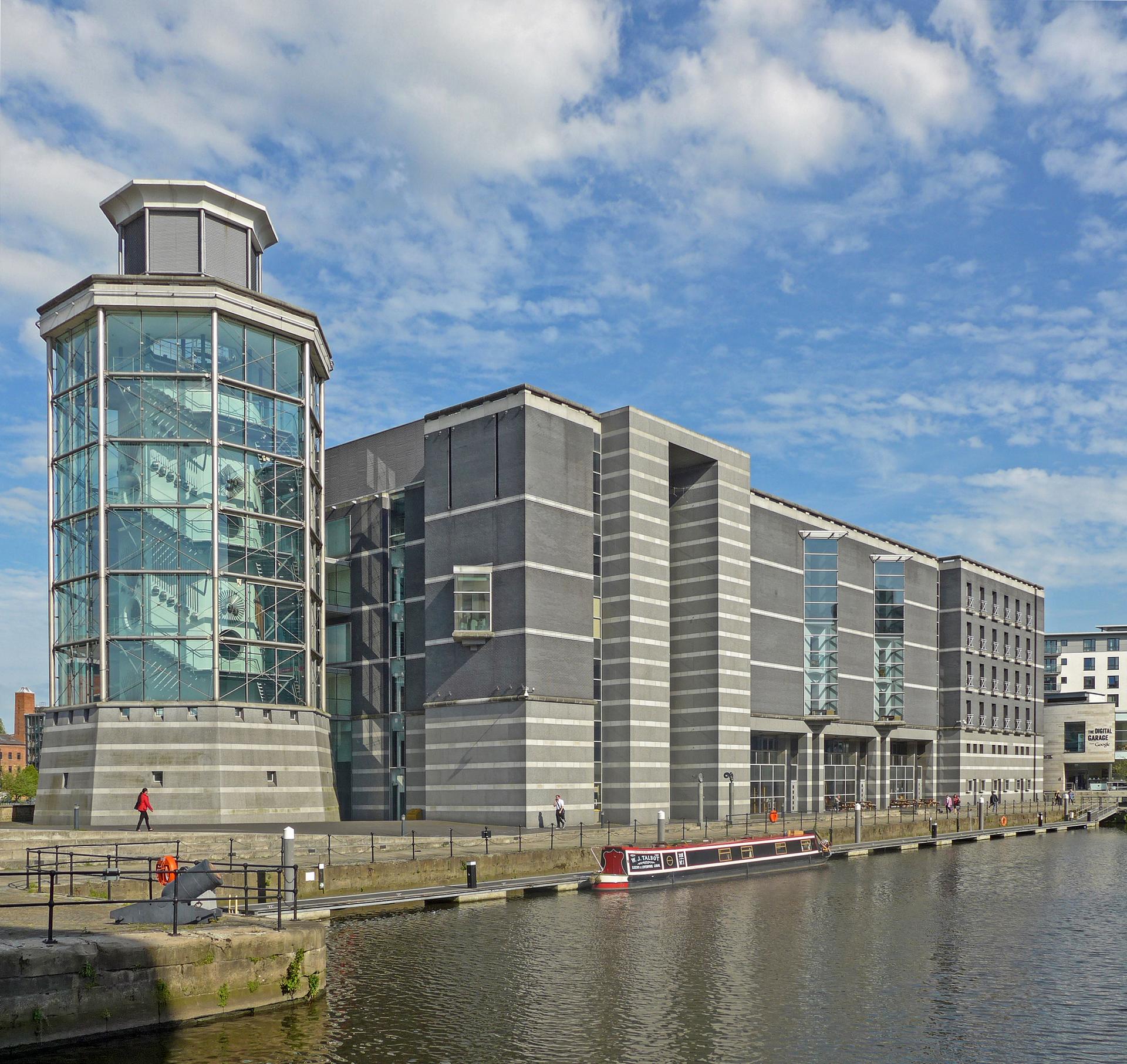
Looking beyond Walmgate Bar? Discover Leeds for broader travel guides, local hot-spots, and regional highlights.
Explore Leeds
Step through Fishergate Bar, a medieval gateway guarding York’s southern entrance, steeped in history and tales of rebellion.
A historic York church with a medieval tower and peaceful churchyard, blending centuries of worship in a quiet corner of the city.
