
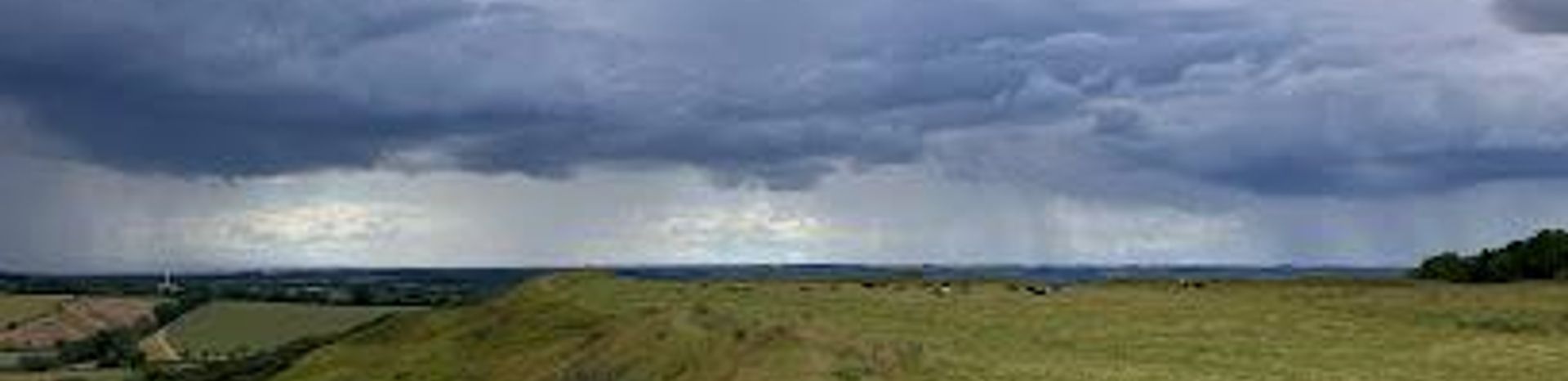
Burrough Hill: Ancient Iron Age Hillfort Near Melton Mowbray
Explore Burrough Hill, a commanding Iron Age hillfort near Melton Mowbray with rich archaeological heritage and panoramic countryside views.
Burrough Hill is a well-preserved Iron Age hillfort situated near Melton Mowbray in Leicestershire, England. Standing on a limestone promontory about 210 meters above sea level, it offers commanding panoramic views of the surrounding countryside. The site reveals evidence of continuous human activity from the Early Bronze Age through the Roman period, with significant archaeological finds illuminating its historic importance as a tribal center and fortified settlement.
A brief summary to Burrough on the Hill
- Melton Mowbray, Burrough on the Hill, GB
- Duration: 1 to 3 hours
- Free
-
 Outdoor
- Mobile reception: 4 out of 5
Local tips
- Wear sturdy walking shoes to navigate the hillfort’s earthworks and uneven terrain comfortably.
- Bring a camera or smartphone to capture the expansive panoramic views from the hilltop.
- Visit during daylight hours to fully appreciate the archaeological features and surrounding landscape.
- Check local weather forecasts as the exposed hilltop can be windy and cooler than the surrounding lowlands.
- Combine your visit with a trip to nearby Melton Mowbray to enjoy local food specialties and accommodations.

For the on-the-go comforts that matter to you
- Information Boards
- Seating Areas
- Trash Bins
Getting There
-
Bus
Take a local bus service from Melton Mowbray to the vicinity of Burrough on the Hill; the journey typically takes 20-30 minutes. Services run several times daily but check schedules in advance as frequency varies. From the bus stop, a moderate 15-minute walk on rural paths leads to the hillfort entrance.
-
Car
Driving from Melton Mowbray to Burrough Hill takes about 15 minutes via country roads. Parking is limited near the country park entrance; visitors should arrive early during weekends or holidays. No parking fees apply. The final approach involves walking uphill on uneven terrain.
-
Walking
For active visitors, a scenic 90-minute walk from Melton Mowbray town center to Burrough Hill is possible, following marked footpaths through farmland and countryside. The route includes some gentle inclines and may be muddy after rain, so suitable footwear is recommended.
Burrough on the Hill location weather suitability
-
 Any Weather
-
 Clear Skies
-
 Windy Conditions
-
 Mild Temperatures
-
 Rain / Wet Weather
Discover more about Burrough on the Hill
Historical Significance and Archaeological Discoveries
Burrough Hill is a prominent Iron Age hillfort located approximately 7 miles south of Melton Mowbray, occupying a commanding position atop a limestone promontory around 210 meters above sea level. Archaeological evidence indicates human activity in the area dating back to the Early Bronze Age, around 2800 BC, with the hillfort itself constructed around 500 BC during the early Iron Age. Excavations led by the University of Leicester since 2010 have uncovered a wealth of artifacts, including decorated bronze fittings from an Iron Age chariot, pottery, stone tools, and metalwork hoards, illustrating the prestige and complexity of the hillfort’s ancient inhabitants.Landscape and Defensive Features
The hillfort’s location on a Jurassic escarpment provides natural defenses, with steep slopes on most sides except the east. The site is enclosed by a nearly continuous stone and turf rampart featuring an inturned entrance with a cobbled road and a stone guard-house, underscoring its strategic importance. The surrounding landscape includes views across the Wreake and Soar river valleys, extending to distant landmarks such as Charnwood Forest. The hillfort’s design and fortifications suggest it functioned as a tribal center, possibly for the Corieltauvi tribe, before Roman influence reshaped the region.Continuity and Later Use
Burrough Hill’s occupation extended well beyond the Iron Age into the Roman period, with evidence of a Roman farmstead dating to the 3rd–4th centuries AD. After its abandonment as a fortified settlement, the hill was used agriculturally during the medieval period, as shown by ridge and furrow plough marks. In later centuries, the site served various social functions, including fairs and steeplechase events in the 19th century. The hillfort is now part of Burrough Hill Country Park, protected as a Scheduled Ancient Monument and open to the public for exploration and appreciation of its rich heritage.Visitor Experience and Surroundings
Visitors to Burrough Hill can enjoy sweeping panoramic views of the Leicestershire countryside, with the site’s earthworks and ramparts offering a tangible connection to prehistoric life. The surrounding country park provides a tranquil setting for walking and contemplation, enhanced by the sense of history embedded in the landscape. Nearby Melton Mowbray, known for its culinary heritage and market town charm, complements a visit to the hillfort with amenities, accommodation, and cultural attractions.Archaeological Research and Ongoing Exploration
Since 2010, the University of Leicester has conducted extensive excavations and surveys, revealing new insights into the hillfort’s occupation phases and social significance. Recent discoveries include a large Iron Age settlement outside the main fort and well-preserved roundhouses, expanding understanding of the community size and lifestyle. These ongoing studies continue to shed light on the hillfort’s role within the broader prehistoric landscape of eastern Leicestershire.Local Legends and Anecdotes
Burrough Hill carries intriguing local stories, such as a 19th-century incident where a village schoolmaster was thought lost in snow on the hillfort but was later found alive, his violin discovered nearby. The site’s use as a fairground and venue for the 1873 Grand National steeplechase adds layers of social history to its ancient roots, blending folklore with archaeology in a unique cultural tapestry.Iconic landmarks you can’t miss

Welford Place
18.1 km
Explore the historic John Biggs statue at Welford Place, a Victorian landmark celebrating Leicester’s reformist legacy and civic pride.
23 St.Nicholas Pl
18.3 km
Leicester's oldest place of worship, where Roman foundations meet medieval splendour and 1,100 years of history.
Leicester Roman West Gate site
18.5 km
Explore Leicester’s monumental Roman baths and the iconic Jewry Wall, a testament to ancient urban life and architecture.
Museum Development East Midlands
20.9 km
Supporting East Midlands museums with expert guidance, grants, and training from County Hall, Leicester.

King Lear
22.5 km
Explore Leicester’s legendary ties to King Lear, where Roman ruins and medieval myths converge in a captivating historical landmark.

Stamford Castle
27.3 km
Discover the Norman heritage and medieval echoes at Stamford Castle, a historic motte and bailey fortress nestled in the heart of Lincolnshire.
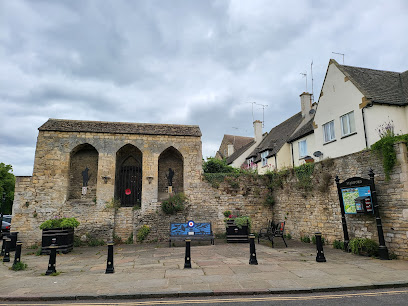
St Leonard's Priory, Stamford
28.3 km
Discover the serene beauty and rich history of St Leonard's Priory in Stamford, a captivating medieval gem waiting to be explored.
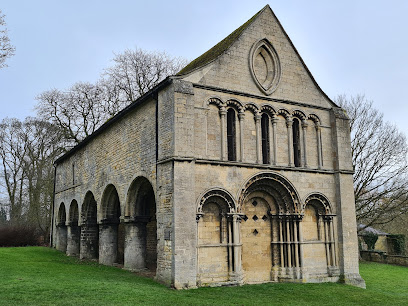
Rushton Triangular Lodge
28.5 km
Explore the architectural wonder of Rushton Triangular Lodge, a unique heritage building steeped in history and stunning design.
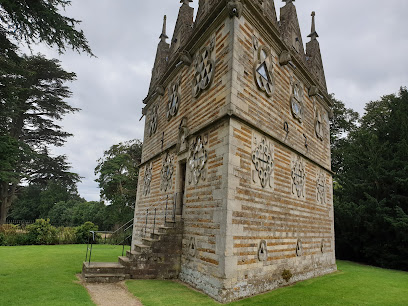
English Heritage - Apethorpe Palace
30.6 km
Explore the enchanting Apethorpe Palace, a historical landmark showcasing England's rich heritage and stunning Tudor architecture.
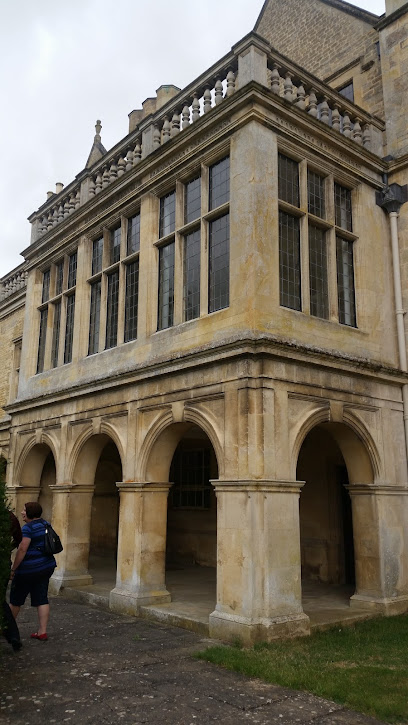
Earl Shilton Castle
31.1 km
Discover the Norman motte and bailey earthworks of Earl Shilton Castle, a historic hunting lodge and fortress near Leicester.
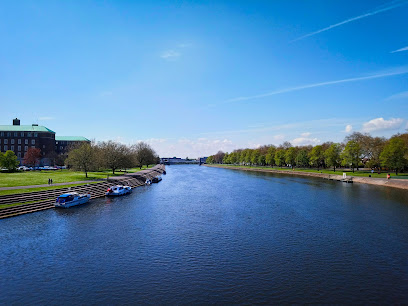
Old Trent Bridge
32.5 km
A historic river crossing in Nottingham blending medieval origins with Victorian engineering and enduring local heritage.
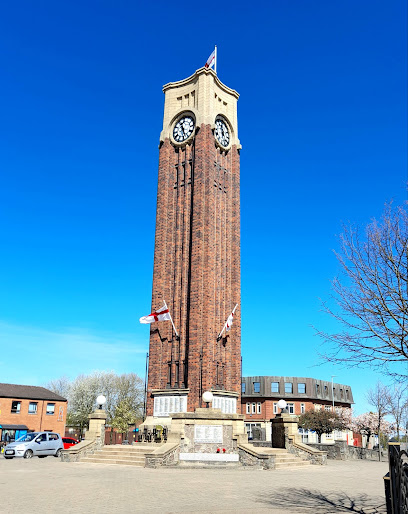
Memorial Clock Tower
33.4 km
A towering Gothic-revival memorial in Coalville honoring 354 fallen WWI soldiers with a commanding clock and rich community history.
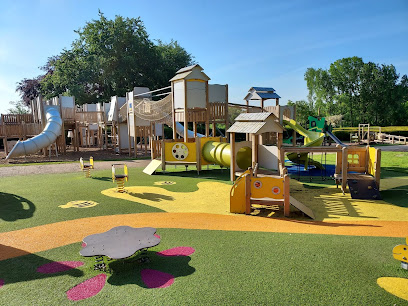
Sacrewell Farm
34.0 km
Experience the magic of countryside life at Sacrewell Farm, a delightful destination for families with engaging activities, delicious food, and rich history.
Bellmount Tower
34.1 km
Discover Bellmount Tower, an 18th-century folly with panoramic views and rich history nestled in the Belton Estate’s scenic Lincolnshire countryside.

St Mary’s Church Nottingham
34.1 km
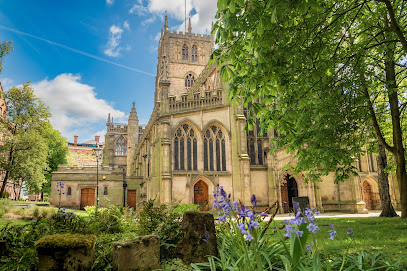
Medieval masterpiece and civic heart of Nottingham, crowned by a soaring tower and filled with light.
Unmissable attractions to see

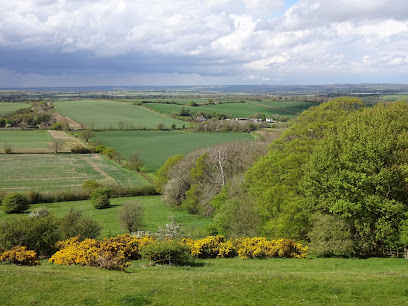
Burrough Hill - Iron Age Hillfort
1.4 km
Explore Burrough Hill, a stunning Iron Age hillfort with rich archaeological finds and panoramic views near Melton Mowbray.
All Saints Church : Oakham
10.5 km
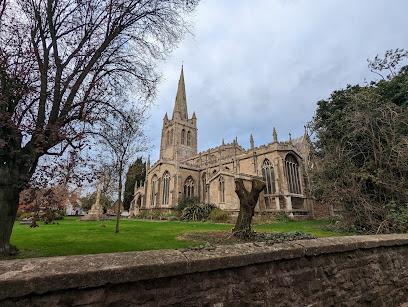
Explore the historic All Saints Church in Oakham, a stunning Anglican church rich in history and architectural beauty, perfect for a serene visit.
Oakham Castle
10.6 km
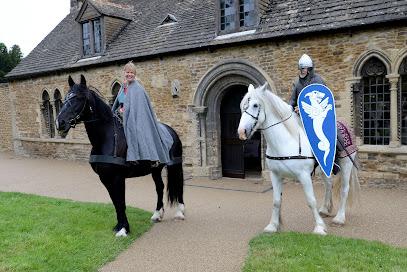
Explore Oakham Castle, a historical gem in Oakham, featuring stunning architecture, beautiful grounds, and enriching cultural experiences.
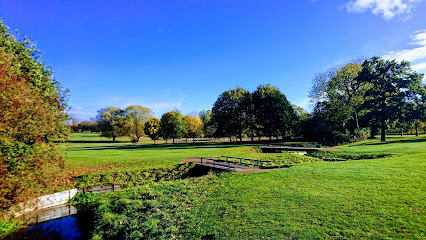
Shady Lane Arboretum
15.3 km
A peaceful arboretum in Leicester with diverse trees, meadows, and historical charm, perfect for nature walks and quiet reflection.
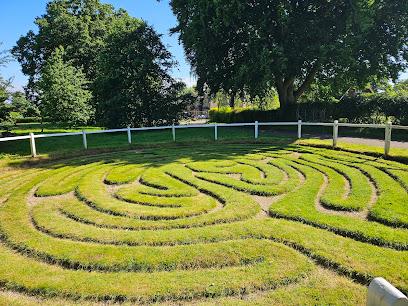
Wing Maze
15.9 km
Explore Wing Maze, a rare medieval turf labyrinth in Rutland, offering a unique blend of history, spirituality, and tranquil countryside charm.
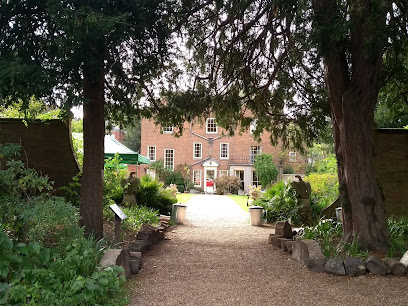
Belgrave Hall
16.7 km
Explore the tranquil historic gardens and Georgian heritage of Belgrave Hall, a Grade II listed jewel in Leicester’s Belgrave Village.
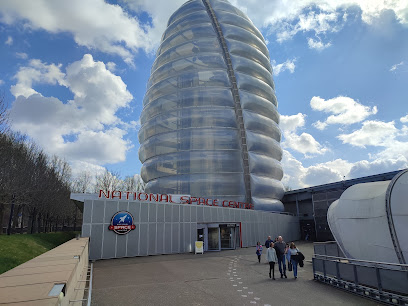
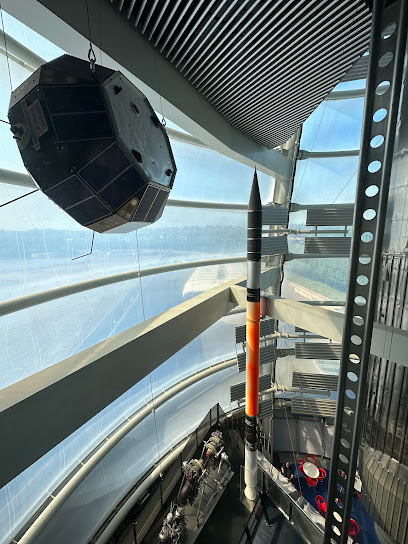
National Space Centre
17.3 km
Explore the UK’s largest planetarium and iconic rocket tower at Leicester’s National Space Centre, a hub of space discovery and interactive science fun.
Blue Streak rocket
17.3 km
Discover the iconic Blue Streak rocket, Britain’s Cold War missile turned pioneering European space launcher, at Leicester’s National Space Centre.
Windmill Farm Park
17.5 km
Five generations of farming heritage meet family adventure in rural Leicestershire.

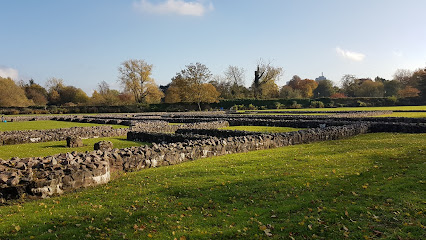
Leicester Abbey
17.7 km
Explore the evocative 12th-century Leicester Abbey ruins amid tranquil riverside gardens and family-friendly attractions in historic Abbey Park.
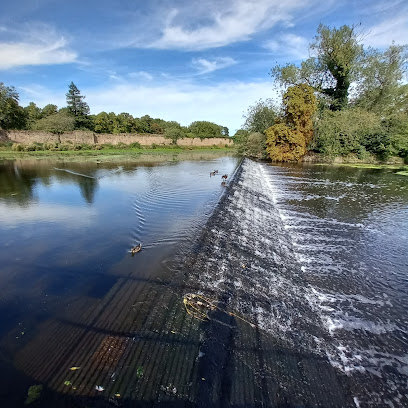
Abbey Park
17.8 km
Discover Abbey Park, Leicester’s historic riverside haven blending tranquil gardens, medieval ruins, and family-friendly fun just north of the city centre.
Leicester Museum and Art Gallery
17.8 km
Discover Leicester’s rich heritage through captivating art, natural history, and interactive family galleries on historic New Walk.

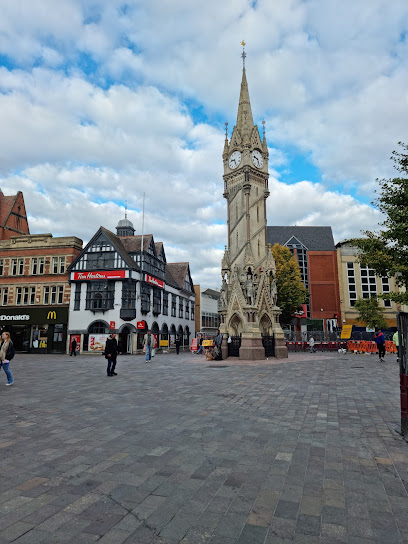
The Clock Tower
17.9 km
Discover the historic Clock Tower in Leicester, a stunning landmark that encapsulates the city's rich heritage and vibrant local culture.
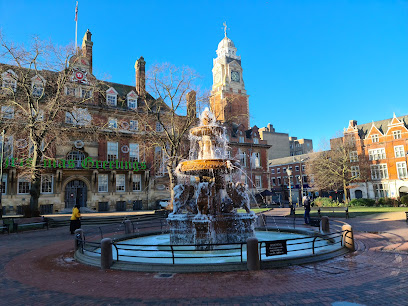
Town Hall Square Fountain
17.9 km
Historic Victorian fountain in Leicester’s Town Hall Square, a symbol of civic pride and architectural elegance.
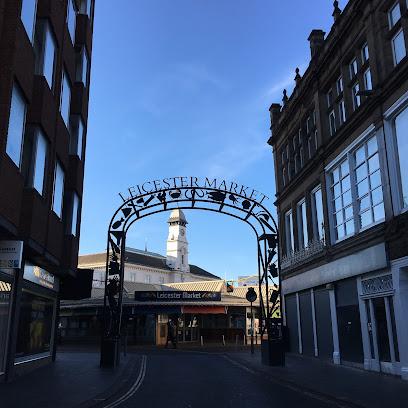
Leicester Market
17.9 km
Europe’s largest outdoor covered market, blending 700 years of history with vibrant multicultural produce and lively community spirit.
Essential places to dine

Hambleton Hall
14.9 km
Michelin-starred country house hotel on Rutland Water, where Victorian elegance meets contemporary comfort.

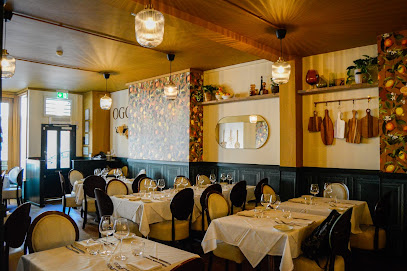
OGGI Italian Restaurant
17.4 km
Experience authentic Italian cuisine with fresh ingredients and warm hospitality at OGGI Italian Restaurant in Leicester’s vibrant London Road.
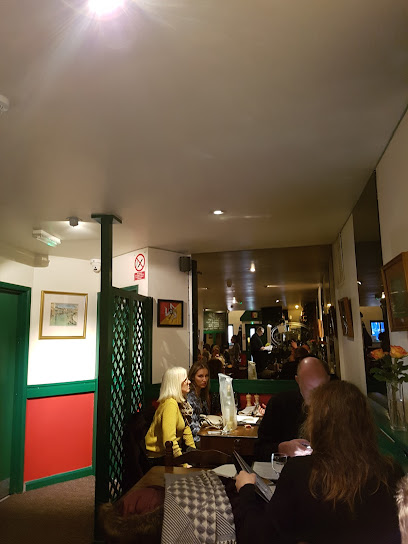
Casa Romana Restaurant
17.9 km
Experience authentic Italian flavors and cozy charm at Casa Romana, Leicester’s cherished seafood and pasta haven.
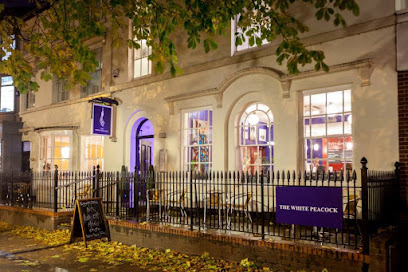
The White Peacock
18.0 km
Elegant modern European dining with innovative tasting menus and warm service in Leicester’s vibrant city centre.
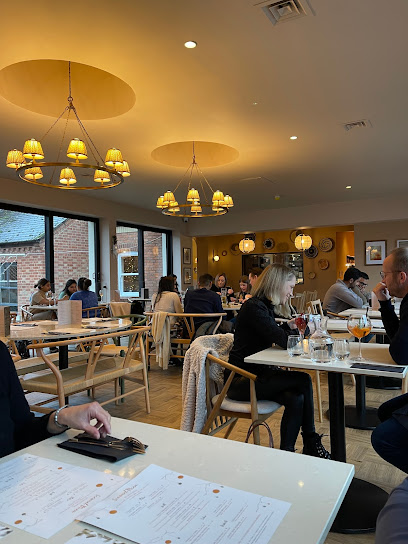
The Frame
18.1 km
A vibrant Mediterranean restaurant and bar in Leicester’s St Martins Square, blending refined flavours with stylish, inviting surroundings.
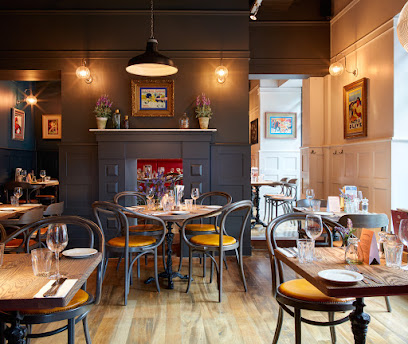
Bistrot Pierre - Leicester
18.1 km
Experience authentic French bistro dining in Leicester’s city centre with classic dishes, seasonal specials, and a warm Parisian atmosphere.
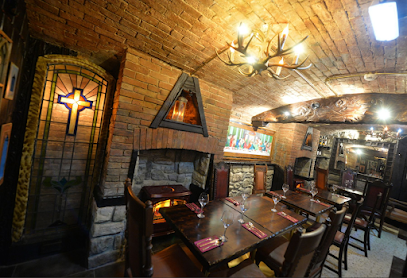
Merchant of Venice
18.1 km
Experience authentic Italian flavors and Renaissance-inspired charm in Leicester’s Merchant of Venice, a unique dining destination blending culture and cuisine.
Varanasi Boutique Restaurant
18.2 km
Experience exquisite Indian fine dining in Leicester’s majestic Varanasi Boutique, where culinary artistry meets opulent ambiance.

Cosy Club
18.3 km
Stylish British dining and vibrant bar in Leicester’s heart, blending timeless glamour with all-day menus and festive event spaces.
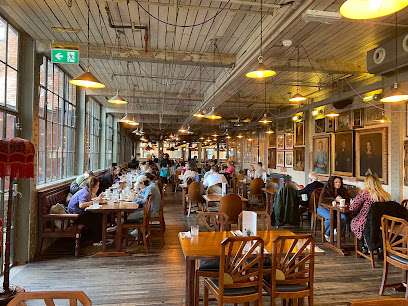
Restaurant263
18.3 km
Experience innovative modern British fine dining with personal chef touches and vibrant vegan options in Leicester’s stylish city centre venue.
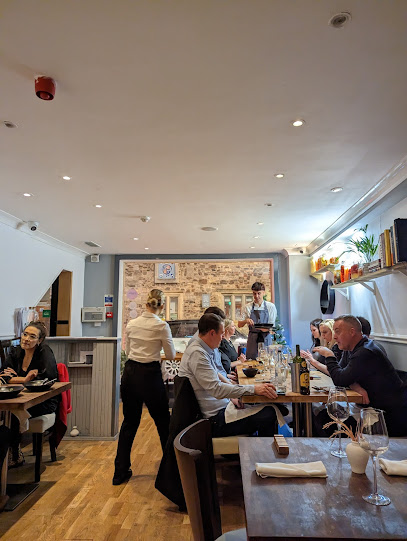
Sapphire Seafood Kitchen - Leicester Restaurant
18.3 km
Savor fresh seafood and American-inspired dishes in a lively, casual setting at Leicester’s vibrant Sapphire Seafood Kitchen.
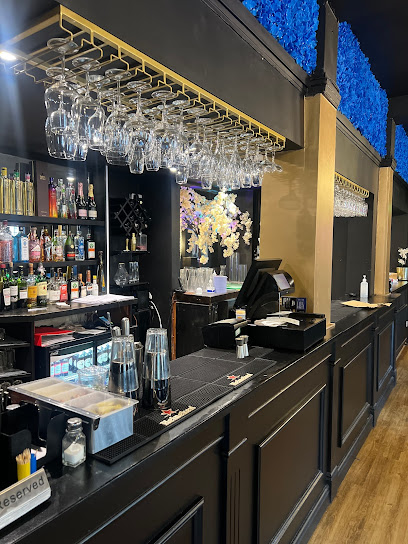
Wygston's House Bar & Restaurant
18.3 km
Historic 15th-century timber-framed house in Leicester’s Old Town serving classic English pub fare and real ales in a vibrant, heritage-rich setting.
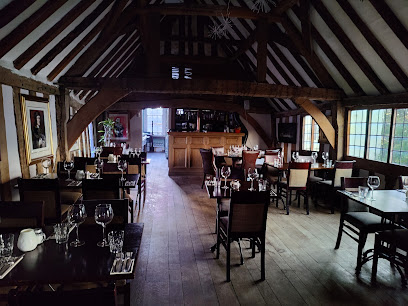
John's House
18.5 km
Michelin-starred farm-to-table dining in a rustic farmhouse setting, blending local produce with refined culinary artistry.
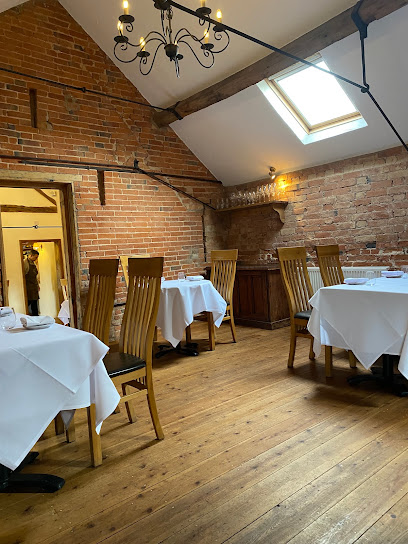
Restaurant Romanesc Leicester (Romanian Restaurant) Grande Gusto
19.1 km
Authentic Romanian flavors and generous portions await you at Grande Gusto, Leicester’s cozy hub for traditional Eastern European cuisine.
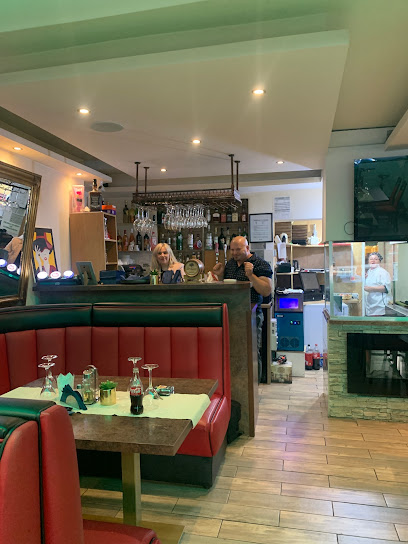
Hammer & Pincers
19.9 km
A refined modern British restaurant in historic Wymeswold blending heritage charm with creative cuisine and boutique stays.

Markets, malls and hidden boutiques

Unique Boutique Ltd
8.4 km
Discover Unique Boutique Ltd, a charming clothing shop offering personalized fashion finds in the historic market town of Melton Mowbray.
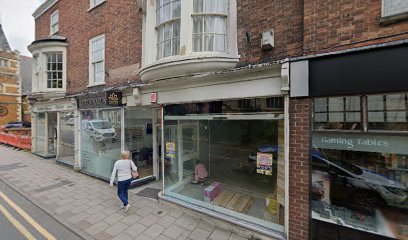
Valley Discount Store
16.0 km
A vibrant Leicester discount store offering diverse homewares, kitchenware, toys, and more under one roof with great value and friendly service.
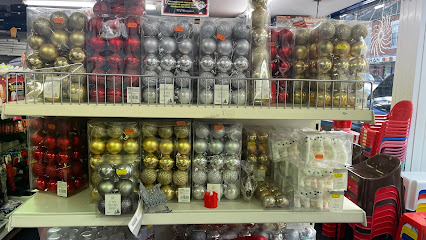
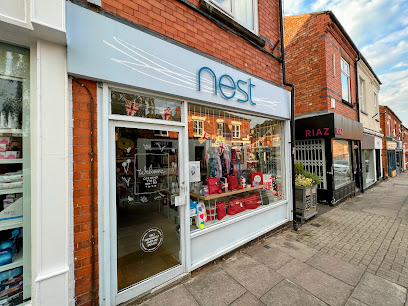
Nest
16.8 km
Independent gift boutique in Leicester's Stoneygate, specializing in personalized jewellery and curated home accessories.
St George's Shopping Park
17.1 km
A vibrant open-air retail park in Leicester offering diverse shops, extended hours, and convenient amenities for a comprehensive shopping experience.

A Few Nice Things UK
17.4 km
Discover unique personalised gifts and local artisan treasures in Rothley’s charming boutique, A Few Nice Things UK.

Prettiez
17.7 km
Discover unique gifts and boutique treasures in the heart of Leicester’s vibrant Clarendon Park at Prettiez.
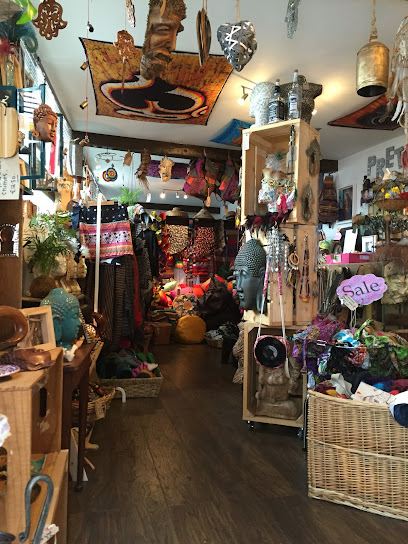
The Pot Pourri Shop Leicester
17.8 km
Discover Leicester’s hidden gem for natural aromatherapy and handcrafted gifts on Free Lane, blending quality, charm, and personalized service.
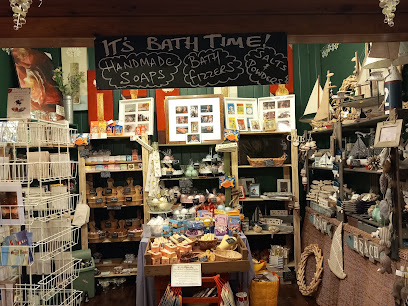
Karma Corner Gifts
17.8 km
Leicester's premier spiritual gift shop offering curated wellness items and mindful lifestyle products.
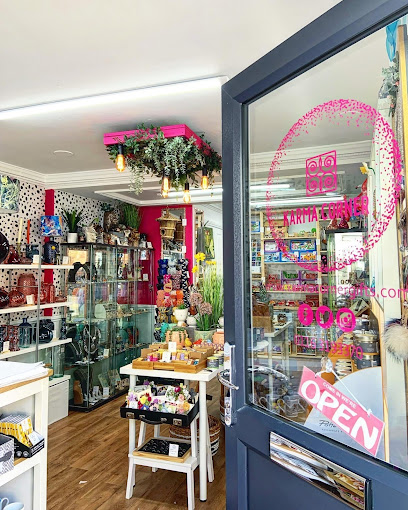
Haymarket Shopping Centre
17.8 km
Leicester's pioneering indoor shopping centre with 60+ stores, dining, and award-winning facilities.
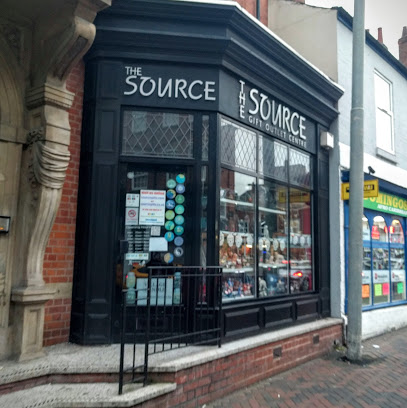
The Source
17.9 km
Discover unique, high-quality gifts with expert service at The Source, Leicester’s cherished family-owned gift shop on Church Gate.
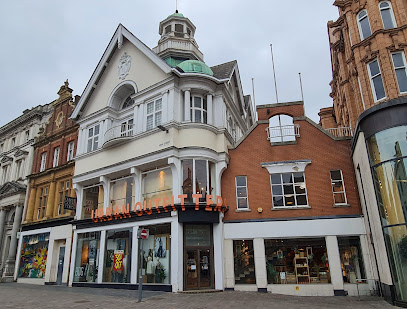
Urban Outfitters
18.0 km
Discover Urban Outfitters Leicester: a stylish blend of fashion, accessories, and homewares in the vibrant heart of the city.
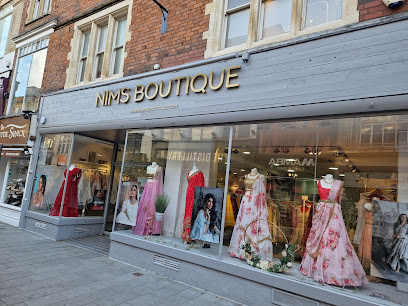
Nim's Boutique ltd
18.0 km
Discover timeless Indian and Asian women's fashion with inclusive sizing and exquisite bridal wear at Nim's Boutique Ltd in Leicester.
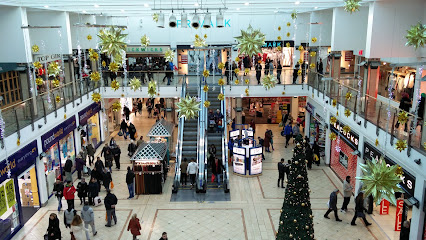
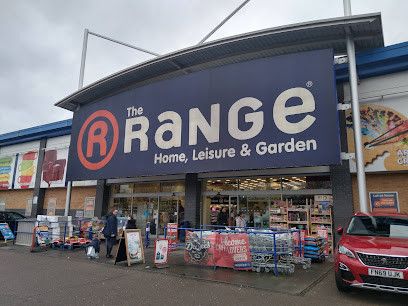
The Range, Leicester
18.0 km
Inspiring homes and creative lives—where furniture, décor, and imagination meet under one expansive roof.
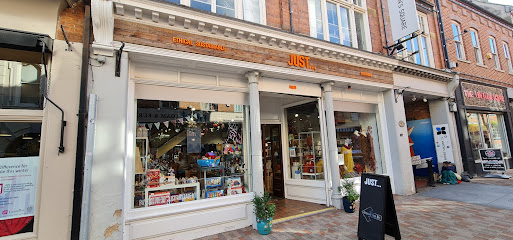
Just Fair Trade
18.1 km
Discover Leicester’s ethical gem offering fair trade gifts and sustainable clothing with a heart for global artisans.
The Wardrobe
18.1 km
Discover timeless style and sustainable fashion at Leicester’s longest-running vintage clothing shop in the historic Royal Arcade.

Essential bars & hidden hideouts

The Old Horse
17.3 km
A friendly, pet-welcoming Leicester pub with hearty roasts, unique charm, and a spacious garden for relaxed socializing.
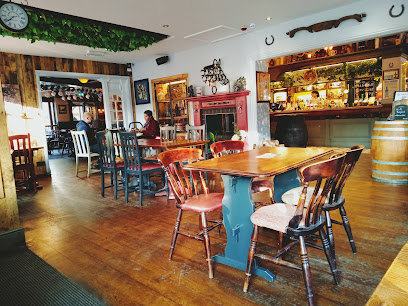
The Loaded Dog
17.4 km
A lively Leicester pub buzzing with craft beers, live sports, and a student-friendly atmosphere on London Road.
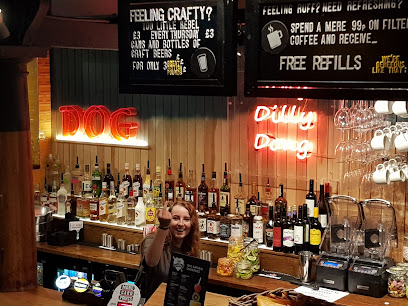
The Marquis Wellington
17.4 km
A classic Leicester gastropub offering hearty fare, local ales, and a cozy atmosphere with heated beer garden beach huts.
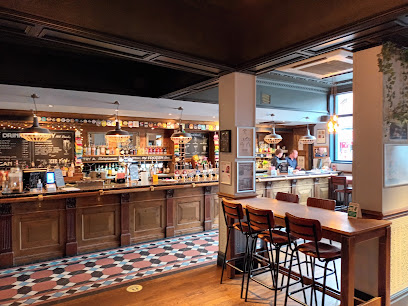
Brick & Beam
17.5 km
A stylish rooftop bar in Leicester offering live jazz, craft drinks, and unique event spaces with stunning city views.
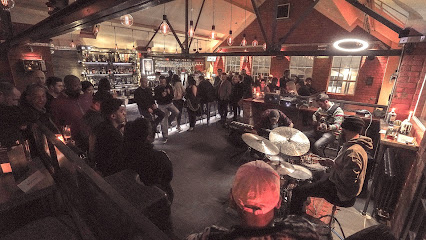
The Exchange Bar
17.6 km
Historic charm meets vibrant culture in Leicester’s iconic Exchange Bar, a lively hub for drinks, music, and community spirit.
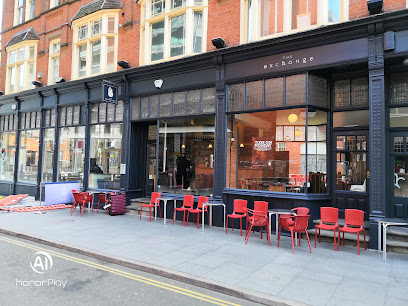
Babelas Continental Bar
17.7 km
A cozy, quirky bar in Leicester’s Clarendon Park serving continental beers, wines, and snacks in a welcoming neighborhood setting.
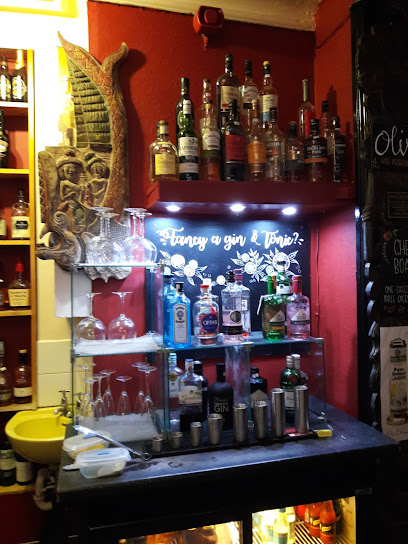
Watson's Cocktail Bar
17.7 km
A vibrant vegan-inspired cocktail bar in Leicester blending quirky charm, expert mixology, and a warm, inclusive atmosphere.
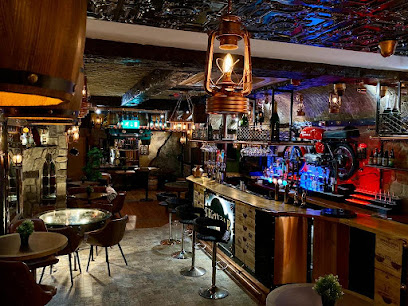
Fat Cat Cocktail Bar & Lounge
17.9 km
A vibrant Leicester hotspot blending creative cocktails, lively entertainment, and a stylish atmosphere in the heart of the city.
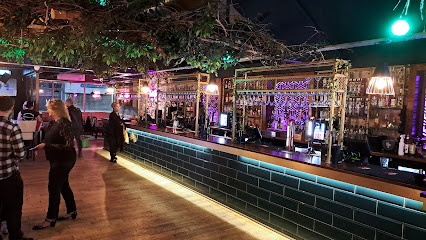
The King's Head
18.0 km
A traditional Leicester pub famed for its exceptional ales, warm community spirit, and charming character in the city centre.
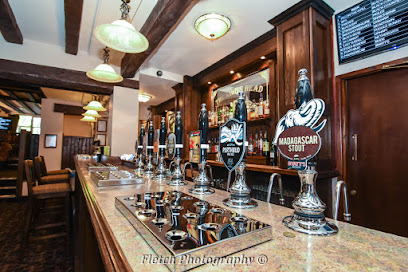
Inside No 9
18.0 km
A stylish Leicester cocktail bar blending expert gin craft, live music, and intimate private events in a historic city centre setting.
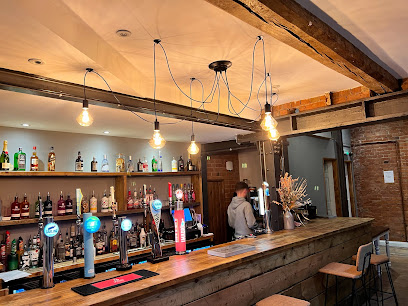
Tønne Bar
18.1 km
A stylish craft beer and cocktail bar in Leicester’s heart, perfect for late nights and diverse drink lovers.
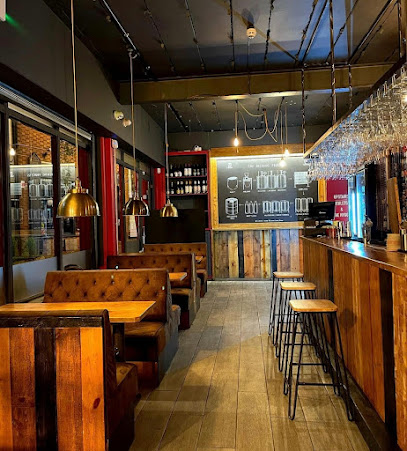
The Distillery
18.1 km
Lively city-centre pub offering craft beers, stone-baked pizzas, stacked burgers, and a vibrant atmosphere for dining and socializing in Leicester.
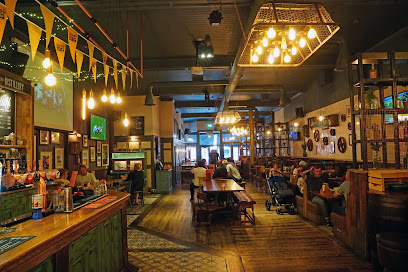
Knight & Garter
18.1 km
A stylish Italian-inspired steakhouse and vibrant bar in Leicester, offering expertly cooked local beef, boutique drinks, and a lively weekend atmosphere.
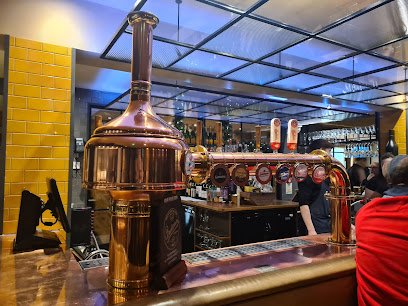
The Bottle Garden Leicester
18.1 km
An urban garden oasis in Leicester serving creative cocktails and live jazz in a stylish, relaxed setting.
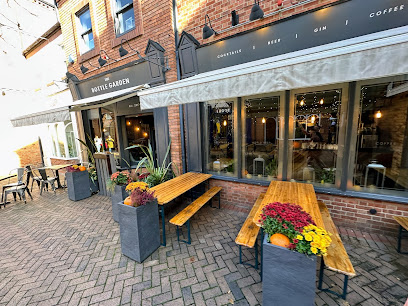
Duffy's Bar
18.1 km
A vibrant, affordable city-centre pub in Leicester known for its welcoming atmosphere and lively social scene.
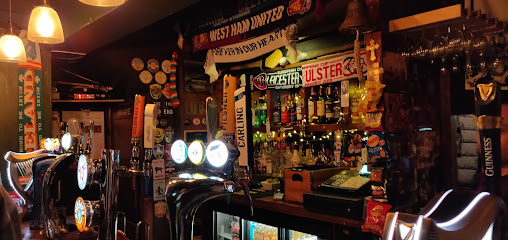
Nightclubs & after hour spots

Tubes
8.6 km
Energetic nightlife and affordable drinks come alive at Tubes, Melton Mowbray’s go-to nightclub and bar for fun and dancing.
Helsinki
17.5 km
Leicester’s vibrant LGBTQ+ nightclub with electrifying drag shows, diverse music, and late-night celebrations in the heart of the city.
Motto Nightclub
17.7 km
Experience Leicester’s vibrant nightlife at Motto Nightclub, a dynamic venue where music, dancing, and late-night energy come alive.

The Fan Club
17.7 km
Leicester’s vibrant weekend nightclub with four rooms, diverse music, and a welcoming atmosphere for unforgettable nights out.
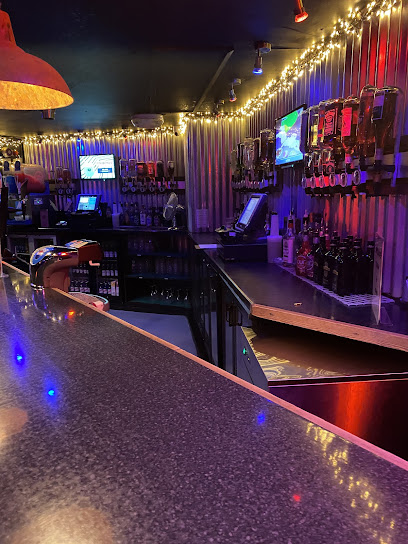
Corah Works
17.7 km
Experience Leicester’s rich textile heritage transformed into a vibrant nightlife hotspot at Corah Works on St John Street.

Club Republic
17.8 km
Experience Leicester’s ultimate clubbing hotspot with immersive audiovisuals, live gigs, and a vibrant student-friendly atmosphere.
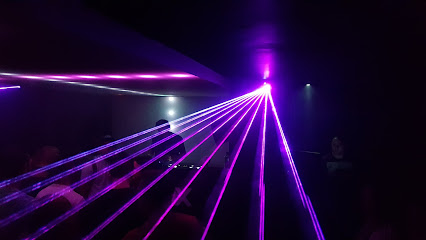
Waikiki Nightclub
17.9 km
Experience Leicester’s electric nightlife with futuristic vibes, trendy cocktails, and top RnB beats at Waikiki Nightclub every weekend.

TRUTH Leicester
17.9 km
Experience Leicester’s vibrant nightlife at TRUTH, a dynamic nightclub pulsing with music and energy in the city centre’s entertainment heart.

The Basement
18.0 km
Leicester’s underground hotspot for late-night dancing, eclectic music, and unforgettable private events in a vintage-inspired setting.

Mosh
18.3 km
Leicester’s vibrant three-floor alternative nightclub, buzzing with indie, emo, and metal beats and budget-friendly drinks.
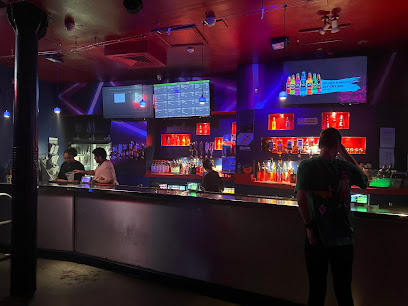
The 2Funky Lounge
18.8 km
Leicester’s energetic two-floor nightclub with live music, private parties, and a rooftop terrace for unforgettable nights out.
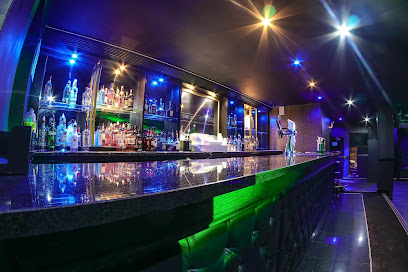
Echo's Night Club
23.8 km
Loughborough’s energetic nightclub with dual rooms, affordable drinks, and a lively student-friendly atmosphere on Biggin Street.
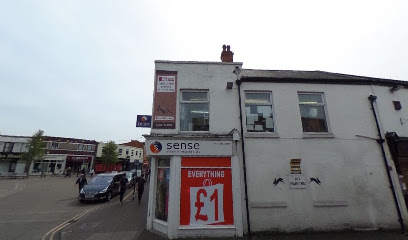
The Emporium
33.4 km
Experience Coalville’s vibrant nightlife at The Emporium, where legendary DJs and electric atmospheres create unforgettable weekends.
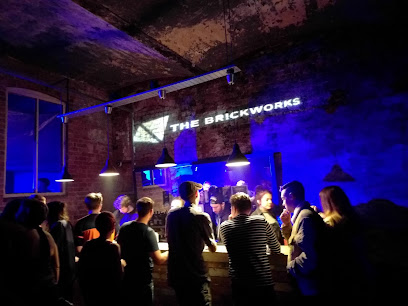
The Brickworks
33.8 km
Nottingham's raw warehouse heartbeat: intimate DJ nights, killer cocktails, and pure underground energy in a brick-clad haven.
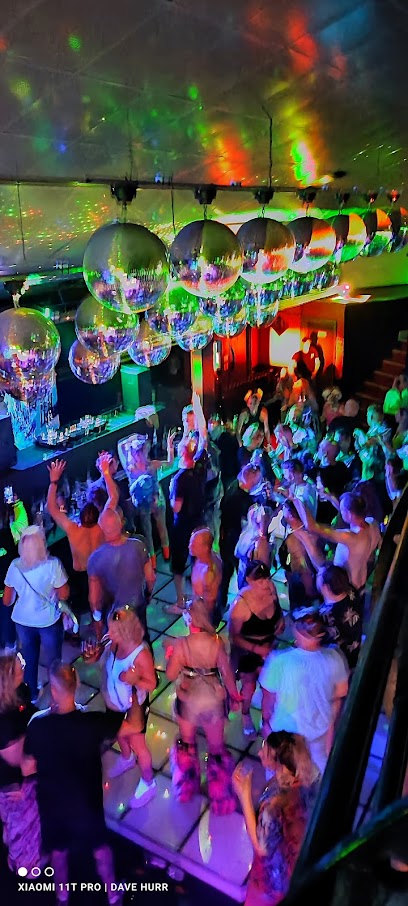
Ocean Nightclub
34.2 km
Unpretentious beats and dazzling lights fuel all-night dances at Nottingham's go-to multi-room nightclub on Greyfriar Gate.

For the vibe & atmosphere seeker
- Scenic
- Tranquil
- Unique
- Relaxing
For the architecture buff
- Historic
- Landmarks
- Parks & Gardens
For the view chaser and sunset hunter
- Iconic Views
- Panoramas
- Sunrise Spots
- Sunset Spots
For the social media creator & influencer
- Instagrammable
- Photo Spots
- Selfie Spots
For the eco-conscious traveler
- Protected Area
- Public-Transport Accessible
- Leave-No-Trace Critical
- Locally Managed
For the kind of experience you’re after
- Cultural Heritage
- Photowalk
- Nature Escape
- Day Trip
- Weekend Getaway
- Myth & Legends
For how adventurous you want the journey to be
- Easy Access
Location Audience
- Family Friendly
- Senior Friendly
- Child Friendly
- Teen Friendly
- Wheelchair Access
- Solo Friendly
- Couple Friendly


