
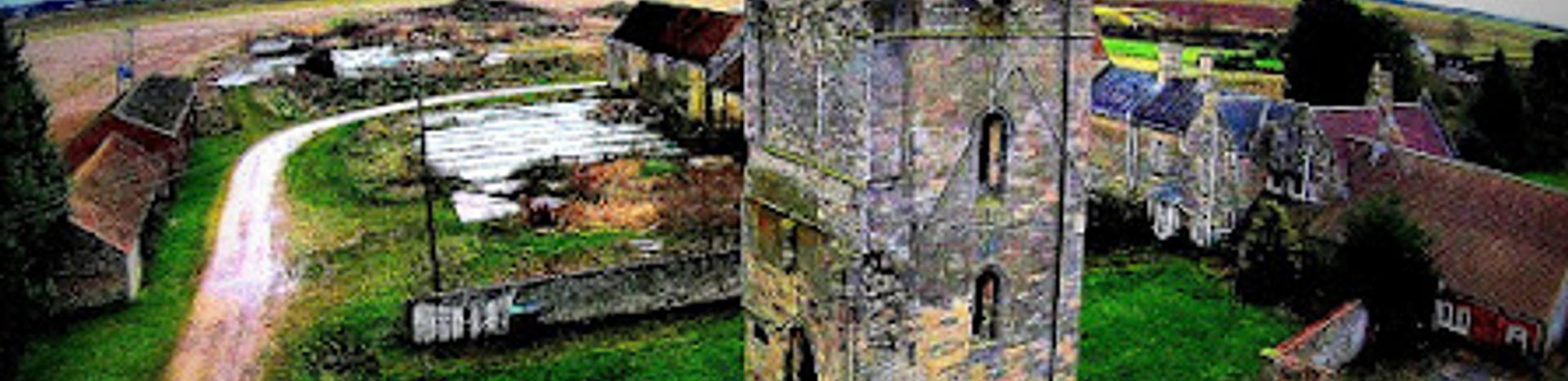
Temple Bruer Knights Templar Preceptory Tower
Explore the hauntingly preserved 13th-century Knights Templar tower on Lincoln Heath, a rare glimpse into medieval military and religious history.
Temple Bruer is a rare surviving 13th-century Knights Templar preceptory tower located on Lincoln Heath near Lincoln, England. Once part of one of England’s richest Templar estates, this limestone ashlar tower stands as a solitary remnant of a larger complex that played a crucial role in military training and estate management during the Crusades. The site offers a glimpse into medieval history, with its spiral staircase, graffiti from centuries past, and evocative atmosphere amidst the Lincolnshire countryside.
A brief summary to Temple Bruer Knights Templar Preceptory Tower
- Temple Bruer with Temple High Grange, Lincoln, GB
- +441529461499
- Duration: 0.5 to 2 hours
- Free
-
 Outdoor
- Mobile reception: 3 out of 5
- Monday 8:45 am-5:15 pm
- Tuesday 8:45 am-5:15 pm
- Wednesday 8:45 am-5:15 pm
- Thursday 8:45 am-5:15 pm
- Friday 8:45 am-4:45 pm
Local tips
- Visit during daylight hours as the site is accessible only when light permits and is located on private farmland.
- Wear sturdy footwear due to uneven terrain and narrow staircases inside the tower.
- Respect the site’s cultural sensitivity; avoid climbing on fragile ruins and seek permission for any filming.
- Bring a camera to capture the tower’s medieval graffiti and masons’ marks etched into the stone walls.

For the on-the-go comforts that matter to you
- Restrooms
- Seating Areas
- Information Boards
Getting There
-
Car
Driving from Lincoln city center takes approximately 30 to 40 minutes via the A15 and B1191. There is a small free grass car park adjacent to the site. Note that the tower is on private farmland, so visitors should respect local access rules.
-
Bus
Take a regional bus from Lincoln to Sleaford, which takes around 50 to 70 minutes. From Sleaford, a taxi or rideshare for about 15 minutes is recommended as public transport options are limited near Temple Bruer.
-
Taxi / Rideshare
From nearby towns such as Sleaford or Lincoln, taxis provide a flexible option with travel times between 15 to 40 minutes depending on starting point. This is advisable due to the rural location and limited public transport.
Temple Bruer Knights Templar Preceptory Tower location weather suitability
-
 Any Weather
-
 Clear Skies
-
 Mild Temperatures
-
 Rain / Wet Weather
Discover more about Temple Bruer Knights Templar Preceptory Tower
A Medieval Stronghold on Lincoln Heath
Temple Bruer Preceptory Tower stands amid the open expanse of Lincoln Heath, a landscape historically known for its heather and strategic importance. Founded between 1150 and 1160 on land gifted by William of Ashby, it became a key headquarters for the Knights Templar in mid-Lincolnshire. The Templars used the surrounding heath for military training and farming, with nearby Byard’s Leap serving as their tournament grounds for simulated battles rather than jousting. The tower itself was part of a larger temple church complex, with this southeast tower being one of two flanking the chancel. Today, it is the sole surviving structure of the preceptory, constructed of durable limestone ashlar and restored in the 20th century.The Knights Templar: Rise, Wealth, and Downfall
The Knights Templar were a religious military order established during the Crusades to protect pilgrims and holy sites in the Holy Land. Over nearly two centuries, they amassed great wealth and influence through a Europe-wide network of estates like Temple Bruer. Their riches grew from farming, military prowess, and banking activities, including loans to kings. However, by the early 14th century, their power provoked resentment. Under pressure from King Philip IV of France, Pope Clement V issued a papal bull in 1307 ordering the arrest of Templars across Europe. In England, knights arrived at Temple Bruer in 1308 to arrest the order’s leaders, including William de la More, the Preceptor and Grand Prior of England. The order was suppressed in 1312, and its properties transferred to the Knights Hospitaller.Architectural and Archaeological Legacy
The surviving tower is a scheduled monument and a rare physical testament to the Templars’ presence in England. Its interior reveals a spiral staircase and walls covered with centuries-old graffiti, including masons’ marks and possibly apotropaic symbols meant to ward off evil. Excavations in the 19th and early 20th centuries uncovered features such as subterranean vaults and stone effigies, though some early interpretations of violence and ritual sacrifice were later questioned. The tower’s robust construction and historical layers invite reflection on medieval religious, military, and social life.Modern Stewardship and Visitor Experience
Today, Temple Bruer Tower is managed by Lincolnshire County Council and sits on private farmland. Visitors can explore the site freely during daylight hours, though the tower itself is accessed via uneven outdoor steps and a narrow staircase, limiting wheelchair access. A small grass car park nearby provides convenience, but visitors are urged to respect the site’s cultural sensitivity and rural setting. The surrounding countryside enhances the sense of stepping back into a medieval world where knights once trained and governed vast estates.Legends, Mysteries, and Cultural Significance
Temple Bruer is steeped in legend, from tales of Templar rituals to its role in the dramatic downfall of the order. Stories of subterranean vaults and mysterious graffiti add to its mystique. The site also reflects broader medieval history, including the Dissolution of the Monasteries when the property passed to the Duke of Suffolk under Henry VIII. Its enduring presence offers a tangible connection to the enigmatic Knights Templar and their complex legacy in England.Preserving a Unique Heritage Landmark
As one of the few remaining Knights Templar structures in Great Britain, Temple Bruer Tower represents a unique architectural and historical heritage. Restoration efforts in the 20th century have preserved its structural integrity, allowing it to stand as a monument to medieval faith, warfare, and society. The tower’s rural isolation and evocative ruins continue to inspire curiosity and scholarly interest, making it a significant site for those fascinated by the medieval period and the Templar order.Iconic landmarks you can’t miss

Sleaford Castle
9.9 km
Explore the evocative ruins of Sleaford Castle, a medieval fortress steeped in centuries of ecclesiastical history and local heritage.
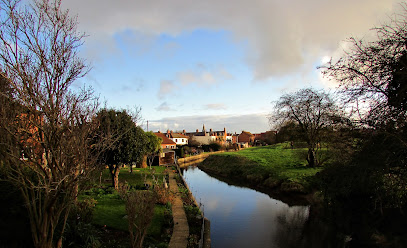
Lincoln War Memorial
17.7 km
A timeless symbol of unity and freedom, the Lincoln Memorial stands proudly at the heart of Washington, D.C.'s National Mall.
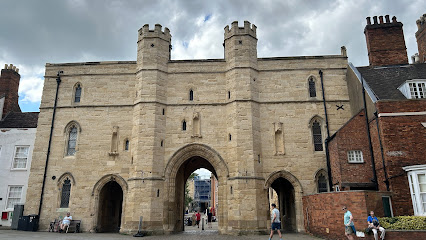
Exchequer Gate
18.4 km
Step through Exchequer Gate, a majestic 14th-century medieval archway guarding Lincoln’s historic heart between Castle and Cathedral.
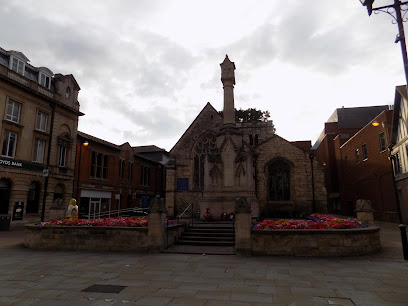
Priory Arch
18.4 km
A majestic Victorian Gothic arch marking the historic entrance to Lincoln’s cathedral quarter and the ancient Bailgate street.
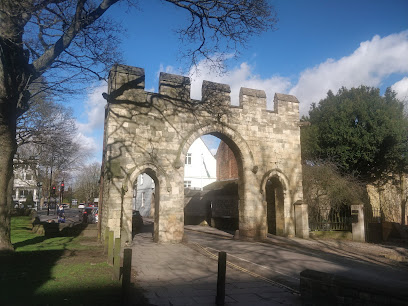
North Tower of the East Gate of the Wall of Roman Lindum Colonia (Lincoln)
18.5 km
Explore the impressive Roman North Tower of the East Gate, a gateway to Lincoln’s ancient Lindum Colonia and a testament to Roman urban grandeur.
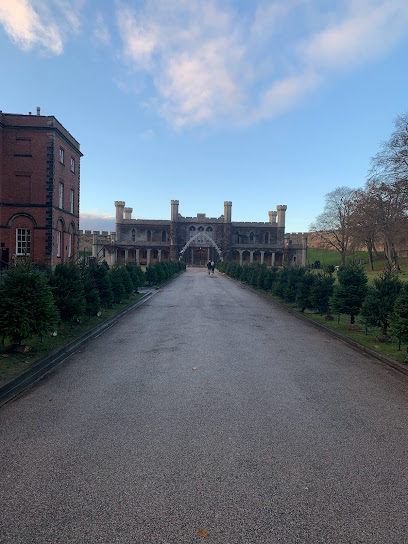
Tupholme Abbey
19.8 km
Medieval monastery transformed: where Premonstratensian canons once prayed, Tudor mansions rose and farmland endured.
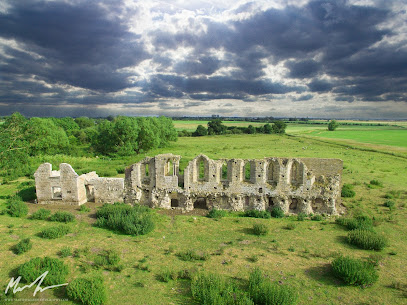
Lincolnshire Road Victims Memorial
31.7 km
A solemn memorial in Wyberton honoring lives lost on Lincolnshire’s roads, set within peaceful Sir Joseph Banks Country Park.
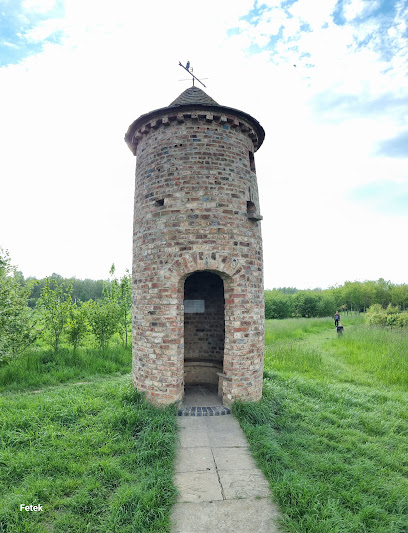
Gainsborough Old Hall
41.2 km
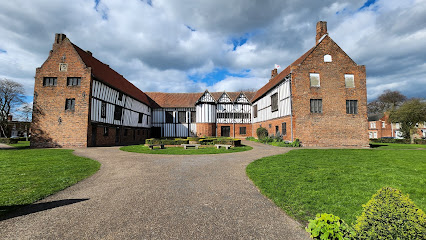
Discover the enchanting Gainsborough Old Hall, a medieval manor house steeped in history and architectural splendor, perfect for history buffs and curious travelers.
Moulton Windmill
42.0 km
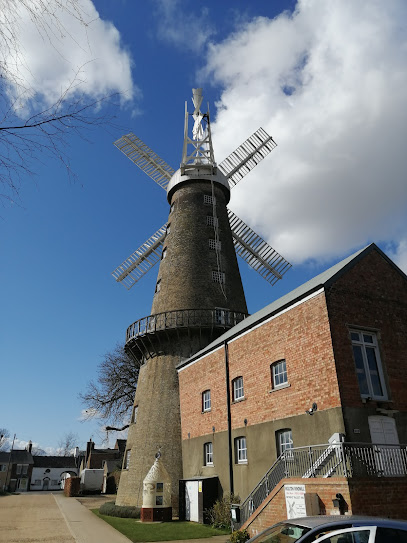
Discover Moulton Windmill: A historic gem in Spalding, blending tradition, picturesque views, and a delightful café experience.
Lincolnshire Wolds National Landscape
42.1 km
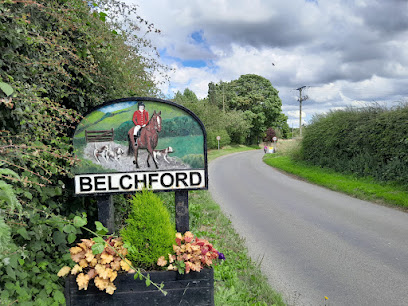
Explore the serene beauty of Lincolnshire Wolds National Landscape, a perfect escape for nature lovers and adventure seekers alike.
The Nottingham Experience
42.6 km
Explore the rich history and vibrant culture of Nottingham at The Nottingham Experience, a must-visit attraction for all travelers.
Hall Farm Park
44.3 km
Explore Hall Farm Park, a delightful animal park in the heart of Lincolnshire, perfect for family adventures and animal encounters.
Green's Windmill and Science Centre
44.4 km
Experience the historic Green's Windmill and Science Centre in Nottingham - a perfect blend of heritage, science, and stunning views.
Stonebridge City Farm
44.5 km
Experience the joy of nature and farm life at Stonebridge City Farm, a charming children's farm in Nottingham perfect for family outings.
Things to do in Nottinghamshire
44.5 km
Explore the enchanting Nottinghamshire, where history, nature, and adventure await every traveler.
Unmissable attractions to see

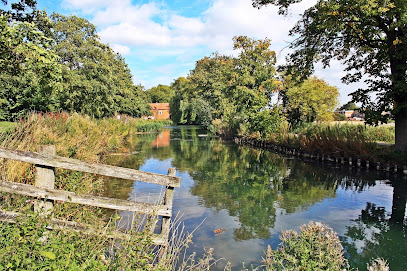
Cogglesford Watermill
10.0 km
Discover England’s only working Sheriff’s watermill, where centuries of milling history and riverside charm come alive in Sleaford.
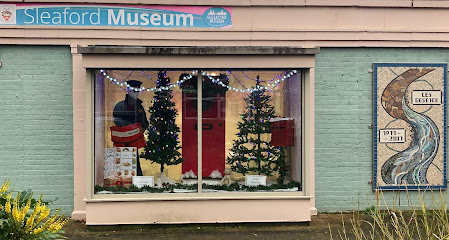
Sleaford Museum
10.2 km
Discover Sleaford’s rich heritage through engaging exhibits and community stories at this volunteer-run local history museum with free entry.
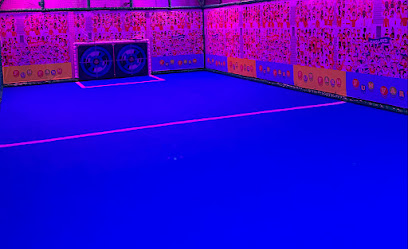
Fun Farm Lincoln Family Entertainment Centre
15.5 km
A vibrant indoor adventure playground in Lincoln offering soft play, laser tag, quad bikes, and family-friendly fun all year round.
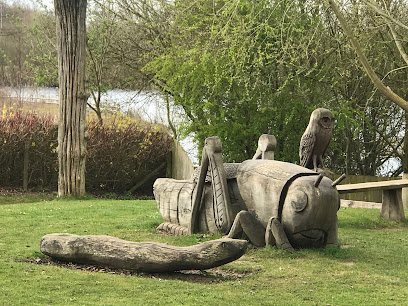
Whisby Nature Park
15.8 km
A reclaimed quarry turned thriving nature reserve near Lincoln, with lakes, trails, bird hides and a family‑friendly visitor centre – perfect for peaceful walks and wildlife watching.
Willow Farm Shop
15.8 km
Discover fresh local produce and rustic charm at Willow Farm Shop, a welcoming countryside gem in Lincoln offering seasonal delights and community spirit.
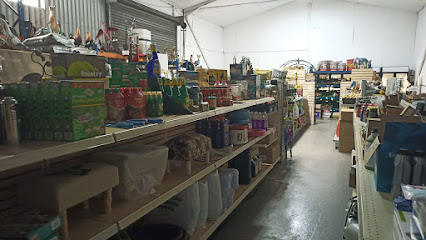
The Natural World Centre
15.9 km
Discover immersive nature, interactive exhibits, and tranquil lakeside views at The Natural World Centre within Whisby Nature Park.
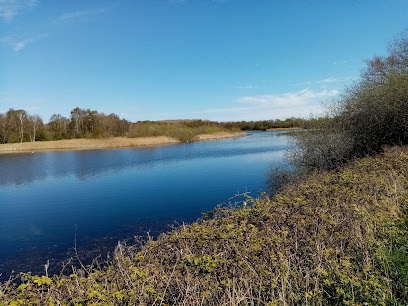
Boultham Park
15.9 km
A 50-acre urban sanctuary in Lincoln with a lake, playground, gardens, and community spirit for all ages to enjoy.
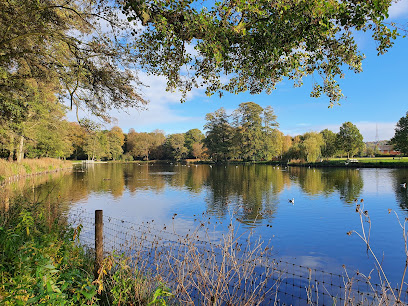
Bellmount Tower
16.0 km
Experience the charm of Bellmount Tower, a historic landmark offering breathtaking views and scenic walks in the heart of Lincolnshire's countryside.

International Bomber Command Centre
16.0 km
A poignant memorial and museum in Lincoln honoring Bomber Command’s heroic legacy through immersive exhibits and a soaring 31m Spire.
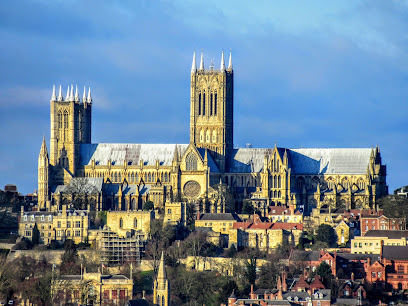
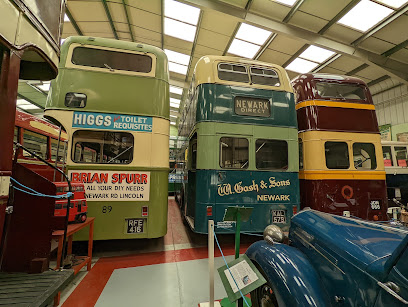
Lincolnshire Road Transport Museum
16.1 km
Explore over 80 years of Lincolnshire’s road transport history with vintage vehicles, memorabilia, and live restoration at this volunteer-run museum.
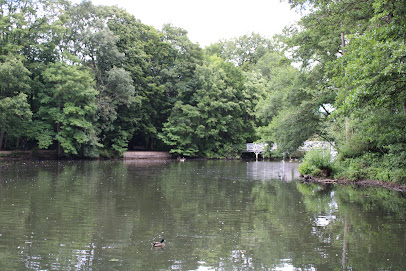
Belton Park walk
16.4 km
Explore Belton Estate’s majestic house, exquisite gardens, and vast parkland for a perfect blend of history, nature, and family fun.

Belton Park
16.5 km
Explore 1,300 acres of historic gardens, ancient woodlands, and family-friendly adventures at Belton Park near Grantham.

Hartsholme Country Park
17.0 km
Explore Lincoln’s serene 100-acre Hartsholme Country Park with Victorian gardens, lakes, woodlands, wildlife, playgrounds, and family-friendly trails.
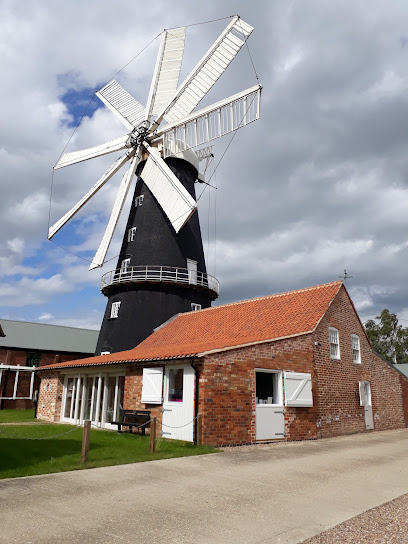
Heckington Windmill
17.0 km
Explore the world’s only eight-sailed windmill, a living heritage site blending history, milling, craft brewing, and community spirit in Lincolnshire.
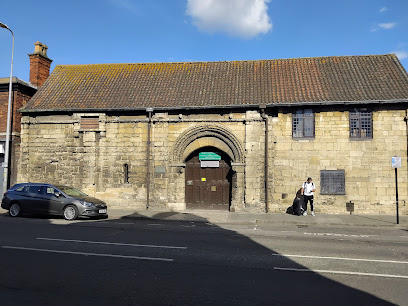
St Mary's Guildhall - Display remains Roman road
17.1 km
Discover Lincoln’s medieval grandeur and explore the ancient Roman Fosse Way preserved beneath St Mary's Guildhall.
Essential places to dine

The Five Bells
11.6 km
A cozy English pub in Bassingham serving hearty British classics with a warm, welcoming atmosphere and seasonal specialties.
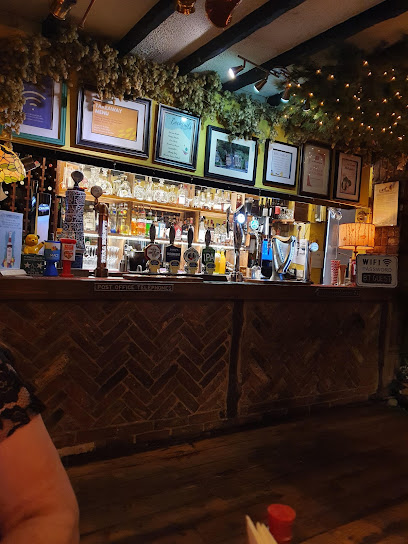
Homestead
14.4 km
A historic Grade II listed countryside pub in Bracebridge Heath offering hearty British classics and a warm, inviting atmosphere near Lincoln.
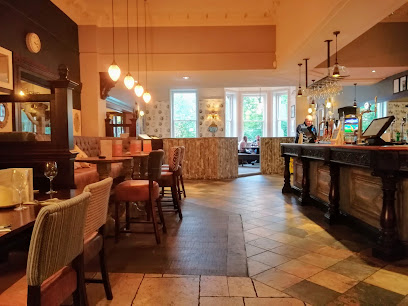
Premier Inn Lincoln (Canwick) hotel
15.7 km
Discover comfort and convenience at Premier Inn Lincoln (Canwick), your gateway to exploring historic Lincoln's treasures.
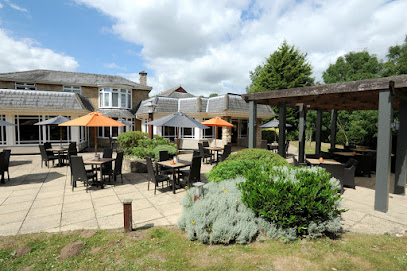
Mill Lodge Beefeater
15.7 km
Family-friendly steakhouse in Lincoln offering aged grills, classic British roasts, and hearty breakfasts in a cozy farmhouse setting.
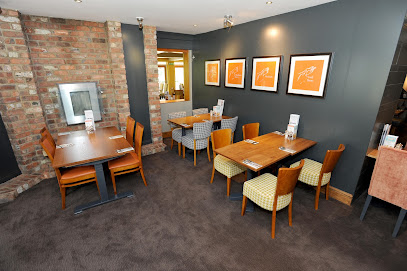
Windmill Farm - Dining & Carvery
16.5 km
A welcoming farmhouse pub and carvery in Lincoln serving hearty daily roasts and classic British dishes in a relaxed, family-friendly setting.

The Botanist Lincoln
17.6 km
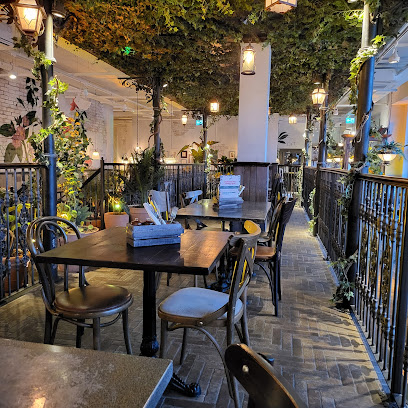
A secret garden of botanical cocktails, seasonal cuisine, and live music in historic Lincoln.
Cosy Club
17.6 km
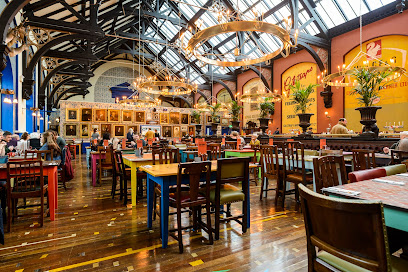
Eclectic dining and vibrant drinks in Lincoln’s historic Corn Exchange with a quirky, vintage-inspired atmosphere.
Turtle Bay Lincoln
17.7 km
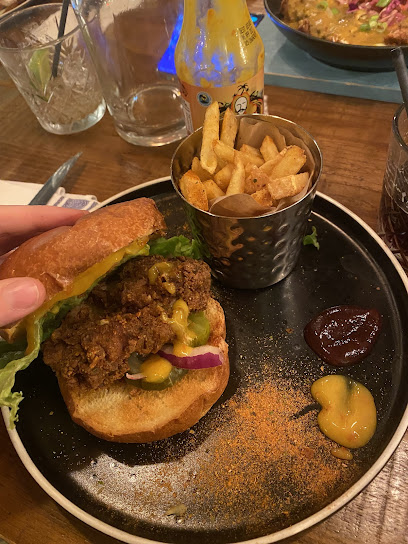
Experience vibrant Caribbean flavors, tropical cocktails, and reggae vibes at Turtle Bay Lincoln’s lively Central Market venue.
Premier Inn Lincoln City Centre
17.8 km
Modern comfort and friendly service in Lincoln’s historic heart, steps from the Cathedral and Castle.
The Square Sail - JD Wetherspoon
17.8 km
Affordable waterfront pub in Lincoln offering classic British fare, quick service, and a relaxed atmosphere with scenic marina views.
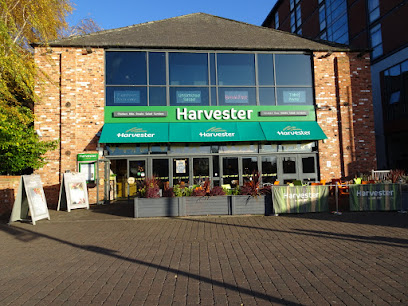
Harvester Brayford Wharf Lincoln
17.9 km
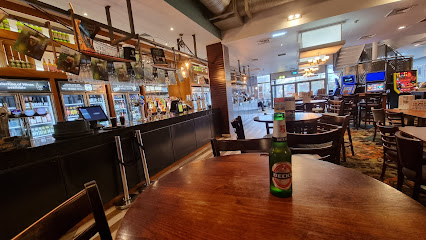
Casual British dining with a family-friendly vibe and scenic riverside views at Lincoln’s Brayford Wharf.
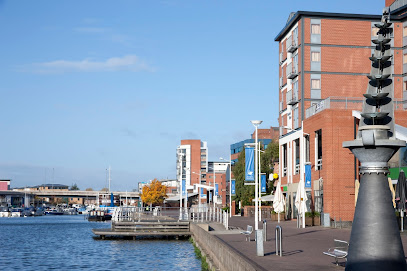
Holiday Inn Lincoln, an IHG Hotel
18.0 km
Modern comfort and scenic waterfront views converge at Holiday Inn Lincoln, your gateway to the vibrant heart of Lincoln.
The Rest Hotel
18.2 km
Boutique 5-star comfort on Lincoln’s historic Steep Hill, blending modern luxury with medieval charm and a renowned coffee shop.
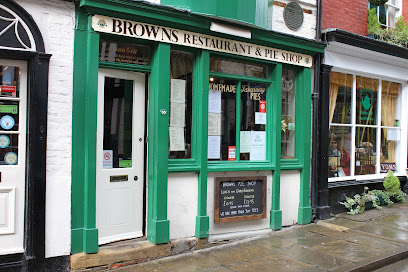
Hobbsons Restaurant and Pie Shop
18.4 km
Savor traditional British gourmet pies in a cozy, historic setting on Lincoln’s iconic Steep Hill.
White Hart Hotel
18.4 km
Historic charm and modern luxury converge in Lincoln’s vibrant Bailgate at The White Hart Hotel, steps from cathedral and castle.
Markets, malls and hidden boutiques

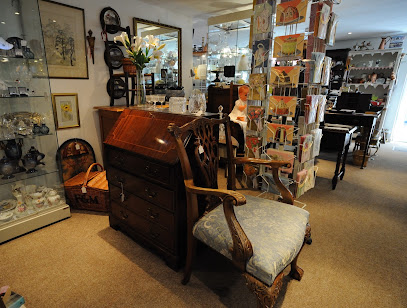
Navenby Antiques Centre
4.5 km
Discover timeless treasures and local heritage in the heart of Navenby’s charming antiques centre.
Brant Road Shopping Centre
13.9 km
A compact and community-focused shopping centre in Lincoln with diverse shops and eateries open daily from early morning to late evening.
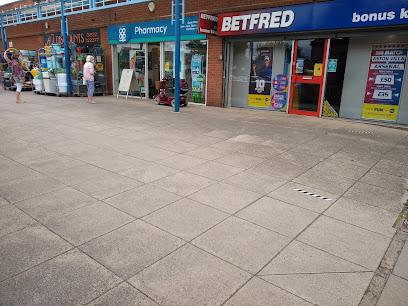
Birchwood Shopping Centre
17.4 km
A convenient and community-focused shopping destination in Lincoln’s Birchwood, offering diverse retail, dining, and essential services.
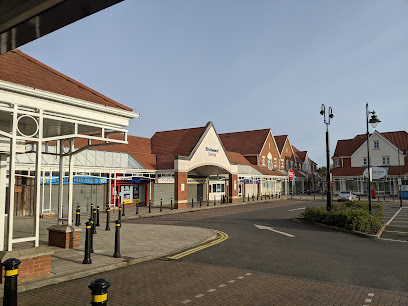
Cornhill Quarter
17.6 km
Discover Lincoln’s Cornhill Quarter, a vibrant blend of shopping, dining, culture, and entertainment at the city’s lively heart.
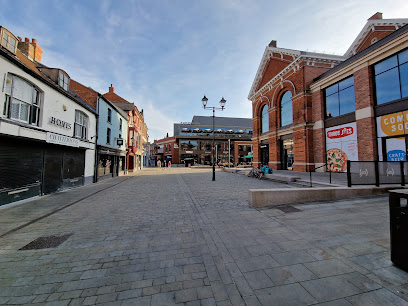
Waterside Shopping Centre
17.8 km
Compact and vibrant shopping hub in Lincoln’s city centre with popular brands, eateries, and family-friendly amenities.
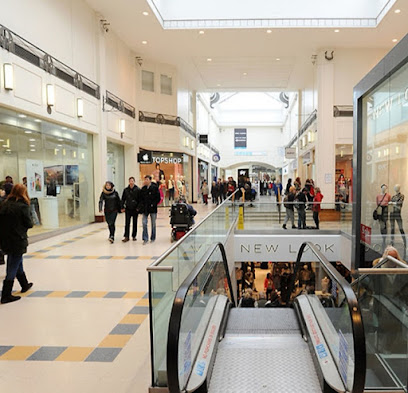
Primark
17.8 km
Discover affordable fashion and homeware for all ages in the heart of Lincoln’s vibrant High Street.
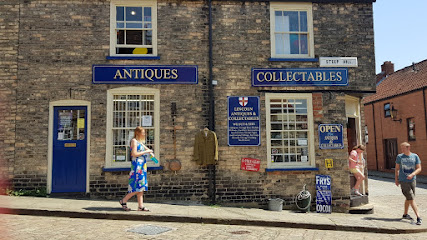
Lincoln Antiques & Collectables
18.1 km
Discover timeless treasures and vintage charm at Lincoln Antiques & Collectables, nestled on historic Steep Hill in the heart of Lincoln.
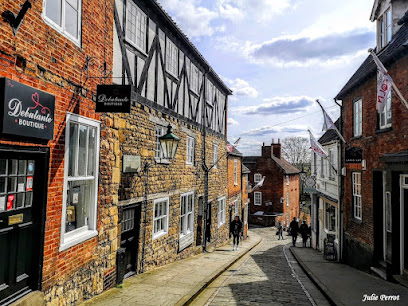
Debutante Boutique
18.3 km
Affordable, stylish ladies' clothing and accessories with French and Italian flair on Lincoln’s historic Steep Hill.
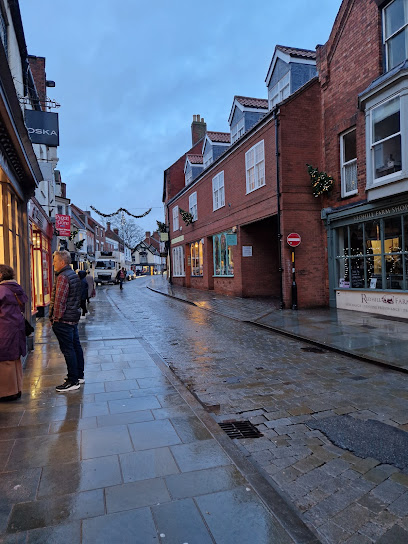
Pretty Little / Noa Noa
18.4 km
Discover unique ladies' fashion in the charming historic Bailgate district of Lincoln, blending style with personalized service.
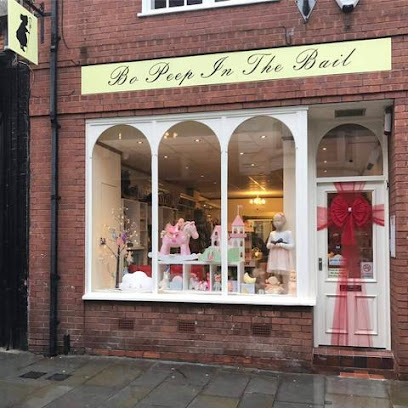
Bo Peep Boutique
18.5 km
Family-run children's clothing and toy boutique in Lincoln offering quality brands and charming gifts in a warm, historic setting.
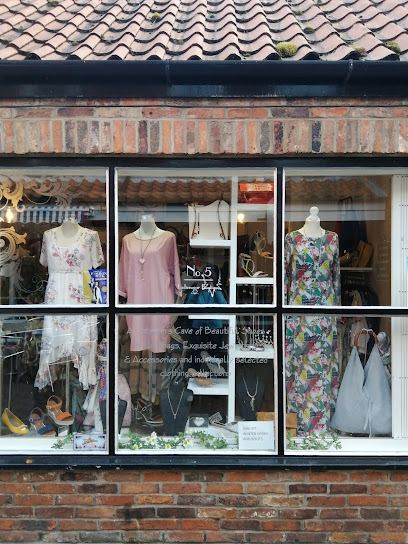
No.5 ladieswear boutique
18.5 km
Discover stylish designer ladieswear, handbags, and accessories at No.5 Ladieswear Boutique, Lincoln’s charming fashion destination.
Follie
18.5 km
A charming independent gift shop in Lincoln’s historic Cathedral Quarter, offering unique home accessories, jewellery, cards and vintage-inspired finds.
Object & line
18.5 km
Discover unique gifts and charming treats at Object & Line, Lincoln’s boutique of curated creativity and personal service.
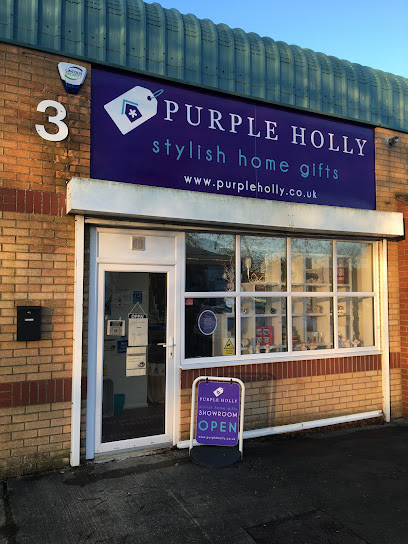
Purple Holly
18.6 km
Discover stylish gifts and charming homewares inspired by Lincolnshire’s countryside at Purple Holly, your boutique destination in Lincoln’s Newporte Business Park.
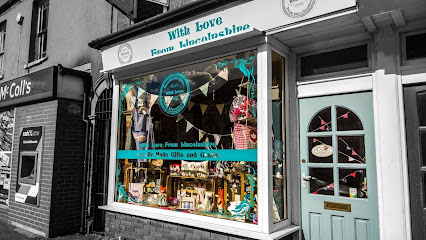
Pre-Loved From Lincolnshire
19.1 km
Discover unique handmade gifts and quality preloved treasures crafted and curated by local Lincolnshire artisans.
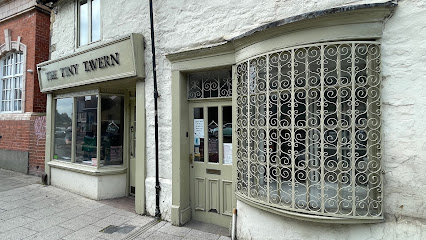
Essential bars & hidden hideouts

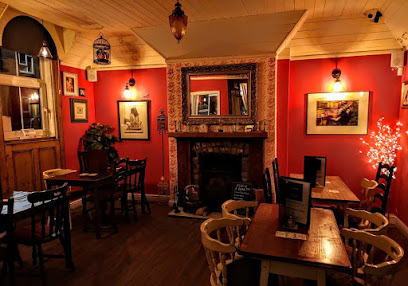
The Tiny Tavern
17.1 km
A cozy, historic Lincoln bar offering expertly curated real ales and a hidden garden oasis in charming 17th-century cottages.
The Birdcage Pub Lincoln
17.7 km
A lively Lincoln pub with quirky charm, diverse ales, creative events, and a welcoming community atmosphere.
Still
17.8 km
A cosy, traditional pub in Lincoln offering great ales, live entertainment, and a welcoming atmosphere for all.
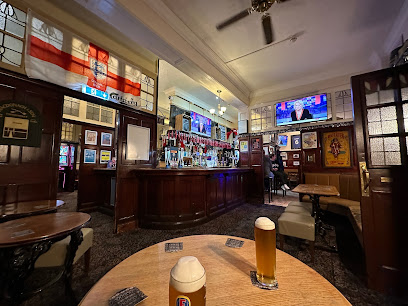
Trebles
17.8 km
Lincoln’s lively and affordable evening bar with fresh decor, great drinks, and a welcoming vibe in the heart of Saltergate.
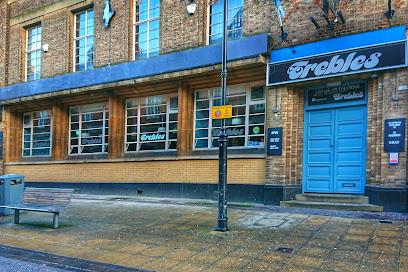
The Dog and Bone
17.8 km
A welcoming Lincoln pub with great ales, folk music gigs, and a charming beer garden in a cozy community setting.
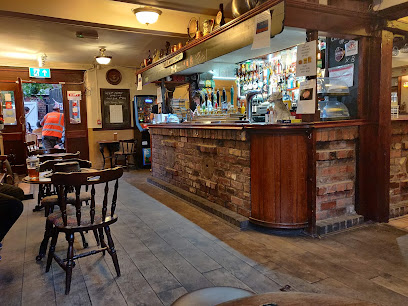
Red Five
17.9 km
Vibrant bar with friendly vibes and affordable drinks in Lincoln’s historic city centre nightlife scene.
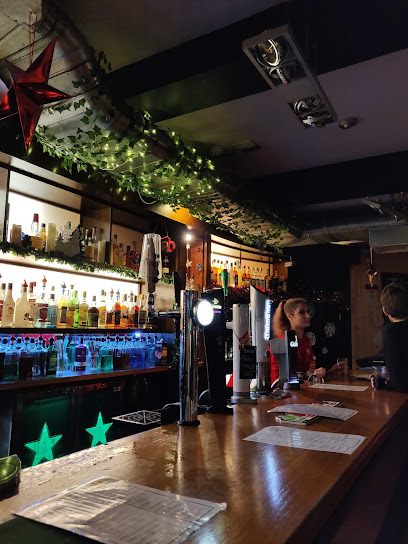
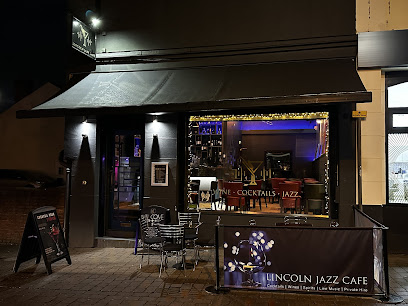
Lincoln Jazz Cafe
17.9 km
Lincoln Jazz Cafe blends intimate live jazz with masterful cocktails in a cozy vintage setting, a hidden gem in Lincoln’s heart.
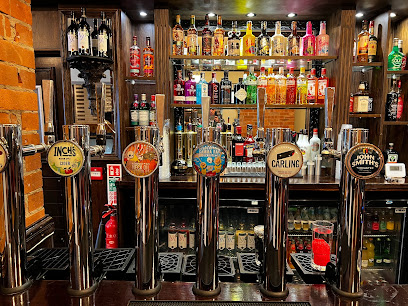
The Dandy Lion
17.9 km
Lively Lincoln pub blending craft drinks, hearty meals, and live events in a welcoming, casual setting on Newland.
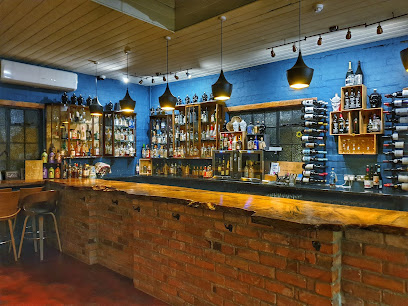
The Pessimist Gin and Wine Bar
17.9 km
Lincoln’s premier wine and gin bar offering expert pairings, locally sourced small plates, and a welcoming, stylish atmosphere.
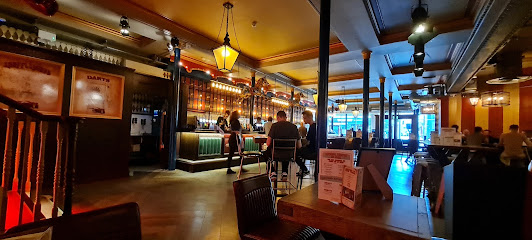
Carousel Bar Lincoln
17.9 km
A lively Lincoln hotspot blending inventive cocktails, street food, and arcade games for an unforgettable social experience.
Home
17.9 km
Lincoln’s lively bar and nightclub offering great value drinks, quality food, live music, and a safe, fun atmosphere for memorable nights out.
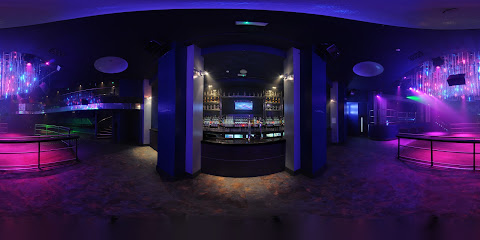
The Electric Bar
18.0 km
Elevated waterfront cocktails and dining with panoramic views over Lincoln’s Brayford Wharf.
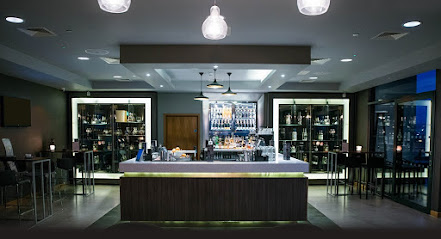
Vice & Co
18.0 km
Experience expertly crafted cocktails and a stylish speakeasy vibe at Vice & Co, Lincoln’s premier cocktail bar on Corporation Street.
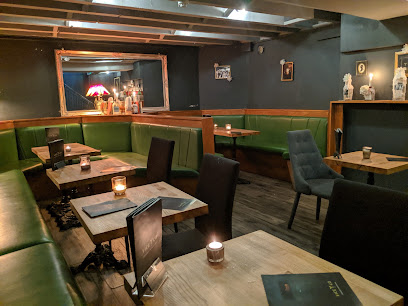
Slug & Lettuce - Lincoln
18.0 km
Lively cocktail bar and restaurant on Lincoln’s historic High Street, perfect for drinks, dining, and social nights out.
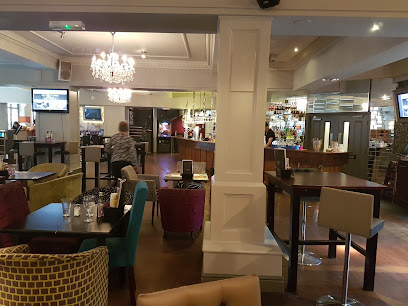
The Horse & Groom - Pub & Kitchen
18.1 km
Historic 18th-century Lincoln pub offering hearty British cuisine, local ales, and a welcoming atmosphere just steps from the city centre.
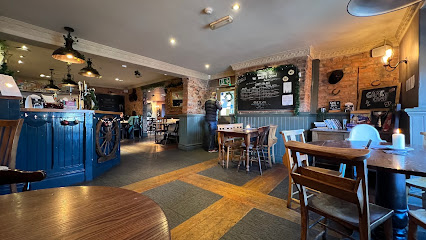
Nightclubs & after hour spots

Lincoln Rock N Roll Club
13.1 km
A vibrant rock and roll nightspot in Waddington offering affordable drinks, energetic dancing, and a welcoming community atmosphere.
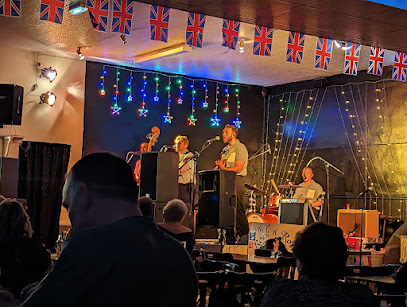
Void Nightclub
17.9 km
Lincoln’s stylish hotspot for electronic dance music, vibrant nights, and unforgettable clubbing experiences.
Club Desire
18.0 km
Experience Lincoln’s vibrant nightlife at Club Desire, where luxury meets affordability in a lively, welcoming gentlemen’s club setting.
Popworld - Lincoln
18.0 km
Popworld Lincoln: Where cheesy pop hits and vibrant nightlife create unforgettable party nights on High Street.
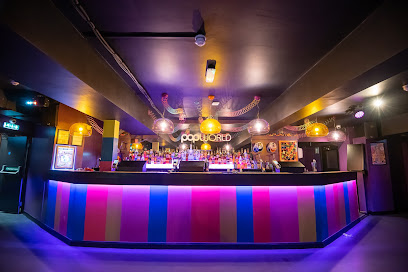
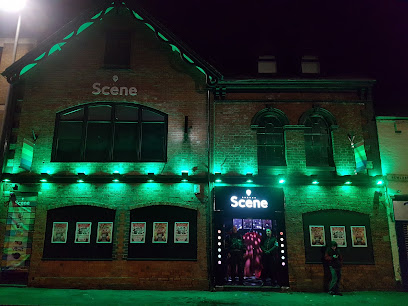
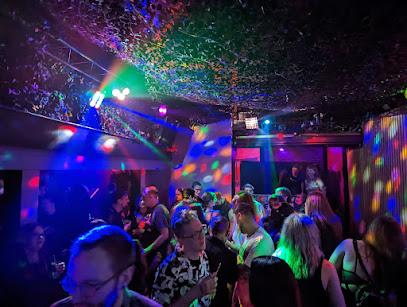
The Scene
18.0 km
Lincoln’s vibrant two-floor nightclub and LGBTQ+ venue, open nightly with diverse events and a welcoming atmosphere.
Sugarcubes Nightclub
18.0 km
Energetic and affordable nightlife in Lincoln with a unique cube-themed vibe and friendly atmosphere.
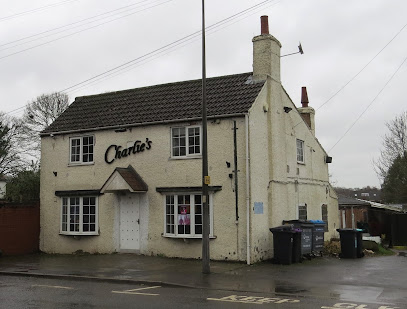
Charlie's Nightclub
21.7 km
Experience Coningsby's vibrant nightlife at Charlie's Nightclub, where lively music and a welcoming atmosphere create unforgettable evenings.
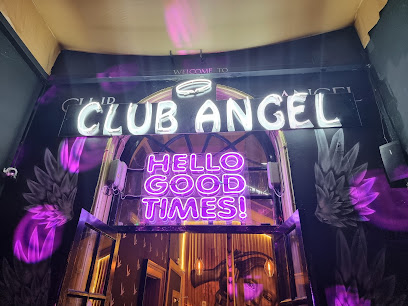
Club Angel
33.2 km
Experience stylish nightlife and vibrant weekend parties at Club Angel, Boston’s elegant hotspot for late-night entertainment.
Tubes
42.8 km
Energetic nightlife and affordable drinks come alive at Tubes, Melton Mowbray’s go-to nightclub and bar for fun and dancing.
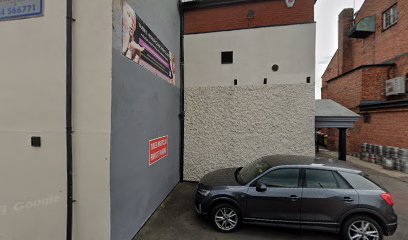
The Brickworks
44.8 km
Nottingham's raw warehouse heartbeat: intimate DJ nights, killer cocktails, and pure underground energy in a brick-clad haven.
NG-One
45.1 km
A large, late‑night Nottingham club with multiple dancefloors, strong sound and long weekend hours — built for night owls and student crowds.
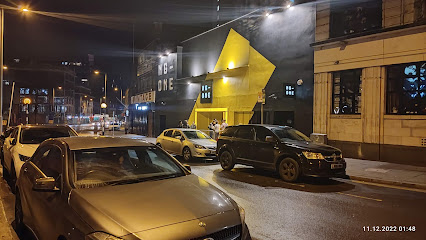
Eleven
45.2 km
A lively, multi-bar nightclub in Nottingham’s Hockley district, famed for great cocktails, student nights, and an intimate yet energetic party vibe.
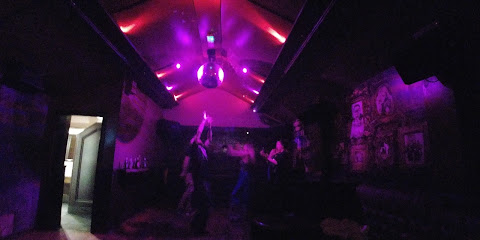
The Bodega Nottingham
45.4 km
Intimate two-level live-music bar and late-night club on Pelham Street — gritty, affordable and centred on close-up gigs and local sounds.
Tantra Night Clubs
45.4 km
Dive into Nottingham's electric nightlife at Tantra Night Clubs, where pulsating beats, dazzling lights, and stylish vibes create unforgettable nights of dance and discovery in the city center.
The Cell
45.4 km
Dive into Nottingham's pulsing heart at The Cell, where affordable drinks, diverse beats, and Hockley's electric vibe fuel unforgettable nights of dance and discovery.

For the vibe & atmosphere seeker
- Tranquil
- Scenic
- Unique
- Historic
For the design and aesthetic lover
- Rustic Designs
- Vintage Styles
For the architecture buff
- Historic
- Landmarks
- Heritage Neighborhoods
For the view chaser and sunset hunter
- Iconic Views
- Panoramas
For the social media creator & influencer
- Instagrammable
- Photo Spots
- Architectural Shots
For the eco-conscious traveler
- Protected Area
- Public-Transport Accessible
- Locally Managed
For the kind of experience you’re after
- Cultural Heritage
- Myth & Legends
- Photowalk
- Day Trip
- Weekend Getaway
For how adventurous you want the journey to be
- Easy Access
Location Audience
- Family Friendly
- Senior Friendly
- Child Friendly
- Teen Friendly
- Solo Friendly
- Couple Friendly
- Vegetarian Friendly
- Vegan Friendly


