
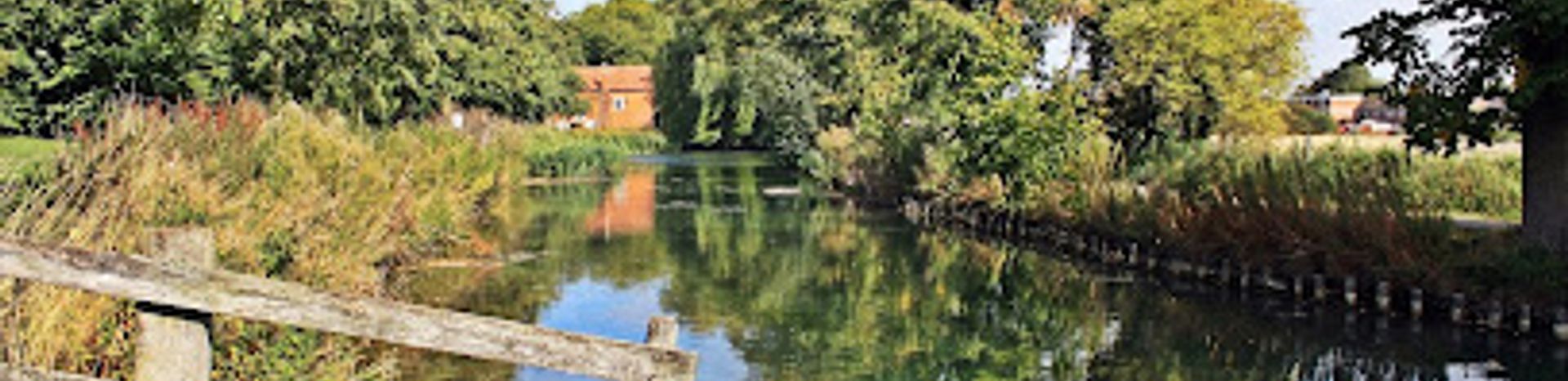
Cogglesford Watermill: A Living Heritage of Sleaford’s Milling Past
Discover England’s only working Sheriff’s watermill, where centuries of milling history and riverside charm come alive in Sleaford.
Cogglesford Watermill, nestled on the banks of the River Slea in Sleaford, Lincolnshire, is a fully restored working watermill with origins dating back over 1,000 years. Known as the only Sheriff’s watermill still operational in England, it features an 18th-century red-brick building, a low breast shot waterwheel, and two sets of millstones. Visitors can witness traditional stone-ground flour production and enjoy the picturesque riverside setting, enriched by a deep history intertwined with the town’s growth.
A brief summary to Cogglesford Watermill
- E Gate, Sleaford, NG34 7EA, GB
- +441529413671
- Visit website
- Duration: 1 to 3 hours
- Mid ranged
-
 Outdoor
- Mobile reception: 4 out of 5
- Monday 12 pm-4 pm
- Friday 12 pm-4 pm
- Saturday 12 pm-4 pm
- Sunday 12 pm-4 pm
Local tips
- Visit on the second Sunday of each month to see the mill fully operational during Milling Days.
- Book the ‘Apprentice for an Afternoon’ milling experience for a hands-on session milling your own flour.
- Enjoy refreshments in the riverside setting, with seasonal options like ice cream in summer and hot drinks in winter.
- Join the free guided history tours held on the fourth Saturday of every month for deeper insights.

For the on-the-go comforts that matter to you
- Restrooms
- Drink Options
- Food Options
- Seating Areas
- Information Boards
- Visitor Center
Getting There
-
Bus
Take the Stagecoach bus service from Lincoln city center to Sleaford, which takes approximately 45 to 60 minutes. From Sleaford town center, it is about a 20-minute walk to Cogglesford Watermill. Bus tickets cost around £5-£7 one way. Service frequency varies, so check the timetable in advance.
-
Train and Walk
Travel by train to Sleaford railway station from Lincoln or other regional hubs; journey times range from 20 to 40 minutes. From the station, the mill is a 25-minute walk through town along mostly flat terrain. Train fares typically range between £6 and £12 depending on the departure point.
-
Car
Driving to Cogglesford Watermill from Lincoln takes about 30 minutes via A15 and local roads. Limited parking is available near the mill and in Sleaford town center. Parking is free but can be busy on event days. Note that the mill area is quiet and best accessed during opening hours.
Cogglesford Watermill location weather suitability
-
 Any Weather
-
 Clear Skies
-
 Mild Temperatures
-
 Rain / Wet Weather
Discover more about Cogglesford Watermill
Ancient Roots and Historical Significance
Cogglesford Watermill stands on a site where milling has taken place since Saxon times, making it one of the oldest continuously used milling locations in England. The earliest mills here were simple wooden structures powered by the River Slea, serving the local agrarian community by grinding barley, rye, and wheat. By the 12th century, the mill was recorded as part of the holdings of the Bishop of Lincoln, functioning as a Sheriff’s mill where local farmers were obliged to have their grain milled. This connection elevated the mill’s importance, intertwining its fate with the development of Sleaford as a market town.Architecture and Machinery of the 18th Century
The present mill building predominantly dates from the early 1700s, constructed of warm red brick and standing three stories tall. Its design includes a low breast shot waterwheel, which harnesses the flow of the River Slea to power two sets of millstones inside. An extension added in the early 19th century expanded its capacity. The mill’s machinery is a blend of traditional wooden components and later iron parts, reflecting adaptations through the Industrial Revolution to maintain its relevance amid changing technologies. The building’s robust structure and historic machinery have been carefully restored to working order, allowing visitors to see flour produced as it was centuries ago.Resilience Through Challenges and Restoration
Over its long history, Cogglesford Watermill has faced natural and human challenges, including flooding from the River Slea and fires caused by flour dust and mechanical friction. Each time, the mill was rebuilt or repaired with community support, demonstrating its valued place in local heritage. By the mid-20th century, the mill’s commercial use declined due to competition from larger industrial roller mills and cheaper flour imports. However, a dedicated group of local historians and volunteers undertook extensive restoration efforts, including rehanging the waterwheel and sourcing rare timbers, to revive the mill as a working heritage site.Visitor Experience and Educational Opportunities
Today, Cogglesford Watermill operates as a museum and cultural attraction, open Friday through Monday from noon to 4 pm. On special milling days, visitors can watch the entire process of stone-ground flour production, from grain to bagging. The mill offers guided history tours, group visits, and unique milling experiences where guests can become ‘Apprentices for an Afternoon’ and operate the machinery themselves. The onsite shop sells freshly milled flour alongside local produce, and the riverside setting provides a tranquil spot to enjoy refreshments. The mill also hosts regular events and workshops that engage all ages with the region’s milling heritage.The Mill’s Place in Lincolnshire’s Landscape
Situated just south of Lincoln in the historic market town of Sleaford, the mill’s location on the River Slea places it within a landscape once dotted with numerous watermills—historical records note as many as 18 along this short river stretch. Cogglesford remains the most significant and best-preserved of these. Its peaceful riverside environment, complete with wildlife such as swans and birds, complements the industrial heritage, offering visitors a unique blend of natural beauty and cultural history.Living History and Community Spirit
Cogglesford Watermill is more than a static museum; it is a living piece of history maintained by passionate staff and volunteers. The mill’s continued operation connects modern visitors with centuries of rural life, agricultural practices, and technological evolution. Its survival and restoration reflect the community’s dedication to preserving local identity and heritage, making it an essential cultural landmark in Lincolnshire.Iconic landmarks you can’t miss

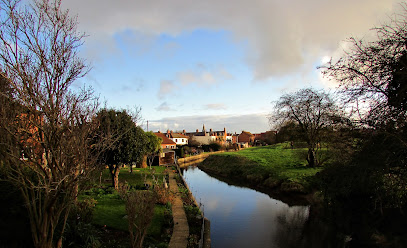
Sleaford Castle
1.2 km
Explore the evocative ruins of Sleaford Castle, a medieval fortress steeped in centuries of ecclesiastical history and local heritage.
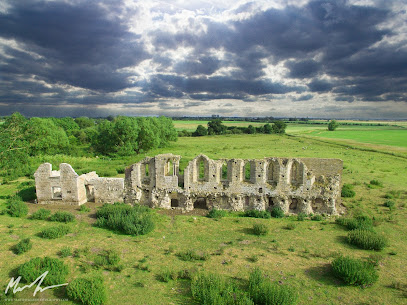
Tupholme Abbey
23.1 km
Medieval monastery transformed: where Premonstratensian canons once prayed, Tudor mansions rose and farmland endured.
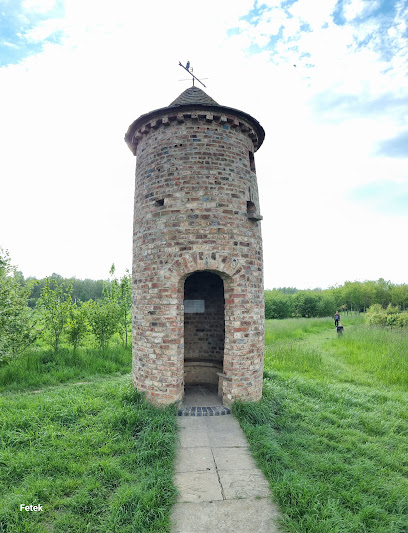
Lincolnshire Road Victims Memorial
23.2 km
A solemn memorial in Wyberton honoring lives lost on Lincolnshire’s roads, set within peaceful Sir Joseph Banks Country Park.
Lincoln War Memorial
26.9 km
A timeless symbol of unity and freedom, the Lincoln Memorial stands proudly at the heart of Washington, D.C.'s National Mall.
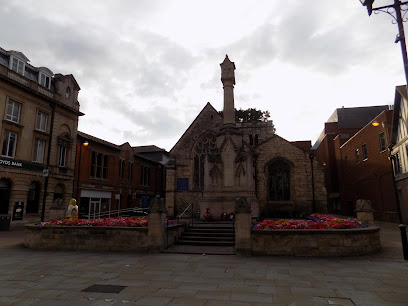
Priory Arch
27.4 km
A majestic Victorian Gothic arch marking the historic entrance to Lincoln’s cathedral quarter and the ancient Bailgate street.
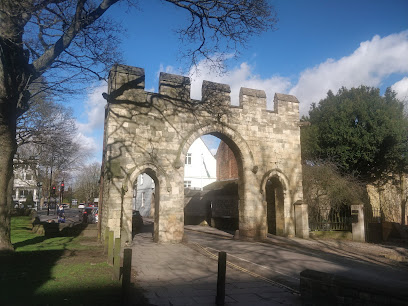
Exchequer Gate
27.4 km
Step through Exchequer Gate, a majestic 14th-century medieval archway guarding Lincoln’s historic heart between Castle and Cathedral.
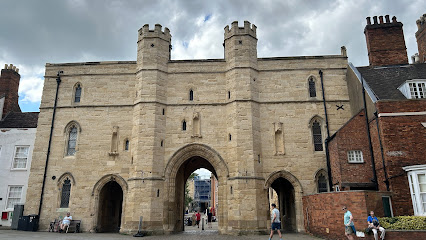
North Tower of the East Gate of the Wall of Roman Lindum Colonia (Lincoln)
27.5 km
Explore the impressive Roman North Tower of the East Gate, a gateway to Lincoln’s ancient Lindum Colonia and a testament to Roman urban grandeur.
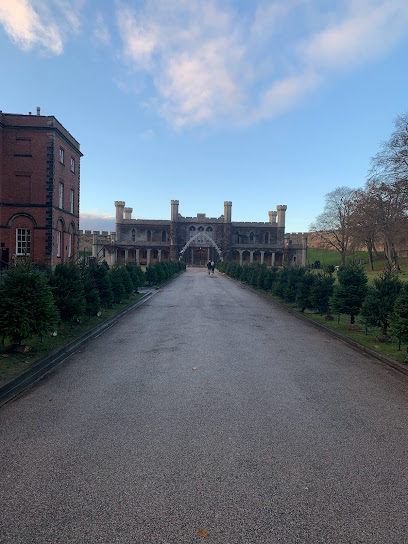
St Leonard's Priory, Stamford
38.9 km
Discover the serene beauty and rich history of St Leonard's Priory in Stamford, a captivating medieval gem waiting to be explored.
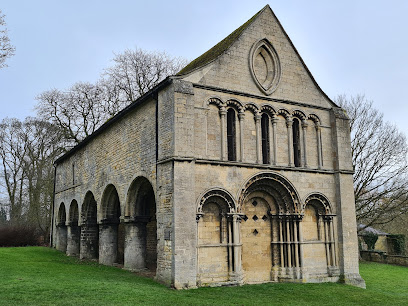
Stamford Castle
39.4 km
Discover the Norman heritage and medieval echoes at Stamford Castle, a historic motte and bailey fortress nestled in the heart of Lincolnshire.
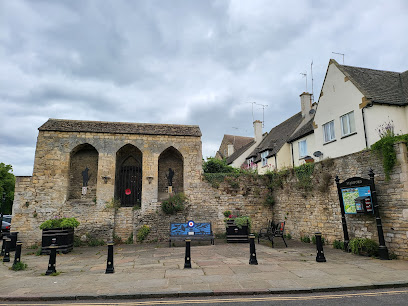
Trinity Bridge
39.5 km
A unique 14th-century three-way stone bridge in the heart of Crowland, once spanning two rivers, now a striking medieval monument in the town centre.
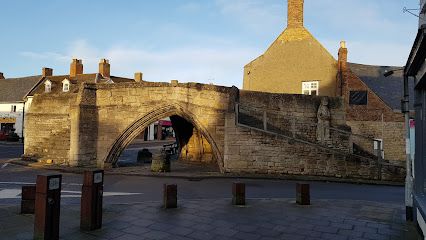
Oakham Castle
42.9 km
England's finest Norman Great Hall, crowned with 240+ royal horseshoes and 800 years of justice.
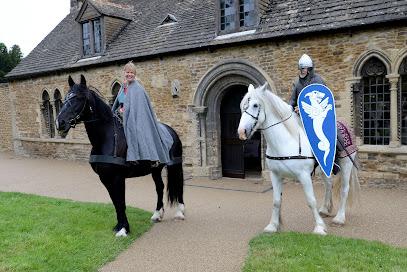
All Saints Church : Oakham
42.9 km
Medieval marvel crowned by a soaring Gothic spire, where intricate stone carvings and Victorian craftsmanship create timeless beauty.
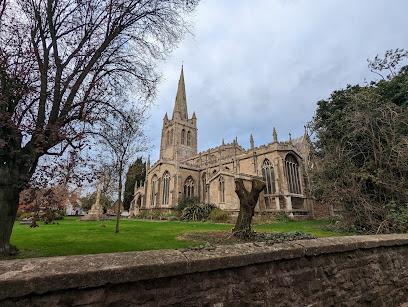
Sacrewell Farm
45.9 km
Experience the magic of countryside life at Sacrewell Farm, a delightful destination for families with engaging activities, delicious food, and rich history.
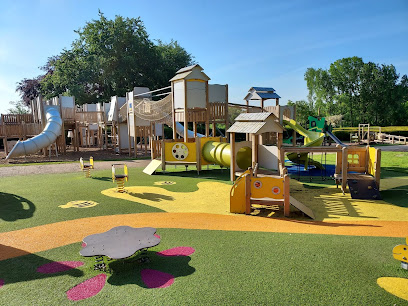
Lincolnshire Wolds National Landscape
46.0 km
Explore the serene beauty of Lincolnshire Wolds National Landscape, a perfect escape for nature lovers and adventure seekers alike.
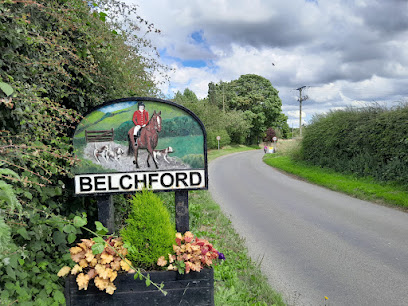
Burrough Hill - Iron Age Hillfort
46.3 km
Discover the wonders of Burrough Hill, an ancient Iron Age hillfort, where history meets breathtaking views in the heart of Leicestershire's countryside.
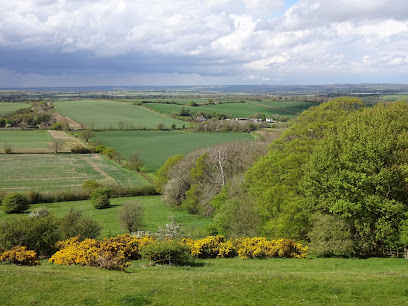
Unmissable attractions to see

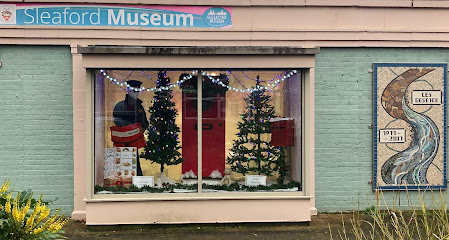
Sleaford Museum
0.8 km
Discover Sleaford’s rich heritage through engaging exhibits and community stories at this volunteer-run local history museum with free entry.
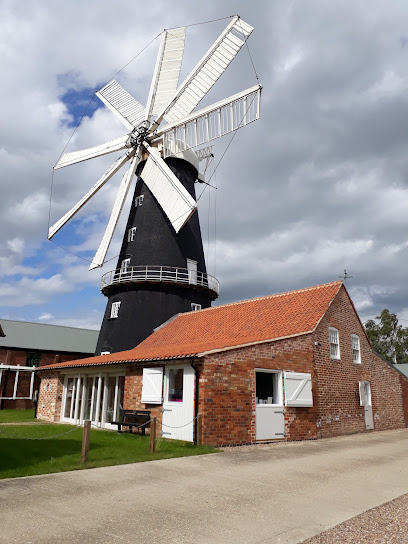
Heckington Windmill
7.5 km
Explore the world’s only eight-sailed windmill, a living heritage site blending history, milling, craft brewing, and community spirit in Lincolnshire.
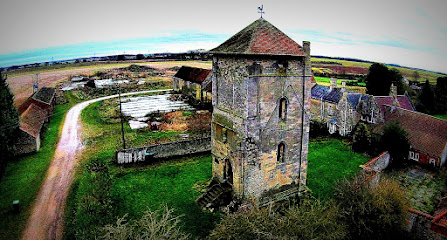
Temple Bruer Knights Templar Preceptory Tower
10.0 km
Explore the hauntingly preserved 13th-century Knights Templar tower on Lincoln Heath, a rare glimpse into medieval military and religious history.
Bellmount Tower
14.5 km
Experience the charm of Bellmount Tower, a historic landmark offering breathtaking views and scenic walks in the heart of Lincolnshire's countryside.

Belton Park
15.5 km
Explore 1,300 acres of historic gardens, ancient woodlands, and family-friendly adventures at Belton Park near Grantham.

Belton Park walk
16.0 km
Explore Belton Estate’s majestic house, exquisite gardens, and vast parkland for a perfect blend of history, nature, and family fun.

Tattershall Farm Park
16.7 km
A delightful family farm park in Lincolnshire offering animal encounters, soft play, and seasonal events for children under 10.
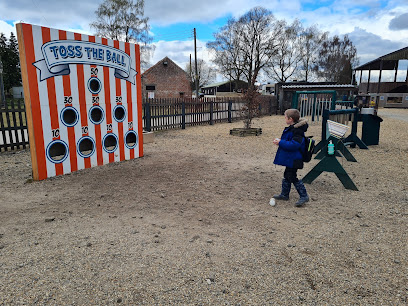
National Trust - Tattershall Castle
17.7 km
Explore Tattershall Castle’s towering medieval brick Great Tower and tranquil moated grounds, a stunning symbol of power and heritage in Lincolnshire.
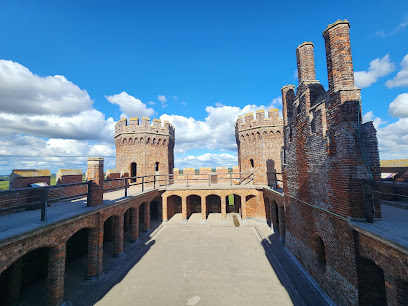
Battle Of Britain Memorial Flight Visitors Centre
18.2 km
Explore iconic WWII aircraft and honor RAF heroes at the living memorial of the Battle of Britain Memorial Flight in Lincolnshire.
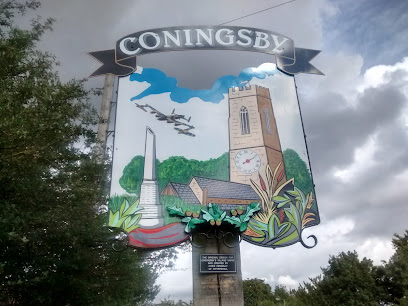
Grantham House
18.7 km
Discover Grantham House, a tranquil historic retreat with lush gardens and a cozy café tucked behind St Wulfram's Church in the heart of Grantham.

Margaret Thatcher birthplace
19.0 km
Explore the modest birthplace of Britain’s first female Prime Minister in Grantham, where history and legacy converge on Broad Street.

Grantham Museum
19.0 km
Explore Grantham’s rich heritage and meet its famous figures at this community-driven museum in a charming historic setting.

Kirkstead Abbey
19.3 km
Explore the evocative ruins of Kirkstead Abbey, a 12th-century Cistercian monastery steeped in medieval history and tranquil Lincolnshire countryside.
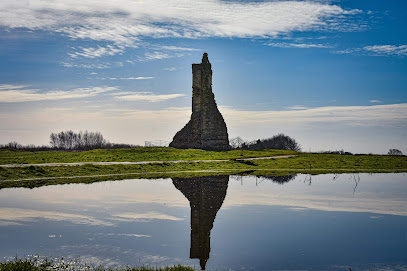
Dambusters Memorial
20.6 km
A solemn and striking memorial in Woodhall Spa honoring the bravery and sacrifice of the legendary Dambusters of No. 617 Squadron.
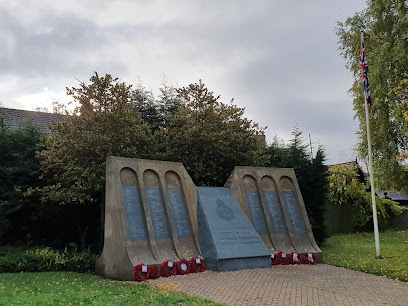
Woodhall Spa Cottage Museum
21.1 km
Discover the charming history and heritage of Woodhall Spa in this intimate cottage museum filled with local stories and artifacts.
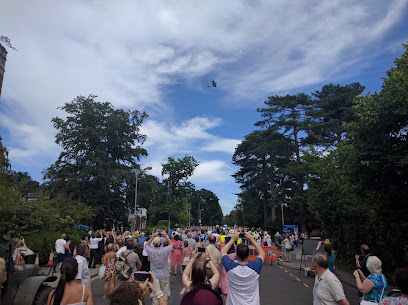
Essential places to dine

The Leagate Inn
20.7 km
A cozy Lincolnshire pub with inviting rooms, excellent food, and a relaxing beer garden in the heart of Coningsby village.
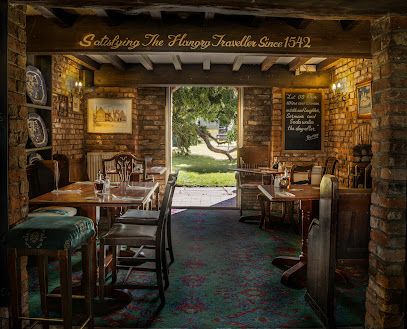
The Petwood Hotel
21.2 km
Historic charm meets tranquil gardens and refined comfort at The Petwood Hotel, Woodhall Spa’s iconic country retreat.
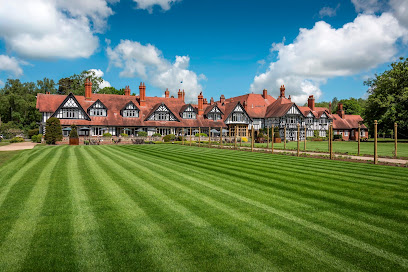
The Five Bells
21.4 km
A cozy English pub in Bassingham serving hearty British classics with a warm, welcoming atmosphere and seasonal specialties.
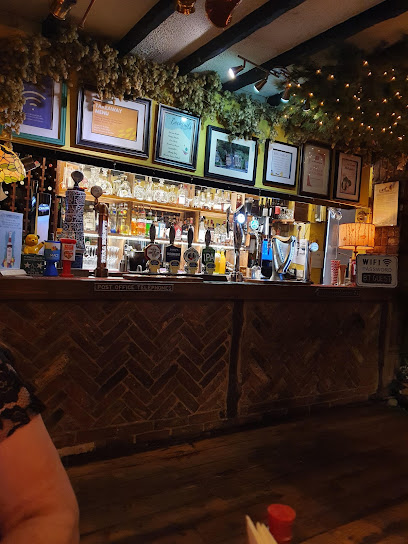
Homestead
23.6 km
A historic Grade II listed countryside pub in Bracebridge Heath offering hearty British classics and a warm, inviting atmosphere near Lincoln.
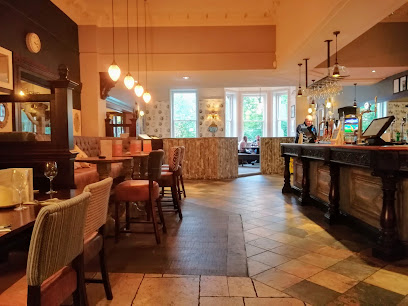
Premier Inn Lincoln (Canwick) hotel
24.7 km
Discover comfort and convenience at Premier Inn Lincoln (Canwick), your gateway to exploring historic Lincoln's treasures.
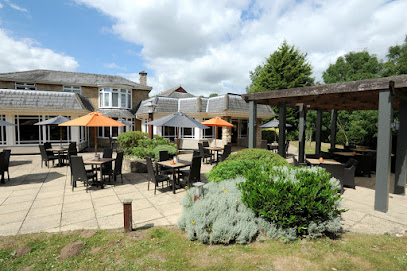
Mill Lodge Beefeater
24.7 km
Family-friendly steakhouse in Lincoln offering aged grills, classic British roasts, and hearty breakfasts in a cozy farmhouse setting.
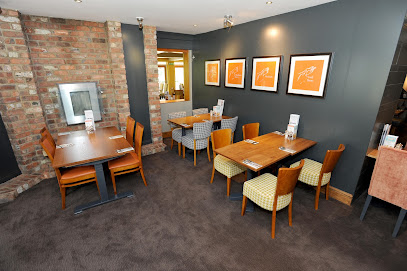
Windmill Farm - Dining & Carvery
26.5 km
A welcoming farmhouse pub and carvery in Lincoln serving hearty daily roasts and classic British dishes in a relaxed, family-friendly setting.

The Botanist Lincoln
26.7 km
A secret garden of botanical cocktails, seasonal cuisine, and live music in historic Lincoln.
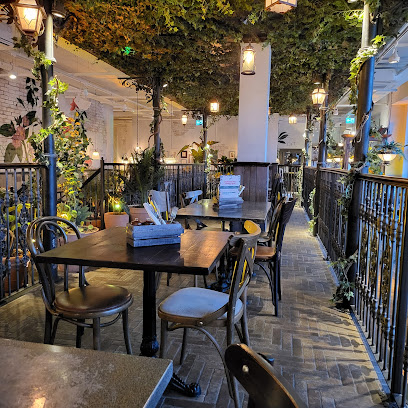
Cosy Club
26.8 km
Eclectic dining and vibrant drinks in Lincoln’s historic Corn Exchange with a quirky, vintage-inspired atmosphere.
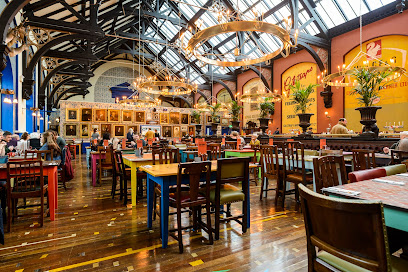
Turtle Bay Lincoln
26.8 km
Experience vibrant Caribbean flavors, tropical cocktails, and reggae vibes at Turtle Bay Lincoln’s lively Central Market venue.
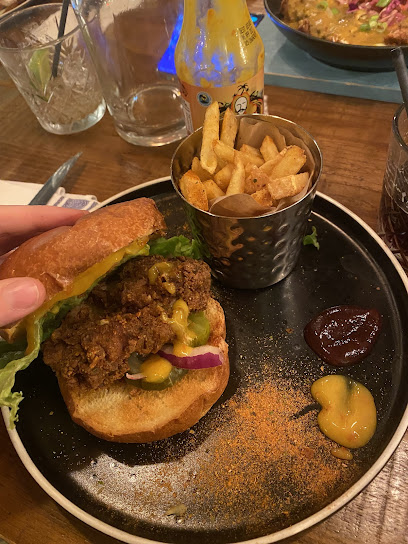
Premier Inn Lincoln City Centre
26.9 km
Modern comfort and friendly service in Lincoln’s historic heart, steps from the Cathedral and Castle.
The Square Sail - JD Wetherspoon
27.0 km
Affordable waterfront pub in Lincoln offering classic British fare, quick service, and a relaxed atmosphere with scenic marina views.
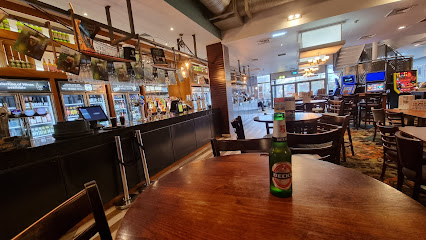
Harvester Brayford Wharf Lincoln
27.1 km
Casual British dining with a family-friendly vibe and scenic riverside views at Lincoln’s Brayford Wharf.
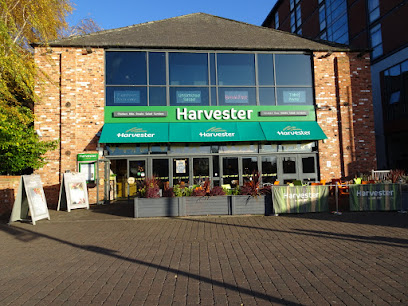
Holiday Inn Lincoln, an IHG Hotel
27.2 km
Modern comfort and scenic waterfront views converge at Holiday Inn Lincoln, your gateway to the vibrant heart of Lincoln.
The Rest Hotel
27.3 km
Boutique 5-star comfort on Lincoln’s historic Steep Hill, blending modern luxury with medieval charm and a renowned coffee shop.
Markets, malls and hidden boutiques

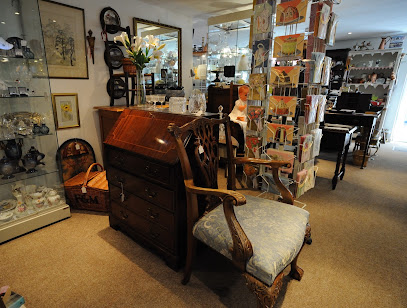
Navenby Antiques Centre
14.4 km
Discover timeless treasures and local heritage in the heart of Navenby’s charming antiques centre.
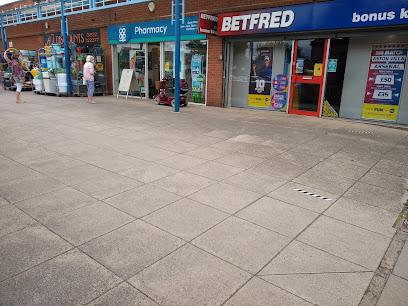
Brant Road Shopping Centre
23.5 km
A compact and community-focused shopping centre in Lincoln with diverse shops and eateries open daily from early morning to late evening.
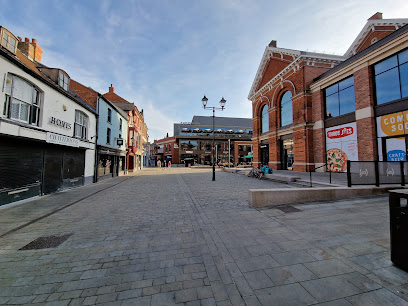
Cornhill Quarter
26.7 km
Discover Lincoln’s Cornhill Quarter, a vibrant blend of shopping, dining, culture, and entertainment at the city’s lively heart.
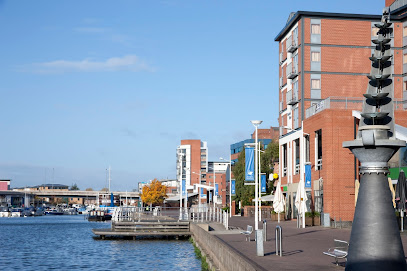
Waterside Shopping Centre
26.9 km
Compact and vibrant shopping hub in Lincoln’s city centre with popular brands, eateries, and family-friendly amenities.
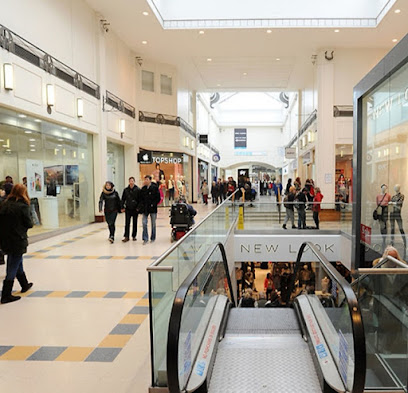
Primark
26.9 km
Discover affordable fashion and homeware for all ages in the heart of Lincoln’s vibrant High Street.
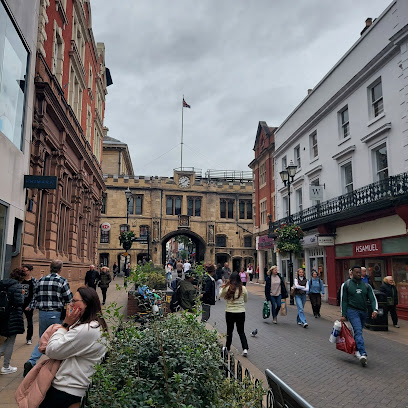
Lincoln Antiques & Collectables
27.2 km
Discover timeless treasures and vintage charm at Lincoln Antiques & Collectables, nestled on historic Steep Hill in the heart of Lincoln.
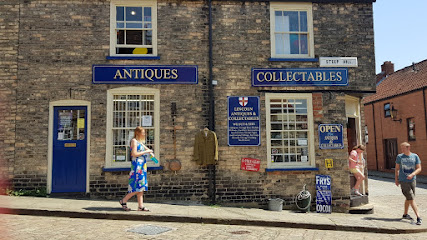
Birchwood Shopping Centre
27.2 km
A convenient and community-focused shopping destination in Lincoln’s Birchwood, offering diverse retail, dining, and essential services.
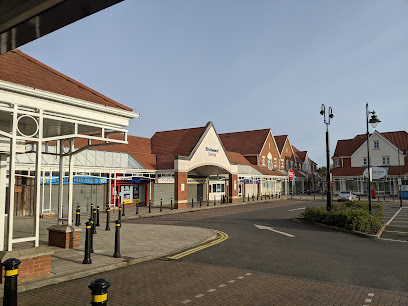
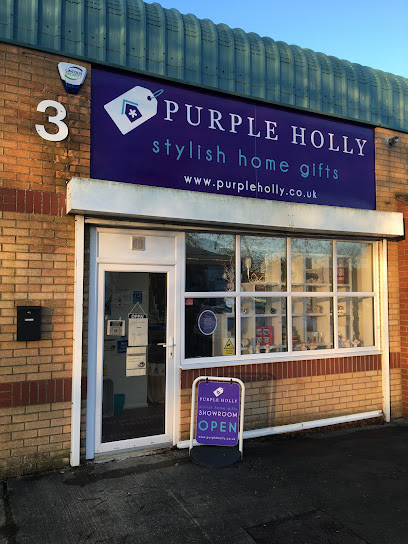
Purple Holly
27.3 km
Discover stylish gifts and charming homewares inspired by Lincolnshire’s countryside at Purple Holly, your boutique destination in Lincoln’s Newporte Business Park.
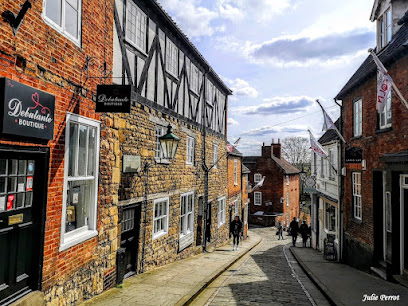
Debutante Boutique
27.3 km
Affordable, stylish ladies' clothing and accessories with French and Italian flair on Lincoln’s historic Steep Hill.
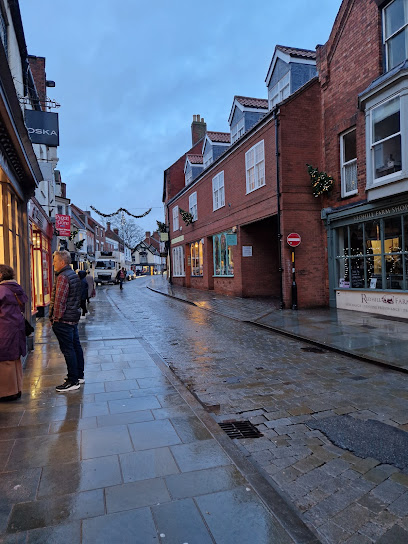
Pretty Little / Noa Noa
27.5 km
Discover unique ladies' fashion in the charming historic Bailgate district of Lincoln, blending style with personalized service.
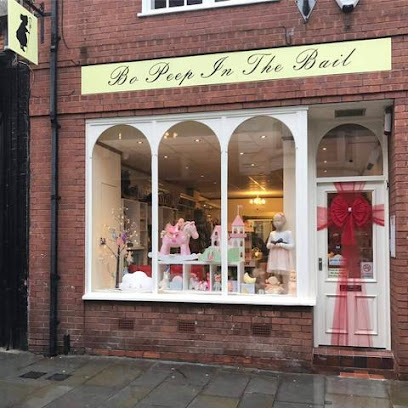
Bo Peep Boutique
27.5 km
Family-run children's clothing and toy boutique in Lincoln offering quality brands and charming gifts in a warm, historic setting.
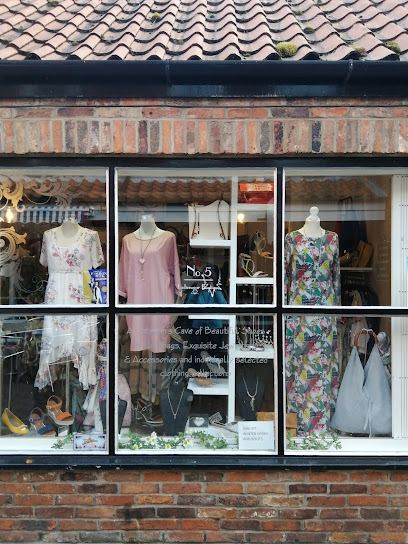
No.5 ladieswear boutique
27.6 km
Discover stylish designer ladieswear, handbags, and accessories at No.5 Ladieswear Boutique, Lincoln’s charming fashion destination.
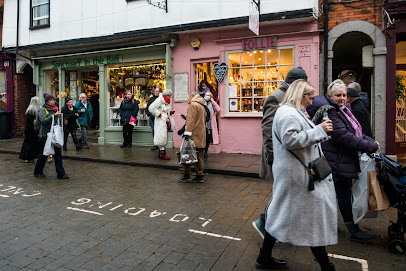
Follie
27.6 km
A charming independent gift shop in Lincoln’s historic Cathedral Quarter, offering unique home accessories, jewellery, cards and vintage-inspired finds.
Object & line
27.6 km
Discover unique gifts and charming treats at Object & Line, Lincoln’s boutique of curated creativity and personal service.
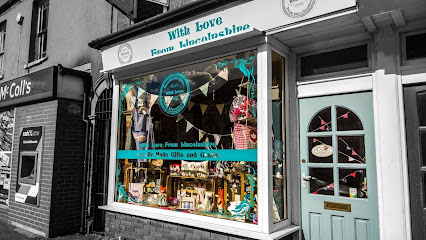
Pre-Loved From Lincolnshire
28.3 km
Discover unique handmade gifts and quality preloved treasures crafted and curated by local Lincolnshire artisans.
Essential bars & hidden hideouts

The Tattershall Park Country Pub and Kitchen
16.8 km
A contemporary country pub with unique themed interiors, fresh pub classics, and a welcoming garden terrace in historic Tattershall.
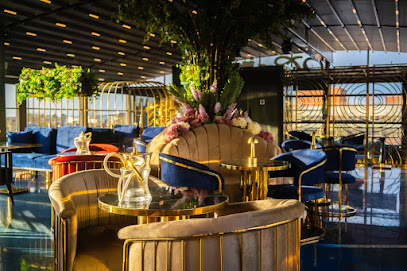
Unique Lounge Bar
25.2 km
Experience refined Japanese-inspired luxury and vibrant nightlife in Lincolnshire’s largest and most opulent lounge bar.
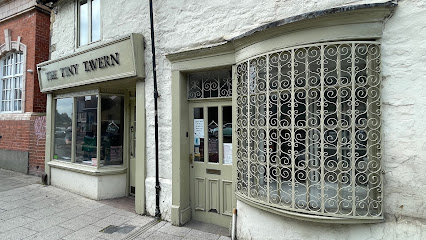
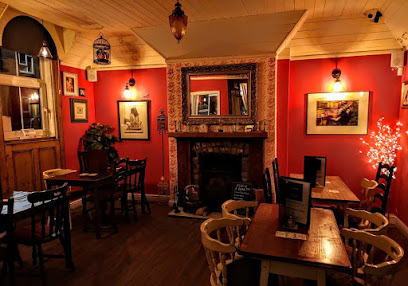
The Tiny Tavern
26.3 km
A cozy, historic Lincoln bar offering expertly curated real ales and a hidden garden oasis in charming 17th-century cottages.
The Birdcage Pub Lincoln
26.7 km
A lively Lincoln pub with quirky charm, diverse ales, creative events, and a welcoming community atmosphere.
The Dog and Bone
26.8 km
A welcoming Lincoln pub with great ales, folk music gigs, and a charming beer garden in a cozy community setting.
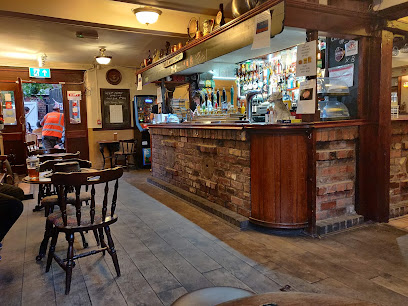
Still
26.9 km
A cosy, traditional pub in Lincoln offering great ales, live entertainment, and a welcoming atmosphere for all.
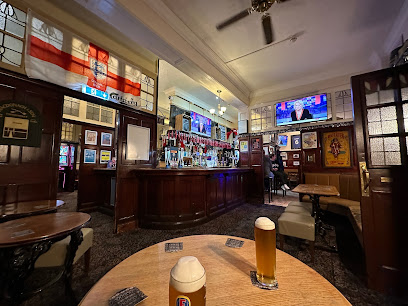
Trebles
26.9 km
Lincoln’s lively and affordable evening bar with fresh decor, great drinks, and a welcoming vibe in the heart of Saltergate.
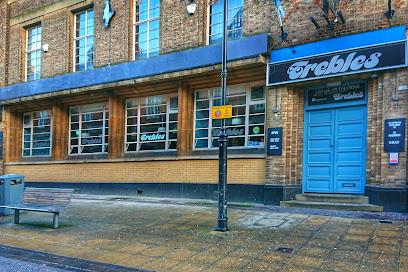
Red Five
27.0 km
Vibrant bar with friendly vibes and affordable drinks in Lincoln’s historic city centre nightlife scene.
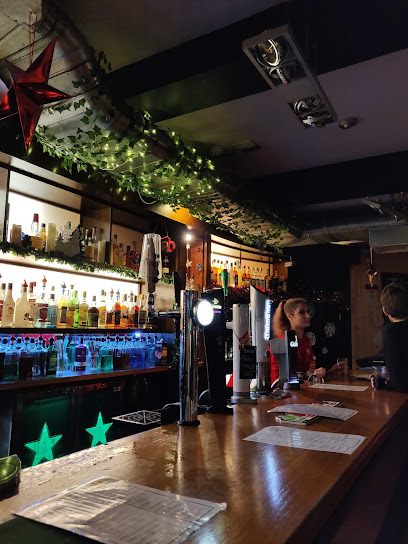
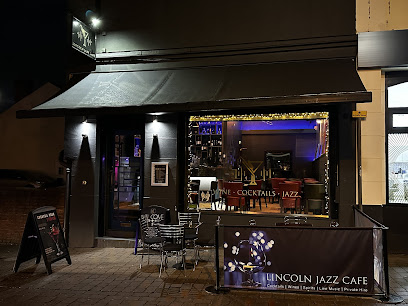
Lincoln Jazz Cafe
27.0 km
Lincoln Jazz Cafe blends intimate live jazz with masterful cocktails in a cozy vintage setting, a hidden gem in Lincoln’s heart.
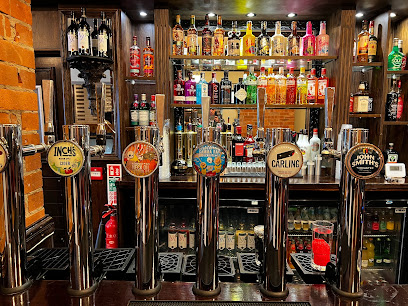
The Dandy Lion
27.1 km
Lively Lincoln pub blending craft drinks, hearty meals, and live events in a welcoming, casual setting on Newland.
Carousel Bar Lincoln
27.1 km
A lively Lincoln hotspot blending inventive cocktails, street food, and arcade games for an unforgettable social experience.
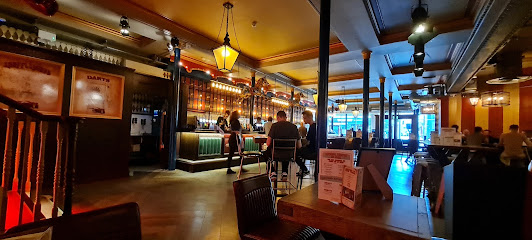
The Pessimist Gin and Wine Bar
27.1 km
Lincoln’s premier wine and gin bar offering expert pairings, locally sourced small plates, and a welcoming, stylish atmosphere.
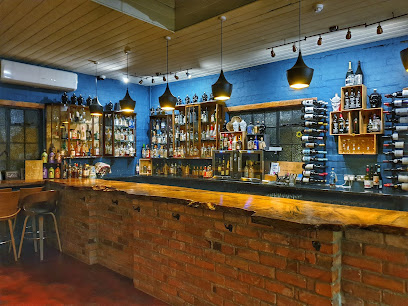
Home
27.1 km
Lincoln’s lively bar and nightclub offering great value drinks, quality food, live music, and a safe, fun atmosphere for memorable nights out.
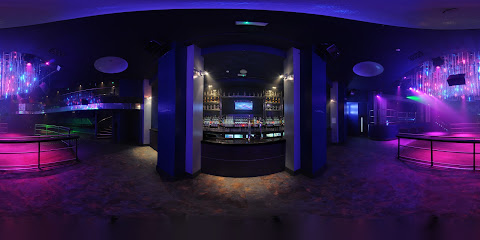
Vice & Co
27.1 km
Experience expertly crafted cocktails and a stylish speakeasy vibe at Vice & Co, Lincoln’s premier cocktail bar on Corporation Street.
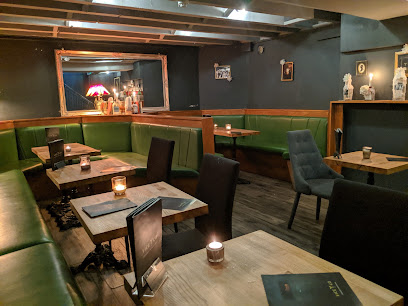
Slug & Lettuce - Lincoln
27.1 km
Lively cocktail bar and restaurant on Lincoln’s historic High Street, perfect for drinks, dining, and social nights out.
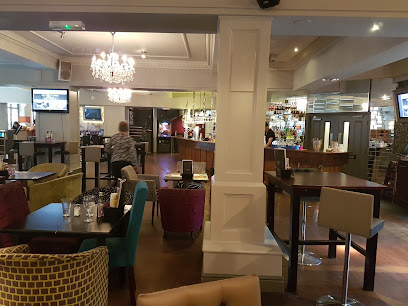
Nightclubs & after hour spots

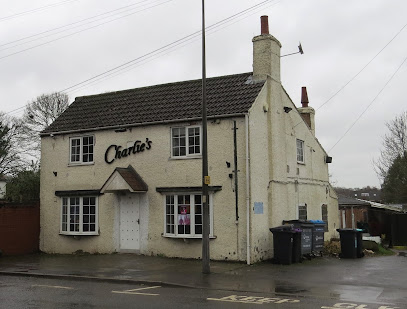
Charlie's Nightclub
18.9 km
Experience Coningsby's vibrant nightlife at Charlie's Nightclub, where lively music and a welcoming atmosphere create unforgettable evenings.
Lincoln Rock N Roll Club
22.8 km
A vibrant rock and roll nightspot in Waddington offering affordable drinks, energetic dancing, and a welcoming community atmosphere.
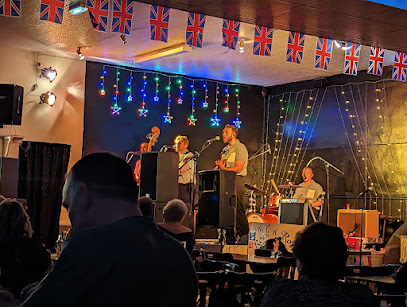
Club Angel
25.3 km
Experience stylish nightlife and vibrant weekend parties at Club Angel, Boston’s elegant hotspot for late-night entertainment.
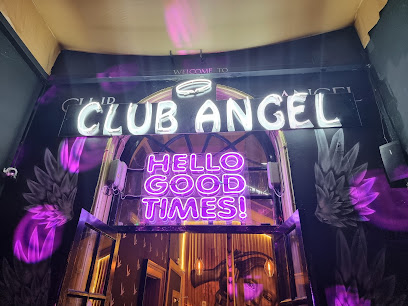
Void Nightclub
27.0 km
Lincoln’s stylish hotspot for electronic dance music, vibrant nights, and unforgettable clubbing experiences.
Club Desire
27.1 km
Experience Lincoln’s vibrant nightlife at Club Desire, where luxury meets affordability in a lively, welcoming gentlemen’s club setting.
Popworld - Lincoln
27.1 km
Popworld Lincoln: Where cheesy pop hits and vibrant nightlife create unforgettable party nights on High Street.
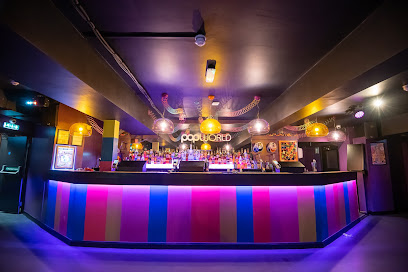
Sugarcubes Nightclub
27.1 km
Energetic and affordable nightlife in Lincoln with a unique cube-themed vibe and friendly atmosphere.

The Scene
27.2 km
Lincoln’s vibrant two-floor nightclub and LGBTQ+ venue, open nightly with diverse events and a welcoming atmosphere.
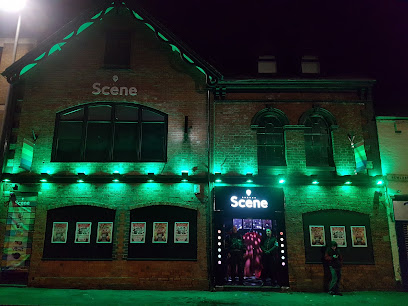
Tubes
41.9 km
Energetic nightlife and affordable drinks come alive at Tubes, Melton Mowbray’s go-to nightclub and bar for fun and dancing.
Angels Peterborough
48.6 km
Experience lively nightlife and captivating stage performances at Angels Peterborough, the city’s vibrant nightclub and bar on Brook Street.
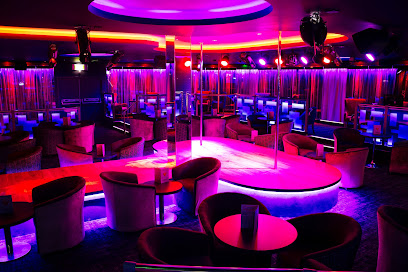
The Met Lounge
49.1 km
Peterborough’s vibrant live music venue and nightclub blending nostalgic charm with lively club nights and diverse musical acts.
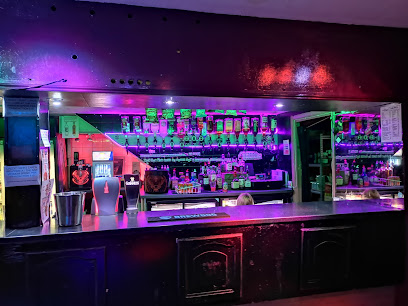
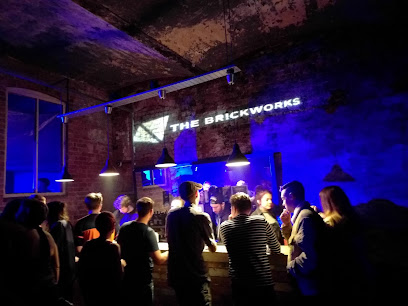
The Brickworks
49.5 km
Nottingham's raw warehouse heartbeat: intimate DJ nights, killer cocktails, and pure underground energy in a brick-clad haven.
NG-One
49.9 km
A large, late‑night Nottingham club with multiple dancefloors, strong sound and long weekend hours — built for night owls and student crowds.
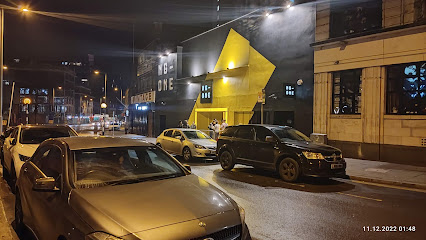
Eleven
50.0 km
A lively, multi-bar nightclub in Nottingham’s Hockley district, famed for great cocktails, student nights, and an intimate yet energetic party vibe.
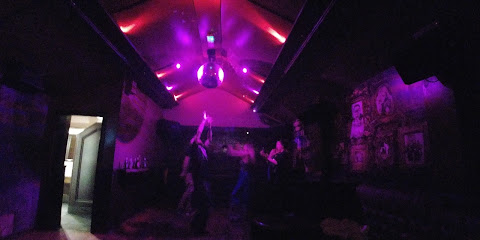
The Bodega Nottingham
50.2 km
Intimate two-level live-music bar and late-night club on Pelham Street — gritty, affordable and centred on close-up gigs and local sounds.
For the vibe & atmosphere seeker
- Relaxing
- Tranquil
- Scenic
- Cultural Heritage
- Unique
For the design and aesthetic lover
- Vintage Styles
- Rustic Designs
For the architecture buff
- Historic
- Landmarks
For the view chaser and sunset hunter
- Waterfront
- Iconic Views
For the social media creator & influencer
- Instagrammable
- Photo Spots
For the eco-conscious traveler
- Protected Area
- Public-Transport Accessible
- Locally Managed
For the kind of experience you’re after
- Cultural Heritage
- Photowalk
- Day Trip
- Weekend Getaway
For how adventurous you want the journey to be
- Easy Access
Location Audience
- Family Friendly
- Senior Friendly
- Child Friendly
- Teen Friendly
- Wheelchair Access
- Pet Friendly
- Solo Friendly
- Couple Friendly
- Vegetarian Friendly
- Vegan Friendly


