

Goodison Park, Liverpool Travel Guide
Experience the historic heart of Everton FC at Goodison Park, England’s pioneering football stadium steeped in tradition and iconic moments.
Goodison Park, located on Goodison Road in Liverpool, is one of England’s oldest major football stadiums and the historic home of Everton Football Club since 1892. Renowned for its classic architecture and rich football heritage, it has hosted landmark matches including FA Cup finals and World Cup games. With a seating capacity of over 40,000, the stadium combines tradition with passionate football culture in a vibrant urban setting.
A brief summary to Goodison Park
- Goodison Rd, Liverpool, L4 4EL, GB
- Click to display
- Click to display
- Duration: 1 to 3 hours
- Mid ranged
-
 Outdoor
- Mobile reception: 4 out of 5

Know before you go
Hi, I'm Eve. Here are a few practical things to know before exploring Goodison Park.
- Visit during a match day to experience the vibrant atmosphere and passionate Everton fan culture.
- Explore the stadium’s architectural features, especially the classic double-decker stands designed by Archibald Leitch.
- Check for guided tours offered by Everton FC to learn about the stadium’s rich history and heritage.
- Combine your visit with a stroll through nearby Stanley Park to enjoy green space in the city.
- Look out for memorabilia and historic displays inside the stadium to deepen your appreciation of Everton’s legacy.
Do you manage this location?
Take control to get all the benefits, like improved information, better appearance, and stronger visibility across AI-powered discovery. Learn more about listing your business on Evendo
Activate your presenceOther nearby places you may find interesting
The closest places of the same kind, if this one is not quite what you had in mind.

Explore Goodison Park on the Map
A handpicked selection of must-see spots near Goodison Park, mapped for you.
Unlock the Best of Goodison Park
Buy tickets
-
No tickets available
Book tours with entry
-
No tours available
Book tours without entry

Getting There
-
Train and Bus Combination
Take a train to Liverpool Lime Street station, then a local bus (routes 17 or 18) to Goodison Road. Total travel time is approximately 25-35 minutes. Buses run frequently but check schedules on weekends. Tickets cost around £3-£5 GBP.
-
Taxi or Rideshare
A taxi or rideshare from Liverpool city center to Goodison Park takes about 15-20 minutes depending on traffic. This option offers door-to-door convenience with fares typically between £8-£15 GBP.
-
Walking from Stanley Park
For those nearby, a pleasant 15-20 minute walk through Stanley Park leads directly to Goodison Park. The route is flat and accessible, suitable for most visitors.
For the on-the-go comforts that matter to you
-
 Restrooms
-
 Drink Options
-
 Food Options
-
 Seating Areas
-
 Information Boards
Discover more about Goodison Park
Origins and Early Development of Goodison Park
Goodison Park was officially opened on 24 August 1892, following Everton FC's departure from Anfield due to a rent dispute. The stadium was built on what was once a neglected piece of land known as Mere Green, transformed rapidly into a functional football ground. The initial layout included one covered stand and two uncovered terraces, along with a running track. The ground quickly gained prominence, hosting the 1894 FA Cup Final and establishing itself as a leading venue in English football.Architectural Evolution and Innovations
The stadium’s design evolved significantly in the early 20th century, with notable contributions from architect Archibald Leitch. Between 1907 and 1938, Goodison Park became the only British ground to feature four double-decker stands, including the Park End, Bullens Road, Gwladys Street End, and the Goodison Road Stand. Innovations such as England’s first dugouts in 1931 and the country’s first undersoil heating system in 1958 highlight its pioneering spirit. The 1971 construction of a three-tiered main stand further modernized the stadium while maintaining its historic character.Historic Matches and Cultural Significance
Goodison Park has been the stage for numerous historic football moments. It recorded its highest attendance of 78,299 during an Everton vs. Liverpool derby in 1948. The stadium was a key venue during the 1966 FIFA World Cup, hosting group matches, a quarter-final, and a semi-final. It also witnessed the first floodlit English football match in 1957. Beyond football, it has hosted unique events such as American baseball exhibitions in the 1920s, reflecting its versatile cultural role.Everton FC’s Legacy and Future Prospects
As Everton’s home for over a century, Goodison Park is deeply embedded in the club’s identity and local community. Despite plans for a new stadium at Bramley-Moore Dock set to open in the 2023-24 season, Goodison remains a cherished landmark. Its rich heritage, architectural uniqueness, and enduring atmosphere continue to attract football fans and visitors interested in the history of the sport and the city of Liverpool.Atmosphere and Visitor Experience
Visitors to Goodison Park experience a blend of historic charm and vibrant football culture. The stadium’s classic stands create an intimate yet electrifying environment on match days. The surrounding area offers a glimpse into Liverpool’s passionate sporting traditions, with local pubs and memorabilia shops enhancing the visitor experience. The stadium’s proximity to Stanley Park and Liverpool’s urban fabric adds to its accessibility and appeal.Preservation and Cultural Importance
Goodison Park is recognized not only for its sporting significance but also as an architectural and cultural heritage site. Its preservation reflects the importance of football in English social history and the evolution of stadium design. The ground’s continuous use for top-flight football for over 130 years marks it as a living museum of the game, celebrated by Everton supporters and football historians alike.












Your all‑in‑one travel companion app
Explore expert travel guides, compare and book tours, experiences, hotels, and more—all from the palm of your hand. Download now for seamless trip planning wherever your wanderlust takes you.


Explore More of Liverpool
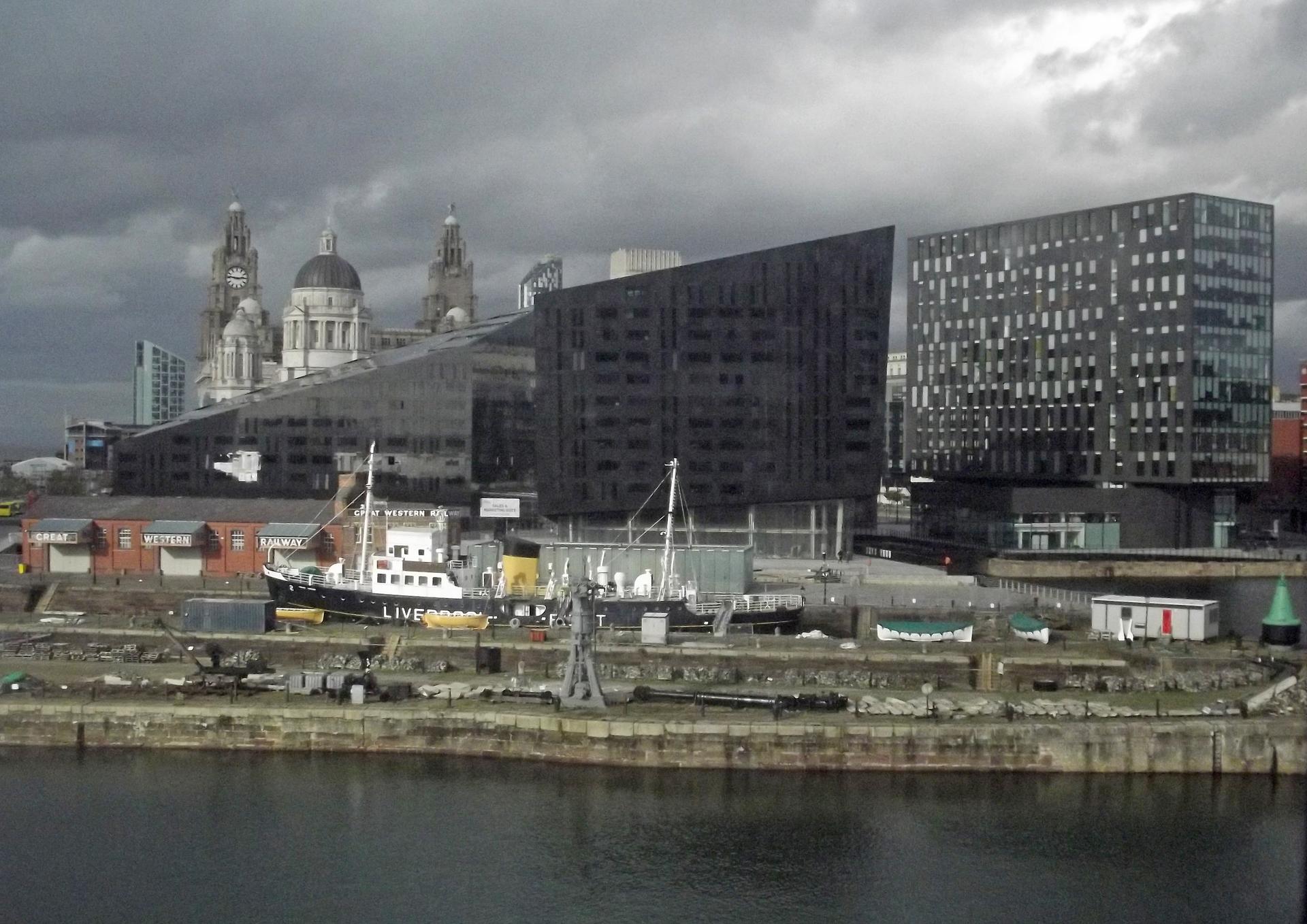
Looking beyond Goodison Park? Discover Liverpool for broader travel guides, local hot-spots, and regional highlights.
Explore Liverpool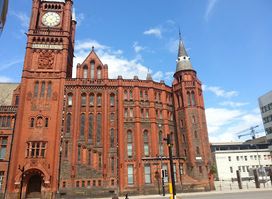
Explore Liverpool’s iconic redbrick university gallery blending historic art, science collections, and architectural grandeur in a vibrant cultural hub.
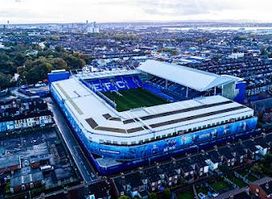
Goodison Park: Everton FC’s historic football fortress with over 130 years of iconic matches and pioneering stadium innovations.
