
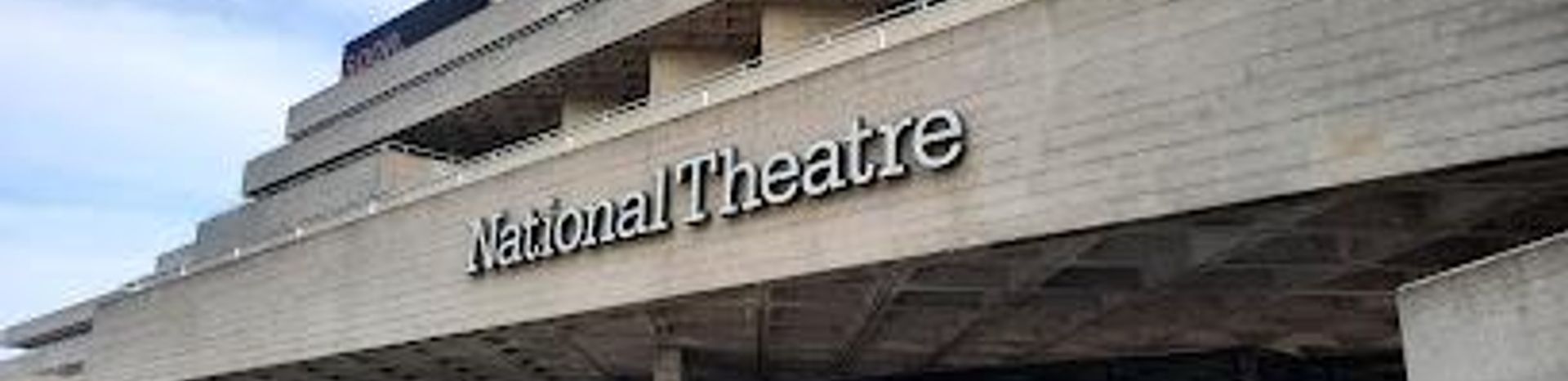
National Theatre, London
A Brutalist masterpiece on the South Bank, home to world-class theatre and dramatic river views.
Rising from the South Bank of the Thames, the National Theatre is a landmark of British Brutalist architecture and one of the UK’s most important stages for drama. Designed by Sir Denys Lasdun and opened in 1976, its bold concrete terraces and stacked auditoriums house world-class productions of Shakespeare, modern plays, and new writing. The building’s dramatic public spaces, river views, and three distinct theatres – the Olivier, Lyttelton, and Dorfman – make it both a cultural powerhouse and an architectural experience in its own right.
A brief summary to National Theatre
- London, SE1 9PX, GB
- +442039895455
- Visit website
- Duration: 1.5 to 4 hours
- Mid ranged
-
 Mixed
Mixed
- Mobile reception: 5 out of 5
Local tips
- Arrive early to explore the terraces and enjoy panoramic views of the Thames, Waterloo Bridge, and St Paul’s Cathedral before the performance.
- Check the NT website for last-minute tickets or day-of performances, which can offer good value for sold-out shows.
- Visit the free public spaces and exhibitions; the foyers often host displays on current and past productions.
- Use the riverside entrance and piazza for a more relaxed arrival, especially in good weather.
- Consider NT Live screenings if you can’t get tickets; they capture the energy of the live performance in cinemas worldwide.

For the on-the-go comforts that matter to you
- Restrooms
- Drink Options
- Drinking Water
- Food Options
- Seating Areas
- Sheltered Areas
- Trash Bins
- Information Boards
- Visitor Center
Getting There
-
Underground
Take the Northern or Jubilee line to Waterloo station, then walk about 10 minutes along the South Bank towards the London Eye; the National Theatre is clearly visible on the riverfront.
-
Bus
Several bus routes serve the South Bank near Waterloo, including routes 381, 77, and RV1; alight near the South Bank Centre and follow signs to the National Theatre on the riverfront.
-
Riverboat
Take a Thames riverboat to the London Eye or Waterloo Pier, then walk a short distance along the South Bank; the National Theatre is a prominent concrete building on the riverfront.
-
Walking
From central London landmarks like Trafalgar Square or the South Bank Centre, allow 15–20 minutes to walk along the Thames Path; the National Theatre is a distinctive Brutalist building on the South Bank.
National Theatre location weather suitability
-
 Any Weather
-
 Rain / Wet Weather
-
 Clear Skies
-
 Mild Temperatures
Discover more about National Theatre
A Brutalist Beacon on the South Bank
Perched on the southern bank of the River Thames, the National Theatre stands as one of London’s most striking examples of post-war modernism. Designed by Sir Denys Lasdun and completed in 1976, the building is a monumental composition of raw concrete, terraced levels, and soaring fly towers that rise like a modern fortress above the river. Its form is deliberately sculptural, with horizontal ‘strata’ of public terraces linking the vertical masses of the auditoriums, creating a layered, almost geological presence. From across the Thames, the full scale of Lasdun’s vision becomes clear: a complex of stacked platforms and angular forms that both dominate and engage with the riverside landscape.Three Theatres, One Vision
The National Theatre is home to three distinct performance spaces, each with its own character and history. The Olivier Theatre, the largest, is modelled on classical Greek amphitheatres, with a semi-thrust stage and steeply raked seating that brings the audience close to the action. The Lyttelton is a more traditional proscenium-arch theatre, suited to large-scale productions, while the Dorfman (formerly the Cottesloe) is a flexible studio space that can be reconfigured for in-the-round, traverse, or promenade staging. Together, these spaces support a wide repertoire, from Shakespeare and classic drama to contemporary plays and experimental work, making the National a vital hub for British theatre.Architecture as Urban Landscape
Lasdun conceived the National Theatre not just as a building but as an extension of the city. The terraces and public walkways function as ‘strata’ – shared civic spaces that invite people to linger, socialise, and enjoy views of the river, Waterloo Bridge, and St Paul’s Cathedral. The concrete itself is carefully calibrated to harmonise with the stone of nearby landmarks, and the low parapets on the terraces preserve sightlines into and out of the building. Inside, the same board-marked concrete continues into the foyers and auditoriums, creating a cohesive, tactile environment that is both imposing and intimate, depending on the space and lighting.A Living Theatre and Cultural Landmark
Beyond its architecture, the National Theatre is a working theatre with a deep commitment to new writing, diversity, and accessibility. Productions often transfer to the West End or tour internationally, and NT Live broadcasts bring performances to cinemas worldwide. The building has undergone significant refurbishment, including the NT Future project that transformed the Cottesloe into the Dorfman and opened up the riverside frontage with a new piazza and public café. Today, the National is both a Grade II* listed building and a vibrant cultural institution, equally valued for its architectural boldness and its contribution to British drama.Iconic landmarks you can’t miss

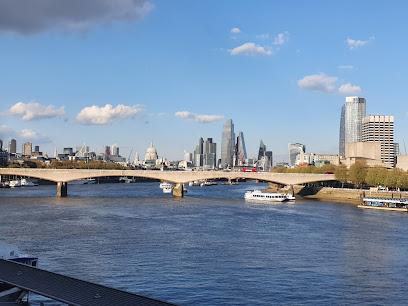
Waterloo Bridge
0.2 km
Waterloo Bridge, London’s elegant Thames crossing, famed for its wartime women builders and breathtaking panoramic city views.
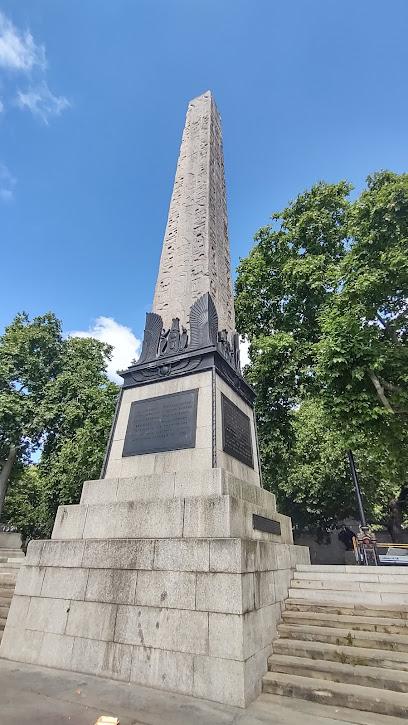
Cleopatra's Needle
0.4 km
An ancient Egyptian obelisk on London's Thames Embankment, bridging millennia of history and mystery in the heart of the city.
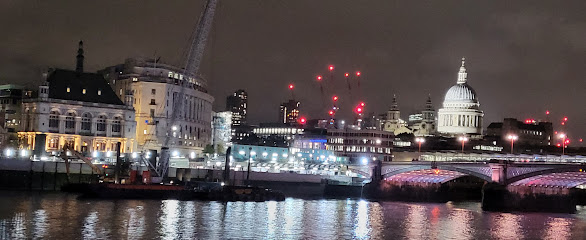
South Bank Community Area
0.4 km
A vibrant riverside cultural and historic district in central London, home to iconic landmarks, arts venues, and scenic Thames views.
King's Reach commemoration memorial
0.4 km
Historic riverside memorial honoring King George V’s Silver Jubilee and the naming of London’s Thames stretch as 'King’s Reach'.
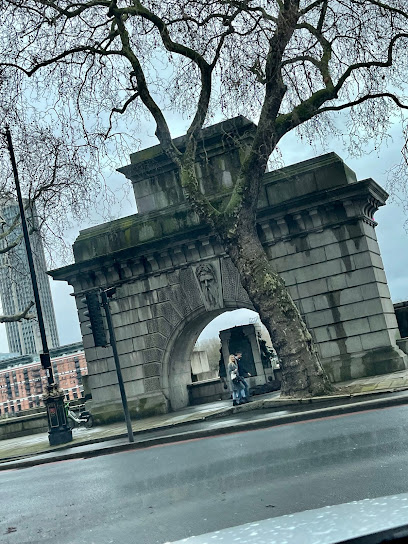
Richard D’Oyly Carte Monument
0.5 km
A sculptural homage to Richard D’Oyly Carte’s theatrical and hospitality legacy, nestled in the serene Victoria Embankment Gardens.
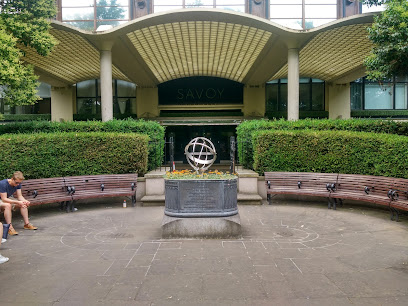
Henry Fawcett Monument
0.5 km
A serene Victorian fountain memorializing Henry Fawcett’s pioneering spirit in social reform and women’s suffrage, nestled in tranquil Embankment Gardens.
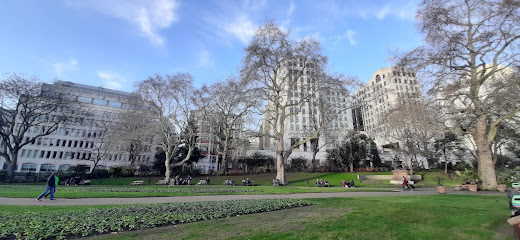
Major-General Lord Cheylesmore Monument
0.5 km
A serene stone tribute in Victoria Embankment Gardens honoring Major-General Lord Cheylesmore’s military and civic legacy.
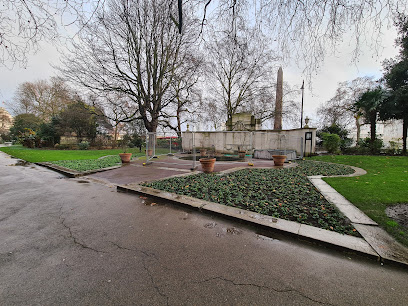
The Old Watch House
0.5 km
A quaint early 18th-century parish watch house on London’s Strand, offering a rare glimpse into pre-Metropolitan Police community policing.
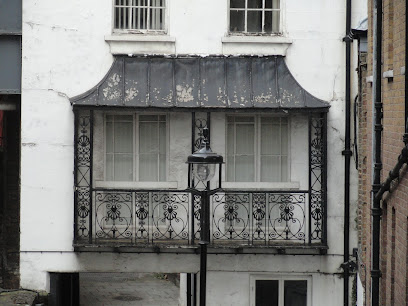
Strand
0.6 km
Historic London thoroughfare linking Westminster and the City, famed for grand hotels, cultural landmarks, and hidden historical treasures.

John Adam St & Adam St
0.6 km
Explore John Adam Street & Adam Street, heart of the Adam brothers’ neoclassical Adelphi development, blending Georgian elegance with modern London vibrancy.
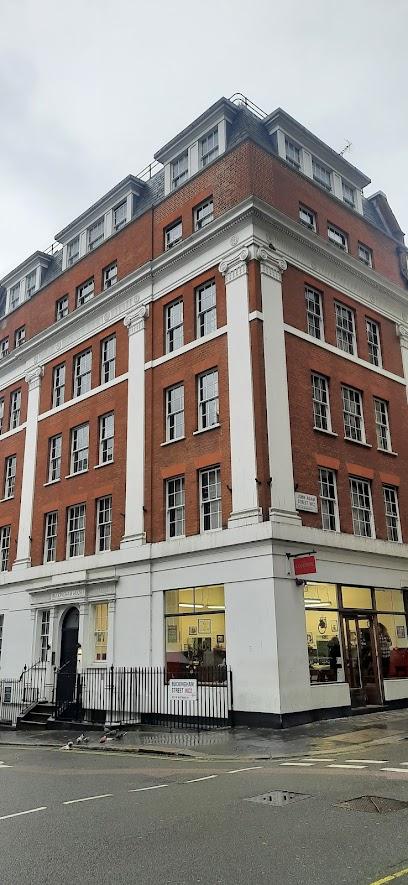
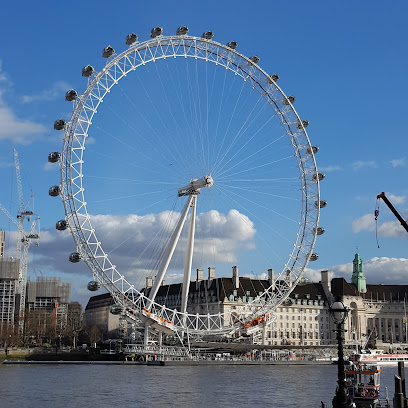
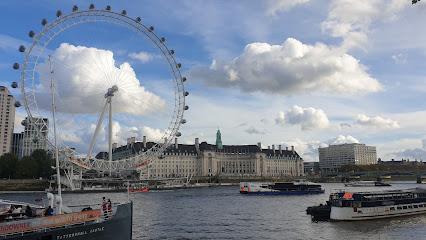
County Hall
0.6 km
Historic Edwardian Baroque landmark on London’s South Bank with iconic river views, cultural venues, and rich civic heritage.
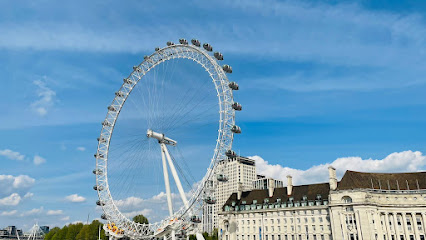
Leake St
0.6 km
Explore the colorful street art and vibrant culture of Leake Street, London's renowned urban canvas filled with creativity and artistic expression.
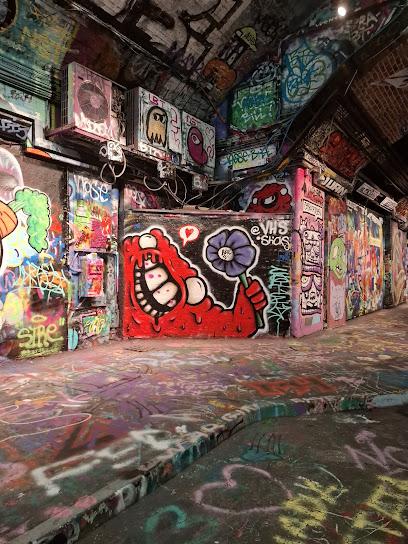
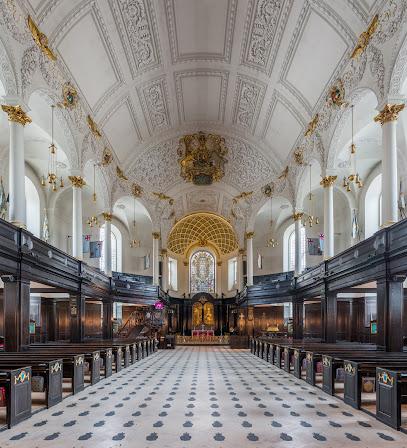
St Clement Danes Church
0.7 km
Historic London church and Central Church of the Royal Air Force, famed for its Wren architecture, RAF memorials, and iconic 'Oranges and Lemons' bells.
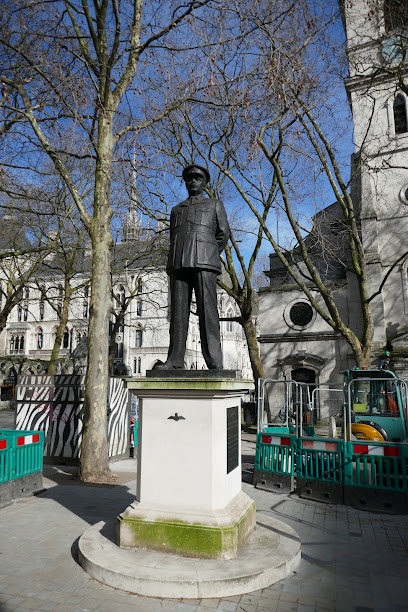
Bomber Harris Memorial
0.7 km
A solemn tribute to RAF Bomber Command’s leader and airmen, set within the historic St Clement Danes Church in London’s Temple district.
Whitehall Gardens
0.7 km
A serene, historic garden on the Thames embankment offering vibrant blooms, peaceful walks, and iconic London views.
Unmissable attractions to see

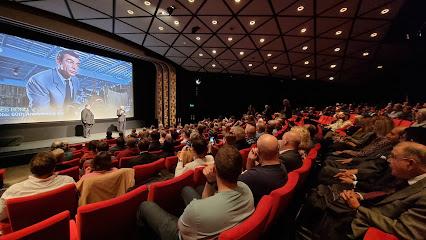
BFI Southbank
0.1 km
Discover the heart of film culture at BFI Southbank, London’s iconic venue for classic and contemporary cinema experiences.
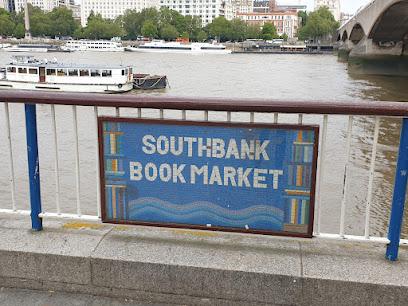
Southbank Book Market
0.1 km
Discover literary treasures and timeless charm beneath Waterloo Bridge at London’s iconic Southbank Book Market.
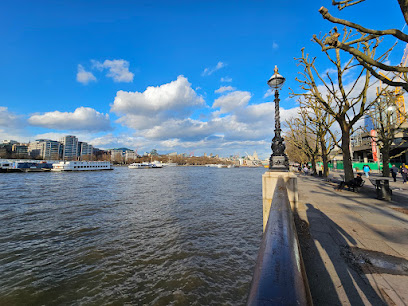
Southbank Boardwalk
0.1 km
Experience London's vibrant riverside culture, festive markets, and stunning Thames views along the lively Southbank Boardwalk.
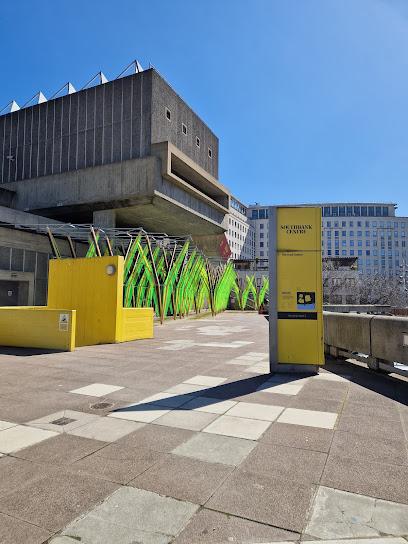
Southbank Centre
0.2 km
London’s premier riverside arts centre offering world-class performances, festive markets, and vibrant cultural experiences year-round.
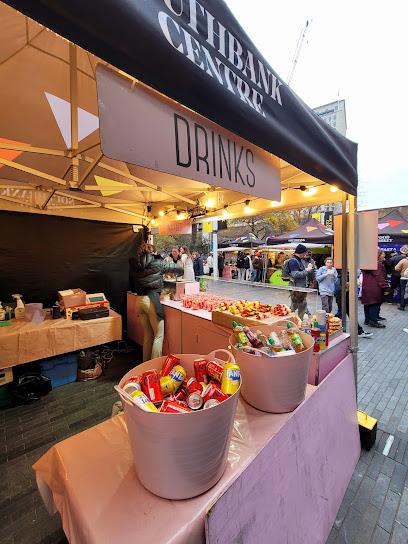
Southbank Centre Food Market
0.2 km
A lively weekend street food market on London’s South Bank offering global flavors behind the Royal Festival Hall.
Royal Festival Hall
0.2 km
A historic riverside concert hall and cultural beacon on London’s South Bank, blending iconic architecture with world-class performances.
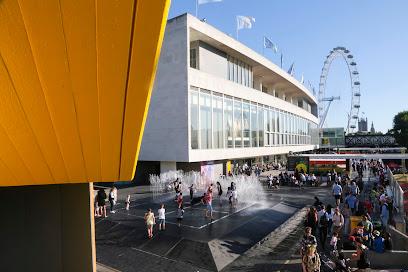
BFI IMAX
0.3 km
Experience Britain’s largest cinema screen and immersive film events at the iconic BFI IMAX on London’s vibrant South Bank.
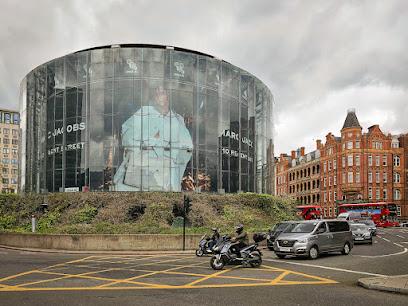
Observation Point
0.3 km
Breathtaking panoramic views of London's iconic skyline from a vibrant riverside vantage on the South Bank.
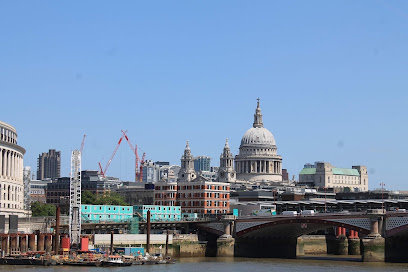
30 The Queen's Walk
0.3 km
South Bank's riverside food and entertainment hub beneath Hungerford Bridge, where street food, craft beer, and live music meet the Thames.
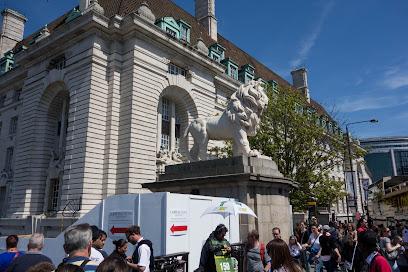
56 Gabriel's Wharf
0.3 km
A vibrant riverside enclave blending creative shops, art, and dining on London’s iconic South Bank.
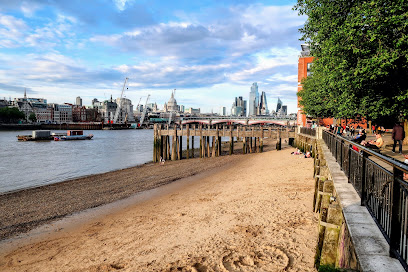
Thames Beach
0.3 km
Discover Thames Beach, a tranquil urban riverside escape with sandy shores, iconic views, and family-friendly charm in the heart of London SE1.
Victoria Embankment
0.4 km
Explore Victoria Embankment, a historic riverside promenade in London featuring iconic views, tranquil gardens, and rich Victorian heritage.
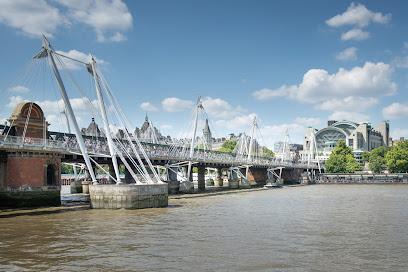
Hungerford Bridge and Golden Jubilee Bridges
0.4 km
Iconic Thames crossing blending Victorian railway heritage with sleek cable-stayed footbridges and stunning panoramic London views.
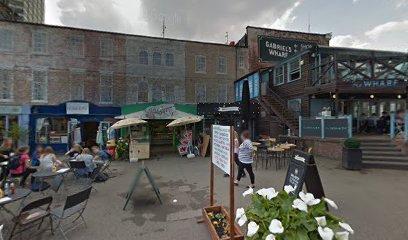
Bargehouse
0.4 km
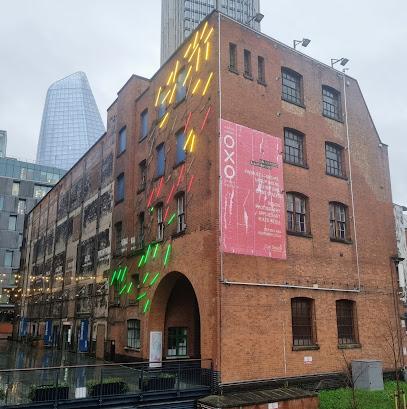
Explore Bargehouse at Oxo Tower Wharf, a raw industrial space on London’s South Bank, hosting cutting-edge art exhibitions and immersive creative events.
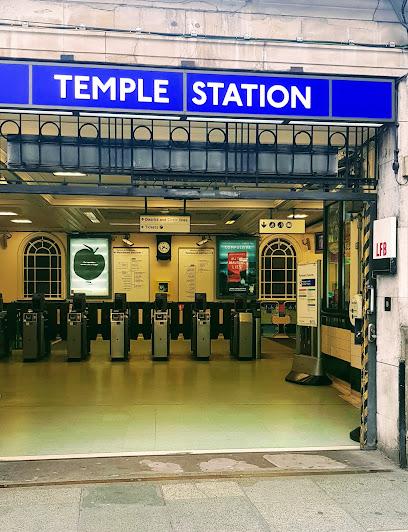
Temple Station
0.4 km
Step into history at Temple Station, a Victorian-era gateway to London’s medieval Knights Templar district and legal heritage.
Essential places to dine

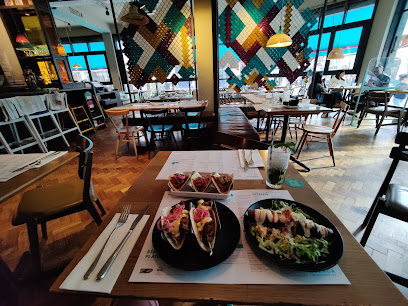
Wahaca Southbank
0.1 km
Experience vibrant Mexican street food in a unique riverside setting with scenic Thames views and lively atmosphere at Wahaca Southbank.
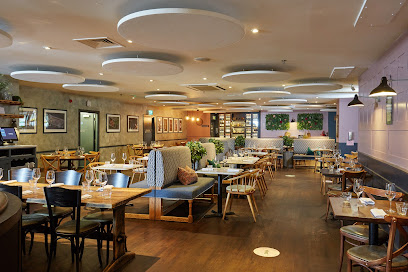
Brasserie Blanc - Southbank
0.2 km
Authentic French brasserie dining with hearty seasonal dishes and rustic charm on London’s lively South Bank.
Strada Southbank
0.3 km
Authentic Southern Italian flavors served with vibrant riverside views in the heart of London’s Southbank.
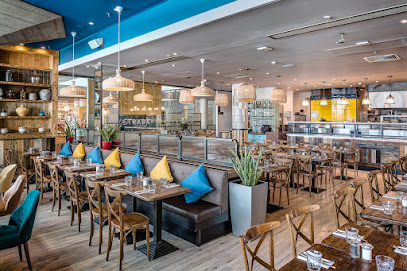
wagamama southbank
0.3 km
Lively riverside pan-Asian dining with fresh, bold flavors and stunning Thames views at London’s Royal Festival Hall.
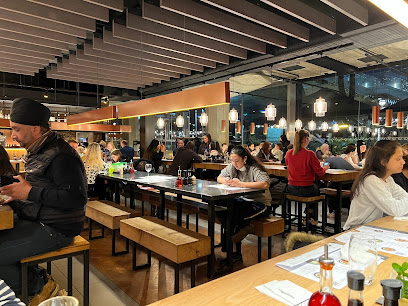
Ping Pong Southbank
0.3 km
Lively Southbank dim sum and cocktail bar blending traditional Chinese flavors with modern Asian fusion in a bustling riverside setting.
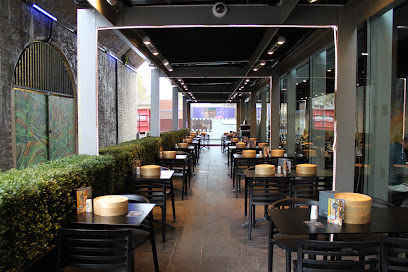
The Archduke
0.3 km
Lively steakhouse and wine bar in Waterloo with superb Scotch beef, classic desserts, and live jazz in a buzzy, inviting atmosphere.
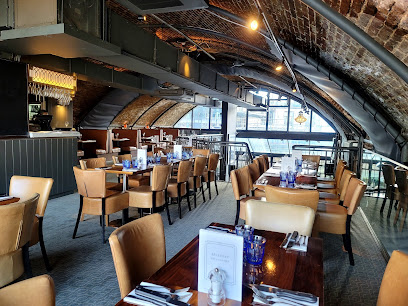
Paradiso Burger & Cocktail Bar Southbank
0.3 km
Vibrant riverside spot in Southbank serving gourmet burgers, cocktails, and bottomless brunch with stunning Thames views.
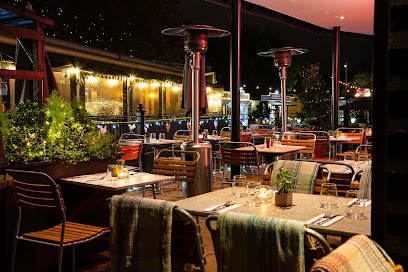
Sea Containers Restaurant
0.5 km
Stylish Modern British dining with iconic Thames views on London’s vibrant Southbank, perfect for brunch, dinner, and special occasions.
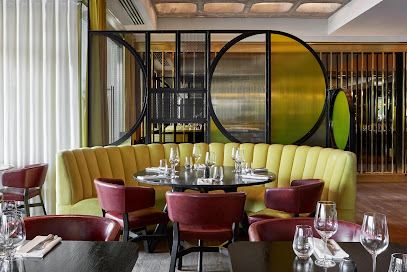
Ikoyi Restaurant
0.6 km
Discover Ikoyi, London’s two-Michelin-starred restaurant blending bold West African spices with British ingredients in an elegant, sensory tasting journey.
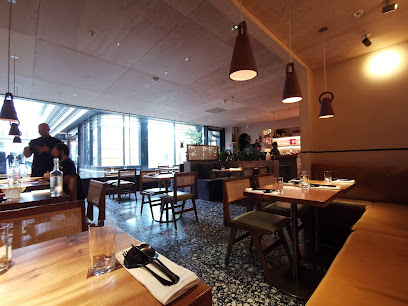
Troia Southbank
0.6 km
Experience authentic Mediterranean and Middle Eastern cuisine with halal options in a vibrant riverside setting near the London Eye.
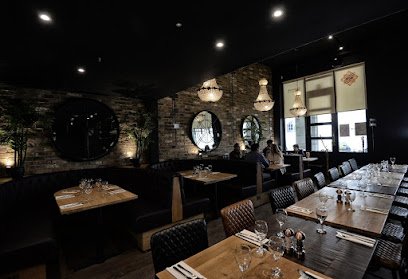
OKAN South Bank
0.6 km
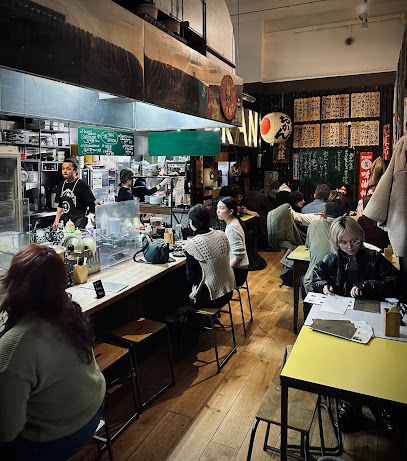
Experience authentic Osaka-style okonomiyaki and Japanese street food in a cozy, lively South Bank eatery with friendly service and a nostalgic vibe.
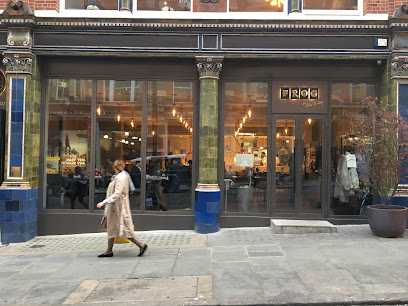
Frog by Adam Handling Restaurant Covent Garden
0.7 km
Experience Michelin-starred modern British cuisine with theatrical flair and sustainable luxury in the heart of Covent Garden.
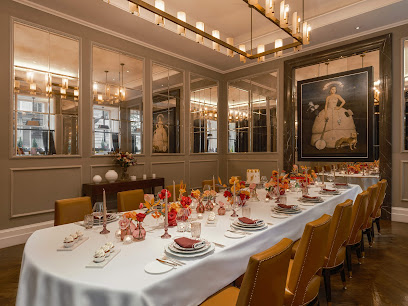
The Northall
0.7 km
Refined British dining with seasonal flair in a grand, elegant setting at Corinthia London’s distinguished restaurant.
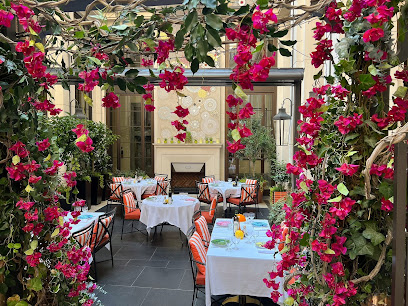
The Garden
0.7 km
A Mediterranean-inspired garden oasis offering refined seafood and elegant dining in the heart of London’s Corinthia Hotel.
Cicchetti by San Carlo - London Covent Garden
0.7 km
Experience authentic Venetian small plates and seasonal Italian flavors in a stylish, lively Covent Garden setting.
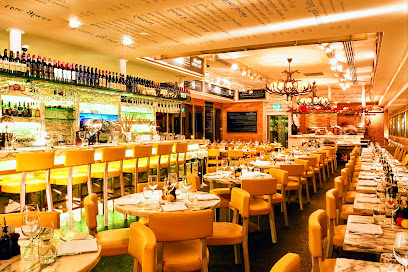
Markets, malls and hidden boutiques

Southbank Centre Shop, Mandela Walk
0.3 km
Discover creative gifts, sustainable homewares, and arts-inspired souvenirs on vibrant Mandela Walk, opposite Royal Festival Hall—a stylish treat amid South Bank's cultural heartbeat.
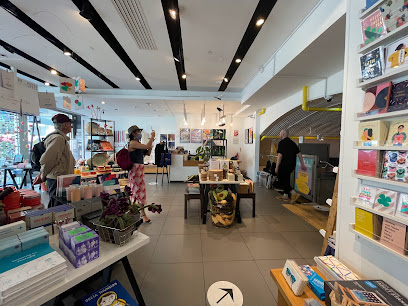
Sugar And Style
0.3 km
Discover design-led fashion accessories in Gabriel's Wharf, London's arty South Bank riverside haven blending style, creativity, and Thames views.

j-me original design ltd
0.4 km
Whimsical designs with a humorous twist from London's Oxo Tower creative hub – quirky home gifts blending fun, function, and British ingenuity.
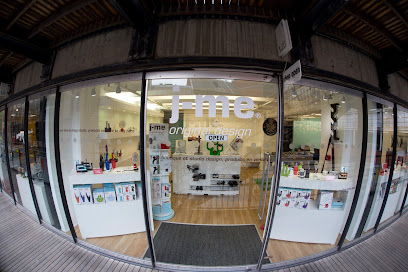
Custom Gifts By Jupiter
0.4 km
Unleash creativity with bespoke gifts and custom decor from this South Bank artisan haven near the Thames and iconic landmarks.
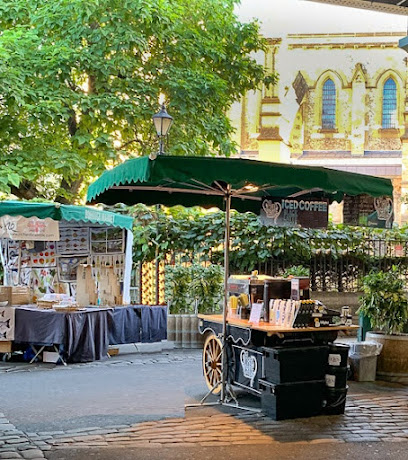
Brand Academy Independent Gift Shop
0.4 km
Dive into a world of whimsical designs and unique finds at this South Bank gem, where global brands meet emerging talents in the heart of Oxo Tower Wharf.
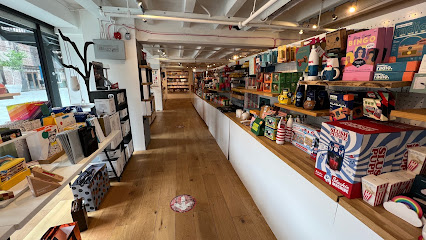
SUCK UK Alternative Gifts (OXO Tower)
0.5 km
Discover quirky, clever gifts and homewares at SUCK UK’s flagship store in London’s iconic OXO Tower.
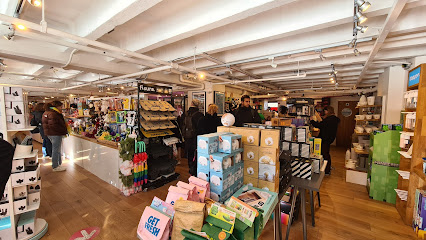
Gift Shop - London Eye Shop
0.5 km
Capture London's magic at the London Eye Gift Shop: exclusive souvenirs, Thames views, and iconic keepsakes from the wheel's base.
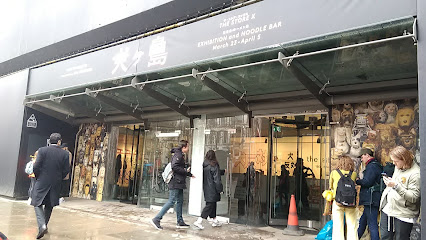
The Store X
0.6 km
A visionary space where London’s fashion, art, and culture converge in an immersive, innovative experience.
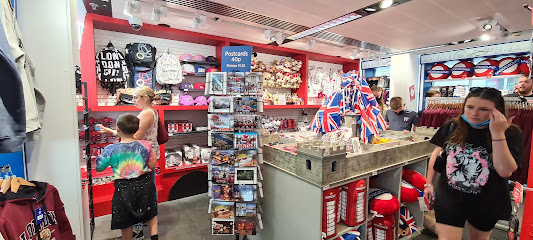
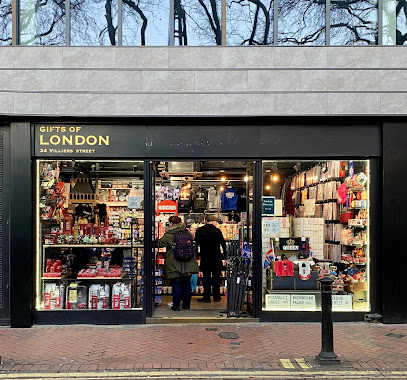
Gifts of London
0.6 km
Discover unique souvenirs and gifts that embody the spirit of London at Gifts of London, your perfect shopping destination.
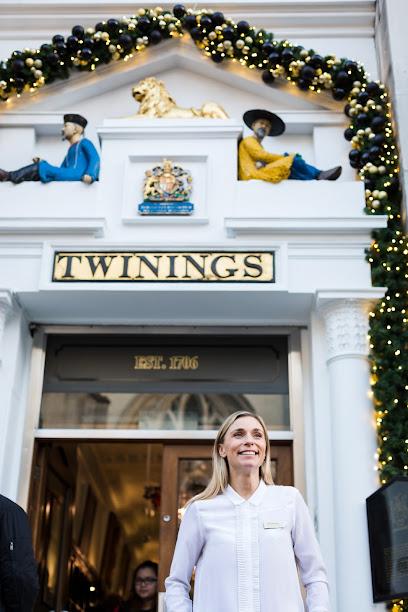
Twinings - The Strand
0.7 km
Discover over 300 years of tea heritage at London’s oldest tea shop, featuring historic charm, premium tastings, and a unique museum experience.
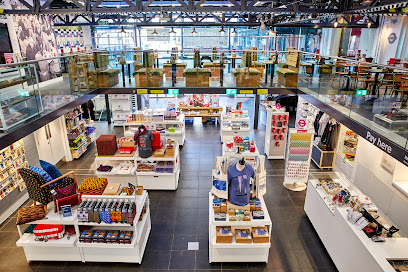
London Transport Museum - Shop
0.7 km
Discover unique transport-themed gifts and iconic London memorabilia at the London Transport Museum Shop in Covent Garden.
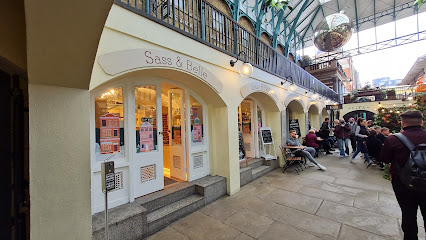
Sass & Belle Covent Garden Market
0.8 km
Quirky gifts and whimsical homeware in Covent Garden's lively market—permanently closed in-store, thriving online with cute finds for every home.
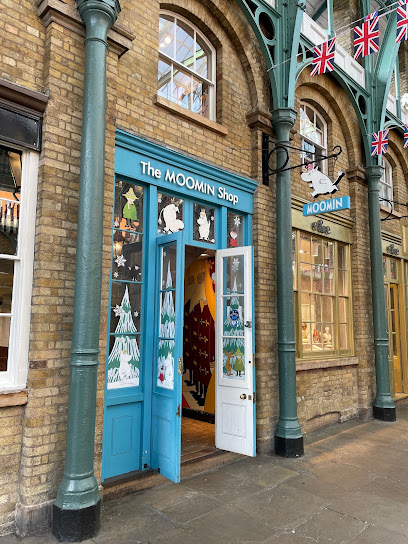
The Moomin Shop London
0.8 km
Step into the enchanting world of Moominvalley at The Moomin Shop in Covent Garden, London’s magical haven for fans of Tove Jansson’s beloved characters.
Bankside Arches Boutique
0.8 km
Discover unique London gifts and handcrafted treasures inside Blackfriars Station’s charming Bankside Arches Boutique.
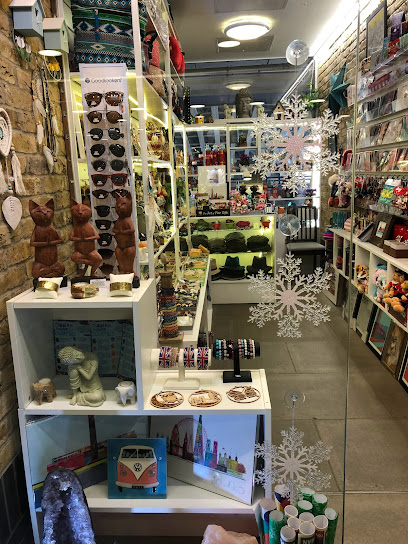
Browns of London
0.8 km
Explore Browns of London for unique handcrafted gifts and local treasures in the heart of the city, perfect for memorable souvenirs from your travels.
Essential bars & hidden hideouts

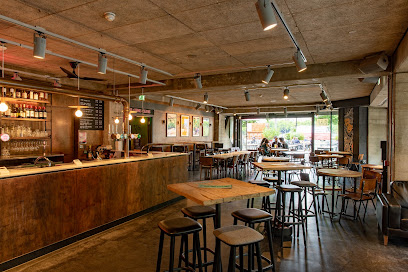
The Understudy
0.1 km
Riverside craft beers, KERB street food, and Thames views at the National Theatre's lively bar – perfect for pre-show bites or late-night hangs on London's South Bank.
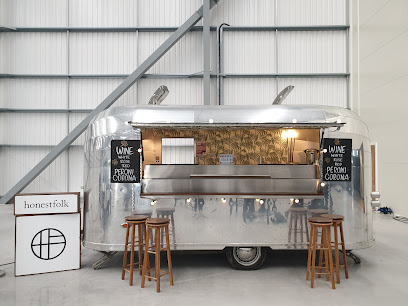
honestfolk Cocktail Bar (Southbank Centre Food Market)
0.2 km
Seasonal cocktails and classics from a cozy mobile bar at Southbank Centre Food Market, where Thames breezes mingle with market buzz and craft libations.
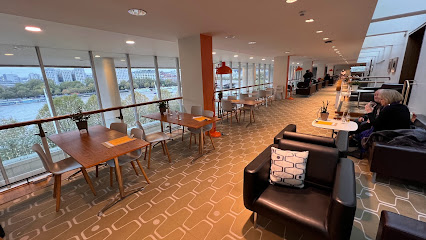
Southbank Centre, Members Bar
0.2 km
Elevated wine bar with Thames panoramas and cultured calm atop Royal Festival Hall—perfect for drinks amid London's arts heartbeat.
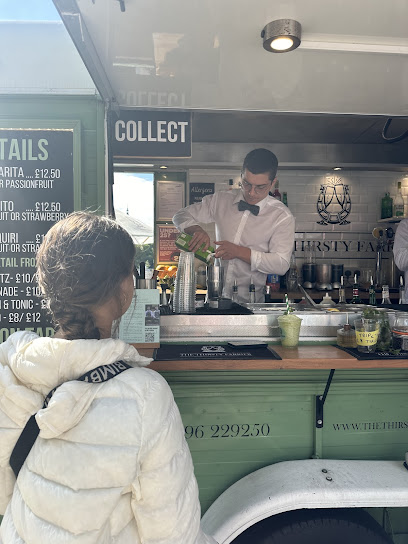
The Thirsty Farrier Cocktail Bar
0.4 km
A vibrant London cocktail bar offering expertly crafted seasonal drinks with scenic riverside views and a welcoming atmosphere.
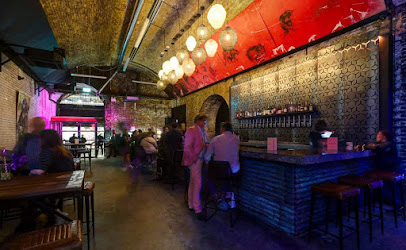
Bar @ 26 Leake Street
0.5 km
Experience London’s vibrant street art and nightlife culture at 26 Leake Street, a unique cocktail bar and event venue in Waterloo’s iconic graffiti tunnels.
Slug & Lettuce - County Hall
0.5 km
Chic South Bank cocktail haven in County Hall: bottomless brunches, 2-for-1 sips, pub classics, and Thames views for London's liveliest lunches and nights out.
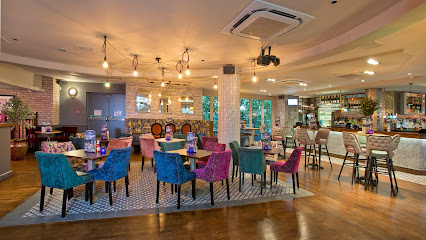
All Bar One Waterloo
0.5 km
Sophisticated South Bank bar serving creative cocktails, sharing plates, and wines in a lively spot near Waterloo Station and the London Eye.
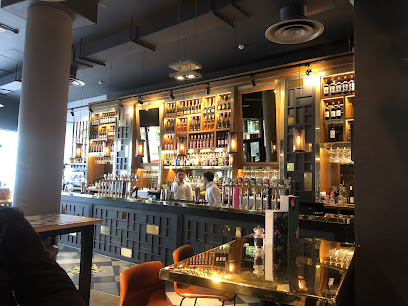
American Bar
0.5 km
Step into London’s oldest cocktail bar, where over a century of mixology mastery meets elegant Art Deco charm at The Savoy.
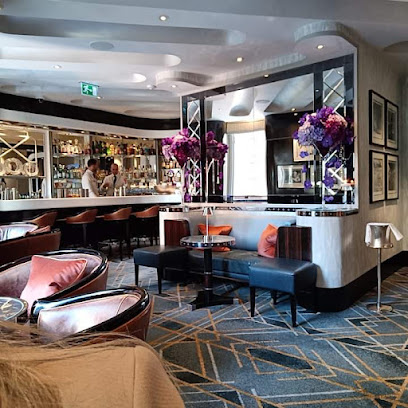
Beaufort Bar
0.5 km
Step into the Beaufort Bar’s jet-black and gold Art Deco glamour for exquisite cocktails, live sultry music, and a timeless London night out.
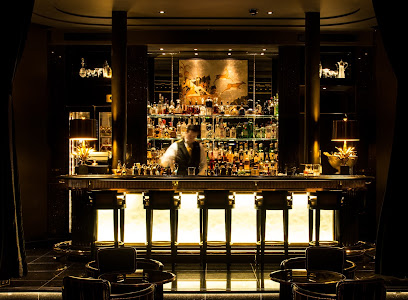
Lyaness
0.5 km
Innovative cocktails and sustainable mixology with stunning Thames views in London’s stylish South Bank hotspot.
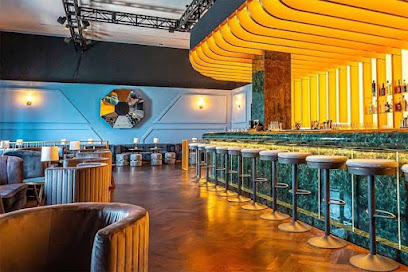
Waterloo Lost Property Office Speakeasy
0.6 km
Discover a hidden 1920s-inspired speakeasy in Waterloo serving expertly crafted cocktails in a seductive, vintage setting.
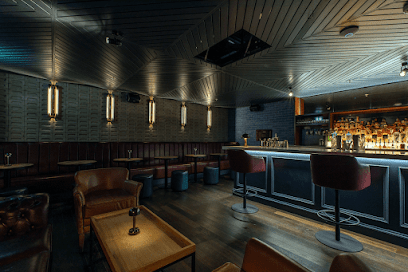
Le Champagne Bar
0.6 km
A compact riverside champagne lounge beside the London Eye—perfect for a celebratory flute and framed Thames views.
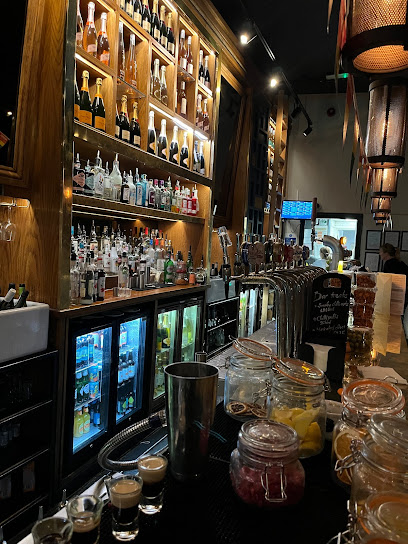
Gordon's Wine Bar
0.6 km
Step into London's oldest wine bar, where history, candlelight, and award-winning wines create an unforgettable cellar experience.
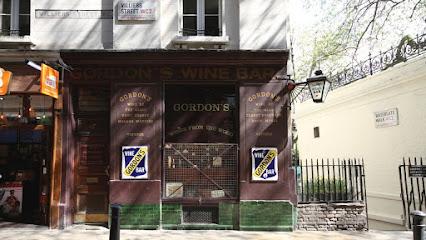
Be At One - Covent Garden Lyceum
0.6 km
Shake up your night in Covent Garden with 100+ cocktails, 2-for-1 happy hours, and masterclasses in a historic spot pulsing with theater-district energy.
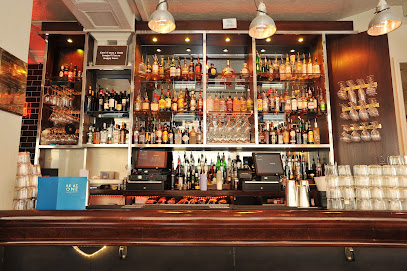
Eve Bar Covent Garden
0.7 km
Subterranean Covent Garden cocktail bar tempting with zero-waste elixirs, decadent snacks, and Eden-inspired glamour beneath a Michelin-starred haven.
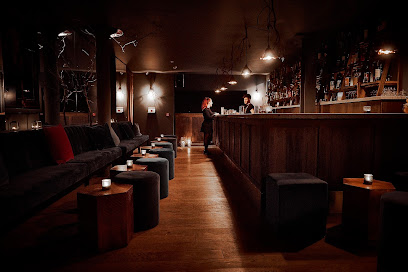
Nightclubs & after hour spots

Proud Late
0.4 km
Dive into two-storey glamour under Waterloo Bridge: cabaret acrobatics, burlesque dazzle, supper feasts, and non-stop clubbing till 5am in London's West End nightlife epicenter.
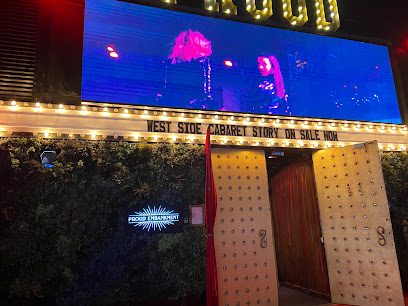
Cirque Du Soul
0.6 km
Dive into Leake Street's graffiti tunnel for soul-stirring electronic nights at this underground nightclub haven.
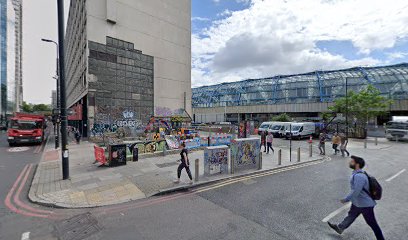
We Are Waterloo
0.6 km
Dive into Leake Street's graffiti heart where street art meets thumping beats in London's ultimate underground nightclub haven.
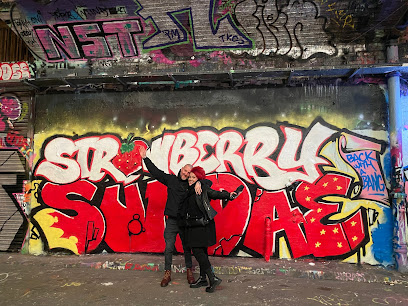
STRAWBERRY SUNDAE
0.6 km
Retro rave haven in Waterloo Arches: Daytime hardcore beats, 90s DJ legends, and industrial euphoria from midday to midnight.
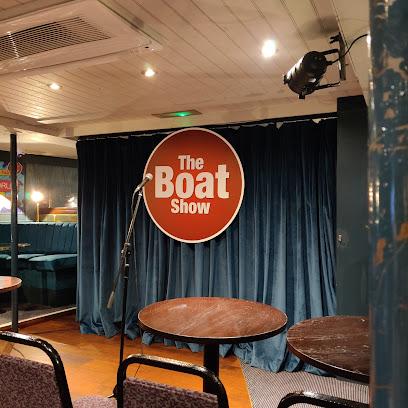
The Boat Show Comedy Club
0.6 km
London’s premier floating comedy club aboard the historic Tattershall Castle, blending laughter with iconic riverside views and vibrant nightlife.
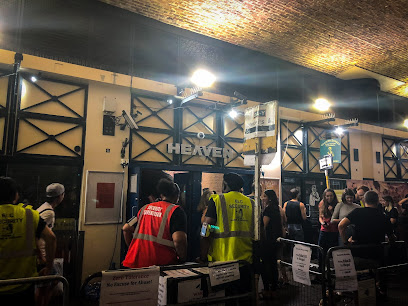
Heaven
0.7 km
London’s iconic gay superclub under the railway arches — big nights, loud music, drag, and late finishes in the heart of the West End.
Carwash Nightclub
1.0 km
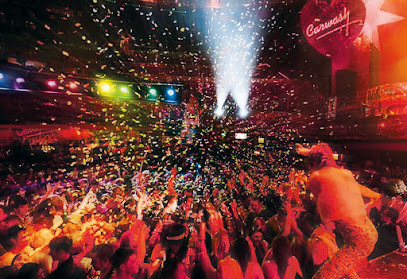
Experience Europe’s longest-running disco club in London’s West End, where retro beats, vibrant crowds, and themed parties create unforgettable nights.
Whatdafunk Presents West End Urban Disco
1.0 km
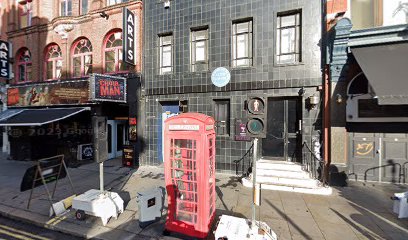
Dive into London's grooviest urban disco beats at Whatdafunk, where Covent Garden's streets pulse with funk, soul, and non-stop dance energy in the heart of the West End.
Bunga Bunga Covent Garden
1.1 km
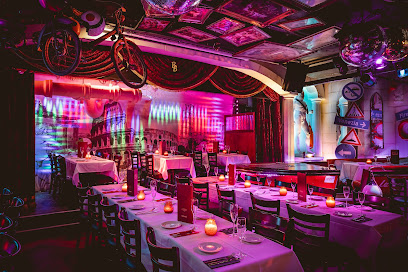
A neon-soaked, pizza-and-karaoke supper club under Drury Lane — 90s nostalgia, stage shows and shareable Italian feasts.
Comedy Carnival Covent Garden
1.1 km
London's premier stand-up comedy venue showcasing bold, award-winning international comedians in vibrant Covent Garden.

TSQ Club
1.1 km
Dive into Trafalgar Square's nightlife pulse at TSQ Club, where eclectic beats, dazzling lights, and craft cocktails fuel unforgettable weekend nights in London's heart.
Zoo Bar & Club
1.1 km
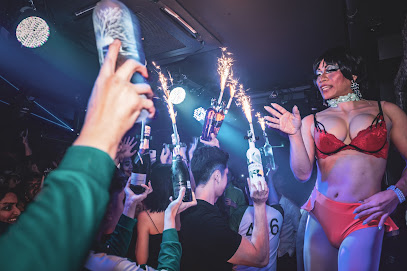
Dive into Leicester Square's edgy nightlife hub: two floors of R&B beats, sports screens, and wild energy until 3am at Zoo Bar & Club.
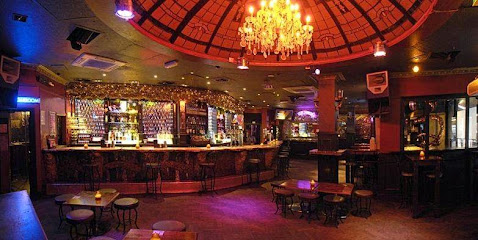
The Roxy
1.1 km
Soho's unbeatable happy hour cocktail bar by day, pulsing nightclub with live music and DJ nights till 3am—affordable vibes in London's nightlife heart.
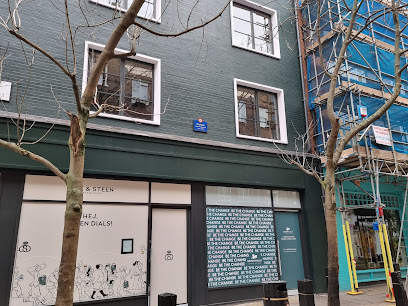
The Ivy Club
1.1 km
Art-Deco‑tinged members’ club above The Ivy — piano bars, discreet private dining and polished West End glamour.
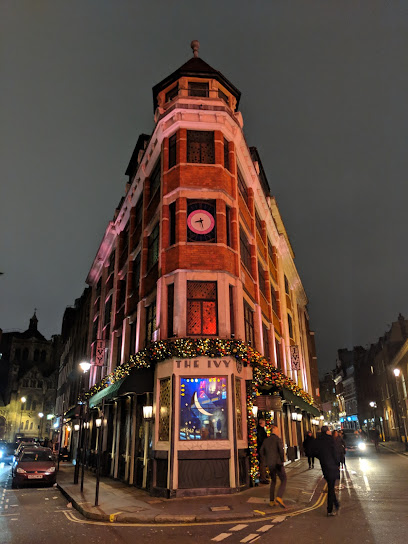
The Penthouse London
1.2 km
A compact, rooftop nightclub above Leicester Square — reached by a side lift, built for late‑night private parties and skyline glimpses.
For the vibe & atmosphere seeker
- Scenic
- Lively
- Entertaining
- Unique
For the design and aesthetic lover
- Retro Vibes
- Industrial Designs
- Modern Designs
For the architecture buff
- Historic
- Modern
- Landmarks
- Art & Design
- Viewpoints
- Heritage Neighborhoods
For the view chaser and sunset hunter
- Iconic Views
- Panoramas
- Waterfront
- Skyline
For the social media creator & influencer
- Instagrammable
- Photo Spots
- Selfie Spots
- Aesthetic Corners
- Architectural Shots
For the eco-conscious traveler
- Public-Transport Accessible
For the kind of experience you’re after
- Cultural Heritage
- Photowalk
- Day Trip
- Weekend Getaway
For how adventurous you want the journey to be
- Easy Access
Location Audience
- Family Friendly
- LGBT Friendly
- Senior Friendly
- Child Friendly
- Teen Friendly
- Wheelchair Access
- Solo Friendly
- Couple Friendly
- Solo Female Friendly
- Business Friendly


