
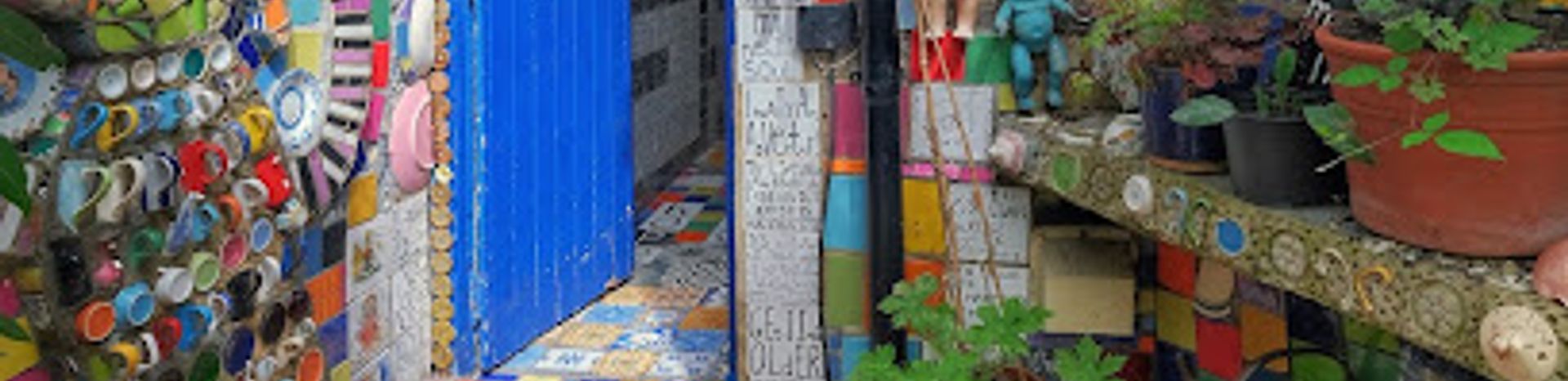
House of Dreams Museum: A Living Canvas of Memory and Art
A mesmerizing mosaic-filled home museum in London, where Stephen Wright’s life, dreams, and memories are transformed into vibrant art.
The House of Dreams Museum in East Dulwich, London, is a unique personal art environment created by Stephen Wright. Transformed from a terraced home into a vibrant mosaic and sculpture-filled shrine, it reflects Wright's life, dreams, and memories, honoring lost loved ones. The museum’s ground floor, garden, and exterior are covered with intricate mosaics, found objects, and handcrafted sculptures, making it a deeply moving and immersive artistic experience.
A brief summary to House of Dreams Museum
- 45 Melbourne Grove, London, SE22 8RG, GB
- +442082993164
- Visit website
- Duration: 1 to 3 hours
- Mid ranged
-
 Indoor
- Mobile reception: 4 out of 5
- Saturday 9:30 am-5 pm
Local tips
- Book your visit in advance as the museum is open to the public only a few times a year, usually on selected Saturdays.
- Wear comfortable shoes to explore the ground floor and garden, which are richly decorated and can involve some uneven surfaces.
- Take time to read the personal diary entries and notes scattered throughout the museum to fully appreciate the artist’s story.
- Photography is allowed, so bring a camera to capture the colorful mosaics and unique assemblages.
- Prepare for a deeply emotional experience, as the museum reflects themes of love, loss, and healing through art.

For the on-the-go comforts that matter to you
- Restrooms
- Information Boards
- Seating Areas
Getting There
-
Train and Walk
Take a train to East Dulwich Station from central London, which takes approximately 15-25 minutes depending on your starting point. From the station, it is about a 10-minute walk through residential streets to 45 Melbourne Grove. The terrain is flat and suitable for most walkers. No entrance fee applies, but booking is required for tours.
-
Bus
Several London bus routes serve East Dulwich, including routes 12, 40, and 176. Bus travel times vary from 30 to 50 minutes from central London. Alight near Lordship Lane and walk about 10 minutes to the museum. Bus services run frequently during the day; fares are standard London bus fares payable by Oyster or contactless payment.
-
Taxi or Rideshare
A taxi or rideshare from central London to the House of Dreams Museum takes approximately 20-40 minutes depending on traffic. This option is convenient if traveling with luggage or mobility needs. Expect fares to range from £15 to £30. The area has limited parking, so drop-off is recommended.
House of Dreams Museum location weather suitability
-
 Any Weather
-
 Clear Skies
-
 Mild Temperatures
-
 Rain / Wet Weather
Discover more about House of Dreams Museum
A Personal Odyssey in Art and Memory
The House of Dreams Museum is the extraordinary creation of Stephen Wright, a former textile designer who began transforming his East Dulwich home in 1998. Initially a decorative project shared with his partner Donald Jones, it evolved into a sprawling, immersive art environment after the deaths of Jones and Wright’s parents. The museum stands as a deeply personal diary, a monument to love, loss, and healing. Every surface of the ground floor, garden, and exterior is adorned with mosaics, sculptures, and found objects, making the house itself a living canvas that narrates Wright’s life story and dreams.Artistic Inspirations and Techniques
Wright’s work draws inspiration from outsider art, folk arts of Mexico, South America, and Asia, and visionary environments such as Maison Picassiette in France. His process involves sourcing materials from flea markets, donations, and discarded objects, which he transforms into vibrant mosaics, papier-mâché sculptures, and assemblages. The museum features a rich variety of elements including dolls, art boxes, and religious iconography, reflecting influences from Haitian vodou and Mexican popular religious art. This eclectic mix creates a shrine-like atmosphere that celebrates resilience and transformation through art.The Museum as a Living, Evolving Space
Though the museum is open to the public only a few times a year, it remains a work in progress. Wright continues to add new features and artworks, living upstairs in a flat while the rest of the house is dedicated to his artistic vision. The museum is not just a static exhibit but a continuously evolving environment, embodying Wright’s ongoing journey of self-exploration and creative expression. It has been bequeathed to the National Trust to ensure its preservation for future generations.Emotional and Spiritual Dimensions
The House of Dreams is more than an art museum; it is a sanctuary of memory and spirituality. Wright channels his grief and passion into the creation of a ‘new family’ of art pieces that provide solace and connection. The museum’s atmosphere is imbued with personal stories, diary entries, and reflections on life and death. Visitors encounter a space where the boundaries between art and life blur, inviting contemplation and emotional engagement.Visitor Experience and Atmosphere
Entering the House of Dreams, visitors are enveloped in a kaleidoscope of color, texture, and symbolism. The densely decorated rooms and garden spaces offer a sensory-rich experience, where every inch tells a story. The museum’s quirky and unique character appeals to those interested in outsider art, personal narratives, and immersive environments. Tours are intimate, often led by Wright himself or his partner, providing insight into the meanings behind the artworks and the artist’s life.Legacy and Cultural Significance
Stephen Wright’s House of Dreams stands as a rare example of a personal art environment in London, blending folk art traditions with contemporary outsider art. It challenges conventional museum experiences by offering a deeply autobiographical and handcrafted world. Its preservation by the National Trust underscores its cultural value as a testament to creativity born from personal adversity and the power of art to transform space and memory.Iconic landmarks you can’t miss

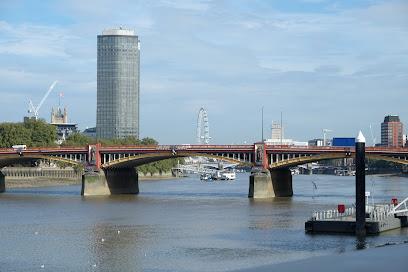
Vauxhall Bridge
4.5 km
Vauxhall Bridge: Historic iron origins meet modern steel, linking London’s south and north banks with art and engineering heritage.
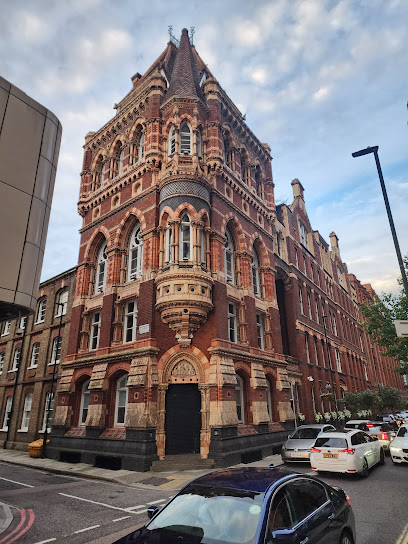
Southbank House
4.6 km
Historic terracotta landmark in Lambeth, blending Victorian pottery heritage with modern creative workspaces.
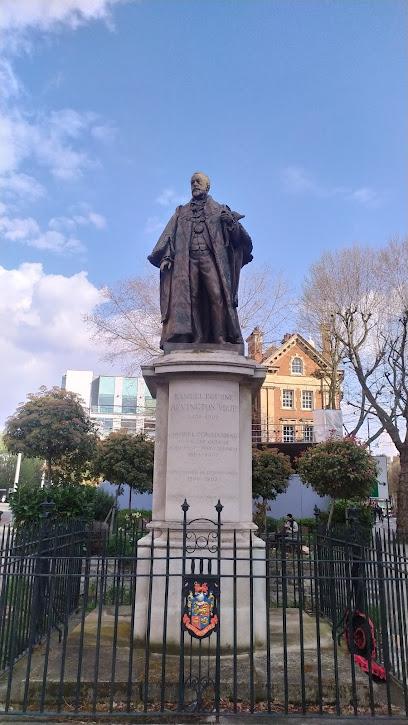
Samuel Bourne Bevington Statue
4.8 km
Discover the Samuel Bourne Bevington Statue near Tower Bridge, a captivating tribute to London's rich artistic heritage and history.
St Saviours Church
4.9 km
Discover the architectural beauty and tranquil atmosphere of St. Saviour's Church in Pimlico, a peaceful retreat in the heart of London.
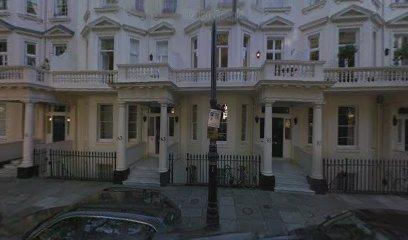
Lambeth Palace
4.9 km
Eight centuries of ecclesiastical power where the Church and Crown converge on the Thames
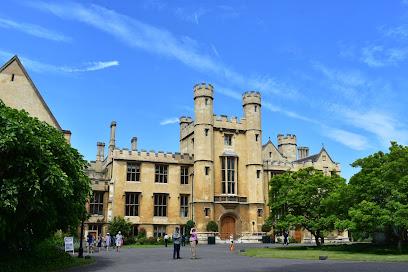
Lambeth Bridge
4.9 km
A striking red steel arch bridge linking Lambeth and Westminster, rich in history and adorned with symbolic pine cone obelisks.
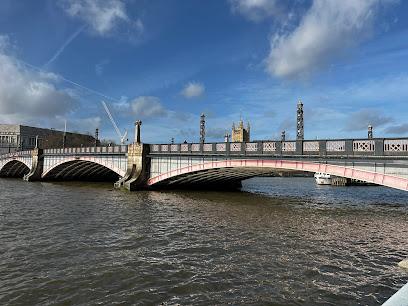
Execution Dock House
5.0 km
Historic riverside site where pirates and maritime criminals met justice in London’s centuries-old Admiralty executions.
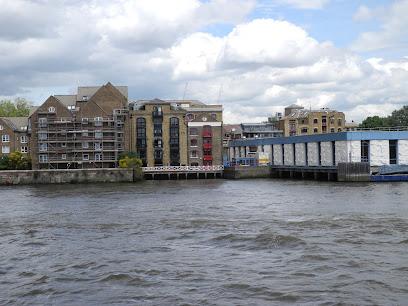
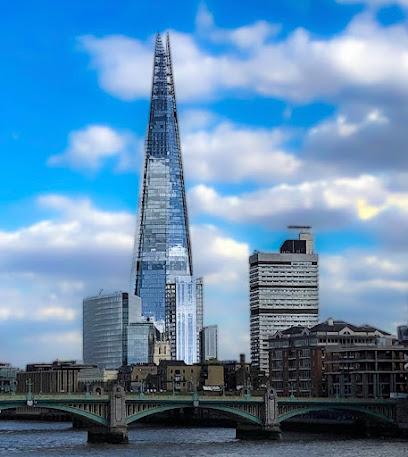
The Shard
5.0 km
Experience London’s tallest landmark with breathtaking 360-degree views, luxury dining, and iconic cityscapes from The Shard’s sky-high observation decks.
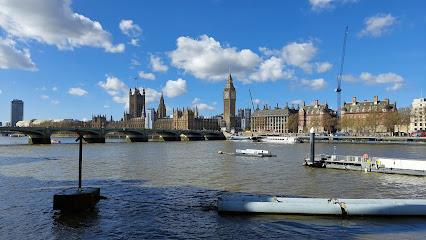
Westminster Bridge Rd
5.0 km
Discover the scenic beauty and rich history of Westminster Bridge, a must-visit landmark in the heart of London, offering stunning views and vibrant atmosphere.
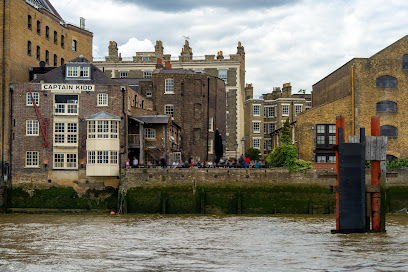
The Captain Kidd
5.1 km
Historic riverside pub with authentic maritime charm, classic ales, and scenic Thames views in London’s Wapping district.
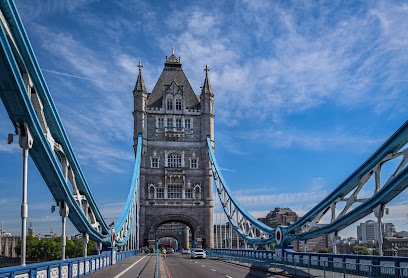
Tower Bridge
5.1 km
Experience the grandeur of Tower Bridge, a Victorian marvel combining stunning architecture and engineering, offering breathtaking views of London's skyline.
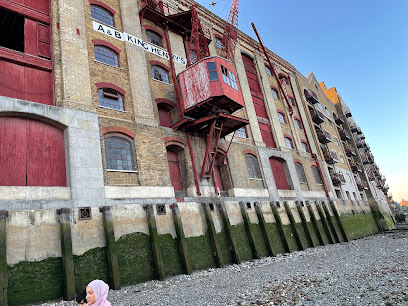
King Henry’s Stairs (Execution Dock)
5.1 km
Historic Thames foreshore site where pirates and maritime criminals faced grim justice under Admiralty law for over 400 years.
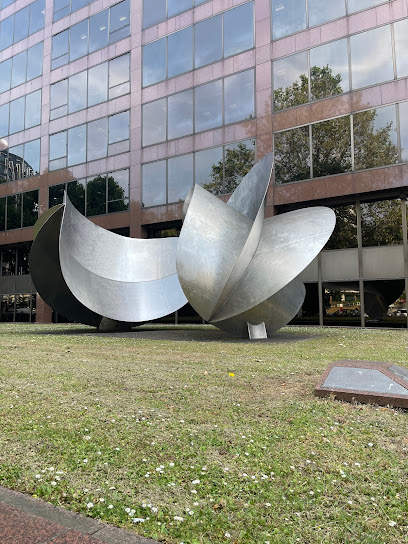
South of the River
5.1 km
Explore the artistic charm of South of the River, home to captivating sculptures and a vibrant cultural scene in the heart of London.
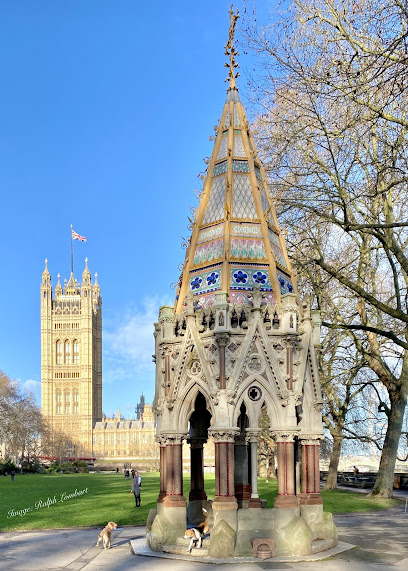
Victoria Tower Gardens South
5.2 km
A peaceful riverside park in Westminster featuring iconic memorials and stunning views of the Palace of Westminster and the Thames.
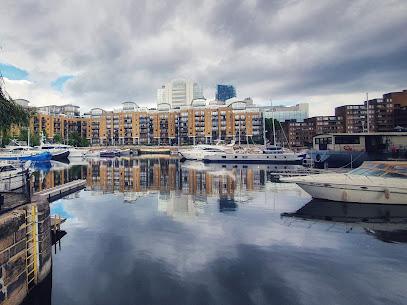
St Katharine Docks Marina
5.2 km
London's only central marina: historic waterfront elegance where maritime heritage meets modern leisure.
Unmissable attractions to see

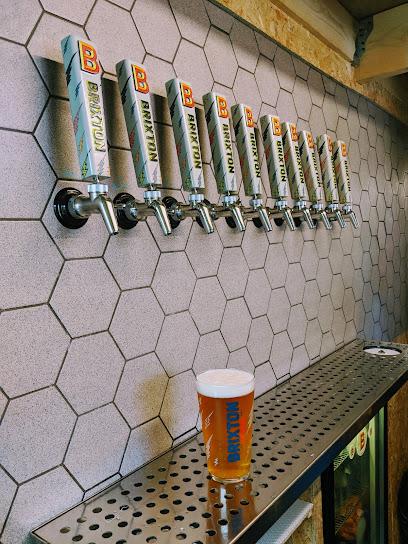
Brixton Brewery Tap Room
2.1 km
Discover the vibrant Brixton Brewery Tap Room, where local craft beers meet a lively atmosphere in the heart of London’s cultural hub.
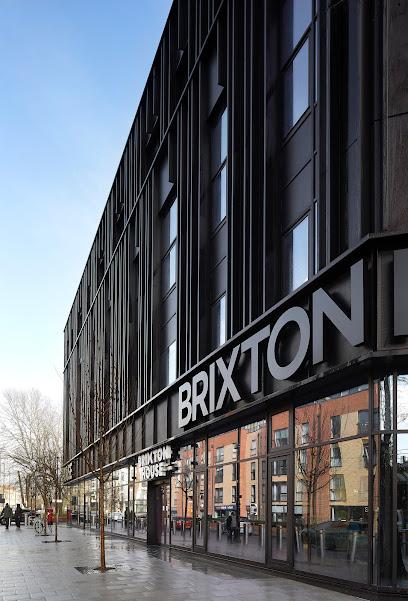
Brixton House
2.2 km
Brixton House is a vibrant, accessible theatre in South London fostering community creativity and diverse storytelling in flexible modern spaces.
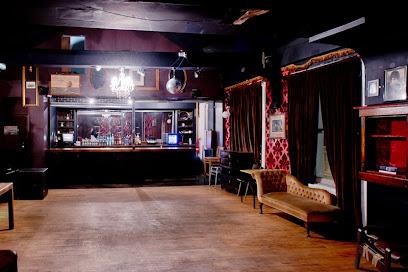
Dogstar
2.3 km
Experience the lively atmosphere of Dogstar in Brixton, London—your go-to destination for drinks, events, and local culture.
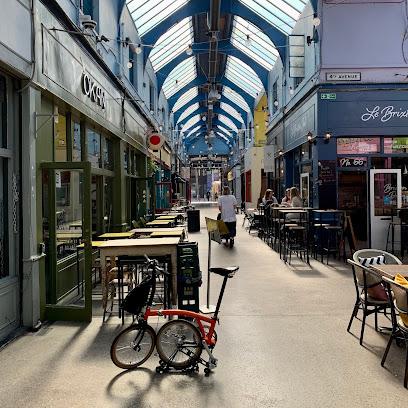
Brixton Village
2.3 km
Discover Brixton Village, London’s vibrant market of global flavors, independent shops, and rich cultural heritage in the heart of Brixton.
Pop Brixton
2.3 km
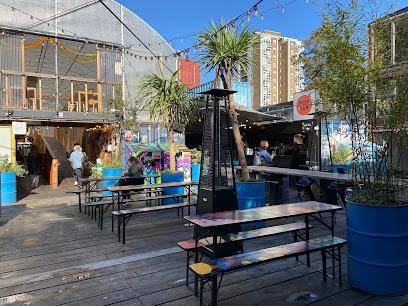
A lively container village in Brixton hosting street food, bars, and a buzzing calendar of music and community events.
Brixton Market
2.4 km
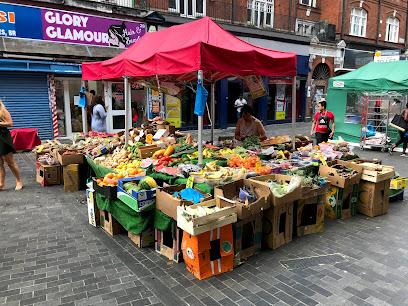
Discover Brixton Market’s vibrant blend of Afro-Caribbean culture, global cuisine, and eclectic shopping in the heart of London’s Electric Avenue.
Windrush Square
2.5 km
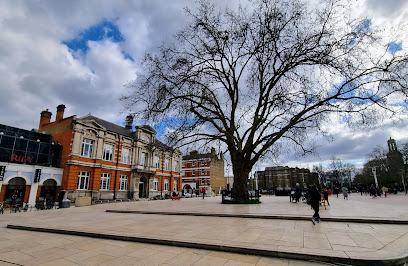
A vibrant, pedestrianised square in Brixton celebrating African Caribbean heritage and community through history, art, and culture.
Phonox
2.5 km
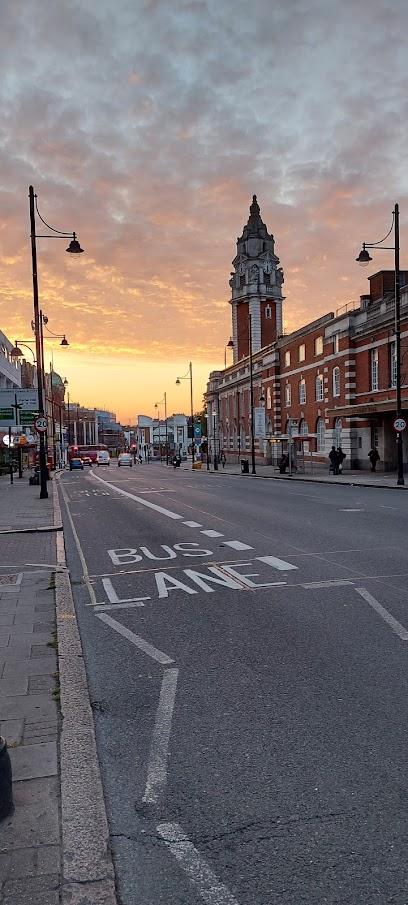
Discover the pulsating heart of Brixton nightlife at Phonox, where music, dance, and unforgettable moments come alive.

Brixton
2.5 km
Brixton: South London’s vibrant cultural heart, where history, markets, music, and multicultural life converge in a dynamic urban tapestry.
David Bowie Memorial
2.5 km
A vibrant homage to David Bowie’s Ziggy Stardust persona, this iconic Brixton mural celebrates the legendary artist’s enduring legacy in his hometown.
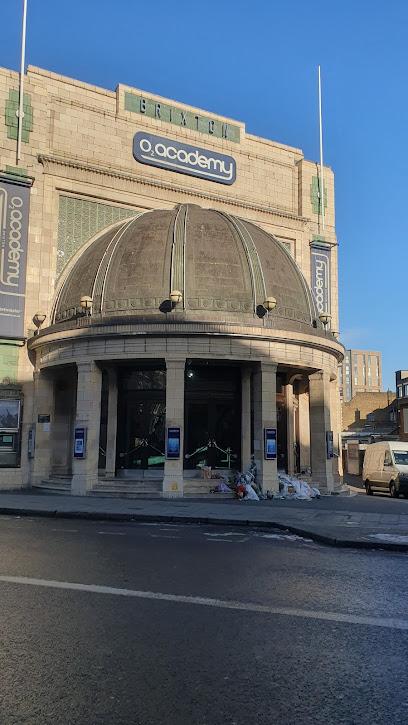
O2 Academy Brixton
2.5 km
A legendary South London music venue blending historic art deco charm with electrifying live performances and a vibrant atmosphere.
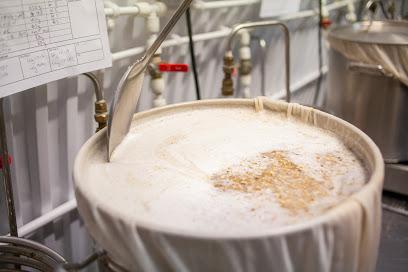
London Beer Lab Taproom and Nano Brewery
2.6 km
A vibrant nano brewery and taproom in Brixton offering unique craft beer experiences and an extensive range of brews.
Montague Square
2.6 km
Discover Montagu Square, a serene Georgian garden square in Marylebone, London, rich in history and cultural heritage.

Van Gogh House London
3.0 km
Discover the historic London home of Vincent van Gogh, now a vibrant arts centre celebrating his legacy through exhibitions, residencies, and tours.

London Cab Tours
3.3 km
Experience the best of London with personalized cab tours, guided by expert drivers sharing the city's rich history and hidden gems.

Essential places to dine

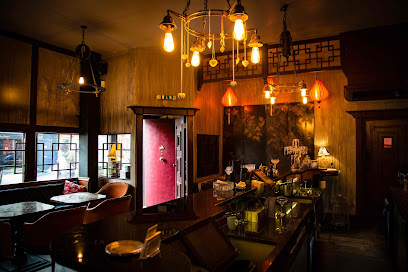
The Courtesan
2.2 km
Experience authentic dim sum, inventive cocktails, and captivating cabaret in the glamorous, intimate setting of Brixton’s The Courtesan.
The Clink Restaurant Brixton
3.3 km
Dine inside a historic prison where prisoners train as chefs, blending fine European cuisine with a powerful rehabilitation mission.
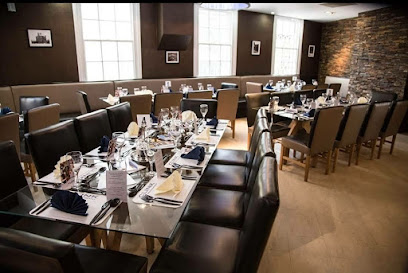
Brunswick House
4.3 km
Experience inventive British cuisine in a stunning Georgian mansion adorned with chandeliers and antiques, blending history and modern dining in Vauxhall.
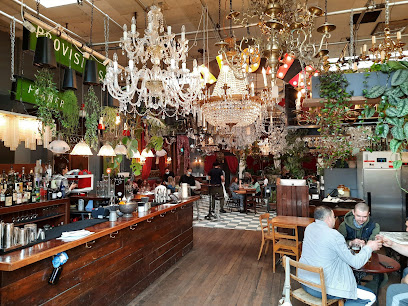
Restaurant Story
4.8 km
Experience a two Michelin-starred culinary journey where storytelling meets British fine dining in the heart of London Bridge.
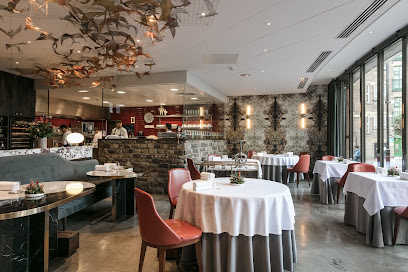
George
5.0 km
Step into London’s last galleried coaching inn, where history, hearty ales, and a lively courtyard blend in a timeless pub experience.
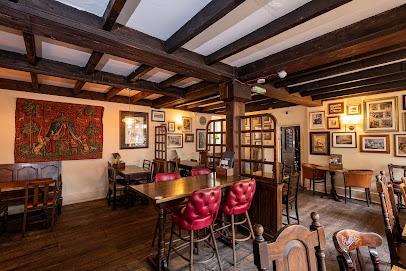
The Hill
5.1 km
A vibrant Mediterranean and Latin American fusion restaurant with a cozy garden setting in the heart of Greenwich.
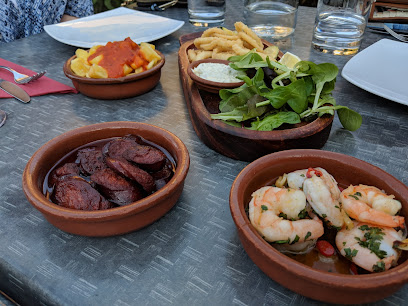
Sapori
5.1 km
Enjoy authentic Italian cuisine with generous portions and a lively atmosphere in the heart of Westminster, London.
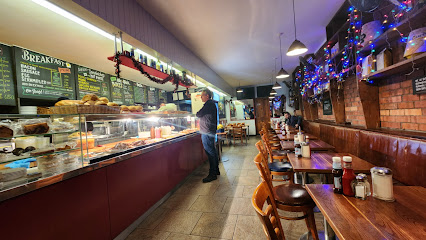
The Prince of Greenwich Pub
5.1 km
A vibrant gastropub in Greenwich blending quirky museum charm, authentic Italian cuisine, and lively jazz in a historic London setting.
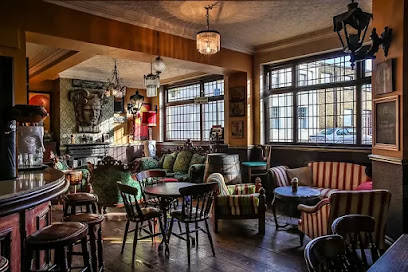
The Sail Loft, Greenwich
5.2 km
Stylish riverside dining in Greenwich with panoramic Thames views, modern British cuisine, and versatile event spaces.
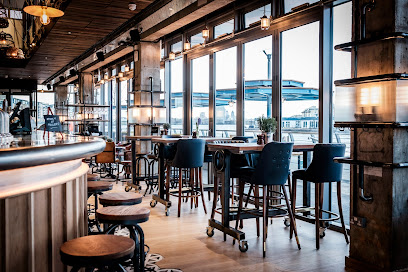
Osteria dell'Angolo
5.2 km
Classic Italian flavors and fresh pasta in a warm, elegant Westminster setting with attentive service and a visible kitchen.
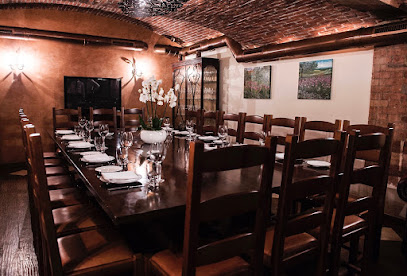
Park Plaza London Westminster Bridge
5.3 km
Stylish 4-star hotel on London’s South Bank with exceptional dining, event spaces, and modern amenities near iconic landmarks.
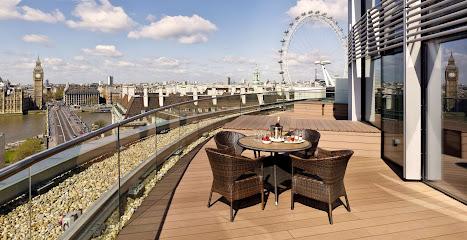
Bill's Greenwich Restaurant
5.4 km
A cozy British restaurant in Greenwich offering hearty dishes, friendly service, and a vibrant, family-friendly atmosphere from breakfast to late dinner.
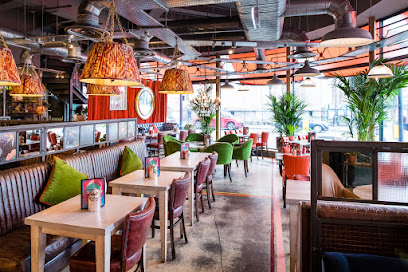
Troia Southbank
5.4 km
Experience authentic Mediterranean and Middle Eastern cuisine with halal options in a vibrant riverside setting near the London Eye.
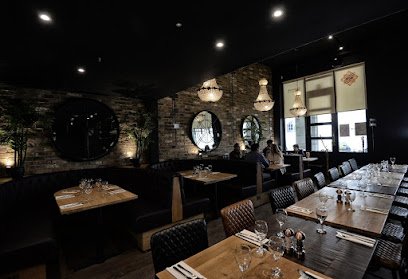
OKAN South Bank
5.4 km
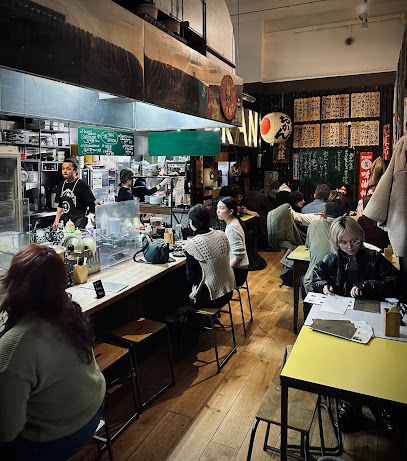
Experience authentic Osaka-style okonomiyaki and Japanese street food in a cozy, lively South Bank eatery with friendly service and a nostalgic vibe.
Ma La Sichuan
5.4 km
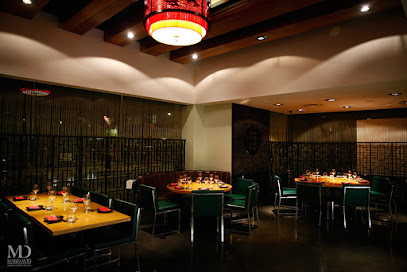
Experience authentic, boldly spiced Sichuan cuisine in the heart of Westminster with vibrant flavors and a welcoming atmosphere.
Markets, malls and hidden boutiques

The Unique Maps Co.
2.9 km
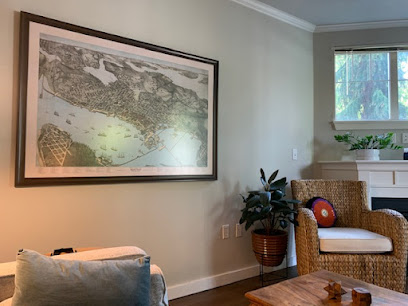
Discover rare vintage maps and bespoke cartographic art crafted with passion in London’s Unique Maps Co. workshop.
The Giftree London
4.9 km
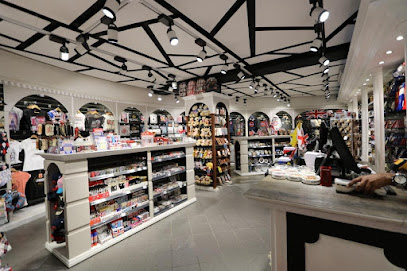
Discover London's soul in souvenirs, crafts, and conveniences at this Lambeth gem—unique gifts, luggage storage, and local flair await.
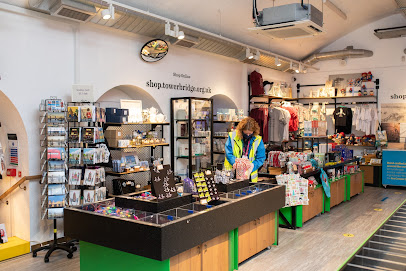
Tower Bridge - Engine Rooms and Official Gift Shop
4.9 km
Explore the fascinating history of Tower Bridge at the Engine Rooms and shop for unique gifts at the Official Gift Shop.
La Boutique Vintage
4.9 km
Unearth retro home treasures in Greenwich's cozy furniture nook—sustainable style with vintage soul.
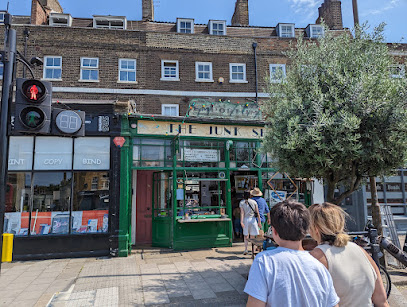
The Junk Shop
5.1 km
Lose yourself in Greenwich's maze-like antique wonderland, where eclectic treasures, a cozy tearoom, and quirky finds await around every cluttered corner.
Hay's Galleria
5.1 km
Historic riverside warehouse transformed into a vibrant shopping and dining destination beneath a stunning glass roof.
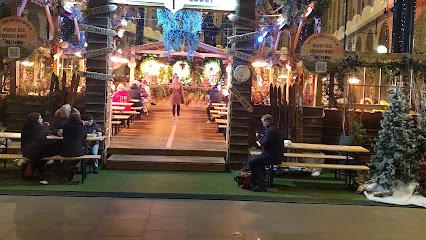
Borough Yards
5.2 km
Discover Borough Yards, a lively London district blending historic railway arches with cutting-edge shopping, dining, and culture near Borough Market.
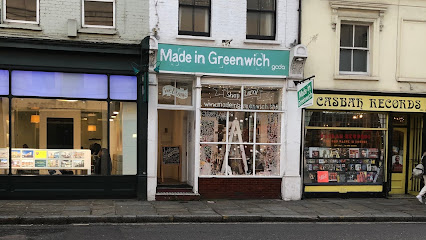
Made in Greenwich
5.3 km
Discover Greenwich's handmade heart: a not-for-profit haven where local makers' treasures shine, fueling community creativity one unique gift at a time.
Browns of London
5.3 km
Explore Browns of London for unique handcrafted gifts and local treasures in the heart of the city, perfect for memorable souvenirs from your travels.
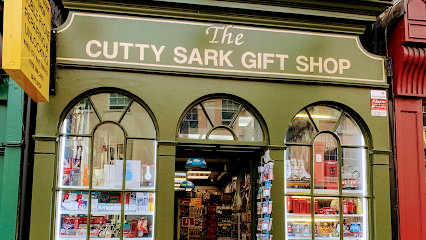
The Cutty Sark Gift Shop
5.4 km
Discover maritime magic and London keepsakes at this Greenwich gem, brimming with Cutty Sark-inspired treasures and souvenirs just steps from the historic clipper ship.
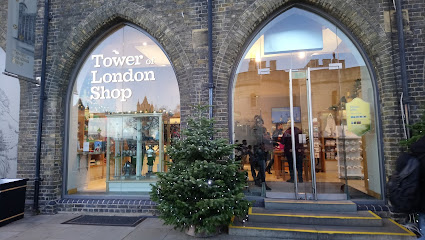
Tower of London Shop
5.4 km
Explore the Tower of London Shop for unique souvenirs that celebrate British heritage and history in the heart of London.
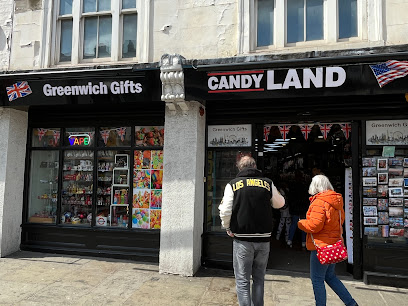
Greenwich Gifts Candy Land
5.4 km
Dive into a candy wonderland on Greenwich Church Street, where British classics and global sweets make perfect edible souvenirs in London's historic heart.
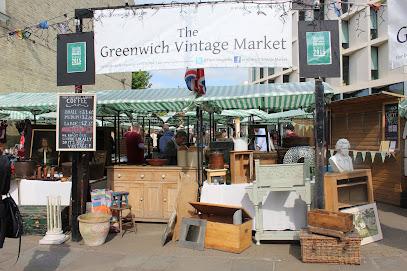
The Greenwich Vintage Market
5.4 km
Discover unique vintage treasures and handmade crafts in the heart of historic Greenwich’s vibrant market scene.
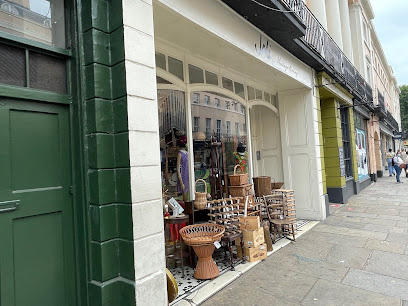
Joli Vintage Living
5.4 km
Discover timeless threads and retro treasures at Joli Vintage Living, Greenwich's gem for sustainable, era-spanning style on charming Nelson Road.
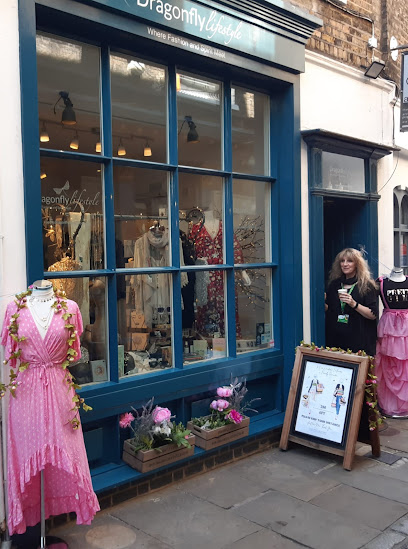
Dragonfly Lifestyle
5.4 km
A small Greenwich boutique blending mindful womenswear, handcrafted jewellery and wellbeing finds in a calm, curated shop environment.
Essential bars & hidden hideouts

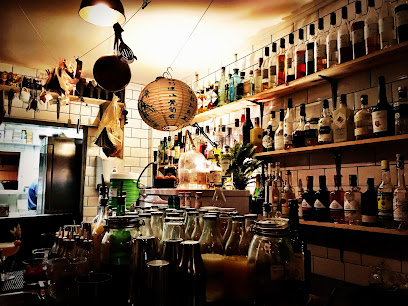
The Shrub and Shutter
2.0 km
Innovative cocktail bar and modern British restaurant offering unique shrub-based drinks and eclectic small plates in Brixton’s vibrant heart.
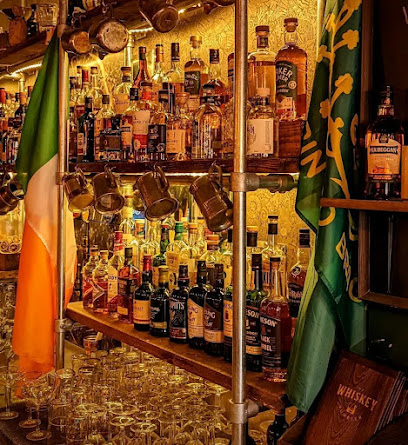
The Whiskey Tumbler
2.3 km
A cozy Brixton pub blending Irish whiskey tradition, craft cocktails, and lively live music in a warm, welcoming atmosphere.
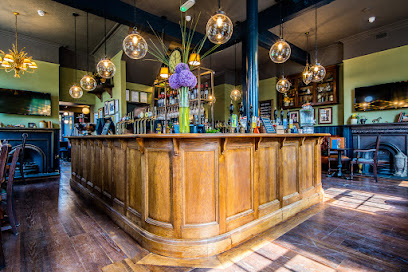
Trinity Arms
2.8 km
Historic Young’s pub in Brixton offering traditional British fare, real ales, and a cozy atmosphere on a charming London square.
The Landor
3.3 km
A lively Clapham pub with a heated beer garden, great sports atmosphere, and a menu full of crowd-pleasing favorites.
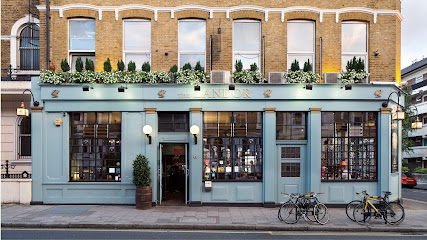
SIXTY/FOUR Cocktail Bar
3.7 km
A stylish Clapham hotspot offering creative cocktails, rooftop vibes, and soulful house tunes in a cozy, intimate setting.
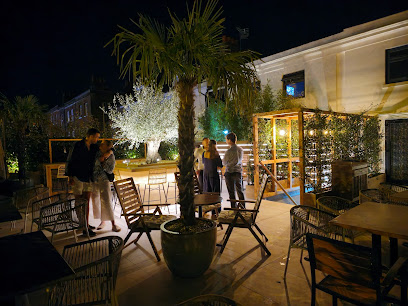
The Old School Yard
4.5 km
Step into a lively retro playground with expertly crafted cocktails, classic arcade games, and a vibrant 80s and 90s atmosphere in London Bridge.
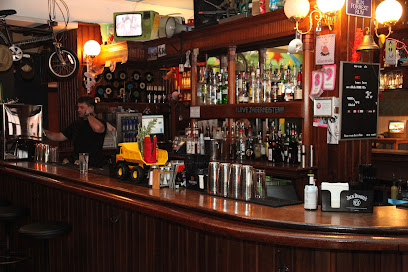
Morpeth Arms
4.7 km
Historic Thameside pub with cask ales, hearty fare, haunted cellars, and MI6 views— a Westminster gem blending Victorian ghosts and modern cheer.
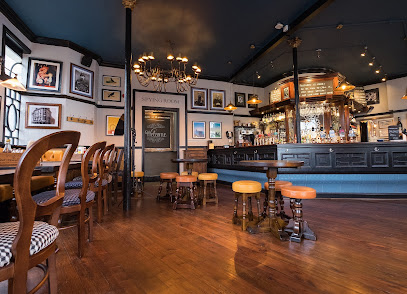
The Cocktail Party
4.8 km
Experience the elegance of bespoke mobile cocktail catering in London with The Cocktail Party, where every event becomes a memorable occasion.
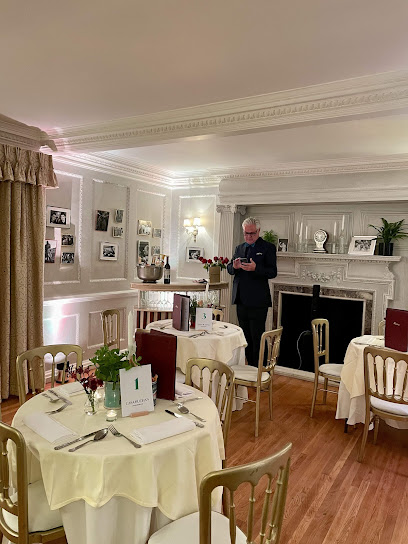
Nine Lives
4.8 km
A subterranean Bermondsey bar blending Mexican spirits, sustainable craft cocktails, and vibrant sharable dishes in a boho-chic setting.
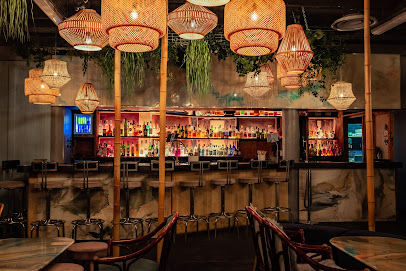
The Midnight Apothecary
5.0 km
Discover a magical rooftop bar blending botanical cocktails, fire pits, and historic tunnel tours atop London’s Brunel Museum.
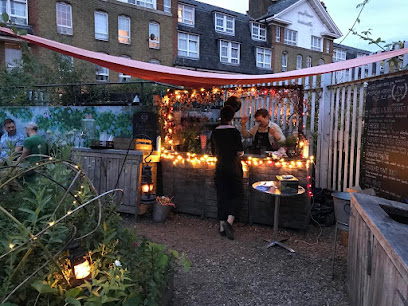
Mindful Mixology
5.0 km
A compact Greenwich cocktail bar focused on lower-sugar craft drinks, hands-on masterclasses and a calm riverside atmosphere.

The Lost Hour
5.1 km
Greenwich's craft beer epicenter where sports, pub grub, and late-night vibes collide—lose yourself in the fun on High Road.
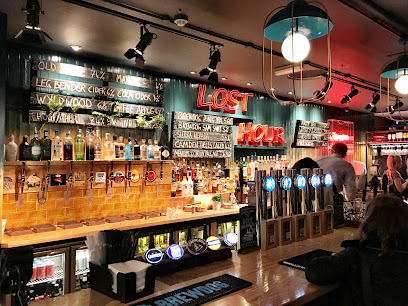
Drink At Bob's
5.2 km
Lively cocktail bar in Hither Green blending expertly crafted drinks, live music, and a welcoming vibe with vegan-friendly options.
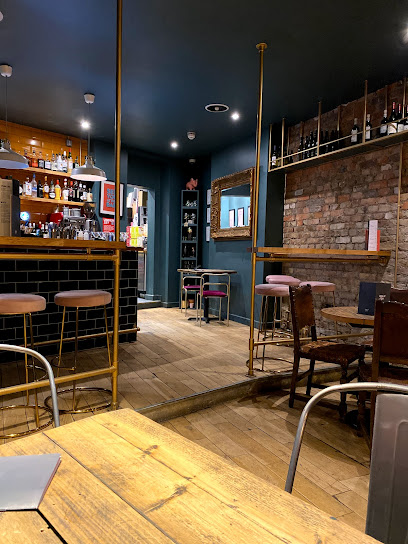
Primo Bar, London
5.3 km
Sophisticated South Bank cocktails and live jazz with Big Ben views—Primo Bar blends daytime lounge ease with electrifying nightly performances in stylish 60s-inspired surrounds.
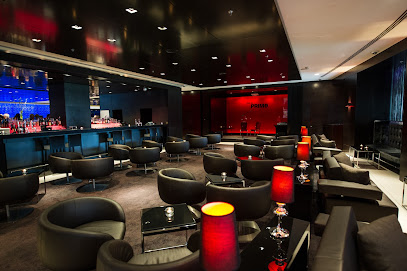
Waterloo Lost Property Office Speakeasy
5.3 km
Discover a hidden 1920s-inspired speakeasy in Waterloo serving expertly crafted cocktails in a seductive, vintage setting.
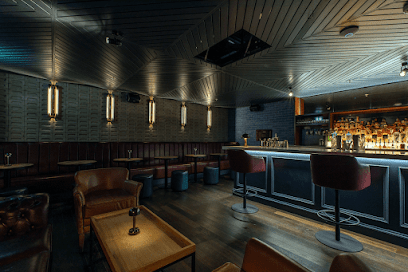
Nightclubs & after hour spots

Club 701
2.8 km
Experience the vibrant nightlife and dynamic clubbing scene at Club 701, South London's energetic hotspot on Old Kent Road.
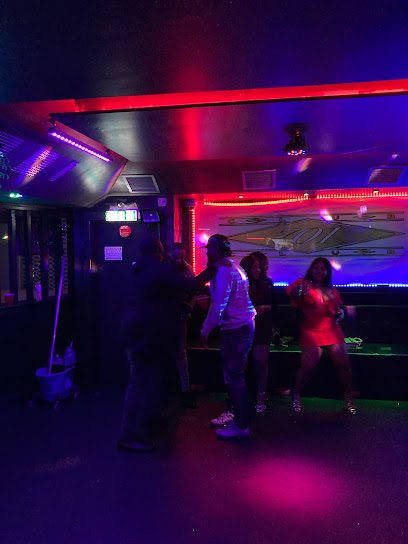
The Venue
3.4 km
A vibrant multi-room nightclub in New Cross, London, blending diverse music, cutting-edge sound, and a welcoming atmosphere since 1989.
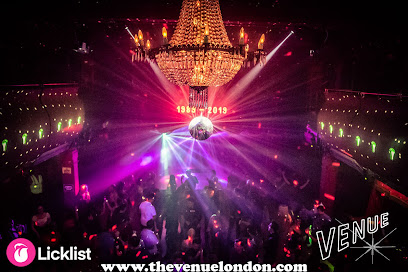
The Hatch Club
3.5 km
A late-night New Cross club with a roomy dancefloor, VIP sections and bass-forward DJ nights—built for parties and private events.

Corsica Studios
4.0 km
Experience London’s underground music pulse at Corsica Studios, where intimate vibes meet exceptional sound beneath historic railway arches.
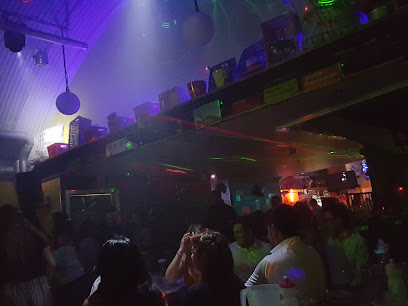
Fire Nightclub
4.1 km
Vauxhall's railway arch behemoth: all-night house marathons, go-go dancers, and dawn-defying beats in London's gay club epicenter.

The Bunker
4.1 km
A compact, late-night basement club on Deptford Broadway offering affordable drinks, close-up atmosphere and energetic weekend sessions.
Lightbox London
4.2 km
Dive into dazzling LED realms at Vauxhall's electrifying nightclub, where lights, beats, and all-night energy create unforgettable weekend escapes.
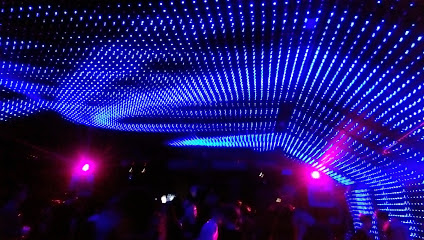
Bootylicious London last Saturday of the month
4.3 km
Late-night Vauxhall institution for raw techno, queer-focused party nights and after-hours clubbing on Albert Embankment.
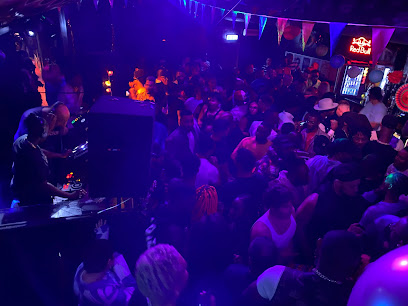
Union
4.3 km
Vauxhall's relentless nightclub heartbeat: techno-fueled nights stretching to dawn in multi-zone bliss along the Thames.
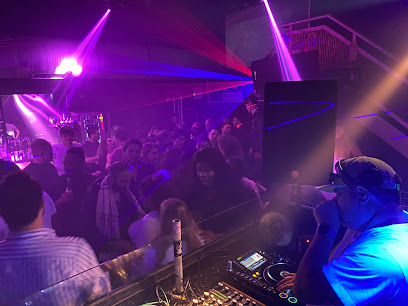
STRAWBERRY SUNDAE
5.3 km
Retro rave haven in Waterloo Arches: Daytime hardcore beats, 90s DJ legends, and industrial euphoria from midday to midnight.
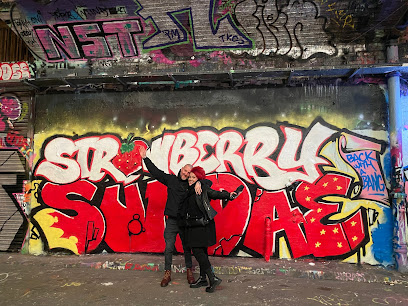
Cirque Du Soul
5.4 km
Dive into Leake Street's graffiti tunnel for soul-stirring electronic nights at this underground nightclub haven.
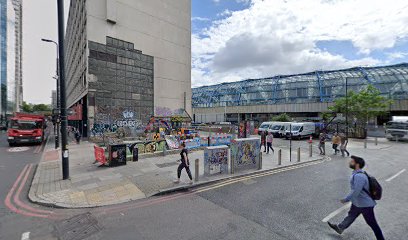
We Are Waterloo
5.4 km
Dive into Leake Street's graffiti heart where street art meets thumping beats in London's ultimate underground nightclub haven.
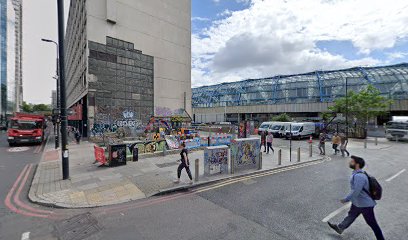
Oliver's Jazz Bar
5.4 km
Experience the soulful rhythms and vibrant atmosphere at Oliver's Jazz Bar, where great music meets delightful drinks in the heart of London.
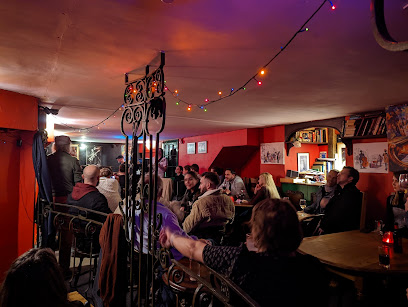
E1
5.6 km
Experience East London’s underground pulse with E1’s cutting-edge sound, immersive visuals, and vibrant club nights.
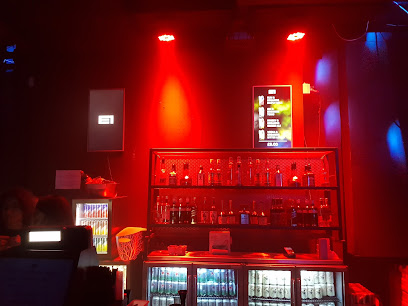
The Steel Yard
5.6 km
Experience London’s premier industrial-chic nightclub set in historic Victorian railway arches, with world-class sound and late-night energy until 6am.
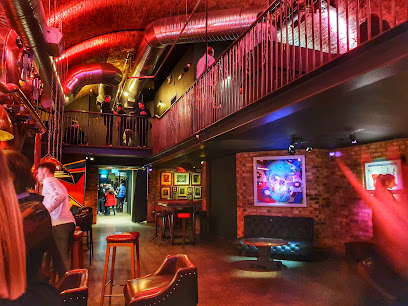
For the vibe & atmosphere seeker
- Unique
- Quirky
- Tranquil
- Scenic
For the design and aesthetic lover
- Colorful Aesthetics
- Bohemian Styles
For the architecture buff
- Historic
- Art & Design
- Heritage Neighborhoods
For the view chaser and sunset hunter
- Iconic Views
For the social media creator & influencer
- Instagrammable
- Photo Spots
- Selfie Spots
- Aesthetic Corners
For the eco-conscious traveler
- Low Impact
- Locally Managed
- Public-Transport Accessible
For the kind of experience you’re after
- Cultural Heritage
- Myth & Legends
- Photowalk
- Day Trip
- Weekend Getaway
For how adventurous you want the journey to be
- Easy Access
Location Audience
- Family Friendly
- Senior Friendly
- Child Friendly
- Teen Friendly
- Solo Friendly
- Couple Friendly
- Vegetarian Friendly
- Vegan Friendly


