

Vauxhall Bridge: A Historic Thames Crossing in London
Vauxhall Bridge: Historic iron origins meet modern steel, linking London’s south and north banks with art and engineering heritage.
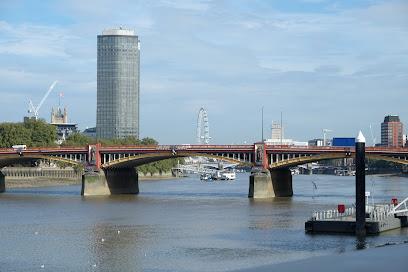
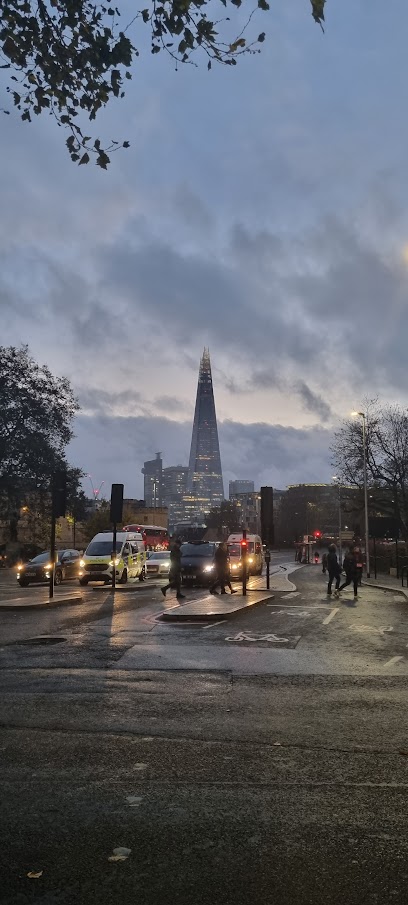
Vauxhall Bridge is a steel and granite road bridge spanning the River Thames in London, linking Vauxhall on the south bank with Westminster on the north. Opened in 1906, it replaced an earlier iron toll bridge from 1816, notable as the first iron bridge over the Thames. The current bridge was the first in central London designed to carry trams and later featured one of the city's earliest bus lanes. It remains a vital artery for vehicles, cyclists, and pedestrians crossing the Thames.
A brief summary to Vauxhall Bridge
- London, GB
- Duration: 0.5 to 2 hours
- Free
-
 Outdoor
- Mobile reception: 5 out of 5
Local tips
- Take time to admire the eight large statues on the bridge’s piers, especially the miniature St Paul’s Cathedral held by the ‘Architecture’ statue.
- Visit at sunset for scenic views of the Thames and the London skyline framed by the bridge’s arches.
- Be aware that the bridge carries heavy traffic; use pedestrian crossings and cycle lanes for safety.
- Learn about the bridge’s history through nearby information boards and consider exploring the adjacent Vauxhall Pleasure Gardens site.

For the on-the-go comforts that matter to you
- Restrooms
- Drink Options
- Food Options
- Seating Areas
- Information Boards
Getting There
-
London Underground
Take the Victoria Line to Vauxhall Station, a 10-15 minute walk from the bridge. Trains run frequently with fares typically between £2.50 and £5.00 depending on zones and time.
-
Bus
Several bus routes serve Vauxhall Bridge Road, including routes 36 and 185. Buses run every 10-20 minutes with a standard fare of around £1.75 using contactless payment or Oyster card.
-
Taxi or Rideshare
Taxis and rideshare services can drop you directly at the bridge. Travel times vary from 10 to 30 minutes depending on traffic. Expect fares starting around £8 within central London.
-
Walking
From central London landmarks like Westminster, walking to Vauxhall Bridge takes about 20-30 minutes over mostly flat terrain, suitable for most pedestrians.
Vauxhall Bridge location weather suitability
-
 Any Weather
-
 Clear Skies
-
 Rain / Wet Weather
-
 Mild Temperatures
-
 Windy Conditions
Discover more about Vauxhall Bridge
Origins and Early Conception of Vauxhall Bridge
The site of Vauxhall Bridge has a rich history dating back to prehistoric times, with evidence of a Bronze Age wooden structure nearby, suggesting the area's long-standing importance as a river crossing. The first modern bridge at Vauxhall was conceived in the early 19th century to stimulate development on the then largely rural south bank of the Thames. Authorized by an Act of Parliament in 1809, the original bridge was initially called Regent Bridge, after the Prince Regent, before being renamed Vauxhall Bridge due to its proximity to the famous Vauxhall Pleasure Gardens.The First Iron Bridge Over the Thames
The original Vauxhall Bridge, completed in 1816 after several redesigns and engineering challenges, was the first cast-iron bridge to span the Thames. It featured nine cast-iron arches supported by stone piers and was operated as a toll bridge by a private company. Despite high hopes, the bridge initially struggled financially due to high tolls and slower-than-expected suburban development. The tolls ranged from a penny for pedestrians to higher fees for vehicles. The bridge was acquired by the Metropolitan Board of Works in 1879, becoming toll-free and public property.Structural Challenges and Replacement
Over time, the original bridge suffered from structural issues caused by river traffic and natural wear. Two central piers were removed in 1881 to improve navigation, but the foundations weakened, necessitating protective measures. Eventually, the London County Council decided to replace the aging bridge entirely. A temporary wooden bridge was installed to maintain traffic flow while the new structure was built.The Current Vauxhall Bridge: Engineering and Design
The present Vauxhall Bridge was designed by Sir Alexander Binnie and Sir Maurice Fitzmaurice, chief engineers of the London County Council. Construction began in 1898 and the bridge opened in 1906. It features a steel superstructure supported by granite piers, combining durability with a classical aesthetic. The bridge was pioneering as the first in central London to carry trams and later included one of the city's first dedicated bus lanes, reflecting its importance in urban transport.Artistic Features and Cultural Significance
Vauxhall Bridge is adorned with eight colossal statues by Alfred Drury and Francis Pomeroy, installed shortly after its opening. Notably, Pomeroy’s sculpture 'Architecture' holds a miniature scale model of St Paul's Cathedral, linking the bridge artistically to London’s architectural heritage. The bridge has also played a role in cultural events, such as the 2012 Diamond Jubilee river pageant, underscoring its place in London’s civic life.Modern Role and Legacy
Today, Vauxhall Bridge remains a critical crossing for over 50,000 vehicles daily, including cyclists and pedestrians. While it may appear utilitarian at road level, its engineering significance, historical layers, and artistic embellishments make it a noteworthy London landmark. The bridge’s evolution from a toll iron crossing to a modern steel thoroughfare encapsulates London’s growth and changing transportation needs over two centuries.Iconic landmarks you can’t miss

Vauxhall Bridge
0.0 km
Vauxhall Bridge: Historic iron origins meet modern steel, linking London’s south and north banks with art and engineering heritage.
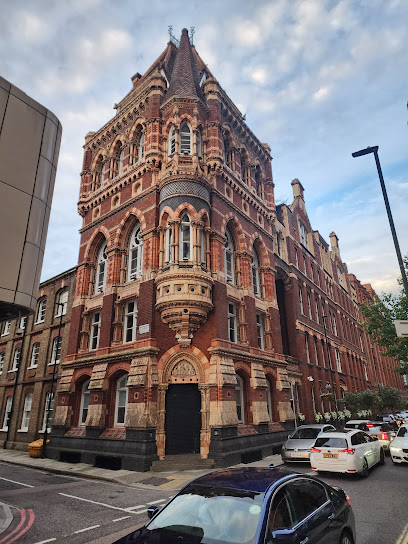
Southbank House
0.7 km
Historic terracotta landmark in Lambeth, blending Victorian pottery heritage with modern creative workspaces.
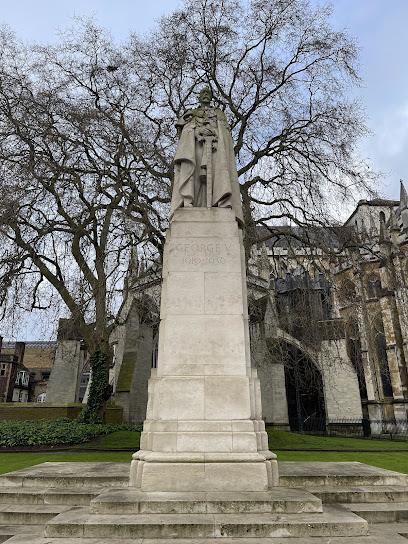
Statue of George V
1.3 km
A dignified white Portland stone statue honoring King George V, standing proudly in Westminster’s historic Old Palace Yard.
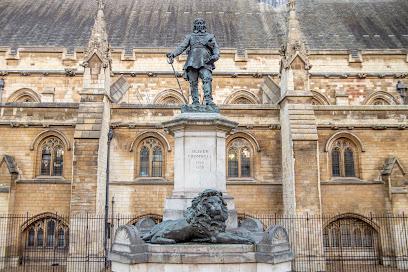
Statue of Oliver Cromwell
1.4 km
A commanding bronze tribute to Oliver Cromwell, standing outside Westminster Hall as a symbol of Britain’s turbulent 17th-century history and contested legacy.
Westminster Hall
1.4 km
Step into Westminster Hall, a majestic medieval masterpiece that has witnessed a millennium of British history, law, and monarchy.
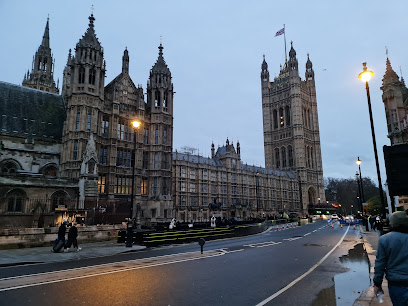
Millicent Garrett Fawcett Statue
1.5 km
Honoring Millicent Garrett Fawcett, the first woman commemorated in Parliament Square, inspiring equality through her iconic statue and legacy.
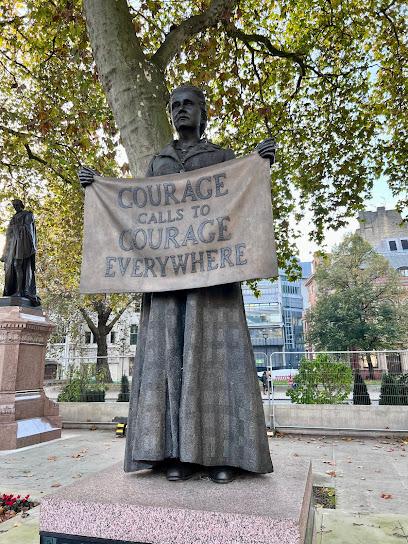
Little Ben Clock
1.5 km
Discover Little Ben, London’s charming miniature clock tower echoing Big Ben’s grandeur and symbolizing enduring Franco-British friendship.
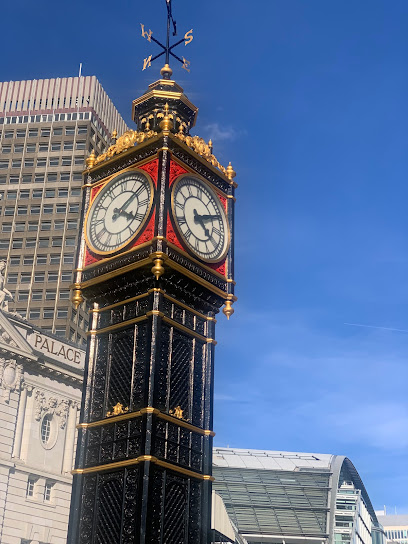
Big Ben
1.5 km
Discover the iconic Elizabeth Tower and its famous bell, Big Ben, a timeless symbol of London's heritage and British culture.

Sir Winston Churchill statue
1.5 km
Explore the Sir Winston Churchill statue in Parliament Square, a symbol of resilience and leadership in the heart of London’s historic landscape.
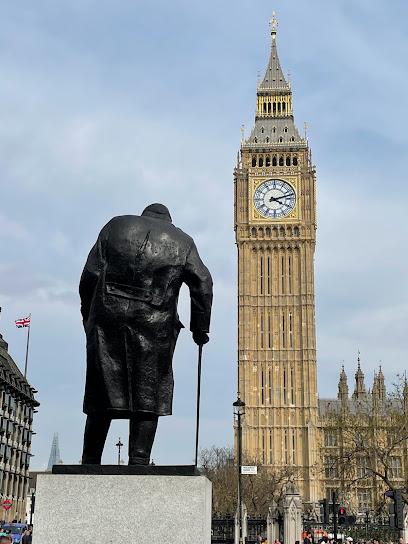
Bridge St
1.5 km
Experience the vibrant heart of London at Bridge Street, where history meets modernity in a lively cultural hub.
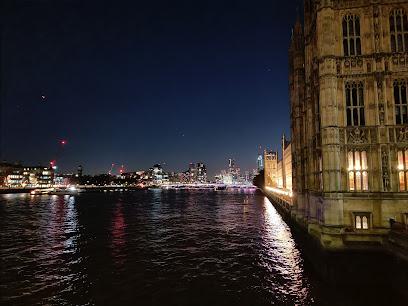
Parliament Sq
1.5 km
Where Britain's democratic institutions converge, history breathes, and voices are heard.
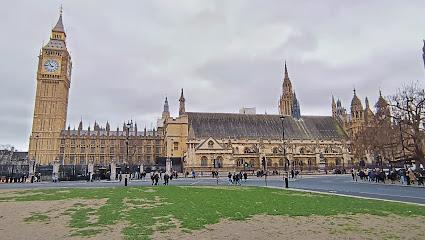
Memorial wall
1.5 km
Discover the Memorial Wall in London, a touching tribute that honors the sacrifices of heroes throughout history, inviting reflection and remembrance.
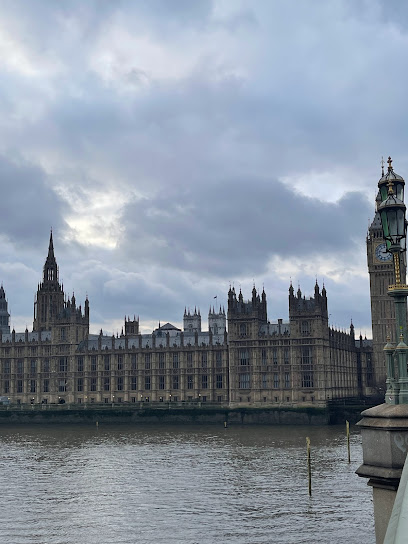
Westminster Bridge
1.5 km
Historic Gothic bridge over the Thames offering stunning views of Big Ben, the London Eye, and the Houses of Parliament.
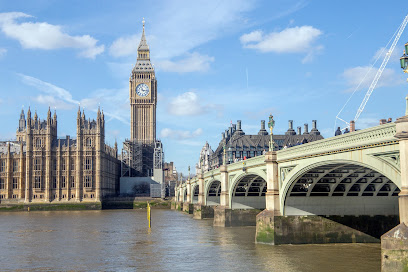
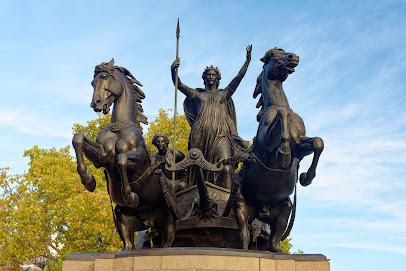
Boadicea and Her Daughters
1.5 km
A commanding bronze tribute to Boudica, the fierce Celtic queen, standing proudly on her chariot beside Westminster Bridge in the heart of London.
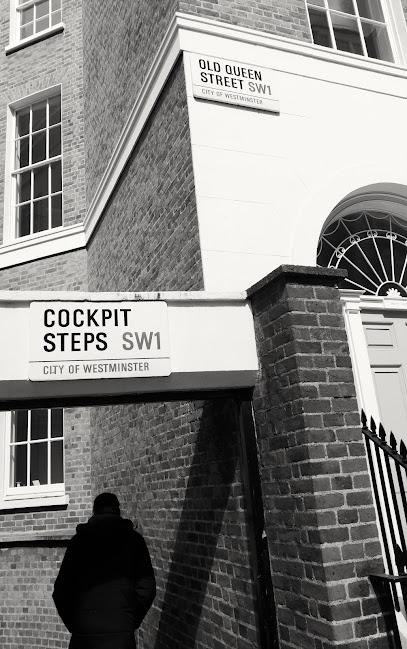
Cockpit Steps
1.5 km
Discover Cockpit Steps, a hidden historic passage in Westminster where London’s royal cockfighting past meets ghostly legend and quiet charm.
Unmissable attractions to see

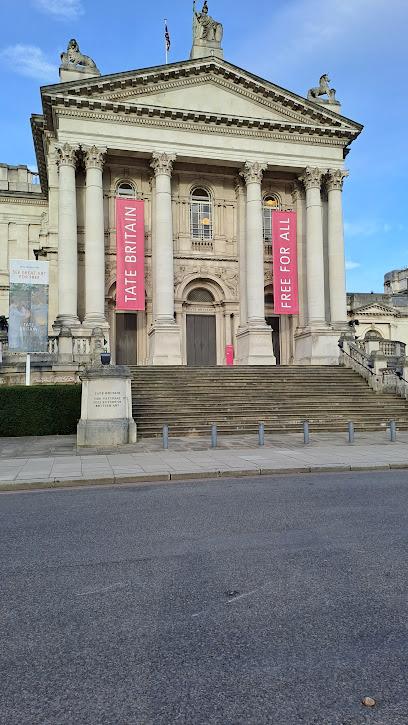
Tate Britain
0.4 km
Discover 500 years of British art at Tate Britain, home to Turner’s masterpieces and iconic works from the Pre-Raphaelites to contemporary artists.
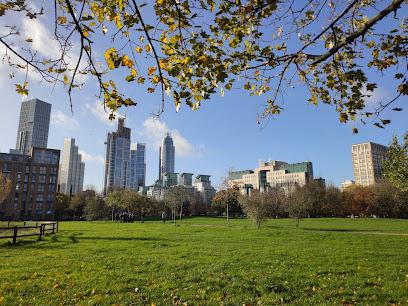
Vauxhall Pleasure Gardens
0.4 km
Historic London park on the site of the famed 18th-century Vauxhall Pleasure Gardens, blending cultural heritage with modern green space.
St Saviours Church
0.5 km
Discover the soaring Gothic spire and rich Victorian heritage of St Saviour's Church, a timeless landmark in the heart of Pimlico, London.
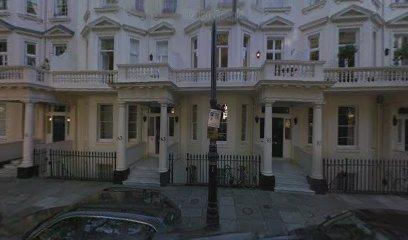
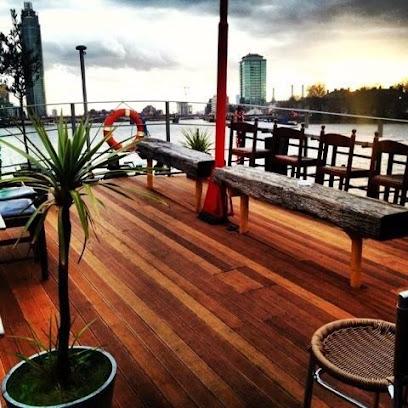
Tamesis Dock
0.6 km
Experience the lively atmosphere at Tamesis Dock, a floating bar on the Thames, offering drinks, food, and live music with stunning river views.
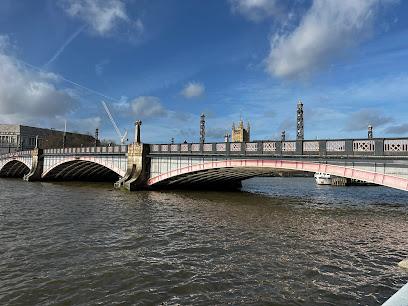
Lambeth Bridge
0.8 km
A vibrant red steel arch bridge blending historic ferry roots, elegant design, and London legends across the Thames.
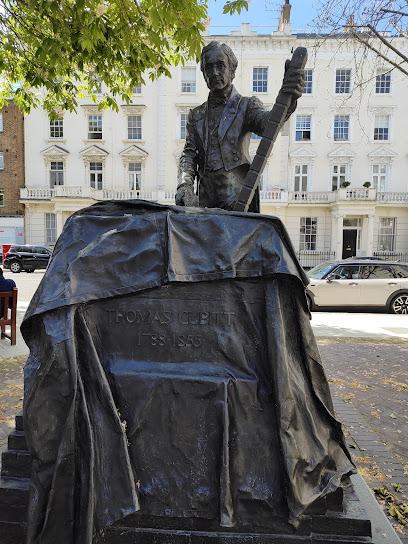
Thomas Cubitt statue
0.8 km
Honoring Thomas Cubitt, the visionary master builder who shaped Pimlico and Belgravia’s elegant streets and iconic London landmarks.
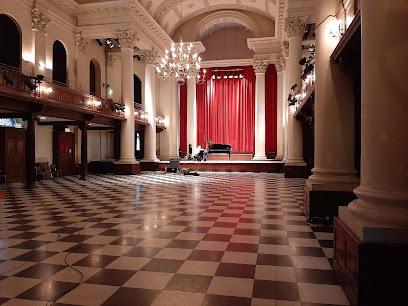
Sinfonia Smith Square
0.9 km
Experience world-class classical music in a stunning 18th-century Baroque concert hall at the heart of Westminster.
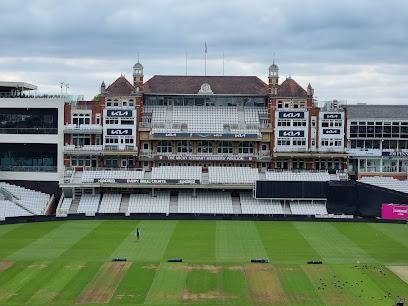
The Oval
0.9 km
Historic cricket ground in London, home to Surrey CCC and the birthplace of the Ashes rivalry, set against iconic Victorian gas holders.
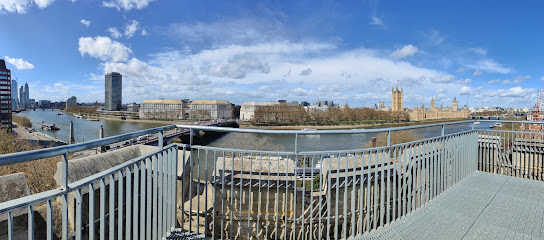
Garden Museum
0.9 km
Medieval church celebrating British gardens, from royal estates to allotments, with seasonal café.
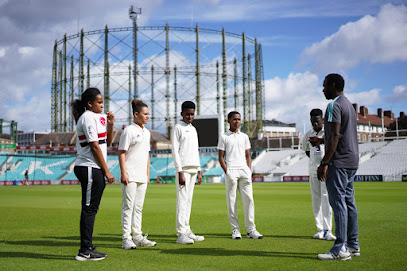
The ACE Programme Charity
1.0 km
Historic cricket ground and premier London venue blending sporting heritage with modern event excellence.
Lambeth Palace
1.0 km
Explore the rich history and serene gardens of Lambeth Palace, the iconic residence of the Archbishop of Canterbury in London.
Victoria Tower Gardens South
1.1 km
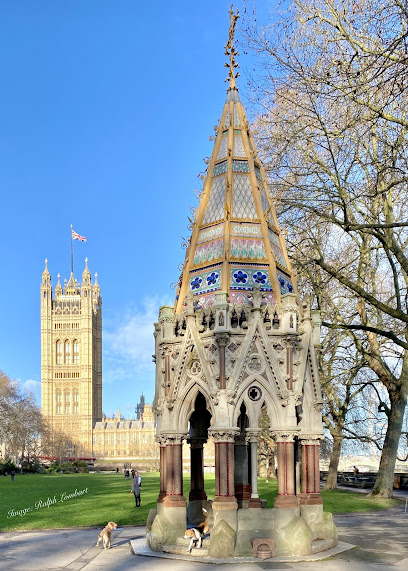
A peaceful riverside park in Westminster featuring iconic memorials, scenic views, and a family-friendly playground beside the Houses of Parliament.
New Covent Garden Market
1.2 km
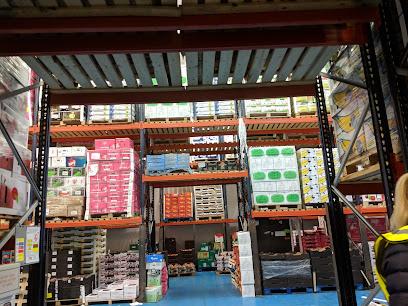
The UK’s largest wholesale fruit, vegetable, and flower market, bustling with early-morning trade and rich London heritage.
Jewel Tower
1.2 km
Discover the Jewel Tower, a medieval fortress guarding royal treasures and parliamentary history opposite London’s iconic Houses of Parliament.
Royal Court
1.2 km
London’s Royal Court Theatre: A historic beacon for groundbreaking new plays and emerging playwrights in the heart of Sloane Square.
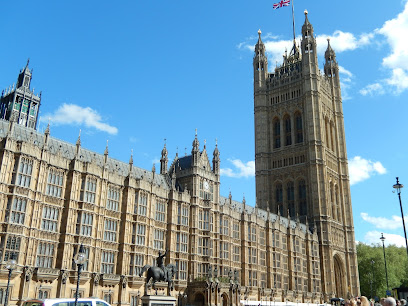
Essential places to dine

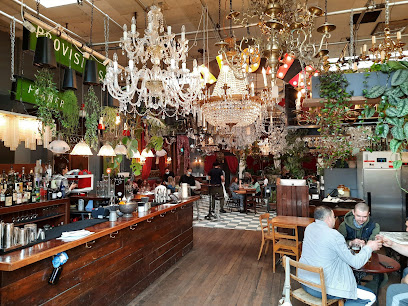
Brunswick House
0.3 km
Experience inventive British cuisine in a stunning Georgian mansion adorned with chandeliers and antiques, blending history and modern dining in Vauxhall.
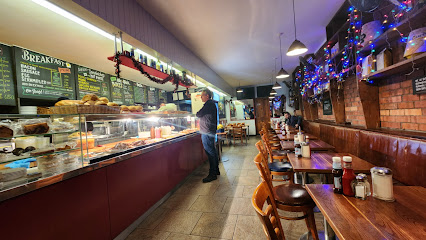
Sapori
0.8 km
Enjoy authentic Italian cuisine with generous portions and a lively atmosphere in the heart of Westminster, London.
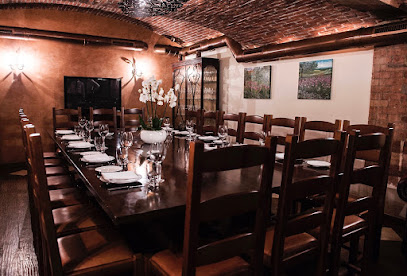
Osteria dell'Angolo
0.9 km
Classic Italian flavors and fresh pasta in a warm, elegant Westminster setting with attentive service and a visible kitchen.
Ma La Sichuan
1.0 km
Experience authentic, boldly spiced Sichuan cuisine in the heart of Westminster with vibrant flavors and a welcoming atmosphere.
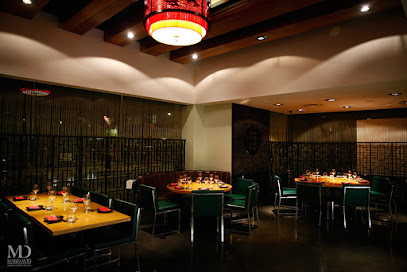
Mio Restaurant & Bar
1.1 km
Authentic Italian flavors and warm hospitality await you in this cozy central London gem with generous portions and great value.
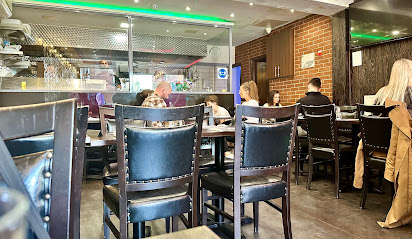
Colosseo Restaurant
1.2 km
Experience authentic Italian flavors and warm hospitality in the heart of London’s Victoria at Colosseo Restaurant.
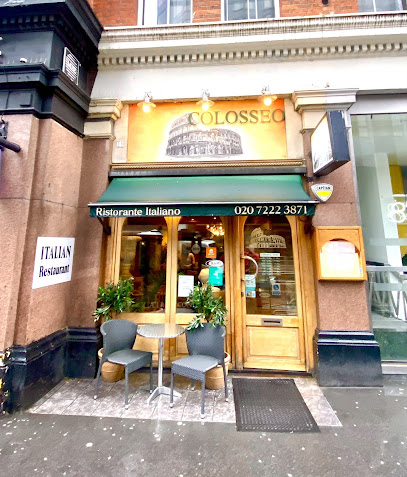
Chez Antoinette Victoria
1.3 km
Authentic French bistro in London’s Victoria offering classic Lyonnais and Parisian dishes in a cozy, Parisian-style setting.
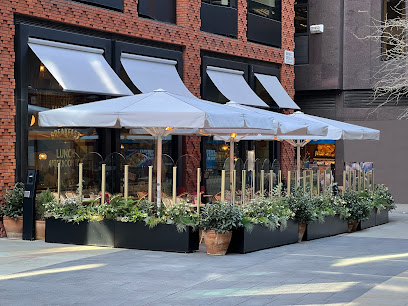
Caxton Grill
1.3 km
Refined British grill cuisine with fresh rooftop garden produce in a relaxed Westminster setting inside St Ermin’s Hotel.
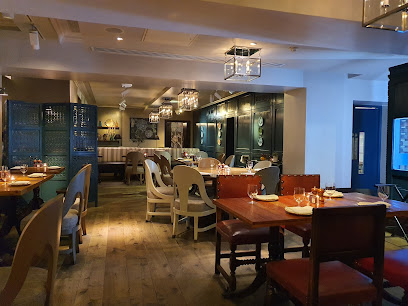
The Pem
1.4 km
Elegant modern British dining in Westminster, honoring heritage with exquisite seasonal menus and refined ambiance.
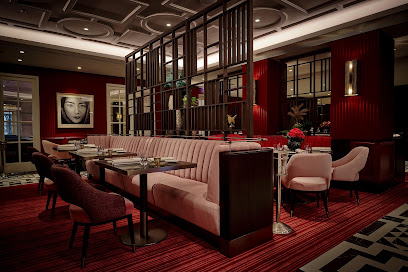
Bill's Victoria Restaurant
1.4 km
A vibrant British eatery near Victoria Station offering hearty classics, sharing plates, and plant-based dishes in a cozy, casual setting.
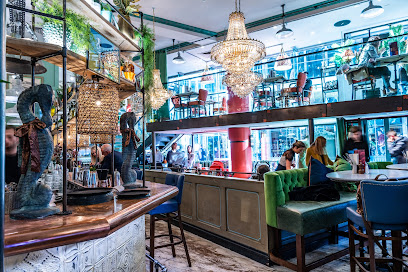
The English Grill
1.6 km
Classic British dining perfected with expertly grilled steaks and seasonal delights in a refined, elegant setting near London’s iconic theatres.
Park Plaza London Westminster Bridge
1.6 km
Stylish 4-star hotel on London’s South Bank with exceptional dining, event spaces, and modern amenities near iconic landmarks.
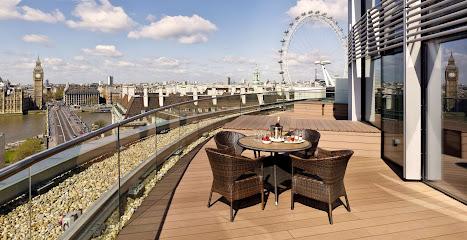
OKAN South Bank
1.7 km
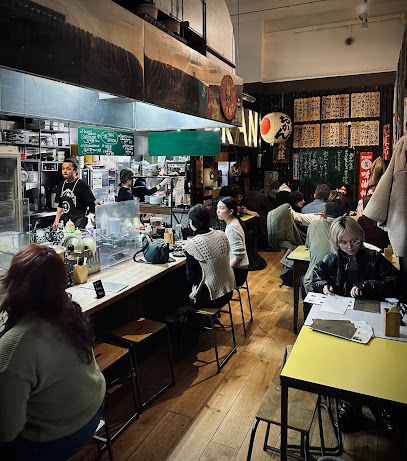
Experience authentic Osaka-style okonomiyaki and Japanese street food in a cozy, lively South Bank eatery with friendly service and a nostalgic vibe.
Troia Southbank
1.7 km
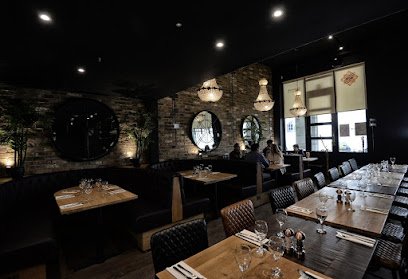
Experience authentic Mediterranean and Middle Eastern cuisine with halal options in a vibrant riverside setting near the London Eye.
The Archduke
2.1 km
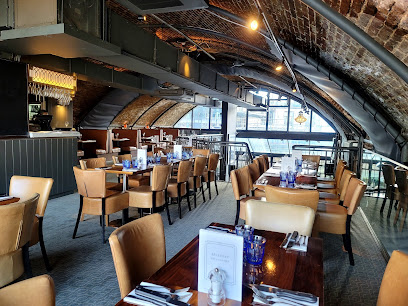
Lively steakhouse and wine bar in Waterloo with superb Scotch beef, classic desserts, and live jazz in a buzzy, inviting atmosphere.
Markets, malls and hidden boutiques

Westminster Abbey Shop
1.3 km
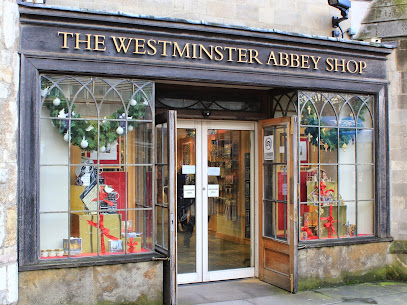
Discover exclusive Abbey-inspired gifts and souvenirs that support Westminster Abbey’s heritage and conservation efforts.
Jubilee Shop (Houses of Parliament Gift Shop)
1.4 km
Discover exclusive British political gifts and souvenirs inside the historic Westminster Hall at the Jubilee Shop, Houses of Parliament.
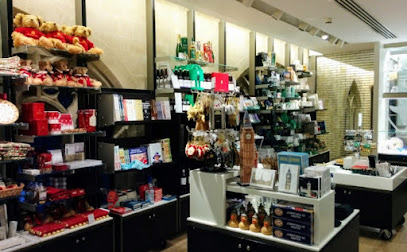
Houses of Parliament Shop
1.5 km
Discover parliamentary pride in souvenirs, books, and gifts at this cozy Bridge Street boutique, steps from Westminster's iconic halls.
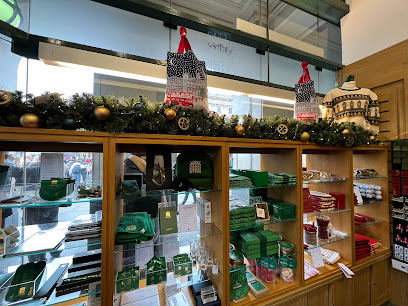
Browns of London
1.5 km
Explore Browns of London for unique handcrafted gifts and local treasures in the heart of the city, perfect for memorable souvenirs from your travels.
The Giftree London
1.6 km
Discover London's soul in souvenirs, crafts, and conveniences at this Lambeth gem—unique gifts, luggage storage, and local flair await.
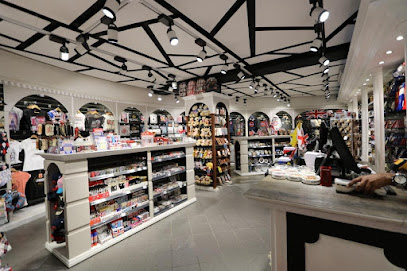
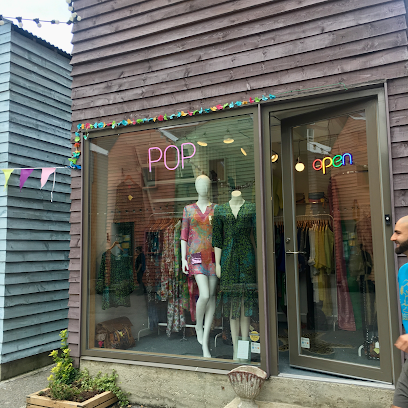
Pop London - Sustainable Fashion Boutique
1.6 km
Discover stylish, affordable sustainable fashion at Pop London, a boutique blending ethical design with community spirit in the heart of London.
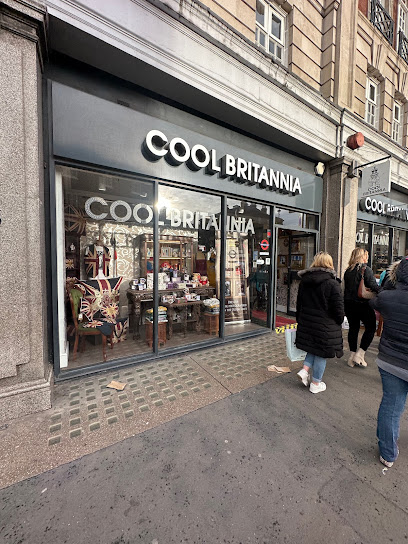
Cool Britannia
1.7 km
Discover authentic British souvenirs and vintage photography moments just steps from Buckingham Palace in a lively and welcoming shop.
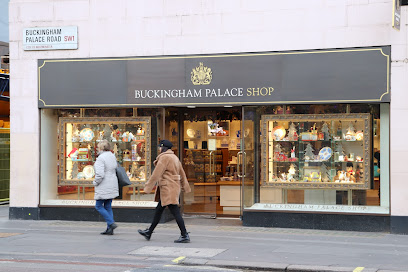
Buckingham Palace Shop
1.7 km
Official royal souvenirs at the palace gates: chinaware, gifts, and memorabilia that bring Buckingham Palace's grandeur home with you. (162 characters)
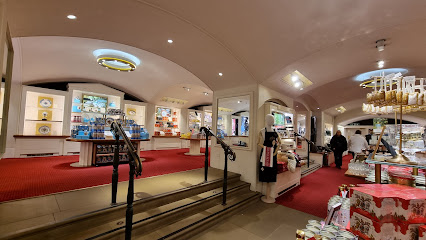
The Queen's Shop
1.7 km
Exclusive royal gifts and British heritage souvenirs steps from Buckingham Palace, blending luxury, tradition, and timeless elegance in a charming London boutique.
The Unique Maps Co.
1.8 km
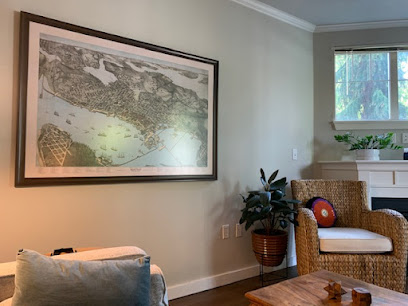
Discover rare vintage maps and bespoke cartographic art crafted with passion in London’s Unique Maps Co. workshop.
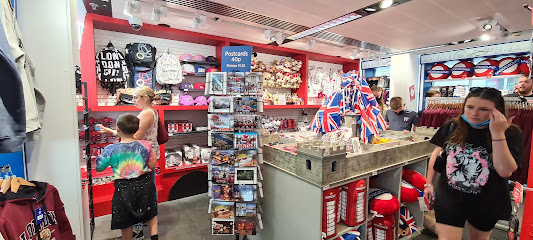
Gift Shop - London Eye Shop
1.8 km
Capture London's magic at the London Eye Gift Shop: exclusive souvenirs, Thames views, and iconic keepsakes from the wheel's base.
Custom Gifts By Jupiter
2.0 km
Unleash creativity with bespoke gifts and custom decor from this South Bank artisan haven near the Thames and iconic landmarks.
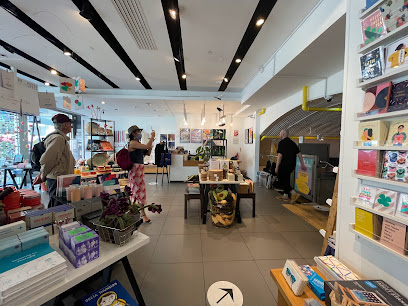
Southbank Centre Shop, Mandela Walk
2.1 km
Discover creative gifts, sustainable homewares, and arts-inspired souvenirs on vibrant Mandela Walk, opposite Royal Festival Hall—a stylish treat amid South Bank's cultural heartbeat.
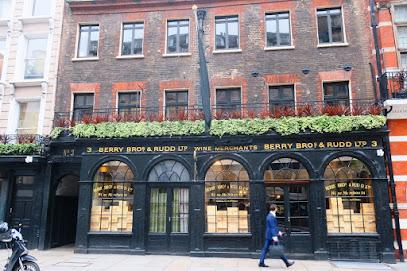
Berry Bros. & Rudd Wine Shop
2.1 km
London’s oldest family-run wine merchant since 1698, blending royal tradition with expert wine and spirits in a historic Pall Mall setting.
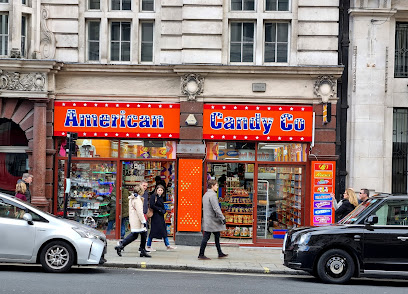
Crest of London Ltd
2.2 km
Discover authentic London souvenirs and local crafts at Crest of London Ltd, your premier gift shop in historic Whitehall.
Essential bars & hidden hideouts

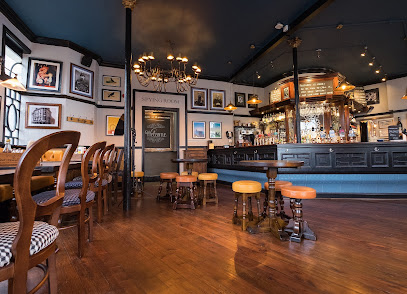
Morpeth Arms
0.2 km
Historic Thameside pub with cask ales, hearty fare, haunted cellars, and MI6 views— a Westminster gem blending Victorian ghosts and modern cheer.
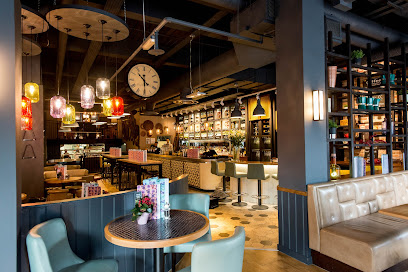
All Bar One Victoria
1.3 km
Sophisticated wines, global bites, and lively vibes on Victoria Street – London's go-to for stylish drinks and casual feasts near Westminster's heart.
The White Ferry, Victoria (PUBLOVE)
1.4 km
Affordable hostel living meets classic British pub culture in the heart of Pimlico, steps from Victoria Station and London’s iconic sights.
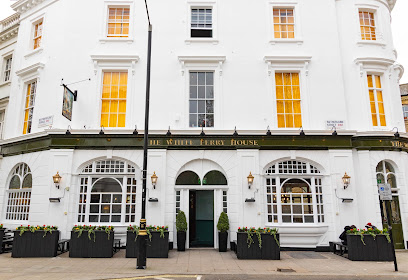
Blue Boar Pub
1.4 km
Traditional Westminster pub serving hearty British classics in a cozy, historic setting near Abbey and Parliament—perfect for ales, roasts, and relaxed evenings.
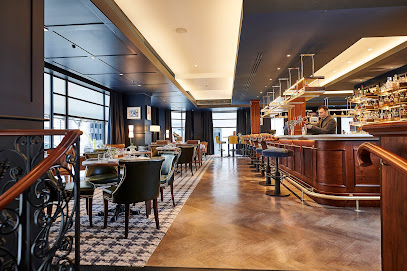
Adam & Eve
1.5 km
Classic Westminster pub pouring real ales and hearty grub amid historic streets—a cozy haven near Parliament and the Abbey for authentic London pints.
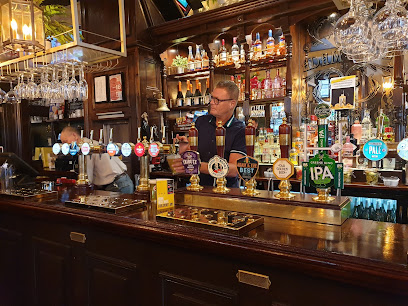
Westminster Arms
1.5 km
Historic Westminster pub with parliamentary division bell, Shepherd Neame ales, and cozy alcoves steps from Abbey and Parliament—timeless British charm in political heart.
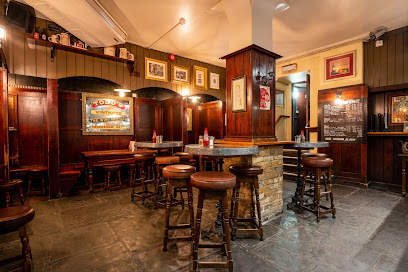
Two Chairmen
1.5 km
Traditional Westminster pub serving hearty pies, fresh ales, and classic British cheer just steps from St. James's Park and Parliament.
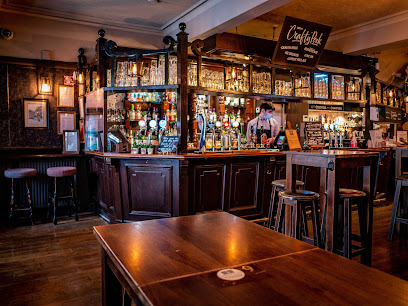
The Red Lion, Parliament Street
1.6 km
A venerable Westminster corner pub — late‑Victorian fittings, political atmosphere and a long history beside Downing Street and Parliament.
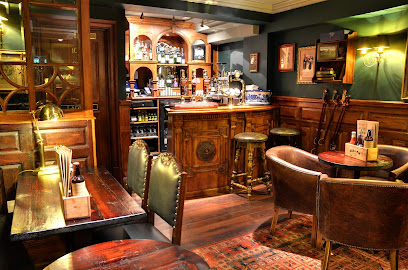
Bbar
1.6 km
Chic Victoria cocktail bar beneath a living wall, blending South African zest with inventive drinks, hearty bites, and unforgettable afternoon teas near Buckingham Palace.
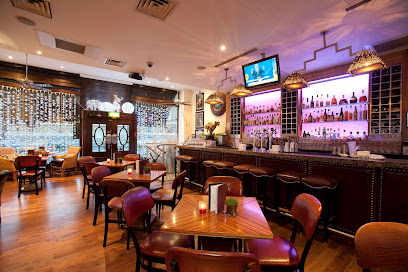
The New York Bar
1.6 km
A polished hotel lounge opposite Buckingham Palace — handcrafted cocktails, tasting events and piano-accompanied afternoons in plush, traditional surroundings.
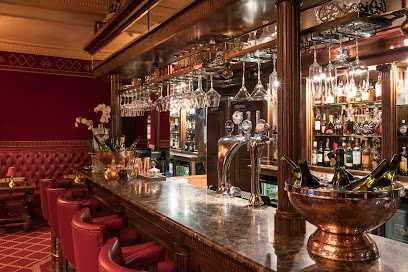
Primo Bar, London
1.7 km
Sophisticated South Bank cocktails and live jazz with Big Ben views—Primo Bar blends daytime lounge ease with electrifying nightly performances in stylish 60s-inspired surrounds.
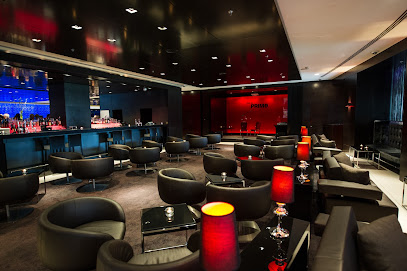
All Bar One Waterloo
1.8 km
Sophisticated South Bank bar serving creative cocktails, sharing plates, and wines in a lively spot near Waterloo Station and the London Eye.
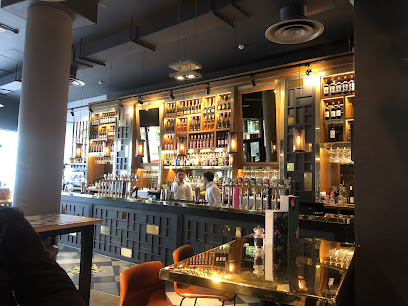
Le Champagne Bar
1.8 km
A compact riverside champagne lounge beside the London Eye—perfect for a celebratory flute and framed Thames views.
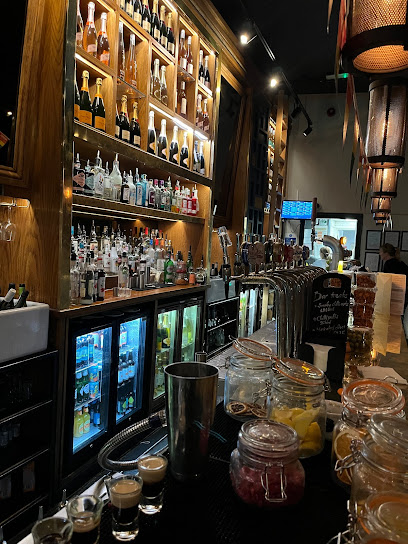
Slug & Lettuce - County Hall
1.8 km
Chic South Bank cocktail haven in County Hall: bottomless brunches, 2-for-1 sips, pub classics, and Thames views for London's liveliest lunches and nights out.
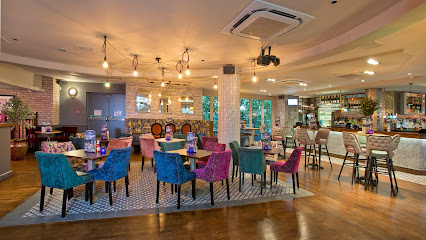
Waterloo Lost Property Office Speakeasy
1.8 km
Discover a hidden 1920s-inspired speakeasy in Waterloo serving expertly crafted cocktails in a seductive, vintage setting.
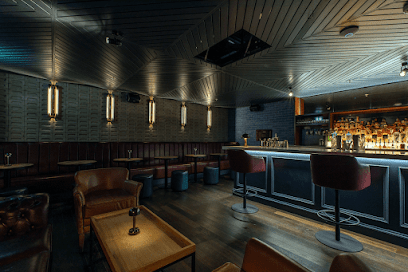
Nightclubs & after hour spots

Union
0.3 km
Vauxhall's relentless nightclub heartbeat: techno-fueled nights stretching to dawn in multi-zone bliss along the Thames.
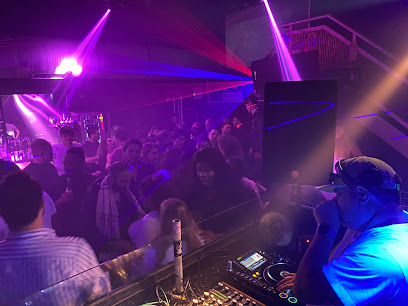
Bootylicious London last Saturday of the month
0.3 km
Late-night Vauxhall institution for raw techno, queer-focused party nights and after-hours clubbing on Albert Embankment.
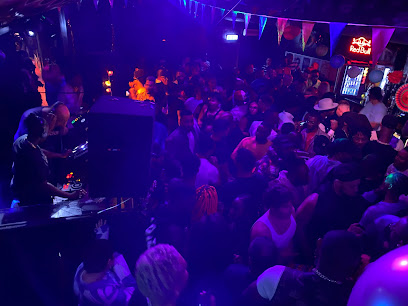
Lightbox London
0.3 km
Dive into dazzling LED realms at Vauxhall's electrifying nightclub, where lights, beats, and all-night energy create unforgettable weekend escapes.
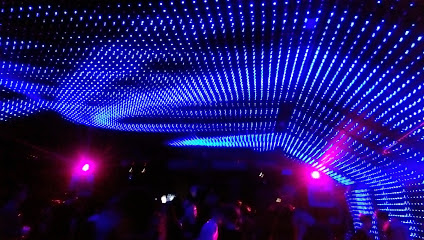
Fire Nightclub
0.4 km
Vauxhall's railway arch behemoth: all-night house marathons, go-go dancers, and dawn-defying beats in London's gay club epicenter.
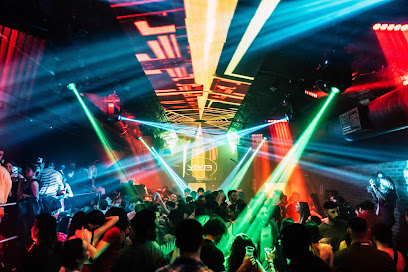
STRAWBERRY SUNDAE
1.8 km
Retro rave haven in Waterloo Arches: Daytime hardcore beats, 90s DJ legends, and industrial euphoria from midday to midnight.
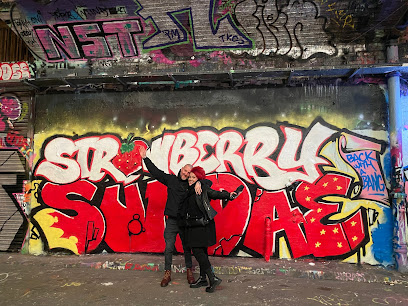
Cirque Du Soul
1.8 km
Dive into Leake Street's graffiti tunnel for soul-stirring electronic nights at this underground nightclub haven.
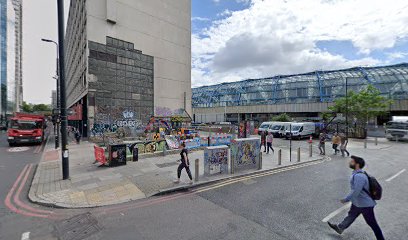
We Are Waterloo
1.8 km
Dive into Leake Street's graffiti heart where street art meets thumping beats in London's ultimate underground nightclub haven.
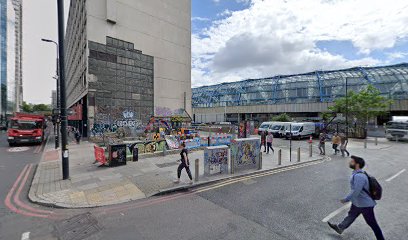
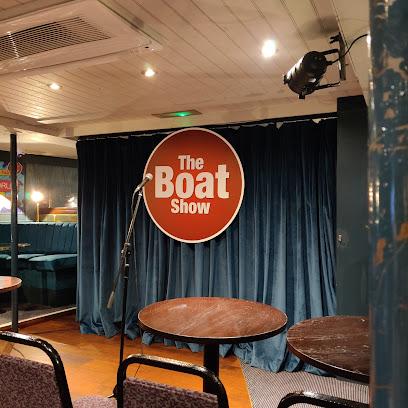
The Boat Show Comedy Club
1.9 km
London’s premier floating comedy club aboard the historic Tattershall Castle, blending laughter with iconic riverside views and vibrant nightlife.
Corsica Studios
2.1 km
Experience London’s underground music pulse at Corsica Studios, where intimate vibes meet exceptional sound beneath historic railway arches.
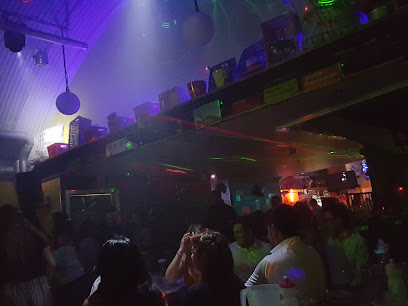
Ministry of Sound
2.2 km
London's legendary dance music cathedral since 1991, where world-class sound systems and global DJs fuel euphoric nights across four pulsing rooms.
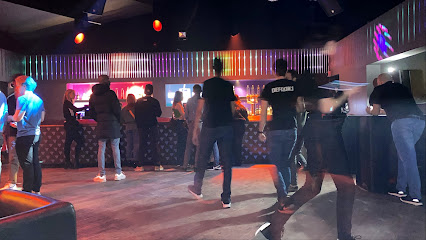
TSQ Club
2.2 km
Dive into Trafalgar Square's nightlife pulse at TSQ Club, where eclectic beats, dazzling lights, and craft cocktails fuel unforgettable weekend nights in London's heart.
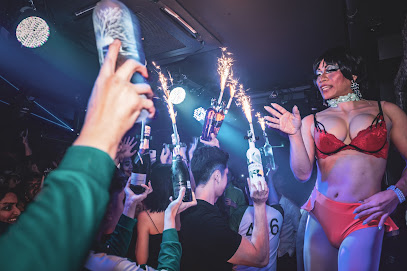
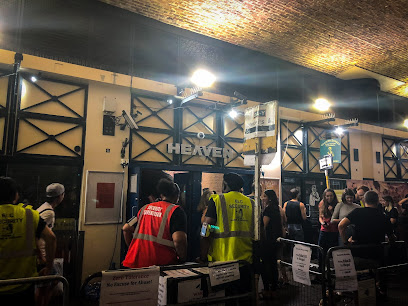
Heaven
2.3 km
London’s iconic gay superclub under the railway arches — big nights, loud music, drag, and late finishes in the heart of the West End.
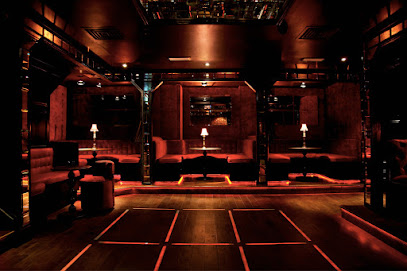
The Scotch of St James
2.3 km
Legendary Mayfair speakeasy where 60s rock stars jammed and today's elite dance till dawn in velvet-clad intimacy.
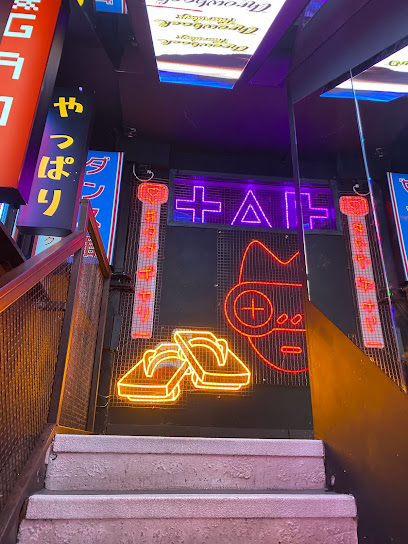
Tabu London
2.4 km
Escape Mayfair's polish for Tokyo's neon-lit Shinjuku alleys at Tabu London—retro gaming vibes, caged dancers, hip-hop beats, and upscale bites fuel epic nights.
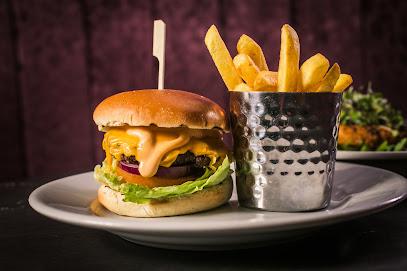
Tiger Tiger London
2.5 km
Experience London’s iconic Haymarket nightclub with six vibrant rooms, lively DJs, and a dynamic party atmosphere just moments from Piccadilly Circus.
For the vibe & atmosphere seeker
- Scenic
- Tranquil
- Unique
- Casual
For the design and aesthetic lover
- Vintage Styles
- Rustic Designs
For the architecture buff
- Historic
- Landmarks
- Art & Design
- Viewpoints
- Parks & Gardens
For the view chaser and sunset hunter
- Iconic Views
- Panoramas
- Waterfront
- Sunset Spots
For the social media creator & influencer
- Instagrammable
- Photo Spots
- Selfie Spots
- Architectural Shots
For the eco-conscious traveler
- Public-Transport Accessible
For the kind of experience you’re after
- Cultural Heritage
- Photowalk
- Nature Escape
- Day Trip
For how adventurous you want the journey to be
- Easy Access
Location Audience
- Family Friendly
- Senior Friendly
- Child Friendly
- Teen Friendly
- Wheelchair Access
- Pet Friendly
- Solo Friendly
- Couple Friendly
- Solo Female Friendly


