

River Lee Navigation, Middlesex Travel Guide
A historic 28-mile canalised river blending industrial heritage, urban vibrancy, and tranquil green spaces from Hertford to the Thames.
The River Lee Navigation is a 28-mile canalised river flowing from Hertford Castle Weir through Hertfordshire and East London to join the River Thames at Bow Creek. With a rich history dating back to Roman times and significant industrial heritage, it offers a blend of urban vibrancy and peaceful natural scenery. The navigation features locks, towpaths for walking and cycling, and is a popular route for boating and outdoor recreation.
A brief summary to River Lee Navigation
- GB
- Duration: 1 to 6 hours
- Free
-
 Outdoor
- Mobile reception: 4 out of 5

Know before you go
Hi, I'm Eve. Here are a few practical things to know before exploring River Lee Navigation.
- Explore sections of the navigation on foot or bike using the Lea Valley Walk towpath for varied scenery and wildlife.
- Enjoy boating along the navigation with well-equipped mooring points and facilities managed by the Canal & River Trust.
- Visit historic sites like Hertford Lock, Bow Locks, and Three Mills House Mill to appreciate the navigation’s industrial past.
- Stop at canal-side pubs such as the Princess of Wales in Clapton for a relaxing break with waterside views.
- Be mindful of shared use on towpaths as they are popular with walkers, cyclists, and runners.
Do you manage this location?
Take control to get all the benefits, like improved information, better appearance, and stronger visibility across AI-powered discovery. Learn more about listing your business on Evendo
Activate your presenceOther nearby places you may find interesting
The closest places of the same kind, if this one is not quite what you had in mind.
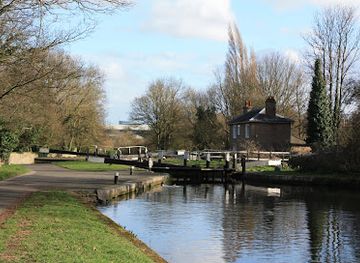
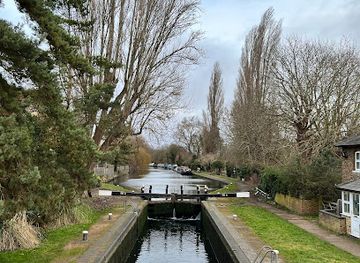
Explore River Lee Navigation on the Map
A handpicked selection of must-see spots near River Lee Navigation, mapped for you.
Getting There
-
Train and Walk
Take a train to Hertford East station (approximately 30-45 minutes from London Liverpool Street), then enjoy a 20-30 minute walk to the navigation starting point at Hertford Castle Weir. This option offers scenic countryside access and is suitable for most travelers.
-
Bus and Cycle
Use local bus services connecting towns along the Lee Navigation, such as from Enfield or Walthamstow, combined with cycling along the towpath. Bus journeys vary between 20-50 minutes depending on the route. Cycling allows flexible exploration but requires a moderate fitness level.
-
Boat Access
Hire or travel by canal boat along the Lee Navigation from Hertford or other mooring points. Boating holidays typically last from a day to a week, offering a leisurely way to experience the waterway. Facilities for water and refuse disposal are available at key locations.
For the on-the-go comforts that matter to you
-
 Restrooms
-
 Drink Options
-
 Drinking Water
-
 Food Options
-
 Seating Areas
-
 Trash Bins
-
 Information Boards
Discover more about River Lee Navigation
An Ancient Watercourse Transformed for Navigation
The River Lee Navigation traces its origins to the natural River Lea, which rises in the Chiltern Hills and flows southeast through Hertfordshire and East London before meeting the River Thames at Bow Creek. Historically, the river was a vital transport and trade route, with evidence of Bronze Age dugout canoes and Anglo-Saxon barges. In the medieval period, it supported numerous water mills and was a crucial artery for transporting grain to London. The first Act of Parliament to improve the river was passed in 1424, marking the beginning of centuries of canalisation and lock construction to facilitate navigation and commerce.Engineering and Industrial Heritage Along the Waterway
The Lee Navigation as it exists today was largely shaped by 18th- and 19th-century improvements, including the creation of straight canal cuts, towpaths, and locks such as Hertford Lock and Bow Locks. These modifications allowed for more efficient movement of goods, especially during the Industrial Revolution when the Lower Lee Valley became a hub for chemical manufacturing, railways, and other industries. The navigation’s infrastructure reflects this heritage, with roving bridges and lock gates designed by pioneers like John Smeaton and William Jessop. The Limehouse Cut, connecting the navigation to the Thames, shortened travel times and enhanced London’s commercial waterways.Natural Beauty and Urban Green Spaces
Today, the Lee Navigation offers a striking contrast between bustling urban environments and tranquil natural landscapes. Towpaths run alongside the waterway, popular with walkers, cyclists, and runners, passing through green spaces such as Walthamstow Marshes, Hackney Marshes, and the Lee Valley Park. The area supports diverse wildlife and includes nature reserves and reservoirs. Restoration projects linked to the 2012 London Olympics have enhanced access and improved habitats, making the navigation a valued recreational resource.Recreational Boating and Community Along the Waterway
The navigation is a favored route for canal boaters, with mooring points and facilities such as water points and refuse stations at regular intervals. Boaters enjoy the mixture of countryside serenity near Hertford and the vibrant urban scenes closer to London. The navigation is lined with charming pubs and eateries, including canal-side terraces that provide social hubs for the boating community. The Canal & River Trust manages the waterway, promoting sustainable use and conservation.Walking and Cycling Routes with Historical Highlights
The Lee Navigation towpath forms part of the Lea Valley Walk, a long-distance route extending from Waltham Abbey to Limehouse Basin. Along the way, visitors encounter historical sites such as Old Ford Locks, Three Mills House Mill, and remnants of industrial architecture. The route offers varied scenery, from peaceful rural stretches to lively urban quarters, appealing to a wide range of outdoor enthusiasts.Environmental and Cultural Significance Today
The River Lee Navigation remains a vital green corridor through London, balancing heritage, recreation, and ecology. Efforts to clean and re-green the river have helped restore wildlife habitats and improve water quality. The navigation’s blend of history, nature, and urban life makes it a unique and cherished feature of the region’s landscape.












Your all‑in‑one travel companion app
Explore expert travel guides, compare and book tours, experiences, hotels, and more—all from the palm of your hand. Download now for seamless trip planning wherever your wanderlust takes you.


Explore More of Middlesex
Looking beyond River Lee Navigation? Discover Middlesex for broader travel guides, local hot-spots, and regional highlights.
Explore Middlesex
Discover centuries of local history and culture in a family-friendly museum with interactive exhibits and a peaceful garden in Waltham Abbey.
Historic green oasis with a scenic lake, Victorian gardens, and diverse sports facilities in the heart of Edmonton, North London.
