

Tottenham Marshes Travel Guide
Free Guide: Explore Tottenham Marshes, a serene semi-natural wetland rich in wildlife and history, just minutes from central London.


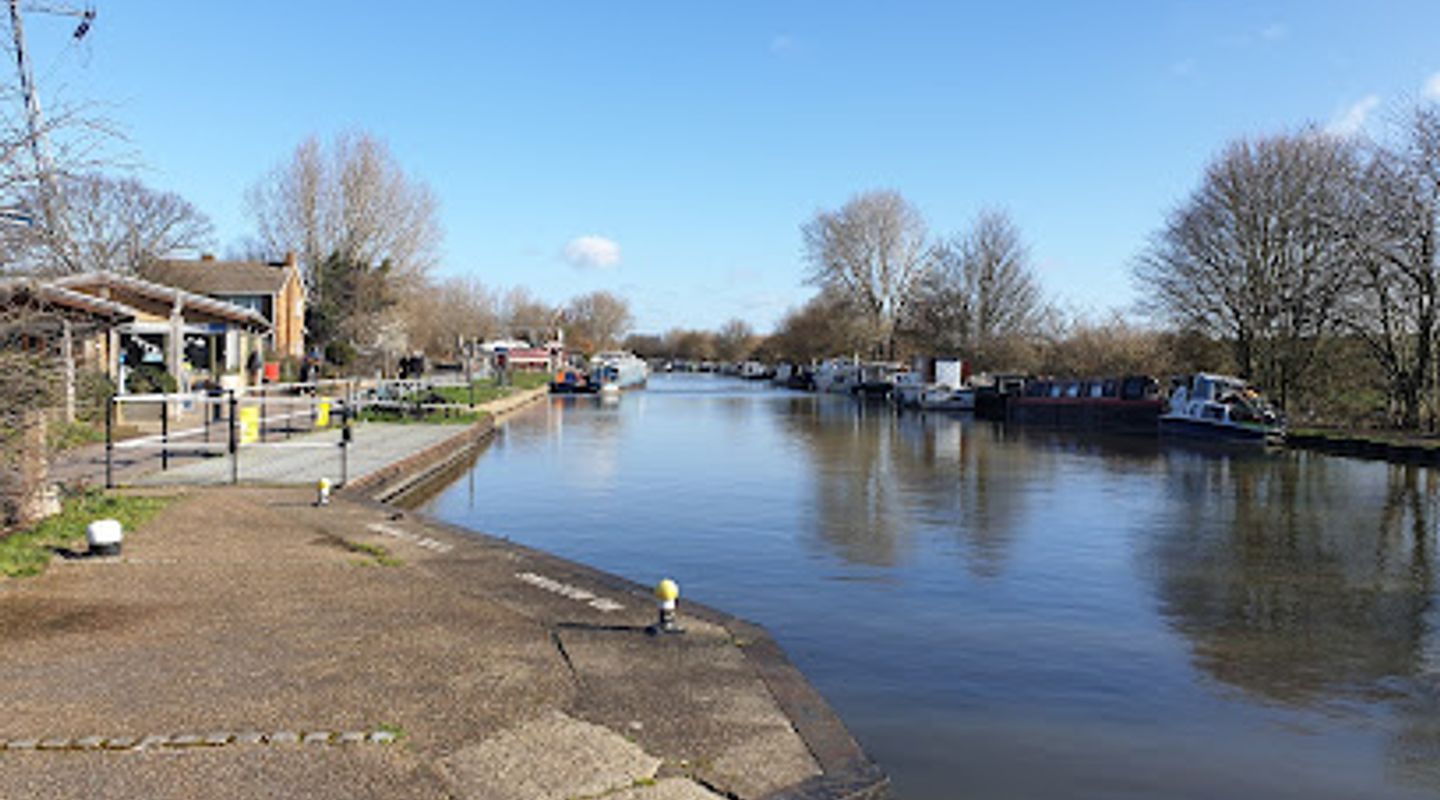
A brief summary of Tottenham Marshes
Explore Tottenham Marshes, a serene semi-natural wetland rich in wildlife and history, just minutes from central London.
Tottenham Marshes, spanning over 100 acres in North London, are one of the last semi-natural wetlands in Greater London. Part of the Lee Valley Regional Park, the marshes feature diverse habitats including grasslands, reed swamps, and scrub, supporting rare plants, butterflies, and birds. This tranquil nature reserve offers peaceful walks and abundant wildlife just six miles from central London.
On-site amenities
 Restrooms
 Drink options
 Food options
 Seating areas
 Information boards
Opening hours
- Every dayOpen 24 hours
Opening hours as listed on the venue’s Google Business Profile. Hours can change for services and special events, so check with the venue before you go.
- Address
- Watermead Way, London N17 0XD
- Phone
Getting there
Public Transport
Car
Cycling
Discover more about Tottenham Marshes
Historic Roots and Urban Transformation
The Tottenham Marshes occupy a historic floodplain of the River Lea, covering more than 100 acres in the London Borough of Haringey. Originally a natural wetland, the area underwent significant changes during the 19th and 20th centuries. In the late 1800s, it hosted recreational facilities such as tennis courts and swimming pools. Between 1946 and 1960, parts of the marshes were used for gravel extraction and landfill, altering the landscape. Notably, the marshes were the first home ground of Tottenham Hotspur Football Club in 1882, embedding the site with sporting heritage. The marshes became part of the Lee Valley Regional Park in 1972, ensuring their protection and management for public enjoyment and conservation.
Ecological Richness and Biodiversity
Tottenham Marshes remain one of the rare semi-natural wetlands within Greater London, showcasing a mosaic of habitats including neutral grasslands, sedge marshes, reed swamps, and sallow scrub. This diversity supports an array of uncommon plant species such as wall bedstraw, yellow vetchling, bee orchid, and Babington's poppy. The marshes also provide habitat for butterflies like the brown argus, which is rare in inner London. Birdlife is abundant, with skylarks breeding on site and occasional sightings of short-eared owls during winter months. The ecological value of the marshes is recognized through its designation as a Site of Importance for Nature Conservation, emphasizing its role in urban biodiversity.
Landscape and Visitor Experience
Visitors to Tottenham Marshes encounter expansive open grasslands interspersed with wildflowers and scrub, creating a natural, rustic atmosphere. The Pymme’s Brook meanders through the site, contributing to the wetland environment. The marshes offer peaceful walking routes and opportunities for wildlife observation, especially vibrant in spring and summer when flora and fauna flourish. The flat terrain makes it accessible for casual strolls and nature appreciation. Facilities nearby include picnic areas and information boards, enhancing the visitor experience without detracting from the natural setting.
Community and Conservation Efforts
Managed by the Lee Valley Regional Park Authority, Tottenham Marshes benefit from ongoing conservation initiatives aimed at preserving their unique habitats and species. Local groups such as the Friends of Tottenham Marshes actively support habitat restoration and public engagement. The marshes serve as a green lung for the surrounding urban area, providing educational and recreational value. Community events and wildlife monitoring programs foster a connection between residents and this vital natural space.
Significance within London’s Green Network
As part of the Lee Valley Park, Tottenham Marshes contribute to a larger network of green spaces that stretch along the River Lea corridor. This connectivity supports ecological resilience and offers a vital refuge for wildlife within a heavily urbanized region. The marshes exemplify the importance of protecting semi-natural habitats in cities, balancing human use with nature conservation. Their proximity to central London makes them a valuable destination for nature lovers seeking tranquility and biodiversity close to the city.
Seasonal Highlights and Wildlife Watching
Spring and summer bring a burst of life to Tottenham Marshes, with wildflowers blooming and butterflies fluttering across the grasslands. Birdwatchers can spot skylarks singing overhead and may glimpse short-eared owls in the quieter winter months. The diversity of plant species and insect life offers year-round interest, making the marshes a rewarding spot for mindful nature observation and photography. The changing seasons paint the landscape with varied colors and moods, enhancing its appeal throughout the year.
Evendo Review Centre
 Google
Guest reviews
Best time to go
Quietest: Jan, Feb & Dec · before 6am or at 10pm
Busy times are Evendo estimates for a typical year, to help you plan. Actual crowds vary with events, school holidays and the weather.
Explore Tottenham Marshes on the map
A handpicked selection of must-see spots near Tottenham Marshes, mapped for you.
Get your free copy of our complete guide to Tottenham Marshes, delivered straight to you.
Everything on this page, from opening hours and how to get there to Eve’s tips and the best time to go, in one PDF you can read offline, print or share.
Already have an account? Sign in
Your Tottenham Marshes guide is ready.
We'll send it to · Not you? Sign out

Getting your guide ready…
We are putting together a fresh copy of the Tottenham Marshes guide. This can take up to a minute.
This can take a few moments. If your browser asks, choose Allow so the download can start. You'll find the guide in your Downloads folder.
Nothing happened? Download it again
Sorry, the guide is taking longer than usual. Please try again in a minute, or get it by email instead.
Other nearby places you may find interesting
The closest places of the same kind, if this one is not quite what you had in mind.
-
-
-
-
-


Swipe for more places
More to explore near Tottenham Marshes

 Best experiences near Tottenham Marshes
 Best hotels near Tottenham Marshes
 Best landmarks near Tottenham Marshes
 Best attractions near Tottenham Marshes
 Best shops near Tottenham Marshes
 Best restaurants near Tottenham Marshes
 Best bars near Tottenham Marshes
Do you manage this location?
Take control to get all the benefits, like improved information, better appearance, and stronger visibility across AI-powered discovery.
Explore more

Explore more of Middlesex
Discover Middlesex: A blend of historic charm and modern excitement, offering scenic beauty, cultural events, and easy access to London.
Explore Middlesex
Explore more of United Kingdom
Discover the United Kingdom: A blend of rich history, stunning landscapes, and vibrant cities, offering a unique travel experience for every visitor.
Explore United Kingdom
