
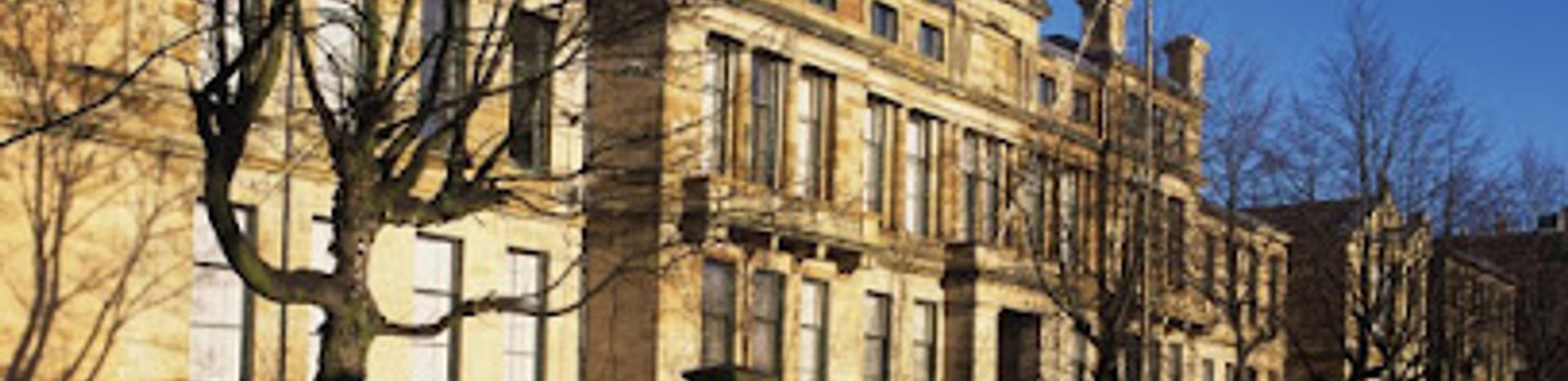
Longmore House: Historic Environment Scotland Headquarters
Victorian hospital turned heritage headquarters, where Scotland's architectural legacy is preserved and celebrated.
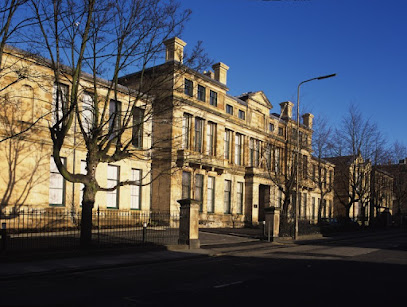
Longmore House on Salisbury Place in Edinburgh's Newington district is the headquarters of Historic Environment Scotland, the lead public body for Scotland's historic environment. Originally built as Longmore Hospital in 1880, this Category B listed building features neoclassical architecture and served as a pioneering institution for patients with chronic conditions until 1991. Today it functions as administrative offices and a cultural heritage hub, welcoming visitors interested in Scotland's designated heritage and collections.
A brief summary to Historic Environment Scotland
- Longmore House, Salisbury Pl, Edinburgh, Newington, EH9 1SH, GB
- +441316688600
- Visit website
- Duration: 0.5 to 2 hours
- Free
-
 Mixed
Mixed
- Mobile reception: 5 out of 5
Local tips
- Longmore House is primarily an administrative office rather than a visitor attraction with public galleries. Contact ahead to confirm access and enquire about any heritage exhibitions or special events.
- The building's neoclassical architecture and listed status make it architecturally significant. Exterior photography captures the elegant Victorian design and historical character of Salisbury Place.
- Historic Environment Scotland manages over 45,000 objects in its collections and provides access to Scotland's heritage search database online, allowing you to explore designated sites across the country.
- The Newington area of Edinburgh has several other heritage sites and cultural attractions within walking distance, making it a good base for exploring the city's historic neighbourhoods.
- Membership with Historic Environment Scotland offers excellent value for exploring Scotland's historical sites, castles, and monuments throughout the country.

For the on-the-go comforts that matter to you
- Restrooms
- Drink Options
- Food Options
- Information Boards
Getting There
-
Public Transport
From Edinburgh city centre, take Lothian Buses routes 3, 7, 8, 14, 29, or 37 heading towards Newington. Journey time is approximately 15–20 minutes depending on traffic and starting point. Alight at Salisbury Place or nearby stops in the Newington area. Single fares cost around £1.80–£2.00 GBP. Services run frequently throughout the day, with reduced frequency on Sundays and public holidays.
-
Taxi or Ride-Share
Taxis and ride-share services operate throughout Edinburgh and can reach Longmore House from the city centre in approximately 10–15 minutes depending on traffic conditions. Typical fares range from £12–£18 GBP. The building has limited on-site parking; confirm parking availability when booking your visit.
-
Walking
From Edinburgh's Waverley Station, the walk to Longmore House takes approximately 25–30 minutes via Princes Street and the Meadows. The route is mostly flat with good pavements and street lighting. From the Royal Mile, allow 20–25 minutes. This is a pleasant way to explore Edinburgh's historic neighbourhoods, particularly the Newington area.
-
Cycling
Edinburgh has an extensive cycle network. From the city centre, cycle routes lead to Newington in approximately 15–20 minutes. Bike parking is available near Longmore House. The route is relatively flat and suitable for most cyclists. Edinburgh's cycle hire schemes provide access to bikes if you don't have your own.
Historic Environment Scotland location weather suitability
-
 Any Weather
Discover more about Historic Environment Scotland
From Hospital to Heritage Hub
Longmore House began its life as a hospital in 1875, when the Edinburgh Association for Incurables opened a facility on Salisbury Place to care for patients with long-term conditions requiring constant nursing. The original converted house quickly proved inadequate, prompting the trustees to commission a new building. Completed in December 1880 using a neoclassical design by architect John More Dick Peddie, the new hospital was largely financed by a generous bequest from John Longmore, whose name it would bear. This marked the beginning of a building that would evolve continuously over the next century, expanding its wings and services to meet growing demand.Expansion and Royal Recognition
Throughout the late 19th and early 20th centuries, Longmore Hospital underwent significant expansion. In 1891, the Duke of York and Princess Mary opened a new East Wing designed to accommodate 34 additional patients, featuring dedicated wards, nursing facilities, and modern conveniences. The West Wing followed in 1899, bringing with it a new laundry, kitchen, chapel, and mortuary, along with the installation of electric lighting—a remarkable technological advancement for the era. The ground floor of the West Wing was dedicated to tuberculosis patients, while the upper floor served those with cancer. In 1903, the hospital received a royal charter from King Edward VII and became known as the Royal Edinburgh Hospital for Incurables, reflecting its growing prestige and importance to Scottish healthcare.Medical Innovation and NHS Integration
The hospital's specialization in chronic and incurable conditions made it a centre of medical innovation. By 1898, dedicated wards for tuberculosis and cancer treatment had been established, addressing two of the era's most pressing health challenges. When the National Health Service was established in 1948, Longmore and its sister institution, Liberton Hospital, became integral to the NHS's Group Training Scheme for nurses, helping to develop the skilled nursing workforce essential to the new healthcare system. This role continued until services were transferred to the Western General Hospital, leading to the hospital's closure in 1991 after more than a century of continuous operation.Architectural Significance and Conservation
The building itself stands as a testament to Victorian and Edwardian architectural ambition. Its neoclassical design, executed by one of Scotland's most respected architects, combines elegant proportions with functional hospital design. The Category B listed status recognises its historical and architectural importance. The iron and glass corridor connecting the West Wing to the main building exemplifies the period's innovative use of materials, while the chapel and mortuary reflect the comprehensive care the institution provided. Photographs preserved in the National Monuments Record of Scotland document the hospital's interior during the 1890s, offering glimpses into the working conditions of patients and staff during this transformative period.Contemporary Role in Heritage Preservation
Since 1994, Longmore House has served as the headquarters of Historic Scotland, and from 2015 onwards, of its successor organisation, Historic Environment Scotland. This transition from a place of medical care to a centre for cultural heritage preservation represents a fitting evolution. The building now houses the administrative and operational heart of Scotland's leading public body for investigating, caring for, and promoting the nation's historic environment. Visitors and researchers can access information about Scotland's designated heritage, explore collections of culturally significant objects, and engage with programmes dedicated to understanding and protecting Scotland's past.Iconic landmarks you can’t miss

Historic Environment Scotland
0.0 km
Victorian hospital turned heritage headquarters, where Scotland's architectural legacy is preserved and celebrated.
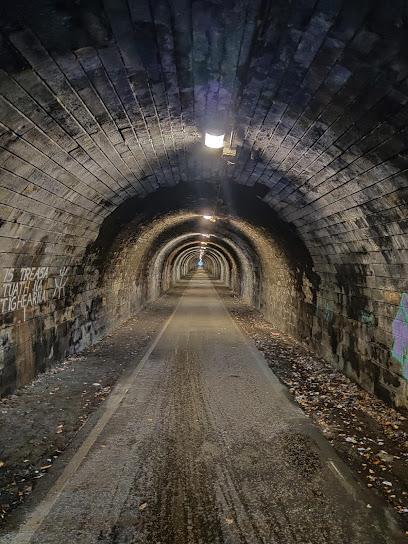
Innocent Railway Tunnel
0.6 km
Explore Scotland’s oldest railway tunnel, a historic horse-drawn coal route transformed into a vibrant urban walking and cycling path in Edinburgh.
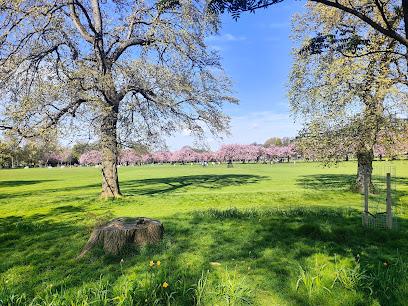
Meadows Compass
1.0 km
A serene landmark at the heart of Edinburgh’s beloved green space, blending history, community, and nature.
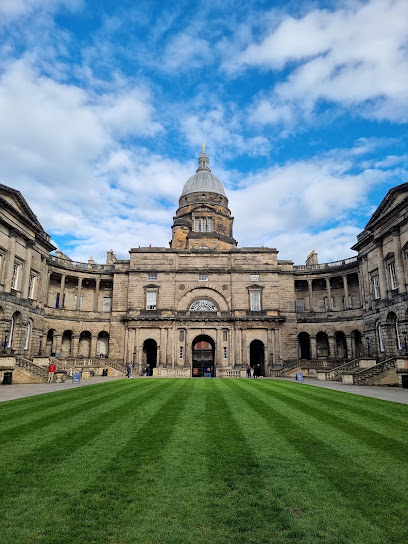
Old College, The University of Edinburgh
1.2 km
Iconic 18th-century classical quadrangle housing Edinburgh Law School and University administration in the heart of Edinburgh’s Old Town.
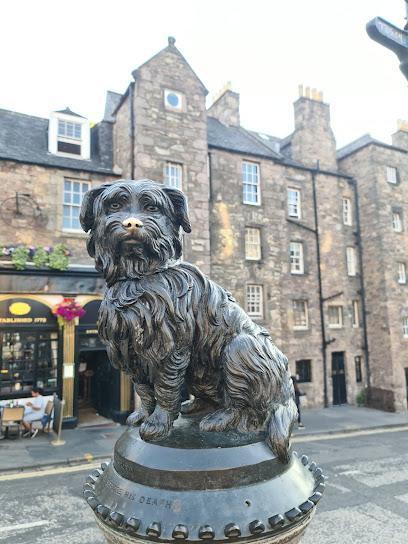
Greyfriars Bobby Statue
1.3 km
Discover the heartwarming tale of Greyfriars Bobby, Edinburgh’s beloved loyal Skye Terrier immortalized in bronze near Greyfriars Kirkyard.
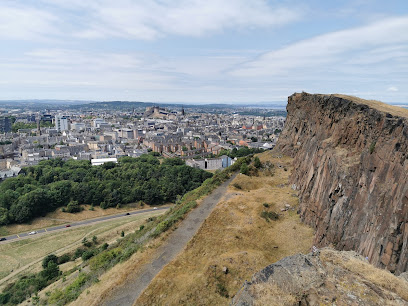
Arthur's Seat
1.3 km
Climb Edinburgh’s ancient volcanic peak for breathtaking panoramic views and a journey through natural and historic wonders.
Pont George Ⅳ
1.4 km
Historic elevated street and bridge connecting Edinburgh’s South Side to Old and New Towns, rich in architecture, culture, and city views.
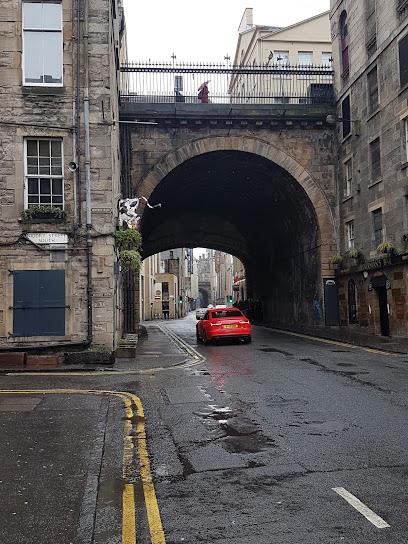
George IV Bridge
1.4 km
Historic elevated street connecting Old Town to the South Side, lined with Victorian architecture and cultural institutions.
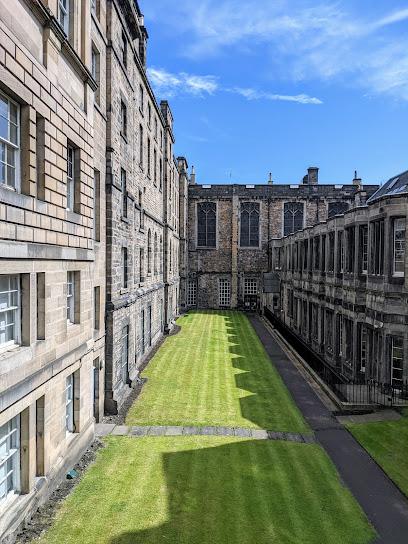
Heritage of Edinburgh
1.4 km
Discover authentic Scottish souvenirs, clothing, and gifts at Heritage of Edinburgh, a must-visit shop for tourists seeking a piece of Scotland.
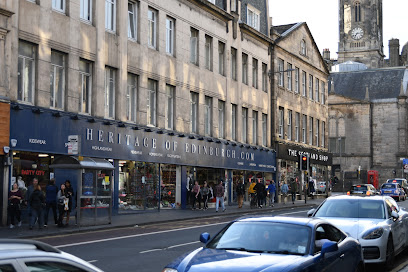
Old and New Towns of Edinburgh UNESCO
1.5 km
Discover Edinburgh’s UNESCO World Heritage Site where medieval charm meets Georgian elegance in a stunning urban landscape.
Barrie's Close
1.5 km
Explore Barrie's Close, a historical landmark in Edinburgh that reveals the city's rich heritage through its captivating architecture and stories.
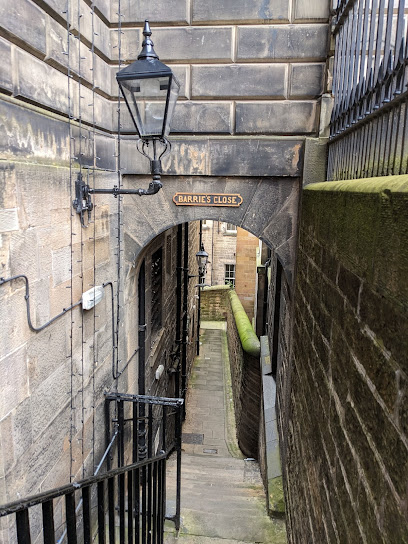
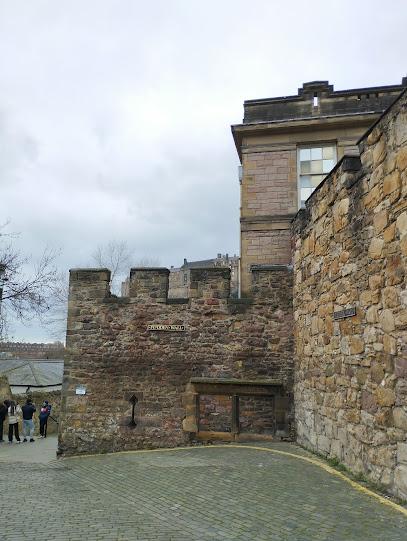
Flodden Wall
1.5 km
Explore Edinburgh’s medieval Flodden Wall, a historic sandstone fortification built after 1513 to protect the city and shape its iconic Old Town skyline.
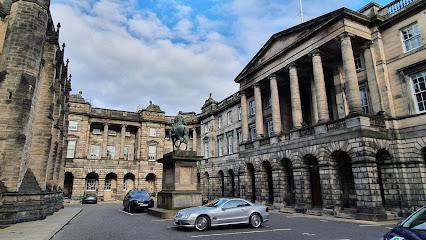
Supreme Courts
1.5 km
Explore Scotland’s historic Supreme Courts housed in Edinburgh’s iconic Parliament House, a living symbol of justice since 1532.
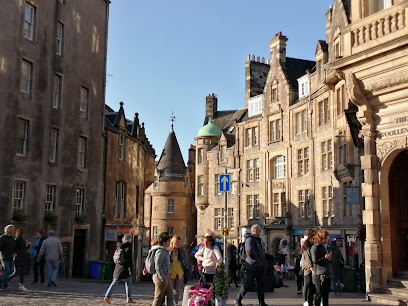
Museum of Childhood
1.5 km
Explore the Museum of Childhood in Edinburgh, a unique museum celebrating the joy and history of childhood through toys, games, and interactive exhibits.
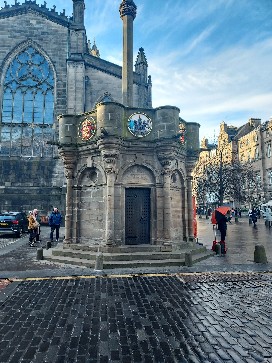
Uncovered Edinburgh
1.5 km
Discover the untold stories of Edinburgh's rich history and vibrant culture at Uncovered Edinburgh, a must-visit tourist attraction in Scotland's capital.
Unmissable attractions to see

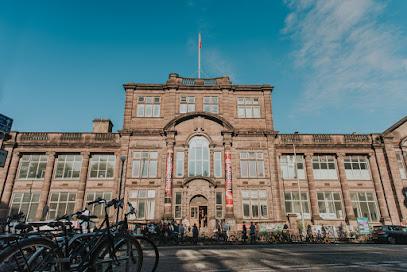
Summerhall
0.3 km
Historic Edinburgh venue blending art galleries, theaters, live music, and festive markets in a vibrant cultural hub.
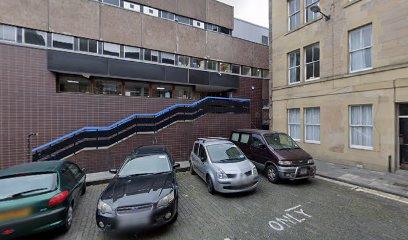
1 Summerhall Square
0.3 km
Historic Edinburgh venue blending Edwardian architecture and modernist design, now a vibrant arts hub and major Fringe Festival site.
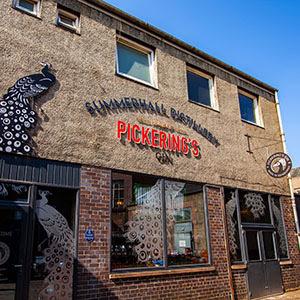
Summerhall Distillery
0.4 km
Edinburgh’s first exclusive gin distillery in over 150 years, crafting award-winning spirits in a historic arts hub.
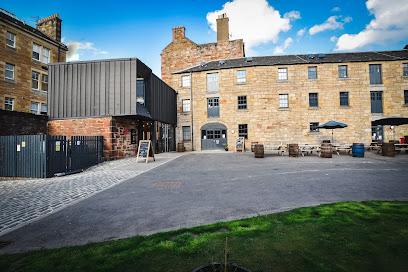
Holyrood Distillery
0.6 km
Edinburgh’s first city-centre single malt distillery in a century, blending tradition and innovation with immersive tours and tastings.
56 North
0.8 km
Discover the vibrant cocktail scene at 56 North in Edinburgh, where expertly crafted drinks and a welcoming atmosphere await.
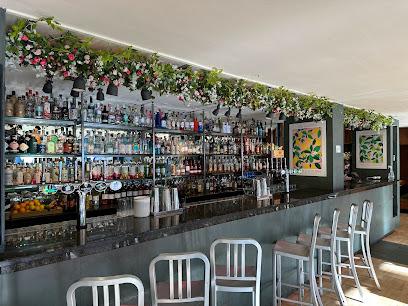
George Square
1.0 km
Historic Georgian square blending academic heritage, tranquil gardens, and vibrant culture in the heart of Edinburgh.
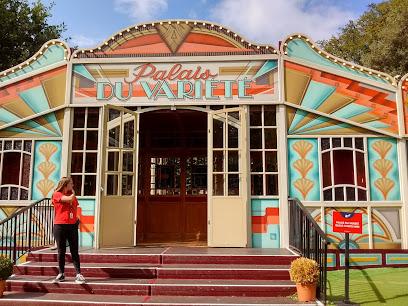
The University of Edinburgh
1.0 km
Explore the awe-inspiring architecture and rich history of The University of Edinburgh, a prestigious institution in the heart of Scotland's capital.
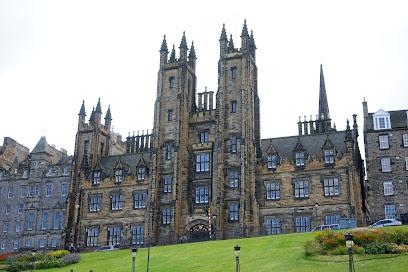
Söderberg The Meadows
1.1 km
Experience authentic Swedish pastries and artisanal sourdough delights in a cozy Edinburgh café near the university.
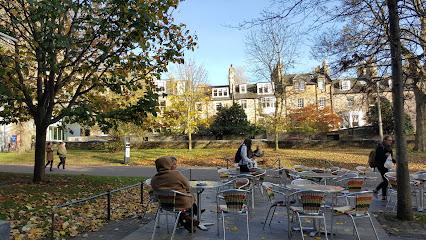
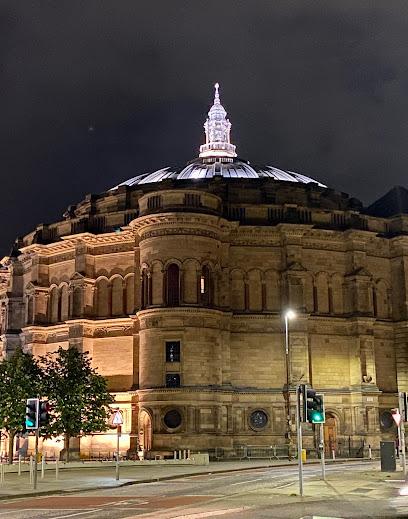
McEwan Hall, The University of Edinburgh
1.1 km
Discover the grandeur of McEwan Hall, a historic auditorium in Edinburgh that hosts cultural events and celebrates the city's rich heritage.
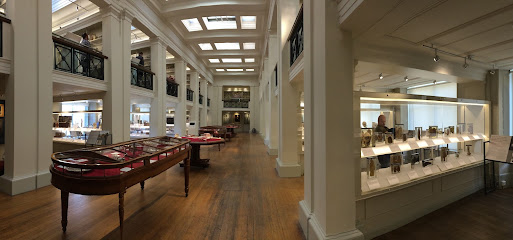
Surgeons' Hall Museums
1.1 km
Discover Edinburgh’s rich surgical history and groundbreaking medical collections in the award-winning Surgeons' Hall Museums.
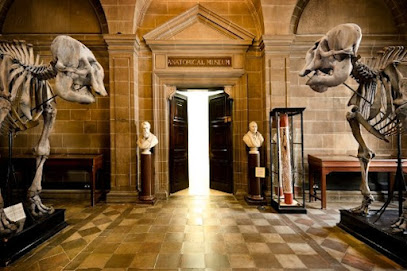
The Anatomical Museum, The University of Edinburgh
1.1 km
Explore Edinburgh’s rich medical heritage through rare anatomical specimens and historic teaching collections in a unique university museum.
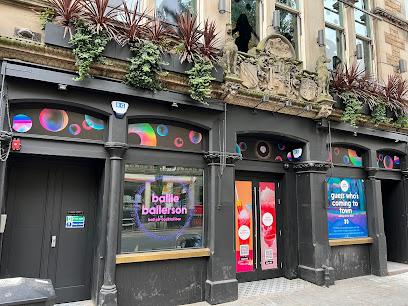
Ballie Ballerson
1.2 km
Experience the vibrant nightlife of Edinburgh at Ballie Ballerson, where cocktails and camaraderie come together in a whimsical pub setting.
Talbot Rice Gallery, The University of Edinburgh
1.2 km
Explore cutting-edge contemporary art within the historic grandeur of Edinburgh University’s Old College at Talbot Rice Gallery.
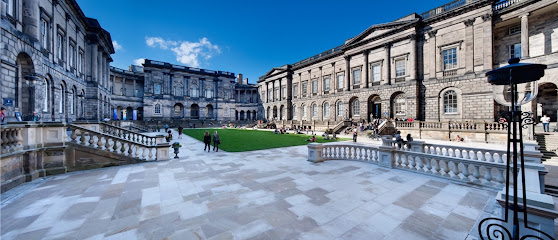
Salisbury Crags
1.3 km
Experience Edinburgh’s iconic cliffside views and historic trails atop Salisbury Crags in Holyrood Park.
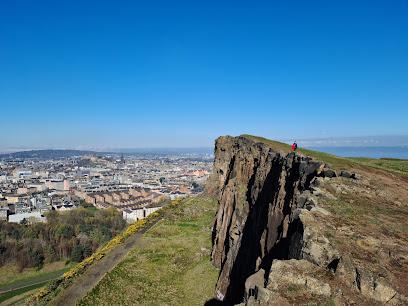
National Museum of Scotland
1.3 km
Explore Scotland’s rich heritage and global stories in this vast, family-friendly museum at Edinburgh’s cultural heart.
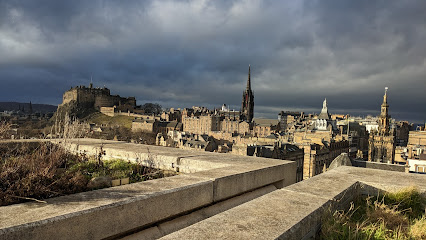
Essential places to dine

Blonde Restaurant
0.6 km
Modern European dining with a Scottish twist in Edinburgh’s welcoming Southside neighbourhood.
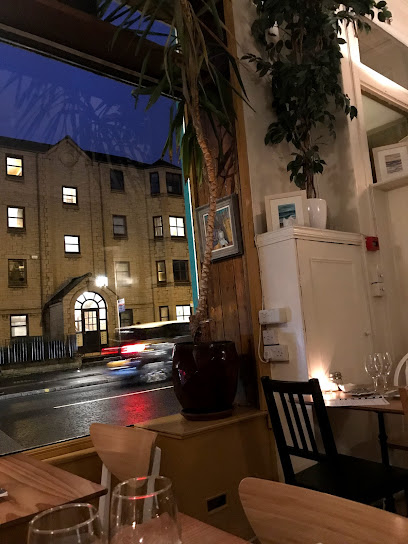
tapas3
0.8 km
Authentic Spanish tapas with generous portions and warm hospitality in Edinburgh’s charming Southside neighborhood.
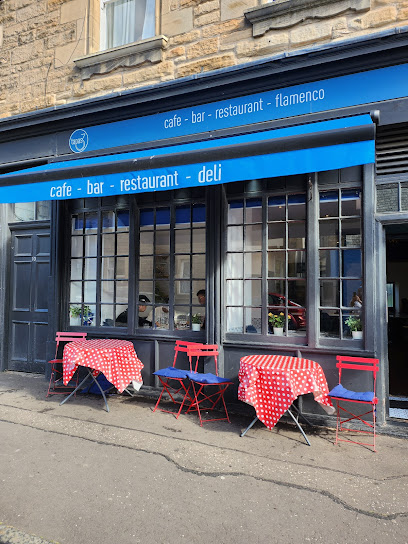
Wee Greek Kitchen
0.8 km
Experience authentic Greek hospitality and flavors in a cozy Edinburgh neighborhood with live music and generous portions.
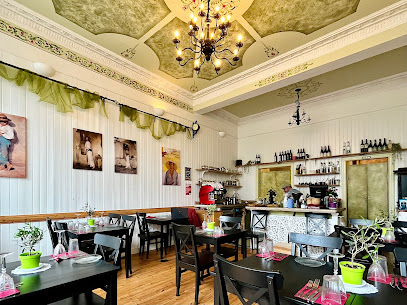
The Rabbit Hole
0.8 km
Cozy British dining with modern French flair in Edinburgh’s welcoming Marchmont neighborhood.
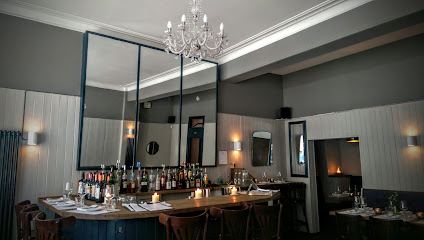
MUMS Great Comfort Food
1.2 km
Hearty Scottish comfort food served all day in a cozy diner setting with vegan options and locally sourced ingredients.
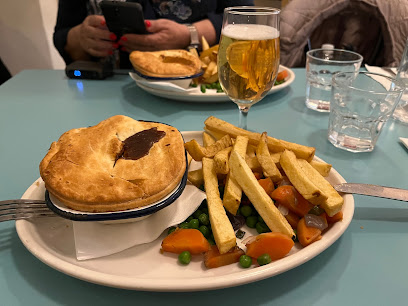
Rhubarb
1.4 km
Opulent fine dining in historic Prestonfield House, blending exquisite Scottish produce with lavish Regency elegance and exceptional service.
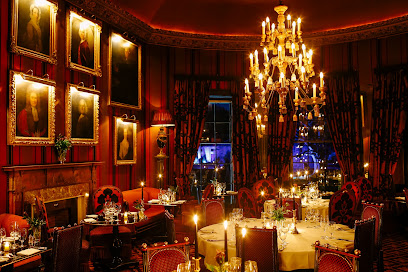
The Cellar Door
1.4 km
Discover modern Scottish cuisine in a cozy, historic underground setting beneath George IV Bridge in Edinburgh’s Old Town.
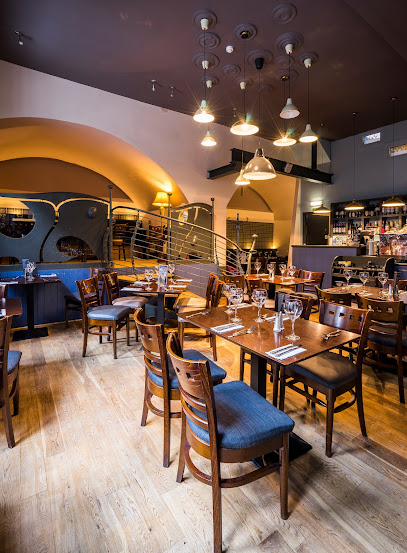
Divino Enoteca Italian Restaurant & Wine Bar
1.4 km
Elegant Italian dining and wine bar in Edinburgh’s Old Town, blending authentic flavors with a cozy, romantic ambiance.
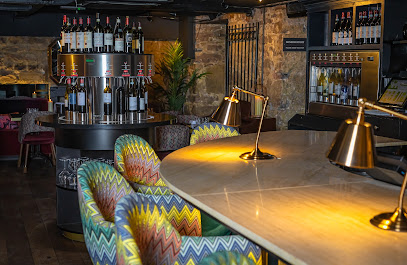
Under The Stairs
1.4 km
Discover Edinburgh’s cozy underground gem blending rustic charm, creative plates, and vibrant cocktails beneath George IV Bridge.
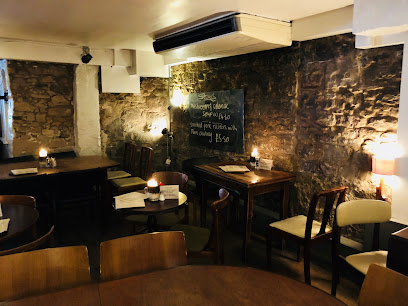
The Outsider Restaurant
1.4 km
Savor creative European cuisine with unbeatable Edinburgh Castle views in a lively, modern setting on George IV Bridge.
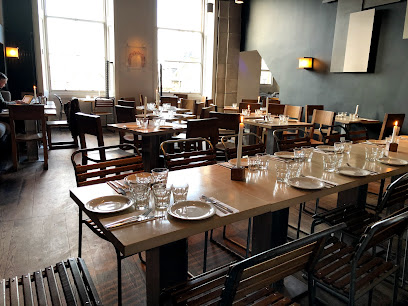
The Piper's Rest
1.5 km
Experience authentic Scottish hospitality with hearty fare, craft drinks, and nightly live music in Edinburgh’s historic Old Town.
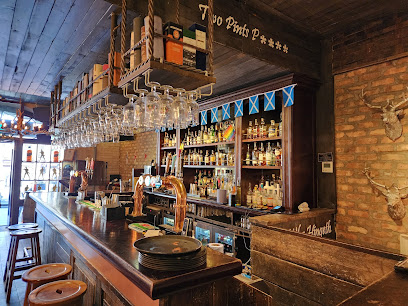
The Nether Bow Port Cafe & Bistro
1.5 km
Cozy bistro on Edinburgh’s Royal Mile serving diverse breakfast and lunch options in a warm, welcoming atmosphere.
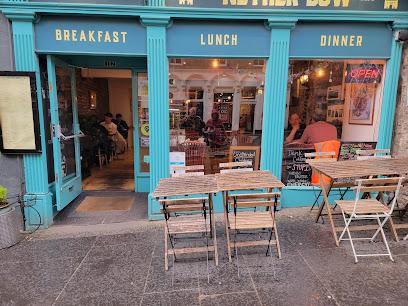
Wedgwood The Restaurant
1.5 km
Fine dining on Edinburgh’s Royal Mile with seasonal Scottish cuisine and foraged ingredients in a cozy, unpretentious setting.
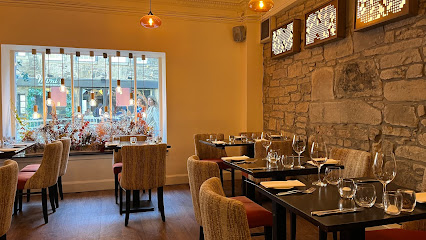
Monteiths
1.5 km
Experience contemporary Scottish dining and crafted cocktails in a stylish, intimate setting on Edinburgh’s historic Royal Mile.
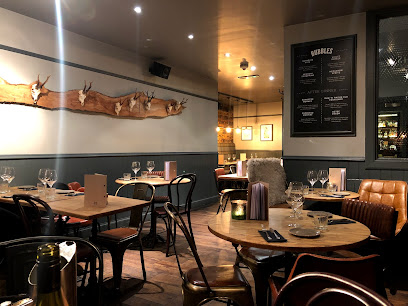
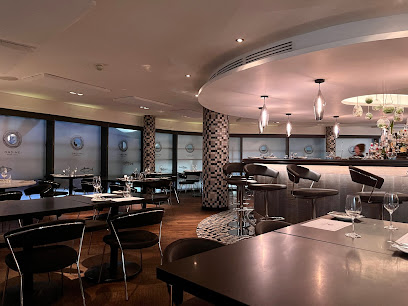
Ondine Restaurant
1.6 km
Edinburgh’s stylish seafood haven offering sustainable shellfish, fresh oysters, and elegant dining in a vibrant Old Town setting.
Markets, malls and hidden boutiques

The Enchanted Galaxy
1.3 km
A magical emporium in Edinburgh blending fandom treasures with Scottish charm for a unique shopping adventure.
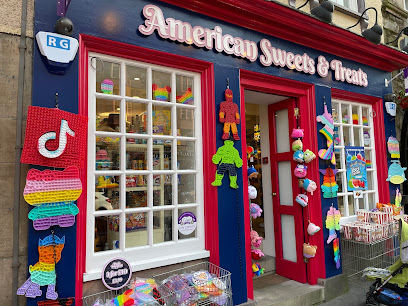
Galaxy
1.3 km
Discover a magical world of Harry Potter collectibles, pop culture treasures, and unique gifts in the heart of Edinburgh’s Old Town.
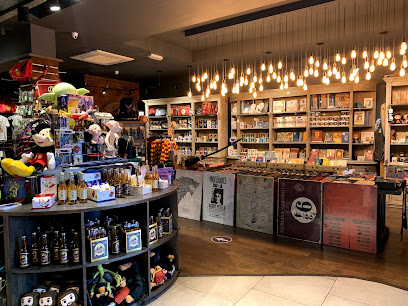
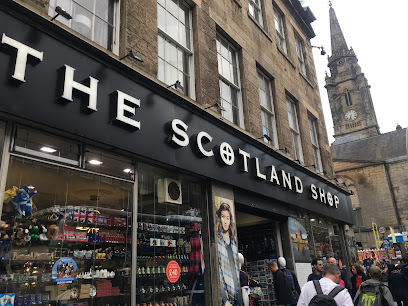
The Scotland Shop
1.5 km
Discover authentic Scottish tartans, bespoke kilts, and heritage gifts at The Scotland Shop in Edinburgh’s historic South Bridge.
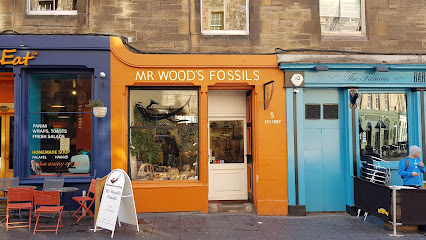
Mr Wood's Fossils
1.5 km
Discover rare fossils, minerals, and meteorites in Edinburgh’s iconic shop founded by legendary fossil hunter Stan Wood.
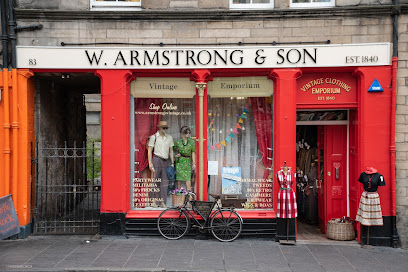
Armstrongs Vintage
1.5 km
Edinburgh's iconic vintage emporium in Grassmarket, brimming with bohemian dresses, chunky knits, and timeless treasures from decades past.
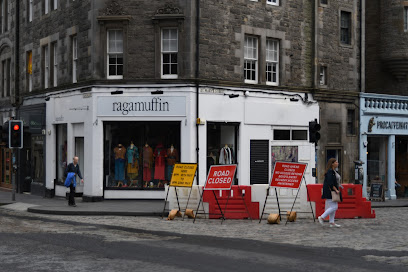
Ragamuffin
1.5 km
Discover unique, beautifully crafted women's knitwear in a charming boutique on Edinburgh’s historic Royal Mile.
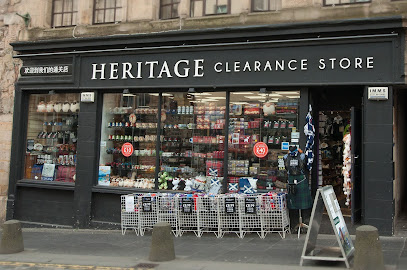
Heritage Clearance Store
1.5 km
Discover authentic Scottish heritage treasures and unbeatable bargains in the heart of Edinburgh’s historic High Street.
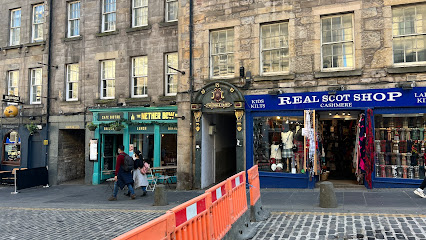
Real Scot Shop
1.5 km
Authentic Scottish gifts and crafts in the heart of Edinburgh’s historic High Street, where heritage meets quality and friendly service.
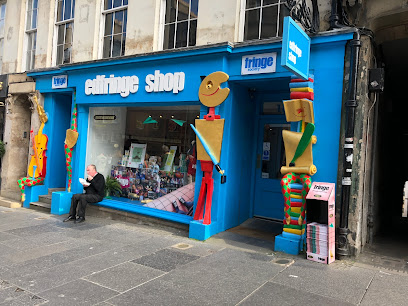
Fringe Shop
1.5 km
Official Edinburgh Festival Fringe Shop on the Royal Mile offering unique festival merchandise and cultural connection year-round.
scottish experience cashmere place
1.5 km
Explore the finest cashmere souvenirs at Scottish Experience Cashmere Place, where tradition and quality meet in the heart of Edinburgh.
The Wee Gift Shop
1.5 km
Award-winning Scottish gift shop celebrating local talent, sustainability, and authentic cultural heritage on Edinburgh's High Street.
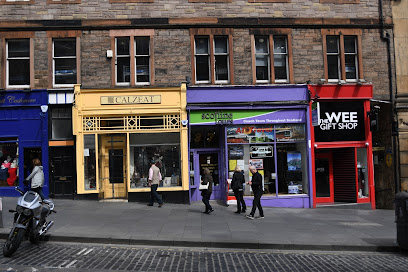
Prestige Scotland Kilt Maker & Souvenir Shop
1.6 km
Authentic Scottish kilts and Highland dress on Edinburgh's historic Royal Mile.
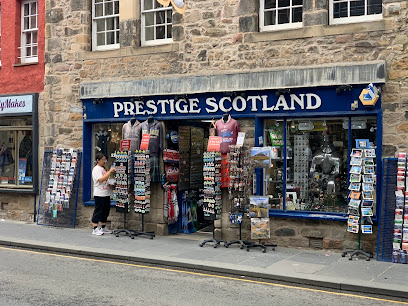
The Wyrd Shop
1.6 km
Edinburgh's esoteric gem on Canongate: crystals, tarot, pagan jewelry, and magickal handmade treasures in a cozy witchy haven.
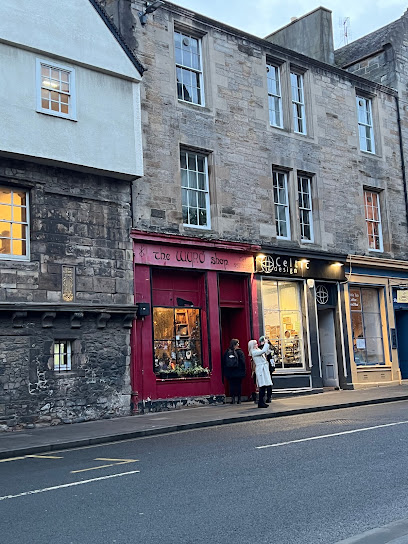
Crest Of Edinburgh
1.6 km
Discover authentic Scottish gifts, kilts, and fashion accessories in the heart of Edinburgh’s historic Royal Mile.
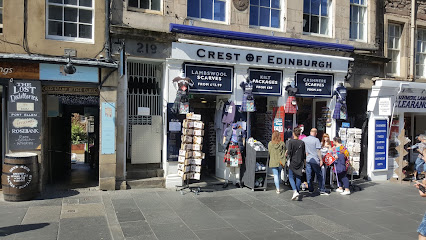
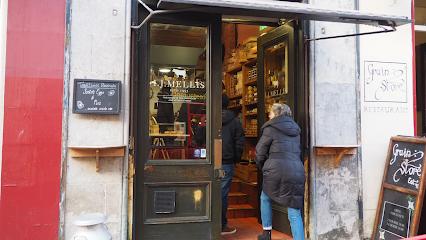
I.J. Mellis Cheesemonger Victoria Street
1.6 km
Edinburgh's iconic artisan cheese shop where small-scale makers meet passionate consumers on the city's most storied street.
Essential bars & hidden hideouts

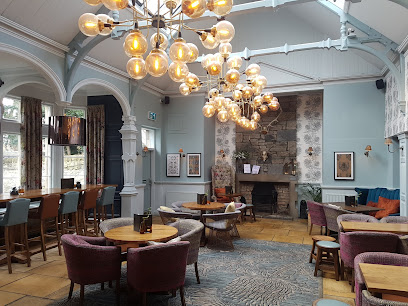
Salisbury Arms Edinburgh
0.3 km
A stylish gastropub blending traditional charm with fresh British fare and vibrant local atmosphere in Edinburgh’s southside.
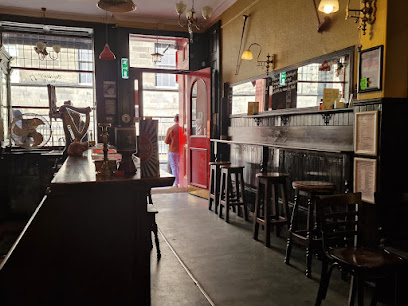
The Argyle and Cellar Bar
0.8 km
A vibrant Edinburgh pub with cozy cellar music, quality ales, and a welcoming atmosphere in the heart of Argyle Place.
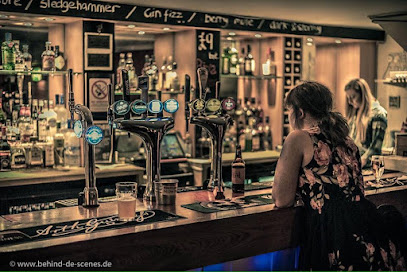
Captain's Bar
1.2 km
Historic Edinburgh pub with daily live Scottish folk music, local ales, and a warm, intimate atmosphere steeped in tradition.
Frankenstein
1.4 km
Step into the gothic world of Mary Shelley’s Frankenstein in a unique bar set within a historic church on Edinburgh’s iconic George IV Bridge.
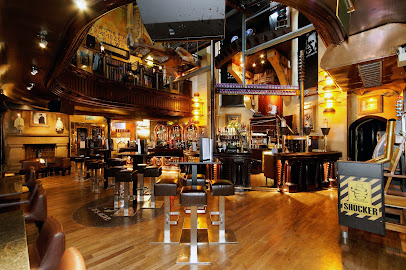
The Oz Bar
1.4 km
A lively, affordable pub in Edinburgh’s city center with friendly staff, Australian flair, pool tables, and a relaxed, welcoming atmosphere.
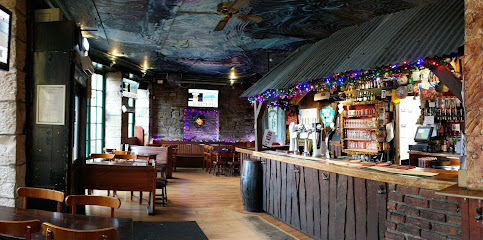
The Banshee Labyrinth
1.4 km
Discover Scotland’s most haunted pub, a labyrinth of eerie vaults and lively entertainment beneath Edinburgh’s Old Town.
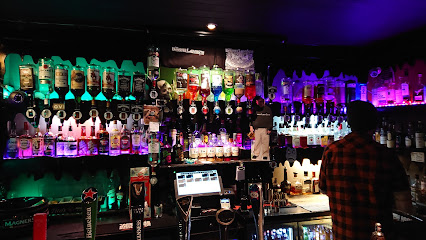
Whistlebinkies
1.5 km
Edinburgh’s legendary underground live music bar offering free entry, vibrant bands, and a cozy vaults atmosphere every night until the early hours.
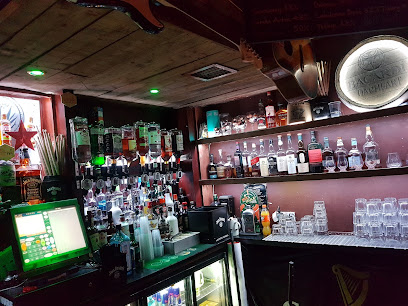
The World's End
1.5 km
Discover the charm of The World's End pub on the Royal Mile, where history meets hearty Scottish cuisine and local brews in Edinburgh.
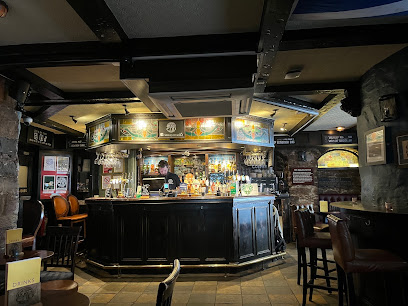
Copper Still
1.5 km
Cozy Royal Mile retreat dishing fresh Scottish eats and drams amid buskers and historic vibes – from breakfast brekkie to late-night cocktails.
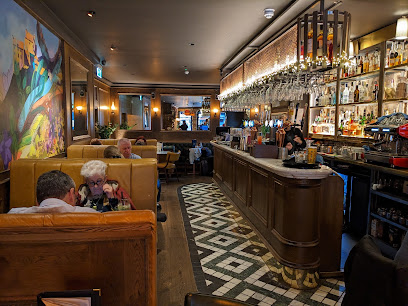
Whiski Bar & Restaurant
1.5 km
A cosy Royal Mile whisky bar with 300+ Scotch malts, hearty Scottish food and nightly live music in Edinburgh’s Old Town.
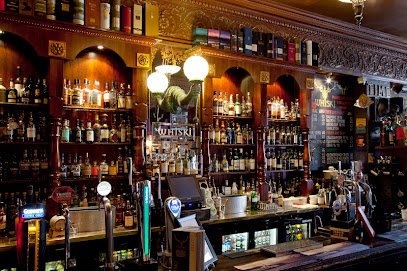
Royal Mile Tavern
1.5 km
Traditional Scottish pub on Edinburgh’s historic Royal Mile with over 100 whiskies, hearty fare, and nightly live music until 1am.
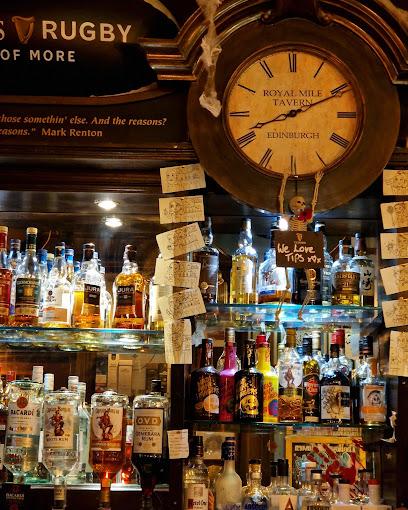
The Wee Pub - The Smallest Pub in Scotland
1.5 km
Discover Scotland’s smallest pub in Edinburgh’s Grassmarket—a cosy, whisky-rich haven perfect for intimate gatherings and private celebrations.
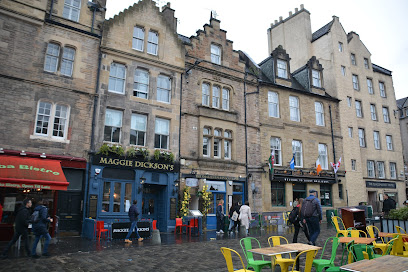
The Bow Bar
1.6 km
A historic Old Town pub famed for its vast whisky selection, traditional ales, and authentic Scottish atmosphere.
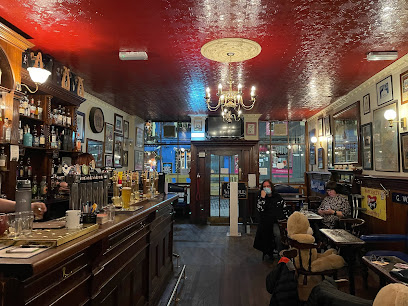
Arcade Bar Haggis & Whisky House, celebrating 20 years of serving The Best Haggis in Town!
1.6 km
Cozy Edinburgh bar serving renowned haggis and over 100 whiskies in a warm, traditional Scottish setting with hearty portions and friendly vibes.
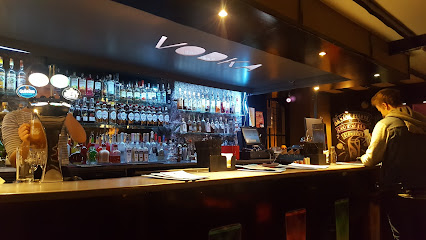
The Blackbird
1.6 km
Discover the vibrant atmosphere of The Blackbird in Edinburgh, where craft beers and gourmet bites meet in a lively beer garden setting.
Nightclubs & after hour spots

The Mash House
1.3 km
A vibrant Edinburgh nightclub and live music venue blending folk, electronic, and techno in a lively, casual setting.

La Belle Angele
1.4 km
Edinburgh’s intimate nightclub and live music venue blending historic charm with vibrant themed nights and diverse performances.
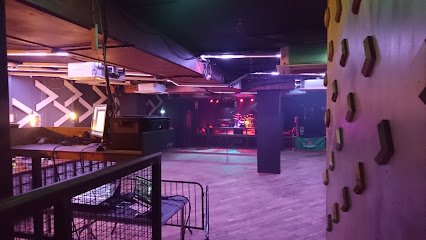
Cabaret Voltaire
1.4 km
Vaulted live-music rooms and a relaxed upstairs bar—Cabaret Voltaire is Edinburgh’s atmospheric hub for alternative gigs and late-night clubbing.
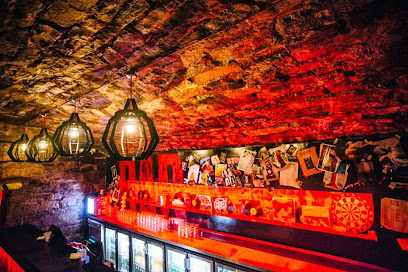
Sneaky Pete's
1.4 km
Intimate live music and club nights in Edinburgh’s Old Town, where emerging talent meets vibrant nightlife.
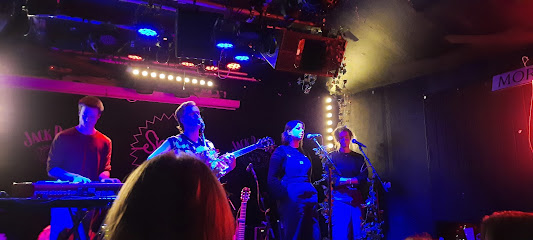
Legends
1.4 km
Edinburgh’s only 24/7 rock nightclub, Legends pulses with raw energy and live alternative music in the heart of Cowgate.
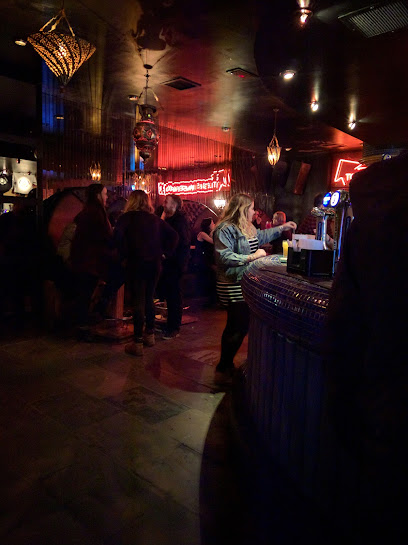
The Hive Nightclub & Venue
1.5 km
Edinburgh's gritty Cowgate nightclub: cheap drinks, multi-room beats, and non-stop energy until 3am in the heart of Old Town.
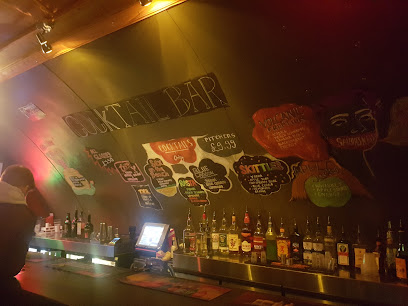
The Bongo Club
1.5 km
Edinburgh’s underground hotspot blending eclectic music, live art, and a vibrant late-night scene in the historic Old Town.
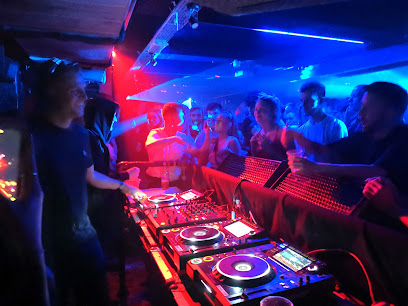
The Liquid Room
1.6 km
Edinburgh's multi-level nightlife gem: techno thumps, live gigs, and warehouse vibes on historic Victoria Street.
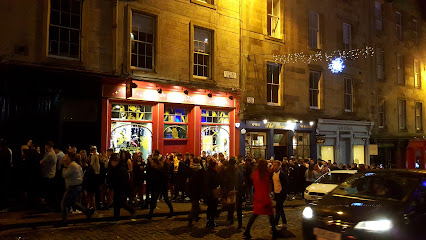
El Barrio Latino
2.1 km
Edinburgh's sizzling Latin nightclub where salsa beats pulse through New Town nights, drawing dancers to its vibrant Hanover Street heart until the early hours.
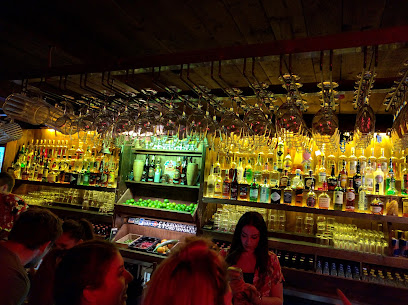
Shanghai Nightclub
2.1 km
Edinburgh's Oriental nightlife den: Asian decor, themed beats, VIP vibes, and non-stop energy on George Street.
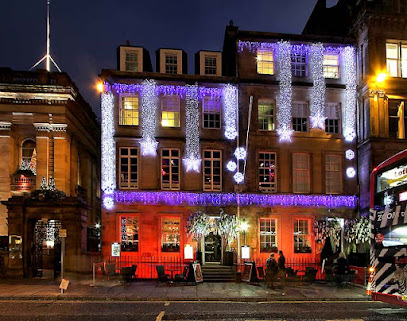
Club Tropicana
2.1 km
Experience Edinburgh’s vibrant retro nightlife with classic disco hits and lively dance floors at Club Tropicana on Lothian Road.
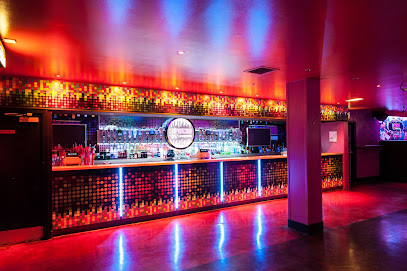
Why Not Nightclub
2.1 km
Edinburgh's multi-award-winning late-night haven with LED immersion, garden vibes, and non-stop beats on George Street.
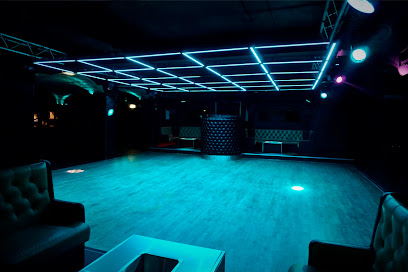
The Shack Retro Bar & Club
2.2 km
Edinburgh's retro dance den blasting 60s-90s hits amid quirky decor and sweaty dance floors—pure nostalgic escapism on Rose Street.
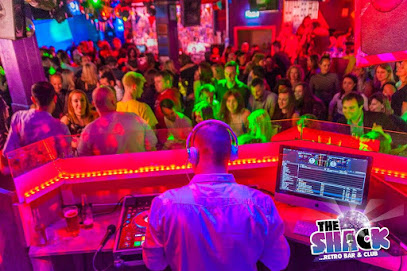
Opal Lounge
2.2 km
A stylish live music bar and nightclub in Edinburgh’s New Town, perfect for celebrations and vibrant nightlife.
Garibaldi's
2.2 km
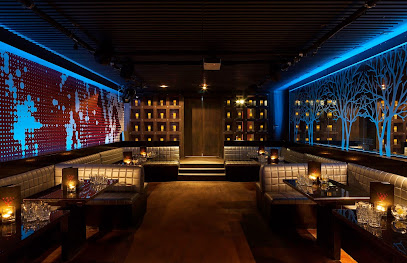
Edinburgh's tiniest nightclub packs the biggest late-night punch on Hanover Street, with killer margaritas and a dance floor that never quits till 3am.
For the vibe & atmosphere seeker
- Unique
- Casual
- Scenic
For the design and aesthetic lover
- Minimalist Designs
- Modern Designs
For the architecture buff
- Historic
- Landmarks
- Heritage Neighborhoods
For the view chaser and sunset hunter
- Iconic Views
- Architectural Shots
For the social media creator & influencer
- Architectural Shots
- Photo Spots
For the eco-conscious traveler
- Public-Transport Accessible
- Locally Managed
For the kind of experience you’re after
- Cultural Heritage
- Day Trip
For how adventurous you want the journey to be
- Easy Access
Location Audience
- Family Friendly
- Senior Friendly
- Wheelchair Access
- Solo Friendly
- Couple Friendly
- Business Friendly


