Dalkeith Corn Exchange, Midlothian Travel Guide
Historic 19th-century Jacobean-style Corn Exchange turned vibrant museum and cultural landmark in Dalkeith’s heart.
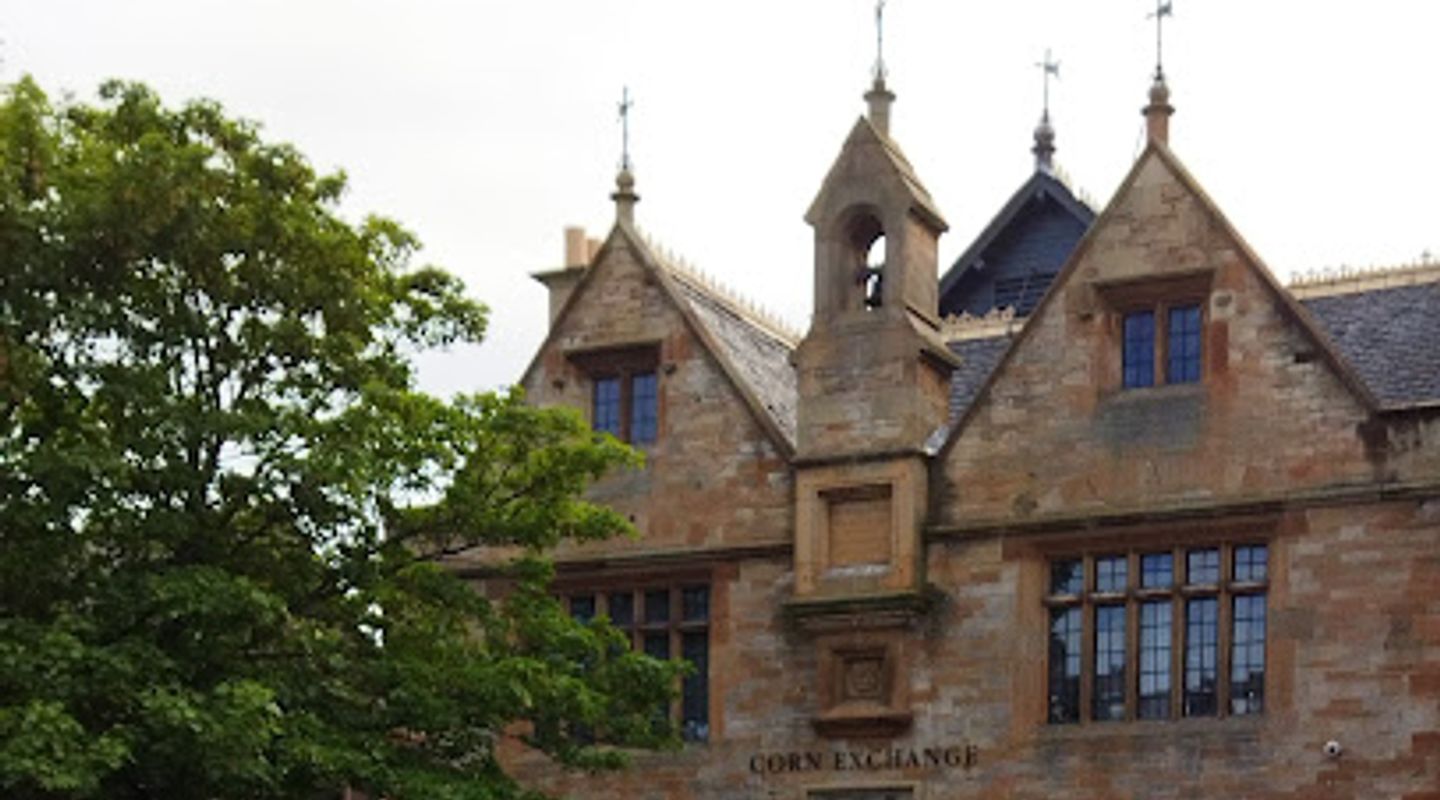
The Dalkeith Corn Exchange, built in 1854, is a striking Jacobean-style historic building in Midlothian, Scotland. Originally the largest indoor grain market in Scotland, it has evolved into a vibrant cultural hub housing Dalkeith Museum. The building has hosted political speeches by figures like Gladstone and Churchill, served as a ballroom, military facility, and factory, and today showcases the region’s heritage, including coal mining and local pottery.
A brief summary to Dalkeith Corn Exchange
- 200 High St, Dalkeith, GB
- Click to display
- Duration: 1 to 2 hours
- Budget
-
 Indoor
- Mobile reception: 4 out of 5
- Tuesday 10 am-4 pm
- Wednesday 10 am-4 pm
- Thursday 10:15 am-4 pm
- Friday 10 am-4 pm

Know before you go
Hi, I'm Eve. Here are a few practical things to know before exploring Dalkeith Corn Exchange.
- Visit during weekdays between 10am and 4pm for full museum access and a quieter experience.
- Explore the museum’s coal mining exhibits to understand the region’s industrial heritage.
- Look out for the balcony where historic political speeches by Gladstone and Churchill were delivered.
- Check for any special exhibitions or community events hosted in the Corn Exchange.
Do you manage this location?
Take control to get all the benefits, like improved information, better appearance, and stronger visibility across AI-powered discovery. Learn more about listing your business on Evendo
Activate your presenceOther nearby places you may find interesting
The closest places of the same kind, if this one is not quite what you had in mind.
Explore Dalkeith Corn Exchange on the Map
A handpicked selection of must-see spots near Dalkeith Corn Exchange, mapped for you.
Getting There
-
Bus
Regular bus services run from Edinburgh to Dalkeith, taking approximately 30 to 40 minutes. Buses stop near the High Street, a short walk from the Corn Exchange. Tickets cost around £2-£4 one way. Service frequency varies but is generally every 15-30 minutes on weekdays.
-
Train and Walk
Take a train from Edinburgh Waverley to Eskbank station, about a 15-minute ride. From Eskbank, it's a 25-minute walk or a short local bus ride to Dalkeith High Street. Train fares typically range from £4 to £6 one way.
-
Car
Driving from Edinburgh to Dalkeith takes about 20 to 30 minutes via the A7. Limited parking is available near the High Street, so early arrival is recommended. Parking fees vary but expect around £1-£3 per hour.
For the on-the-go comforts that matter to you
-
 Restrooms
-
 Information Boards
-
 Seating Areas
Discover more about Dalkeith Corn Exchange
Architectural Distinction and Origins
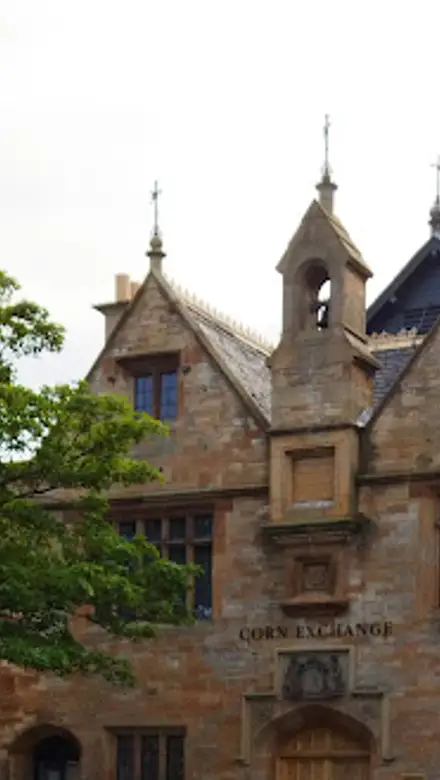
The Dalkeith Corn Exchange stands as a remarkable example of 19th-century architecture, designed by the renowned Scottish neoclassical architect David Cousin. Constructed in 1854, it was the largest indoor grain market in Scotland at the time, built in a distinctive Tudor or Jacobean style rarely seen in the region. Its fine yet modest design reflects both functional and aesthetic considerations, making it a landmark on Dalkeith’s High Street.From Market Hall to Community Venue
Originally serving as a bustling grain market, the Corn Exchange was a vital commercial hub for local farmers and traders throughout the 19th century. As the role of market towns declined with the rise of railways, the building adapted to new uses. It became a focal point for social, political, and cultural activities, hosting balls, banquets, lectures, concerts, and exhibitions. The Empress Ballroom era in the 1950s marked its popularity as a dance and entertainment venue.Political and Military Significance
The Corn Exchange holds a special place in British political history. In 1879, Prime Minister William Ewart Gladstone addressed a crowd of 3,000 from its balcony during the Midlothian Campaign, a pivotal moment in political campaigning. Later, in 1904, a young Winston Churchill spoke to an audience of 1,000 here. During both World Wars, the building was repurposed for military use, underscoring its importance beyond commerce and culture.Transformation into a Museum and Cultural Hub
Today, the Corn Exchange houses the Dalkeith Museum, a regional museum dedicated to preserving and showcasing the heritage of Dalkeith and its surroundings. The museum features exhibits on the local coal mining industry, significant historical figures, and cultural artifacts, including an impressive collection of regional pottery. This transformation has ensured the building remains a cherished community asset and a gateway to the area's rich past.Community and Heritage Preservation
Beyond its museum role, the Corn Exchange continues to serve as a venue for community events and cultural gatherings. Its preservation as a Category A listed building highlights its architectural and historical value. The building’s layered history—from market hall to military facility, ballroom, and museum—reflects the evolving identity and resilience of Dalkeith’s community.Visitor Experience and Atmosphere
Visitors to the Dalkeith Corn Exchange can appreciate its historic ambiance, architectural details, and the engaging exhibits within. The space offers a tranquil yet lively atmosphere where history enthusiasts and casual visitors alike can explore Dalkeith’s heritage. The museum’s welcoming environment encourages reflection on the social and industrial forces that shaped the region.












Your all‑in‑one travel companion app
Explore expert travel guides, compare and book tours, experiences, hotels, and more—all from the palm of your hand. Download now for seamless trip planning wherever your wanderlust takes you.


Explore More of Midlothian
Looking beyond Dalkeith Corn Exchange? Discover Midlothian for broader travel guides, local hot-spots, and regional highlights.
Explore Midlothian