Findlater Castle, Morayshire Travel Guide
Explore the dramatic cliffside ruins of Findlater Castle, a medieval fortress steeped in Scottish history and coastal grandeur.
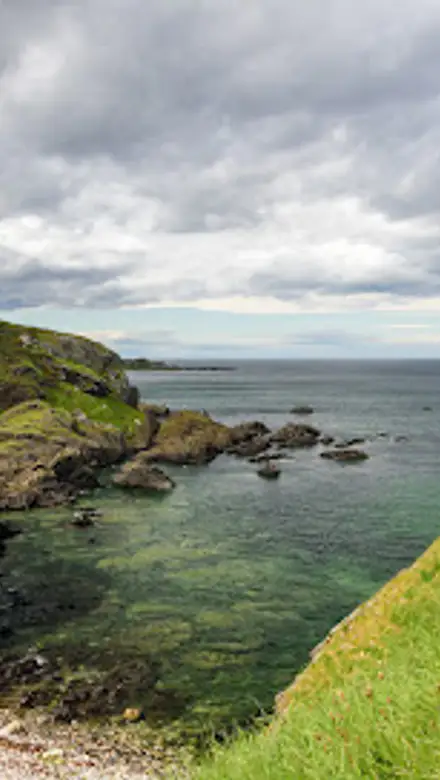
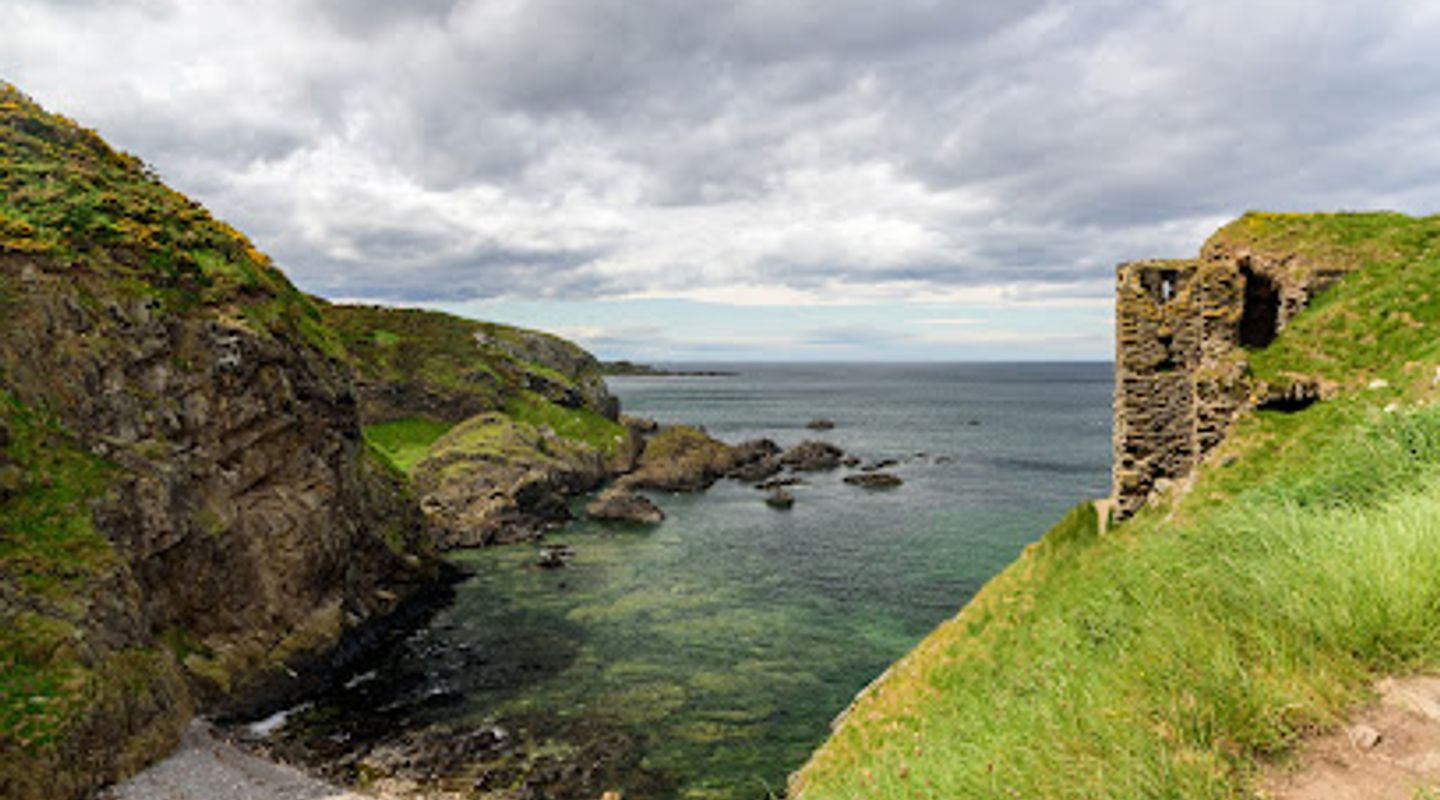
Perched atop a sheer 50-foot cliff overlooking the Moray Firth in Aberdeenshire, Findlater Castle is a striking medieval ruin with a history dating back to 1246. Once a formidable fortress involved in Norse invasions and 16th-century Scottish power struggles, the castle’s crumbling remains evoke centuries of turbulent history amid breathtaking coastal scenery.
A brief summary to Findlater Castle
- Aberdeenshire, GB
- Click to display
- Duration: 1 to 3 hours
- Free
-
 Outdoor
- Mobile reception: 3 out of 5

Know before you go
Hi, I'm Eve. Here are a few practical things to know before exploring Findlater Castle.
- Wear sturdy footwear and exercise caution due to steep, uneven paths and exposed cliff edges.
- Visit during daylight hours for the best views and safer exploration conditions.
- Bring a camera to capture stunning coastal panoramas and the evocative ruins.
- Check weather conditions before visiting, as the site can be windy and slippery when wet.
Do you manage this location?
Take control to get all the benefits, like improved information, better appearance, and stronger visibility across AI-powered discovery. Learn more about listing your business on Evendo
Activate your presenceOther nearby places you may find interesting
The closest places of the same kind, if this one is not quite what you had in mind.

Explore Findlater Castle on the Map
A handpicked selection of must-see spots near Findlater Castle, mapped for you.
Getting There
-
Car
Driving from Cullen, the nearest town about 6 km away, takes approximately 10–15 minutes via the A98 and local roads. Parking is available at a small farm car park near the castle access path. Note the narrow rural roads and limited signage; a GPS is recommended. Parking is free.
-
Bus and Walking
Local bus services run from Aberdeen or Elgin to Cullen, with journey times of 1.5 to 2 hours depending on route. From Cullen, a 1.5-hour walk along the scenic coastal path leads to Findlater Castle. The walking route involves uneven terrain and some steep sections, so suitable footwear and fitness are necessary.
-
Taxi
Taxis from Cullen to Findlater Castle take about 10 minutes and cost approximately £15–£25 GBP. This option offers flexibility but may require advance booking due to limited local taxi availability.
For the on-the-go comforts that matter to you
-
 Restrooms
-
 Seating Areas
-
 Information Boards
Discover more about Findlater Castle
Historic Origins and Medieval Fortifications
Findlater Castle’s story begins in the mid-13th century, with the first recorded mention in 1246. Its Gaelic name, meaning “white cliff,” reflects the quartz-rich rock on which it stands. In the 1260s, King Alexander III strengthened the castle’s defenses anticipating an invasion by King Haakon IV of Norway. The Norse briefly occupied the site until their defeat at the Battle of Largs in 1263. The ruins visible today largely stem from a late 14th-century reconstruction, likely commissioned by Sir John Sinclair, inspired by the design of Roslin Castle near Edinburgh.Strategic Location and Architectural Features
Dramatically positioned on a rocky peninsula with sheer cliffs on three sides, Findlater Castle was naturally defensible. Access was originally via a drawbridge spanning a narrow chasm, which could be retracted in times of siege. The castle’s cliffside setting provides commanding views over the Moray Firth and surrounding coastline. Nearby stands a well-preserved dovecot dating from the 16th or 17th century, a testament to the estate’s historic agricultural practices.Political Intrigue and Turmoil in the 16th Century
The castle played a significant role in Scotland’s turbulent 16th century. Ownership shifted from the Ogilvy family to John Gordon, son of the Earl of Huntly, after a contentious disinheritance. This sparked violent conflict culminating in the Gordon Rebellion of 1562. Mary, Queen of Scots, personally led a siege against the castle to oust Gordon’s forces. Following the defeat of the Gordons at the Battle of Corrichie, John Gordon was executed, and the castle returned to the Ogilvys.Decline and Romantic Ruin
By the early 17th century, the Ogilvy family had moved their principal seat to nearby Cullen House, leaving Findlater Castle to fall into disuse and decay. Over centuries, the structure has crumbled into evocative ruins, precariously perched above the sea. The original footbridge is gone, and visitors today must admire the site from safer vantage points. The ruins’ dramatic setting and storied past make Findlater a captivating symbol of Scotland’s medieval heritage.Visitor Experience and Natural Surroundings
Approaching Findlater Castle involves a scenic walk along coastal paths amid farmland and rugged cliffs. The site offers spectacular views of the North Sea and Moray coastline, ideal for photography and contemplation. However, the steep, unstable slopes and exposed cliff edges require caution. The castle’s wild, windswept ambience and evocative ruins provide a memorable glimpse into Scotland’s history and landscape.Legacy and Cultural Significance
Findlater Castle embodies centuries of Scottish history—from Norse invasions and medieval fortifications to royal intrigue and clan warfare. Its ruins stand as a testament to the region’s strategic importance and the enduring power struggles of the past. Today, it remains a treasured heritage site, blending dramatic natural beauty with deep historical resonance.












Your all‑in‑one travel companion app
Explore expert travel guides, compare and book tours, experiences, hotels, and more—all from the palm of your hand. Download now for seamless trip planning wherever your wanderlust takes you.


Explore More of Morayshire
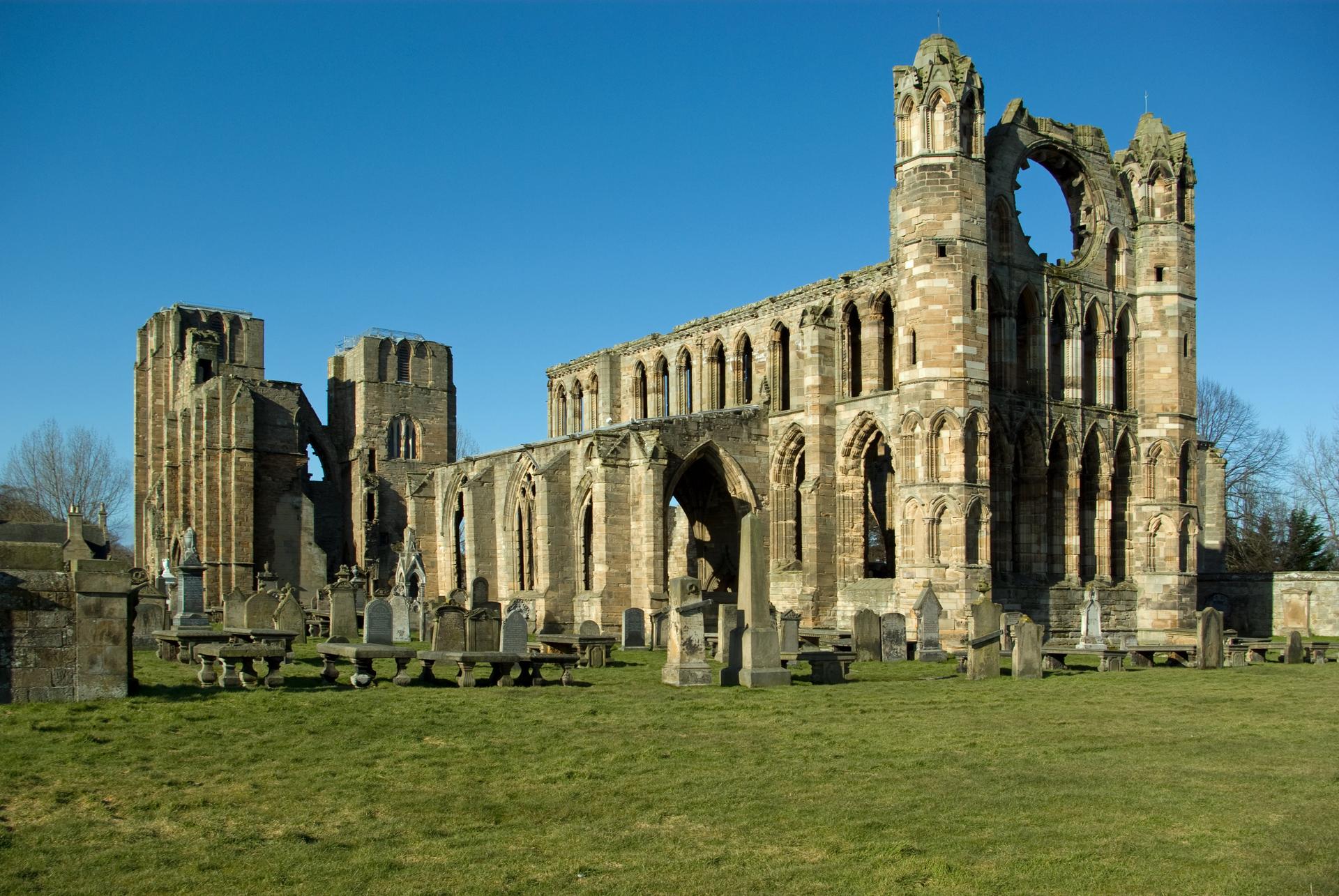
Looking beyond Findlater Castle? Discover Morayshire for broader travel guides, local hot-spots, and regional highlights.
Explore Morayshire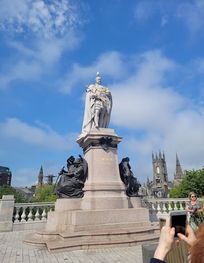
Aberdeen’s grand Edward VII Statue stands in full ceremonial robes, a striking granite and bronze tribute to the British monarch at the heart of the city.

Explore Durn Hill, an ancient Iron Age fort with commanding views and rich archaeological heritage near Banff, Scotland.