

Free Aberdeenshire Travel Guide & Mobile App
Explore Aberdeenshire with free travel guides. Discover regional history, expert tips, proposed trips, and audio guides on web or mobile app.


Explore Aberdeenshire’s granite villages, North Sea coast, castle trails, Royal Deeside landscapes and Cairngorms walking country in north-east Scotland.
Read more about Aberdeenshire
When is the best time to visit Aberdeenshire?
Best: June–August · 16–18°C| Month | High (°C) | Rainfall (mm) |
|---|---|---|
| January | 4 | 70 |
| February | 5 | 60 |
| March | 8 | 70 |
| April | 10 | 60 |
| May | 13 | 60 |
| June (best) | 16 | 70 |
| July (best) | 18 | 80 |
| August (best) | 18 | 80 |
| September | 15 | 70 |
| October | 12 | 80 |
| November | 8 | 80 |
| December | 5 | 90 |
Getting to and around Aberdeenshire
How to get there
Transportation
Top city travel guides in Aberdeenshire
The cities of Aberdeenshire, and the easiest places to base yourself.
-

-


Swipe for more cities
Destinations in Aberdeenshire
Resorts, valleys and scenic spots worth a trip of their own.

Swipe for more destinations
Best attractions in Aberdeenshire
Aberdeenshire’s attractions are spread across several contrasting landscapes. Castle country is the most recognisable theme, with Crathes Castle, Fraser Castle, Fyvie Castle and the ruins of Kildrummy offering different perspectives on aristocratic life, medieval power and estate history. Royal Deeside centres on Braemar, Ballater and the upper River Dee, with walking, cycling, wildlife and access to the Cairngorms National Park; Balmoral Estate lies in the region, although its visitor arrangements are seasonal and subject to change. Along the coast, Dunnottar Castle near Stonehaven, the beaches around Balmedie and Cruden Bay, and the harbours of Peterhead, Fraserburgh, Banff and Portsoy reveal a maritime side. The Bullers of Buchan provide a dramatic natural viewpoint, while birdwatching, seal watching, forest walks and waterside trails add outdoor interest. Museums, galleries, gardens, distilleries and craft studios provide alternatives when weather limits longer excursions. Because sites are dispersed, the region rewards an itinerary built around clusters of attractions rather than a hurried sequence of isolated stops.
-
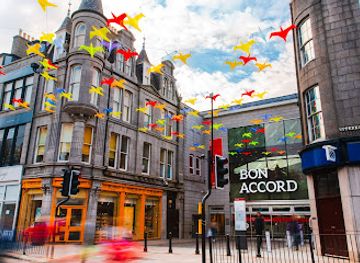
Shopping Centre
Bon Accord Aberdeen
A vibrant Aberdeen shopping centre blending popular brands, local shops, and family-friendly amenities in a central, welcoming setting.
-
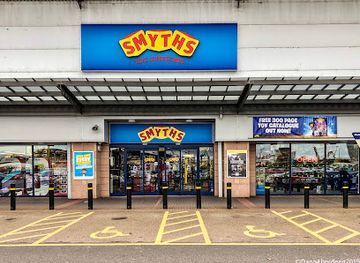
Shopping Centre
Beach Boulevard Retail Park
A vibrant coastal retail park in Aberdeen offering diverse stores, budget-friendly shopping, and a refreshing seaside atmosphere.
-
Castle
Crathes Castle
Explore a magnificent 16th-century Scottish castle and its enchanting gardens, blending history, nature, and family fun near Banchory.
-
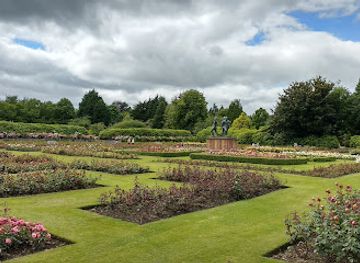
Park and Garden
Hazlehead Park
Historic Hazlehead Park in Aberdeen offers sprawling gardens, family fun, golf, and nature trails across 180 hectares of scenic green space.

Best landmarks in Aberdeenshire
Dunnottar Castle is Aberdeenshire’s most dramatic architectural landmark, occupying a sea-cliff headland south of Stonehaven and associated with medieval lordship, the Scottish Crown and later military history. Crathes Castle is notable for its tower house, painted ceilings and designed gardens, while Fraser Castle and Fyvie Castle express the scale and longevity of north-east landed estates. In Royal Deeside, Balmoral Castle and Estate represent the enduring royal association created by Queen Victoria and Prince Albert, and the distinctive granite architecture of Ballater reflects the area’s development as a royal resort. The granite harbour and civic architecture of Peterhead, the fishing-port character of Fraserburgh and the historic buildings of Banff and Portsoy mark the region’s maritime heritage. Natural landmarks are equally important: the Bullers of Buchan expose the power of the North Sea, and the upper Dee valleys provide a visual transition from cultivated lowlands to the Cairngorm mountains.
-
Castle
Dunnottar Castle
Clifftop fortress where Scottish crown jewels were hidden from Cromwell's army.
-
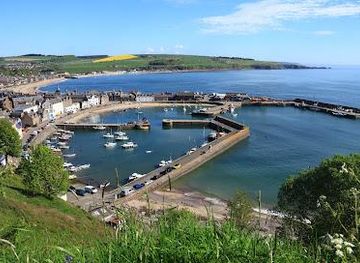
Landmark
Stonehaven Harbour
Historic Stonehaven Harbour blends centuries-old maritime heritage with stunning coastal scenery and vibrant local culture.
-
Castle
Dunnydeer Castle
Scotland's earliest tower house, layered with Iron Age forts and Pictish legend atop a windswept Aberdeenshire hill.
-
Historical landmark
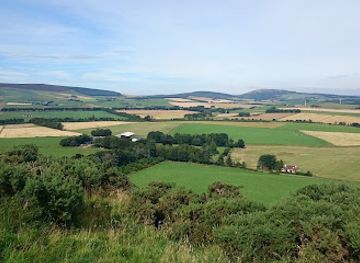
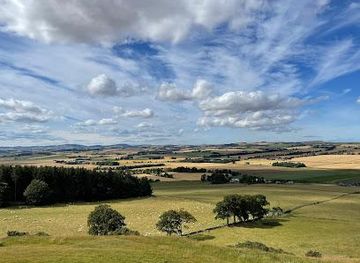
Barra Hill
Explore Barra Hill near Inverurie, an ancient hillfort and historic battlefield offering panoramic views and a deep connection to Scotland’s past.

Explore Aberdeenshire on the map
Plan your trip on one map. See where the top cities, national parks and sights are, and book hotels and experiences in a few clicks.
Best hotels in Aberdeenshire
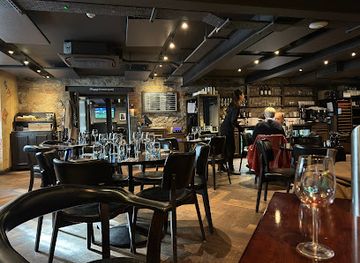
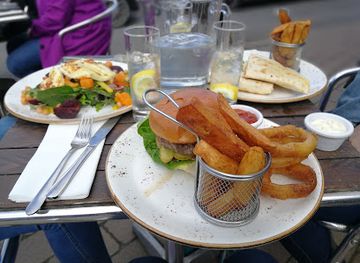
Best restaurants in Aberdeenshire
Dining in Aberdeenshire reflects both its agricultural hinterland and its extensive coastline. North-east Scottish beef, lamb, game, salmon, shellfish, dairy produce, oats, berries and traditional baking appear in restaurants, cafés, farm shops and country inns, with quality and availability varying by season. Harbour towns provide opportunities to seek locally landed fish and seafood, while inland towns and Royal Deeside offer cafés, bakeries and restaurants using produce from surrounding farms. Traditional dishes associated with Scotland, including soups, savoury pies and oat-based foods, sit alongside contemporary cooking rather than defining every menu. Whisky from the broader north-east is widely available, and local breweries, gins and soft drinks add variety, but visitors should not assume that every rural establishment serves an extensive tasting selection. Farmers’ markets and farm shops are particularly useful for picnic supplies, cheeses, preserves, fruit and regional baking when travelling between dispersed attractions.
-
Family friendly
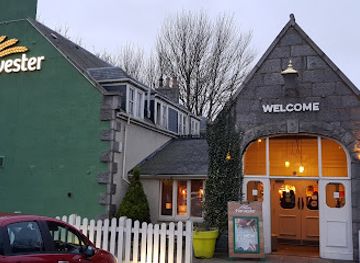
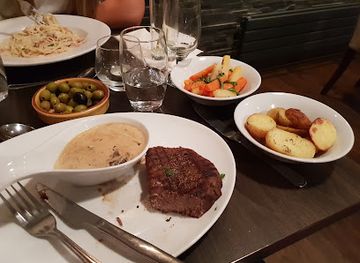
Harvester Ghillies Lair Aberdeen
Family-friendly British grill and salad bar with generous portions and a relaxed pub atmosphere overlooking the River Dee in Aberdeen.
-
Italian
Mi Amore
Cozy Italian trattoria in Aberdeen serving authentic pasta, pizza, and seafood with warm service and a welcoming atmosphere.
-
Restaurant
No.10 Bar and Restaurant
A sophisticated subterranean venue in Aberdeen offering modern British cuisine, an extensive whiskey bar, and a cozy, stylish atmosphere.
-
Modern European
Fennel Restaurant
Award-winning modern European dining in Inverurie, blending local ingredients with innovative flavors in a welcoming setting.
Best bars in Aberdeenshire
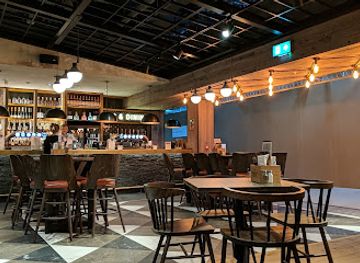
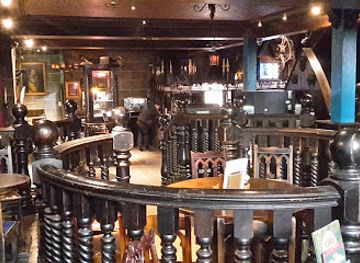
Evening life in Aberdeenshire is generally centred on traditional pubs, hotel bars, restaurants and live music rather than a large nightclub culture. Stonehaven, Banchory, Ballater, Peterhead, Fraserburgh, Inverurie and Banff provide the broadest choice of places to eat and drink, while smaller villages tend to close earlier and offer fewer late options. Historic inns and local pubs can be useful social spaces, but they should be treated as contemporary businesses rather than staged heritage experiences. Craft beer, whisky and gin may feature on drinks lists, and seasonal events can bring music or entertainment to towns and coastal communities. Visitors staying in rural glens should arrange taxis or designated transport in advance, since distances are substantial and public transport may be limited in the evening. Nightlife is best approached as part of the region’s town and community life, not as a substitute for its outdoor and cultural attractions.
-
Pub
The Distilling House
A welcoming airport pub celebrating Scottish whisky heritage with classic food, craft beers, and expert spirit knowledge.
-
Pub
Slains Castle
Experience Aberdeen’s gothic charm at Slains Castle Pub, a unique former church turned atmospheric pub with great food, drinks, and live sports.
-
Pub
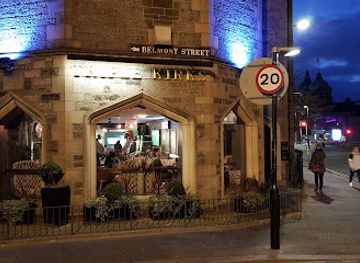
The Triplekirks
A lively Aberdeen pub blending historic charm with modern British classics, craft beers, and a vibrant social atmosphere.
-
Lounge
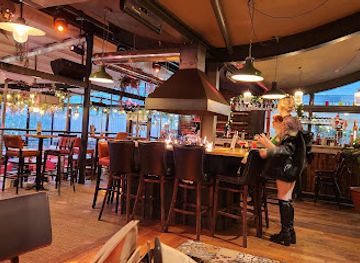
Revolution Aberdeen
Lively two-level cocktail bar and restaurant on Belmont Street with crafted drinks, Latin-inspired tapas, outdoor deck, and vibrant party atmosphere.
Best nightclubs in Aberdeenshire
Evening life in Aberdeenshire is generally centred on traditional pubs, hotel bars, restaurants and live music rather than a large nightclub culture. Stonehaven, Banchory, Ballater, Peterhead, Fraserburgh, Inverurie and Banff provide the broadest choice of places to eat and drink, while smaller villages tend to close earlier and offer fewer late options. Historic inns and local pubs can be useful social spaces, but they should be treated as contemporary businesses rather than staged heritage experiences. Craft beer, whisky and gin may feature on drinks lists, and seasonal events can bring music or entertainment to towns and coastal communities. Visitors staying in rural glens should arrange taxis or designated transport in advance, since distances are substantial and public transport may be limited in the evening. Nightlife is best approached as part of the region’s town and community life, not as a substitute for its outdoor and cultural attractions.
-
Nightclub
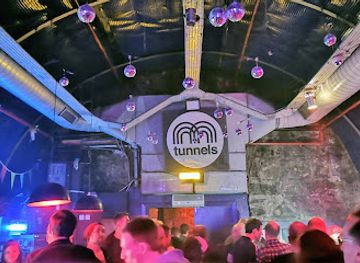
The Tunnels
Discover Aberdeen’s iconic underground nightclub where vibrant music and historic tunnels create an unforgettable nightlife experience.
-
Nightclub
Club Tropicana & Venga
Aberdeen’s ultimate retro nightclub, spinning the best 80s and 90s hits every Friday and Saturday night until 3 AM.
-
Nightclub
CHEERZ
Aberdeen’s oldest LGBT nightclub and pub, Cheerz Bar offers inclusive nightlife with music, dancing, and a welcoming atmosphere every day of the week.
-
Nightclub
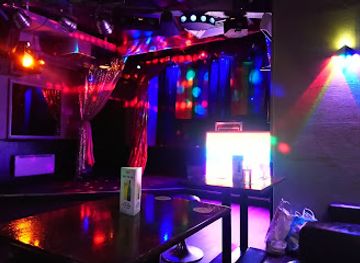
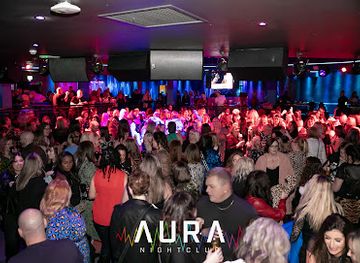
AURA Nightclub Aberdeen
Experience Aberdeen’s vibrant nightlife at AURA Nightclub, where music, energy, and community come alive every weekend.

Best shops in Aberdeenshire
Shopping in Aberdeenshire is distributed among market towns, coastal communities, farm shops and independent businesses rather than concentrated in one major retail district. Inverurie, Banchory, Banff, Peterhead, Fraserburgh, Huntly and Stonehaven provide practical high-street shopping, cafés and locally owned shops, while Ballater has a stronger visitor and country-town character. Farm shops are useful for Aberdeen Angus beef, cheeses, preserves, berries, baking and other regional produce, subject to seasonal availability. Craft galleries and studios sell ceramics, textiles, jewellery, woodwork and artwork inspired by the coast or countryside, particularly around Royal Deeside and the coastal towns. Harbour areas can offer seafood retailers and maritime-themed products, while castle and estate shops usually focus on books, gardens, food and Scottish gifts. For a broader range of national chain stores, Aberdeen city is the nearest major retail centre outside Aberdeenshire.
-
Gift shop
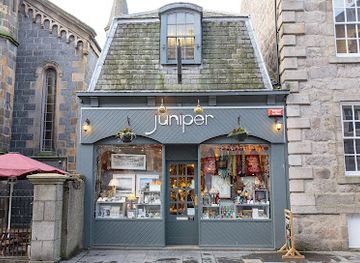
Juniper
Aberdeen’s cherished family-run gift and homeware boutique, offering jewellery, furniture, and unique Scottish souvenirs since 1971.
-
Gift shop
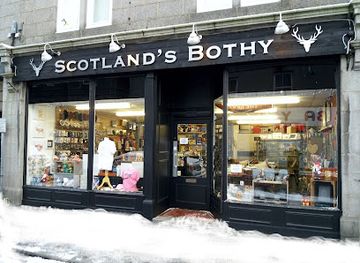
Scotland's Bothy
Discover authentic Scottish gifts, souvenirs, and custom T-shirts at Scotland's Bothy in Aberdeen, where tradition meets quality craftsmanship.
-
Gift shop
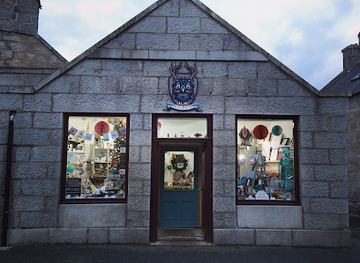
Geek Bothy Ltd
Discover quirky gifts, local crafts, and creative workshops at Kemnay’s beloved independent shop with a warm, welcoming vibe.
-
Gift shop
Country Ways Aberdeen
Northeast Scotland's premier destination for country, lifestyle, and equestrian wear since 1978.
Get your free copy of our complete guide to Aberdeenshire, delivered straight to you.
Everything on this page, from attractions and restaurants to essentials and local phrases, in one PDF you can read offline, print or share.
Already have an account? Sign in
Your Aberdeenshire guide is ready.
We'll send it to · Not you? Sign out

Getting your guide ready…
We are putting together a fresh copy of the Aberdeenshire guide. This can take up to a minute.
This can take a few moments. If your browser asks, choose Allow so the download can start. You'll find the guide in your Downloads folder.
Nothing happened? Download it again
Sorry, the guide is taking longer than usual. Please try again in a minute, or get it by email instead.
Aberdeenshire essentials
Currency and Payment
Safety
Emergency Situations
Do's and Don'ts
Local Tips
From Eve
Local phrases worth knowing
You don't need to get them perfect. A few words go a long way, and locals appreciate the effort.
Basics
| English | Local | Say it |
|---|---|---|
| Hello | Hullo | [ˈhʌloʊ] |
| Goodbye | Cheerio | [ˈtʃɪr.i.oʊ] |
| Yes | Aye | [aɪ] |
| No | Nae | [neɪ] |
| Please/You're welcome | Please | [pliːz] |
| Thank you | Ta | [tɑː] |
| Excuse me/Sorry | Pardon | [ˈpɑːrdən] |
| How are you? | How's it gaun? | [haʊz ɪt ɡaʊn] |
| Fine. And you? | Aye, fine. Ye? | [aɪ, faɪn. jɛ?] |
| Do you speak English? | Dae ye spik Inglis? | [deɪ jɛ spik ˈɪŋɡlɪʃ] |
| I don't understand | Ah dinnae ken | [ɑː ˈdɪneɪ kɛn] |
Eating & Drinking
| English | Local | Say it |
|---|---|---|
| I'd like to see the menu, please | Ah'd like tae see the menu, please | [ɑːd laɪk teɪ si ðə ˈmɛnjuː, pliːz] |
| I don't eat meat | Ah dinnae eat meat | [ɑː ˈdɪneɪ iːt miːt] |
| Cheers! | Slàinte! | [slæn.tʃə] |
| I would like to pay, please | Ah'd like tae pay, please | [ɑːd laɪk teɪ peɪ, pliːz] |
Emergencies
| English | Local | Say it |
|---|---|---|
| Help! | Help! | [hɛlp] |
| Go away! | Gie it a rest! | [ɡi ɪt ə rɛst] |
| Call the Police! | Phone the polis! | [foʊn ðə ˈpoʊlɪs] |
| Call a doctor! | Phone a doc! | [foʊn ə dɒk] |
| I'm lost | Ah'm lost | [ɑːm lɔst] |
| I'm ill | Ah'm no weel | [ɑːm noʊ wiːl] |
Shopping
| English | Local | Say it |
|---|---|---|
| I'd like to buy... | Ah'd like tae buy... | [ɑːd laɪk teɪ baɪ...] |
| I'm just looking | Ah'm just lookin' | [ɑːm dʒʌst ˈlʊkɪn] |
| How much is it? | Fit's the price? | [fɪts ðə praɪs] |
| That's too expensive | That's ower dear | [ðæts ˈoʊər dɪr] |
| Can you lower the price? | Can ye lower the price? | [kæn jɛ ˈloʊər ðə praɪs] |
Time & Numbers
| English | Local | Say it |
|---|---|---|
| What time is it? | Fit time is it? | [fɪt taɪm ɪz ɪt] |
| It's one o'clock | It's yin o'clock | [ɪts jɪn əˈklɒk] |
| Half past (10) | Half past ten | [hɑːf pɑːst tɛn] |
| Morning | Mornin' | [ˈmɔrnɪn] |
| Afternoon | Afernoon | [ˈæf.tərˌnuːn] |
| Evening | E'enin' | [ˈiːnɪn] |
| Yesterday | Yestreen | [jɛsˈtriːn] |
| Today | Tday | [təˈdeɪ] |
| Tomorrow | Morrow | [ˈmɒroʊ] |
| 1 | Yin | [jɪn] |
| 2 | Twa | [twɑː] |
| 3 | Three | [θriː] |
| 4 | Fower | [ˈfaʊər] |
| 5 | Five | [faɪv] |
| 6 | Six | [sɪks] |
| 7 | Seven | [ˈsɛv.ən] |
| 8 | Eight | [eɪt] |
| 9 | Nine | [naɪn] |
| 10 | Ten | [tɛn] |
Transport & Directions
| English | Local | Say it |
|---|---|---|
| Where's a/the...? | Whar's a/the...? | [wɑrz ə/ðə] |
| What's the address? | Fit's the address? | [fɪts ðə əˈdrɛs] |
| Can you show me (on the map)? | Can ye show me (on the map)? | [kæn jɛ ʃoʊ mi (ɑn ðə mæp)] |
| When's the next (bus)? | When's the next (bus)? | [wɛn z ðə nɛkst (bʌs)] |
| A ticket (to ....) | A ticket (ta ....) | [ə ˈtɪkɪt (tə ....)] |
History of Aberdeenshire
Prehistoric Landscapes and Pictish Heritage
Aberdeenshire contains important evidence of prehistoric settlement, ritual activity and later Pictish culture. The recumbent stone circles of north-east Scotland, including the well-known circle at Loanhead of Daviot, reflect a regional monument tradition associated with communities of the Bronze Age. Much later, Pictish symbol stones recorded a distinctive early medieval culture across the north-east. The impressive stone at Aberlemno is outside Aberdeenshire, but sites such as the stones at Brandsbutt near Inverurie demonstrate that the region was part of this wider cultural world.
Medieval Lordship and Castle Building
From the medieval period, Aberdeenshire was shaped by competing local lordships, royal authority and control of fertile estates, river crossings and coastal routes. Fortified residences developed at places including Fyvie, Fraser and Kildrummy, while religious foundations and parish churches anchored settled communities. The remains of Dunnottar Castle occupy a strategically important headland near Stonehaven, although much of its surviving architecture belongs to later rebuilding. Medieval patterns of landholding and allegiance continued to influence the region’s country houses and estates for centuries.
The Earls of Mar and Highland Power
The upper Dee and Don valleys were connected with the Earls of Mar, one of Scotland’s oldest noble families. Kildrummy Castle, once a major seat of the earls in the upper Don valley, played a notable role in the political conflicts of the medieval and early modern periods. The wider north-east was affected by the Wars of Scottish Independence, the Reformation and later struggles between Crown, Covenanting interests and supporters of the Stuart cause. These events left a layered legacy in castles, estates and local traditions.
Agricultural Improvement and Planned Estates
From the eighteenth century, landowners introduced new approaches to farming, estate management and architectural planning. Enclosures, improved drainage, new roads and more productive methods transformed parts of the lowlands, while designed landscapes surrounded houses such as Haddo House and Crathes Castle. Planned villages and market centres also expanded to serve agriculture and trade. This period created much of the built landscape associated with present-day Aberdeenshire: stone farmsteads, estate avenues, walled gardens and substantial country houses set among cultivated fields.
Fishing, Harbours and North Sea Trade
Coastal Aberdeenshire developed through fishing, boatbuilding, coastal trade and the export of agricultural produce. Peterhead became a major fishing port, while Fraserburgh, Macduff, Banff and smaller harbour settlements supported fleets working the North Sea and Moray Firth. Fishing brought prosperity but also exposed communities to dangerous weather, changing markets and later industrial pressures. Harbour walls, fish-processing buildings, maritime museums and traditional town plans still reveal the importance of the sea to the region’s economy and identity.
Railways, Industry and the Modern Region
Railway development during the nineteenth century linked inland market towns and coastal communities with Aberdeen and the wider Scottish network. It strengthened trade in livestock, grain, fish and manufactured goods while making resort and residential travel more practical. Granite quarrying, textile production, engineering and food processing also contributed to the regional economy. In the twentieth and twenty-first centuries, agriculture, tourism, energy, education and service industries have become increasingly important, while major parts of Aberdeenshire retain a strong rural and maritime character.
Aberdeenshire in Photos
Browse through our photo collection highlighting the charm and character of the destination.
Neighbouring regions of Aberdeenshire
The closest regions to Aberdeenshire, if you have time for more than one.
-

-

-

-

-


Swipe for more regions

