
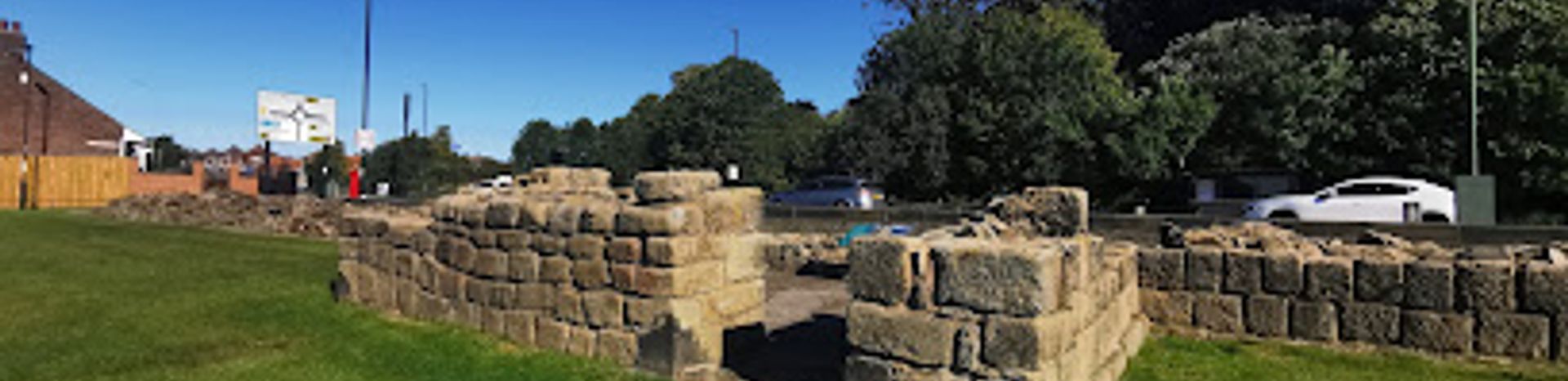
Denton Hall Turret - A Roman Watchtower on Hadrian's Wall
Explore Denton Hall Turret, a Roman watchtower on Hadrian’s Wall near Newcastle, revealing ancient frontier defense and military life.
Denton Hall Turret, part of Hadrian’s Wall near Newcastle upon Tyne, is a Roman-era watchtower built around AD 122. This historic site features the turret’s stone foundations and a 65-metre stretch of the Wall, showcasing the frontier defense system of the Roman Empire. Open freely during daylight hours, the turret’s remains reveal its original design as a two-storey lookout post for soldiers monitoring the northern boundary of Roman Britain.
A brief summary to Denton Hall Turret - Hadrian's Wall
- Turret Rd, Newcastle upon Tyne, NE15 7TH, GB
- +443703331181
- Visit website
- Duration: 0.5 to 1.5 hours
- Free
-
 Outdoor
- Mobile reception: 4 out of 5
- Monday 12 am-12 am
- Tuesday 12 am-12 am
- Wednesday 12 am-12 am
- Thursday 12 am-12 am
- Friday 12 am-12 am
- Saturday 12 am-12 am
- Sunday 12 am-12 am
Local tips
- Visit during daylight hours as the site is open access with no entrance fee but has no formal opening times.
- Bring a camera to capture the stone foundations and surviving 65-metre section of Hadrian’s Wall.
- Combine your visit with nearby Roman sites like Corbridge Roman Fort for a fuller historical experience.
- Street parking is available near the site, but public transport options are limited.

For the on-the-go comforts that matter to you
- Restrooms
- Seating Areas
- Information Boards
Getting There
-
Public Bus
Take the local bus service from Newcastle city centre to West Road (A186) near the A1 roundabout; the journey takes approximately 20-30 minutes. Buses run frequently during the day, but check schedules for weekend service. From the stop, the turret is a short walk. No additional cost beyond standard bus fare applies.
-
Car
Driving from Newcastle city centre to Denton Hall Turret takes about 15 minutes via main roads. Street parking is available near the site, but spaces may be limited during peak times. No parking fees are charged.
-
Walking
For the adventurous, walking from central Newcastle to Denton Hall Turret is around 5 km and takes approximately 1 hour. The route is urban, mostly flat, but includes busy roads; suitable for those with moderate fitness and comfortable footwear.
Denton Hall Turret - Hadrian's Wall location weather suitability
-
 Any Weather
-
 Clear Skies
-
 Mild Temperatures
-
 Rain / Wet Weather
Discover more about Denton Hall Turret - Hadrian's Wall
Roman Frontier Architecture and Military Strategy
Denton Hall Turret, also known as Turret 7B, was constructed as part of Hadrian’s Wall, a monumental frontier begun in AD 122 under Emperor Hadrian to mark the northern limit of the Roman Empire in Britain. This turret formed one of approximately 160 watchtowers spaced along the Wall, positioned roughly every third of a Roman mile to provide continuous surveillance and defense. Built of unusually large sandstone blocks, the turret’s rectangular ground floor measures about 3.96 by 4.2 metres internally, with Hadrian’s Wall itself forming its north wall. A stone platform inside indicates where soldiers would have accessed an upper floor via wooden stairs, enabling a vantage point over the surrounding landscape and the Wall’s sentry path.Surviving Remains and Site Features
Today, Denton Hall Turret stands as a low ruin adjacent to the busy A186 road in the western suburbs of Newcastle upon Tyne. Although the walls survive only to about one metre in height, the foundations and a 65-metre length of Hadrian’s Wall remain visible, offering a tangible connection to Roman military engineering. The turret’s design reflects the original broad-wall construction phase, where the Wall was built to a width of 2.96 metres before being narrowed further west. The site is open access with no entrance fee, allowing visitors to explore the remains and imagine the soldiers who once kept watch here.Historical Context and Roman Military Life
Turrets like Denton Hall were manned by small groups of soldiers tasked with guarding the Empire’s frontier and monitoring movement across the border. The two-storey structure provided shelter and a lookout post, with the upper floor granting access to a sentry walk along the Wall. Archaeological finds from similar turrets indicate soldiers cooked and lived here in rotation, despite the small size, using quernstones and cooking pots. Denton Hall Turret’s strategic placement near Newcastle highlights the military importance of this region in controlling access to Roman Britain.Modern Preservation and Visitor Experience
Under the guardianship of English Heritage since the early 1970s, Denton Hall Turret is preserved as a significant historical landmark. The site is freely accessible at any reasonable daylight hour, with on-street parking nearby. While the turret itself is modest in scale, it is complemented by nearby Roman sites such as Corbridge Roman Fort and Benwell Roman Temple, enriching the visitor’s understanding of Roman presence in the area. The juxtaposition of ancient ruins alongside modern roads creates a unique contrast that invites reflection on the passage of time.Exploring the Roman Legacy in Newcastle
Visitors to Denton Hall Turret can appreciate the broader narrative of Hadrian’s Wall as a symbol of Roman engineering and frontier policy. The Wall stretches 117.5 kilometres from Wallsend on the River Tyne to the Solway Firth, with Denton Hall Turret representing the easternmost surviving turret. The site’s proximity to Newcastle city centre makes it an accessible glimpse into ancient history, where the stones whisper stories of soldiers, empire, and border control from nearly two millennia ago.Connecting with the Landscape and History
The turret’s location beside the A186 places it within a lively urban environment, yet the site retains a tranquil atmosphere where visitors can connect with the past. The surviving stonework and Wall segment invite contemplation of Roman military life and the challenges of guarding a vast empire’s edge. This blend of history, architecture, and setting makes Denton Hall Turret a compelling destination for those interested in Roman Britain and heritage preservation.Iconic landmarks you can’t miss

The Tower Cafe Ltd
4.4 km
Charming café in Newcastle’s Leazes Park, famed for vegan pizzas and a relaxed, friendly atmosphere amid scenic greenery.
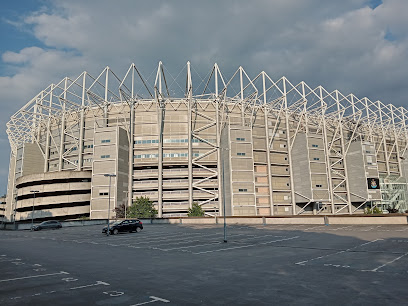
Herber Tower
4.7 km
A well-preserved 13th-century drum tower from Newcastle’s medieval town walls, once a guild meeting place and now a quiet monument in the city centre.
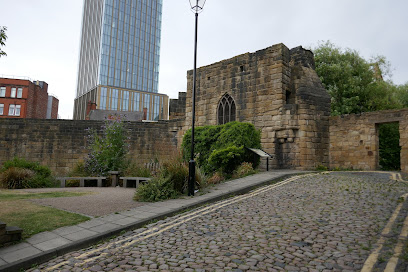
Oriental Garden
4.7 km
Experience the serene beauty of the Oriental Garden in Newcastle upon Tyne, a peaceful escape filled with lush greenery and vibrant flora.
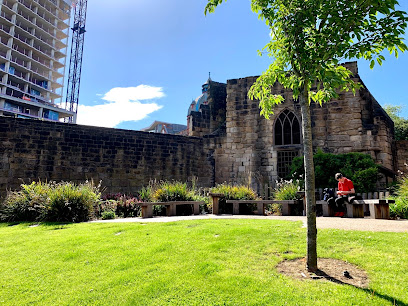
Morden Tower
4.7 km
A medieval drum tower turned iconic poetry venue, Morden Tower blends Newcastle’s rich history with vibrant cultural legacy.
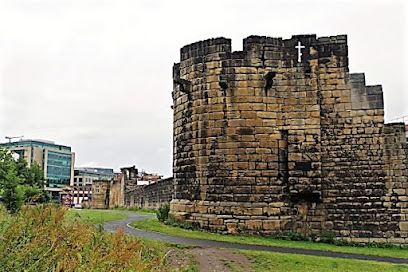
Durham Tower
4.7 km
Medieval stone sentinel guarding Newcastle's ancient western walls since the 13th century.
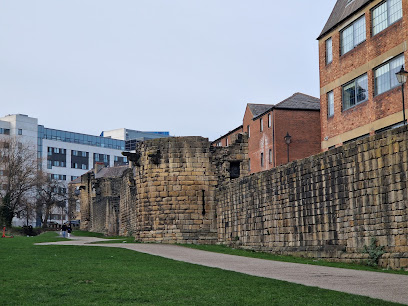
11 Waterloo St
4.7 km
Historic industrial heritage meets contemporary urban design on Newcastle's transforming Waterloo Street.
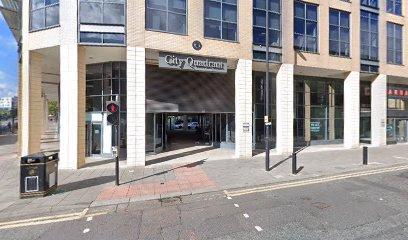
New Bridge Street, Newcastle-upon-Tyne
4.7 km
Experience the vibrant culture and rich history of New Bridge Street, Newcastle-upon-Tyne, home to captivating museums and lively local attractions.

Richard Grainger Memorial Fountain
4.8 km
Historic granite fountain honoring Richard Grainger’s transformative 19th-century urban vision in Newcastle’s iconic Grainger Town.
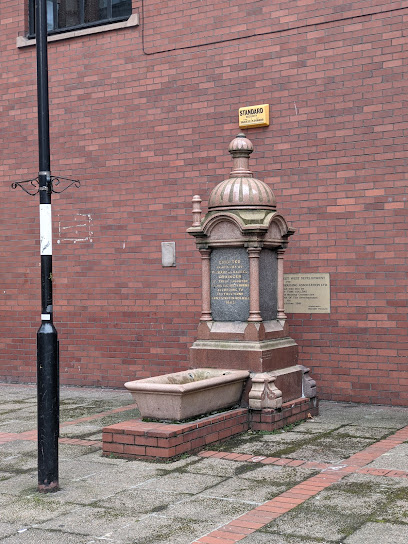
Blackfriars Medieval Friary
4.8 km
Medieval Dominican friary where kings once stayed, now a living centre of craft, culture, and cuisine.
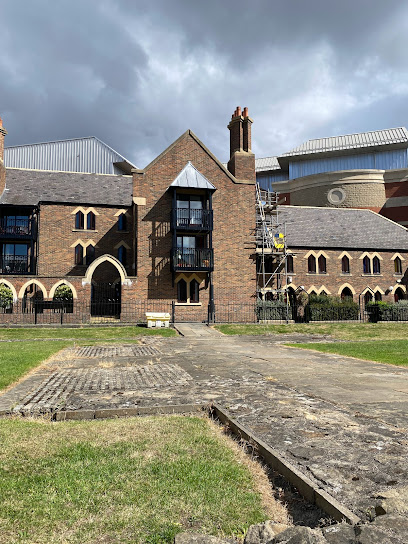
Old Library Building
4.8 km
A historic university building at the heart of Newcastle’s campus, now home to the School of Modern Languages and academic events.
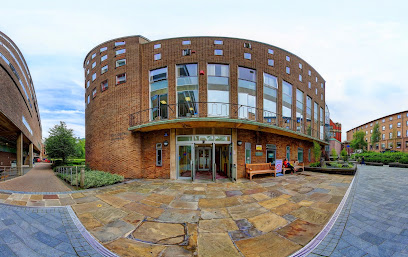
Claremont Tower
4.9 km
Modernist landmark housing humanities scholarship at Newcastle's academic heart.
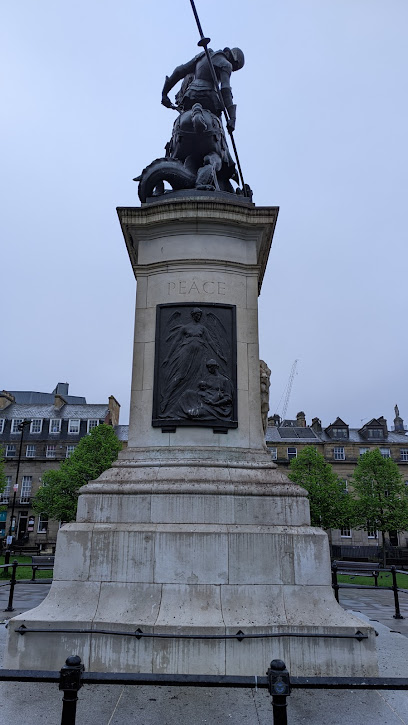
Newcastle and District War Memorial
5.0 km
A Portland stone tribute to courage, unveiled in 1923 and crowned by a bronze Saint George.
King's Gate
5.0 km
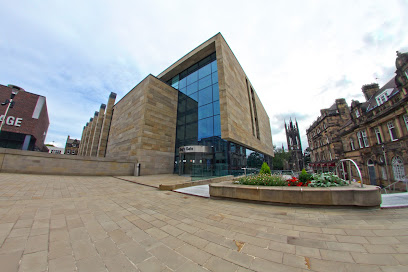
Newcastle University's contemporary student services hub with striking glazed architecture on Barras Bridge.
W.D.Stephens Memorial
5.0 km
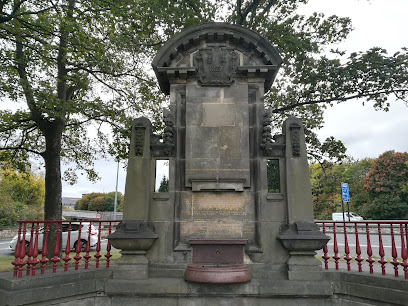
Historic memorial fountain honoring Newcastle’s civic leader W.D. Stephens, symbolizing philanthropy and maritime heritage in Jesmond.
Lord Armstrong Memorial
5.0 km
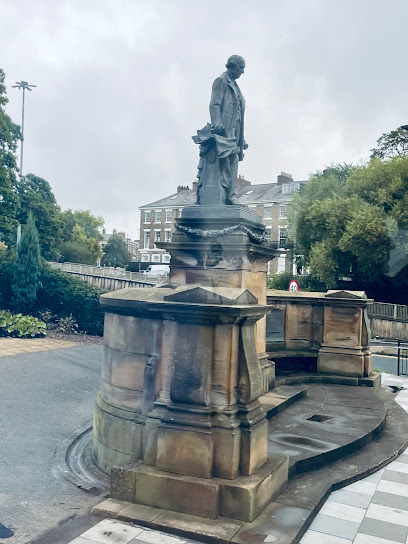
A striking bronze tribute at Barras Bridge honoring Lord Armstrong’s pioneering engineering and lasting legacy in Newcastle’s industrial history.
Unmissable attractions to see

Benwell Roman Temple - Hadrian's Wall
2.0 km
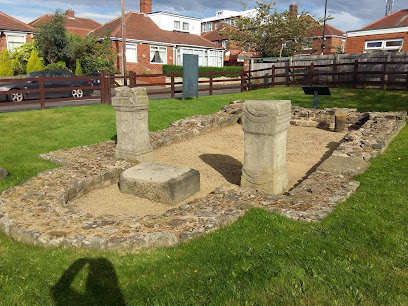
Discover the unique ruins of Benwell Roman Temple, dedicated to the rare native god Antenociticus on Hadrian’s Wall’s northern frontier.
Pith Rock
3.5 km
Discover the breathtaking views and serene beauty of Pith Rock, a must-visit tourist attraction in Newcastle upon Tyne.
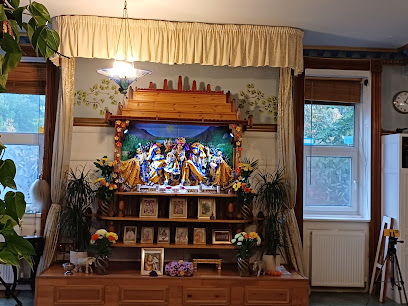
ISKCON Newcastle
4.2 km
A welcoming spiritual sanctuary where ancient Krishna Consciousness teachings come alive through chanting, philosophy, and free vegetarian feasts.
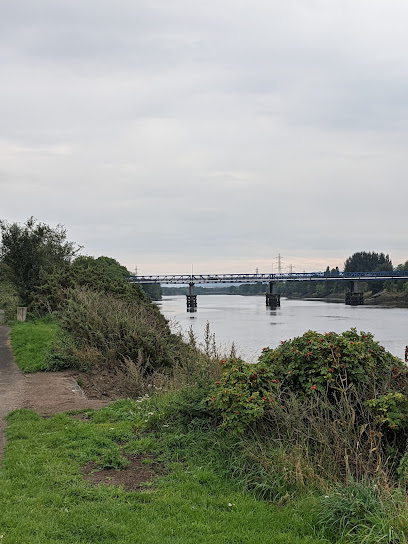
Tyne Riverside Country Park
4.3 km
A scenic riverside country park near Newcastle with diverse landscapes, family-friendly facilities, and miles of walking and cycling trails.
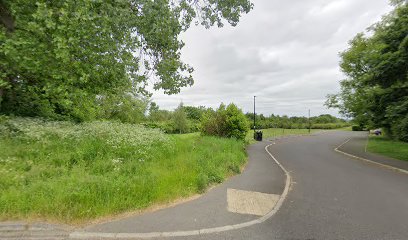
Town Moor
4.3 km
Newcastle's 1,000-acre medieval commons—larger than Hyde Park, home to Europe's biggest fair.
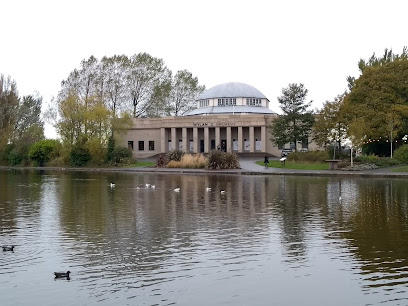
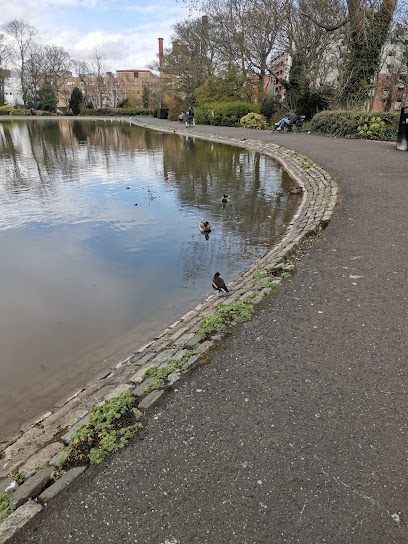
Leazes Park
4.5 km
Newcastle’s oldest Victorian park, a tranquil green retreat with a scenic lake and rich heritage in the city centre.
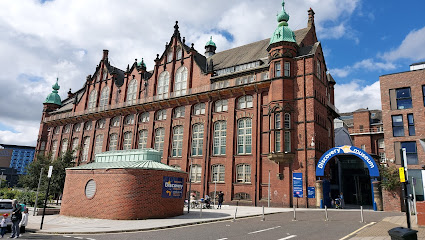
Discovery Museum
4.6 km
Explore Tyneside’s rich heritage and innovation at Newcastle’s interactive Discovery Museum, home to the iconic Turbinia steam ship.
The Mound
4.6 km
Discover The Mound in Newcastle upon Tyne, a tranquil garden oasis perfect for relaxation and enjoying nature amidst the city's vibrant atmosphere.
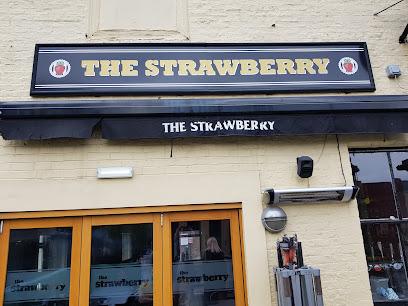
The Strawberry
4.7 km
A vibrant traditional pub by St James' Park, offering great beers, hearty food, and a warm Newcastle welcome.
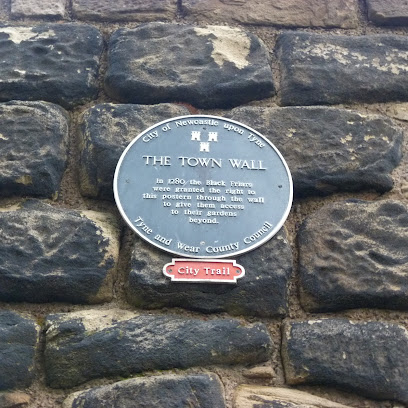
Black Friars Postern Gate Plaque
4.7 km
Explore the Black Friars Postern Gate Plaque in Newcastle upon Tyne, a historical landmark reflecting the city's rich medieval heritage and architectural beauty.
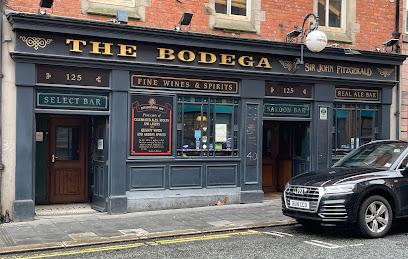
The Bodega
4.7 km
Discover The Bodega in Newcastle upon Tyne, where lively ambiance, great food, and a wide selection of drinks create the ultimate pub experience.
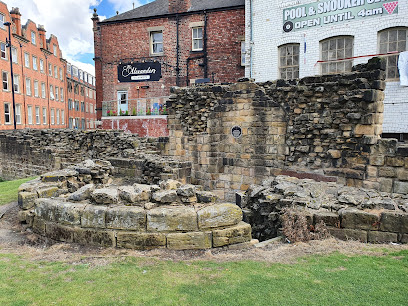
Ever Tower
4.7 km
Explore Ever Tower, a captivating medieval relic of Newcastle’s historic town walls, blending heritage and urban charm.
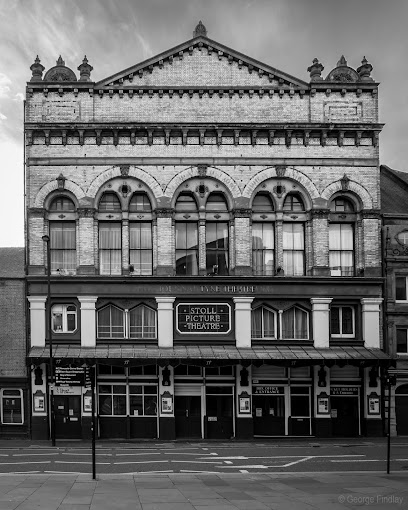
Tyne Theatre & Opera House
4.7 km
Discover Newcastle’s Victorian treasure with rare stage machinery and vibrant performances in a beautifully preserved Grade I listed theatre.
W Walls
4.8 km
Explore the enduring medieval West Walls of Newcastle, a stone fortress section that reveals the city’s historic defenses and rich heritage.

YuMe World
4.8 km
Step into a high-energy arcade world in Newcastle’s city centre, where cutting-edge games, VR thrills and prize challenges await players of all ages.

Essential places to dine

Earl of Pitt Street
4.2 km
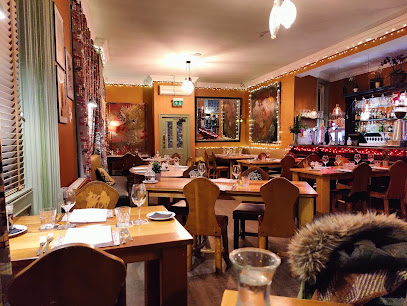
Discover a cozy gastropub in Newcastle blending British charm with Asian-inspired flavors and a welcoming atmosphere.
Fujiyama Teppanyaki Japanese Restaurant
4.7 km
Experience fresh Japanese teppanyaki cooked live with flair and flavor in the heart of Newcastle upon Tyne.

Red Mezze
4.7 km
A lively Turkish mezze restaurant in Newcastle, perfect for sharing bold flavours, grilled dishes, and a relaxed meal with friends or family.
Rumba Restaurant
4.8 km
Experience authentic Peruvian cuisine and vibrant Latin nightlife in the heart of Newcastle at Rumba Casa Latina.
Blackfriars Restaurant
4.8 km
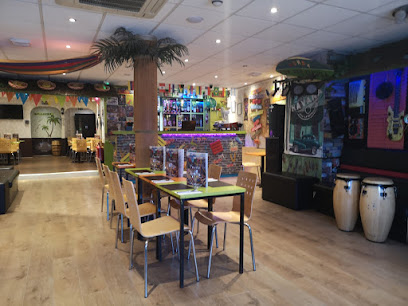
Dine in a 13th-century friary refectory with modern British food, local brews, and a warm, bustling atmosphere in the heart of Newcastle.
El Coto
4.8 km
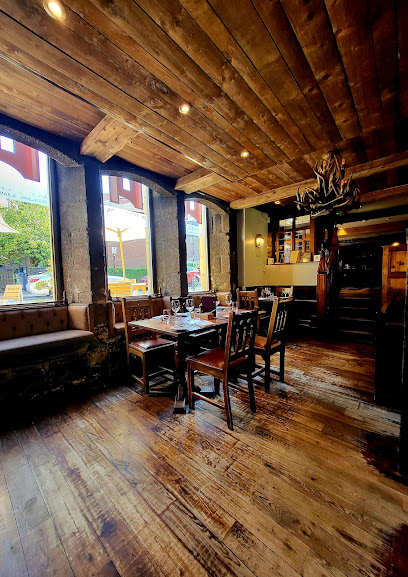
Experience authentic Spanish tapas and warm rustic charm in the heart of Newcastle at El Coto.
Zaap Thai Street Food Newcastle
4.9 km
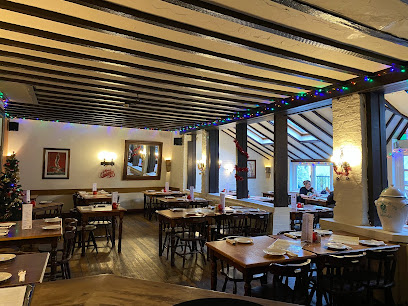
Experience the vibrant flavors and lively atmosphere of Thai street food right in the heart of Newcastle’s city center.
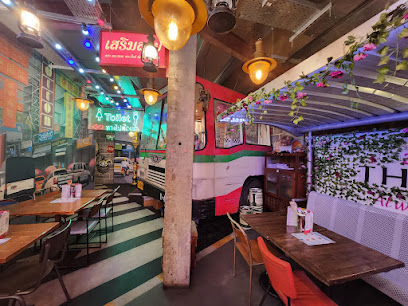
Turtle Bay Newcastle
4.9 km
Experience bold Caribbean flavours, reggae vibes, and 2-for-1 cocktails in the heart of Newcastle’s vibrant city centre.
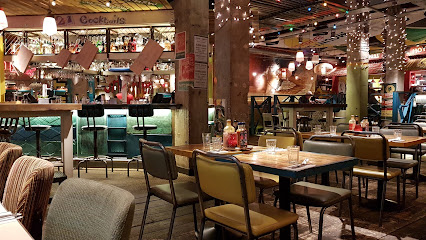
Pinocchio Ristorante
5.0 km
Experience authentic Italian flavors with handmade pasta and stone-baked pizzas in a lively, welcoming Newcastle setting.
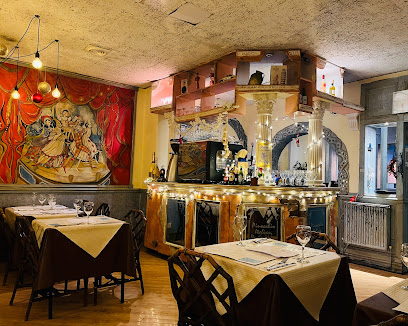
George's Fish Shack, Newcastle
5.0 km
Authentic British fish and chips in the heart of Newcastle’s lively Eldon Square shopping district.
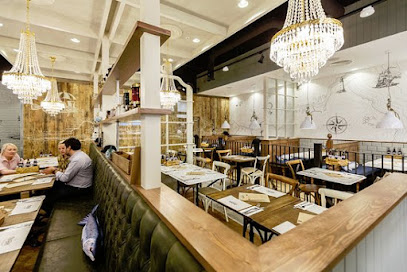
Super Natural Newcastle
5.0 km
Discover vibrant vegan dining and creative cocktails in the heart of Newcastle’s historic Grainger Street at Super Natural Newcastle.
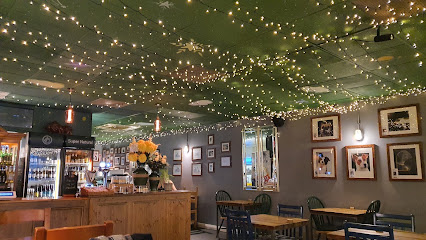
No28
5.0 km
Discover the vibrant nightlife at No28 in Newcastle – where tapas meets cocktails in an unforgettable bar and nightclub experience.
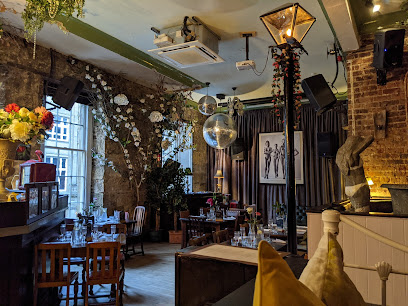
Chaophraya
5.1 km
Elegant Thai dining with rooftop views over Grey’s Monument, perfect for special occasions and vibrant city experiences.
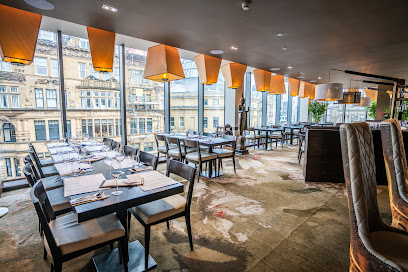
The Botanist Newcastle
5.1 km
Discover The Botanist Newcastle: a lush botanical bar and restaurant blending inventive cocktails, seasonal food, and live music in a secret garden setting.
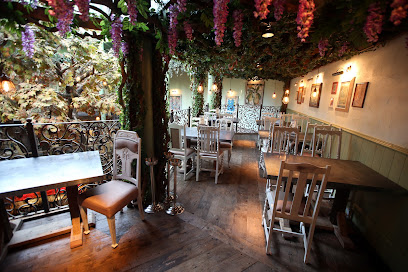
Côte Newcastle
5.1 km
Experience refined French cuisine and charming brasserie vibes in Newcastle’s vibrant city centre on historic Grainger Street.
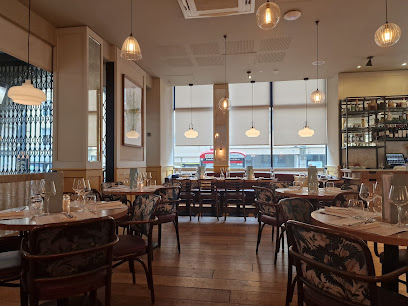
Markets, malls and hidden boutiques

Just Because Gifts UK
1.3 km
Discover unique, locally crafted gifts and thoughtful treasures at Just Because Gifts UK in Newcastle upon Tyne.

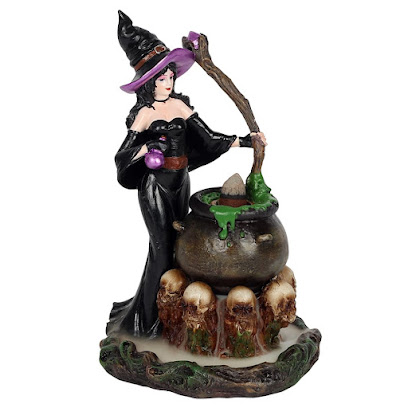
Be Thou a Witch, Gift Shop
2.1 km
Discover mystical treasures and enchanting gifts at Be Thou a Witch, Newcastle’s boutique for witchcraft and magical curiosities.
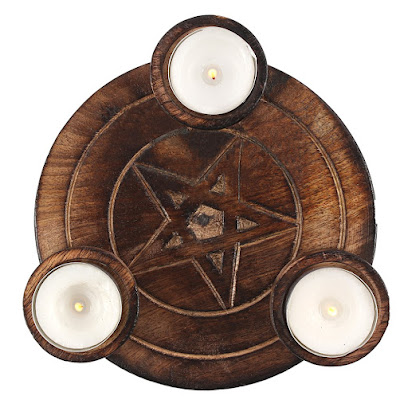
You & Yours Gift Shop
3.5 km
Explore unique gifts and local crafts at You & Yours Gift Shop in Newburn, a perfect destination for heartfelt souvenirs and artisan treasures.
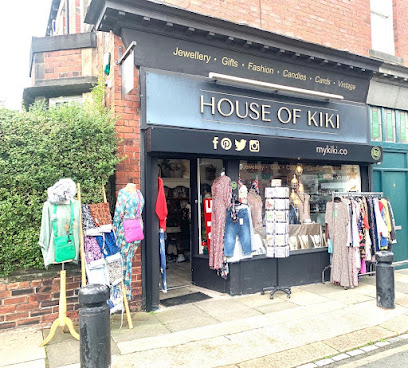
House of Kiki Boutique Gosforth
4.1 km
Discover unique vintage fashion, quirky accessories, and handcrafted treasures at House of Kiki Boutique in the heart of Gosforth.
KEYring
4.4 km
Discover fresh organic produce and eco-friendly goods at KEYring, Gosforth’s beloved hub for sustainable living and artisanal delights.
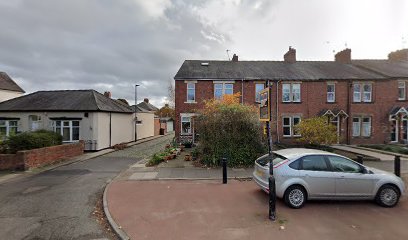
Flip Vintage American Clothing
4.8 km
Newcastle’s premier vintage store since 1978, offering authentic American vintage clothing with quality, character, and style.
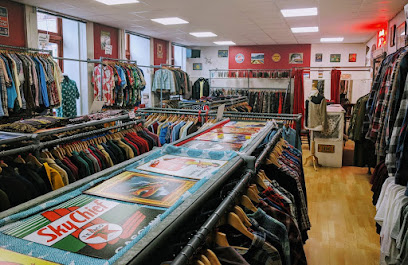
Eldon Garden Shopping Centre.
4.8 km
Discover the bustling Eldon Garden Shopping Centre in Newcastle upon Tyne, where shopping, dining, and entertainment come together in a vibrant atmosphere.
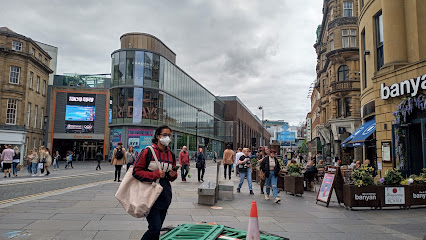
Be More Geek
4.9 km
Explore a treasure trove of pop culture collectibles and geek merchandise in the heart of Newcastle’s Eldon Square shopping centre.
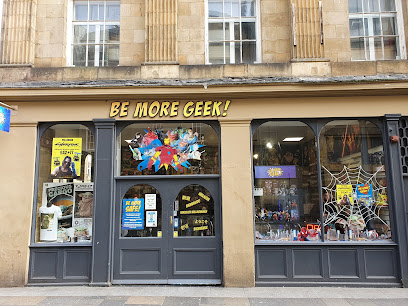
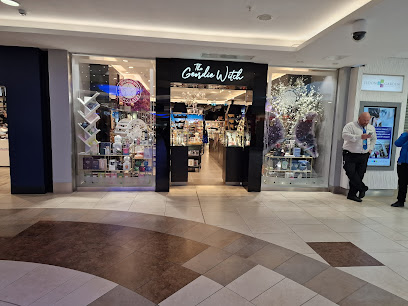
The Geordie Witch
4.9 km
Discover unique local gifts and mystical treasures at The Geordie Witch, a charming and welcoming shop in Newcastle’s Eldon Square.
Coast
4.9 km
Contemporary feminine fashion and occasion wear in Newcastle's vibrant city centre shopping district.
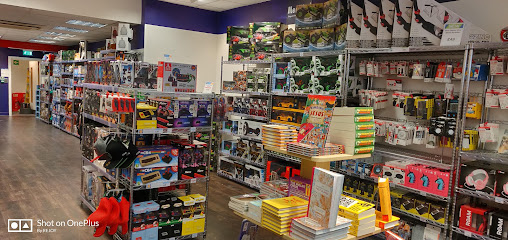
Menkind
5.0 km
Discover quirky gifts and gadgets for men at Menkind, nestled in Newcastle’s iconic Eldon Square shopping centre.
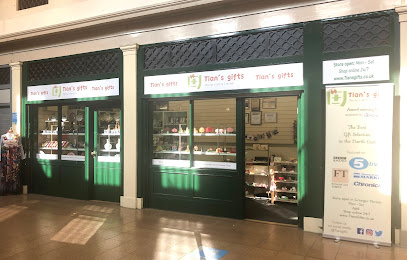
Tian's Gifts
5.0 km
Discover unique handcrafted gifts and charming treasures at Tian's Gifts, nestled in Newcastle’s historic Grainger Market.
Friday Vintage
5.0 km
Award-winning vintage boutique celebrating curated fashion from the 1940s to 2000s in historic Old Eldon Square.

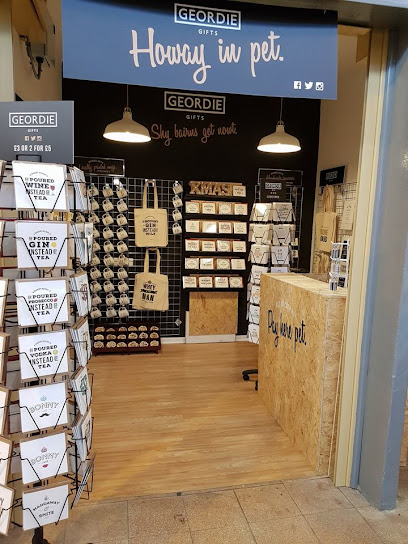
Geordie Gifts
5.0 km
Discover authentic Geordie culture through unique gifts in the heart of Newcastle’s historic Grainger Market.
Vintagera.co.uk
5.0 km
Discover exquisite handcrafted jewelry, pottery, and bespoke framing in the heart of Newcastle’s vibrant Grainger Market.

Essential bars & hidden hideouts

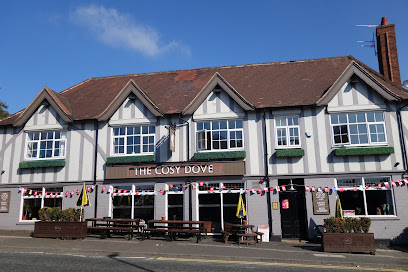
Cosy Dove
3.9 km
A friendly, village-style pub in Newcastle offering freshly prepared food, real ales, and a warm, welcoming atmosphere seven days a week.
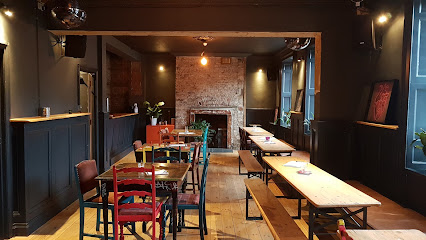
Bar Loco
4.8 km
A vibrant split-level bar in Newcastle with live music, quirky vibes, and a welcoming atmosphere for casual drinks and social nights.
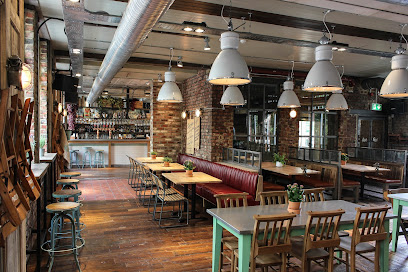
Bealim House
4.8 km
Newcastle’s unique gin distillery, bar, and eatery blending industrial heritage with vibrant social dining and exceptional gin experiences.
The Dog & Parrot
4.8 km
A vibrant Newcastle pub where live music, punk vibes, and friendly faces create an unforgettable night out.
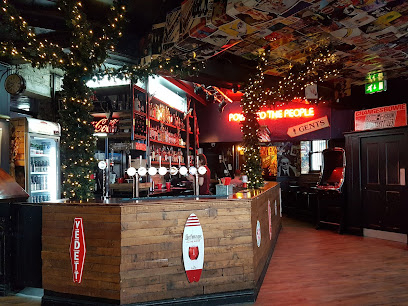
The WonderBar
4.9 km
A lively Newcastle venue combining interactive darts, live music, great food, and sports viewing under one vibrant roof.
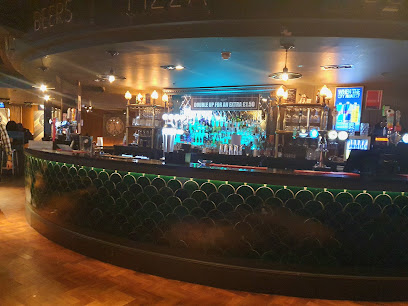
MOJO
4.9 km
MOJO Newcastle: Rock 'n' roll cocktails, American comfort food, and lively entertainment in The Gate’s vibrant nightlife hub.
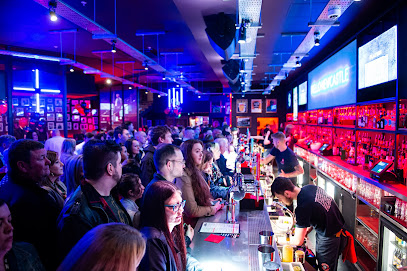
The Mad House
4.9 km
Dive into Newcastle’s quirkiest cocktail bar where mad creativity meets bold flavors and unforgettable fun at The Mad House.
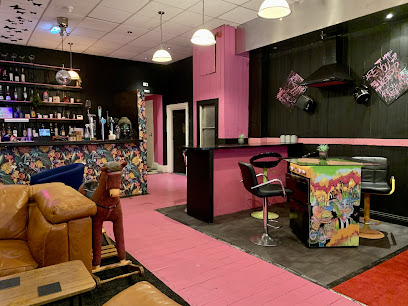
Mean-Eyed Cat
4.9 km
A vibrant micropub in Newcastle offering an evolving selection of craft beers, ciders, and lively community events in a quirky, intimate setting.
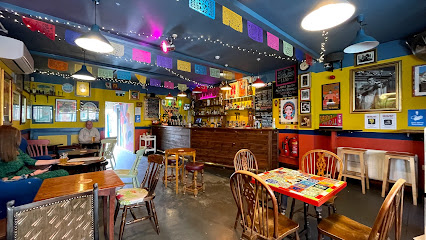
Duke Of Northumberland (The Clock)
5.0 km
A welcoming Geordie pub in Newcastle city center, offering traditional fare, seasonal ales, and lively weekend music nights in a cozy setting.
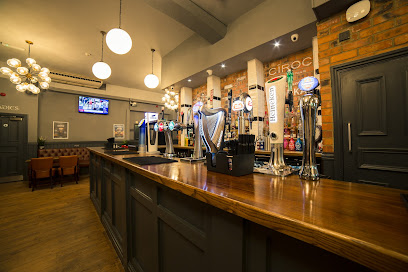
The Wobbly Duck
5.0 km
A cozy, quirky micropub in Newcastle’s Old Eldon Square, famed for its eclectic ales and welcoming atmosphere.
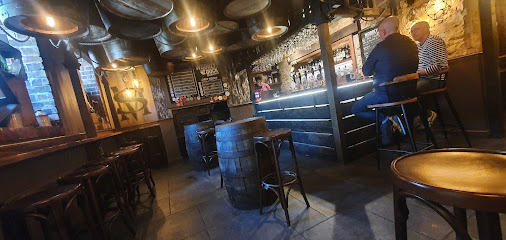
The Alchemist Newcastle
5.1 km
Experience Newcastle’s premier cocktail laboratory with dramatic drinks, creative dining, and a captivating gothic atmosphere in Eldon Square.
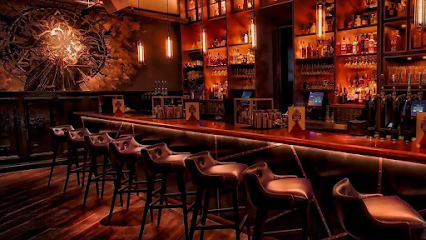
Slug & Lettuce - Central Newcastle
5.1 km
Newcastle's go-to for endless cocktails, bottomless brunches, and non-stop party vibes on Grainger Street – where every hour is happy hour.
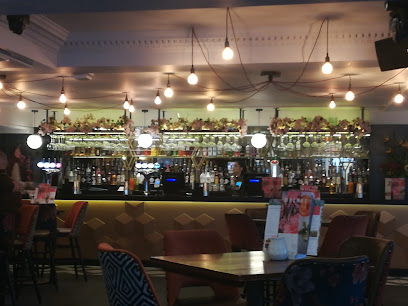
The Exchange
5.1 km
Discover The Exchange, Newcastle’s speakeasy-style cocktail bar with a cozy alcove, lively atmosphere, and expertly crafted drinks in the city center.
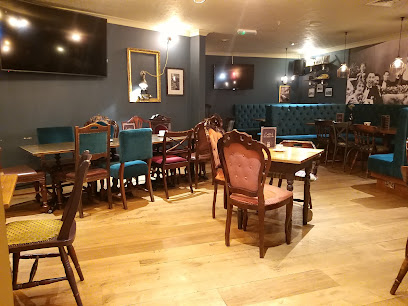
The Mushroom Bar
5.1 km
A compact, budget-friendly club-bar on Grainger Street that keeps late-night DJs, drink deals and a party crowd at its heart.
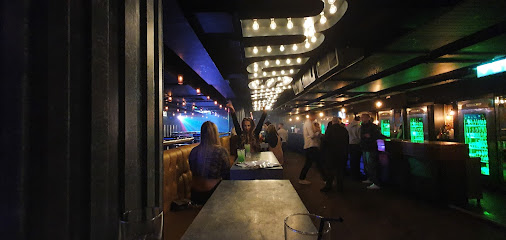
Jalou
5.1 km
Experience Newcastle’s chic cocktail haven where Parisian glamour meets hip hop beats and creative mixology.
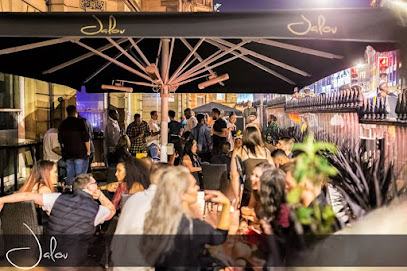
Nightclubs & after hour spots

Powerhouse
4.7 km
Newcastle’s iconic four-floor nightclub blending rich LGBTQ+ history with vibrant, inclusive nightlife and dynamic music scenes.
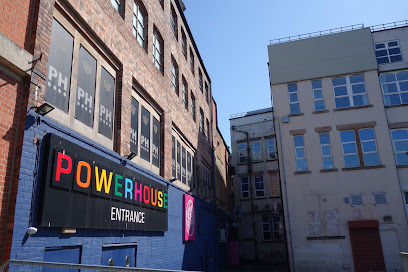
Cosmic Ballroom
4.7 km
Newcastle's longest-running underground club: two floors of electronic beats, guest DJs, and non-stop dancing till dawn in an intimate Stowell Street hideaway.

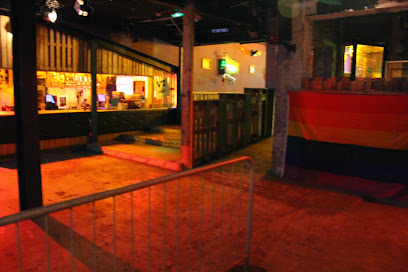
Warehouse Night Club(SR44)
4.8 km
Experience Newcastle’s vibrant underground gay nightclub scene at Warehouse Night Club (SR44), where eclectic music and lively parties come alive.
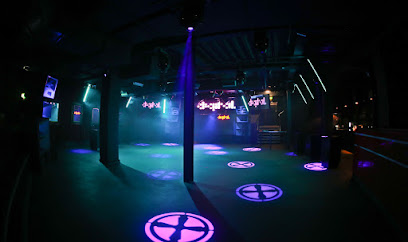
Digital
4.9 km
Experience cutting-edge nightlife with superior sound and vibrant energy at Digital, Newcastle’s premier clubbing destination in Times Square.
Sinners
4.9 km
Dive into sinfully themed nights at this affordable Newcastle nightclub, where red lights, bold art, and cheap drinks fuel the city's unbeatable party spirit.

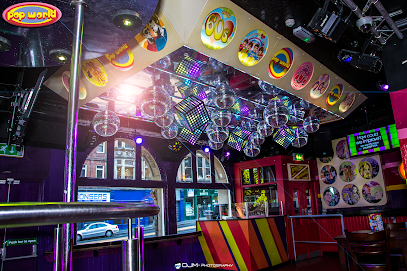
Popworld - Newcastle
5.1 km
A neon-soaked pop party on Newcastle’s Bigg Market—cheap drinks, nostalgic anthems and a packed dancefloor for late-night revelry.
The Social Club
5.2 km
Experience Newcastle’s vibrant nightlife at The Social Club, where music, cocktails, and dancing come alive until the early hours.
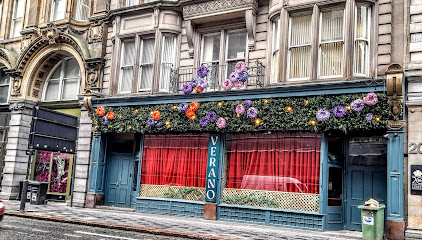
Bohemia Newcastle
5.2 km
Neon-lit cocktail bar and compact club with graffiti murals, a mezzanine dance space and a sheltered courtyard terrace for late-night socialising.
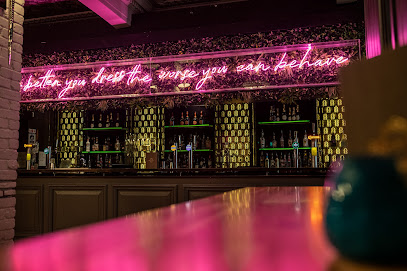
Loca Loca | Newcastle
5.2 km
A compact, neon-lit nightclub on Groat Market serving late-night dance, chart and urban sets in an intimate city-centre setting.
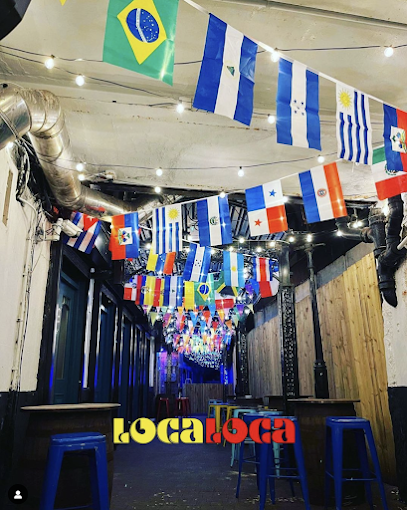
TROPICANA NEWCASTLE
5.2 km
Experience Newcastle’s vibrant nightlife at Tropicana, a lively nightclub blending cocktail sophistication with energetic club beats in the city’s heart.

TheCUT Newcastle
5.3 km
Discover Newcastle’s vibrant alternative nightclub with themed indie, rock, and disco nights in a cozy, unpretentious setting.
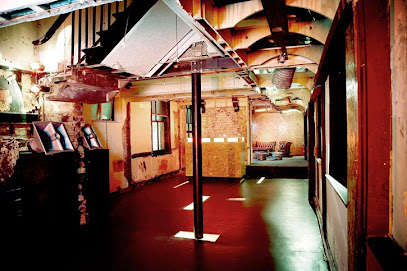
Tup Tup Palace
5.3 km
Experience Newcastle’s vibrant nightlife in style at Tup Tup Palace, a luxurious club blending exotic décor with pulsating beats until the early hours.
Flares - Newcastle
5.3 km
Newcastle's ultimate retro disco den: neon grooves, cheesy anthems, and non-stop dancing from 70s to 00s in the heart of the nightlife scene.
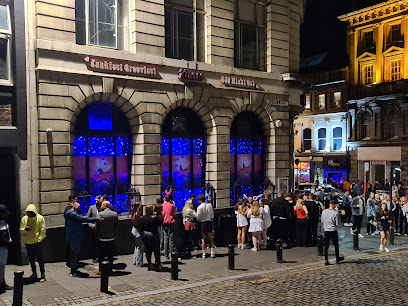
Greys Club
5.3 km
Experience Newcastle’s iconic nightlife at Greys Club, where vibrant music, a stylish terrace, and lively crowds create unforgettable late-night memories.

SOHO ROOMS | Newcastle
5.3 km
Four floors of late‑night music and cocktails in the heart of Newcastle’s city‑centre party district, favoured by students and night owls.
For the vibe & atmosphere seeker
- Tranquil
- Scenic
- Unique
- Casual
For the design and aesthetic lover
- Rustic Designs
For the architecture buff
- Historic
- Landmarks
For the view chaser and sunset hunter
- Iconic Views
For the social media creator & influencer
- Instagrammable
- Photo Spots
For the eco-conscious traveler
- Public-Transport Accessible
- Leave-No-Trace Critical
- Locally Managed
For the kind of experience you’re after
- Cultural Heritage
- Photowalk
- Day Trip
- Weekend Getaway
For how adventurous you want the journey to be
- Easy Access
Location Audience
- Family Friendly
- Senior Friendly
- Child Friendly
- Teen Friendly
- Solo Friendly
- Couple Friendly


