From Eve
Know before you go
Hi, I'm Eve. Here are a few practical things to know before exploring W Walls.
Local know-how to help you travel smarter and make the most of every moment.


Explore the enduring medieval West Walls of Newcastle, a stone fortress section that reveals the city’s historic defenses and rich heritage.
The West Walls are a significant surviving section of the medieval Newcastle town wall, built in the 13th and 14th centuries to defend against Scottish invasions. Stretching roughly 300 meters along the western edge of the old city, this stone fortification features several intact towers, including Durham Tower, and offers a tangible glimpse into Newcastle's historic defensive architecture. The walls stand up to 7.6 meters high and up to 2 meters thick, with remnants visible near St Andrew’s Churchyard and along Bath Lane.
Opening times, essentials, and a few local tips gathered into one calmer, easier-to-scan planning section.
Hi, I'm Eve. Here are a few practical things to know before exploring W Walls.
Local know-how to help you travel smarter and make the most of every moment.
Public Transport
Numerous bus routes serve the Newcastle city center, with stops within a 5-10 minute walk of the West Walls. Bus services run frequently throughout the day, with single fares typically costing around £2-£3. Newcastle Central Station is also a 10-15 minute walk away, providing regional rail connections.
Walking
If you are staying in central Newcastle, the West Walls are accessible on foot within 10-20 minutes from major landmarks like Grey Street or the Quayside. The terrain is mostly urban pavement but can be uneven near the walls, so comfortable shoes are recommended.
Car
City center parking is available at nearby multi-storey car parks such as Grainger Town, but spaces can be limited and costly, typically £10-£20 for a day. Due to traffic and parking constraints, using public transport or walking is often more convenient.
 Information Boards
 Seating Areas
 Trash Bins
Catch the right light and the right mood, whether you want a bright city moment or a more cinematic evening visit.


Use Tower Bridge as your starting point for nearby food, family ideas, nightlife, and more local discoveries.
A quick look at seasonal patterns and peak visiting hours.

Explore expert travel guides, compare and book tours, experiences, hotels, and more—all from the palm of your hand. Download now for seamless trip planning wherever your wanderlust takes you.
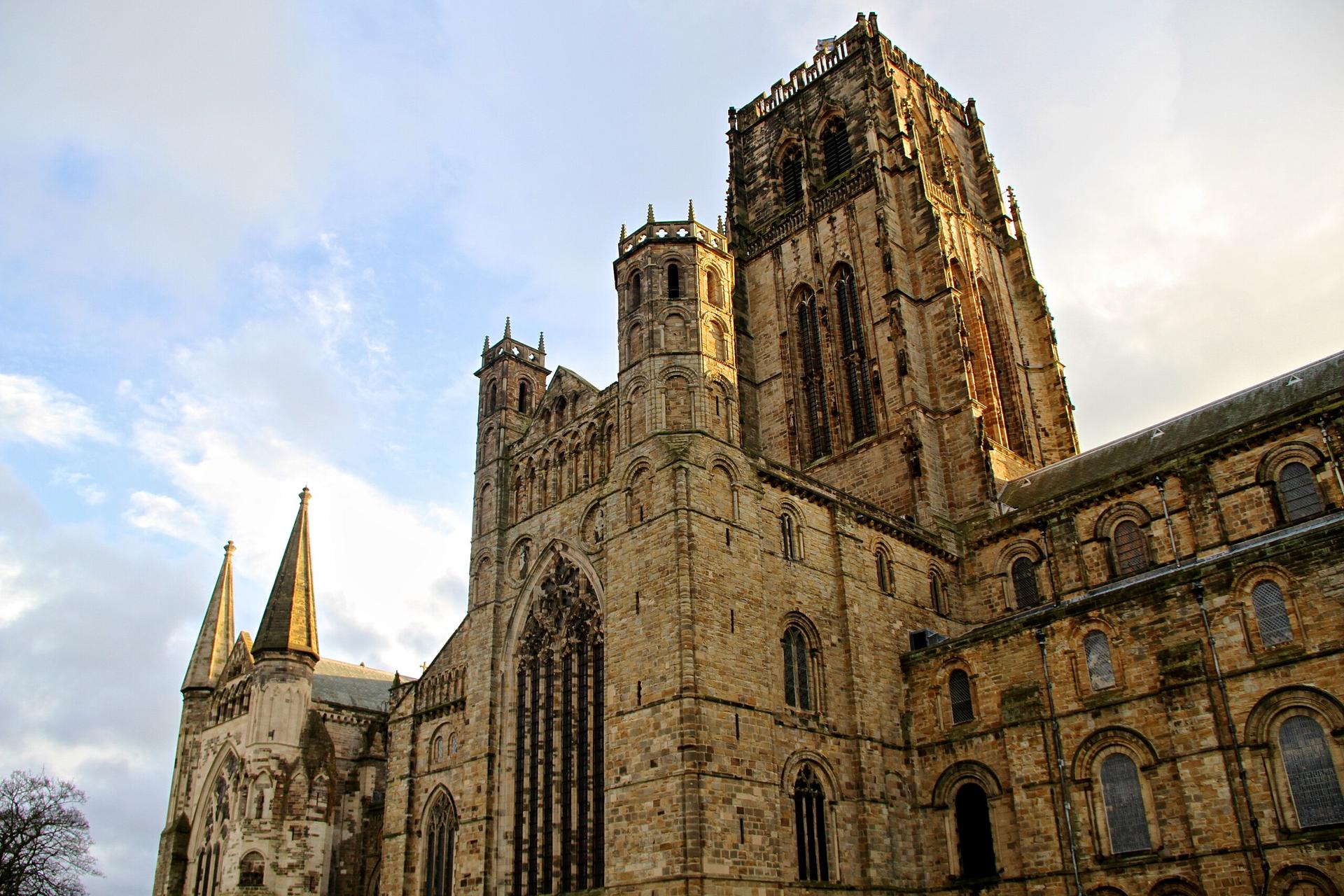
Discover Durham: A city where history, culture, and natural beauty converge, offering a unique and enriching experience for every traveler.
Tell me more about Durham