
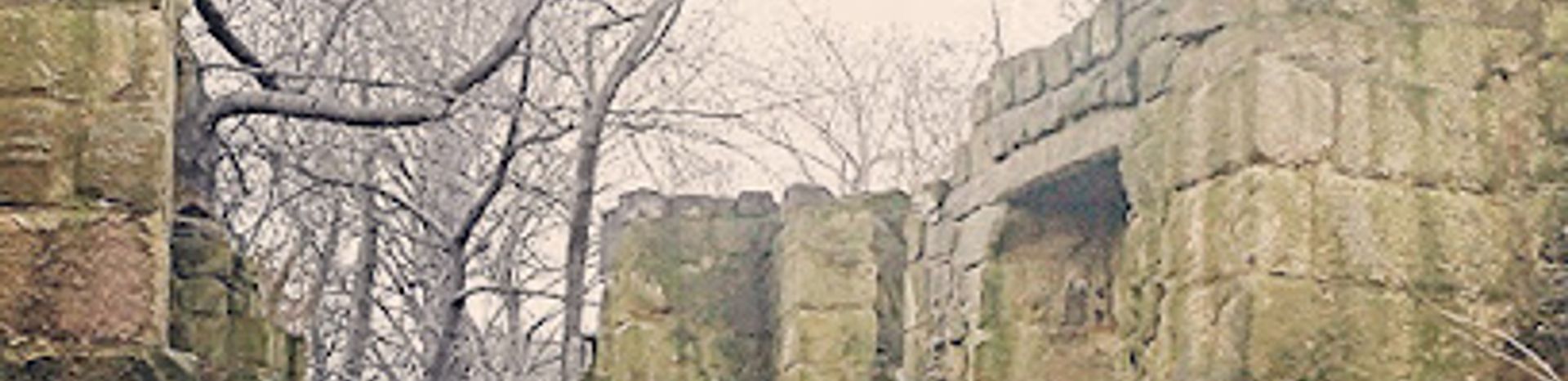
St Mary's Chapel, Jesmond: A Medieval Pilgrimage Landmark
Discover the ancient ruins of St Mary's Chapel, a medieval pilgrimage site with a sacred healing well nestled in tranquil Jesmond Dene.
St Mary's Chapel in Jesmond, Newcastle upon Tyne, is a historic medieval ruin renowned as one of Britain’s major pilgrimage sites during the Middle Ages. Dating back to the 12th century, it housed a revered holy relic and was closely linked to a sacred well believed to have healing powers. Though now a modest ruin, the chapel’s spiritual legacy endures through annual services and its evocative presence beside Jesmond Dene.
A brief summary to St Mary's Chapel
- 61 Reid Park Rd, Newcastle upon Tyne, Jesmond, NE2 2ER, GB
- Visit website
- Duration: 0.5 to 2 hours
- Free
-
 Outdoor
- Mobile reception: 4 out of 5
- Monday 12 am-12 am
- Tuesday 12 am-12 am
- Wednesday 12 am-12 am
- Thursday 12 am-12 am
- Friday 12 am-12 am
- Saturday 12 am-12 am
- Sunday 12 am-12 am
Local tips
- Visit on the first Sunday of May to experience the traditional pilgrimage service held at the chapel.
- Explore the surrounding Jesmond Dene woodland to enjoy peaceful nature alongside the historic site.
- Bring a camera to capture the atmospheric ruins and the Norman architectural details.
- Read about the chapel's history beforehand to appreciate its significance as one of Britain’s top medieval pilgrimage sites.

For the on-the-go comforts that matter to you
- Seating Areas
- Information Boards
- Trash Bins
Getting There
-
Bus
Take the Number 40 or 43 bus from Newcastle city center to Jesmond. The journey takes approximately 15-20 minutes. Buses run frequently during the day but less so in the evenings. From the bus stop, a 10-minute walk through Jesmond Dene leads to the chapel. A single ticket costs around £2.50.
-
Walking
From Jesmond Metro Station, it is a pleasant 20-minute walk to St Mary's Chapel through Jesmond Dene park. The terrain is mostly flat with some natural paths, suitable for most fitness levels. No special equipment is needed.
-
Taxi
A taxi from Newcastle city center to St Mary's Chapel takes about 10-15 minutes depending on traffic. The fare typically ranges from £8 to £12. Taxis offer a convenient option if you prefer a direct and comfortable trip.
St Mary's Chapel location weather suitability
-
 Any Weather
-
 Rain / Wet Weather
-
 Clear Skies
-
 Mild Temperatures
Discover more about St Mary's Chapel
Origins and Historical Significance
St Mary's Chapel, first mentioned in 1272, stands as one of Newcastle's oldest ecclesiastical sites. Constructed in the 12th century by the lords of the manor, it was part of a larger complex including a hospital or hospice for pilgrims. Throughout the medieval period, it was a major pilgrimage destination, reputedly the third most important in the Kingdom after Canterbury and St Paul's. The chapel's importance derived not from its size but from the sacred relic it contained and its association with a holy well reputed for healing powers.Architectural Remnants and Features
Today, the chapel survives as a fragmentary ruin featuring the east end of the nave, a substantial chancel with a distinctive Norman arch, and an adjoining building of uncertain purpose. The architecture reflects its medieval origins with characteristic semicircular arches and stonework. Alterations over centuries include blocked doorways converted into windows and modifications to the chancel arch. The site is protected as a Scheduled Ancient Monument and listed Grade II* for its heritage value.The Holy Well and Pilgrimage Traditions
Adjacent to the chapel lies the site of St Mary's Well, once enclosed and famed for its clear, healing waters. Pilgrims from across the kingdom visited to collect water and seek cures. Historical accounts describe the well as a plentiful spring, enclosed by stone and once featuring a bathing pool. Despite periods of neglect and disruption, the well remains a symbol of the chapel’s spiritual significance. Annual services on the first Sunday of May continue to honor this tradition.Later History and Preservation
The chapel was dissolved in 1548 during the Reformation and dismantled before 1562. Ownership passed through various hands until industrialist Lord Armstrong gifted it to the city in 1883, ensuring its preservation. Archaeological investigations have revealed details of the chapel’s phases and the surrounding holy springs. Though roofless and partially ruined, the site retains an eerie sanctity and a tangible connection to centuries of faith and pilgrimage.Setting and Visitor Experience
Nestled on the west bank of Jesmond Dene, the chapel’s ruins are enveloped by natural beauty and tranquility. The surrounding woodland and the nearby stream enhance the contemplative atmosphere. Visitors can explore the evocative remains, imagining the medieval pilgrims who once gathered here. The site’s modest scale belies its historic spiritual importance, offering a unique glimpse into the religious life of medieval England.Legacy and Cultural Resonance
St Mary's Chapel remains a poignant emblem of Jesmond’s medieval past and religious heritage. Its connection to pilgrimage routes and the healing well has inspired local lore and historical research. The chapel’s survival through centuries of change underscores the enduring human quest for sacred spaces. Today, it stands as a cherished landmark, inviting reflection on faith, history, and the passage of time.Iconic landmarks you can’t miss

Saint Mary's Well
0.1 km
Discover Saint Mary's Well, a serene historic pilgrimage site in Jesmond, Newcastle, famed for its healing waters and medieval sacred legacy.
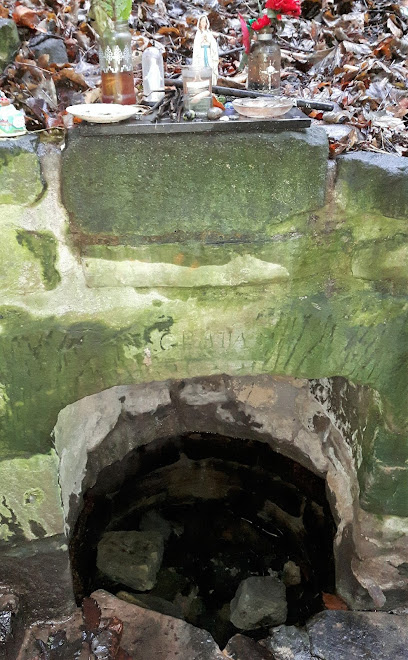
Jesmond Dene Mill
0.8 km
Historic Jesmond Dene Mill ruins nestled beside a scenic waterfall in Newcastle’s tranquil Victorian woodland park.
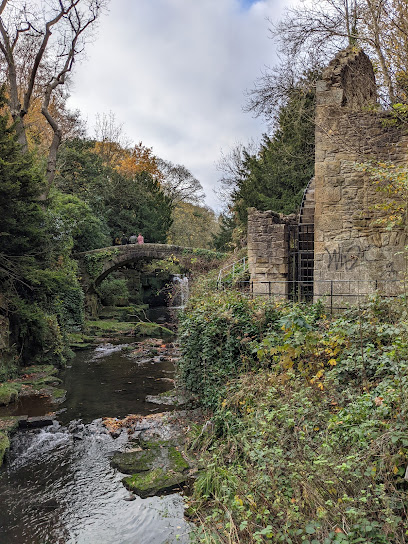
King John's Palace
1.2 km
Explore the fortified ruins of a 13th-century manor house in Newcastle’s Heaton Park, steeped in medieval history and royal intrigue.
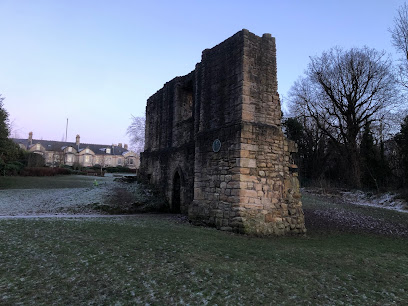
W.D.Stephens Memorial
1.3 km
Historic memorial fountain honoring Newcastle’s civic leader W.D. Stephens, symbolizing philanthropy and maritime heritage in Jesmond.
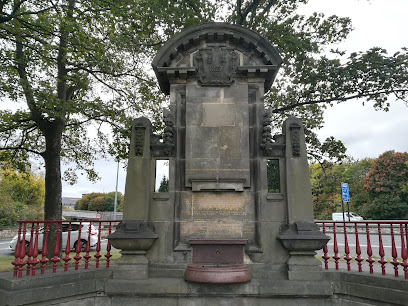
Jess moore memorial wall 23/6/17 - 7/11/19
1.4 km
Explore the Jess Moore Memorial Wall in Newcastle upon Tyne, a heartfelt tribute to love and community resilience that reflects the spirit of the local culture.
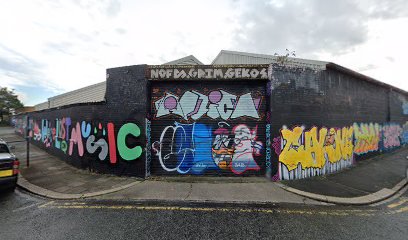
Claremont Tower
1.8 km
Modernist landmark housing humanities scholarship at Newcastle's academic heart.
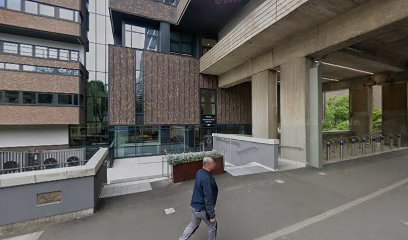
Lord Armstrong Memorial
1.8 km
A striking bronze tribute at Barras Bridge honoring Lord Armstrong’s pioneering engineering and lasting legacy in Newcastle’s industrial history.
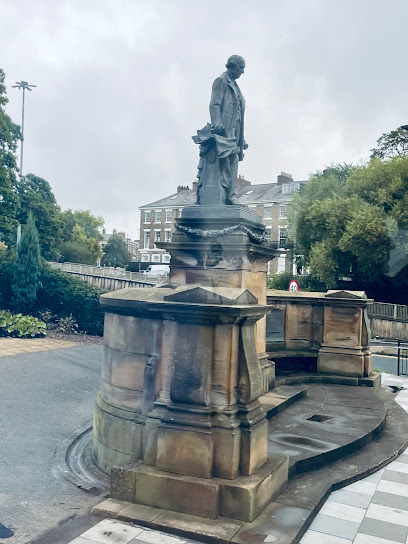
Old Library Building
1.8 km
A historic university building at the heart of Newcastle’s campus, now home to the School of Modern Languages and academic events.
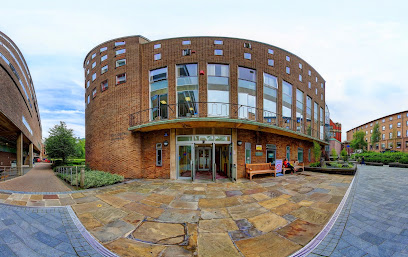
The Response - Renwick War Memorial
1.9 km
A powerful and historic war memorial honoring the Northumberland Fusiliers’ spirit and sacrifice in World War I, set in serene Newcastle gardens.
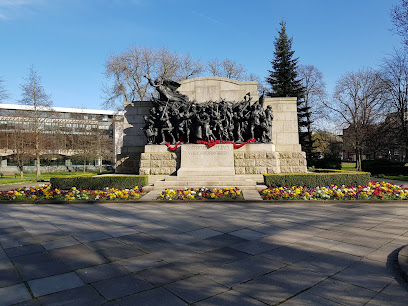
1914 Monument
1.9 km
A stirring World War I memorial in Newcastle honoring local Fusiliers with evocative bronze sculpture and historic military symbolism.
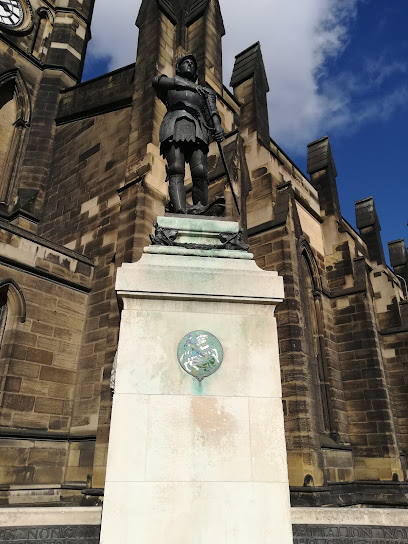
King's Gate
1.9 km
Newcastle University's contemporary student services hub with striking glazed architecture on Barras Bridge.
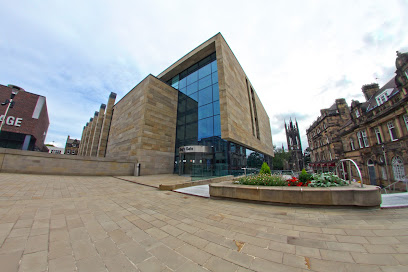
Little Buildings
2.0 km
An intimate live music venue in Newcastle’s Ouseburn Valley, perfect for discovering new bands and enjoying craft beers in a laid-back, buzzing atmosphere.
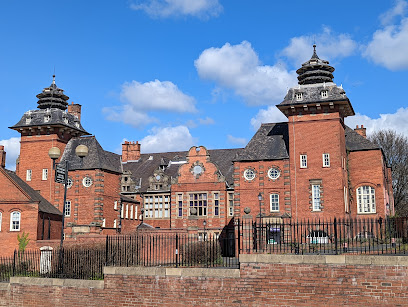
The Tower Cafe Ltd
2.2 km
Charming café in Newcastle’s Leazes Park, famed for vegan pizzas and a relaxed, friendly atmosphere amid scenic greenery.
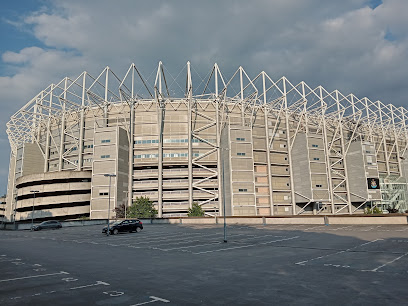
Iles Tours (Iles Group Ltd)
2.3 km
Explore Newcastle upon Tyne with Iles Tours, where expert guides unveil the city's rich history and culture through unforgettable experiences.

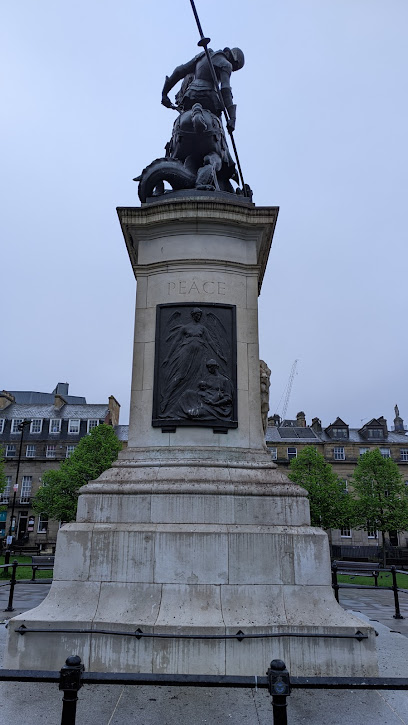
Newcastle and District War Memorial
2.4 km
A Portland stone tribute to courage, unveiled in 1923 and crowned by a bronze Saint George.
Unmissable attractions to see

Jesmond Dene
0.5 km
A wild, romantic woodland valley in Newcastle, with waterfalls, historic ruins, and a charming petting zoo – a peaceful escape just minutes from the city centre.
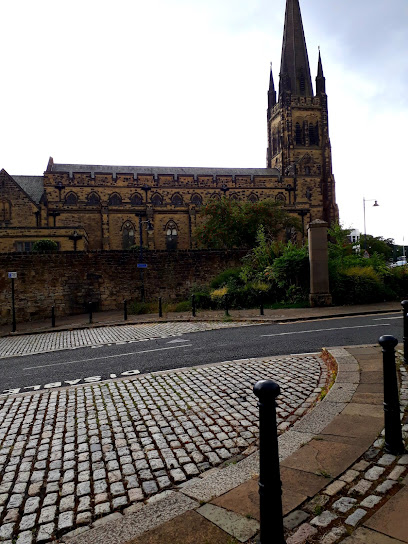
Paddy Freeman's Park
0.7 km
A peaceful urban retreat in Newcastle with scenic trails, a boating lake, sports facilities, and a welcoming café for all ages.
Jesmond Dene Falls
0.7 km
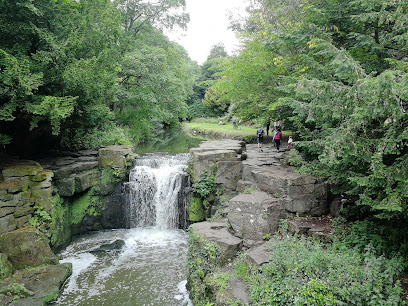
Discover the serene beauty and historic charm of Jesmond Dene Falls, a tranquil woodland oasis in the heart of Newcastle.
Ouse burn stepping stones
0.8 km
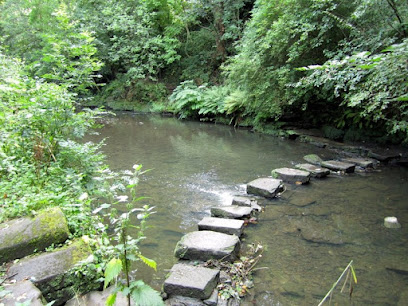
Historic stepping stones crossing a tranquil woodland stream in Jesmond Vale, blending natural beauty with Newcastle’s rich heritage.
The Lonsdale
0.8 km
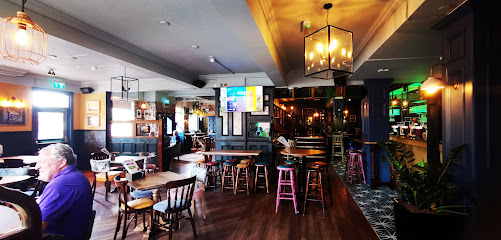
A two‑level West Jesmond pub serving classic pub food, wide beers and lively sport‑watching with pool and darts upstairs.
Armstrong Park
1.1 km
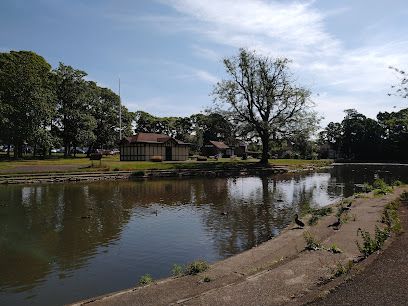
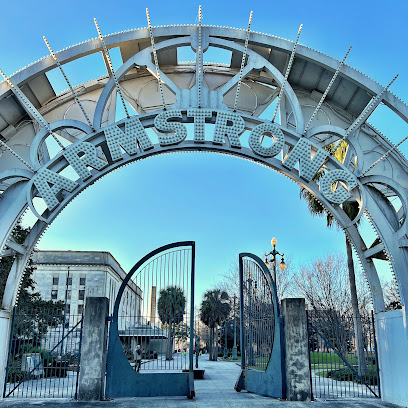
Historic woodland park in Newcastle with sports facilities, scenic walks, and Victorian-era charm for all ages.
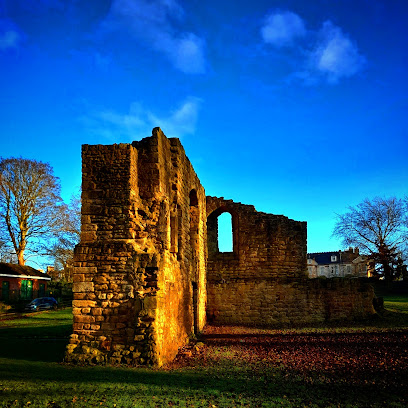
Adam of Jesmond's House
1.2 km
Explore the evocative medieval ruins of Adam of Jesmond's House, a 13th-century fortified manor nestled in Newcastle's Heaton Park.
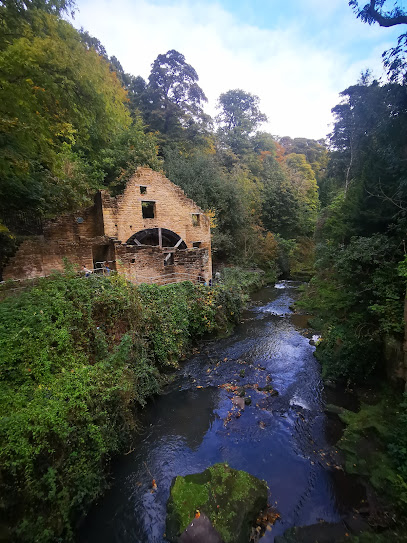
Jesmond Dene Quarry
1.3 km
Discover the peaceful Jesmond Dene Quarry, a historic sandstone site transformed into a scenic garden oasis within Newcastle’s ancient woodland valley.
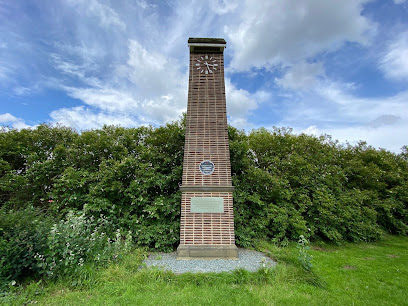
Freemen's Clock
1.4 km
Historic clock tower in Exhibition Park commemorating Queen Elizabeth II's coronation and Newcastle’s Freemen legacy.
The Seeing Stone
1.4 km
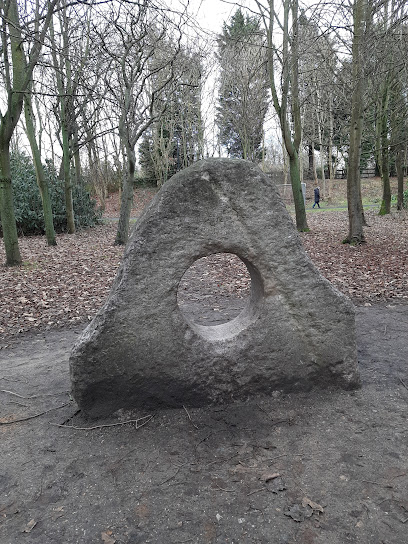
Discover The Seeing Stone, a tranquil and intriguing outdoor attraction nestled in the lush parks of Newcastle upon Tyne.
Exhibition Park
1.5 km
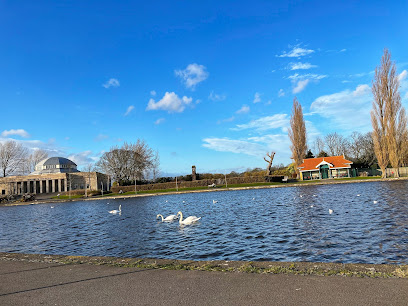
A historic green oasis in Newcastle city centre blending Victorian charm, active recreation, and vibrant cultural events.
Great North Museum: Hancock
1.7 km
Discover natural wonders, ancient civilizations, and local heritage at Newcastle’s free Great North Museum: Hancock.
The Biscuit Factory
1.8 km
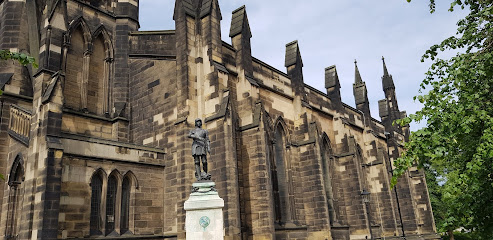
Discover Newcastle’s largest independent contemporary art gallery set in a historic warehouse, blending creativity, culture, and community.
Farrell Centre
1.8 km
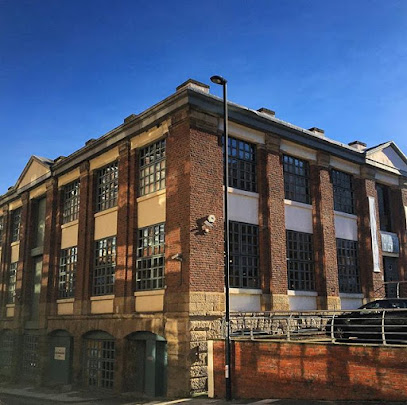
Explore Newcastle’s architectural heritage and urban future at the vibrant, free-to-visit Farrell Centre.
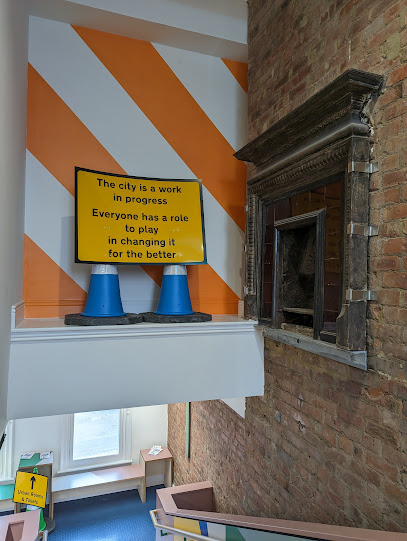
Town Moor
1.8 km
Newcastle's 1,000-acre medieval commons—larger than Hyde Park, home to Europe's biggest fair.
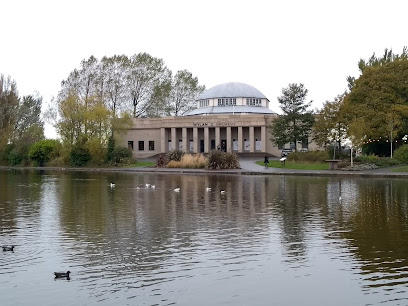
Essential places to dine

Jam Jar
0.5 km
Savor Anglo-American comfort food in a sleek, industrial-chic setting with craft drinks and lively vibes in Jesmond’s heart.
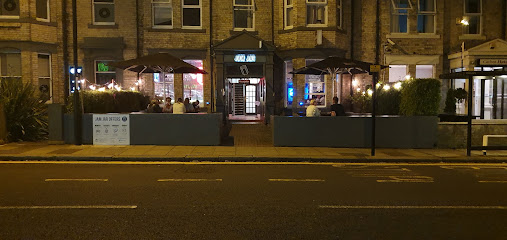
Sohe Restaurant
0.5 km
Sophisticated pan-Asian dining in Jesmond, Newcastle – where bold flavours meet modern style and attentive service.
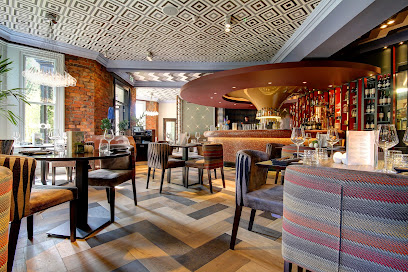
Peace & Loaf restaurant
0.6 km
Innovative modern British cuisine with nostalgic flavors and exceptional service in Jesmond’s stylish, relaxed setting.
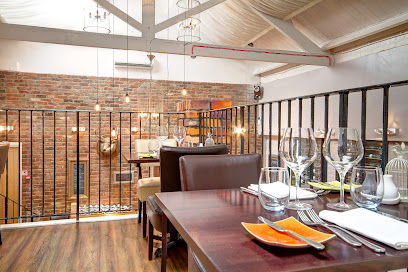
Fat Hippo Jesmond
0.7 km
Original Fat Hippo in Jesmond serves bold, messy burgers and dirty fries in a lively, inclusive atmosphere with vegan and gluten-free options.
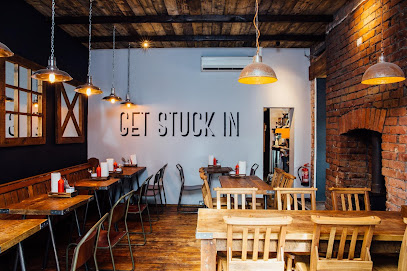
Lovage Jesmond
0.7 km
Michelin-listed modern Mediterranean restaurant in Jesmond, blending seasonal British and European ingredients with warm, unpretentious dining.
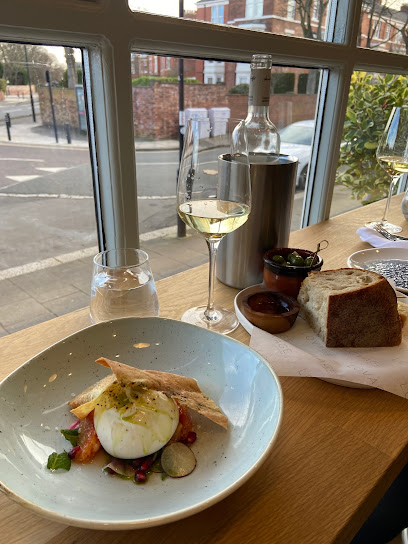
Florence Jesmond
0.8 km
Authentic Italian flavors and warm hospitality await you at Florence Jesmond, the heart of Jesmond’s vibrant dining scene.
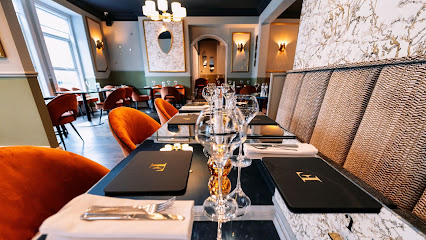
Branches Restaurant
0.8 km
Elegant British dining in Jesmond with seasonal menus, handcrafted cocktails, and a unique blossom tree ambience.
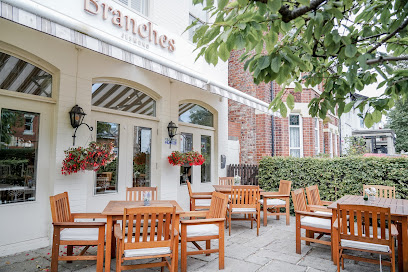
Dosa Kitchen
0.8 km
Experience authentic South Indian cuisine with vibrant dosas and flavorful curries in Jesmond’s welcoming Dosa Kitchen.
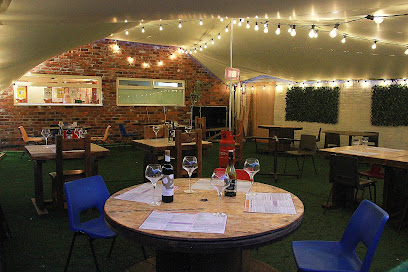
Fratello's
1.1 km
Authentic Italian dining with warm hospitality and stonebaked pizzas in the heart of Jesmond, Newcastle upon Tyne.
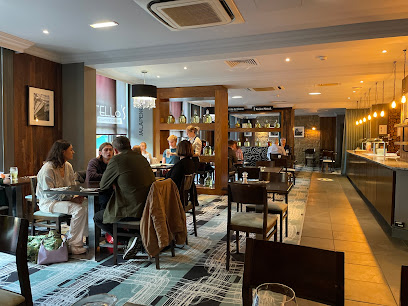
As You Like It
1.4 km
Eclectic dining and creative cocktails in Jesmond’s stylish hotspot, perfect for family meals and lively late nights.
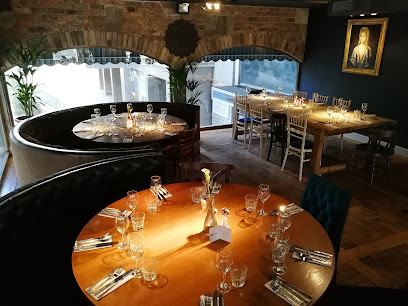
Cook House
2.0 km
Discover the flavors of Newcastle at Cook House - where fresh ingredients meet creative cuisine in a warm atmosphere.
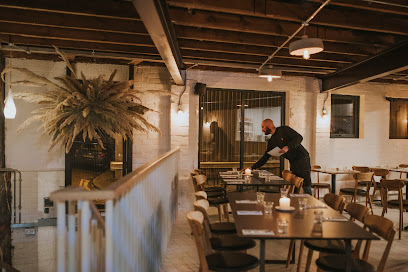
Fuego
2.2 km
Experience authentic Mediterranean tapas, Napoli-style pizzas, and vibrant cocktails in the heart of Newcastle at Fuego by Fenwick.
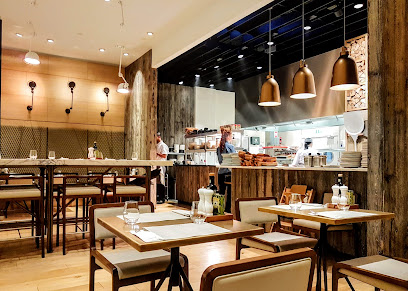
The Botanist Newcastle
2.3 km
Discover The Botanist Newcastle: a lush botanical bar and restaurant blending inventive cocktails, seasonal food, and live music in a secret garden setting.
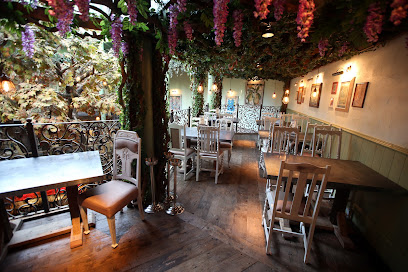
Red Mezze
2.3 km
A lively Turkish mezze restaurant in Newcastle, perfect for sharing bold flavours, grilled dishes, and a relaxed meal with friends or family.

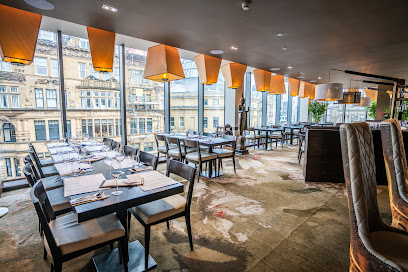
Chaophraya
2.4 km
Elegant Thai dining with rooftop views over Grey’s Monument, perfect for special occasions and vibrant city experiences.
Markets, malls and hidden boutiques

Antiquites Francaises
0.4 km
Discover restored French antiques in Jesmond: elegant 19th-century furniture sourced and polished since 1997 for your timeless home.
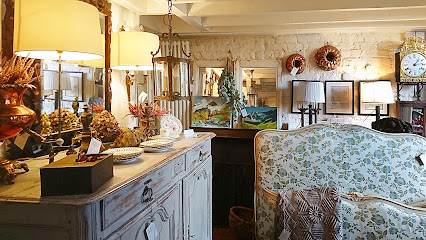
Fern Avenue Antiques Centre
0.4 km
Uncover hidden gems and timeless tales in Jesmond's premier family-run antiques haven, where every aisle brims with history and surprise.
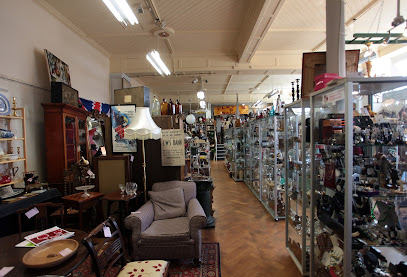
Watchtraderuk Limited
0.5 km
Shop unique fashion accessories at Watchtraderuk Limited in Jesmond, Newcastle upon Tyne, where style meets local charm.
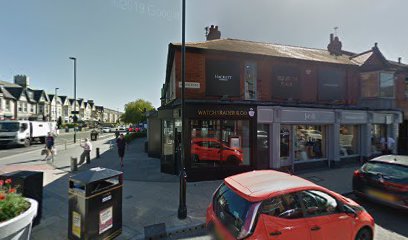
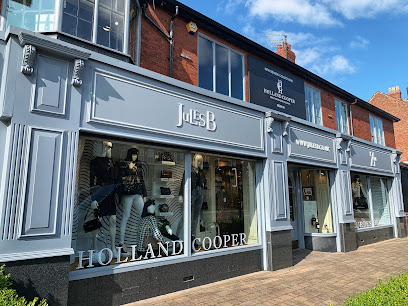
Jules B Ladieswear
0.5 km
A curated Jesmond boutique for designer womenswear with attentive personal service and seasonal collections in a relaxed, stylish setting.
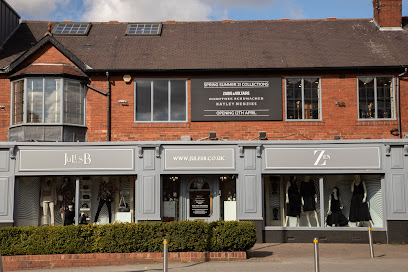
Zen Wardrobe
0.5 km
Discover serene style at Zen Wardrobe, Jesmond's haven for minimalist women's fashion on lively Osborne Road.
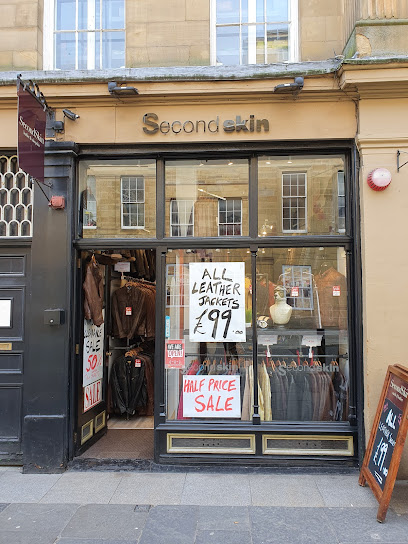
Second Skin
0.5 km
Luxurious leather and sheepskin coats that fit like a second skin, in the heart of Jesmond's stylish enclave.
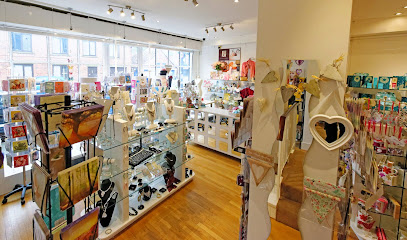
Gourmet Gifts
0.6 km
Discover unique gourmet treats and expert gift wrapping supplies in the cozy charm of Jesmond’s Gourmet Gifts shop.
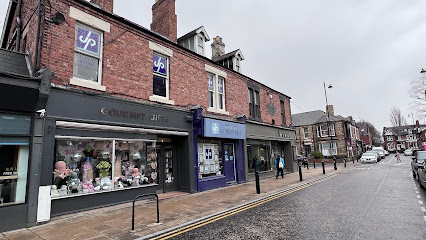
St Oswald's Hospice Charity Shop - Jesmond
0.7 km
Discover designer bargains and unique treasures at Jesmond's Boutique by St Oswald's Hospice, where every purchase powers compassionate care in the North East.

JBC Signatures Gift Shop
1.2 km
A compact Jesmond boutique for thoughtful jewellery, home accessories and gift-ready treats tucked into Clayton Road’s village feel.
Blush
1.2 km
Discover designer elegance at Blush, Jesmond's go-to boutique for ladies' fashion and accessories on trendy Clayton Road.

Flea Circus
1.5 km
Discover Newcastle’s vibrant vintage hub blending retro style, handmade crafts, and unique collectibles all under one roof.
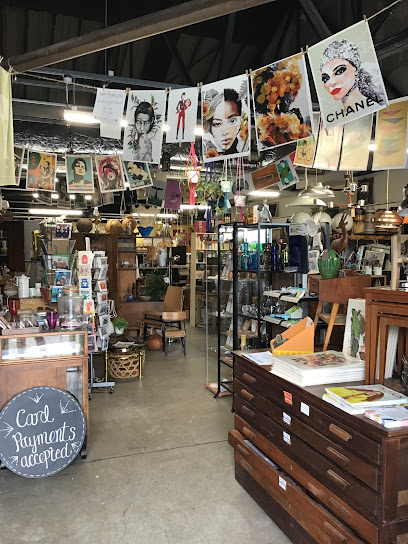
The Curiosity Box
1.6 km
Discover unique vintage fashion treasures and timeless style at The Curiosity Box in Newcastle’s vibrant Chillingham Road district.
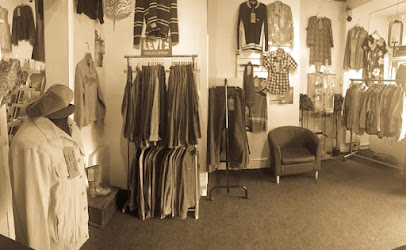
Bibelot Nook
1.9 km
Discover timeless vintage furniture and unique homewares at Bibelot Nook, Newcastle’s hub for sustainable style and local artistry.
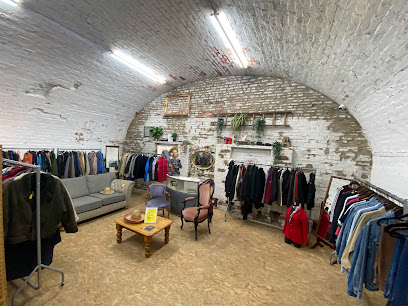
The One World Shop
1.9 km
Discover ethically sourced gifts and natural foods in a historic church setting, supporting fair trade and sustainability in Newcastle upon Tyne.
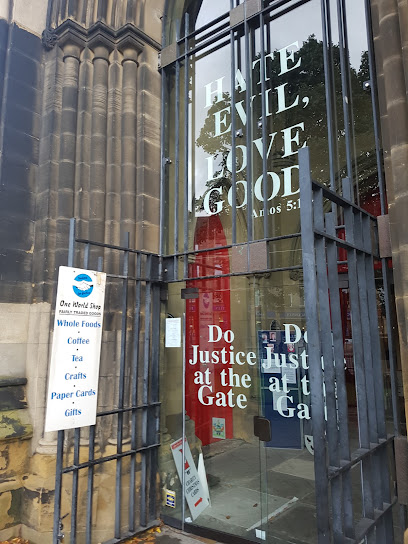
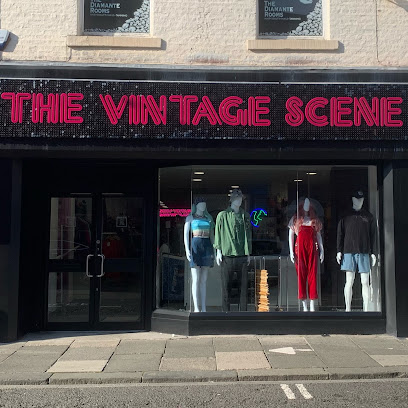
The Vintage Scene Newcastle
2.0 km
Discover timeless vintage fashion treasures at The Vintage Scene Newcastle, a curated boutique for eclectic style lovers in the city center.
Essential bars & hidden hideouts

97 & Social
0.5 km
Lively Jesmond gastro bar with innovative cocktails, comfort food, and fireside charm on buzzing Osborne Road – perfect for brunches, dates, or casual nights out.
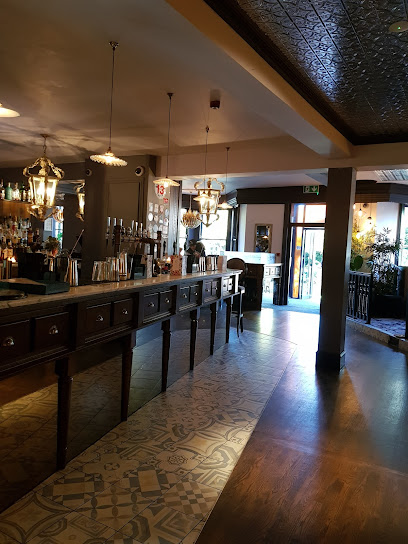
Spy
0.5 km
Catch the action at Spy Bar Jesmond—big screens, juicy burgers, premium pints, and unbeatable sports vibes on lively Osborne Road.
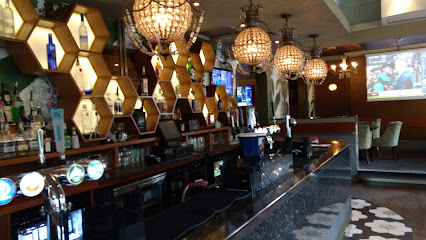
Phoenix Bar Jesmond
0.5 km
Refurbished Jesmond gem with grilled British fare, creative cocktails, sports screens, pool tables, and a heated outdoor forecourt—perfect for casual hangs or lively nights.
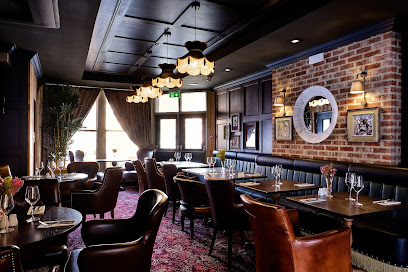
Soho Jesmond
0.6 km
Jesmond's sprawling modern bar hub: live sports, cheap student drinks, quizzes, buskers, and outdoor sheisha vibes draw lively crowds to this Osborne Road powerhouse.
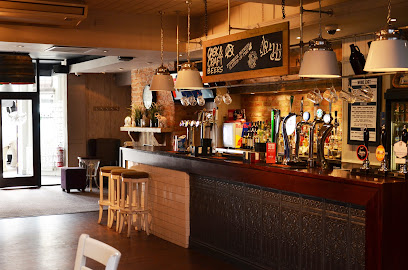
Bar Blanc
0.6 km
Jesmond's go-to bar for cheap pints, pub grub, sports screens, and happy hours in a lively Osborne Road setting.
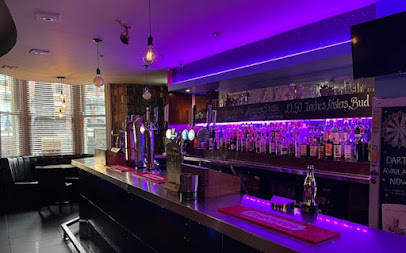
The Punch Bowl
0.8 km
Jesmond's wood-paneled gem: quirky wines, world tapas, epic roasts, and a lively vibe in a classic pub setting.
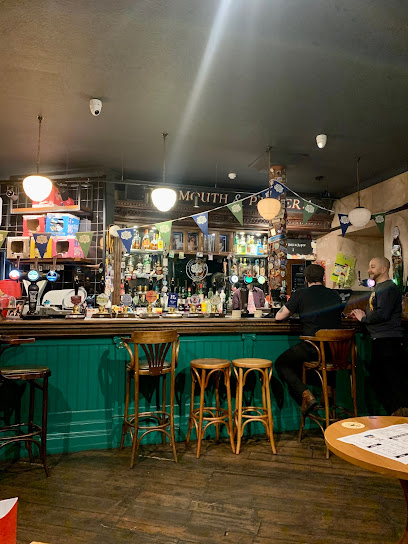
The Collingwood Arms under new management
1.2 km
A traditional Jesmond pub with long bar, local prints, lively evenings and a straightforward menu that suits regulars and visitors alike.
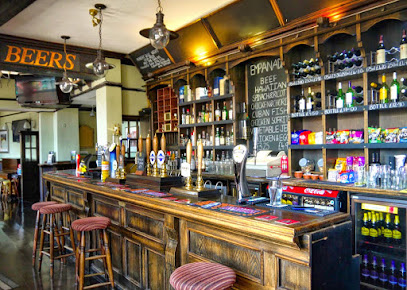
Holy Hobo
1.4 km
Jesmond's bold bar for monster burgers, craft pours, bottomless brunches, and beats till 2am—where quirky comfort meets non-stop nightlife energy.
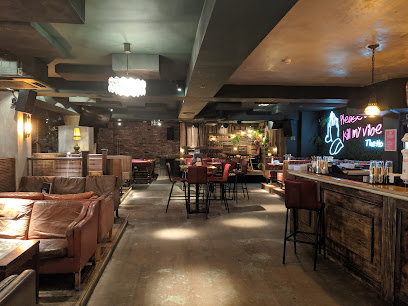
Billy Bootleggers
1.9 km
Step into Billy Bootleggers for authentic Americana vibes, live rockabilly tunes, and legendary bourbon brews in Newcastle’s lively Ouseburn district.
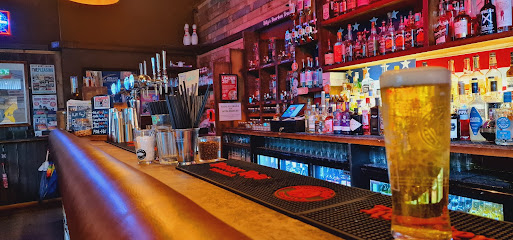
Mean-Eyed Cat
2.1 km
A vibrant micropub in Newcastle offering an evolving selection of craft beers, ciders, and lively community events in a quirky, intimate setting.
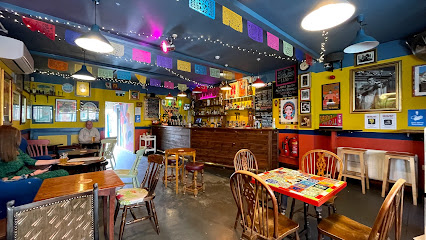
The Exchange
2.1 km
Discover The Exchange, Newcastle’s speakeasy-style cocktail bar with a cozy alcove, lively atmosphere, and expertly crafted drinks in the city center.
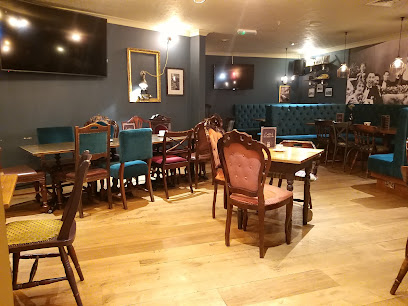
The Wobbly Duck
2.3 km
A cozy, quirky micropub in Newcastle’s Old Eldon Square, famed for its eclectic ales and welcoming atmosphere.
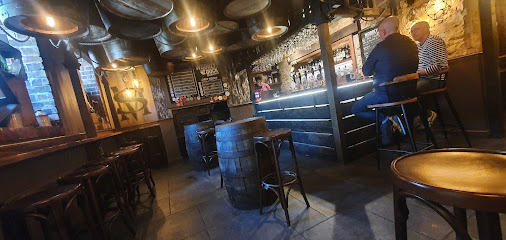
Bar Loco
2.3 km
A vibrant split-level bar in Newcastle with live music, quirky vibes, and a welcoming atmosphere for casual drinks and social nights.
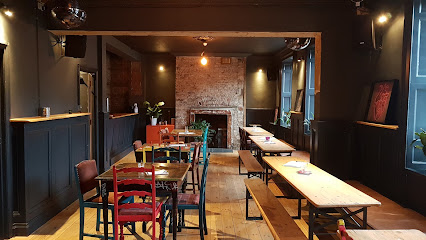
The Tyne Bar
2.4 km
A vibrant hub for craft beer, live music, and community spirit nestled in Newcastle’s creative Ouseburn Valley.
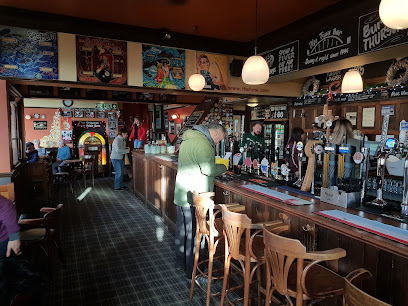
Pitcher & Piano Newcastle
2.4 km
A multi-level Quayside bar with panoramic Tyne views, long cocktails and a lively weekend vibe for groups and riverfront people-watching.
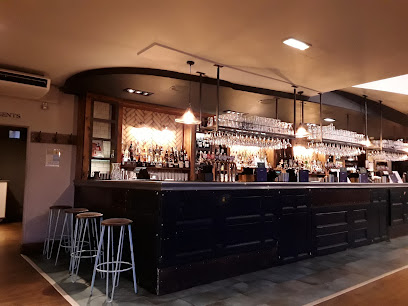
Nightclubs & after hour spots

World HQ
2.3 km
A multi‑level warehouse club and arts hub in Curtis Mayfield House with a heavy sound, creative studios above and a grassroots nightlife spirit.

Greys Club
2.6 km
Experience Newcastle’s iconic nightlife at Greys Club, where vibrant music, a stylish terrace, and lively crowds create unforgettable late-night memories.

SOHO ROOMS | Newcastle
2.6 km
Four floors of late‑night music and cocktails in the heart of Newcastle’s city‑centre party district, favoured by students and night owls.
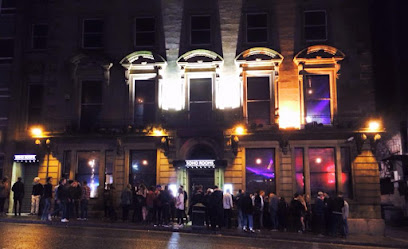
Popworld - Newcastle
2.6 km
A neon-soaked pop party on Newcastle’s Bigg Market—cheap drinks, nostalgic anthems and a packed dancefloor for late-night revelry.
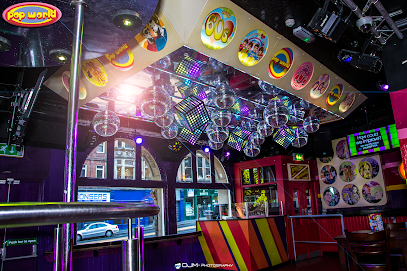
Flares - Newcastle
2.6 km
Newcastle's ultimate retro disco den: neon grooves, cheesy anthems, and non-stop dancing from 70s to 00s in the heart of the nightlife scene.
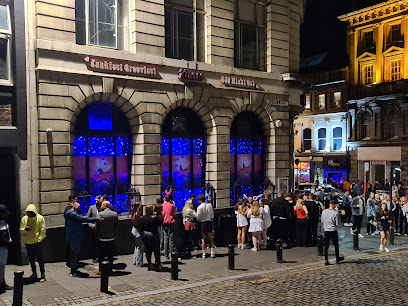
Sinners
2.6 km
Dive into sinfully themed nights at this affordable Newcastle nightclub, where red lights, bold art, and cheap drinks fuel the city's unbeatable party spirit.

Cosmic Ballroom
2.7 km
Newcastle's longest-running underground club: two floors of electronic beats, guest DJs, and non-stop dancing till dawn in an intimate Stowell Street hideaway.

Loca Loca | Newcastle
2.7 km
A compact, neon-lit nightclub on Groat Market serving late-night dance, chart and urban sets in an intimate city-centre setting.

TROPICANA NEWCASTLE
2.7 km
Experience Newcastle’s vibrant nightlife at Tropicana, a lively nightclub blending cocktail sophistication with energetic club beats in the city’s heart.

Bohemia Newcastle
2.7 km
Neon-lit cocktail bar and compact club with graffiti murals, a mezzanine dance space and a sheltered courtyard terrace for late-night socialising.
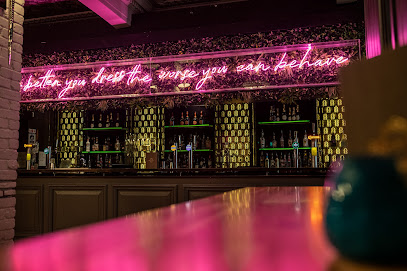
Tup Tup Palace
2.7 km
Experience Newcastle’s vibrant nightlife in style at Tup Tup Palace, a luxurious club blending exotic décor with pulsating beats until the early hours.
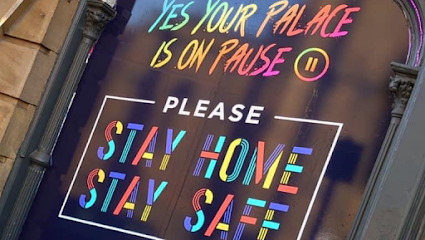
TheCUT Newcastle
2.7 km
Discover Newcastle’s vibrant alternative nightclub with themed indie, rock, and disco nights in a cozy, unpretentious setting.
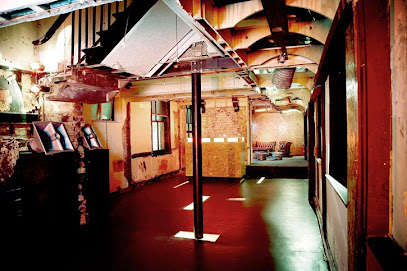
The Social Club
2.7 km
Experience Newcastle’s vibrant nightlife at The Social Club, where music, cocktails, and dancing come alive until the early hours.
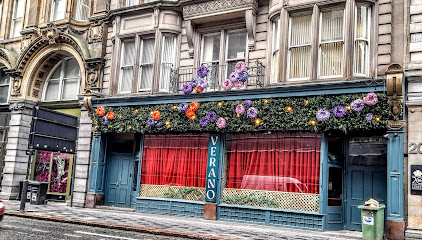
Powerhouse
3.2 km
Newcastle’s iconic four-floor nightclub blending rich LGBTQ+ history with vibrant, inclusive nightlife and dynamic music scenes.
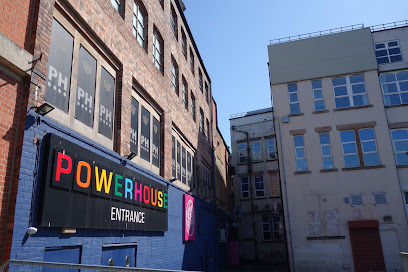
Digital
3.2 km
Experience cutting-edge nightlife with superior sound and vibrant energy at Digital, Newcastle’s premier clubbing destination in Times Square.
For the vibe & atmosphere seeker
- Tranquil
- Scenic
- Historic
- Unique
For the design and aesthetic lover
- Rustic Designs
- Vintage Styles
For the architecture buff
- Historic
- Landmarks
- Sacred Sites
For the view chaser and sunset hunter
- Iconic Views
- Panoramas
For the social media creator & influencer
- Instagrammable
- Photo Spots
- Selfie Spots
For the eco-conscious traveler
- Protected Area
- Public-Transport Accessible
- Leave-No-Trace Critical
- Locally Managed
For the kind of experience you’re after
- Cultural Heritage
- Myth & Legends
- Nature Escape
- Day Trip
- Weekend Getaway
For how adventurous you want the journey to be
- Easy Access
Location Audience
- Family Friendly
- Senior Friendly
- Child Friendly
- Teen Friendly
- Solo Friendly
- Couple Friendly
- Vegetarian Friendly
- Vegan Friendly


