

Coxon's Tower: Medieval Sentinel of Berwick-upon-Tweed
Explore Coxon's Tower, a medieval sentinel on Berwick’s historic walls, embodying centuries of border defense and architectural evolution.
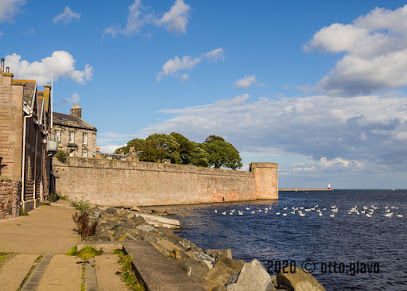
Coxon's Tower is one of the last two remaining original medieval towers on the historic walls of Berwick-upon-Tweed. Situated on the town’s Elizabethan ramparts, it offers a glimpse into centuries of border conflict and military architecture. The tower, rebuilt in the 18th century with modifications for infantry defense, stands as a testament to Berwick’s strategic importance between England and Scotland.
A brief summary to Coxon's Tower
- 9 Palace St, Berwick-upon-Tweed, TD15 1HN, GB
- Visit website
- Duration: 0.5 to 2 hours
- Free
-
 Outdoor
- Mobile reception: 4 out of 5
Local tips
- Visit early in the day to enjoy quieter conditions and softer light for photography along the ramparts.
- Combine your visit with a walk along the Elizabethan town walls to fully appreciate Berwick’s fortified heritage.
- Bring binoculars to take in expansive views of the River Tweed estuary and the North Sea coastline.
- Wear sturdy footwear as the ramparts and tower access involve uneven surfaces and steps.
- Check local heritage events or guided tours for deeper insights into the tower’s history.

For the on-the-go comforts that matter to you
- Restrooms
- Seating Areas
- Information Boards
Getting There
-
Train and Walk
From Berwick-upon-Tweed railway station, a 15-20 minute walk along the town center and Palace Street leads to Coxon's Tower. The station is well connected to major cities like Edinburgh and Newcastle. Walking involves cobbled streets and some steps, so wear comfortable shoes. No transport cost beyond train fare.
-
Bus and Walk
Local bus services connect Berwick town center with nearby villages. From the central bus stop, it is a 10-15 minute walk to Coxon's Tower via Palace Street. Buses run approximately every 30-60 minutes. Tickets cost around £2-£5 depending on route.
-
Car and Parking
Visitors arriving by car can park in the Castle Gate car park, about a 5-minute walk from Coxon's Tower. Parking fees typically range from £1 to £5 depending on duration. The town center has narrow streets; parking early is advised especially in peak seasons.
Coxon's Tower location weather suitability
-
 Any Weather
-
 Clear Skies
-
 Windy Conditions
-
 Mild Temperatures
Discover more about Coxon's Tower
Legacy of a Border Stronghold
Coxon's Tower occupies a crucial place within the fortified town walls of Berwick-upon-Tweed, a site marked by centuries of Anglo-Scottish rivalry. Originally constructed as part of the medieval defenses, the tower was redesigned after the English recaptured the town in 1482. Its strategic position on the river wall allowed it to serve as a gun platform and infantry post, reflecting the evolving military needs of the region. The tower’s name, Coxon's Tower, emerged in the 18th century when the top level was adapted to include an infantry parapet, while artillery was repositioned along the river wall to reduce exposure to sea damage.Architectural Evolution and Military Innovation
The tower’s architecture embodies the transition from medieval fortifications to early modern military engineering. While the original medieval structure was tall and imposing, it was lowered and modified to accommodate artillery and infantry defenses compatible with 16th- and 18th-century warfare. This adaptation was part of a larger program of fortification upgrades in Berwick, including the construction of the famous Elizabethan town walls with their Italian-style bastions and artillery emplacements. Coxon's Tower thus represents a blend of medieval robustness and later military practicality.Berwick’s Fortified Heritage in Context
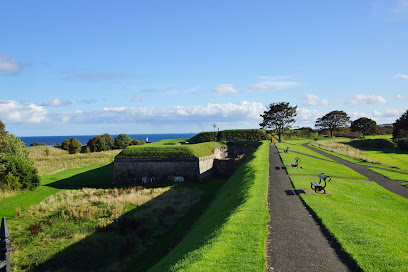
Berwick-upon-Tweed’s walls and towers, including Coxon's Tower, illustrate the town’s turbulent history as a contested border stronghold. The town changed hands between England and Scotland at least thirteen times during medieval times, and its defenses were repeatedly strengthened to withstand sieges and artillery attacks. The Elizabethan fortifications, begun in 1558, are among the best-preserved examples of bastioned town walls in Europe. Coxon's Tower, as part of this defensive network, highlights the strategic importance of Berwick in controlling access along the River Tweed and the North Sea coast.Surrounding Historical Features
Near Coxon's Tower, visitors can explore other significant elements of Berwick’s military past. The Gunpowder Magazine, built in 1750, was designed to safely store gunpowder away from dampness and intruders. The nearby Windmill Bastion, named for a historic windmill once located there, served various defensive roles from the 16th century through World War Two. The Barracks, dating from the early 18th century, housed troops for over two centuries and now function as a museum celebrating the town’s military heritage.Experience and Views at Coxon's Tower
Standing at Coxon's Tower, visitors can appreciate panoramic views over Berwick-upon-Tweed, the River Tweed estuary, and the North Sea coastline. The tower’s position on the ramparts offers a sensory connection to the past, with the sounds of the sea and the sight of historic stonework evoking the town’s defensive purpose. This vantage point invites reflection on the complex history of border conflict and the resilience of this unique fortified town.Preservation and Cultural Significance
Coxon's Tower is protected as part of Berwick’s scheduled monument and Grade I listed fortifications. Its preservation allows insight into the military architecture of medieval and early modern Britain. As one of the last surviving medieval towers on the Elizabethan walls, it serves both as a historical landmark and a symbol of Berwick’s enduring cultural heritage, attracting historians, architecture enthusiasts, and visitors eager to explore the story of this border town.Iconic landmarks you can’t miss

Coxon's Tower
0.0 km
Explore Coxon's Tower, a medieval sentinel transformed through centuries guarding Berwick-upon-Tweed’s iconic Elizabethan walls and river estuary.
Berwick Town Walls
0.1 km
Explore Britain’s only complete Elizabethan town walls—historic bastions offering panoramic views over Berwick and the North Sea.
Town Hall
0.4 km
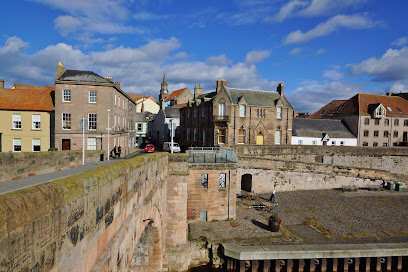
A majestic 18th-century neoclassical landmark, Berwick Town Hall stands as the historic heart of Berwick-upon-Tweed’s civic life and heritage.

Berwick Bridge
0.5 km
A majestic 17th-century sandstone arch bridge spanning the River Tweed, linking history, heritage, and scenic vistas in Berwick-upon-Tweed.
Royal Tweed Bridge
0.5 km
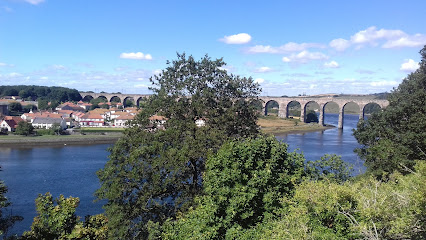
A 1920s reinforced concrete arch bridge spanning the River Tweed, blending engineering innovation with scenic river views in historic Berwick-upon-Tweed.
Cumberland Bastion
0.8 km
Explore Cumberland Bastion, a striking Elizabethan fortification embodying Berwick-upon-Tweed’s turbulent border history and military heritage.
Royal Border Bridge
1.0 km
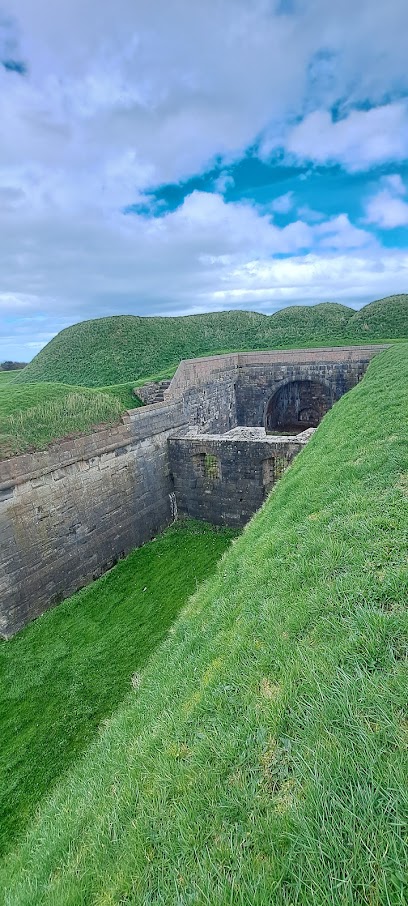
Victorian engineering triumph spanning the River Tweed—still carrying trains 175 years after Queen Victoria's opening.

Lord's Mount
1.1 km
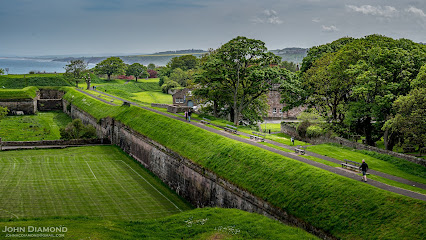
Explore Lord’s Mount, a towering Tudor artillery fortification guarding Berwick-upon-Tweed with panoramic views and rich border history.
Berwick Lighthouse
1.1 km
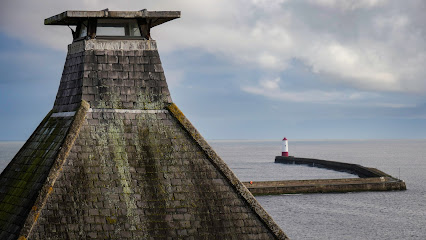
Historic 19th-century lighthouse at Berwick Pier’s end, offering stunning coastal views and a glimpse into Berwick-upon-Tweed’s maritime heritage.
Broad Shiel
3.6 km
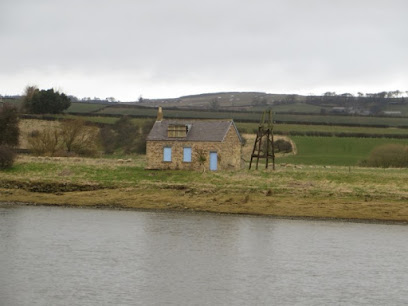
Historic fishing shelter on the River Tweed, offering serene views and a glimpse into Berwick-upon-Tweed’s rich border heritage.
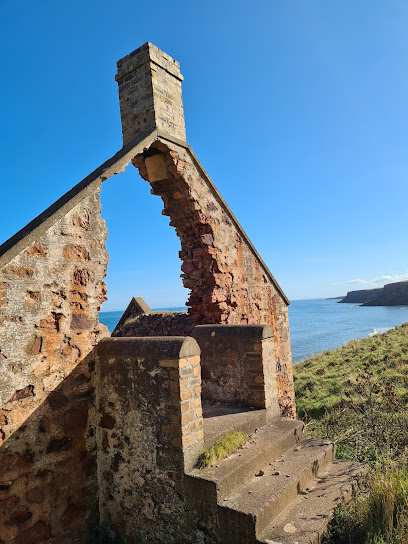
Lamberton Skerrs
7.2 km
Explore the rugged cliffs and historic smuggling ruins of Lamberton Skerrs, where maritime history meets breathtaking North Sea views.
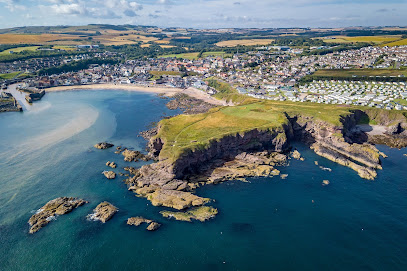
Visit Berwickshire Coast
13.2 km
Explore the Berwickshire Coast: A stunning blend of natural beauty, rich history, and charming coastal towns perfect for a memorable getaway.
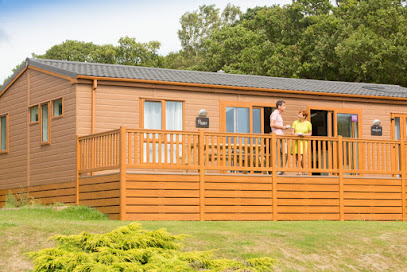
Scoutscroft Leisure Park | Verdant Leisure
16.5 km
Relax by the stunning Berwickshire coast with cozy self-catering lodges, pet-friendly amenities, and seaside adventures at Scoutscroft Leisure Park.
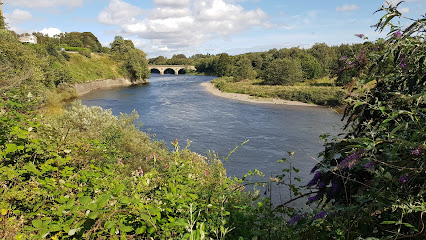
Marjoribanks Monument
19.8 km
A towering tribute to Charles Marjoribanks offering stunning views and rich history at Coldstream’s eastern gateway.
Berwickshire High School
22.2 km
Discover Berwickshire High School in Duns, a charming educational institution that reflects the rich culture of the Scottish Borders.

Unmissable attractions to see

Berwick Museum and Art Gallery
0.6 km
Discover Berwick’s rich history and art treasures within the atmospheric Berwick Barracks at this engaging museum and gallery.
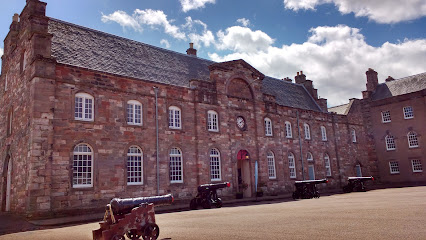
Berwick-Upon-Tweed Barracks and Main Guard
0.6 km
Explore the historic 18th-century Berwick Barracks, a fortress of England’s border heritage with panoramic views and rich military exhibitions.
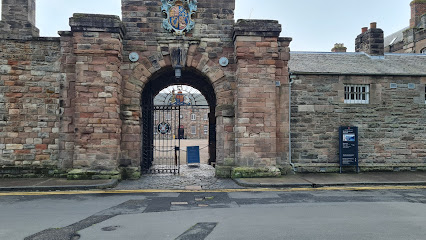
King's Own Scottish Borderers Regimental Museum
0.6 km
Explore the rich military heritage of the King's Own Scottish Borderers in Berwick's historic barracks museum.
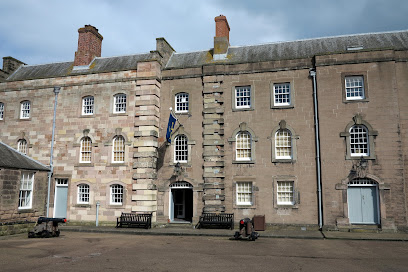
Berwick-upon-Tweed Castle and Ramparts
1.0 km
Walk the most complete Elizabethan ramparts in England, where medieval castle ruins meet panoramic views of Berwick and the River Tweed.
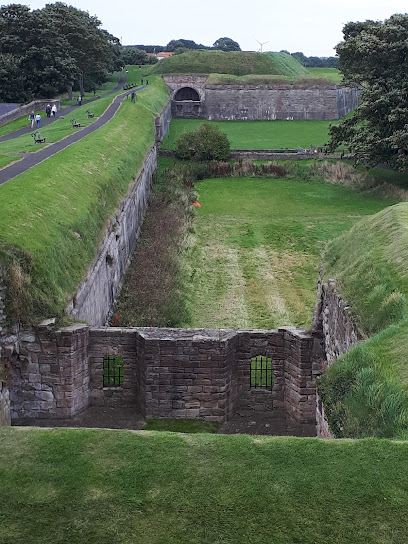
Red Cliffs in Berwick-upon-Tweed
2.2 km
Experience breathtaking red sandstone cliffs and stunning coastal views just north of historic Berwick-upon-Tweed.
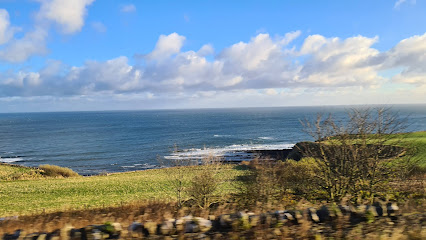
England / Scotland Border
5.2 km
Explore the breathtaking landscapes and rich history of the England/Scotland border in Berwick-upon-Tweed, a must-visit for every tourist.
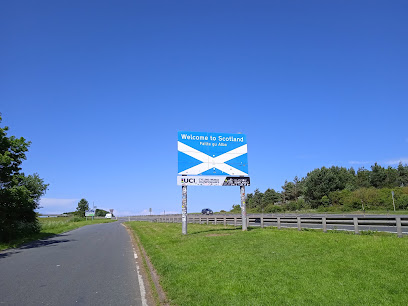
Union Bridge
6.7 km
Walk or cycle across the world’s oldest vehicular suspension bridge, a stunning 1820 engineering landmark linking England and Scotland over the River Tweed.
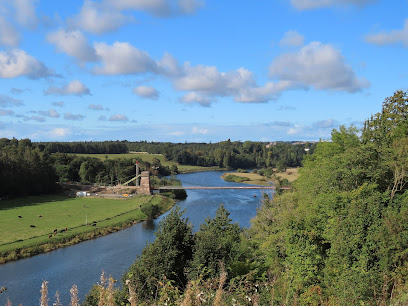
Paxton House
6.8 km
Discover the grandeur of Paxton House, a stunning 18th-century Palladian mansion with exquisite art, gardens, and riverside charm near Berwick-upon-Tweed.
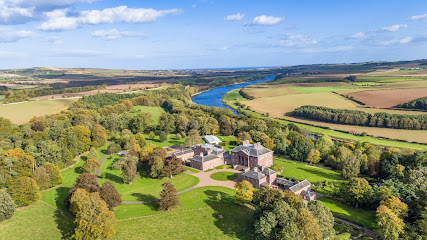
Lazy Day Cottages
9.8 km
Luxury log cabins with private hot tubs and sauna, nestled in peaceful Scottish Borders countryside near Berwick-upon-Tweed.

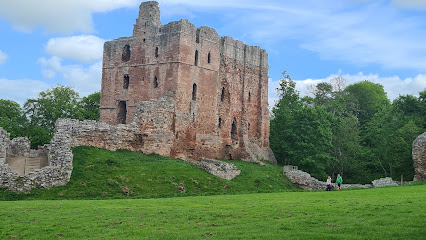
Norham Castle
10.5 km
Explore the dramatic ruins of Norham Castle, a historic 12th-century fortress guarding the River Tweed and inspiring centuries of border history.
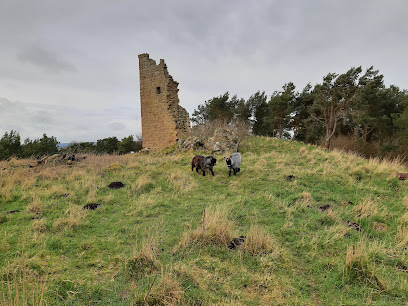
Duddo Five Stones
11.2 km
Explore the ancient Duddo Five Stones, a mysterious Bronze Age stone circle set amidst Northumberland’s scenic border hills.
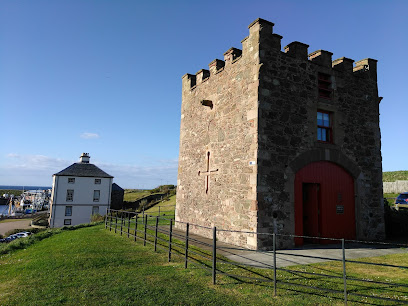
Eyemouth Museum
13.0 km
Discover Eyemouth’s rich maritime heritage and community stories in this charming coastal museum with interactive exhibits and a welcoming atmosphere.
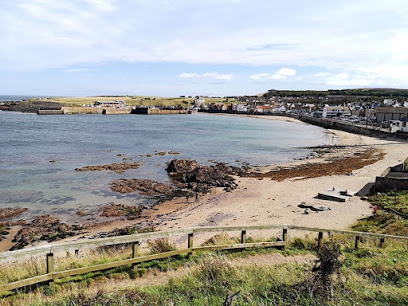
Eyemouth Beach
13.2 km
A sandy, dog-friendly bay by Eyemouth Harbour, offering rockpools, seal watching, and dramatic North Sea waves on the scenic Scottish Borders coast.
Heritage Walks Northumberland
14.2 km
Explore Northumberland’s hidden heritage on scenic guided walks blending history, nature, and local stories in stunning countryside settings.
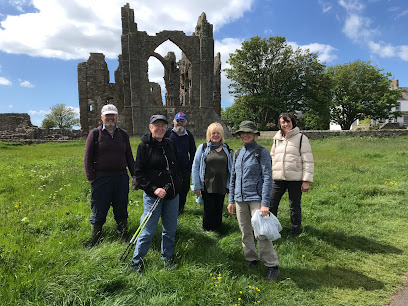
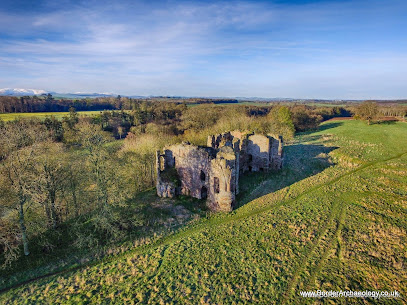
Twizel Castle
14.8 km
Explore Twizel Castle, a captivating medieval fortress transformed by Gothic revival, echoing centuries of border history in Northumberland.
Essential places to dine

Limoncello
0.3 km
Experience fresh, authentic Italian cuisine in a welcoming setting at Berwick’s beloved Limoncello on historic Hide Hill.
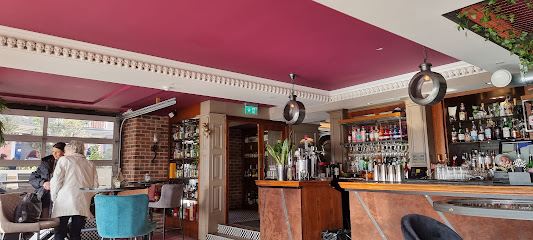
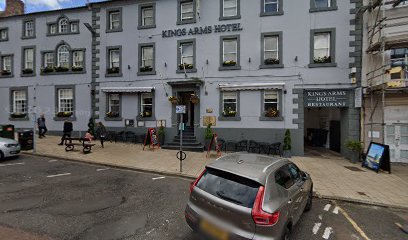
Ivy 43
0.3 km
Ivy 43 offers expertly crafted dishes and warm hospitality within the historic Kings Arms Hotel in the heart of Berwick-upon-Tweed.
Amore Restaurant
0.3 km
Authentic Italian flavors and warm hospitality in the heart of Berwick-upon-Tweed, with charming indoor and garden terrace dining.

Foxtons Winebar & Restaurant
0.3 km
A cozy Berwick-upon-Tweed wine bar and restaurant offering local flavors, vegan and gluten-free options, and a welcoming atmosphere.
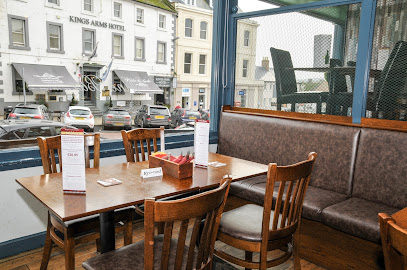
Audela
0.4 km
Experience refined modern British cuisine with fresh local ingredients in a charming historic setting on Berwick’s Bridge Street.
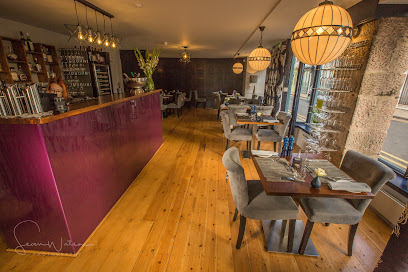
The Castle Hotel & Restaurant
1.1 km
Historic charm meets modern comfort just steps from Berwick’s railway station and town centre.
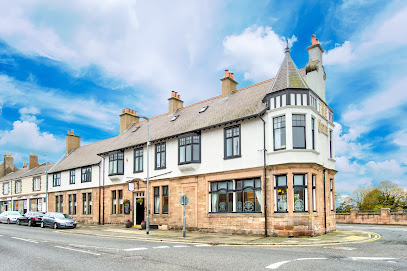
Ord House Lounge Bar & Grill
2.0 km
A welcoming family-friendly bar and grill in Berwick-upon-Tweed serving hearty homemade classics with fun for all ages.
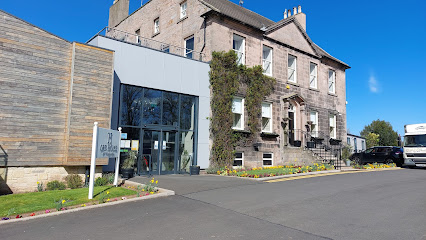
Restaurant 1782
4.6 km
Exquisite modern British dining in a historic manor with stunning sea views and seasonal local ingredients near Berwick-upon-Tweed.

The Cross Inn Pub & kitchen
6.5 km
A charming countryside pub in Paxton offering traditional British fare, warm hospitality, and a cozy, welcoming atmosphere.
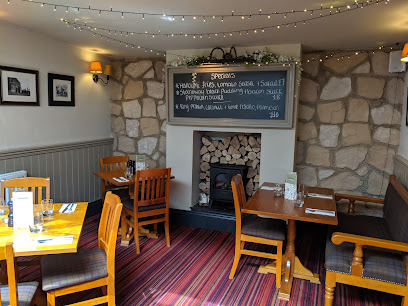
The Heathers Restaurant
12.6 km
Fresh seafood and harbour views in a historic golf clubhouse overlooking Eyemouth's working waterfront.
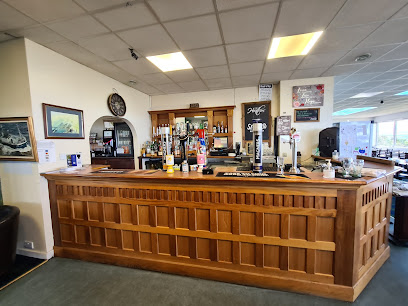
The Black Bull Inn
13.0 km
A charming country pub and inn in Lowick offering luxury rooms, hearty British fare, and a welcoming atmosphere amid Northumberland’s scenic beauty.
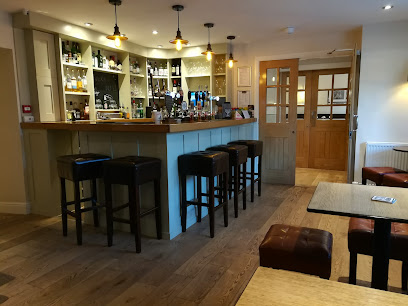
Oblo
13.0 km
Stylish harbourfront bistro in Eyemouth serving fresh seasonal dishes, cocktails, and a welcoming family-friendly atmosphere.
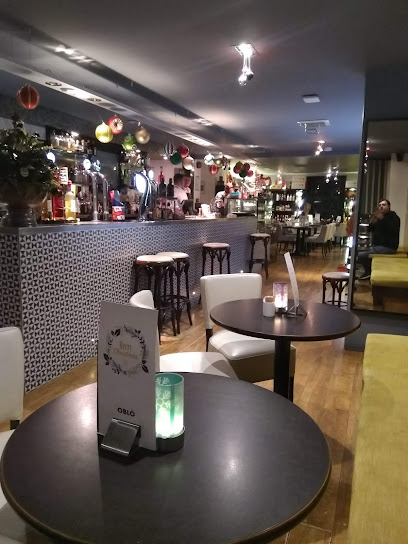
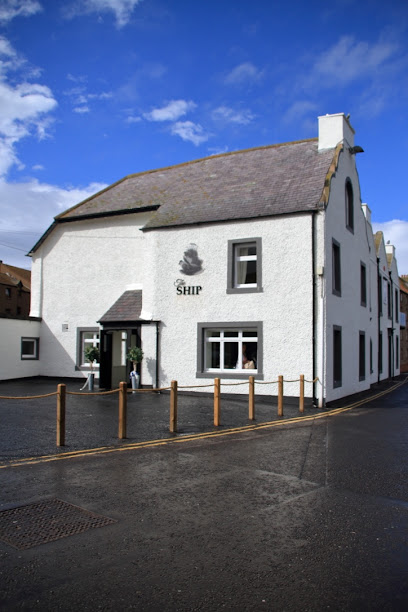
The Ship Restaurant & Bar
13.0 km
A vibrant modern British restaurant and bar in Eyemouth, serving fresh local seafood and hearty fare in a lively, dog-friendly harbour-side setting.
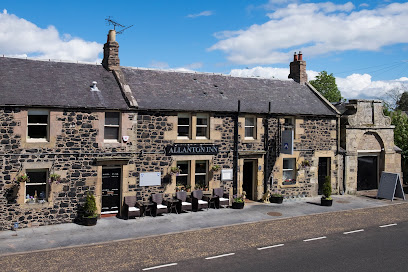
Allanton Inn
13.5 km
A charming countryside inn offering cozy rooms, exceptional local cuisine, and tranquil garden views in the heart of the Scottish Borders.
The Blue Bell Inn
16.7 km
A charming country inn blending rustic warmth with modern comfort, serving hearty meals in scenic Northumberland borders.
Markets, malls and hidden boutiques

Granny's Keepsakes
0.2 km
Discover handcrafted gifts and heartfelt keepsakes in the charming, friendly boutique of Granny's Keepsakes in historic Berwick-upon-Tweed.

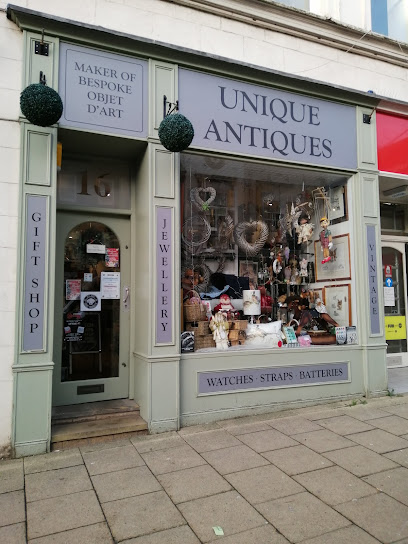
Unique Antiques
0.4 km
Discover quirky, unique antiques in the heart of historic Berwick-upon-Tweed at this charming Hide Hill shop.
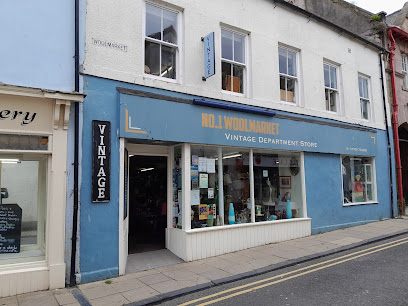
No.1 Woolmarket Vintage Department Store
0.4 km
Discover timeless vintage treasures and local heritage within Berwick-upon-Tweed’s historic Woolmarket district.
Bijoux
0.5 km
Discover unique gifts and local treasures at Bijoux, a charming gift shop in the heart of historic Berwick-upon-Tweed.

Loop Emporium
0.5 km
Discover unique vintage and upcycled fashion treasures in the heart of historic Berwick-upon-Tweed at Loop Emporium.

Artisans at Serendipity
0.5 km
Discover unique handmade gifts by local artists in the heart of historic Berwick-upon-Tweed.

Derrants
0.5 km
Discover unique local gifts and artisan treasures in the heart of historic Berwick-upon-Tweed at Derrants.
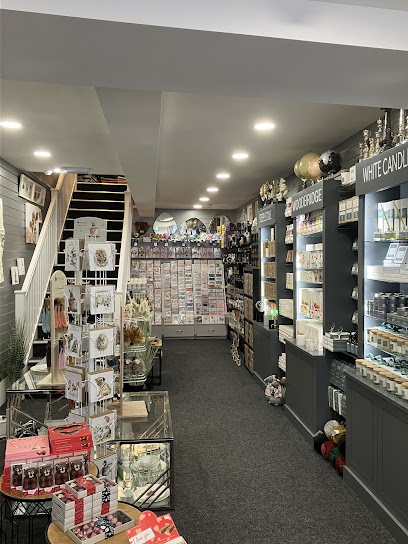
The Seagull's Nest
0.6 km
Discover Berwick-upon-Tweed’s charming seaside gift shop filled with unique nautical treasures and local crafts.

The National Trust Shop
16.4 km
Discover unique local crafts and heartfelt souvenirs at The National Trust Shop in historic Berwick-upon-Tweed.
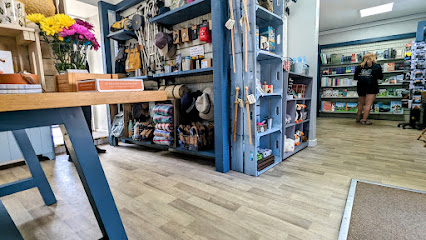
CJR Gifts & Designs
16.5 km
Handcrafted artisan treasures celebrating the creative spirit of the Scottish Borders.

ScotlandShop
21.1 km
Discover authentic Scottish tartans and bespoke tailoring in Duns’ premier showroom, celebrating heritage with over 500 clan plaids.

Number 18 Shop
21.5 km
Explore Number 18 Shop in Duns for unique clothing, handcrafted candles, stylish handbags, and exquisite jewelry, perfect for souvenirs.

Country House Gifts & Gallery
25.2 km
Discover unique gifts and high-quality treasures in the heart of historic Bamburgh at Country House Gifts & Gallery.
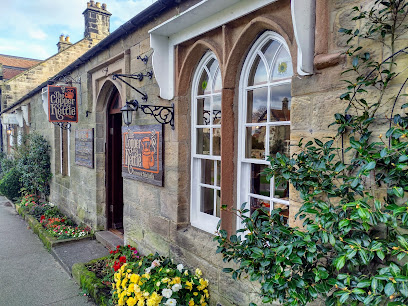
Farne Gifts
29.9 km
Discover unique local crafts and coastal treasures at Farne Gifts, Seahouses’ charming gift shop with a welcoming atmosphere and year-round appeal.
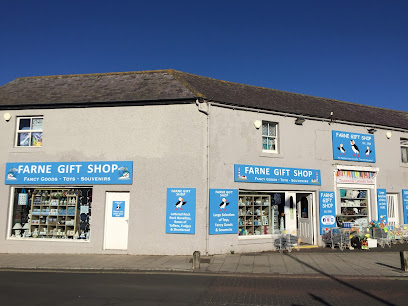
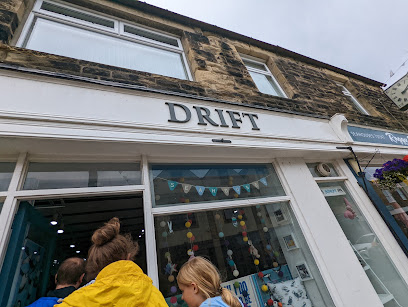
Drift
29.9 km
Discover Drift, a family-run coastal gift shop in Seahouses offering unique yarns and craft goodies inspired by Northumberland’s seaside charm.
Essential bars & hidden hideouts

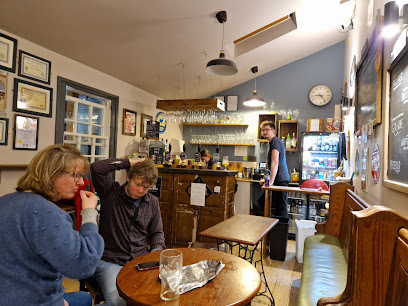
The Curfew Micropub
0.4 km
A cozy micropub in Berwick-upon-Tweed offering exceptional ales, warm hospitality, and a charming local atmosphere.
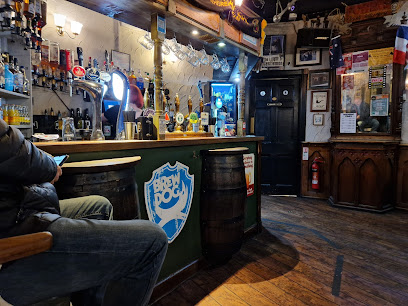
The Barrels
0.4 km
Traditional charm and award-winning ales meet lively music and local spirit in Berwick-upon-Tweed’s beloved Barrels Ale House.
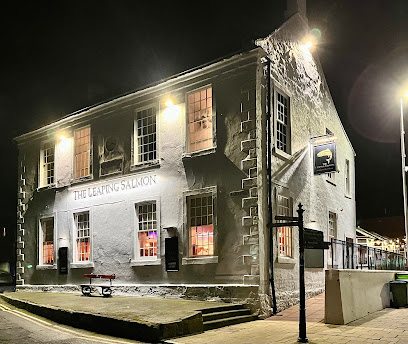
Leaping Salmon
0.6 km
A vibrant, friendly pub in Berwick-upon-Tweed offering hearty British fare, real ales, live sports, and scenic riverside views.
The Radio Rooms
0.7 km
A lively bar and event space in Berwick-upon-Tweed, celebrated for live music, vegan snacks, and a welcoming community vibe.

The Thatch
0.7 km
A friendly family-run pub in Tweedmouth offering great drinks, a games room, and a welcoming community atmosphere near Berwick’s old bridge.

The First & Last Inn
9.6 km
Cozy coastal pub and B&B in Upper Burnmouth offering hearty meals, friendly service, and scenic Scottish Borders charm.
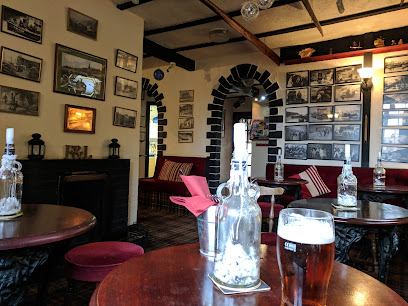
The Lindisfarne Inn
11.7 km
Historic charm meets coastal comfort at The Lindisfarne Inn, your welcoming base in Berwick-upon-Tweed’s scenic borderland.
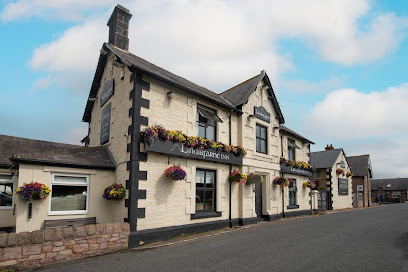
The Contented Sole
13.0 km
A friendly harbour-side pub offering fresh seafood and traditional Scottish fare in the heart of Eyemouth’s fishing community.
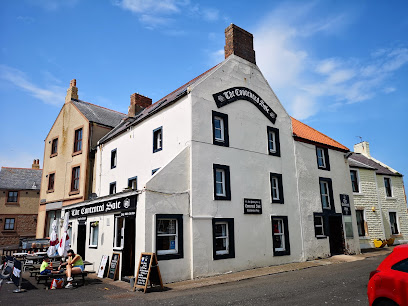
The Craw Inn
16.8 km
Charming country inn in Auchencrow offering hearty food, cozy rooms, real ales, and warm Scottish Borders hospitality.
BEST PUBLIC BAR
20.3 km
A cozy, traditional pub in Coldstream offering authentic Scottish Border hospitality in a charming rural setting.
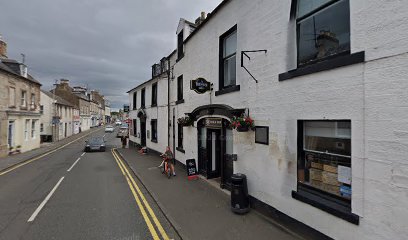
Schooner Inn
30.1 km
A charming nautical-themed pub in Seahouses offering cozy ambiance, local ales, and a welcoming stop in this vibrant fishing village.
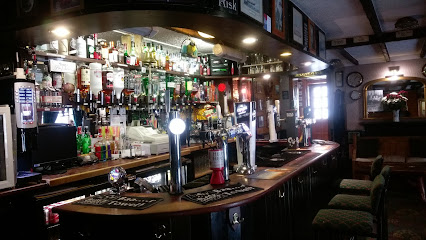
The Vibe
32.9 km
A vibrant late-night bar in Kelso’s heart, The Vibe offers a lively spot for drinks and socializing until the early hours.
The Joiners Arms
36.0 km
A stylish 5-star boutique inn and gastropub by Northumberland’s stunning coast, blending local flavors, cozy charm, and seaside serenity.
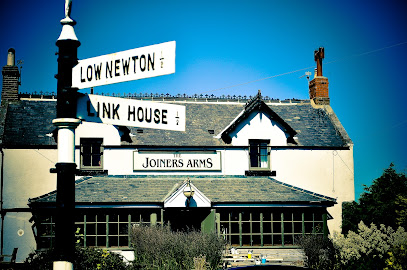
The Bear & Bull
41.5 km
A friendly, dog-welcoming bar and café on Dunbar’s High Street, offering quality food, drinks, and a warm local atmosphere.
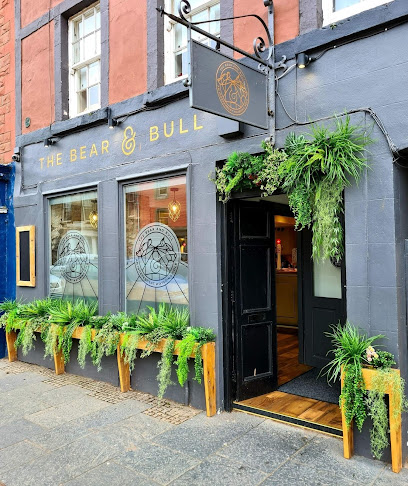
Black Swan Alnwick
43.2 km
Historic charm meets cozy comfort at The Black Swan Alnwick, a welcoming pub and bed & breakfast in the heart of town.
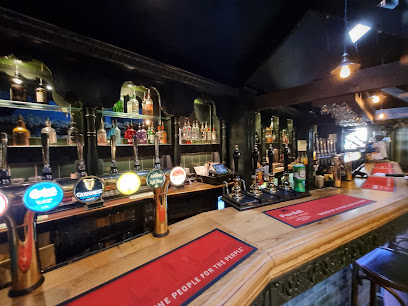
Nightclubs & after hour spots

BedRocks
0.6 km
Discover the vibrant nightlife of Berwick-upon-Tweed at BedRocks, a lively nightclub and bar known for its energetic atmosphere and affordable drinks.
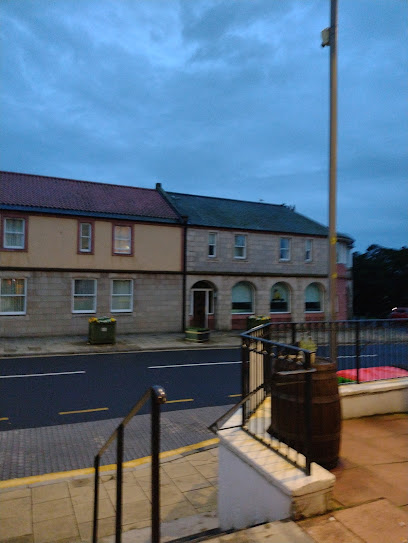
GREEN HOUSE | Berwick Upon Tweed
0.6 km
Berwick-upon-Tweed’s vibrant late-night hotspot offering lively music and dancing in the heart of the historic town.

Nothing
46.9 km
Experience immersive alternative rock concerts by Nothing in the intimate, historic setting of London’s Moth Club.
Morven
49.6 km
Discover the electrifying nightlife at Morven Nightclub in Oxnam, near Melrose, where great music, vibrant atmosphere, and unforgettable memories await.
Warehouse Nightclub
53.1 km
Experience the vibrant nightlife and dynamic music scene at Warehouse Nightclub, Galashiels’ lively hub after dark.

The Indigo Rooms
53.2 km
Experience Galashiels' vibrant nightlife at The Indigo Rooms, a welcoming nightclub and bar with themed events and a lively atmosphere.

The Brick Club, Red Row Working Mens Club
59.0 km
A welcoming traditional working men's club in Morpeth offering authentic local atmosphere, classic ales, and a strong community spirit.
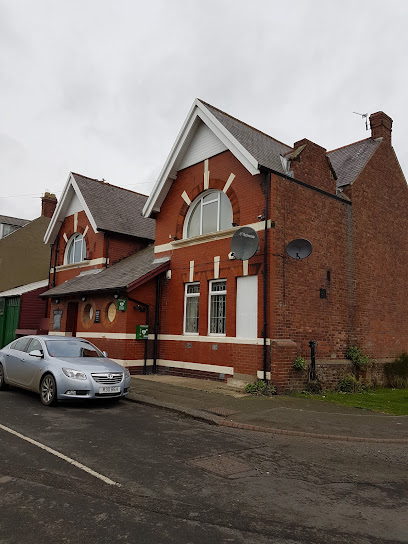
The Border Club
61.9 km
Experience the vibrant local culture at The Border Club, a friendly social hub in Hawick, Scotland, perfect for travelers seeking community spirit.

Base Nightclub
62.2 km
Experience Hawick’s energetic nightlife at Base Nightclub, where vibrant music and lively crowds create unforgettable Friday nights.
Square One
62.6 km
Vibrant Hawick nightclub with dynamic music floors and a welcoming atmosphere at the heart of Drumlanrig Square.

Borders Blues club
68.4 km
Immerse yourself in the vibrant atmosphere of Borders Blues Club, where the best of British blues music comes alive in Innerleithen.

The Vale Of Leithen Social Club
68.4 km
A friendly members' club in Innerleithen offering live music, affordable drinks, and a warm community atmosphere.
Union Club
68.7 km
A friendly, community-run social club with snooker and events, offering a welcoming and affordable night out in Innerleithen.
White House Unique Social Club
69.8 km
Discover the lively atmosphere and local culture at the White House Unique Social Club in Ashington, a must-visit bar for an unforgettable night out.

R. A. O. B Club
70.0 km
Discover the R. A. O. B Club, a vibrant bar and social club in Ashington offering friendly service, a great drink selection, and a lively atmosphere for locals and tourists alike.

For the vibe & atmosphere seeker
- Historic
- Scenic
- Tranquil
- Unique
For the design and aesthetic lover
- Historic
For the architecture buff
- Historic
- Landmarks
- Heritage Neighborhoods
For the view chaser and sunset hunter
- Iconic Views
- Panoramas
- Waterfront
For the social media creator & influencer
- Instagrammable
- Photo Spots
- Architectural Shots
For the eco-conscious traveler
- Protected Area
- Public-Transport Accessible
- Locally Managed
For the kind of experience you’re after
- Cultural Heritage
- Photowalk
- Day Trip
- Weekend Getaway
For how adventurous you want the journey to be
- Easy Access
Location Audience
- Family Friendly
- Senior Friendly
- Child Friendly
- Solo Friendly
- Couple Friendly


