Twizel Castle, Berwickshire Travel Guide
Explore Twizel Castle, a captivating medieval fortress transformed by Gothic revival, echoing centuries of border history in Northumberland.
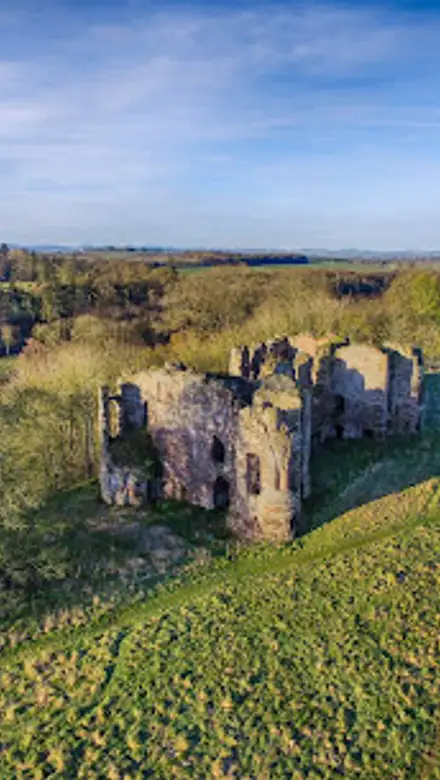
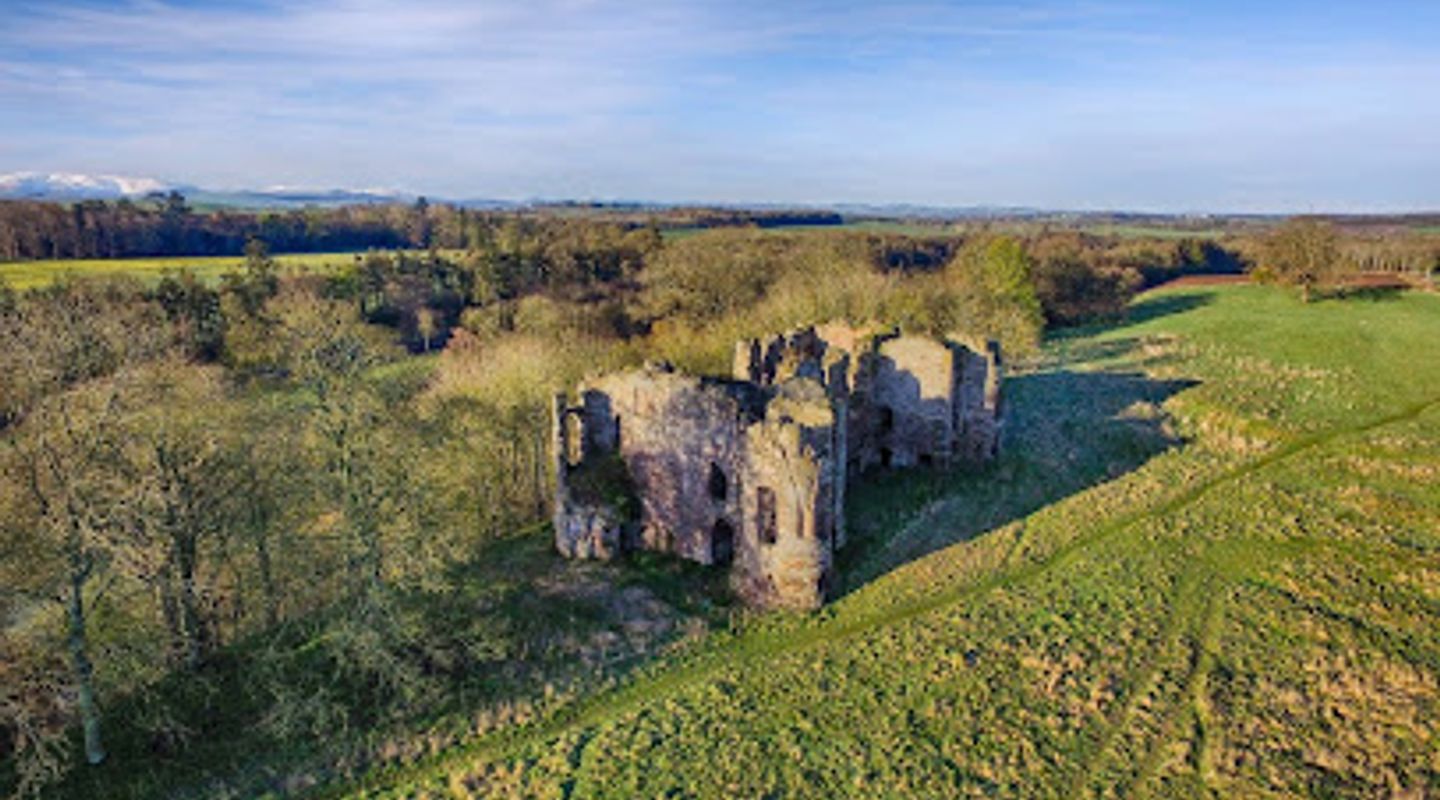
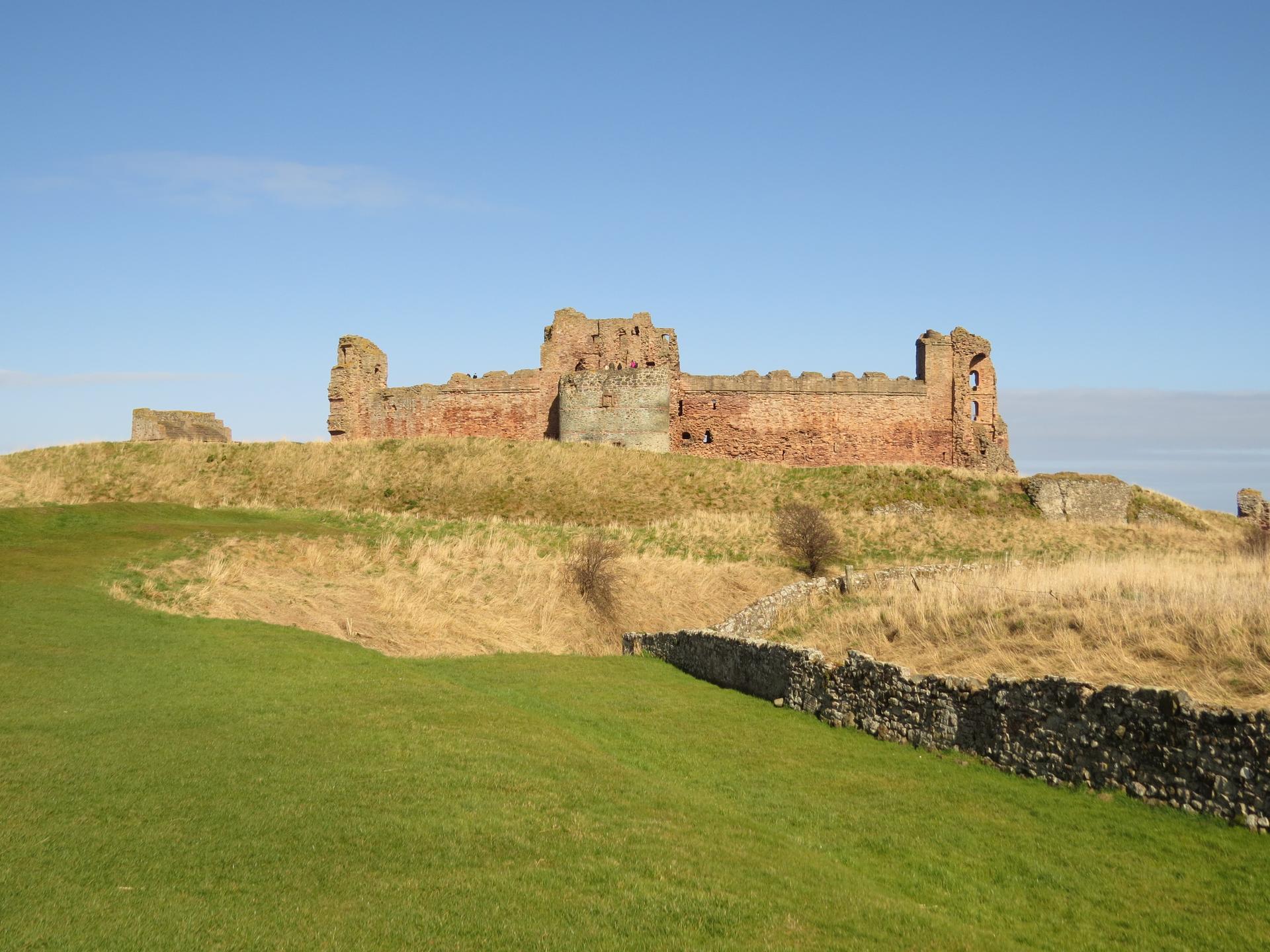
Twizel Castle, located near Cornhill-on-Tweed in Northumberland, England, is a historic site with origins dating back to the 13th century. Originally a fortified hall house built by the Redel family, it evolved through centuries of conflict and ownership changes. The castle was notably fortified in the 15th century by the Heron family and later transformed into a Gothic Revival mansion by Sir Francis Blake in the late 18th century. Though now partly ruined, it remains a significant landmark reflecting the turbulent Anglo-Scottish border history.
A brief summary to Twizel Castle
- A698, Cornhill-on-Tweed, TD12 4UX, GB
- Duration: 0.5 to 2 hours
- Free
-
 Outdoor
- Mobile reception: 4 out of 5

Know before you go
Hi, I'm Eve. Here are a few practical things to know before exploring Twizel Castle.
- Visit during daylight hours to fully appreciate the castle’s architectural details and surrounding landscape.
- Bring a camera to capture the striking Gothic Revival features and the scenic views of the Northumberland border countryside.
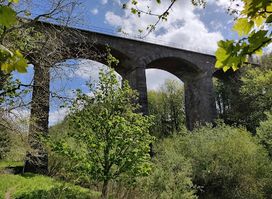
- Combine your visit with a walk to nearby Twizel Old Bridge, reputed to be the longest single-span medieval bridge in Britain.
- Wear sturdy footwear as the terrain around the castle can be uneven and partly overgrown.
Do you manage this location?
Take control to get all the benefits, like improved information, better appearance, and stronger visibility across AI-powered discovery. Learn more about listing your business on Evendo
Activate your presenceOther nearby places you may find interesting
The closest places of the same kind, if this one is not quite what you had in mind.

Explore Twizel Castle on the Map
A handpicked selection of must-see spots near Twizel Castle, mapped for you.
Getting There
-
Car
Traveling by car from Berwick-upon-Tweed takes approximately 25 to 35 minutes via the A698. Parking near the castle is limited and may require roadside parking; check local signage for restrictions. No parking fees apply.
-
Bus
Local bus services connect Berwick-upon-Tweed to Cornhill-on-Tweed with a journey time of around 45 to 60 minutes. Service frequency is limited, so check timetables in advance. From Cornhill, the castle is accessible by a 15-minute walk over uneven terrain.
-
Walking
For walkers in the region, a scenic 1.5 to 2-hour hike from Cornhill-on-Tweed to Twizel Castle follows rural paths with some uneven ground. Suitable footwear is recommended. This route offers peaceful countryside views.
For the on-the-go comforts that matter to you
-
 Information Boards
-
 Seating Areas
Discover more about Twizel Castle
Medieval Origins and Early Fortifications
Twizel Castle began as a two-storey hall house, likely constructed by the Redel family, lords of Tillmouth, after acquiring the estate in 1272. William Redel, a prominent figure who served as constable of Norham and High Sheriff of Northumberland, is associated with the castle's early history. The masonry from this initial phase remains visible near the base of the north wall, marking the castle’s medieval core.15th Century Enhancements and Border Conflicts
In the 15th century, the Heron family took ownership and added significant fortifications, including a tower on the west wing site and a large internal kitchen fireplace. They also fortified the castle with a barmkin, a defensive enclosure typical of border strongholds. The castle suffered damage during Perkin Warbeck’s rebellion in 1496, after which it remained partly ruined. The Herons’ tenure reflects the castle’s role amid ongoing Anglo-Scottish border turbulence.Transition and Restoration under the Selby Family
By 1520, the estate passed to the Selby family, who began restoring the castle despite its decayed state. Records from 1561 describe the castle as partly ruined, but John and Margaret Selby initiated repairs that preserved its historical structure. This period marked a slow recovery from the conflicts that had left the castle vulnerable.18th Century Gothic Revival Transformation
In the late 18th century, Sir Francis Blake inherited the estate and undertook a dramatic transformation of Twizel Castle. He demolished the original tower and clad the building in Gothic Revival masonry, adding turreted wings connected by corridors to create separate access points to the hall and chambers. This architectural overhaul gave the castle its distinctive Gothic appearance, reflecting the period’s romantic fascination with medieval styles.Legacy and Present-Day Remains
Despite ambitious plans, the castle remained incomplete until the 1860s when Eleanor Stag Blake made further alterations to modernize the structure, including providing a ground-floor entrance hall. Much of the original medieval tower has been lost, with only minimal remains visible today. The distinctive red sandstone from the castle was repurposed by the railway company, leaving Twizel Castle as a partly ruined but evocative monument to Northumberland’s border history.Historical Significance and Cultural Context
Twizel Castle stands as a testament to the turbulent history of the Anglo-Scottish border region, witnessing centuries of conflict, rebellion, and architectural evolution. Its layered history—from medieval fortification to Gothic mansion—captures the shifting fortunes of noble families and the strategic importance of border strongholds. The castle’s proximity to Cornhill-on-Tweed, a village with deep historical roots, further enriches its cultural landscape.












Your all‑in‑one travel companion app
Explore expert travel guides, compare and book tours, experiences, hotels, and more—all from the palm of your hand. Download now for seamless trip planning wherever your wanderlust takes you.


Explore More of Berwickshire
Looking beyond Twizel Castle? Discover Berwickshire for broader travel guides, local hot-spots, and regional highlights.
Explore Berwickshire