
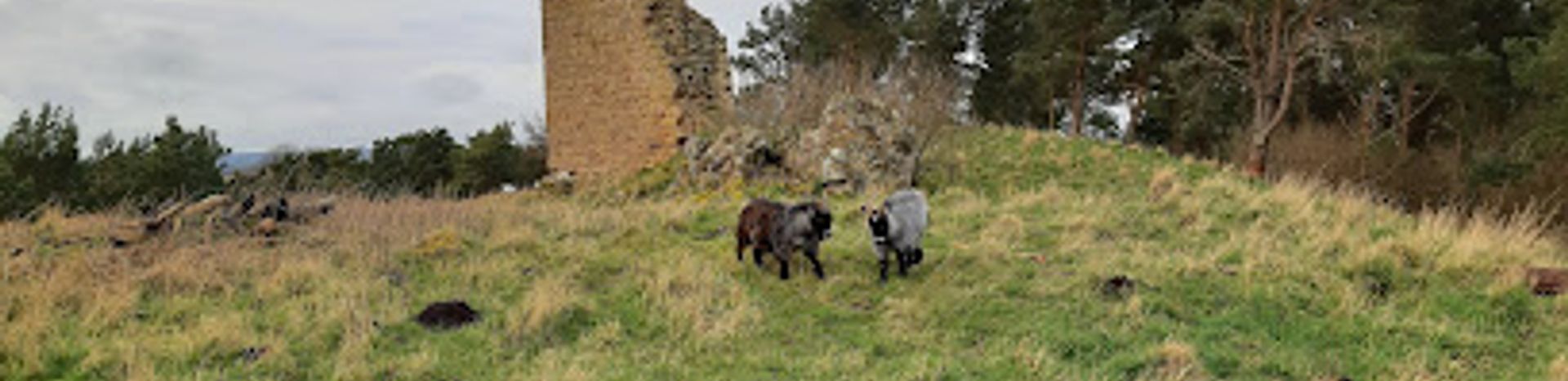
Duddo Five Stones: Ancient Stone Circle of Northumberland
Explore the ancient Duddo Five Stones, a mysterious Bronze Age stone circle set amidst Northumberland’s scenic border hills.
The Duddo Five Stones is a prehistoric stone circle located near Duddo, Northumberland, dating back around 4,000 years to the Early Bronze Age. Originally comprising seven stones, five remain standing today, offering panoramic views of the Cheviot and Lammermuir Hills. This enigmatic site, steeped in folklore and archaeological mystery, invites visitors to explore its weathered sandstone monoliths set atop a gentle hill in a tranquil rural landscape.
A brief summary to Duddo Five Stones
- Berwick-upon-Tweed, Duddo, GB
- +447775613733
- Visit website
- Duration: 0.5 to 2 hours
- Free
-
 Outdoor
- Mobile reception: 3 out of 5
- Monday 12 am-12 am
- Tuesday 12 am-12 am
- Wednesday 12 am-12 am
- Thursday 12 am-12 am
- Friday 12 am-12 am
- Saturday 12 am-12 am
- Sunday 12 am-12 am
Local tips
- Wear sturdy footwear as the path to the stones crosses uneven farmland and can be slippery in wet weather.
- Respect the private land by staying on the permissive path and closing gates behind you.
- Bring a seat or mat if you wish to rest and contemplate the stones in comfort.
- Visit during clear weather to enjoy panoramic views of the Cheviot and Lammermuir Hills.
- Allow time to walk around the circle and observe the deeply weathered sandstone monoliths up close.

For the on-the-go comforts that matter to you
- Seating Areas
- Information Boards
Getting There
-
Car
Driving from Berwick-upon-Tweed, the Duddo Five Stones are approximately a 20-minute journey via local roads. Parking is limited to roadside verges near the farm gate; visitors should park considerately and be prepared for a short walk over uneven terrain. No formal parking facilities are available.
-
Bus and Walking
Take a regional bus service to Duddo village from Berwick-upon-Tweed, which typically takes around 40–50 minutes depending on connections. From Duddo, the stones are about a 1.5-kilometer walk across farmland on a permissive path. The walk involves uneven ground and is not suitable for wheelchair users.
-
Walking
For those staying nearby, a direct walk from Duddo village to the stones takes approximately 20–25 minutes. The path is unpaved and crosses farmland, so sturdy footwear is recommended. Visitors should be mindful of private land and close all gates.
Duddo Five Stones location weather suitability
-
 Any Weather
-
 Clear Skies
-
 Rain / Wet Weather
-
 Windy Conditions
-
 Mild Temperatures
Discover more about Duddo Five Stones
Origins and Archaeological Significance
The Duddo Five Stones are a small stone circle erected during the Early Bronze Age, approximately 4,000 years ago. Archaeological excavations in the late 19th century uncovered evidence of cremation burials within the circle, suggesting a funerary or ritual purpose. Originally, the circle comprised seven stones, but only five remain standing today, with two stone sockets discovered during excavations. The stones are made of soft sandstone, now deeply fissured by millennia of weathering, which attests to their ancient origin.Folklore and Local Legends
Local traditions imbue the stones with mystical qualities and stories. One popular legend tells of five men who were turned to stone as divine punishment for working on the Sabbath, their trousers' folds said to be visible on the stones. Another tale links the stones to a 16th-century battle at Grindonmarsh, although this is historically unlikely given the stones' prehistoric age. These stories enrich the site's cultural tapestry, blending myth with the mystery of its true origins.Setting and Scenic Views
Situated on a low hill north of the village of Duddo, the stone circle commands sweeping views across the surrounding countryside. To the south lie the Cheviot Hills, while the Lammermuir Hills rise to the north, framing the site within a dramatic borderland landscape. The stones stand amid a green circle of grass, contrasting with the surrounding farmland, and the open skies enhance the sense of timelessness and connection to ancient peoples.Visitor Experience and Atmosphere
Visitors approach the stones via a permissive path across private farmland, with no formal right of way but generous landowner access. The terrain is uneven and can be challenging, especially after wet weather, requiring sturdy footwear. The site offers a contemplative atmosphere, often quiet and solitary, with the wind sweeping across the knoll and the stones standing like weathered sentinels. Many find the experience meditative, inviting reflection on prehistoric human activity and natural cycles.Astronomical Alignments and Theories
Like many stone circles, Duddo Five Stones may have had astronomical significance. Some researchers suggest alignments with the winter solstice, indicating the builders’ sophisticated understanding of celestial events. While definitive conclusions remain elusive, the circle’s layout and orientation continue to inspire study and speculation about its role in prehistoric ritual and timekeeping.Conservation and Access Considerations
The stones are protected as an ancient monument and are under the stewardship of English Heritage. Visitors are urged to respect the site by staying on the designated path and closing gates behind them. There are no visitor facilities on site, so preparation is essential. The surrounding farmland and natural environment contribute to the site’s preserved character, making it a valuable cultural and historical asset in Northumberland.Iconic landmarks you can’t miss

Broad Shiel
8.7 km
Historic fishing shelter on the River Tweed, offering serene views and a glimpse into Berwick-upon-Tweed’s rich border heritage.
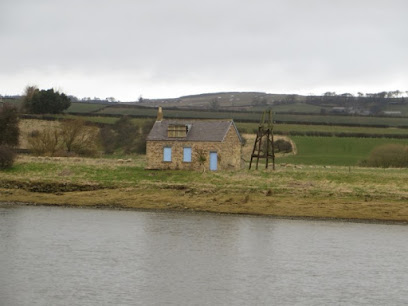
Marjoribanks Monument
9.3 km
A towering tribute to Charles Marjoribanks offering stunning views and rich history at Coldstream’s eastern gateway.
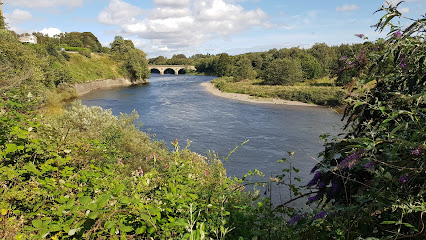
Berwick Town Walls
11.1 km
Explore Britain’s only complete Elizabethan town walls—historic bastions offering panoramic views over Berwick and the North Sea.
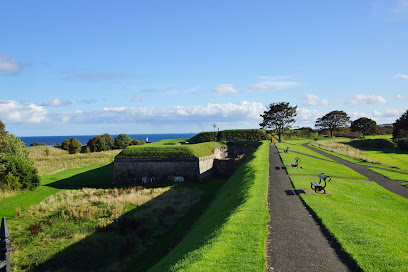
Berwick Bridge
11.1 km
A majestic 17th-century sandstone arch bridge spanning the River Tweed, linking history, heritage, and scenic vistas in Berwick-upon-Tweed.
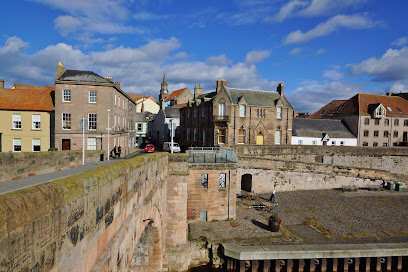
Coxon's Tower
11.2 km
Explore Coxon's Tower, a medieval sentinel transformed through centuries guarding Berwick-upon-Tweed’s iconic Elizabethan walls and river estuary.
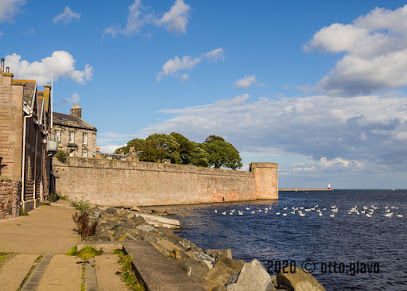
Royal Border Bridge
11.4 km
Victorian engineering triumph spanning the River Tweed—still carrying trains 175 years after Queen Victoria's opening.

Town Hall
11.4 km
A majestic 18th-century neoclassical landmark, Berwick Town Hall stands as the historic heart of Berwick-upon-Tweed’s civic life and heritage.

Royal Tweed Bridge
11.5 km
A 1920s reinforced concrete arch bridge spanning the River Tweed, blending engineering innovation with scenic river views in historic Berwick-upon-Tweed.
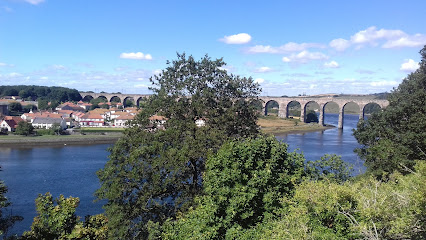
Cumberland Bastion
11.7 km
Explore Cumberland Bastion, a striking Elizabethan fortification embodying Berwick-upon-Tweed’s turbulent border history and military heritage.
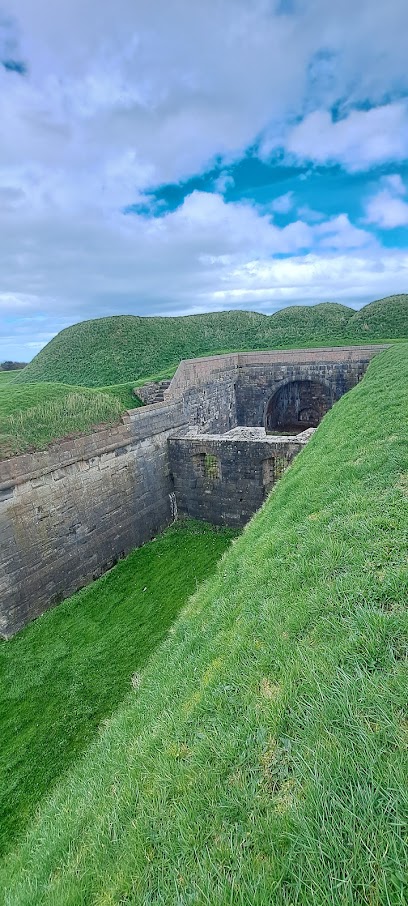
Berwick Lighthouse
11.8 km
Historic 19th-century lighthouse at Berwick Pier’s end, offering stunning coastal views and a glimpse into Berwick-upon-Tweed’s maritime heritage.
Lord's Mount
12.0 km
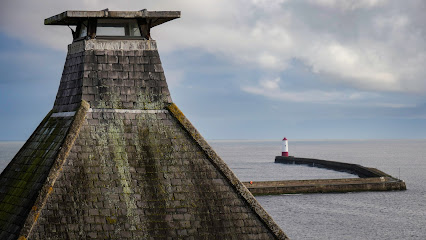
Explore Lord’s Mount, a towering Tudor artillery fortification guarding Berwick-upon-Tweed with panoramic views and rich border history.
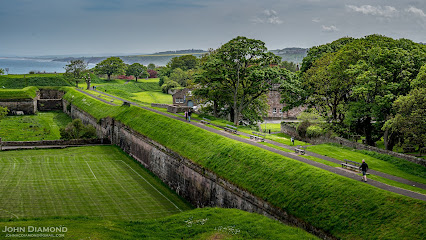
Lamberton Skerrs
15.8 km
Explore the rugged cliffs and historic smuggling ruins of Lamberton Skerrs, where maritime history meets breathtaking North Sea views.
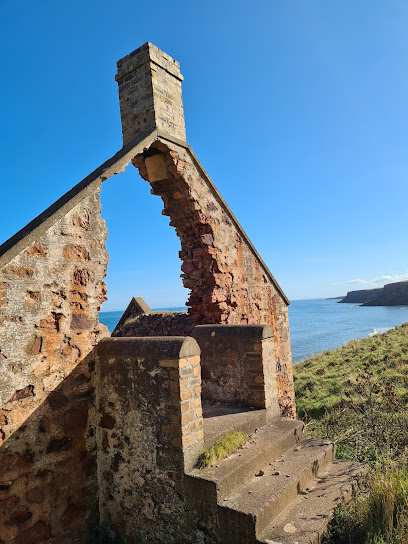
Berwickshire High School
18.1 km
Discover Berwickshire High School in Duns, a charming educational institution that reflects the rich culture of the Scottish Borders.

Raecleugh Head Prehistoric Fort
20.8 km
Explore the ancient earthworks and panoramic views of Raecleugh Head Prehistoric Fort, a remarkable hillfort in the heart of Berwickshire's historic landscape.
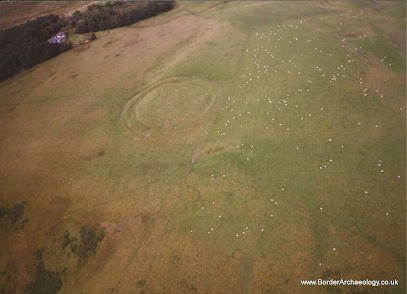
Visit Berwickshire Coast
20.9 km
Explore the Berwickshire Coast: A stunning blend of natural beauty, rich history, and charming coastal towns perfect for a memorable getaway.
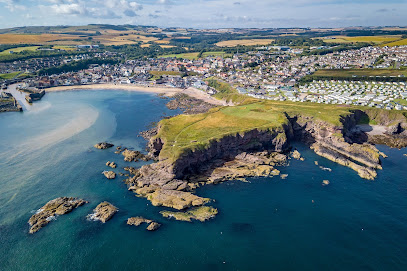
Unmissable attractions to see

Etal Castle
4.4 km
Explore Etal Castle, a captivating 14th-century border fortress steeped in history and scenic Northumberland charm.
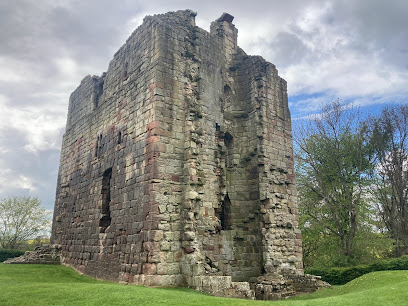
Norham Castle
4.6 km
Explore the dramatic ruins of Norham Castle, a historic 12th-century fortress guarding the River Tweed and inspiring centuries of border history.
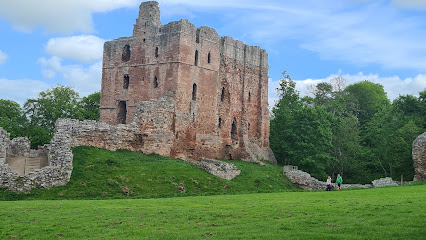
Twizel Castle
4.8 km
Explore Twizel Castle, a captivating medieval fortress transformed by Gothic revival, echoing centuries of border history in Northumberland.
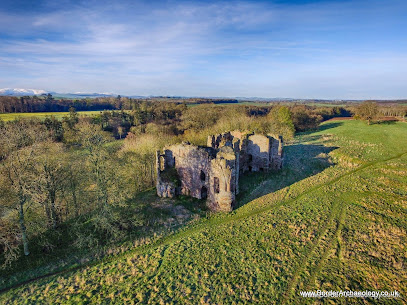
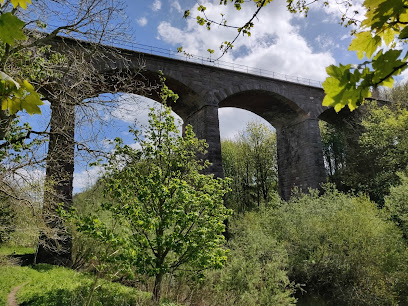
Twizel Viaduct
5.8 km
Historic 19th-century six-arch railway viaduct near Cornhill-on-Tweed, blending Victorian engineering with scenic Northumberland countryside.
Lady Waterford Hall
6.3 km
Discover the stunning Pre-Raphaelite murals and Victorian heritage of Lady Waterford Hall, a unique village school turned historic community hub.
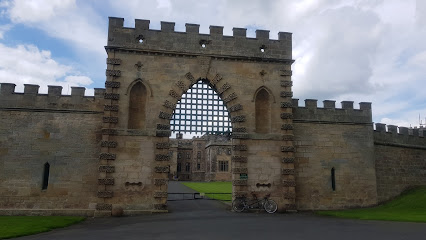
Ford & Etal Estates
6.3 km
Explore historic villages, scenic countryside, and warm hospitality at Ford & Etal Estates near Berwick-upon-Tweed.
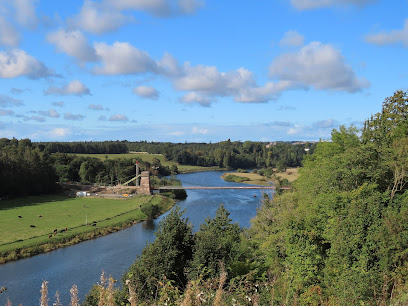
Union Bridge
7.3 km
Walk or cycle across the world’s oldest vehicular suspension bridge, a stunning 1820 engineering landmark linking England and Scotland over the River Tweed.
Lazy Day Cottages
7.6 km
Luxury log cabins with private hot tubs and sauna, nestled in peaceful Scottish Borders countryside near Berwick-upon-Tweed.

Paxton House
8.3 km
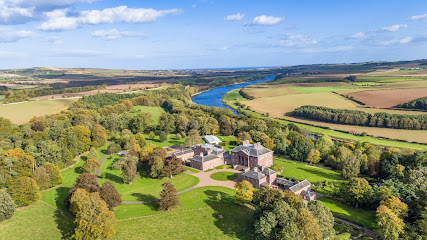
Discover the grandeur of Paxton House, a stunning 18th-century Palladian mansion with exquisite art, gardens, and riverside charm near Berwick-upon-Tweed.
Coldstream Museum
9.6 km
Discover the rich border history and legendary Coldstream Guards regiment in the heart of Coldstream at this accessible, free-entry museum with vibrant exhibitions.
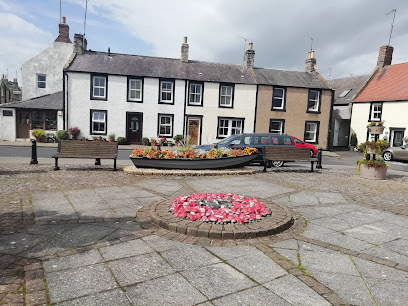
WALK THIS WAY ARMY SURPLUS, military antiques, collectibles & military museum
9.7 km
Discover authentic military antiques, collectibles, and a captivating museum in the heart of Coldstream’s historic army surplus shop.

The Ba' Green
9.9 km
Discover the Ba' Green, a unique Scottish meadow south of the Tweed, where tradition and border folklore shape a rare piece of Scotland.
The Hirsel Estate
10.2 km
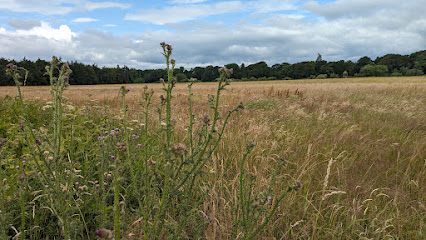
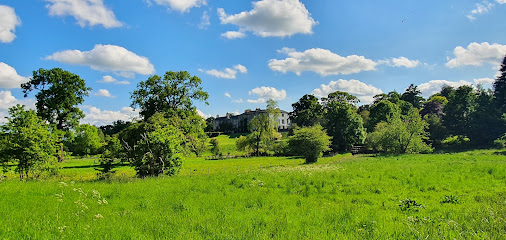
Historic Scottish Borders estate with grand Georgian house, scenic gardens, craft workshops, and year-round walks near Coldstream.
Berwick Boat Trips
11.2 km
Discover Berwick-upon-Tweed from the water on scenic boat trips blending wildlife, history, and stunning river and sea views.
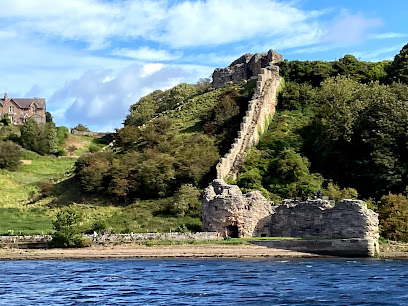
Berwick-upon-Tweed Castle and Ramparts
11.6 km
Walk the most complete Elizabethan ramparts in England, where medieval castle ruins meet panoramic views of Berwick and the River Tweed.
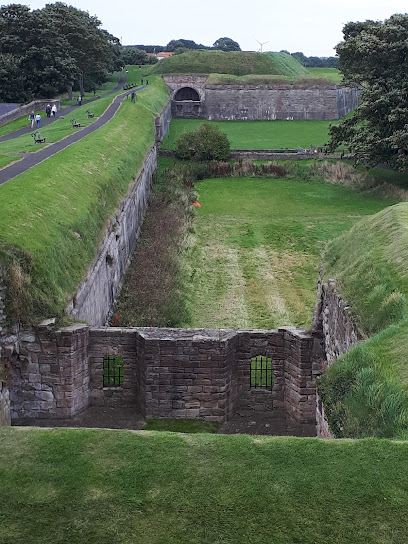
Essential places to dine

The Blue Bell Inn
5.8 km
A charming country inn blending rustic warmth with modern comfort, serving hearty meals in scenic Northumberland borders.
The Black Bull Inn
9.1 km
A charming country pub and inn in Lowick offering luxury rooms, hearty British fare, and a welcoming atmosphere amid Northumberland’s scenic beauty.
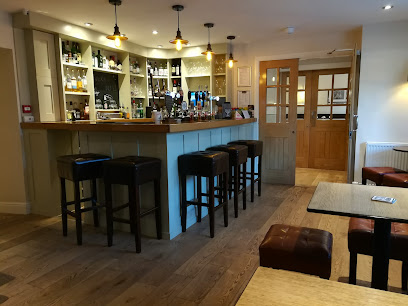
The Cross Inn Pub & kitchen
9.3 km
A charming countryside pub in Paxton offering traditional British fare, warm hospitality, and a cozy, welcoming atmosphere.
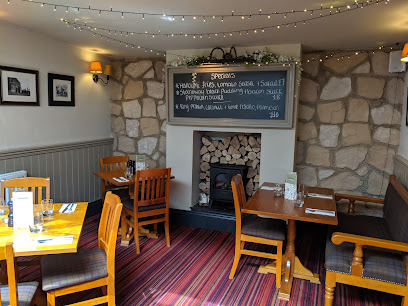
Ord House Lounge Bar & Grill
9.3 km
A welcoming family-friendly bar and grill in Berwick-upon-Tweed serving hearty homemade classics with fun for all ages.
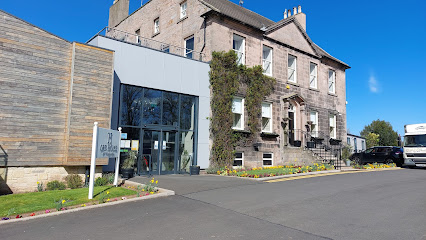
The Wheatsheaf Hotel and Restaurant
10.3 km
A charming blend of traditional Scottish hospitality, fine dining, and comfortable accommodation in the heart of the Borders.
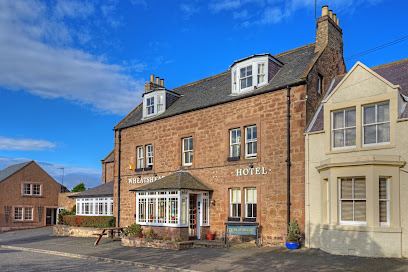
Audela
11.3 km
Experience refined modern British cuisine with fresh local ingredients in a charming historic setting on Berwick’s Bridge Street.
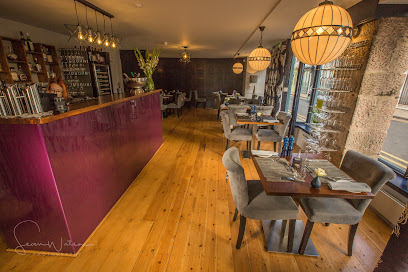
Limoncello
11.3 km
Experience fresh, authentic Italian cuisine in a welcoming setting at Berwick’s beloved Limoncello on historic Hide Hill.
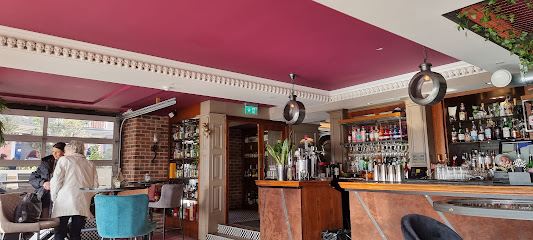
Foxtons Winebar & Restaurant
11.4 km
A cozy Berwick-upon-Tweed wine bar and restaurant offering local flavors, vegan and gluten-free options, and a welcoming atmosphere.
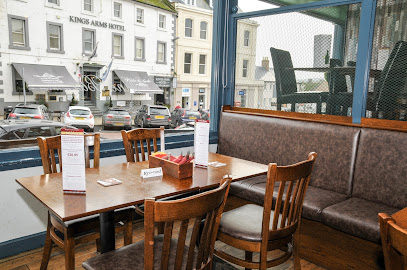
Ivy 43
11.4 km
Ivy 43 offers expertly crafted dishes and warm hospitality within the historic Kings Arms Hotel in the heart of Berwick-upon-Tweed.
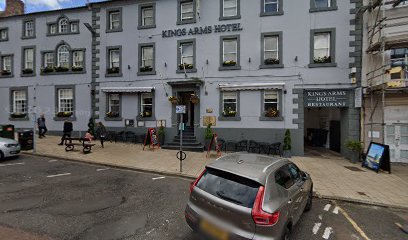
Amore Restaurant
11.4 km
Authentic Italian flavors and warm hospitality in the heart of Berwick-upon-Tweed, with charming indoor and garden terrace dining.
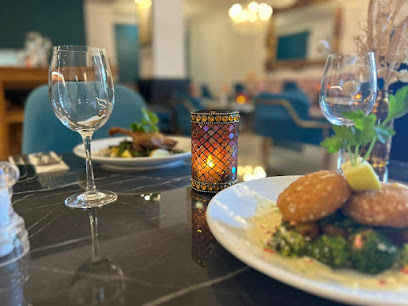
The Castle Hotel & Restaurant
11.6 km
Historic charm meets modern comfort just steps from Berwick’s railway station and town centre.
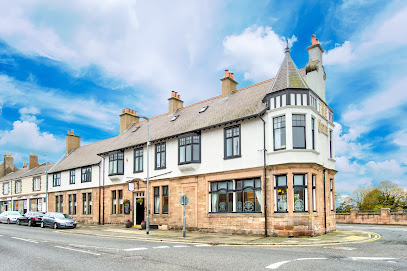
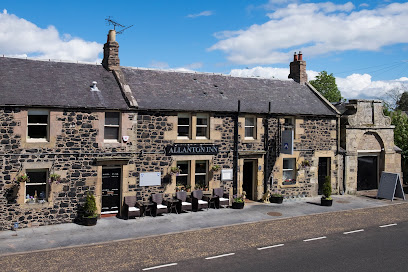
Allanton Inn
12.4 km
A charming countryside inn offering cozy rooms, exceptional local cuisine, and tranquil garden views in the heart of the Scottish Borders.
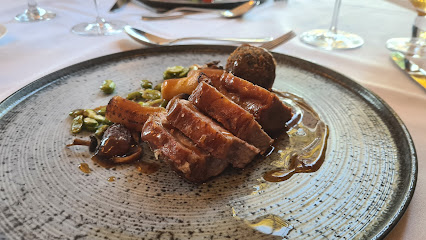
Restaurant 1782
13.8 km
Exquisite modern British dining in a historic manor with stunning sea views and seasonal local ingredients near Berwick-upon-Tweed.
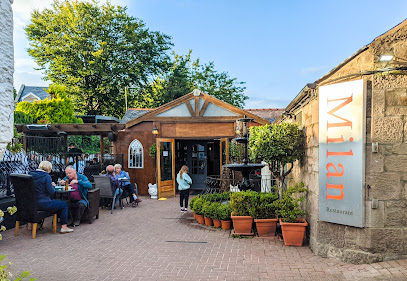
Milan Restaurant
16.7 km
Experience authentic Italian flavors and warm hospitality in the heart of Wooler at Milan Restaurant, where every meal is a celebration.
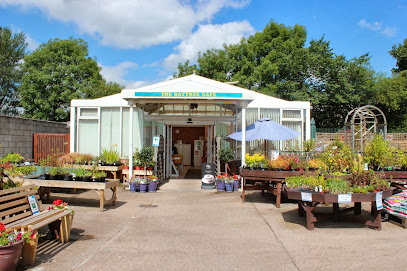
The Potting Shed Restaurant
17.2 km
A cosy, family-friendly restaurant in Duns offering fresh, hearty meals and warm hospitality within The Cheeklaw Centre.
Markets, malls and hidden boutiques

Granny's Keepsakes
11.4 km
Discover handcrafted gifts and heartfelt keepsakes in the charming, friendly boutique of Granny's Keepsakes in historic Berwick-upon-Tweed.

Bijoux
11.4 km
Discover unique gifts and local treasures at Bijoux, a charming gift shop in the heart of historic Berwick-upon-Tweed.
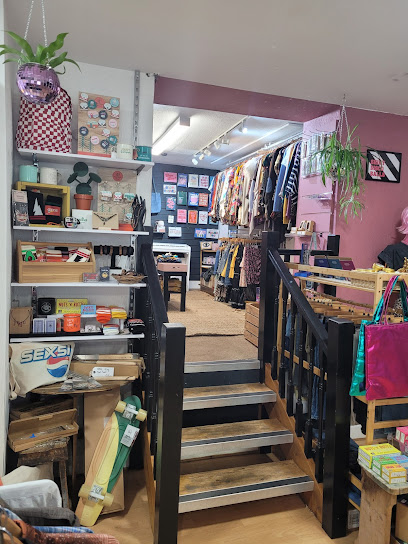
Loop Emporium
11.4 km
Discover unique vintage and upcycled fashion treasures in the heart of historic Berwick-upon-Tweed at Loop Emporium.
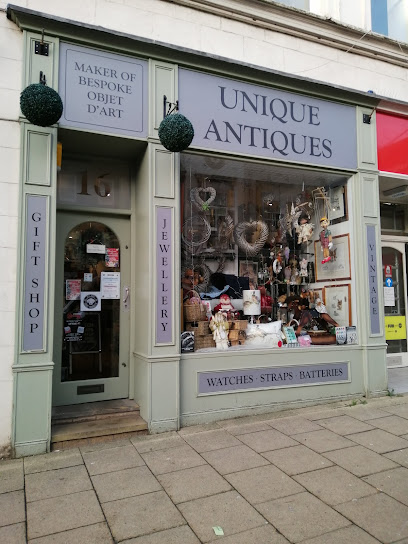
Unique Antiques
11.4 km
Discover quirky, unique antiques in the heart of historic Berwick-upon-Tweed at this charming Hide Hill shop.
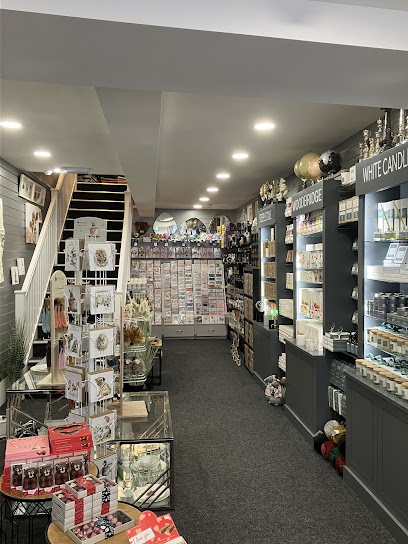
Artisans at Serendipity
11.5 km
Discover unique handmade gifts by local artists in the heart of historic Berwick-upon-Tweed.

Derrants
11.5 km
Discover unique local gifts and artisan treasures in the heart of historic Berwick-upon-Tweed at Derrants.
The Seagull's Nest
11.5 km
Discover Berwick-upon-Tweed’s charming seaside gift shop filled with unique nautical treasures and local crafts.

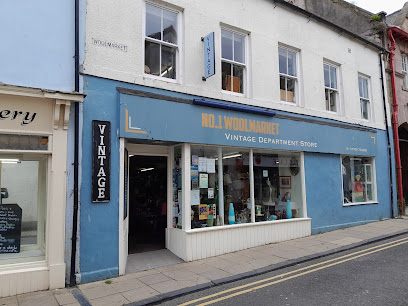
No.1 Woolmarket Vintage Department Store
11.5 km
Discover timeless vintage treasures and local heritage within Berwick-upon-Tweed’s historic Woolmarket district.
ScotlandShop
17.0 km
Discover authentic Scottish tartans and bespoke tailoring in Duns’ premier showroom, celebrating heritage with over 500 clan plaids.

Number 18 Shop
17.7 km
Explore Number 18 Shop in Duns for unique clothing, handcrafted candles, stylish handbags, and exquisite jewelry, perfect for souvenirs.

The National Trust Shop
19.6 km
Discover unique local crafts and heartfelt souvenirs at The National Trust Shop in historic Berwick-upon-Tweed.
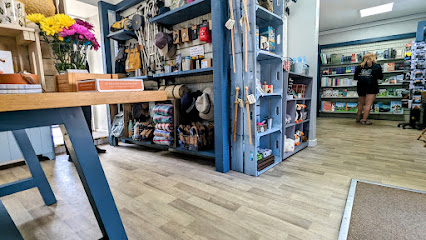
CJR Gifts & Designs
22.0 km
Handcrafted artisan treasures celebrating the creative spirit of the Scottish Borders.
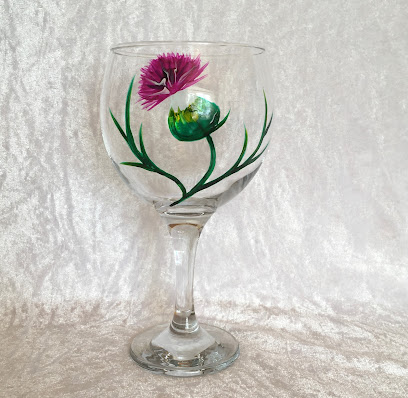
The Good Gift Company
22.2 km
Discover unique, thoughtful gifts in the welcoming heart of Kelso at The Good Gift Company, your boutique destination for special keepsakes.
Doreen Shepherd Designs
22.2 km
Discover bespoke elegance and timeless Scottish craftsmanship at Doreen Shepherd Designs in Kelso’s charming Scottish Borders.

The Kelso Pottery
22.3 km
Discover unique handmade ceramics inspired by the Scottish Borders’ landscape at The Kelso Pottery, a charming artisan shop in Kelso.
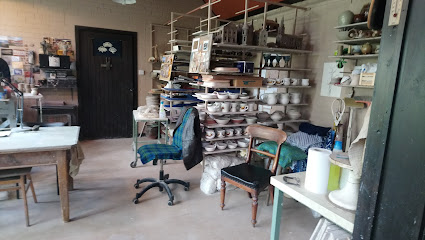
Essential bars & hidden hideouts

BEST PUBLIC BAR
9.7 km
A cozy, traditional pub in Coldstream offering authentic Scottish Border hospitality in a charming rural setting.
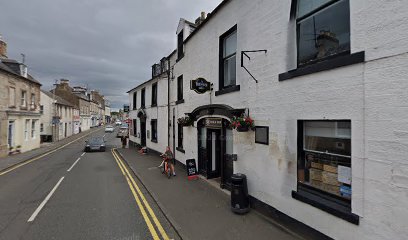
The Radio Rooms
10.5 km
A lively bar and event space in Berwick-upon-Tweed, celebrated for live music, vegan snacks, and a welcoming community vibe.

The Thatch
11.0 km
A friendly family-run pub in Tweedmouth offering great drinks, a games room, and a welcoming community atmosphere near Berwick’s old bridge.
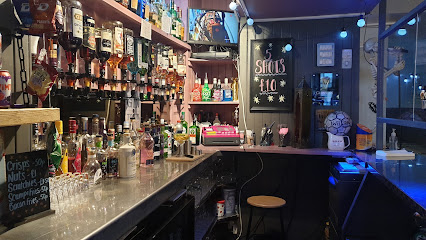
The Barrels
11.3 km
Traditional charm and award-winning ales meet lively music and local spirit in Berwick-upon-Tweed’s beloved Barrels Ale House.
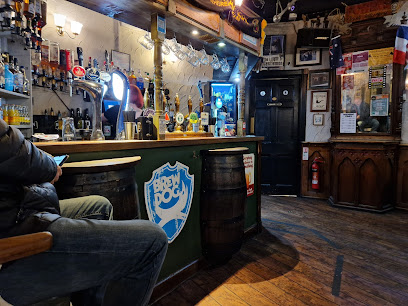
The Curfew Micropub
11.3 km
A cozy micropub in Berwick-upon-Tweed offering exceptional ales, warm hospitality, and a charming local atmosphere.
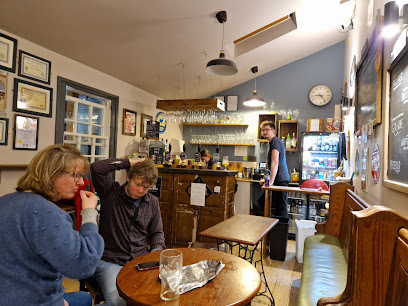
Leaping Salmon
11.4 km
A vibrant, friendly pub in Berwick-upon-Tweed offering hearty British fare, real ales, live sports, and scenic riverside views.
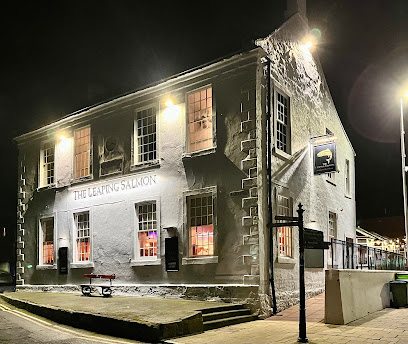
The Lindisfarne Inn
12.4 km
Historic charm meets coastal comfort at The Lindisfarne Inn, your welcoming base in Berwick-upon-Tweed’s scenic borderland.
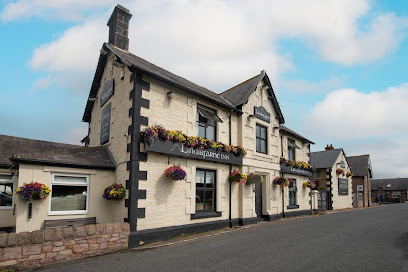
The First & Last Inn
17.3 km
Cozy coastal pub and B&B in Upper Burnmouth offering hearty meals, friendly service, and scenic Scottish Borders charm.
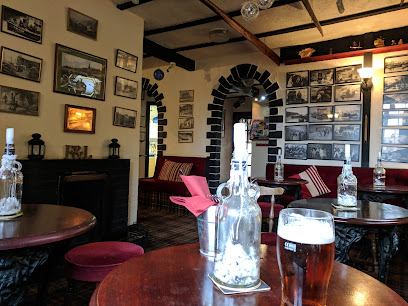
The Craw Inn
18.7 km
Charming country inn in Auchencrow offering hearty food, cozy rooms, real ales, and warm Scottish Borders hospitality.
The Contented Sole
20.7 km
A friendly harbour-side pub offering fresh seafood and traditional Scottish fare in the heart of Eyemouth’s fishing community.
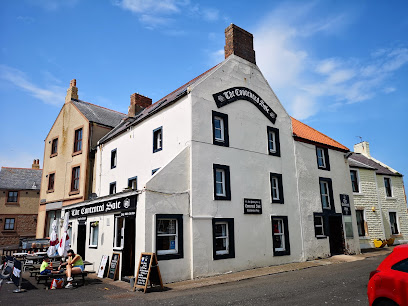
The Vibe
22.5 km
A vibrant late-night bar in Kelso’s heart, The Vibe offers a lively spot for drinks and socializing until the early hours.
Schooner Inn
31.2 km
A charming nautical-themed pub in Seahouses offering cozy ambiance, local ales, and a welcoming stop in this vibrant fishing village.
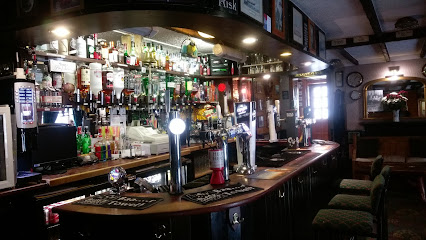
The Joiners Arms
35.5 km
A stylish 5-star boutique inn and gastropub by Northumberland’s stunning coast, blending local flavors, cozy charm, and seaside serenity.
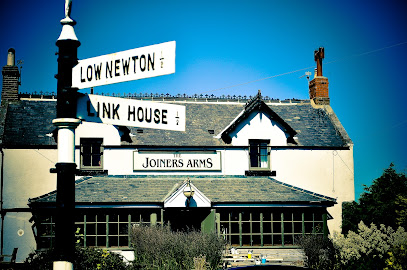
Ancrum Cross Keys
35.7 km
A charming Scottish Borders pub offering warm hospitality, exceptional locally sourced food, and scenic riverside views in Ancrum village.
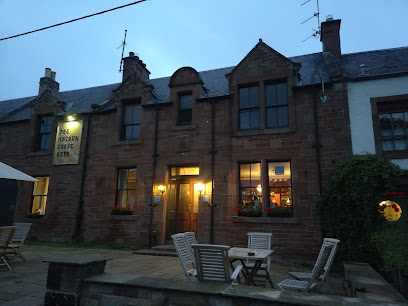
The Belter's Bar
36.4 km
Savor hearty meals and legendary burgers in Jedburgh’s lively and welcoming Belter's Bar.
Nightclubs & after hour spots

BedRocks
11.4 km
Discover the vibrant nightlife of Berwick-upon-Tweed at BedRocks, a lively nightclub and bar known for its energetic atmosphere and affordable drinks.
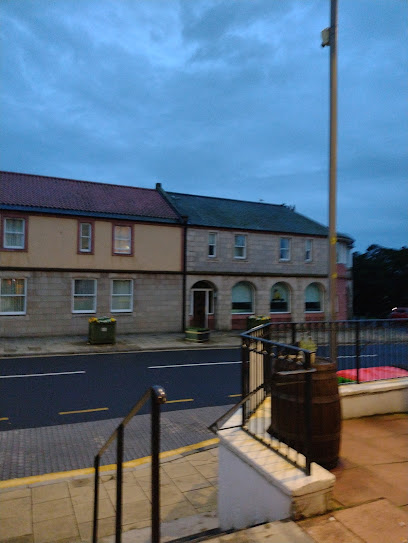
GREEN HOUSE | Berwick Upon Tweed
11.4 km
Berwick-upon-Tweed’s vibrant late-night hotspot offering lively music and dancing in the heart of the historic town.

Nothing
37.1 km
Experience immersive alternative rock concerts by Nothing in the intimate, historic setting of London’s Moth Club.
Morven
39.8 km
Discover the electrifying nightlife at Morven Nightclub in Oxnam, near Melrose, where great music, vibrant atmosphere, and unforgettable memories await.
Warehouse Nightclub
44.3 km
Experience the vibrant nightlife and dynamic music scene at Warehouse Nightclub, Galashiels’ lively hub after dark.

The Indigo Rooms
44.3 km
Experience Galashiels' vibrant nightlife at The Indigo Rooms, a welcoming nightclub and bar with themed events and a lively atmosphere.

The Border Club
51.2 km
Experience the vibrant local culture at The Border Club, a friendly social hub in Hawick, Scotland, perfect for travelers seeking community spirit.

Base Nightclub
51.5 km
Experience Hawick’s energetic nightlife at Base Nightclub, where vibrant music and lively crowds create unforgettable Friday nights.
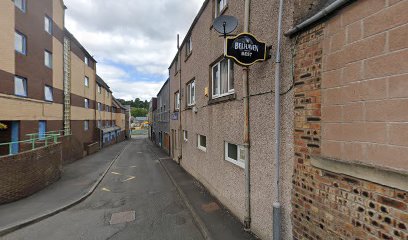
Square One
51.9 km
Vibrant Hawick nightclub with dynamic music floors and a welcoming atmosphere at the heart of Drumlanrig Square.

The Brick Club, Red Row Working Mens Club
55.0 km
A welcoming traditional working men's club in Morpeth offering authentic local atmosphere, classic ales, and a strong community spirit.
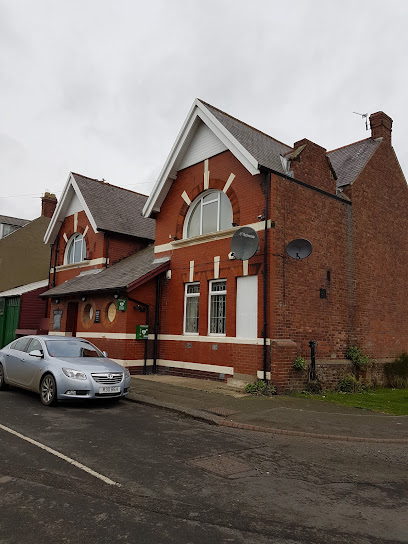
Borders Blues club
60.0 km
Immerse yourself in the vibrant atmosphere of Borders Blues Club, where the best of British blues music comes alive in Innerleithen.

The Vale Of Leithen Social Club
60.0 km
A friendly members' club in Innerleithen offering live music, affordable drinks, and a warm community atmosphere.
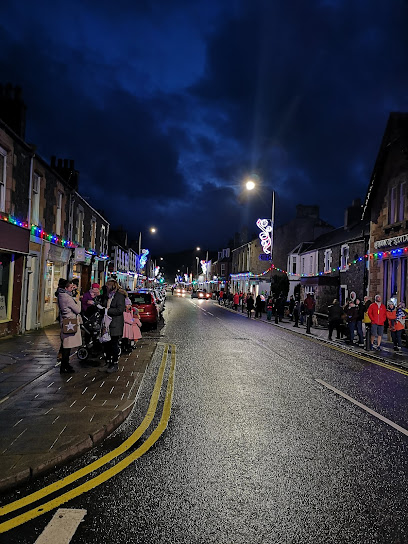
Union Club
60.4 km
A friendly, community-run social club with snooker and events, offering a welcoming and affordable night out in Innerleithen.
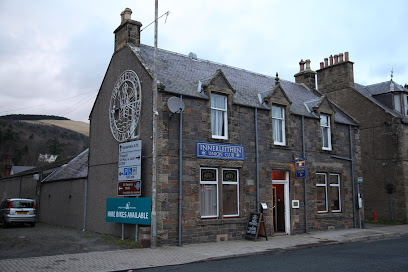
White House Unique Social Club
65.1 km
Discover the lively atmosphere and local culture at the White House Unique Social Club in Ashington, a must-visit bar for an unforgettable night out.

Knightrider Discos
65.1 km
Experience Morpeth’s vibrant nightlife at Knightrider Discos, where dynamic beats and lively crowds create unforgettable nights.

For the vibe & atmosphere seeker
- Tranquil
- Scenic
- Unique
- Casual
For the design and aesthetic lover
- Rustic Designs
For the architecture buff
- Historic
- Landmarks
For the view chaser and sunset hunter
- Iconic Views
- Panoramas
- Sunrise Spots
- Sunset Spots
For the social media creator & influencer
- Instagrammable
- Photo Spots
- Selfie Spots
For the eco-conscious traveler
- Protected Area
- Public-Transport Accessible
- Leave-No-Trace Critical
- Locally Managed
For the kind of experience you’re after
- Cultural Heritage
- Myth & Legends
- Nature Escape
- Day Trip
- Photowalk
For how adventurous you want the journey to be
- Easy Access
Location Audience
- Family Friendly
- Senior Friendly
- Child Friendly
- Teen Friendly
- Solo Friendly
- Couple Friendly
- Vegetarian Friendly
- Vegan Friendly
- Pet Friendly


