Paxton House, Down Travel Guide
Discover the grandeur of Paxton House, a stunning 18th-century Palladian mansion with exquisite art, gardens, and riverside charm near Berwick-upon-Tweed.
Paxton House, near Berwick-upon-Tweed, is one of Britain’s finest 18th-century Palladian country houses. Designed by John and James Adam from 1758, it features exquisite Adam interiors, an extensive collection of Chippendale and Trotter furniture, and Scotland’s largest purpose-built picture gallery. Set within 80 acres of gardens, woodland, and riverside walks, it offers historic architecture, fine art, and family-friendly outdoor activities including boat trips on the River Tweed.
A brief summary to Paxton House
- Paxton, Berwick-upon-Tweed, TD15 1SZ, GB
- Click to display
- Click to display
- Duration: 2 to 4 hours
- Mid ranged
-
 Outdoor
- Mobile reception: 4 out of 5

Know before you go
Hi, I'm Eve. Here are a few practical things to know before exploring Paxton House.
- Book a guided tour to fully appreciate the architectural details and art collections inside Paxton House.
- Visit during summer months to enjoy boat trips on the River Tweed departing from the estate.
- Explore the extensive gardens and woodland trails, perfect for picnics and nature walks.
- Check accessibility options in advance if using a wheelchair, as some areas have size restrictions on lifts.
- Stop by the tearoom and gift shop for local treats and unique souvenirs.
Do you manage this location?
Take control to get all the benefits, like improved information, better appearance, and stronger visibility across AI-powered discovery. Learn more about listing your business on Evendo
Activate your presenceOther nearby places you may find interesting
The closest places of the same kind, if this one is not quite what you had in mind.

Explore Paxton House on the Map
A handpicked selection of must-see spots near Paxton House, mapped for you.
Getting There
-
Car
Paxton House is accessible by car via the B6461, signposted from the A1 Berwick-upon-Tweed bypass. Parking is available on-site. Travel time from Berwick-upon-Tweed is approximately 10–15 minutes. Note that minor roads lead to the estate, and some rural sections may be narrow.
-
Bus
Bus service number 32 runs from Berwick-upon-Tweed daily except Sundays (April to October), connecting Golden Square and the Railway Station to Paxton House. The journey takes about 20–30 minutes. Service frequency is limited outside peak tourist season.
-
Train and Bus
Travel by train to Berwick-upon-Tweed on the East Coast Main Line, then transfer to bus number 32 for a 20–30 minute ride to Paxton House. This option suits visitors relying on public transport and offers scenic views en route.
For the on-the-go comforts that matter to you
-
 Restrooms
-
 Drink Options
-
 Food Options
-
 Seating Areas
-
 Picnic Areas
-
 Trash Bins
-
 Information Boards
-
 Visitor Center
Discover more about Paxton House
Architectural Elegance Rooted in the Scottish Enlightenment
Paxton House was commissioned in 1758 by Patrick Home of Billie, inspired by the neoclassical Palladian style popularized by the Adam brothers—John and James—who designed the house. Their work drew heavily on Italian architect Andrea Palladio’s principles, themselves rooted in ancient Greek and Roman architecture. The house’s warm pink sandstone façade, grand entrance portico with full columns, and symmetrical wings for kitchens and stables exemplify this elegant style. The interiors showcase refined Adam-era design, featuring spacious, light-filled rooms with intricate plasterwork and classical motifs.Regency Grandeur and Artistic Legacy
In 1811, architect Robert Reid added the largest purpose-built picture gallery in a Scottish country house, commissioned by George Home to display the family’s growing art collection. The Picture Gallery’s neoclassical design contrasts with the Adam interiors and today houses over 70 paintings on loan from the National Galleries of Scotland, including works by Sir Henry Raeburn, William McTaggart, and the Scottish Colourists. The house also holds an exceptional collection of Chippendale and William Trotter furniture, celebrated for its craftsmanship and historical significance.Historical Ties and Caribbean Connections
The Home family’s history is intertwined with wider British imperial narratives. Ninian Home, a prominent owner, was a sugar planter and governor in Grenada, with estates worked by enslaved people. Though he expressed some humanitarian views influenced by the Scottish Enlightenment, his wealth was tied to this system. The house remained in the Home family for generations until John Home Robertson gifted it to the nation in 1988, ensuring its preservation and public access.Gardens, Grounds, and Riverside Attractions
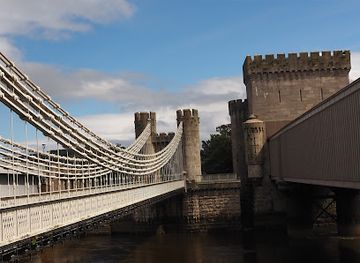
Paxton House is set within 80 acres of accessible gardens, woodland, and parkland along the River Tweed. The grounds include terraced lawns, colourful flower borders, and woodland walks that reveal views of the historic Union Chain Bridge. Visitors can enjoy picnic areas, an adventure playground, and a recently restored Victorian boathouse with a salmon fishing museum. Seasonal boat trips on the Tweed offer a unique perspective of the estate and its natural beauty.Visitor Experience and Accessibility
The house offers guided tours highlighting its architecture, art, and history, with special activity sessions for children and tailored school visits. Facilities include a tearoom, gift shop, and wheelchair access to many areas, including a lift to the first floor and accessible routes in the grounds. The estate balances heritage preservation with family-friendly amenities, making it a versatile destination for cultural and outdoor exploration.Preserving a National Treasure
Today, Paxton House is managed by an independent trust dedicated to conserving its architectural and artistic heritage. The house remains remarkably unchanged since its Georgian heyday, offering visitors an authentic glimpse into 18th- and 19th-century aristocratic life. Its combination of historic interiors, fine art, and scenic riverside setting makes it a unique cultural landmark in the Scottish Borders region.












Your all‑in‑one travel companion app
Explore expert travel guides, compare and book tours, experiences, hotels, and more—all from the palm of your hand. Download now for seamless trip planning wherever your wanderlust takes you.


Explore More of Down
Looking beyond Paxton House? Discover Down for broader travel guides, local hot-spots, and regional highlights.
Explore Down