
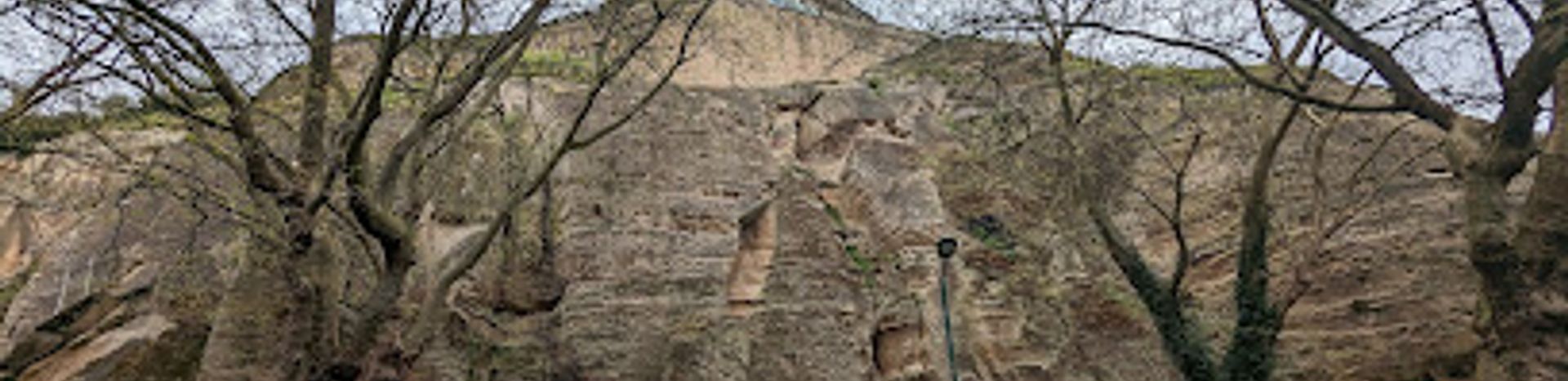
Cliff of Nottingham Castle
A dramatic sandstone cliff crowned by castle ruins, offering panoramic city views and a journey into Nottingham’s medieval and rebellious past.
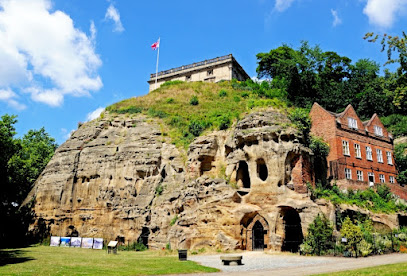
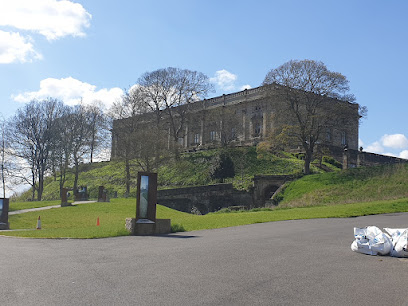
Perched dramatically on a sandstone outcrop in the heart of Nottingham, the cliff beneath Nottingham Castle offers sweeping views over the city and a tangible sense of its medieval past. This rocky promontory once formed the natural defences of a Norman fortress and later a Stuart palace, and today it anchors a revitalised cultural site. Visitors can walk along the upper terraces, trace the ghostly outlines of royal apartments, and descend into a network of historic caves carved into the rock. With its blend of dramatic geology, layered history, and panoramic city vistas, the cliff is both a scenic viewpoint and a living archaeological site.
A brief summary to Cliff of Nottingham Castle
- Peveril Dr, 1GG, GB
- Duration: 1.5 to 4 hours
- Mid ranged
-
 Outdoor
- Mobile reception: 4 out of 5
Local tips
- Wear sturdy, comfortable shoes, especially if you plan to join the underground cave tour, which involves many steps and uneven surfaces.
- Visit early in the day or on a weekday to avoid the busiest crowds and enjoy the views and exhibits with more space.
- Don’t miss the marked outline of Edward IV’s royal apartments on the upper terrace – it’s a subtle but powerful way to visualise the medieval palace.
- Check the castle’s website for special events and historical re-enactments, which bring the site’s stories vividly to life.
- Combine your visit with nearby attractions such as the Museum of Nottingham Life and the historic Ye Olde Trip to Jerusalem pub for a full day in the city centre.

For the on-the-go comforts that matter to you
- Restrooms
- Drink Options
- Drinking Water
- Food Options
- Seating Areas
- Sheltered Areas
- Trash Bins
- Information Boards
- Visitor Center
Getting There
-
Public Transport
Take the Nottingham Express Transit tram to the Old Market Square stop, then walk about 10 minutes uphill through the city centre to the castle grounds. Trams run frequently and connect with major bus routes and the train station.
-
Bus
Catch a city bus to the Central College stop near the castle; several routes serve this stop, with a short, slightly uphill walk to the entrance. Service frequency varies by route and time of day.
-
Walking
From Nottingham city centre, follow signs to Nottingham Castle; the walk takes about 10–15 minutes and involves a steady climb up Castle Gate and through the historic core of the city.
-
Car
Drive to a city centre car park such as the Castle Marina or the Victoria Centre car park, then walk about 10 minutes to the castle; there is no on-site parking, and the surrounding streets are busy and often restricted.
Cliff of Nottingham Castle location weather suitability
-
 Any Weather
-
 Clear Skies
-
 Mild Temperatures
Discover more about Cliff of Nottingham Castle
A Natural Fortress in the City
Beneath Nottingham Castle’s modern museum and galleries lies a striking geological feature: a steep sandstone cliff that has shaped the city’s history for over a thousand years. This outcrop, known locally as Castle Rock, rises sharply from the surrounding urban landscape, forming a natural stronghold that made it an ideal site for a royal fortress. The cliff’s height and rugged face once provided formidable natural defences, augmented by walls, towers and ditches, turning the site into one of England’s key strategic strongholds. Today, walking along the upper terraces, you can feel the change in ground level and appreciate how this rocky spine dictated the layout of the medieval castle and its baileys.Layers of History in the Rock
The cliff is more than just scenery; it is a palimpsest of Nottingham’s past. On the upper terrace, the imprint of Edward IV’s royal apartments is marked out on the grass, giving a vivid sense of the scale and position of the medieval palace. Nearby, the remains of the outer gatehouse and sections of the castle’s foundations are visible, hinting at the complex of courtyards and buildings that once covered the site. The rock itself has been quarried and tunnelled for centuries, creating a network of caves and cellars that served as dungeons, storage, and even secret escape routes. Mortimer’s Hole, a famous tunnel used in a dramatic royal abduction, is one of the most evocative features hidden within this sandstone mass.Views and Vistas Over Nottingham
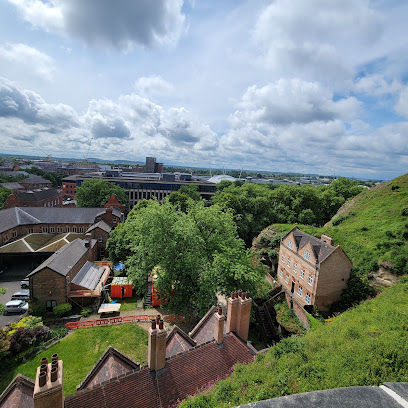
One of the cliff’s greatest rewards is the panorama it offers. From the upper terraces and castle ruins, the city of Nottingham unfolds in a patchwork of red-brick rooftops, modern buildings, and green spaces. On clear days, the view stretches across the River Trent and into the surrounding countryside, giving a real sense of the castle’s commanding position. The elevated position also makes this a popular spot for photography, especially at sunrise or sunset when the sandstone glows warmly and the city lights begin to twinkle. Paths and viewing points are well maintained, allowing visitors to move safely around the site while taking in the changing cityscape.Exploring the Underground World
The cliff’s interior is just as fascinating as its exterior. Guided tours lead visitors down into the caves carved into Castle Rock, where centuries of history echo in the cool, dimly lit passages. These underground spaces once held wine cellars, prison cells and storage vaults, and they played a role in key moments such as the English Civil War and the 19th-century riots. The Mortimer’s Hole tour, in particular, brings to life stories of royal intrigue, rebellion and escape, with guides recounting how King Edward III used the tunnel to seize his father’s hated favourite. The tours involve many steps and uneven surfaces, but they offer a rare, immersive journey into Nottingham’s subterranean past.A Modern Cultural Anchor
Today, the cliff and its castle sit at the heart of a major cultural regeneration project. The £31 million redevelopment has transformed the site into a vibrant museum and heritage destination, blending historical interpretation with contemporary art and interactive exhibitions. The cliff’s terraces and gardens are open to the public, serving as both a peaceful green space and an outdoor history lesson. Events, re-enactments and seasonal activities regularly take place here, drawing locals and visitors alike. Whether you’re drawn by the legend of Robin Hood, the story of rebellion, or simply the beauty of the city views, the cliff of Nottingham Castle remains a powerful and evocative place where geology, history and urban life converge.Iconic landmarks you can’t miss

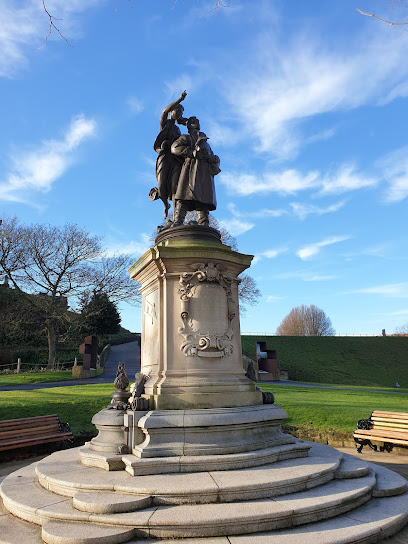
Statue of Captain Albert Ball
0.2 km
A striking bronze tribute in Nottingham Castle Gardens honoring WWI flying ace Captain Albert Ball’s valor and legacy.
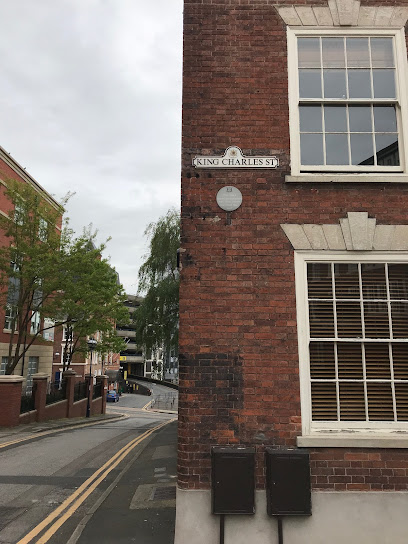
King Charles I Standard Hill Monument
0.2 km
Historic site where King Charles I raised his standard in 1642, igniting the English Civil War and shaping Nottingham’s rich heritage.
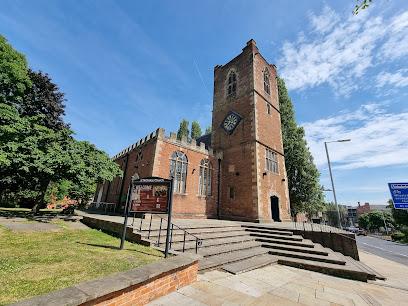
St Nic's Church
0.4 km
Medieval survivor rebuilt from Civil War ashes, standing as Nottingham's testament to faith and resilience.
Cathedral Hall
0.6 km
Pugin's masterpiece: England's grandest post-Reformation Catholic cathedral, where Gothic Revival vision endures.
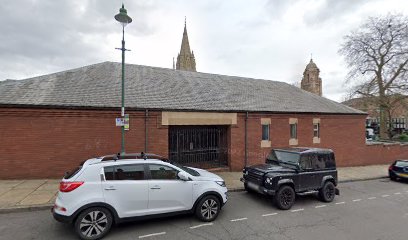
St Peter's Church, Nottingham
0.6 km
A medieval sanctuary and historic gem in Nottingham’s city centre, blending centuries of architecture and community spirit.
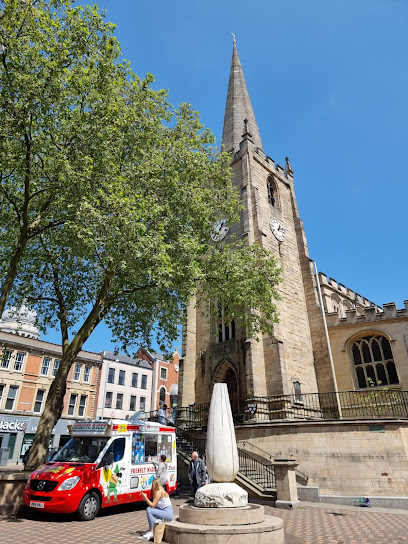
St Barnabas Cathedral Nottingham
0.6 km
A Gothic Revival masterpiece in the heart of Nottingham, home to centuries of Catholic worship and Pugin’s architectural vision.
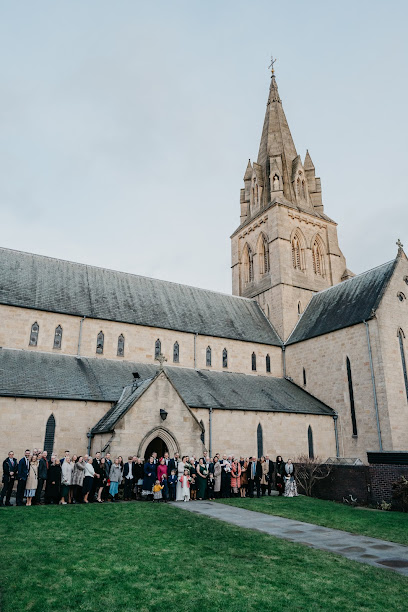
Right Lion
0.7 km
Discover Nottingham’s iconic Right Lion, a historic stone sculpture and beloved meeting point near the Council House in Old Market Square.
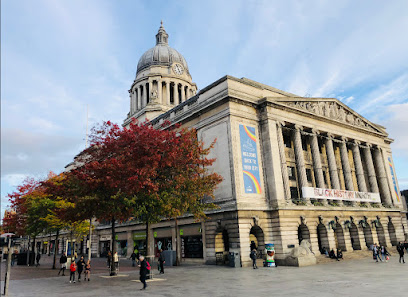
Scale Space Nottingham
0.7 km
Experience collaboration and innovation at Scale Space Nottingham, the premier co-working space in the heart of the city, perfect for entrepreneurs and remote workers.

The Left Lion
0.7 km
Meet Nottingham’s iconic Left Lion, a historic stone sentinel and beloved city landmark at the heart of Old Market Square.
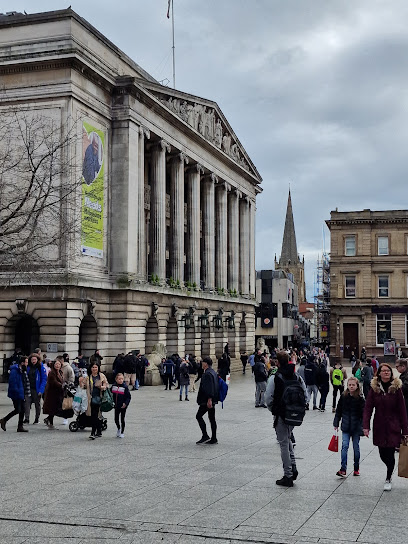
The Tokenhouse
0.7 km
Explore The Tokenhouse in Nottingham for unique gifts and heartfelt treasures that capture the essence of the city.
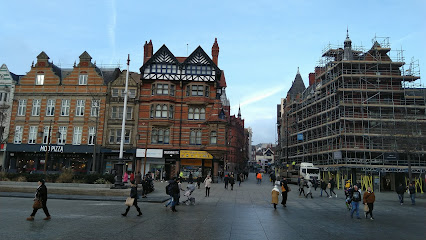
Speakers' Corner
0.7 km
Nottingham’s vibrant Speakers' Corner offers a historic platform for free speech, lively debates, and community connection in the heart of the city.
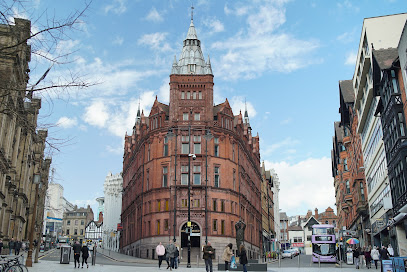
Weekday Cross Monument
0.7 km
Historic heart of Nottingham’s medieval market life, commemorating centuries of trade and community gatherings in the Lace Market district.
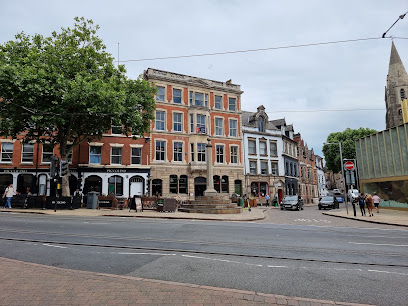
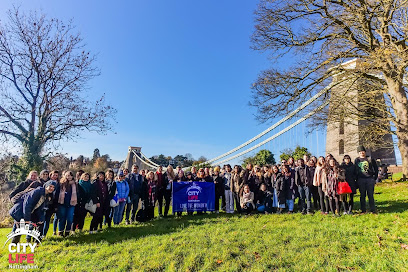
Citylife UK
0.7 km
Explore Nottingham with Citylife UK, your trusted travel agency for personalized experiences and local insights.
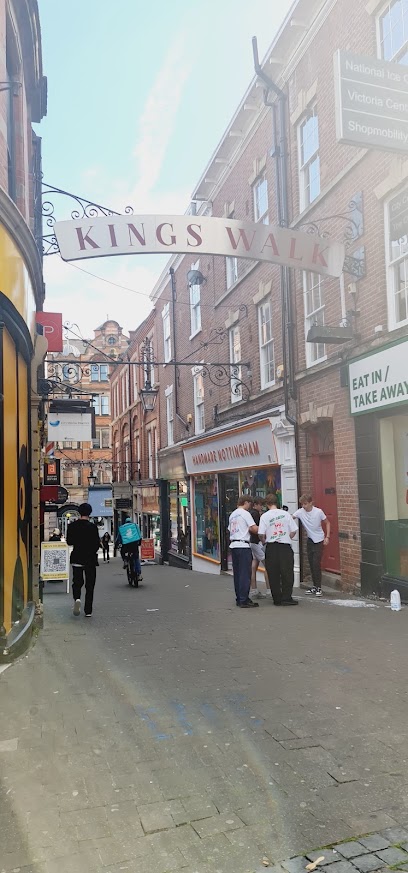
King's Walk sign
0.8 km
A pedestrianised passage where Georgian elegance meets contemporary commerce in Nottingham's historic heart.
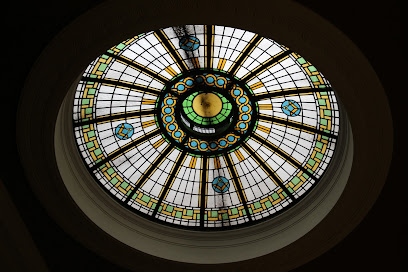
The Belgrave Rooms
0.9 km
Discover The Belgrave Rooms, Nottingham's premier venue for conferences and weddings, blending elegance and modern amenities for unforgettable events.
Unmissable attractions to see

Nottingham Castle
0.1 km
Explore Nottingham Castle’s rich history, underground caves, and vibrant museums atop a scenic hill overlooking Nottingham’s cityscape.
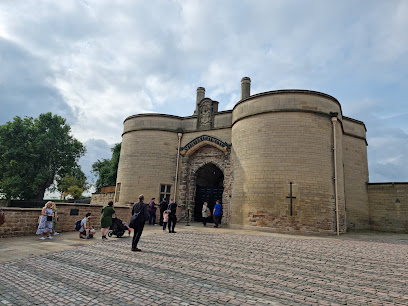
Mortimer’s hole
0.2 km
Explore Mortimer’s Hole, a secret medieval tunnel beneath Nottingham Castle steeped in history and mystery.
Museum of Nottingham Life
0.2 km
Explore 300 years of Nottingham’s social history beneath historic 17th-century cottages and intriguing sandstone caves.
The Original Nottingham Ghost Walk
0.2 km
Step into Nottingham’s haunted past with The Original Nottingham Ghost Walk, starting at the legendary Ye Olde Trip to Jerusalem pub.
Nottingham Castle Visitors Centre
0.2 km
Gateway to Nottingham Castle’s rich history, interactive galleries, cave tours, and family-friendly adventures in the heart of the city.
Ye Olde Trip To Jerusalem
0.2 km
Tucked beneath Nottingham Castle, this legendary pub claims to be England’s oldest inn, with cave-like rooms, centuries of history, and a famously cursed galleon.
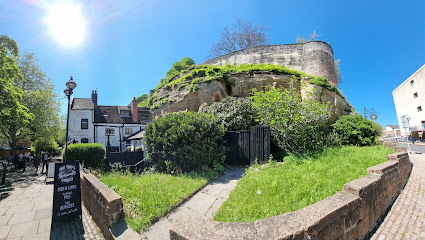
Robin Hood Statue
0.2 km
Iconic bronze statue of Robin Hood beside Nottingham Castle, celebrating the legendary outlaw and Nottingham’s rich folklore heritage.
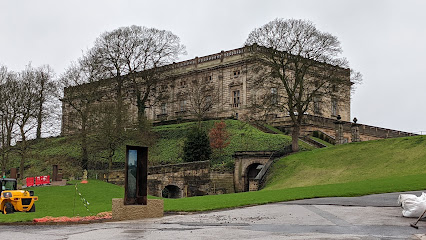
Nottingham Playhouse
0.5 km
Bold, thrilling theatre in a modernist landmark—where regional excellence meets West End ambition.
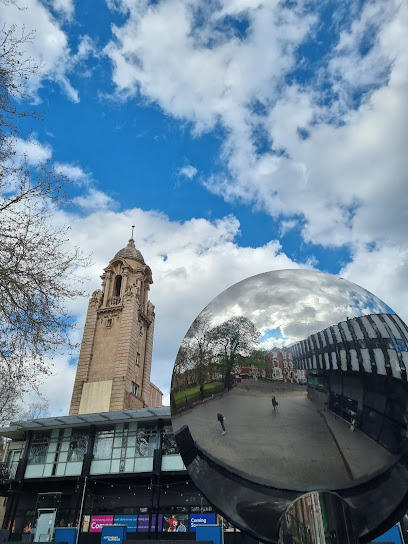
White Rose Nottingham Outlet
0.5 km
Leeds’ vibrant shopping and entertainment hub with over 120 stores, an IMAX cinema, and family-friendly outdoor play area.
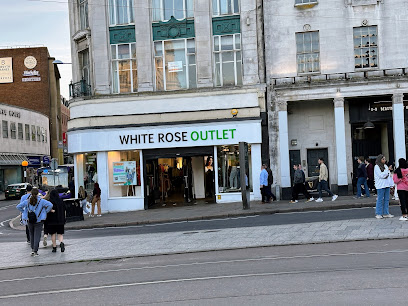
Public Art - Sky Mirror
0.5 km
Experience Nottingham’s iconic Sky Mirror, a captivating stainless steel sculpture reflecting the sky and cityscape in ever-changing optical illusions.
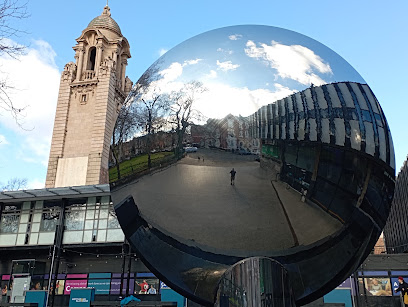
Bell Inn
0.6 km
Step into Nottingham’s oldest pub where 15th-century beams, historic caves, and traditional ales create an unforgettable medieval atmosphere in the city’s heart.
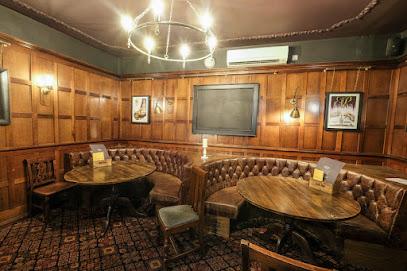
Old Mkt Sq
0.6 km
Nottingham’s historic Old Market Square: a vibrant civic heart blending medieval roots with modern urban life and lively events.
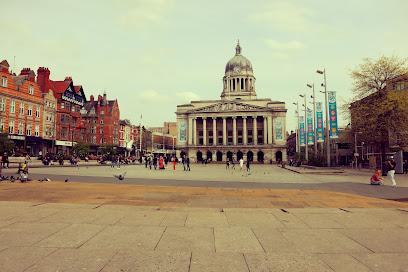
Cryptology Escape Rooms Nottingham
0.6 km
Immersive escape rooms with innovative puzzles and theatrical game masters in Nottingham's city centre.
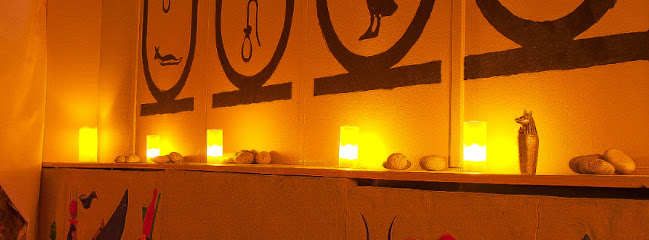
Old Market Square
0.6 km
Discover the bustling heart of Nottingham at Old Market Square, a historical landmark rich in culture, events, and captivating architecture.

Flying Horse Walk
0.6 km
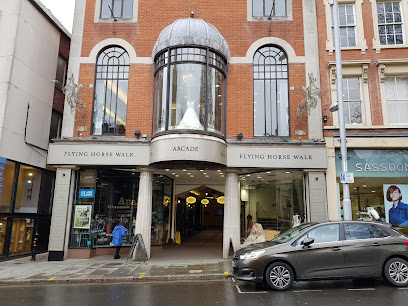
Discover Nottingham’s elegant boutique arcade blending historic charm with artisanal shops and cozy cafes in a tranquil city-centre setting.
Essential places to dine

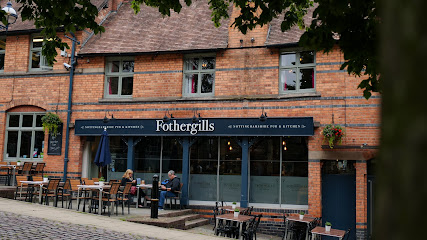
Fothergills
0.3 km
Historic bistro with local flavors and castle views in Nottingham’s architectural gem, welcoming all including dog lovers.
The Castle - Pub and Kitchen
0.3 km
Historic Nottingham gastropub offering hearty British dishes, craft ales, and a warm atmosphere next to Nottingham Castle.
Hart's Hotel and Kitchen
0.3 km
Stylish boutique hotel with contemporary comfort and acclaimed dining, set steps from Nottingham Castle in a peaceful city centre courtyard.
The Roundhouse Bar & Kitchen
0.3 km
Historic charm meets casual dining with local craft beers and hearty pub classics in Nottingham’s city centre.
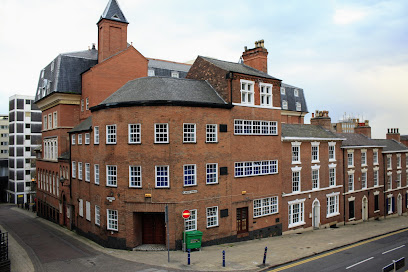
World Service Restaurant
0.3 km
Elegant Modern European dining in Nottingham’s historic Newdigate House, blending ambitious cuisine with warm, attentive service.
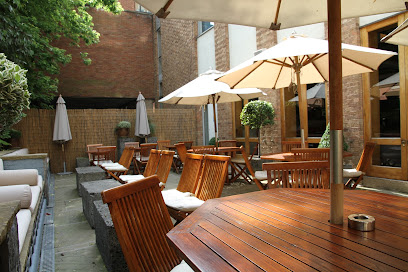
The Cumin Restaurant
0.3 km
Experience authentic North Indian and Punjabi cuisine with bold flavors and warm hospitality in Nottingham’s family-run gem.
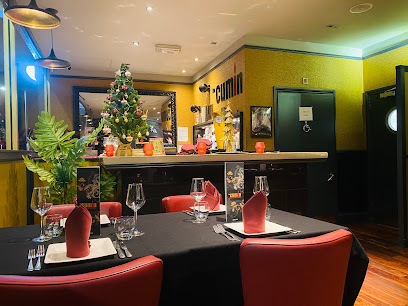
MemSaab
0.4 km
Experience award-winning Indian fine dining in Nottingham with MemSaab’s exquisite flavors and elegant ambiance on Maid Marian Way.
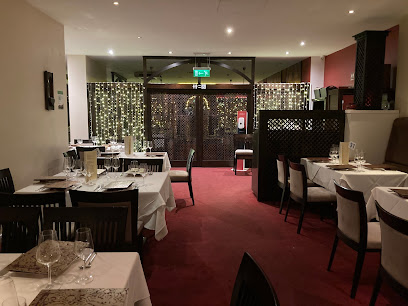
Calcutta Club
0.4 km
Experience regal Indian cuisine and refined hospitality inspired by the Maharajas’ polo clubs in the heart of Nottingham.
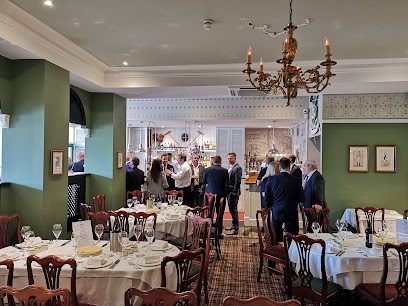
Chino Latino
0.4 km
Savor vibrant Pan-Asian and Latino fusion dishes in a sleek, metropolitan setting at Nottingham’s award-winning Chino Latino.
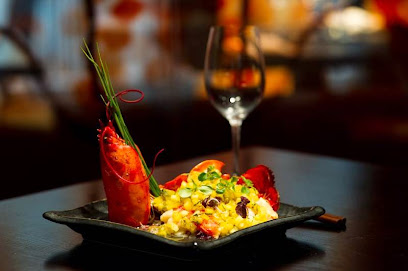
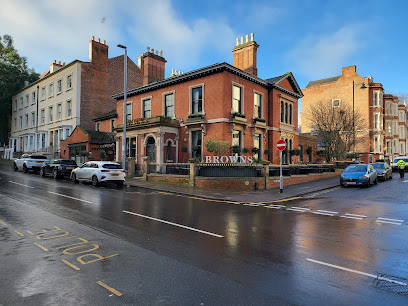
Browns Nottingham
0.5 km
Elegant British brasserie in Nottingham’s historic heart, perfect for classic dining, afternoon tea, and special occasions.
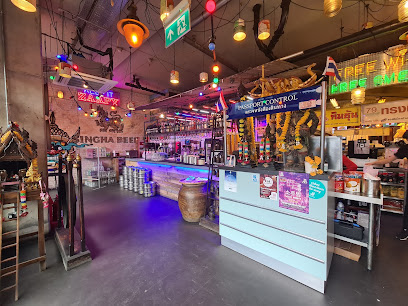
Zaap Thai Street Food
0.5 km
Experience the vibrant streets of Bangkok through authentic Thai street food, lively atmosphere, and quirky decor in the heart of Nottingham.
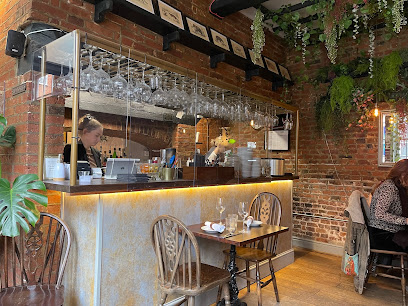
No.Twelve
0.5 km
Experience the best of vegan dining at No.Twelve in Nottingham - where creativity meets sustainability for unforgettable meals.
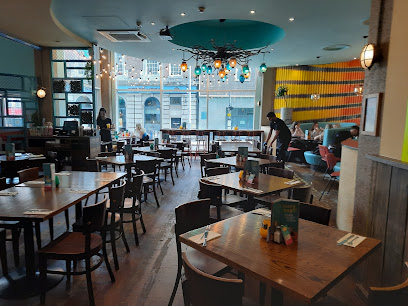
Las Iguanas - Nottingham
0.6 km
Experience the vibrant flavors and festive spirit of Latin America in Nottingham’s lively Chapel Quarter at Las Iguanas.
Bar + Block Steakhouse Nottingham
0.6 km
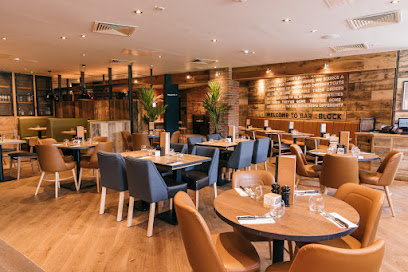
Modern steakhouse in Nottingham’s Chapel Quarter serving expertly cooked steaks and classic British grill fare in a stylish, welcoming setting.
Kushi-ya
0.6 km
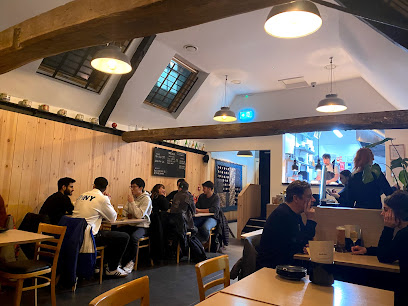
Discover Nottingham’s hidden gem for authentic Japanese kushiyaki skewers and inventive small plates in a stylish, modern setting.
Markets, malls and hidden boutiques

ChicChoiceHub
0.3 km
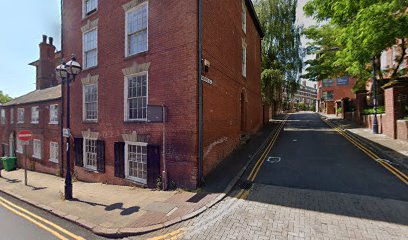
Discover Eastern elegance on Nottingham's historic Standard Hill at ChicChoiceHub, where oriental treasures meet Civil War legacy in a treasure trove of Asian artistry and crafts.
Common Choice
0.3 km
Curated fashion finds on Nottingham's historic Standard Hill—unique clothing blending trends, quality, and local flair for effortless style.
Shop Zero
0.4 km
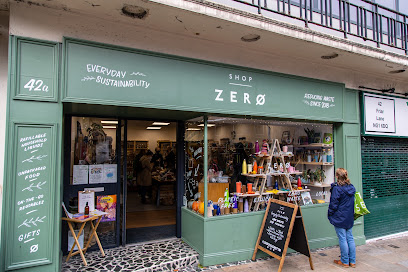
Nottingham’s zero-waste shop championing sustainable living with refillables, reusable goods, and community-driven eco-consciousness.
Castle Marina Retail Park
0.5 km
Nottingham's go-to retail park for home essentials, pet supplies, and coffee breaks, with free parking and canal-side convenience.

OH DUCK IT
0.5 km
Dive into duck-tastic humor and Nottingham dialect delights at this cheeky gift shop, where quirky souvenirs and local crafts quack up the city's shopping scene.

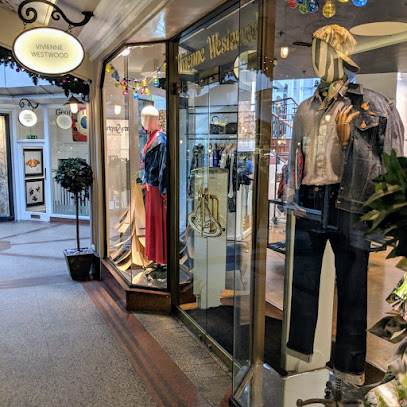
Vivienne Westwood
0.6 km
Discover bold British fashion and iconic accessories at Vivienne Westwood’s Nottingham boutique in historic Flying Horse Walk.
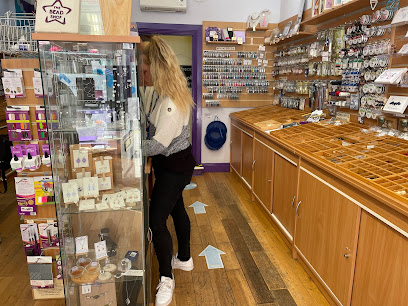
The Bead Shop (Nottingham) Limited
0.6 km
A vibrant independent bead and craft shop in Nottingham’s historic Market Street, offering expert workshops and a vast range of jewellery-making supplies.
Garms Nottingham
0.7 km
Discover unique vintage streetwear and stylish outerwear at Garms Nottingham, a vibrant boutique nestled in the historic heart of Bridlesmith Gate.

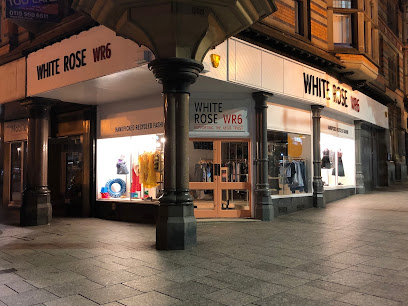
White Rose Nottingham WR6
0.7 km
Discover thoughtfully curated vintage and recycled fashion at White Rose Nottingham WR6, where style meets sustainability in the city’s historic heart.
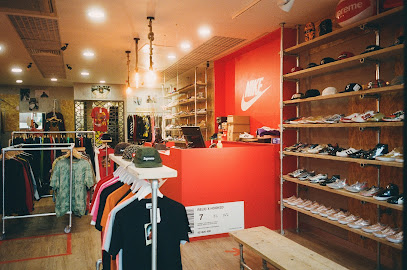
Relic x Hooked Nottingham
0.7 km
Discover eclectic vintage fashion and unique style treasures in Nottingham’s edgy and vibrant Relic x Hooked store.
18montrose
0.7 km
Discover premium streetwear and designer fashion at 18montrose, nestled in Nottingham’s historic Bridlesmith Gate shopping district.
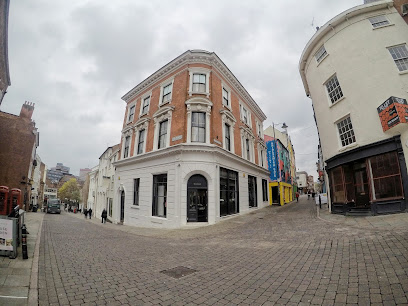
Lulu Brandy Vintage
0.7 km
Discover timeless style and sustainable fashion at Lulu Brandy Vintage, Nottingham’s premier vintage clothing boutique.
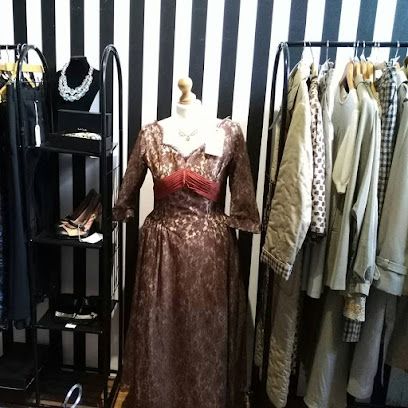
Stick & Ribbon
0.7 km
Discover curated women’s fashion with a personal, sustainable touch in Nottingham’s historic Bridlesmith Gate.
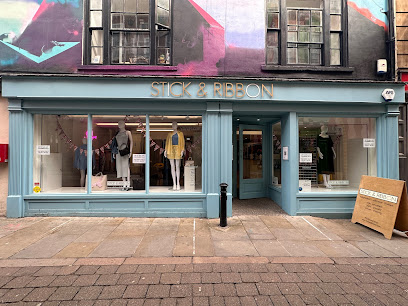
White Stuff Nottingham
0.7 km
A cheerful, independent-feel clothing store on Nottingham’s main shopping street, offering relaxed British style for women, men and children.
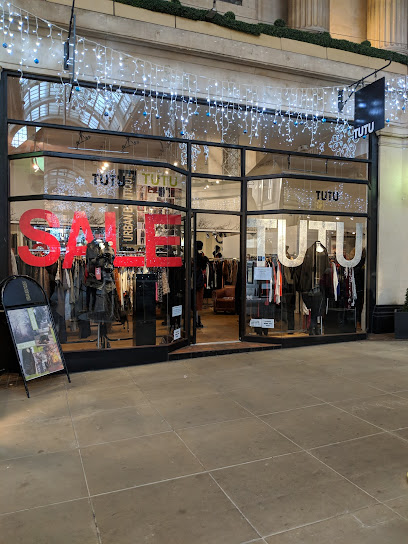
Tutu urban boutique
0.7 km
Discover Nottingham’s stylish independent ladieswear boutique offering unique, high-quality fashion from emerging designers in a charming city centre arcade.
Essential bars & hidden hideouts

Crafty Crow
0.3 km
A vibrant Nottingham pub offering innovative vegetarian dishes and a diverse craft beer selection near the historic Castle.
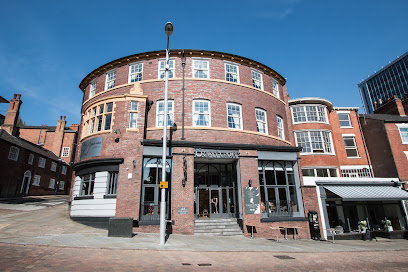
Ye Olde Salutation Inn
0.4 km
Step into Nottingham’s oldest pub, where medieval history meets lively rock vibes and ghostly legends in a welcoming atmosphere.
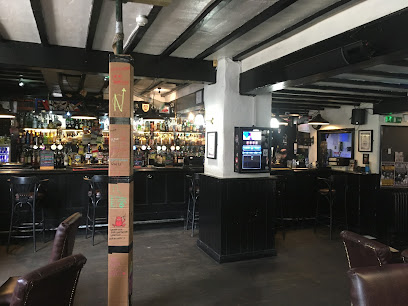
The Bierkeller Nottingham
0.5 km
Experience lively Bavarian beer hall vibes with authentic brews, live Oompah bands, and festive fun in Nottingham’s city centre.
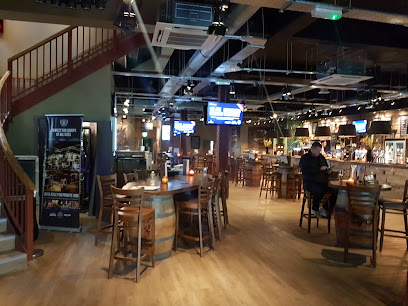
Malt Cross
0.5 km
Historic Victorian music hall pub in Nottingham offering award-winning ales, live music, and a vibrant community atmosphere in a stunning heritage setting.
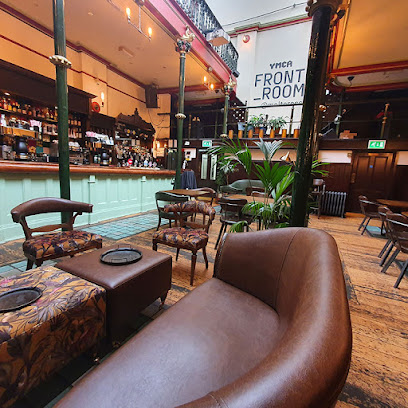
Canalhouse
0.5 km
Iconic canal-pierced pub blending Grade II heritage, world-class craft beers, and waterside vibes in Nottingham's vibrant core.
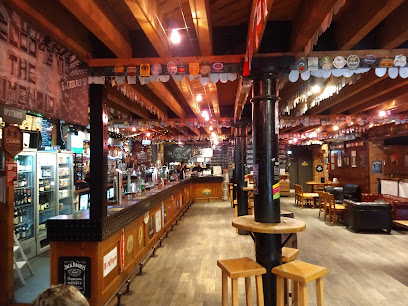
O'Neill's Market Square Nottingham
0.5 km
Lively Irish pub in Nottingham's Market Square: pub grub, live sports, DJ nights, and pints in a buzzing city-centre spot that parties till late.
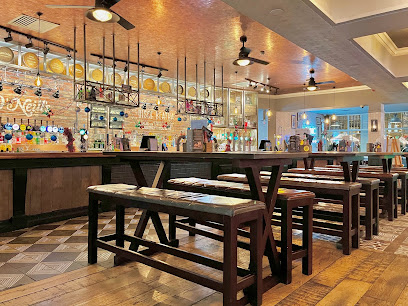
Slug & Lettuce - Market Square Nottingham
0.6 km
Vibrant cocktail bar and restaurant in Nottingham’s Market Square, known for lively atmosphere, diverse menu, and all-day 2-4-1 cocktails.
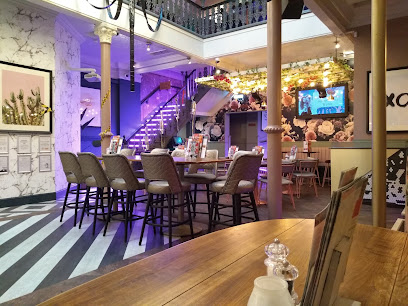
Cucamara
0.6 km
Lively late-night cocktail bar in Nottingham’s Hurts Yard, blending vibrant atmosphere with creative drinks and social energy.
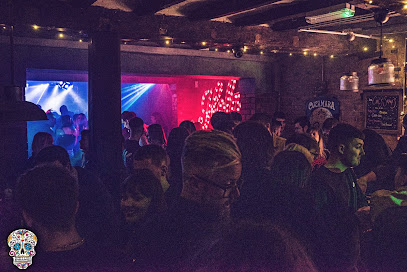
400 Rabbits
0.6 km
Intimate Hurts Yard cocktail bar specialising in tequila and mezcal cocktails with a theatrical, cosy atmosphere.
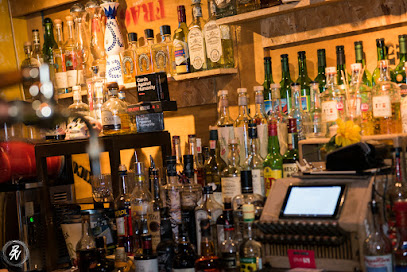
Six Richmond House
0.6 km
Elegant cocktails and modern British dining blend seamlessly in Nottingham’s intimate and stylish Six Richmond House.
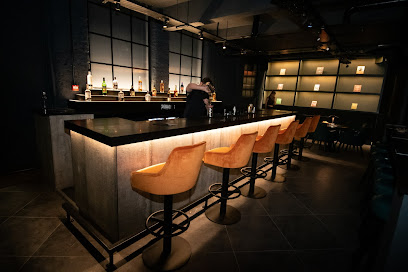
Pepper Rocks
0.6 km
A lively Nottingham cocktail bar blending quirky charm, great value drinks, and a vibrant two-floor atmosphere for memorable nights out.
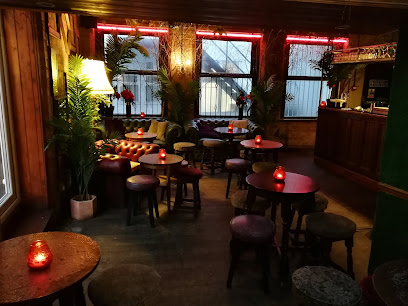
Coco Tang -Cocktail Bar
0.7 km
Daytime Asian café and a theatrical underground cocktail bar — two distinct moods under one roof in Nottingham’s Lace Market.
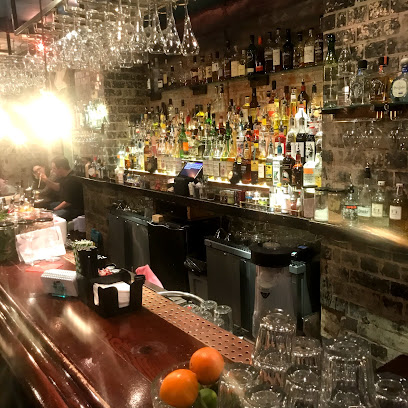
Tap & Tumbler
0.7 km
Nottingham’s legendary rock pub with live music, real ales, and a quirky, welcoming atmosphere in the city’s cultural heart.
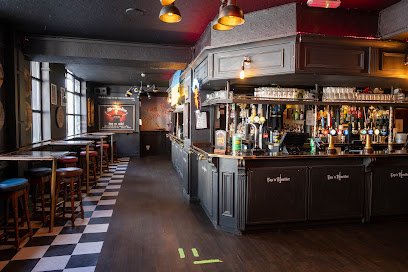
Revolución de Cuba Nottingham
0.7 km
Experience the vibrant spirit of Havana with authentic Cuban cuisine, cocktails, and live Latin music in the heart of Nottingham.
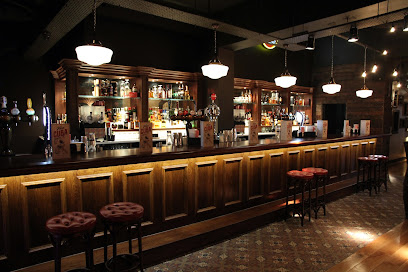
The Stage Pub Nottingham
0.7 km
Traditional Nottingham pub with live music, cosy nooks, and late-night vibes near Theatre Royal – perfect for drinks, dancing, and city-centre camaraderie.
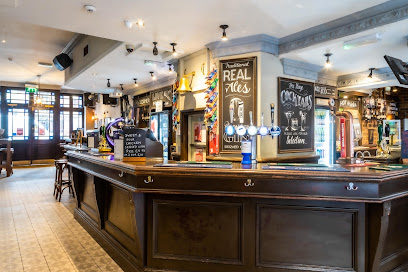
Nightclubs & after hour spots

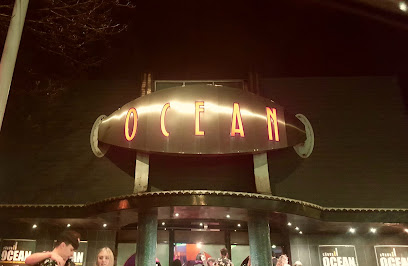
Ocean Nightclub
0.4 km
Unpretentious beats and dazzling lights fuel all-night dances at Nottingham's go-to multi-room nightclub on Greyfriar Gate.
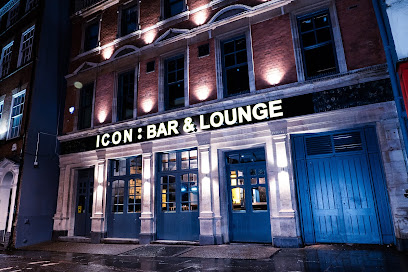
ICON
0.5 km
A compact, DJ-driven late-night club on St James’s Street — small footprint, high-energy nights and a tight city-centre atmosphere.
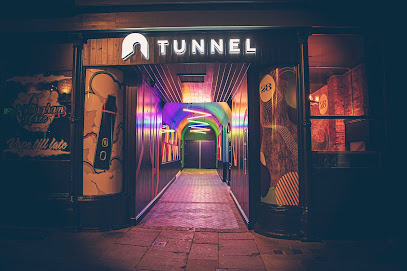
Tunnel Club
0.5 km
Loud. Intimate. Disruptive. Dive into Nottingham's raw underground beats at this city-center nightclub powerhouse.
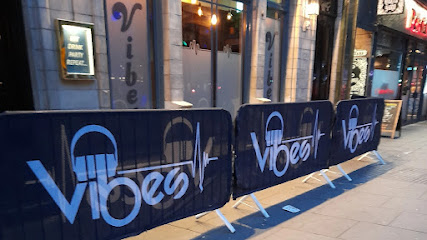
VIBES NIGHTLIFE
0.7 km
Dive into Nottingham's pulsating party hub where weekend beats, neon lights, and vibrant crowds fuel epic nights until 2am—pure vibes unleashed.
Popworld - Nottingham
0.7 km
A neon-soaked, singalong pop-club in Nottingham city centre — colourful cocktails, nostalgic anthems and compact dancefloor energy.
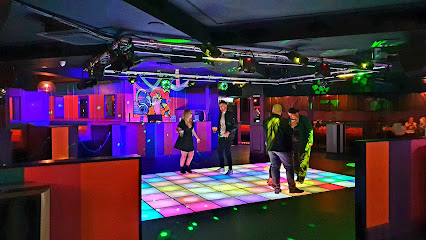
The Cell
0.7 km
Dive into Nottingham's pulsing heart at The Cell, where affordable drinks, diverse beats, and Hockley's electric vibe fuel unforgettable nights of dance and discovery.

CRISIS
0.8 km
Experience Nottingham’s legendary live music and nightlife at Rock City, a vibrant venue with a rich history and dynamic club nights.
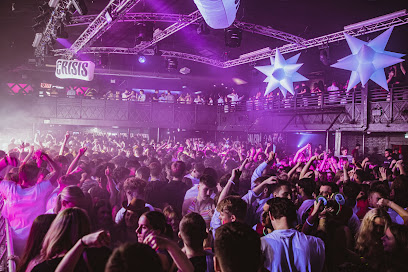
Rock City
0.8 km
Experience Nottingham’s iconic live music and nightclub venue, where legendary acts and vibrant club nights come alive in an intimate, energetic setting.
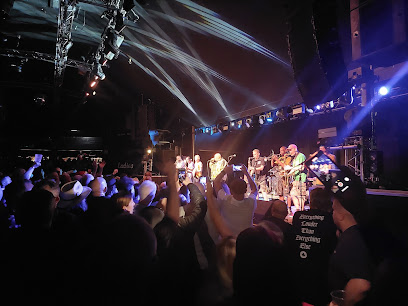
Rescue Rooms
0.8 km
Nottingham's intimate live music powerhouse: raw gigs, electric crowds, and beats till 3am in a historic nook.
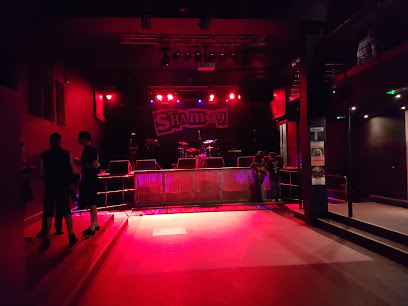
Tantra Night Clubs
0.8 km
Dive into Nottingham's electric nightlife at Tantra Night Clubs, where pulsating beats, dazzling lights, and stylish vibes create unforgettable nights of dance and discovery in the city center.
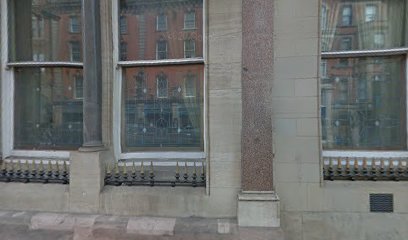
Stealth
0.8 km
Nottingham's drum and bass dynamo: world-ranked beats, epic nights, and unrelenting energy since 2004 in the heart of Goldsmith Street.
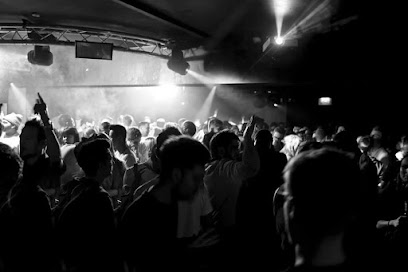
The Bodega Nottingham
0.8 km
Intimate two-level live-music bar and late-night club on Pelham Street — gritty, affordable and centred on close-up gigs and local sounds.
Unit 13
0.8 km
Dive into Nottingham's underground bassline haven at Unit 13, where industrial beats and stellar DJs fuel unforgettable warehouse raves.

Love zoo
0.8 km
Dive into Nottingham's electrifying beats at Love Zoo, where house rhythms, dazzling lights, and cocktail-fueled nights create pure nightlife magic on Weekday Cross.
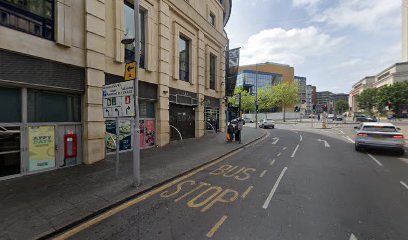
Revolution Nottingham - Hockley
1.0 km
Discover the lively Revolution Nottingham - Hockley, where craft cocktails and delicious food create unforgettable moments in a chic atmosphere.
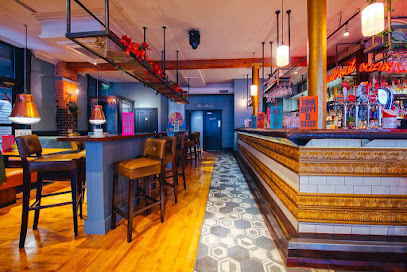
For the vibe & atmosphere seeker
- Scenic
- Historic
- Unique
- Relaxing
- Tranquil
For the design and aesthetic lover
- Historic
- Modern Designs
For the architecture buff
- Historic
- Landmarks
- Art & Design
- Parks & Gardens
- Heritage Neighborhoods
For the view chaser and sunset hunter
- Iconic Views
- Panoramas
- Skyline
For the social media creator & influencer
- Instagrammable
- Photo Spots
- Selfie Spots
- Aesthetic Corners
- Architectural Shots
For the eco-conscious traveler
- Public-Transport Accessible
For the kind of experience you’re after
- Cultural Heritage
- Photowalk
- Myth & Legends
- Day Trip
For how adventurous you want the journey to be
- Easy Access
Location Audience
- Family Friendly
- Child Friendly
- Teen Friendly
- Senior Friendly
- Wheelchair Access
- Solo Friendly
- Couple Friendly
- Vegetarian Friendly
- Vegan Friendly


