
Nottinghamshire, United Kingdom Travel Guide
Explore Nottinghamshire for Robin Hood landscapes, lively Nottingham, Civil War towns, historic estates, prehistoric caves and English Midlands countryside.
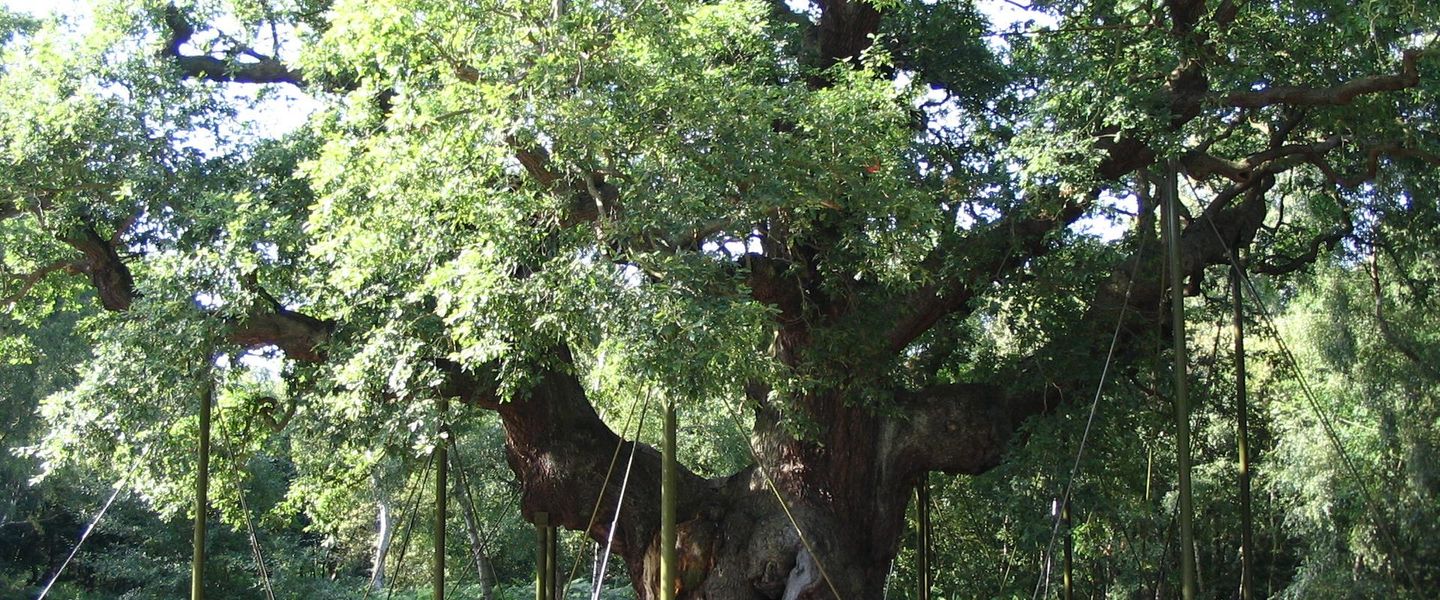
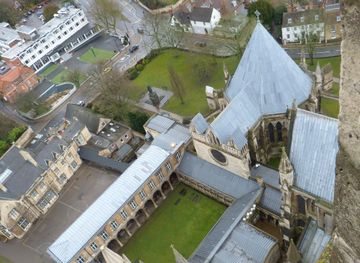
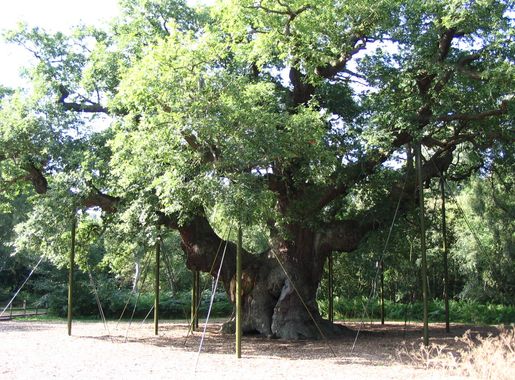
Nottinghamshire occupies a varied stretch of the English Midlands, combining the urban energy of Nottingham with the wooded landscapes of Sherwood, the agricultural countryside around Southwell and Newark, and the former coalfield districts towards Worksop and Mansfield. The River Trent crosses the south of the county, while the north reaches towards the limestone country of Creswell and the broad estates of Sherwood. Distances are manageable, but the region is best understood as a collection of contrasting areas rather than a single compact destination. Nottingham is the county’s principal cultural centre, known for its lace-making legacy, medieval caves, theatres, galleries, independent shops and lively restaurant scene. Its historic core includes the Castle Quarter, the Lace Market, the City of Caves and the Church of St Mary the Virgin, while nearby Wollaton Hall provides a striking Elizabethan setting for the city’s natural-history collections. Beyond Nottingham, Southwell offers a quieter architectural experience centred on its cathedral, while Newark-on-Trent is marked by a castle, market square and a particularly strong association with the English Civil War. Sherwood Forest remains Nottinghamshire’s most evocative landscape. The modern forest is a mixture of woodland, heath and open paths rather than an untouched medieval wilderness, but its ancient oaks and long association with Robin Hood give it a powerful cultural identity. Edwinstowe is the main village associated with the legend, and the wider area supports walking, cycling and nature observation. To the west and north, estates such as Clumber Park and Rufford Abbey introduce formal landscapes, lakes and historic remains, while Creswell Crags offers a more ancient perspective through its limestone gorge and prehistoric occupation sites. The county’s food and cultural life reflect both city and countryside. Nottingham has restaurants ranging from contemporary British cooking to cuisines shaped by international communities, alongside traditional pubs and specialist cafés. Market towns provide local produce, bakeries and independent retailers, while rural villages retain historic inns and farm-based businesses. Nottinghamshire suits visitors who combine a city stay with excursions into forest, country estates and historic towns, allowing the region’s literary legends, industrial history and older archaeological landscapes to be read together.

Know before you go
Hi, I'm Eve. Here are a few practical things to know before exploring Nottinghamshire.
- Use Nottingham as a base for urban culture, but allow separate days for Sherwood Forest, Newark, Southwell and the northern estates.
- Wear sturdy footwear at Sherwood Forest and Creswell Crags, where paths can become muddy and uneven after rain.
- Check advance arrangements for major heritage properties and museums, particularly when planning visits around school holidays.
- Combine Southwell Minster with the surrounding market town rather than treating it as a brief roadside stop.
- A car is useful for linking rural attractions, although Nottingham, Newark, Worksop and Mansfield have practical rail or bus connections.
- Try local specialities such as Stilton cheese and Bramley apples, while remembering that both are associated with wider East Midlands food traditions.
Top City Travel Guides in Nottinghamshire
The cities of Nottinghamshire, and the easiest places to base yourself.


Explore Nottinghamshire: Things to Do, Places to Eat, Hotels & More
Handpicked recommendations for top attractions, local dining, accommodations, and more

Top Attractions & Sightseeing in Nottinghamshire
Top-rated picks
Best Attractions

Designer Outlet East Midlands
Shop top designer brands for up to 60% off year-round at East Midlands Designer Outlet, a vibrant, family-friendly retail and dining destination.
Wollaton Hall, Gardens and Deer Park
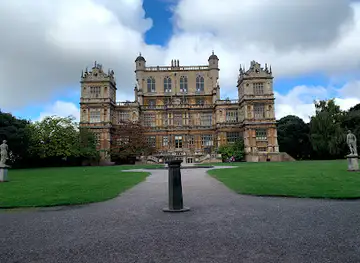
Explore Nottingham’s stunning Elizabethan Wollaton Hall, set in 500 acres of deer park with museums, gardens, and family-friendly events.

Victoria Centre
Victoria Centre is Nottingham’s vibrant shopping and dining hub with over 120 stores and a lively Clocktower dining experience under one roof.

Giltbrook Shopping Park
A practical, family-friendly retail park on the edge of Nottingham with IKEA, high-street brands, dining options and plenty of parking.

Best landmarks in Nottinghamshire
Top-rated picks
Best Landmarks

Weekday Cross Monument
Historic medieval market site in Nottingham’s Lace Market, celebrating centuries of trade and civic life.

Watson Fothergill's Office
Explore the richly detailed Victorian Gothic office of Nottingham’s iconic architect Watson Fothergill, a tribute to craftsmanship and heritage.

Best restaurants in Nottinghamshire
Top-rated picks
Best Restaurants

Bill's Nottingham Restaurant
Cozy British dining with hearty classics and lively atmosphere in Nottingham’s vibrant city centre.

Yamas Meze & Tapas
Authentic Greek and Cypriot mezze in Nottingham's vibrant city centre—sharing plates, Mediterranean flavors, exceptional value.

Harvester Wilford Farm Nottingham
Family-friendly British dining with a famous salad bar and casual atmosphere in Nottingham’s Wilford area.

Bar Iberico
Experience vibrant Spanish tapas and lively bar culture in Nottingham’s bustling Carlton Street hotspot.

Best bars in Nottinghamshire
Top-rated picks
Best Bars

Slug & Lettuce - Market Square Nottingham
A vibrant cocktail bar and restaurant in Nottingham’s Market Square, perfect for lively dining, drinks, and celebrations.

Ye Olde Trip To Jerusalem
Step into England’s oldest pub, carved into Nottingham’s castle caves, where medieval history and legends flow alongside hearty ales and warm hospitality.
Pitcher & Piano Nottingham
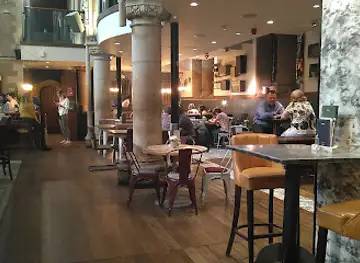
Historic Gothic church transformed into a stylish bar with grand stained glass, creative cocktails, and lively atmosphere in Nottingham’s Lace Market.
Canalhouse
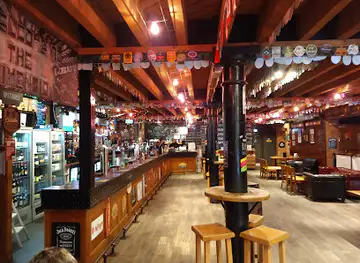
Experience Nottingham’s unique waterside pub with a living canal, award-winning craft beers, and a vibrant atmosphere in a historic setting.

Best nightclubs in Nottinghamshire
Top-rated picks
Best Nightclubs

Popworld - Nottingham
Popworld Nottingham delivers a vibrant, fun-filled nightclub experience with cheesy pop hits, lively crowds, and friendly service in the city centre.

Ocean Nightclub
A lively student hotspot in Nottingham offering energetic nights with commercial beats and vibrant lighting in the heart of the city.

Stealth
Nottingham’s vibrant nightclub hotspot, Stealth pulses with cutting-edge house music and unforgettable late-night dance energy.

VIBES NIGHTLIFE
Experience Nottingham’s vibrant nightlife with electrifying beats, dynamic lighting, and unforgettable parties at VIBES NIGHTLIFE.

Best shops in Nottinghamshire
Top-rated picks
Best Shops

Primark
Discover budget-friendly fashion and home essentials at Primark Nottingham, right in the city’s vibrant heart.

Flying Horse Walk
Discover Nottingham’s hidden gem: a charming historic arcade filled with exclusive boutiques, artisan shops, and cozy cafes.

Menkind
Discover quirky gifts, gadgets, and fun collectibles for men at Menkind Nottingham, your go-to spot for original presents and playful shopping.

Urban Outfitters
Eclectic fashion, vintage finds, and creative homewares in Nottingham's vibrant shopping heart.

Explore Nottinghamshire on the Map
A handpicked selection of must-see spots in Nottinghamshire, mapped for you.
Nottinghamshire Essentials
-
Nottingham is well connected by rail from London, Birmingham, Sheffield, Leeds and other English cities, while Newark has two principal stations serving different routes. Worksop and Mansfield provide useful rail access to northern Nottinghamshire. East Midlands Airport is outside the county, in Leicestershire, and is the nearest major commercial airport for many international visitors; Birmingham Airport is a larger alternative farther west. Major roads include the M1, A1 and A46, with local roads continuing to Sherwood, Southwell and rural estates.
-
Nottingham’s urban area has trams, buses, taxis and rail connections, while buses and trains link the larger county towns. Public transport is less frequent in rural Sherwood, the Trent-side villages and the northern countryside, so a car is useful when combining several estates, forests or archaeological sites. Cycling is practical on selected trails and minor roads, and walking is central to exploring Sherwood Forest, country parks, historic centres and parts of the Trent Valley. Check local services before travelling to rural attractions.
-
Nottinghamshire uses the pound sterling, or GBP, as part of the United Kingdom. Debit and credit cards, contactless payments and mobile wallets are widely accepted in Nottingham, the main towns, hotels, museums and restaurants. Carry some cash for small rural businesses, cafés, traditional market stalls and occasional parking facilities, since payment practices can vary outside the main urban areas. Bank holidays and rural opening arrangements may affect access to cash services.
-
Normal urban precautions are appropriate in Nottingham and at busy transport or nightlife areas, particularly late at night. In the countryside, take care on muddy paths, near lakes and reservoirs, and around old quarry or mine workings where access may be restricted. Weather can change quickly during long woodland walks, and rural roads may be narrow or poorly lit. At Creswell Crags and other uneven sites, follow signed routes and any guidance concerning steep ground, water or rock surfaces.
-
Dial 999 for police, fire, ambulance or coastguard services, or 112 from a mobile phone. There is no coast in Nottinghamshire, but emergency support may be relevant for incidents involving waterways, forests, quarries or remote paths; give the operator a precise location, nearby landmark or what3words reference if available. For non-urgent police matters, use 101, and for non-urgent medical advice in England, use NHS 111. Downloaded maps can be helpful where rural mobile coverage is inconsistent.
-
Keep to marked paths and observe signs on public footpaths, country estates and woodland, particularly where grazing animals or conservation work is under way. Do not climb on ruins, enter closed buildings or remove materials from archaeological sites. In pubs and restaurants, queue patiently and follow local table-service or ordering arrangements; tipping is discretionary rather than compulsory, with around ten per cent often offered for good service. At churches and cathedrals, dress respectfully and ask before photographing services or congregations.
-
Plan rural visits around daylight and public transport limitations, since attractions spread across Sherwood and the north of the county are not always directly connected. Newark is especially rewarding when its market, castle and Civil War heritage are considered together, while Southwell works well as a slower-paced half-day visit. Nottingham’s city centre is compact enough to explore on foot, but the Castle Quarter, Lace Market and cultural venues are separated by changes in level. Check whether a historic house or museum requires timed entry before setting out.
When is the best time to visit Nottinghamshire?
Useful Local Phrases for Nottinghamshire
You don't need to speak the language perfectly. Even learning a few simple words can make conversations warmer—and locals usually appreciate the effort.
— Eve

Here are the phrases I use most often in Nottinghamshire. Try a few—you'll be surprised how far they go! 😊
❤️
-
- HelloAye up
[Aye up] - GoodbyeTa-ra
[Tar-rah] - YesYeh
[Yeh] - NoNah
[Nah] - Please/You're welcomePlease
[Pleez] - Thank youCheers
[Cheerz] - Excuse me/SorrySorry
[Sor-ree] - How are you?Ow do?
[Ow do?] - Fine. And you?Reet. An you?
[Reet. An you?] - Do you speak English?D'ya speak English?
[D'ya speak English?] - I don't understandI don't get it
[I don't get it]
- HelloAye up
-
- I'd like to see the menu, pleaseCan I see the menu, please?
[Can I see the menu, pleez?] - I don't eat meatI don't eat meat
[I don't eat meat] - Cheers!Cheers!
[Cheerz!] - I would like to pay, pleaseCan I pay, please?
[Can I pay, pleez?]
- I'd like to see the menu, pleaseCan I see the menu, please?
-
- Help!Help!
[Help!] - Go away!Clear off!
[Clear off!] - Call the Police!Ring the Police!
[Ring the Police!] - Call a doctor!Get a doctor!
[Get a doctor!] - I'm lostI'm lost
[I'm lost] - I'm illI'm poorly
[I'm poorly]
- Help!Help!
-
- I'd like to buy...Can I buy...
[Can I buy...] - I'm just lookingJust having a look
[Just having a look] - How much is it?How much's that?
[How much's that?] - That's too expensiveThat's a bit steep
[That's a bit steep] - Can you lower the price?Can ya knock it down?
[Can ya knock it down?]
- I'd like to buy...Can I buy...
-
- What time is it?What time is it?
[What time is it?] - It's one o'clockIt's one o'clock
[It's one o'clock] - Half past (10)Half ten
[Half ten] - MorningMorning
[Morning] - AfternoonAfternoon
[Afternoon] - EveningEvening
[Evening] - YesterdayYesterday
[Yesterday] - TodayToday
[Today] - TomorrowTomorrow
[Tomorrow] - 1One
[One] - 2Two
[Two] - 3Three
[Three] - 4Four
[Four] - 5Five
[Five] - 6Six
[Six] - 7Seven
[Seven] - 8Eight
[Eight] - 9Nine
[Nine] - 10Ten
[Ten]
- What time is it?What time is it?
-
- Where's a/the...?Where's a...?
[Where's a...?] - What's the address?What's the address?
[What's the address?] - Can you show me (on the map)?Can ya show me on the map?
[Can ya show me on the map?] - When's the next (bus)?When's the next bus?
[When's the next bus?] - A ticket (to ....)A ticket to...
[A ticket to...]
- Where's a/the...?Where's a...?
History of Nottinghamshire
-
Creswell Crags, on Nottinghamshire’s northern boundary near Creswell, contains caves and rock shelters used during the last Ice Age. Archaeological evidence includes tools, animal remains and some of Britain’s earliest known cave art. The gorge demonstrates that the county’s human story began long before its medieval towns or legendary forests. Its importance lies not only in individual finds but also in the evidence it provides for changing environments and human activity in Ice Age Britain.
-
Roman influence reached Nottinghamshire through roads, forts and settlements connected to the wider network of Roman Britain. The crossing of the River Trent was strategically important, and the area around present-day Nottingham developed near routes linking the Midlands. Roman administration did not erase earlier communities, but it introduced new military, commercial and agricultural patterns. Surviving archaeological evidence, place-name clues and the county’s position between major regional routes all reflect this period of integration into the Roman system.
-
After the Norman Conquest, Nottingham became an important fortified and administrative centre, while Sherwood was managed as a royal forest. Nottingham Castle occupied a commanding sandstone site above the town, and the forest was governed through laws protecting the Crown’s hunting interests and woodland resources. Medieval Nottingham also developed as a market and manufacturing settlement. The later Robin Hood tradition grew from this landscape of royal authority, outlaw stories and forest communities, although the historical figure behind the legend remains uncertain.
-
Medieval religious foundations shaped several Nottinghamshire settlements. Southwell Minster developed from an earlier collegiate foundation and became the county’s most important ecclesiastical building, while Augustinian communities were established at places including Newstead and Rufford. Following the Dissolution of the Monasteries in the sixteenth century, former religious properties were converted into private estates. Their buildings and landscapes preserve the transition from medieval religious institutions to Tudor and later country-house culture.
-
Newark was a strategically important Royalist stronghold during the English Civil War because of its position near the River Trent and its roads through the Midlands. The town endured three sieges between 1643 and 1646 before surrendering after the wider Royalist defeat. Newark Castle, the town’s churches and surviving earthworks help explain the military importance of the settlement. The conflict left a lasting imprint on Nottinghamshire’s historic landscape and on national debates about monarchy, Parliament and government.
-
From the eighteenth century onwards, Nottingham became internationally associated with mechanised lace production. Factories and workshops transformed the city’s economy and architecture, particularly in areas such as the Lace Market, while trade networks connected local manufacturers to overseas markets. Coal mining later shaped communities across the north and west of the county, including districts around Mansfield and Worksop. These industries brought employment, migration and urban growth, but also demanding working conditions and environmental change.
-
The decline of coal mining and the restructuring of textile manufacturing transformed Nottinghamshire during the later twentieth century. Former industrial communities diversified towards services, education, logistics and cultural tourism, while Nottingham expanded as a regional centre for business and the arts. Some industrial buildings were adapted for new uses, and museums, heritage sites and restored town centres now interpret earlier working lives. The county’s contemporary identity therefore combines historic landscapes with the economic and social consequences of industrial transition.
Neighbouring Regions of Nottinghamshire
The closest regions to Nottinghamshire, if you have time for more than one.




Your all‑in‑one travel companion app
Explore expert travel guides, compare and book tours, experiences, hotels, and more—all from the palm of your hand. Download now for seamless trip planning wherever your wanderlust takes you.


Explore More of United Kingdom

Looking beyond Nottinghamshire? Discover United Kingdom for broader travel guides, local hot-spots, and regional highlights.
Explore United KingdomNottinghamshire in Photos
Browse through our photo collection highlighting the charm and character of the destination.


Nottinghamshire: Forest, Cities and Civil War Heritage
Nottinghamshire occupies a varied stretch of the English Midlands, combining the urban energy of Nottingham with the wooded landscapes of Sherwood, the agricultural countryside around Southwell and Newark, and the former coalfield districts towards Worksop and Mansfield. The River Trent crosses the south of the county, while the north reaches towards the limestone country of Creswell and the broad estates of Sherwood. Distances are manageable, but the region is best understood as a collection of contrasting areas rather than a single compact destination. Nottingham is the county’s principal cultural centre, known for its lace-making legacy, medieval caves, theatres, galleries, independent shops and lively restaurant scene. Its historic core includes the Castle Quarter, the Lace Market, the City of Caves and the Church of St Mary the Virgin, while nearby Wollaton Hall provides a striking Elizabethan setting for the city’s natural-history collections. Beyond Nottingham, Southwell offers a quieter architectural experience centred on its cathedral, while Newark-on-Trent is marked by a castle, market square and a particularly strong association with the English Civil War. Sherwood Forest remains Nottinghamshire’s most evocative landscape. The modern forest is a mixture of woodland, heath and open paths rather than an untouched medieval wilderness, but its ancient oaks and long association with Robin Hood give it a powerful cultural identity. Edwinstowe is the main village associated with the legend, and the wider area supports walking, cycling and nature observation. To the west and north, estates such as Clumber Park and Rufford Abbey introduce formal landscapes, lakes and historic remains, while Creswell Crags offers a more ancient perspective through its limestone gorge and prehistoric occupation sites. The county’s food and cultural life reflect both city and countryside. Nottingham has restaurants ranging from contemporary British cooking to cuisines shaped by international communities, alongside traditional pubs and specialist cafés. Market towns provide local produce, bakeries and independent retailers, while rural villages retain historic inns and farm-based businesses. Nottinghamshire suits visitors who combine a city stay with excursions into forest, country estates and historic towns, allowing the region’s literary legends, industrial history and older archaeological landscapes to be read together.