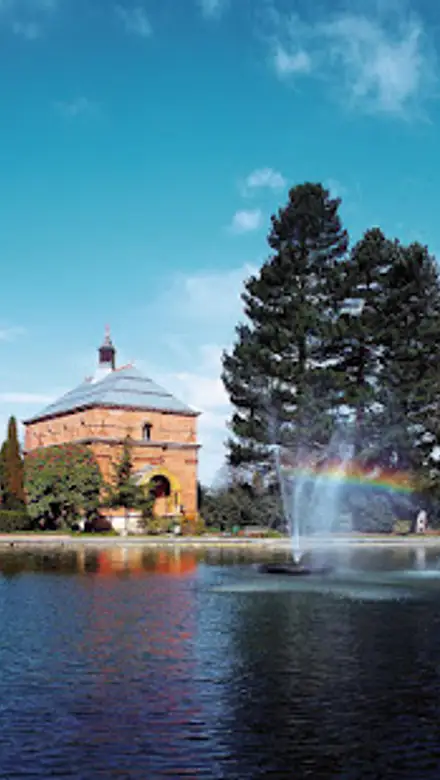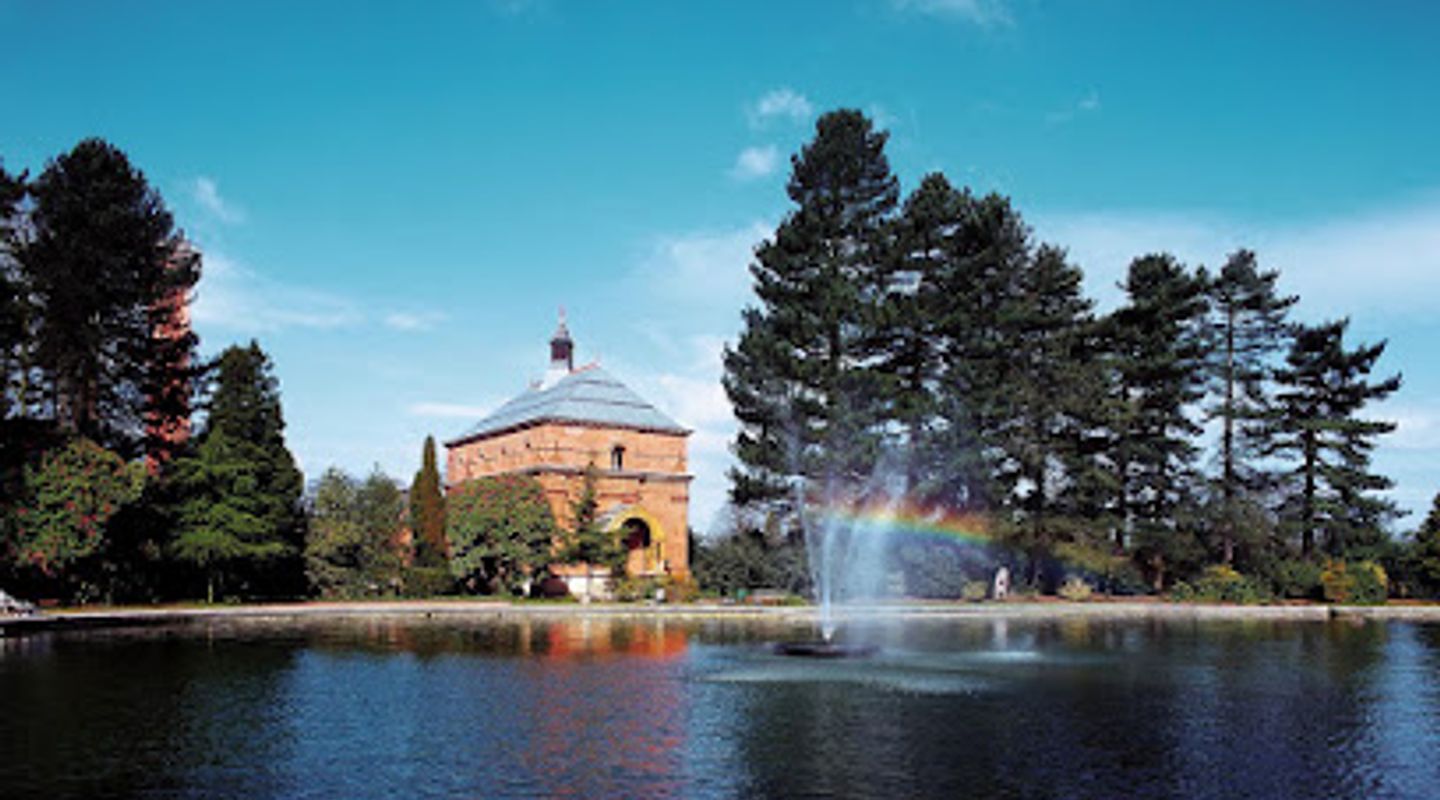
Papplewick Pumping Station, Nottinghamshire Travel Guide
Britain's most spectacular Victorian water pumping station, where original steam engines still roar to life.
A spectacular Victorian water pumping station near Nottingham, featuring original twin beam engines built by James Watt & Co. in 1884. This ornate Gothic-revival engine house, nicknamed 'The Cathedral of Steam,' showcases magnificent engineering and artistic craftsmanship with polished brass reliefs, stained glass windows, and fully functional steam-powered machinery. Now a working museum run by volunteers, it offers guided tours, steaming events, and access to an underground 1879 reservoir set within landscaped grounds.
A brief summary to Papplewick Pumping Station
- Rigg Ln, Nottingham, Ravenshead, NG15 9AJ, GB
- Click to display
- Click to display
- Duration: 1.5 to 4 hours
- Free
-
 Mixed
Mixed
- Mobile reception: 4 out of 5

Know before you go
Hi, I'm Eve. Here are a few practical things to know before exploring Papplewick Pumping Station.
- Visit on a steaming day to experience the full majesty of the working beam engines in operation. Check the website for the eight annual steam event dates, as the experience is significantly enhanced when the engines are running and the station comes alive with authentic Victorian industrial atmosphere.
- Book the underground reservoir tour in advance if visiting on a steaming day. This cavernous brick-vaulted structure beneath Sherwood Forest is a remarkable feat of Victorian engineering and provides fascinating insight into the station's water storage system.
- Arrive early on steaming days to secure tickets and allow time to explore the extensive grounds, including the ornamental cooling pond, formal gardens, and various outbuildings. The site offers numerous areas to explore both independently and as part of guided tours.
- Consider the Experience Steam workshop if you want hands-on engagement. These limited sessions allow you to learn boiler stoking and beam engine operation under expert supervision, providing an authentic understanding of Victorian pumping station work.
- Bring a camera to capture the ornate stained glass windows, polished brass reliefs, and intricate decorative ironwork. The architectural details and industrial machinery create exceptional photographic opportunities, particularly when engines are in steam.
Do you manage this location?
Take control to get all the benefits, like improved information, better appearance, and stronger visibility across AI-powered discovery. Learn more about listing your business on Evendo
Activate your presenceOther nearby places you may find interesting
The closest places of the same kind, if this one is not quite what you had in mind.




Explore Papplewick Pumping Station on the Map
A handpicked selection of must-see spots near Papplewick Pumping Station, mapped for you.
Getting There
-
By Car
From Nottingham city center, drive north approximately 8 miles toward Ravenshead. Follow signs to Rigg Lane in Ravenshead, where the pumping station is located at postcode NG15 9AJ. A dedicated visitor car park is available on-site. Journey time is approximately 20-25 minutes depending on traffic. Parking is free for visitors.
-
By Bus
Take the Pronto bus service from Nottingham city center toward Ravenshead. The bus stops near the village, from which it is approximately a 20-minute walk to the pumping station along country roads. This option is weather-dependent and requires reasonable fitness. Journey time from city center is approximately 45-60 minutes including the walk.
-
By Train and Walk
The nearest train stations are Hucknall and Newstead, both approximately 3-4 miles from the pumping station. From either station, a taxi or local transport is recommended, as the walk would take 45-60 minutes through countryside terrain. Train journey from Nottingham city center to Hucknall is approximately 20-30 minutes.
-
Taxi or Ride-Share
Taxis and ride-share services from Nottingham city center to Papplewick Pumping Station typically cost between £15-25 and take 20-30 minutes depending on traffic conditions. This is the most convenient option for those without personal transport, particularly on steaming days when the experience is most rewarding.
For the on-the-go comforts that matter to you
-
 Restrooms
-
 Drink Options
-
 Food Options
-
 Seating Areas
-
 Picnic Areas
-
 Trash Bins
-
 Information Boards
-
 Visitor Center
Discover more about Papplewick Pumping Station
A Victorian Marvel of Engineering and Artistry
Papplewick Pumping Station stands as Britain's finest working Victorian water pumping station, a triumph of 19th-century engineering and artistic design. Constructed between 1881 and 1884, this ornate complex was built to pump millions of gallons of clean fresh water daily from the Bunter sandstone aquifer to supply the rapidly expanding industrial city of Nottingham. The station's iconic engine house, affectionately known as 'The Cathedral of Steam,' features soaring columns adorned with polished brass reliefs depicting aquatic wildlife, glowing stained glass windows, and intricate decorative ironwork that elevates industrial machinery to the realm of fine art.The pumping station was part of a broader Victorian response to public health crises. In the 19th century, contaminated drinking water was identified as the principal cause of devastating diseases like cholera and typhoid. Municipal waterworks companies across industrial Britain were established to improve public health, and Papplewick exemplified this mission through both engineering prowess and architectural beauty. The station's twin beam engines, manufactured by the legendary James Watt & Co. of Birmingham, were powered by six modified Lancashire boilers and could pump 1.5 million gallons per engine per day.From Industrial Powerhouse to Heritage Museum
For over eight decades, from 1884 to 1969, Papplewick's steam engines worked tirelessly to serve Nottingham's water supply. The machinery remained largely unchanged throughout its operational life, a testament to the quality of Victorian engineering. However, as electrical technology advanced and operational costs became a concern, the station was decommissioned in 1969 and replaced by four submersible electric pumps. The building fell into disrepair until a charitable trust, the Papplewick Association, was established in 1974 with the mission to preserve this industrial heritage. The Trust undertook extensive restoration work, overhauling the original machinery and cleaning the cooling pond. The pumping station first opened to the public in April 1976, and between 2003 and 2005 underwent major restoration funded by the Heritage Lottery Fund, which granted 1.6 million pounds for conservation and improved visitor facilities.The Experience: Steam Days and Guided Tours
Today, Papplewick operates as a working museum staffed entirely by passionate volunteers who maintain the original engines in operational condition. The station is open to visitors on Wednesdays and Sundays from 11am to 3pm, with free entry to the grounds. Guided tours of the engine and boiler house are offered daily at 11:45am for a modest fee. The true spectacle unfolds on steaming days, when furnaces are lit and the magnificent beam engines roar to life, filling the engine house with the sights, sounds, and smells of Victorian industry. Eight weekends throughout the year are designated as steam events, with special themed occasions including vintage rallies, 1940s reenactments, model-building exhibitions, and steampunk celebrations. On these days, admission is charged and extended hours allow visitors to experience the full majesty of the working machinery.Exploring the Grounds and Underground Wonders
The pumping station sits within beautifully landscaped grounds that reflect the Victorian era's commitment to worker welfare. An ornamental cooling pond with fountains and formal gardens surrounds the main complex, originally designed for the benefit of station workers. Visitors can explore the engine house, boiler house, coal shed, forge, and stables. A particular highlight is access to the 1879 underground reservoir, a cavernous brick-vaulted structure built beneath Sherwood Forest. This reservoir was closed to public use in 1906 due to mining subsidence but has been carefully restored and is now accessible via guided tours on steaming days. The site also features a 1922 Linby Colliery winding engine, a working blacksmith's forge, a miniature steam railway, and a children's play area.Immersive Experiences and Special Events
For those seeking deeper engagement, the station offers 'Experience Steam' workshops on select days, where participants learn the art of stoking a Lancashire boiler and operating one of the original James Watt beam engines under careful supervision. These hands-on sessions provide an authentic understanding of the skills required to run a Victorian pumping station. The site has also become a unique wedding venue, offering couples the opportunity to celebrate their special day within this spectacular setting of Victorian engineering and architectural splendor. A café and gift shop provide refreshments and mementos, while the visitor center offers information and educational resources about the station's history and significance.More to explore near Papplewick Pumping Station













Your all‑in‑one travel companion app
Explore expert travel guides, compare and book tours, experiences, hotels, and more—all from the palm of your hand. Download now for seamless trip planning wherever your wanderlust takes you.


Explore More of Nottinghamshire
Looking beyond Papplewick Pumping Station? Discover Nottinghamshire for broader travel guides, local hot-spots, and regional highlights.
Explore Nottinghamshire