Italian Chapel Travel Guide
Free Guide: A stunning WWII chapel on Lamb Holm, crafted by Italian POWs, symbolizing faith, artistry, and resilience amid adversity.


A brief summary of Italian Chapel
A stunning WWII chapel on Lamb Holm, crafted by Italian POWs, symbolizing faith, artistry, and resilience amid adversity.
Nestled on the small island of Lamb Holm in Orkney, the Italian Chapel is a poignant World War II landmark. Created by Italian prisoners of war from two Nissen huts, it showcases extraordinary artistry and devotion amid hardship. The chapel’s delicate frescoes, wrought ironwork, and symbolic sculptures reflect a powerful story of hope, creativity, and cultural exchange. Today, it remains a cherished site of worship, remembrance, and tourism.
On-site amenities
 Restrooms
 Drink options
 Food options
 Seating areas
 Trash bins
 Information boards
Opening hours
- Every day9 am–5:30 pm
Opening hours as listed on the venue’s Google Business Profile. Hours can change for services and special events, so check with the venue before you go.
- Address
- Lamb Holm, Orkney KW17 2SF
- Phone
- Website
Getting there
Car
Bus
Guided Tour
Discover more about Italian Chapel
Origins Amidst War and Captivity
The Italian Chapel was born out of the harsh realities of World War II. Italian prisoners of war, captured in North Africa, were brought to Lamb Holm to help construct the Churchill Barriers—massive causeways designed to protect the British naval base at Scapa Flow after a devastating submarine attack. Amidst the bleakness of internment, the prisoners sought a place of worship, leading to the transformation of two corrugated iron Nissen huts into a chapel. This initiative was supported by the camp’s priest, Father Giacobazzi, and Major Thomas Pyres Buckland, the camp commandant who respected Italian culture and allowed the POWs some autonomy through piece work.
Domenico Chiocchetti’s Vision and Artistic Legacy
At the heart of the chapel’s creation was Domenico Chiocchetti, an Italian artist and prisoner who infused the space with profound spiritual and cultural symbolism. Drawing inspiration from a prayer card featuring Nicolo Barabino’s Madonna of the Olives, Chiocchetti painted the altar’s centerpiece, bringing warmth and devotion to the austere surroundings. Skilled fellow prisoners contributed their crafts—cement workers, electricians, smiths, and metalworkers collaborated to create the chapel’s ornate façade, wrought iron rood screen, candle holders, and other intricate details. The chapel’s interior was cleverly disguised with plasterboard painted to resemble brick and carved stone, transforming the utilitarian huts into a sanctuary of beauty and hope.
Symbolism and Community Spirit
The chapel is rich with symbolism reflecting the prisoners’ resilience and longing. A statue of St George slaying the dragon, crafted from barbed wire and concrete, stands as a metaphor for triumph over war and hardship. A tiny metal heart embedded in the floor beneath the gates tells a personal love story of sacrifice and separation. The chapel also became a cultural hub, with music, theatre, and sports providing relief and camaraderie for the prisoners. After the war, the chapel’s significance endured, fostering a lasting bond between Orkney and the Italian town of Moena, Chiocchetti’s hometown.
Preservation and Modern-Day Reverence
Post-war deterioration prompted the formation of the Chapel Preservation Committee in 1958. Chiocchetti was invited back to restore his artwork in the 1960s, with further conservation efforts continuing into the 1990s. The chapel is now a Category A listed building, protected for its historical and cultural value. It remains an active place of worship, hosting monthly Catholic Masses and weddings, while also welcoming over 100,000 visitors annually who come to admire its artistry and story.
Visitor Experience and Setting
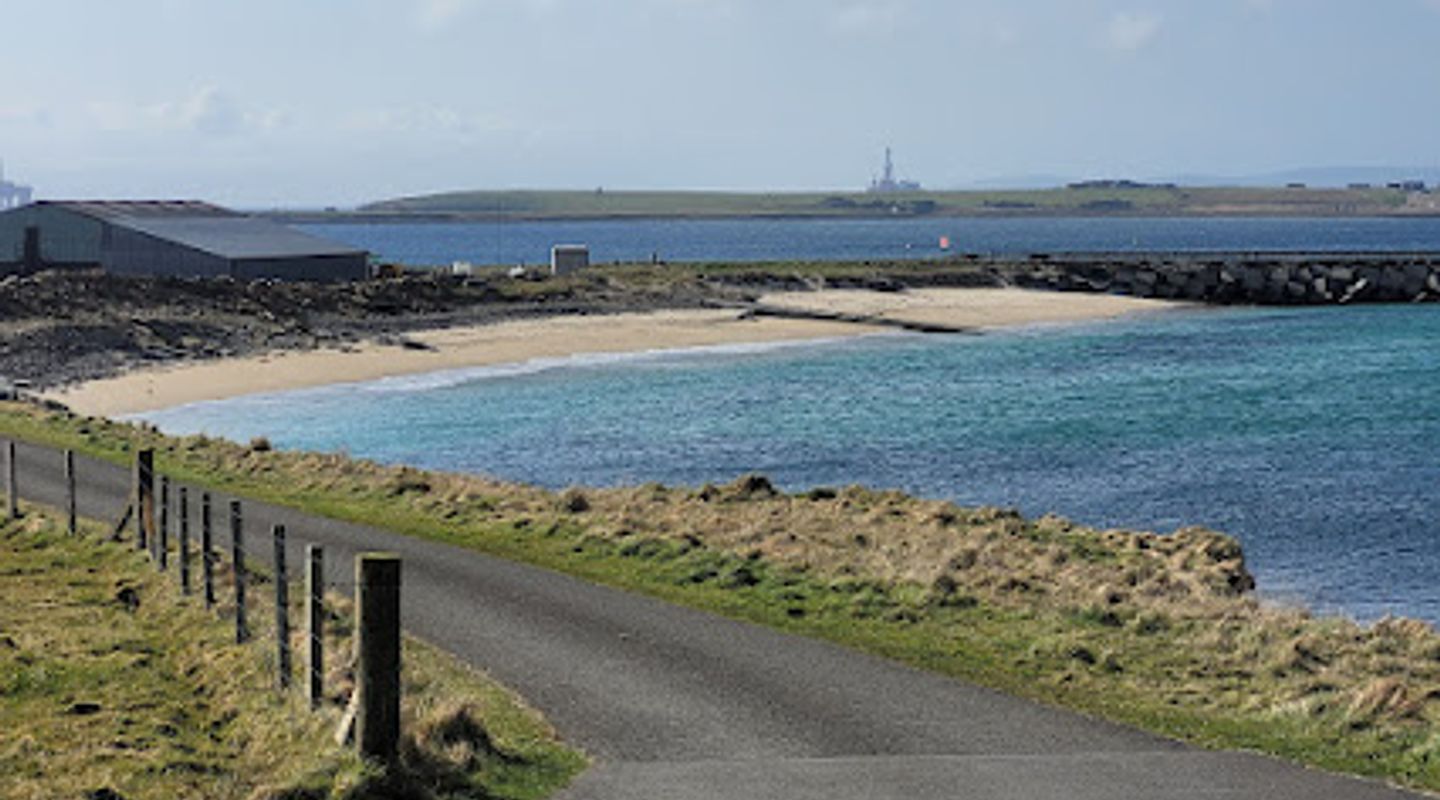
The Italian Chapel is situated on Lamb Holm, accessible via the Churchill Barriers from Mainland Orkney. Visitors can explore the chapel’s intimate interior, appreciating the detailed frescoes, hand-crafted altar, and evocative sculptures. The surrounding landscape offers scenic views of the Orkney islands and the causeways. Ample parking and paved access make it welcoming to a broad range of visitors. Nearby, a small gift shop supports the chapel’s upkeep, offering souvenirs and guidebooks. The chapel’s serene atmosphere invites reflection on faith, creativity, and the enduring human spirit.
Legacy of Faith and Friendship
The Italian Chapel stands as a unique symbol of hope and humanity forged in adversity. It embodies the creativity and faith of the Italian POWs who, despite captivity, created a place of beauty and solace. The ongoing connection between Orkney and Moena, maintained by Chiocchetti’s family and local communities, highlights the chapel’s role as a bridge between cultures and generations. It remains a moving tribute to resilience, artistic expression, and the power of faith to uplift the human spirit even in the darkest times.
Evendo Review Centre
 Google
Guest reviews
Best time to go
Quietest: Jan, Feb & Dec · before 6am or at 9pm
Busy times are Evendo estimates for a typical year, to help you plan. Actual crowds vary with events, school holidays and the weather.
Explore Italian Chapel on the map
A handpicked selection of must-see spots near Italian Chapel, mapped for you.
Get your free copy of our complete guide to Italian Chapel, delivered straight to you.
Everything on this page, from opening hours and how to get there to Eve’s tips and the best time to go, in one PDF you can read offline, print or share.
Already have an account? Sign in
Your Italian Chapel guide is ready.
We'll send it to · Not you? Sign out

Getting your guide ready…
We are putting together a fresh copy of the Italian Chapel guide. This can take up to a minute.
This can take a few moments. If your browser asks, choose Allow so the download can start. You'll find the guide in your Downloads folder.
Nothing happened? Download it again
Sorry, the guide is taking longer than usual. Please try again in a minute, or get it by email instead.
Unlock the best of Italian Chapel
Skip-the-line tickets, guided tours with entry, and walking tours of the area, booked in a few clicks.
 Tour with entry
Semi Private in Orkney and Kirkwall Tour with History and Sights
from $238.77 Tour with entry
Semi Private Tour - Orkney and Kirkwall
from $249.04 Tour with entry
Orkney Highlights Shore Excursion
from $260.64 Tour with entry
Shore Excursion Kirkwall Small Group Highlights of Orkney
from $298.85


Other nearby places you may find interesting
The closest places of the same kind, if this one is not quite what you had in mind.
-
-
-
-
-


Swipe for more places
More to explore near Italian Chapel

 Best experiences near Italian Chapel
 Best hotels near Italian Chapel
 Best landmarks near Italian Chapel
 Best attractions near Italian Chapel
 Best shops near Italian Chapel
 Best restaurants near Italian Chapel
 Best bars near Italian Chapel
Do you manage this location?
Take control to get all the benefits, like improved information, better appearance, and stronger visibility across AI-powered discovery.
Explore more

Explore more of Orkney
Discover Orkney: A magical blend of ancient history, stunning landscapes, and vibrant local culture in Scotland's enchanting archipelago.
Explore Orkney
Explore more of United Kingdom
Discover the United Kingdom: A blend of rich history, stunning landscapes, and vibrant cities, offering a unique travel experience for every visitor.
Explore United Kingdom