
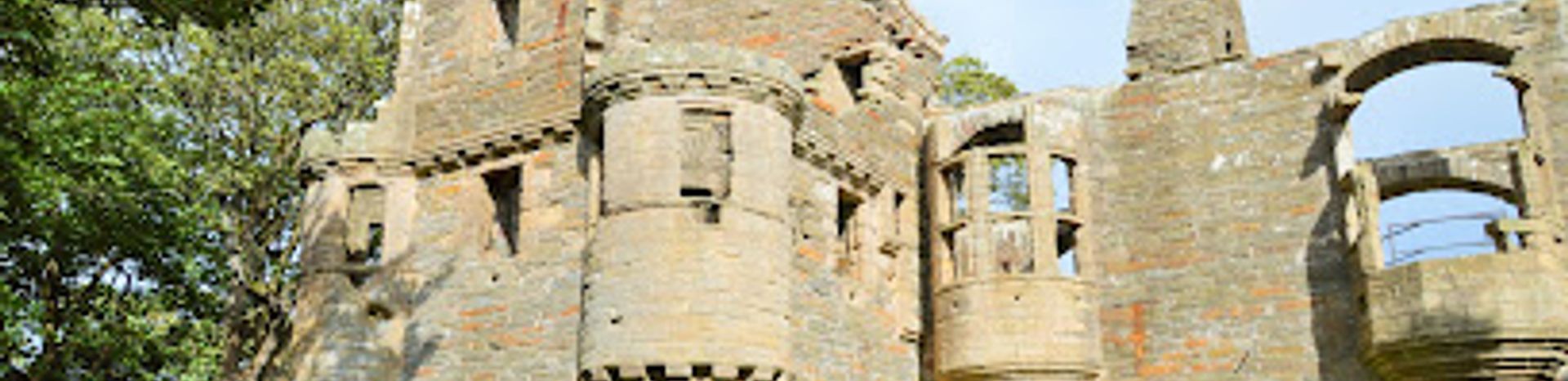
Bishop’s and Earl's Palaces, Kirkwall: Medieval Majesty and Renaissance Power
Explore Kirkwall’s medieval and Renaissance palaces where Norse kings and notorious earls shaped Orkney’s history.
Explore the evocative ruins of the Bishop’s Palace and Earl’s Palace in Kirkwall, Orkney’s historic heart. The Bishop’s Palace, dating from the early 12th century, offers a glimpse into medieval ecclesiastical life and witnessed the death of King Haakon IV of Norway. Across the street, the imposing Renaissance Earl’s Palace, built in the early 1600s by the notorious Earl Patrick Stewart, showcases grand architecture and a turbulent history. Together, these palaces reveal Orkney’s rich Norse and Scottish heritage amid atmospheric stone ruins.
A brief summary to Bishop’s and Earl's Palaces
- Watergate, Kirkwall, KW15 1PD, GB
- +441856871918
- Visit website
- Duration: 1 to 2 hours
- Mid ranged
-
 Outdoor
- Mobile reception: 4 out of 5
- Monday 10 am-4:30 pm
- Tuesday 10 am-4:30 pm
- Wednesday 10 am-4:30 pm
- Thursday 10 am-4:30 pm
- Friday 10 am-4:30 pm
- Saturday 10 am-4:30 pm
- Sunday 10 am-4:30 pm
Local tips
- Visit in the late afternoon for the best light to photograph the textured stone ruins.
- Purchase tickets online in advance for a discount and guaranteed entry during peak season.
- Allow at least 1.5 to 2 hours to explore both palaces and enjoy the guided tours or digital guides.
- Wear sturdy footwear as the ruins have uneven surfaces and some stairs.
- Combine your visit with nearby St Magnus Cathedral to fully appreciate Kirkwall’s medieval heritage.

For the on-the-go comforts that matter to you
- Restrooms
- Drink Options
- Food Options
- Information Boards
- Visitor Center
- Trash Bins
- Seating Areas
Getting There
-
Bus
Local buses from Kirkwall town center run frequently to Watergate, near the palaces, with a journey time of approximately 10-15 minutes. Tickets cost around £2-£3. Service frequency varies seasonally, with reduced runs in winter.
-
Taxi
Taxis from Kirkwall airport or ferry terminal to the palaces take about 10 minutes. Fares typically range from £10 to £15. Taxi availability is good during the tourist season but may require advance booking in off-peak months.
-
Walking
For visitors staying in Kirkwall town center, the palaces are within a 15-20 minute walk along mostly flat, paved streets. Suitable for most fitness levels but may be challenging for those with mobility impairments due to uneven surfaces near the ruins.
Bishop’s and Earl's Palaces location weather suitability
-
 Any Weather
-
 Rain / Wet Weather
-
 Clear Skies
-
 Mild Temperatures
-
 Windy Conditions
Discover more about Bishop’s and Earl's Palaces
Origins and Historical Significance of the Bishop’s Palace
The Bishop’s Palace in Kirkwall was constructed in the early 1100s, contemporaneous with the nearby St Magnus Cathedral. Likely built by Bishop William the Old, a crusader and ally of Earl Rognvald, the palace served as the residence of Orkney’s bishops. Architecturally, it was a straightforward two-storey hall house, with much of the ground floor still intact today. This medieval stronghold is historically poignant as the place where King Haakon IV of Norway died in 1263 following an inconclusive battle with the Scots at Largs. The palace’s Romanesque and Gothic features, including narrow, alternating red and yellow stone windows, echo the cathedral’s design and reflect Orkney’s Norse ecclesiastical heritage.The Earl’s Palace: Renaissance Grandeur and Tyranny
Directly opposite stands the Earl’s Palace, a striking Renaissance structure built around 1606 by Patrick Stewart, Earl of Orkney, infamous for his ruthless rule. His ambition was to create a grand palace complex by incorporating the older Bishop’s Palace into a larger residence known as the Palace of the Yards. The Earl’s Palace is notable for its sophisticated layout, including a vast great hall dominated by an enormous five-meter-wide fireplace, elaborate staircases, and multiple chambers for guests and staff. The building’s design reflects Stewart’s obsession with privacy and security, with his private apartments set apart from those of his household. The palace’s construction reportedly involved slave labour, a testament to the Earl’s harsh reign.Architectural and Cultural Context within Kirkwall
These palaces are central to Kirkwall’s medieval street plan and cultural identity. The Bishop’s Palace and Earl’s Palace stand as some of the best-preserved remnants of Orkney’s medieval and early modern periods. Their proximity to St Magnus Cathedral creates a historic ensemble that illustrates the intertwined religious and secular power in the Northern Isles. The façades, including the Bishop Reid’s tower and the Earl’s Palace’s oriel windows and corbelled turrets, remain visually arresting, offering visitors a chance to connect with centuries of Orkney’s layered history.Visitor Experience and Interpretation
Visitors can explore the atmospheric ruins freely, absorbing the palpable sense of history embedded in the stone walls. Knowledgeable guides often enrich the experience by sharing stories of the palaces’ past inhabitants and the dramatic events that unfolded here. The site offers a quiz and digital guides that deepen understanding of Orkney’s nearly 5,000 years of history. The palaces’ open-air setting and evocative ruins provide excellent opportunities for photography, especially in the soft late-afternoon light that highlights the textures of the stonework.Seasonal Access and Practical Information
The Bishop’s and Earl’s Palaces are open daily from April 1 to September 30, from 10am to 4pm, with a lunch closure from 12 noon to 1pm. They close during the winter months from October through March. Tickets are purchased at a hut on the Earl’s Palace side, granting access to both palaces. Admission prices are moderate, with discounts for concessions, families, and members of Historic Environment Scotland. The ruins’ uneven surfaces may pose accessibility challenges, so visitors with mobility concerns should inquire ahead. The palaces’ central location in Kirkwall makes them easily reachable on foot, with nearby amenities including a gift shop and information boards.Legacy and Symbolism in Orkney’s Heritage
The Bishop’s and Earl’s Palaces embody Orkney’s complex history of Norse rule, Scottish integration, and local power struggles. They stand as monuments to the ecclesiastical authority of the medieval church and the turbulent ambitions of Renaissance nobility. Their ruins invite reflection on themes of power, faith, and resilience, making them not only architectural treasures but also cultural touchstones for understanding Orkney’s identity through the ages.Iconic landmarks you can’t miss

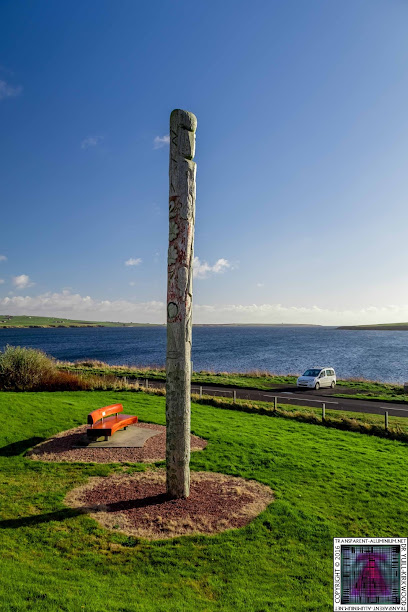
First Nations And Orcadian Totem Pole
10.1 km
A striking wooden monument in Orkney symbolizing friendship and shared heritage between First Nations and Orcadian cultures.
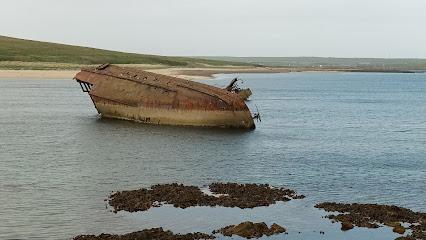
Churchill Barriers
10.4 km
Historic WWII causeways in Orkney that safeguarded Scapa Flow and now link islands with a rich legacy of resilience and culture.
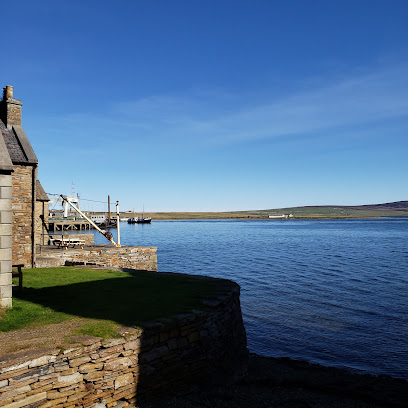
The Cannon
19.8 km
Historic cannon from an American privateer, set against the stunning backdrop of Stromness harbour’s maritime heritage.
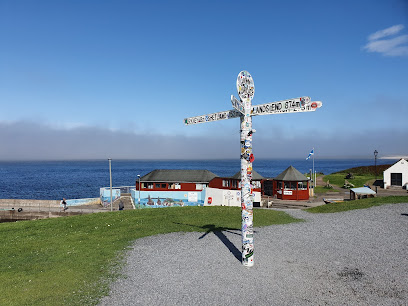
John O'Groats Signpost
38.0 km
Britain's most iconic signpost marks the legendary endpoint of the 874-mile Land's End to John o' Groats journey.
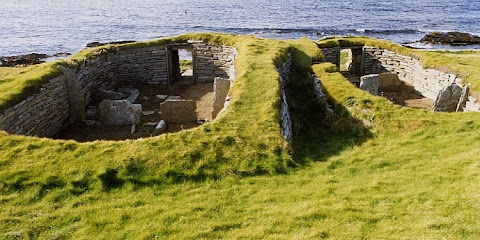
Knap of Howar
41.1 km
Explore Knap of Howar, a Neolithic gem in Orkney, showcasing ancient architecture and breathtaking coastal landscapes.
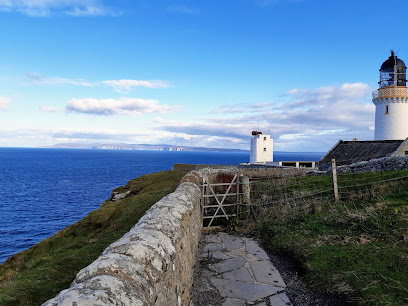
Dunnet Head Lighthouse
42.0 km
Experience the stunning beauty and rich heritage of Dunnet Head Lighthouse, Scotland's northernmost landmark with breathtaking coastal views.
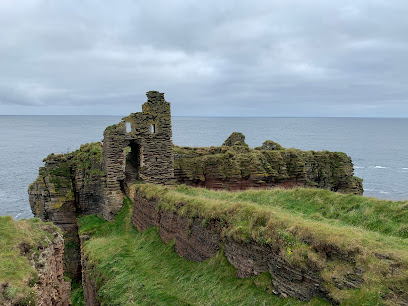
Bucholie Castle
45.4 km
Discover the rich history and stunning views of Bucholie Castle, an enchanting historical landmark in Nybster, near Wick, Scotland.
Above and Beyond Tours
45.8 km
Discover the breathtaking landscapes of Caithness with Above and Beyond Tours, where adventure meets local expertise in Scotland's stunning north.
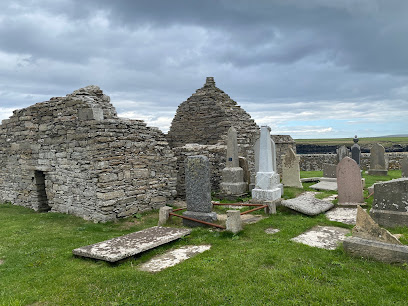
Mary Ann's Cottage
45.9 km
Explore the fascinating history of Caithness at Mary Ann's Cottage, a charming museum showcasing 19th-century life and culture.
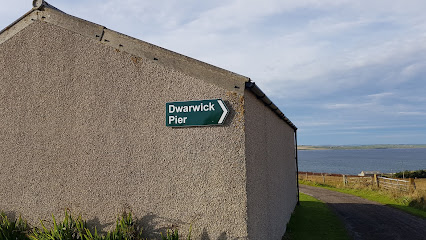
Caithness Broch Centre
47.7 km
Explore the ancient Iron Age at the Caithness Broch Centre, a unique attraction that unveils the mysteries of Scotland's historic broch structures.
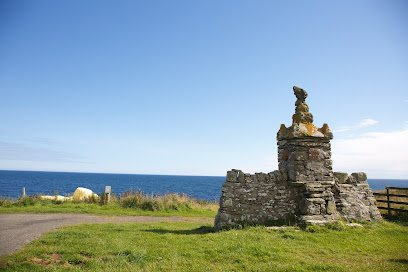
Nybster Broch
48.3 km
Discover the enchanting Nybster Broch, an ancient Iron Age site in Scotland offering a unique glimpse into Pictish history amidst stunning coastal vistas.
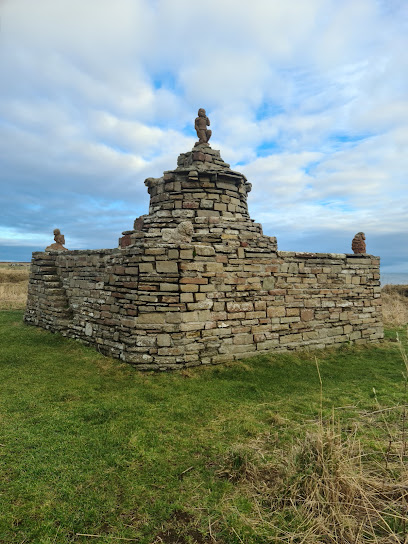
Dunnet Links: St. Coomb Chapel (6th century, former site))
49.1 km
Discover the ancient ruins of St. Coomb Chapel, a 6th-century site near Castletown that reveals Scotland’s early Christian heritage.
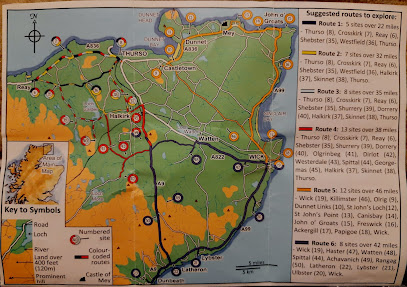
Castlehill Heritage Centre
49.1 km
Discover the captivating history and culture of Castletown at the Castlehill Heritage Centre, a unique museum in the heart of the Scottish Highlands.
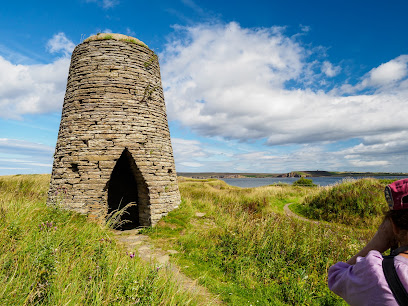
Old Keiss Castle
50.0 km
Perched on Caithness cliffs, Old Keiss Castle’s dramatic ruins tell the tale of Sinclair nobility and Scotland’s turbulent history.
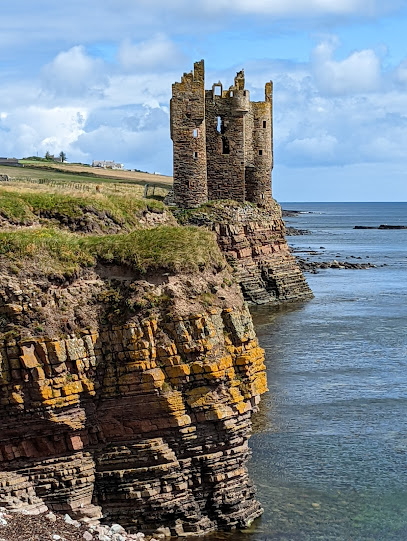
Whitegate broch
50.4 km
An atmospheric Iron Age broch perched on a Caithness headland, offering dramatic sea views and a powerful sense of Scotland’s ancient past.
Unmissable attractions to see

St Magnus Cathedral
0.1 km
Explore Scotland’s oldest cathedral, a stunning medieval masterpiece and spiritual heart of Orkney, rich with Norse history and vibrant cultural life.
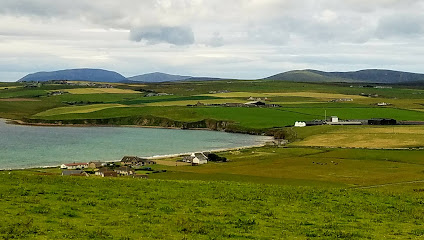
The Tankerness House
0.1 km
Explore Orkney’s rich history in the stunning 16th-century Tankerness House, home to the internationally significant Orkney Museum.
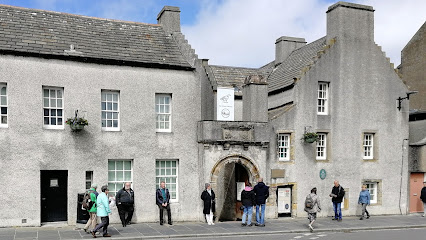
The Orkney Museum
0.1 km
Discover Orkney’s story from ancient times to today in the historic Tankerness House, home to nationally significant archaeology and vibrant cultural exhibits.
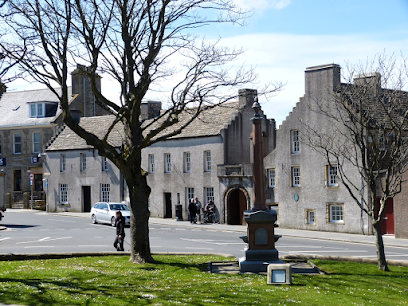
Badly Drawn Cat
0.2 km
A cozy vegan café and art gallery in Kirkwall blending plant-based delights with local creativity and friendly charm.
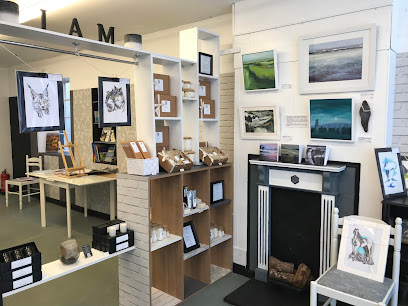
Spirit of Orkney
0.4 km
Explore the historic heart of Kirkwall where Orkney’s rich Norse heritage and vibrant local culture come alive.
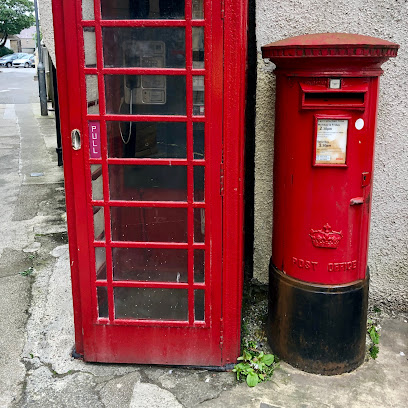
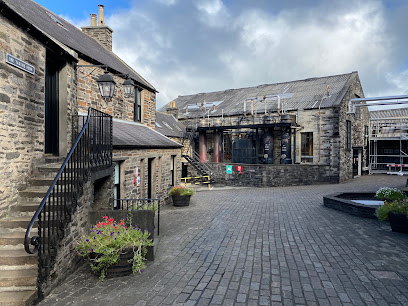
The Orkney Distillery & Visitor Centre
0.4 km
Discover Orkney’s hand-crafted spirits and rich heritage at Kirkwall’s vibrant distillery and visitor centre on the historic harbour front.
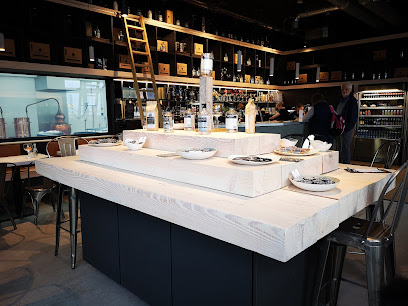
Orkney Wireless Museum
0.4 km
Explore a century of wireless communication and wartime heritage in Orkney’s volunteer-run museum with interactive exhibits and rare memorabilia.
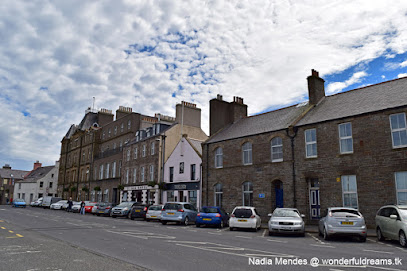
Grain Earth House
1.2 km
Discover the enchanting Grain Earth House, a historical landmark in Kirkwall, Orkney, showcasing ancient architecture and rich cultural heritage.
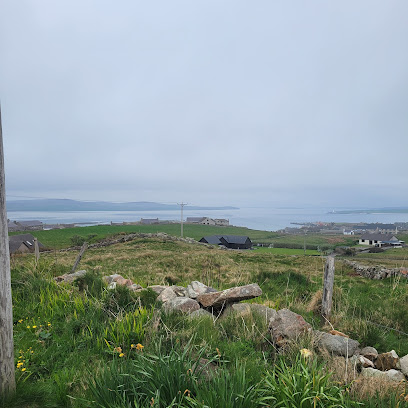
Highland Park Whisky Distillery
1.4 km
Explore the northernmost Scotch whisky distillery, blending Viking heritage and Orkney’s unique peat smoke into world-renowned single malts.
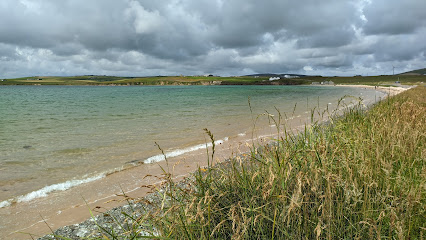
Scapa Beach
2.3 km
Discover the tranquil beauty and rich maritime history of Scapa Beach, a scenic coastal gem near Kirkwall in Orkney.
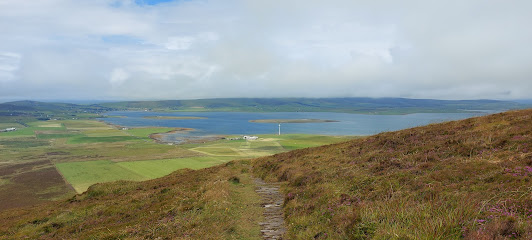
Wideford Hill Scenic View
3.9 km
A quiet Orkney hilltop with sweeping views over Kirkwall, the Bay of Firth, and the surrounding countryside, perfect for panoramic photos and peaceful reflection.
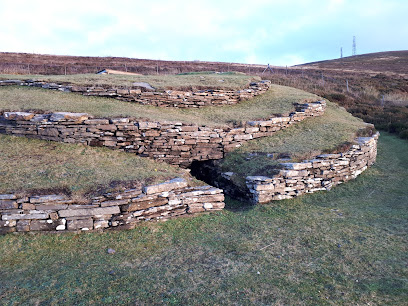
Wideford Hill Cairn
4.2 km
Explore Wideford Hill Cairn, a majestic 5,000-year-old Neolithic tomb in Orkney, blending ancient architecture with celestial mysteries and stunning views.
Rennibister Earth House
5.5 km
Discover the Rennibister Earth House, a prehistoric marvel nestled in the Orkney Islands, embodying ancient heritage and natural beauty.
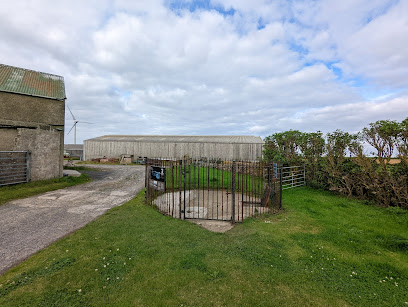
Sheila Fleet Kirk Gallery & Café
6.8 km
Handcrafted Orkney jewellery in a restored church, where ancient enamelling techniques meet contemporary design.
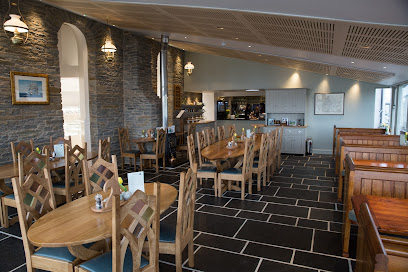
Waulkmill Bay
7.9 km
Discover Waulkmill Bay, Orkney’s peaceful golden beach with stunning Scapa Flow views and a hidden coastal charm perfect for picnics and nature lovers.
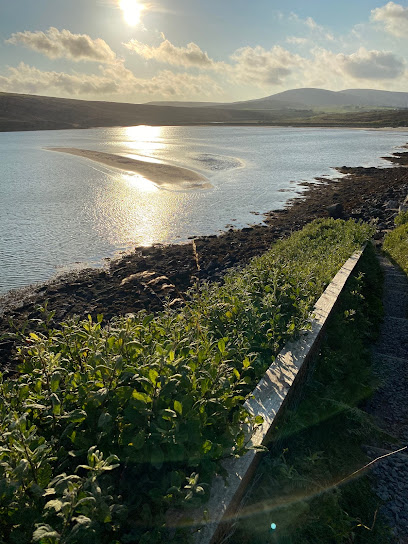
Essential places to dine

Lucano
0.1 km
Experience authentic Italian flavors and warm hospitality in the heart of Kirkwall at Lucano, a beloved local restaurant and pizzeria.
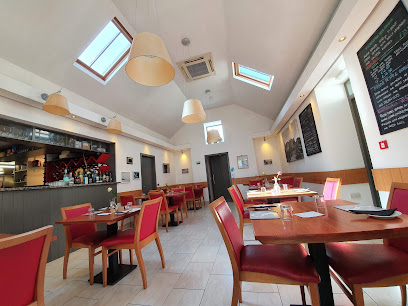
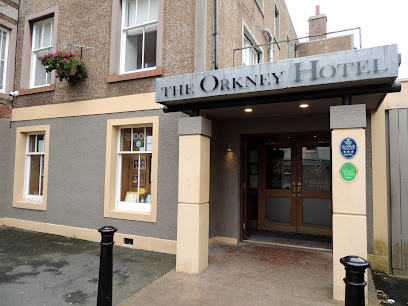
The Orkney Hotel
0.1 km
Historic charm meets cosy comfort and local hospitality in the heart of Kirkwall at The Orkney Hotel.
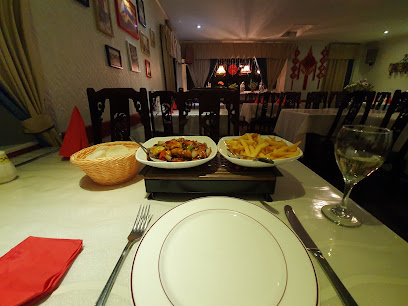
Empire Chinese Restaurant
0.2 km
A reliable, family-friendly Chinese restaurant in central Kirkwall, serving generous portions of classic dishes in a relaxed setting.
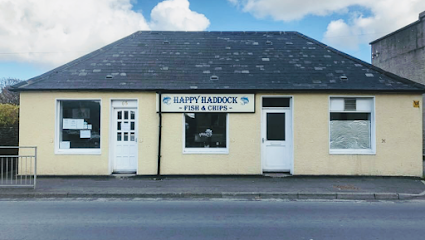
Happy Haddock
0.3 km
Classic Orkney fish and chips with friendly service and hearty portions in the heart of Kirkwall.
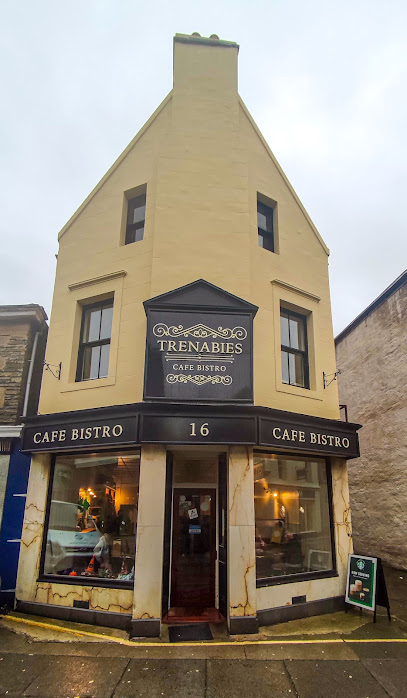
Trenabies Cafe Bistro
0.3 km
Cozy cafe and bistro in Kirkwall offering hearty local dishes, great coffee, and friendly service in a welcoming atmosphere.
Twenty One
0.3 km
A vibrant Kirkwall hotspot serving unique tapas and expertly crafted cocktails in a stylish, welcoming setting.
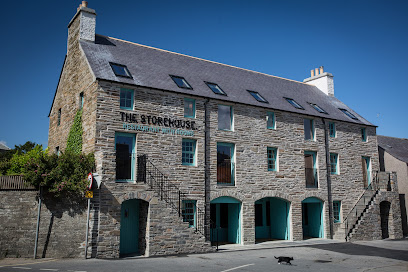
The Storehouse Restaurant with Rooms
0.3 km
A boutique dining and accommodation gem in Kirkwall blending historic charm with world-class local cuisine and cozy rooms.
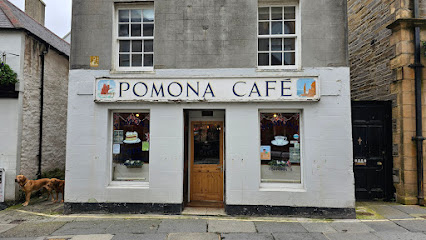
Pomona Cafe
0.3 km
A cozy, traditional Kirkwall cafe serving hearty breakfasts and warm hospitality in the heart of Orkney’s capital.
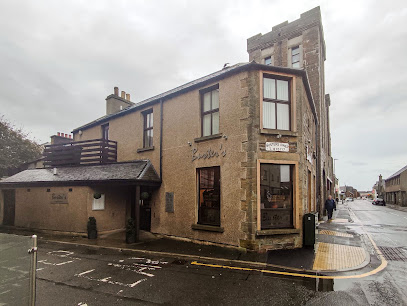
Busters Diner
0.3 km
A cozy American-style diner in Kirkwall serving hearty comfort food with British influences and local Orkney beers in a relaxed setting.
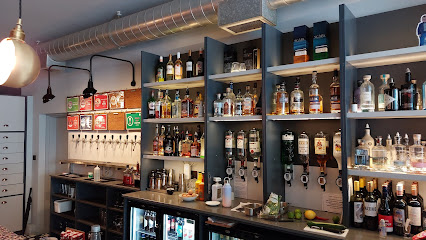
Bothy Bar
0.3 km
Experience the warmth of Bothy Bar in Kirkwall – where delicious food meets delightful drinks in a cozy atmosphere.
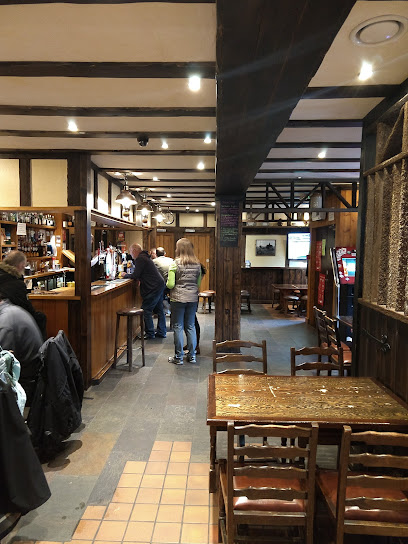
Dil Se Restaurant
0.4 km
Experience authentic North Indian and Bangladeshi flavors in Kirkwall’s award-winning Dil Se Restaurant, blending tradition with local freshness.
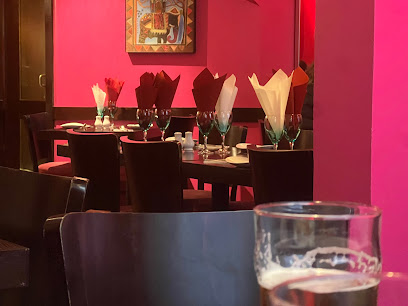
Helgi's
0.4 km
A vibrant harbourfront gastropub blending Orkney’s Viking heritage with fresh local fare and lively community spirit.
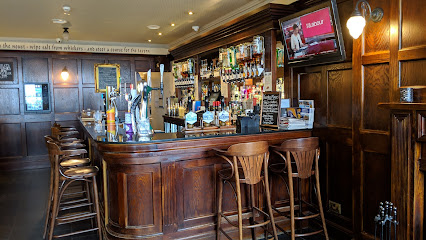
The Shore
0.4 km
Modern waterfront hotel in Kirkwall's harbor district with clean rooms, full breakfast, and walking access to town attractions.

Sakura Kitchen
0.5 km
Authentic Japanese takeaway in Kirkwall with weekly-changing menus and ceremonial matcha from Kyoto.
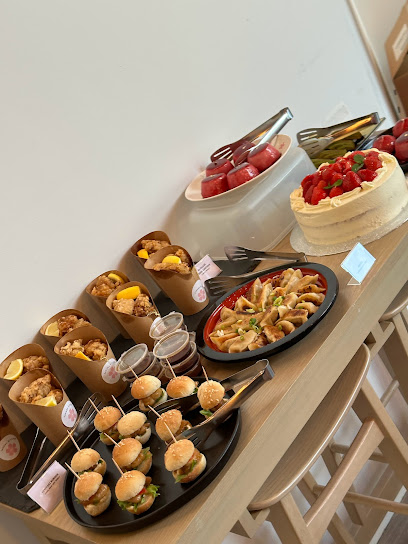
The Foveran
4.0 km
A family-run British restaurant with rooms offering exquisite local cuisine and stunning countryside views in Kirkwall, Orkney.
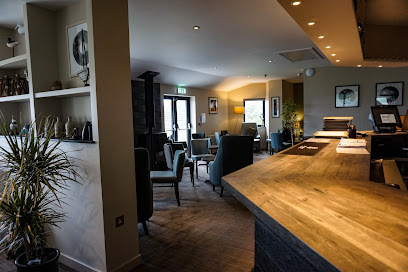
Markets, malls and hidden boutiques

Blue Joe's
0.1 km
Discover authentic Orkney crafts and unique souvenirs at Blue Joe's, Kirkwall’s charming gift shop full of local treasures and stories.
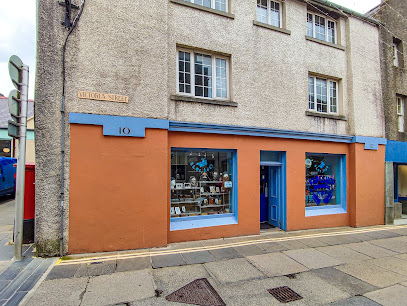
Judith Glue
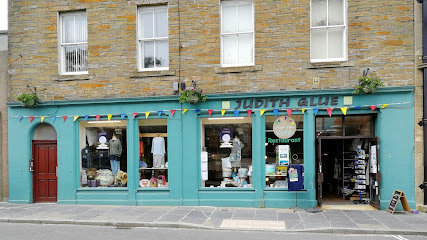
0.1 km
Discover Kirkwall’s charming Aladdin’s Cave of local gifts, knitwear, and jewellery at Judith Glue, a beloved hub of Orcadian craftsmanship since 1976.
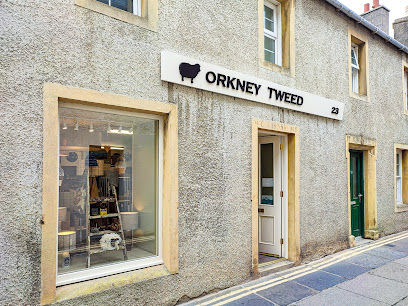
Orkney Tweed
0.1 km
Discover authentic Orkney tweed craftsmanship in Kirkwall’s charming boutique, where tradition meets sustainable artisan quality.
The Longship
0.1 km
Discover Orkney’s rich heritage through timeless jewellery, knitwear, and crafts at Kirkwall’s family-run Longship shop.
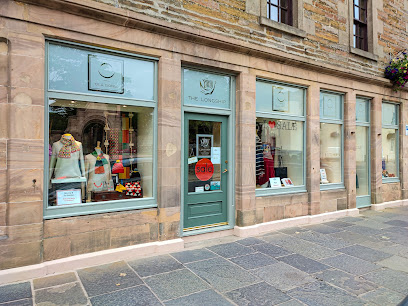
Aurora Jewellery
0.2 km
Discover exquisite hand-crafted jewellery inspired by Orkney’s heritage and landscapes at Aurora Jewellery in Kirkwall.
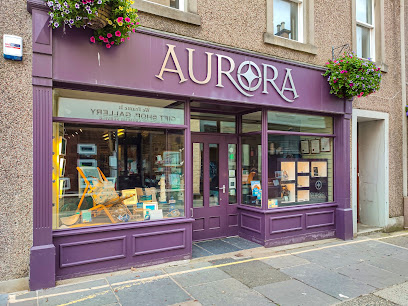
Starlings
0.2 km
Discover authentic Orcadian gifts and crafts at Starlings, a charming boutique shop in Kirkwall’s historic heart.
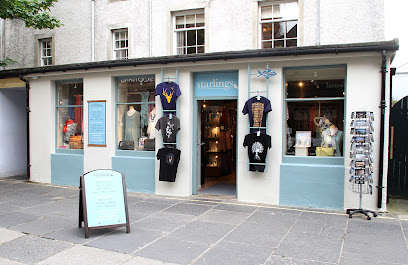
Logo Orkney
0.2 km
Explore Logo Orkney for unique clothing and authentic Orkney-themed souvenirs, perfect for capturing your travel memories.
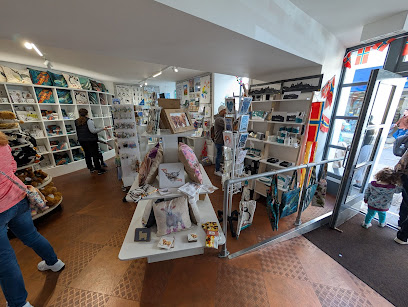
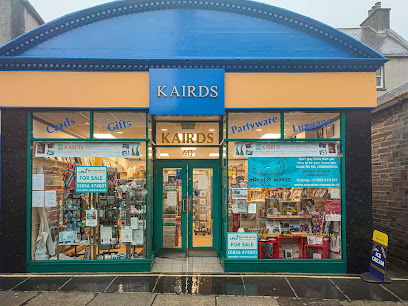
Kairds
0.2 km
Discover unique gifts and local crafts that capture the spirit of Orkney at Kairds, Kirkwall’s beloved gift shop on Albert Street.
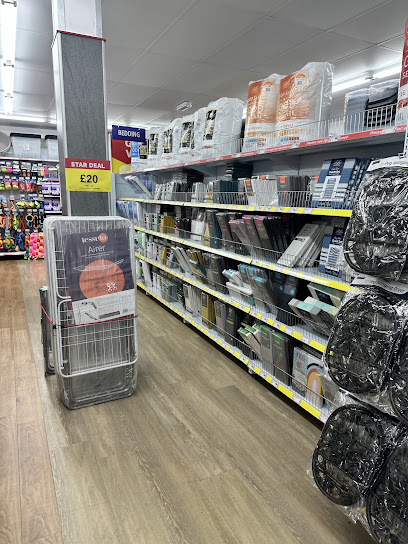
Poundstretcher
0.3 km
Discover unbeatable value and variety at Poundstretcher Kirkwall, your go-to discount store in the heart of Orkney’s town center.
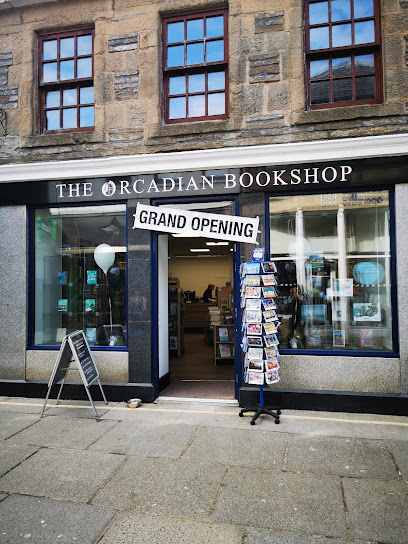
The Orcadian Bookshop
0.3 km
Discover Orkney’s stories and culture at The Orcadian Bookshop, Kirkwall’s independent literary gem in the historic city centre.
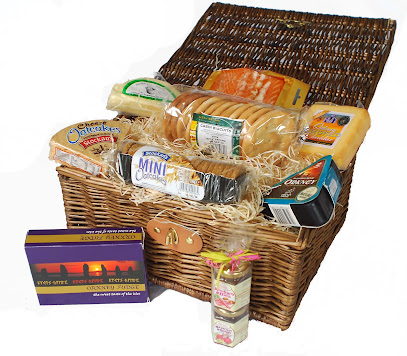
The Original Orkney Hamper Company
0.3 km
Discover authentic Orkney flavors and handcrafted gifts in charming hampers from Kirkwall’s beloved local shop.
Orkney Souvenirs
0.4 km
Discover authentic Orkney crafts and local treasures in Kirkwall’s welcoming souvenir shop, celebrating island heritage and artistry.
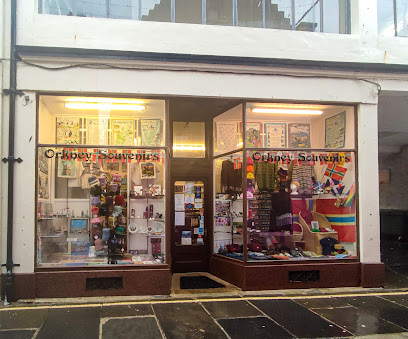
Anchor Shopping Centre
0.4 km
A compact, modern shopping mall in central Kirkwall, offering everyday essentials, fashion, health and beauty, and practical services in a convenient indoor setting.
St Colms Cafe & Crafts
0.7 km
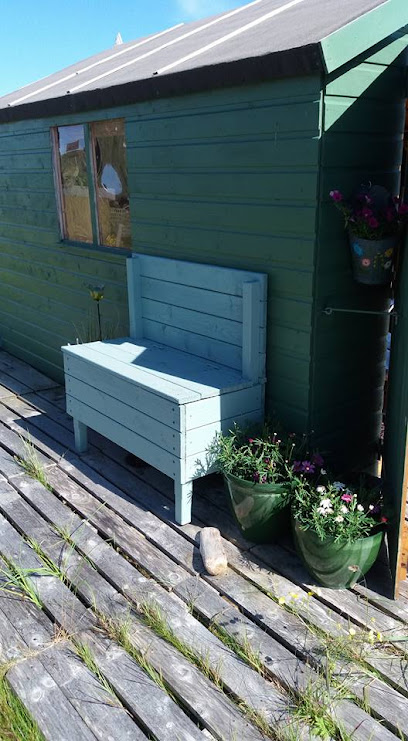
A cozy Kirkwall café and crafts shop offering homemade treats and unique handcrafted garden furniture and cards.
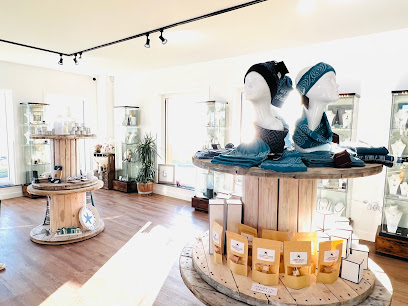
Celina Rupp Jewellery
9.9 km
Handcrafted Orkney jewellery and café where island stories become wearable art.
Essential bars & hidden hideouts

Royal Cask Whisky Gin Bar
0.1 km
Discover Kirkwall’s historic Royal Cask Whisky Gin Bar, home to over 1,000 whiskies, 160 gins, and authentic Orcadian hospitality in a 350-year-old setting.
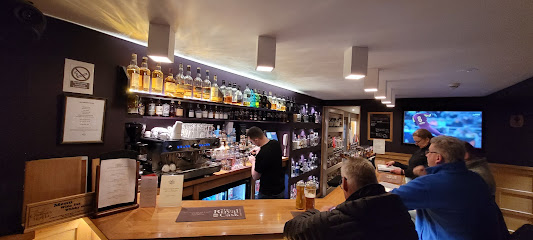
Auld Motor Hoose
0.3 km
A cozy Kirkwall pub blending automotive nostalgia with friendly service and local ales in a lively, welcoming atmosphere.
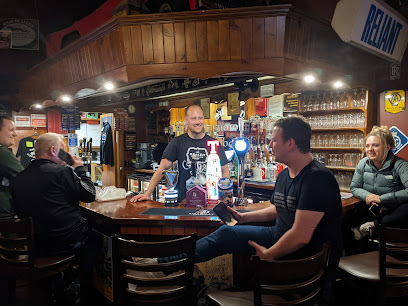
The West End Guest House
0.3 km
A peaceful, centrally located guest house in Kirkwall offering simple comforts and easy access to Orkney’s historic heart.
The Neuk
0.3 km
A warm and lively pub-restaurant in Kirkwall offering fresh local fare, historic charm, and a vibrant live music scene.
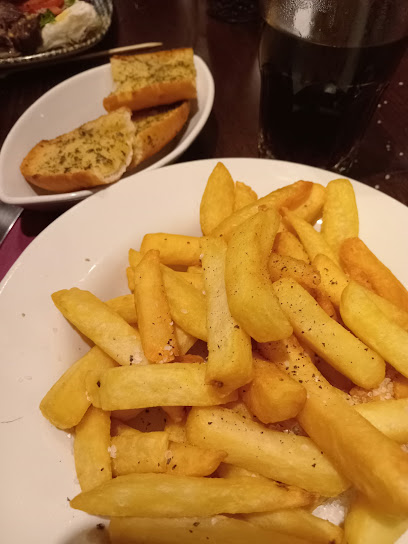
Oot The Back
0.4 km
Discover Kirkwall’s cozy outdoor garden bar with heated booths, local gins, and a relaxed atmosphere behind Orkney Distilling.
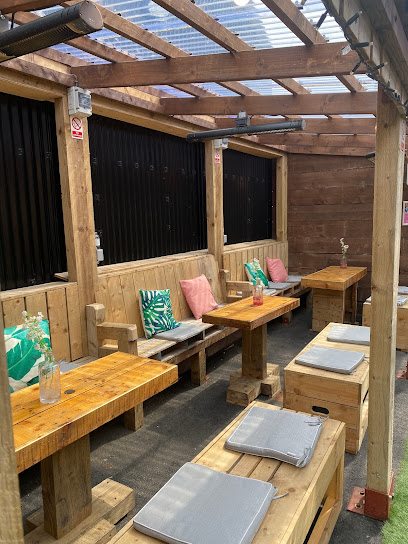
Highland Park Bar
0.4 km
A cozy Kirkwall bar serving an extensive range of Highland Park whiskies and local drinks in a warm, inviting atmosphere within the Kirkwall Hotel.
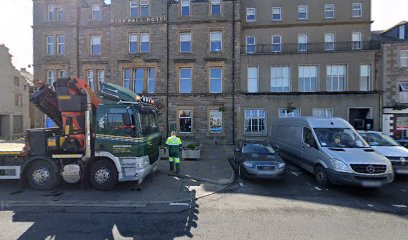
Skippers
0.4 km
Kirkwall’s vibrant sports bar serving local brews, hearty pub fare, and live games in a welcoming, dog-friendly atmosphere.
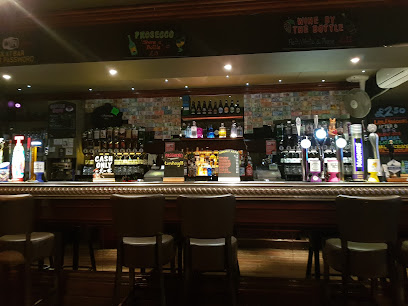
Torvhaug
0.4 km
A lively Kirkwall pub on Bridge Street, Torvhaug offers local whiskys, cozy vibes, and a vibrant atmosphere beloved by locals and visitors alike.
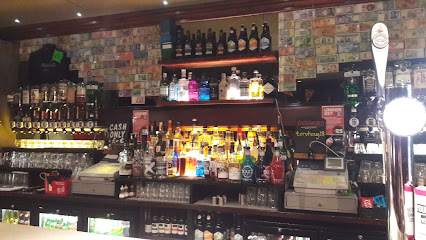
Ayre Hotel & Apartments
0.5 km
Comfortable harbor-side hotel with a lively bar, friendly staff, and easy access to Kirkwall’s historic center.
The Taversoe
17.1 km
A cozy 3-star inn on Rousay offering spacious rooms, local cuisine, and stunning sea views in a warm, welcoming atmosphere.
Robertsons Coffeehoose & Bar
17.3 km
A warm, family-run coffeehouse and bar in historic St Margaret's Hope, serving traditional fare, local drinks, and inclusive menus in a charming setting.
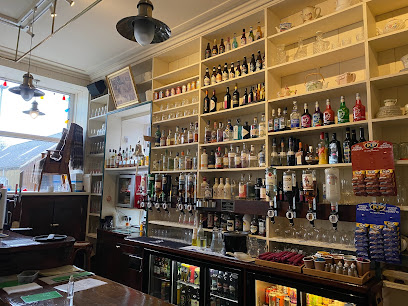
The Belsair
34.6 km
A cozy gastropub and guesthouse on Sanday offering fresh local seafood, comfortable rooms, and authentic island hospitality.
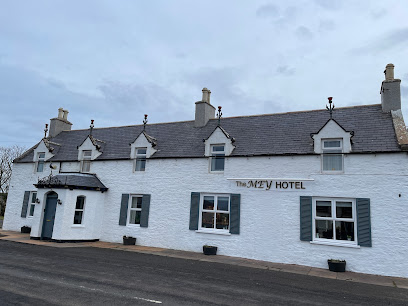
The Mey Hotel
41.3 km
Experience warm Highland hospitality, hearty Scottish fare, and cozy comfort at The Mey Hotel in scenic Thurso.
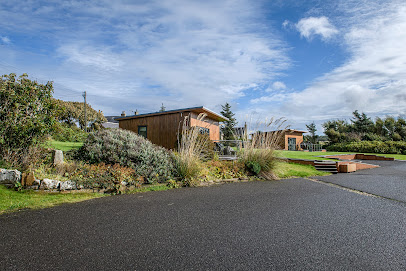
Dunnet Bay Escapes
45.8 km
Luxurious coastal retreat with stunning Dunnet Bay views, gourmet breakfasts, and serene hot tub relaxation in the heart of the Scottish Highlands.
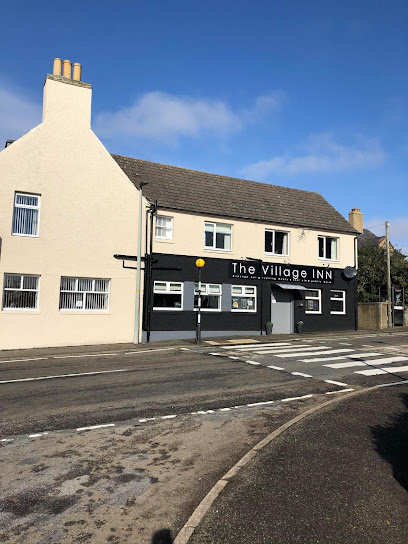
The Village Inn
50.5 km
A cozy Highland village pub offering hearty meals, real ales, and warm hospitality in the scenic community of Keiss.
Nightclubs & after hour spots

The Orkney Club
0.4 km
A welcoming social hub in Kirkwall offering lively evening entertainment and a friendly community atmosphere in the heart of Orkney.
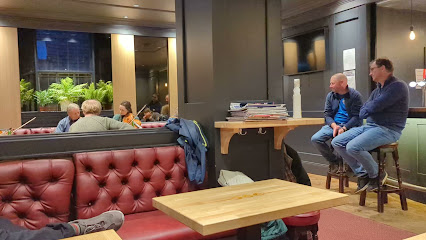
Skinandi's Nightclub
53.9 km
Experience the vibrant nightlife at Skinandi's, the northernmost nightclub on Scotland’s mainland with two bars and two dance floors.
The Waterfront
60.3 km
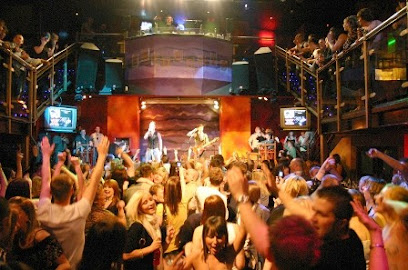
Wick's vibrant nightlife heart with a lively dance floor, diverse music, and a welcoming atmosphere on the scenic Shore.
For the vibe & atmosphere seeker
- Historic
- Scenic
- Tranquil
- Unique
For the design and aesthetic lover
- Rustic Designs
- Vintage Styles
For the architecture buff
- Historic
- Landmarks
- Heritage Neighborhoods
For the view chaser and sunset hunter
- Iconic Views
For the social media creator & influencer
- Instagrammable
- Photo Spots
- Selfie Spots
For the eco-conscious traveler
- Public-Transport Accessible
- Locally Managed
For the kind of experience you’re after
- Cultural Heritage
- Photowalk
- Day Trip
- Weekend Getaway
- Myth & Legends
For how adventurous you want the journey to be
- Easy Access
Location Audience
- Family Friendly
- Senior Friendly
- Child Friendly
- Teen Friendly
- Wheelchair Access
- Pet Friendly
- Solo Friendly
- Couple Friendly
- Solo Female Friendly


